
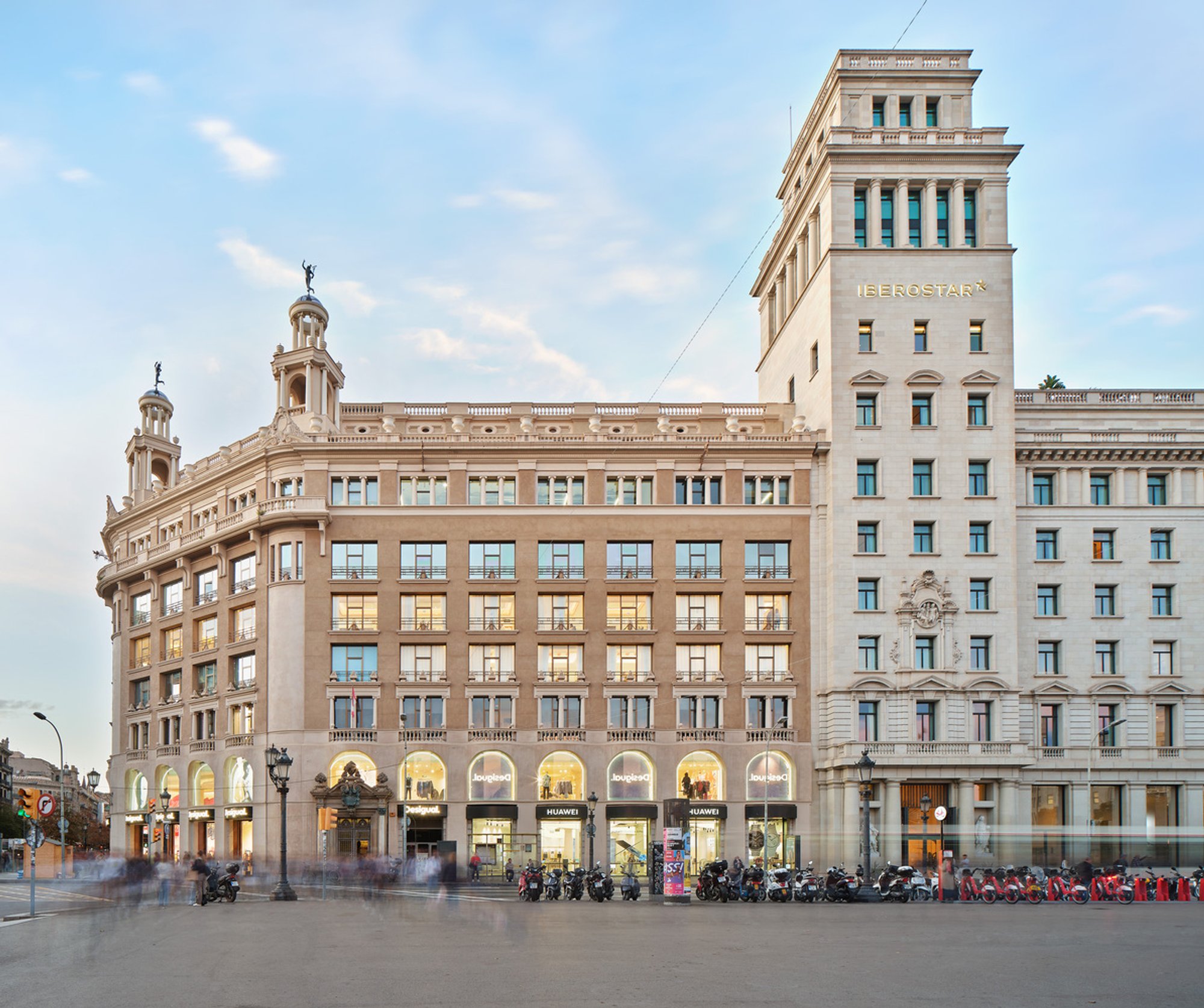
Casa Pich i Pon – LOOM Plaza Catalunya
Casa Pich i Pon at LOOM Plaza Catalunya renovates historic Barcelona office with natural light, flexible workspaces, terraces, and elegant Novecentismo-inspired design.

Adaptive Reuse and Historical Preservation
Casa Pich i Pon, located in the heart of Barcelona at Plaza Catalunya, is a remarkable example of adaptive reuse architecture. SCOB, in collaboration with Sergi Carulla Altadill and Oscar Blasco Lázaro, undertook the renovation of six out of eight floors, including terraces that offer panoramic views of the city. The project celebrates Novecentismo aesthetics, emphasizing open, flexible spaces, natural light, and the revival of noble materials using traditional craft techniques.
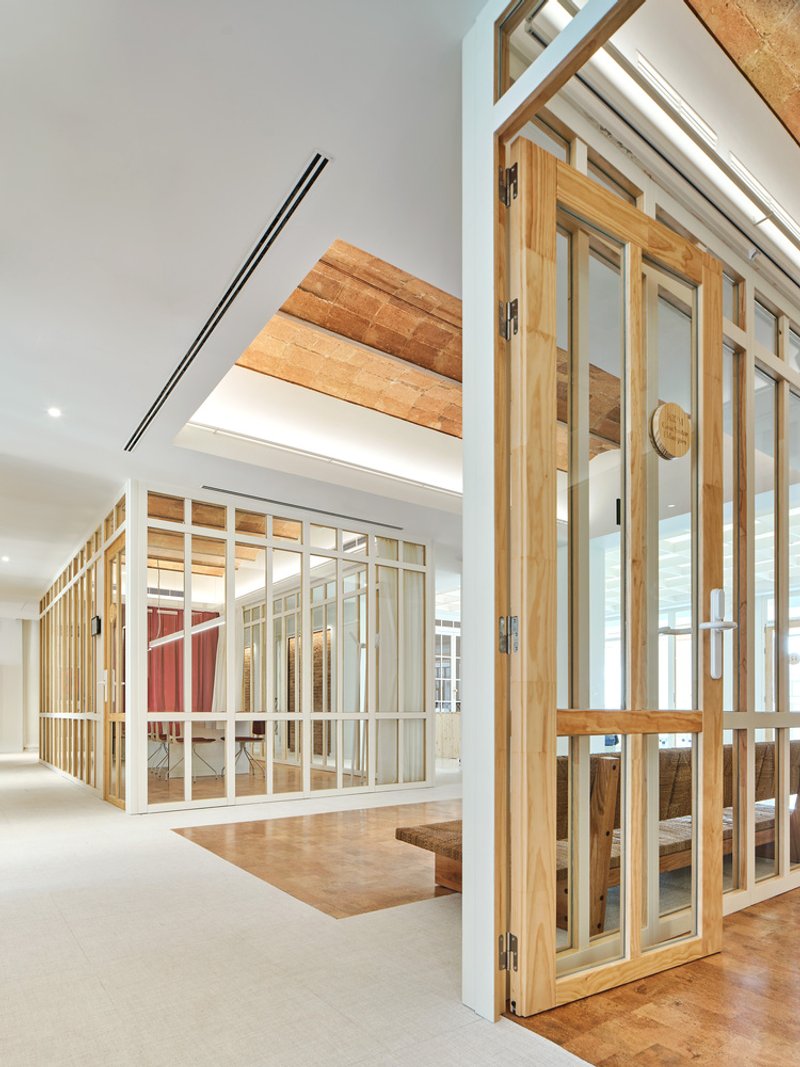
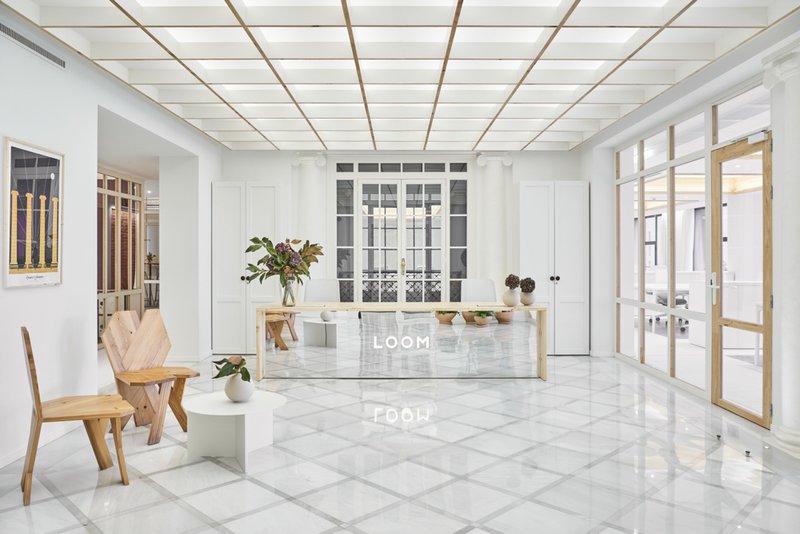
The architects focused on restoring original elements such as columns, patio carpentry, and access doors, preserving the heritage of Puig i Cadafalch’s historic intervention. Original floors and ceilings were carefully analyzed, with some reproductions respectfully maintained to retain historical authenticity while enhancing functionality.
Spatial Design and Interior Concept
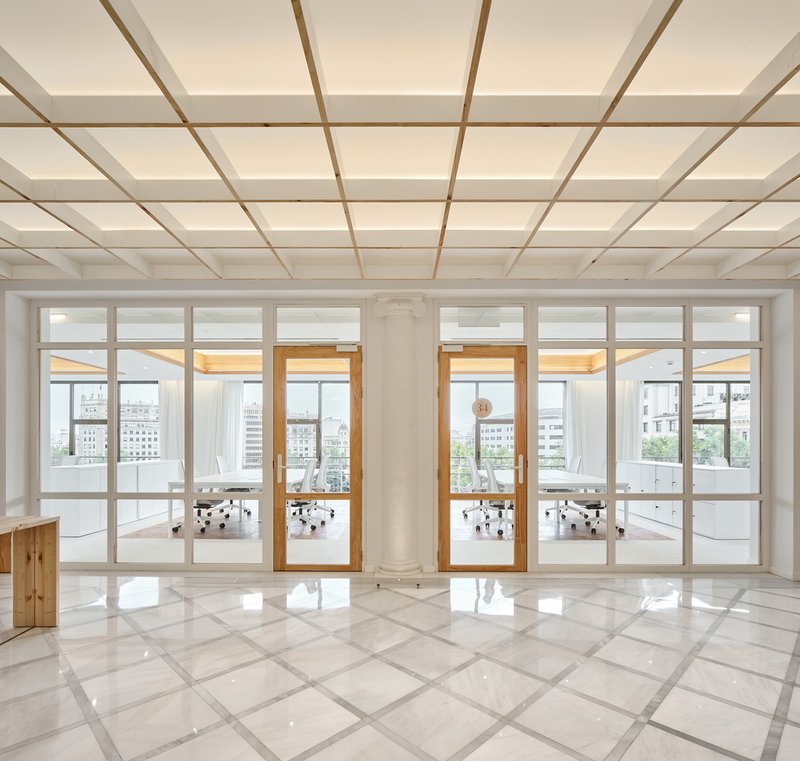
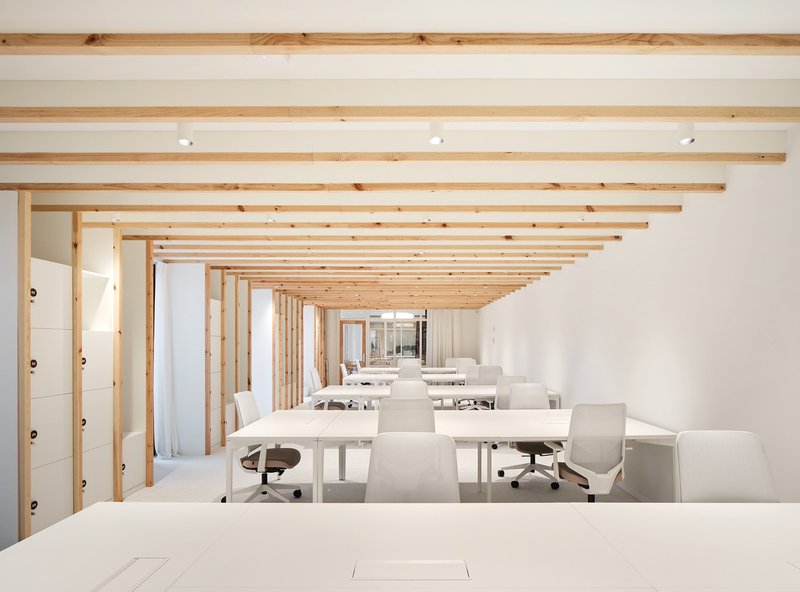
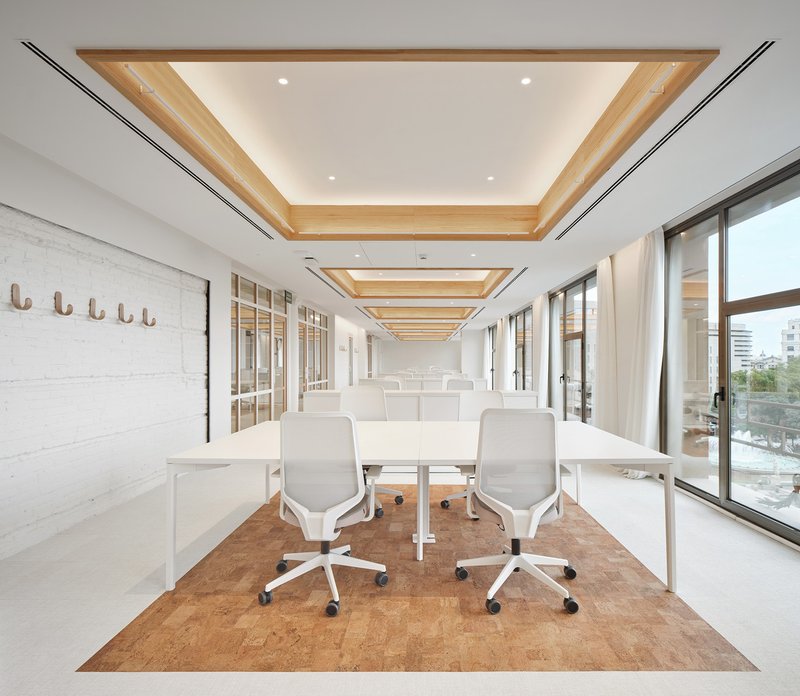
The design concept centers on open, collaborative workspaces along the building’s facades to maximize natural light and visual connection to the city. Central areas, naturally traversed by occupants, are dedicated to shared workstations, promoting spontaneous collaboration and intellectual exchange.
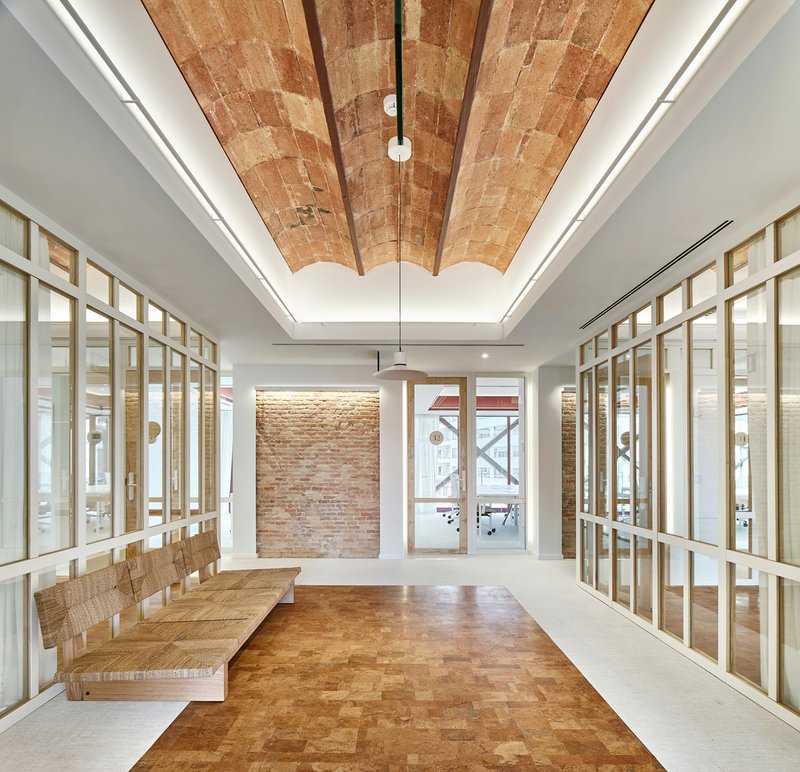
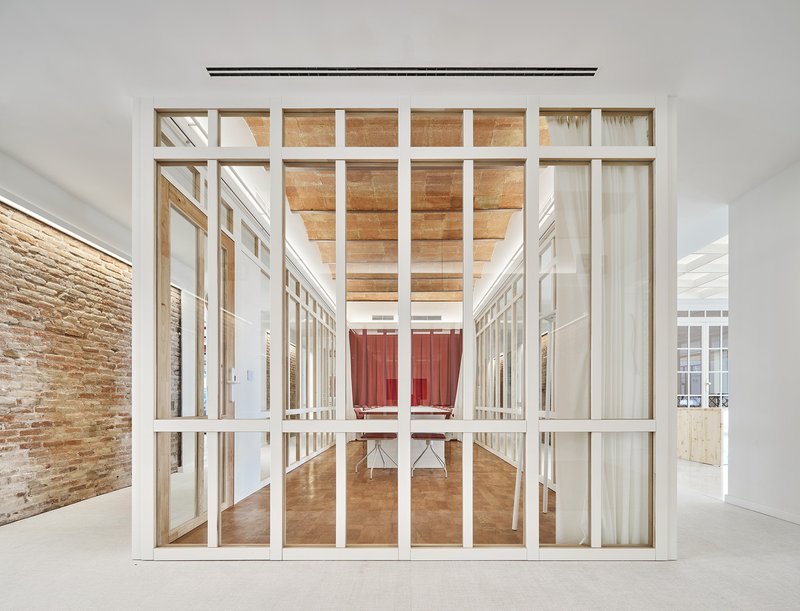
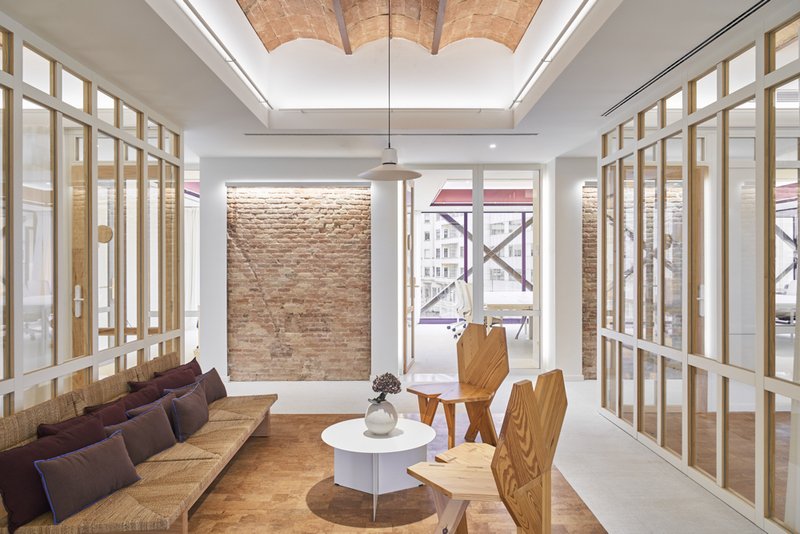
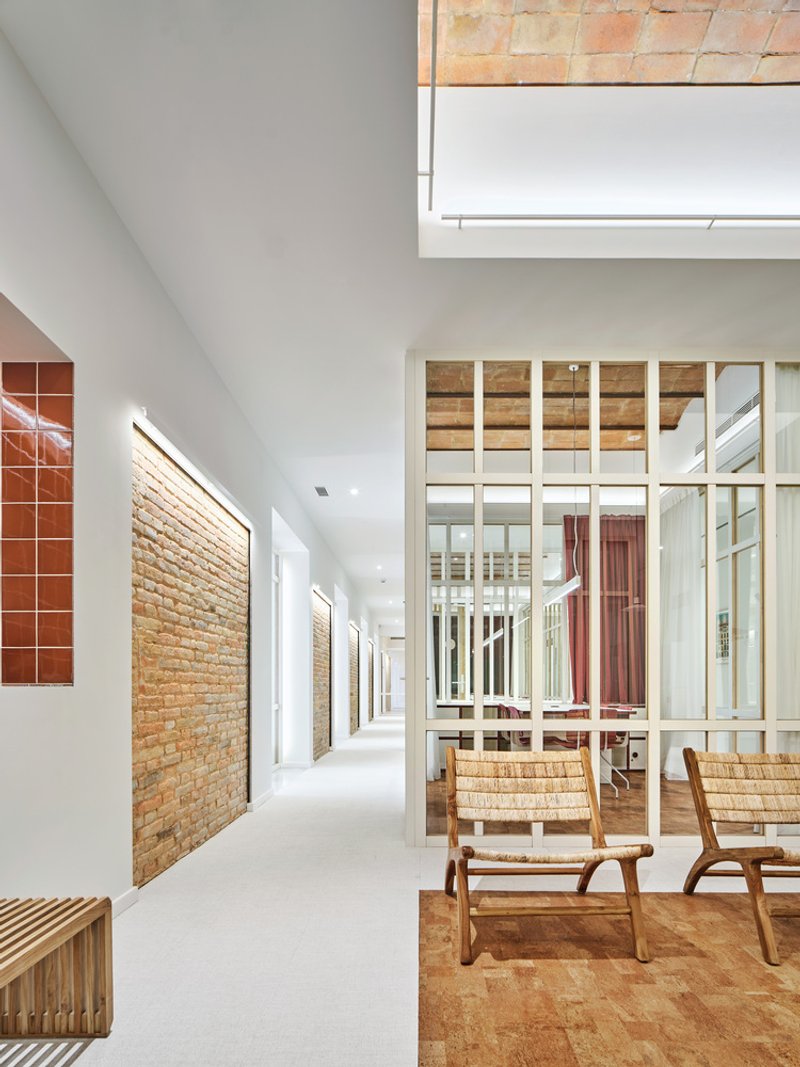
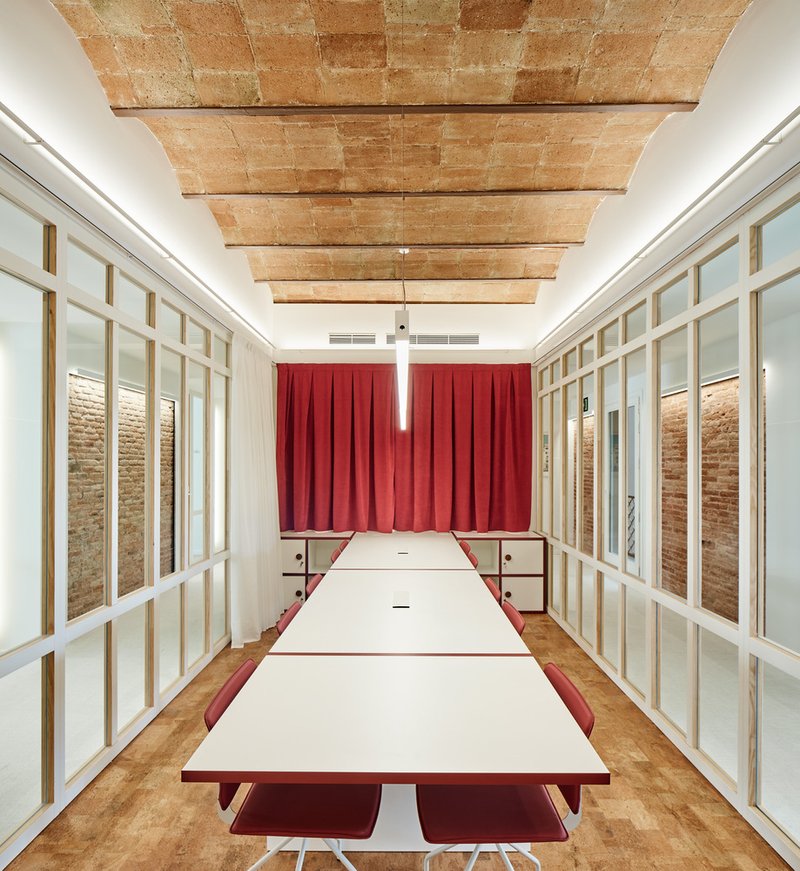
Interior aesthetics combine elegance and simplicity. Geometric patterns in coffered ceilings and pavements are reinterpreted from historical motifs, while interior “windows” in ceilings and walls highlight original structures and materials. Wood, cork, leather, and rope are harmoniously paired with earthy ceramics, natural tones, and accent colors to create a warm, home-like environment.
Furniture in communal areas aligns with the noble materials of the interiors, mixing vintage pieces and contemporary designs. Workspaces remain minimalist yet inviting, with white voile curtains softening boundaries between work, culture, and leisure.
Cultural Heritage and Graphic Identity
SCOB collaborated with illustrator Mister Andreu to create a new series of illustrations highlighting Puig i Cadafalch’s most iconic works in Barcelona. These artworks, displayed in common areas, celebrate the city’s rich architectural heritage. Graphics and signage are inspired by Aloma typography, reflecting the Novecentismo movement and the literary heritage of Mercè Rodoreda.
Terraces and Outdoor Integration
The terraces are signature elements of the project, combining functional workspaces with relaxing outdoor areas. Inspired by traditional Barcelona galleries and terraces, the furniture and vegetation create versatile zones for meetings, leisure, and social interaction, while taking full advantage of city views.
Craftsmanship and Materials
All restoration and interior works were executed using specialized local workshops, including carpenters, marble workers, upholsterers, and ceramists. The project emphasizes sustainability, local craftsmanship, and high-quality materials, bringing historical elegance into a modern office context.
All Photographs are works of José Hevia



Popular Articles
Popular articles from the community

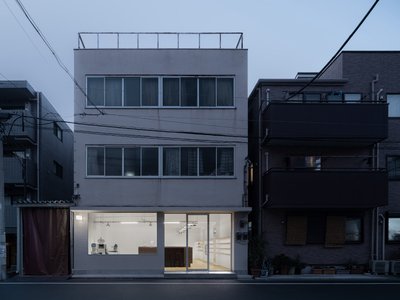
Atelier Macri Concept Store Interior Design by CASE-REAL
Atelier Macri store features a "ko" counter, walnut wood details, cork displays, blending retail, gallery, and seamless customer experiences.


The Ken Roberts Memorial Delineation Competition (Krob)
As the most senior architectural drawing competition currently in operation anywhere in the world, it draws hundreds of entries each year, awarding the very best submissions in a series of medium-based categories.

Inverted Architecture Installation by Studio Link-Arc: Exploring the Intersection of Architecture and Living Organisms
Inverted Architecture Installation by Studio Link-Arc blends mycelium, sustainability, inverted design, ecological cycles, and urban adaptive architecture in Shenzhen.
Solar Steam: A Climate-Responsive Architecture That Redefines the Monument
A climate-responsive memorial architecture that transforms heat, decay, and time into a living system reflecting humanity’s ecological impact.


Similar Reads
You might also enjoy these articles
The Ken Roberts Memorial Delineation Competition (Krob)
As the most senior architectural drawing competition currently in operation anywhere in the world, it draws hundreds of entries each year, awarding the very best submissions in a series of medium-based categories.


Waterfront Redevelopment and Urban Revitalization in Mumbai: Forging a New Dawn for Darukhana
A transformative waterfront redevelopment project reimagining Darukhana’s shipbreaking heritage into an inclusive urban future.

OUT-OF-MAP: A Call for Postcards on Feminist Narratives of Public Space
Rhizoma Design and Research Lab invites artists, designers, architects, researchers, and students to reflect on how feminist perspectives can reshape public space. Selected works will be exhibited in Barcelona, October 2026. Submissions open until 15 April 2026.


Documentation Work on Buddhist Wooden Temple
Architectural syncretism and cultural hybridity: A comparative study of the Buddhist temples in Chattogram Hill tracks

Explore Architecture Competitions
Discover active competitions in this discipline




The International Standard for Design Portfolios


The Global Benchmark for Architecture Dissertation Awards


The Global Benchmark for Graduation Excellence


Challenge to reimagine the Iron Throne
Comments (0)
Please login or sign up to add comments
No comments yet. Be the first to comment!