

Cultural Landmark Architecture in Tokyo: A Deep Dive into Tokyu Kabukicho Tower's Design
The article showcases Tokyu Kabukicho Tower, highlighting its innovative mixed-use architecture and cultural impact in Tokyo's vibrant Kabukicho district.


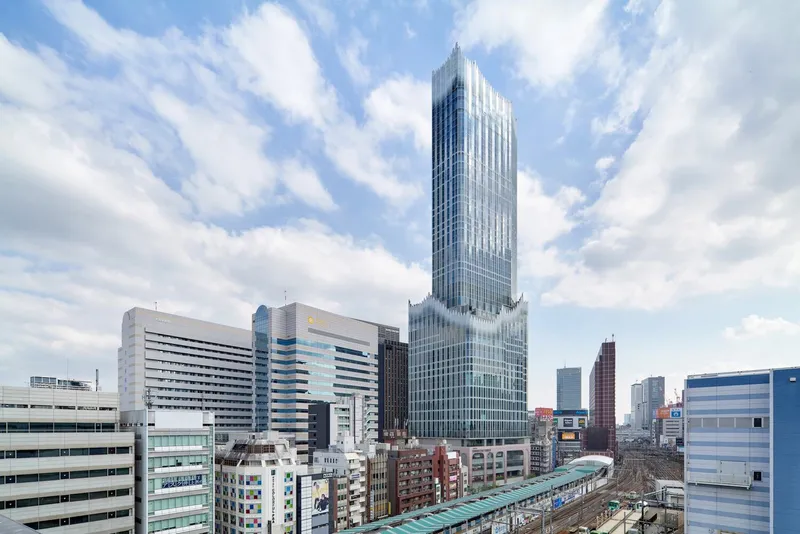
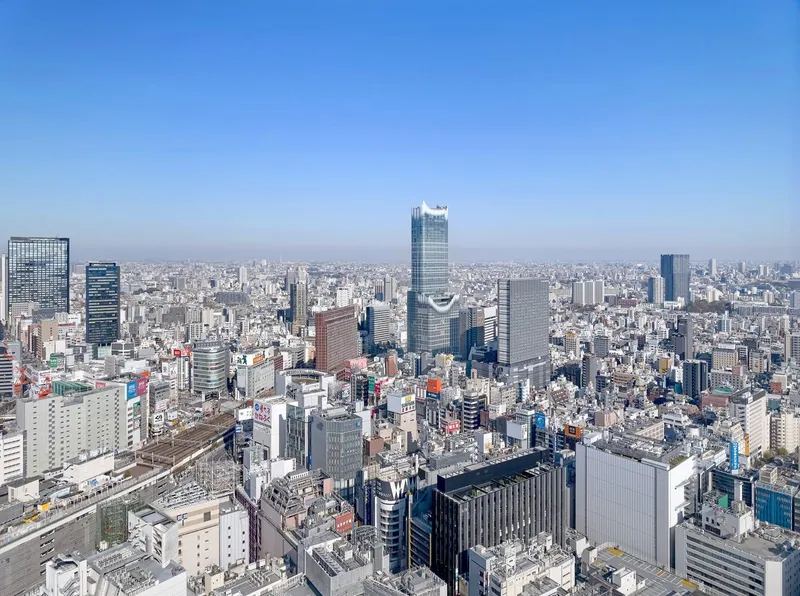
Tokyo, a city renowned for its skyline that blends the traditional with the futuristic, has added a new jewel to its architectural crown: The Tokyu Kabukicho Tower. This towering marvel, a collaboration between Yuko Nagayama & Associates, KUME SEKKEI Co., and Tokyu Architects & Engineers, represents the pinnacle of innovative mixed-use architecture in Tokyo. Located in the heart of Kabukicho, one of the world's liveliest nightlife districts, this building is not just a structure but a symbol of resilience, innovation, and the future of urban development.
The Genesis of an Architectural Icon
The Vision
Kabukicho's history, marked by its evolution from a post-war entertainment district to a bustling nightlife hub, serves as the backdrop for the Tower's conceptualization. The architects aimed to create a skyscraper that diverged from the norm of authority and power, instead embodying the vibrancy and energy of Kabukicho. The design integrates a symbolic tribute to a historic fountain once present at the site, emphasizing formlessness and ephemeral beauty as central themes.
Architectural Marvel
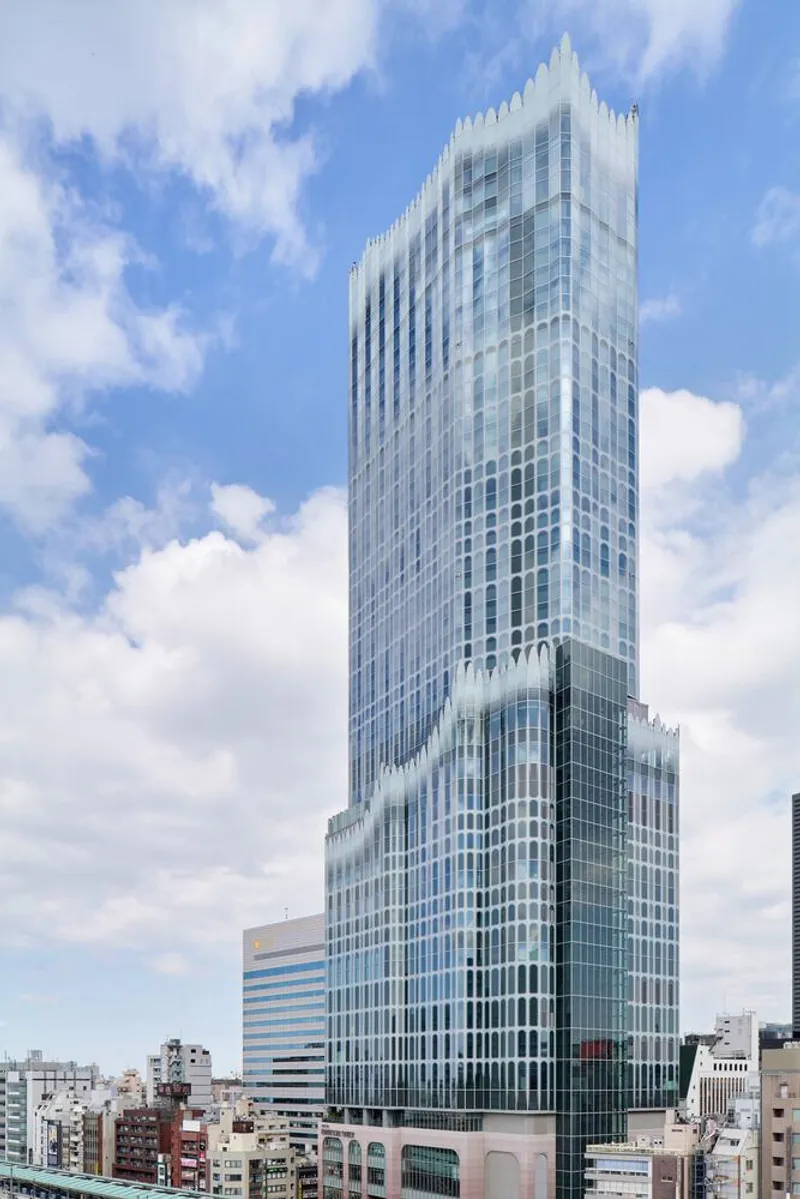
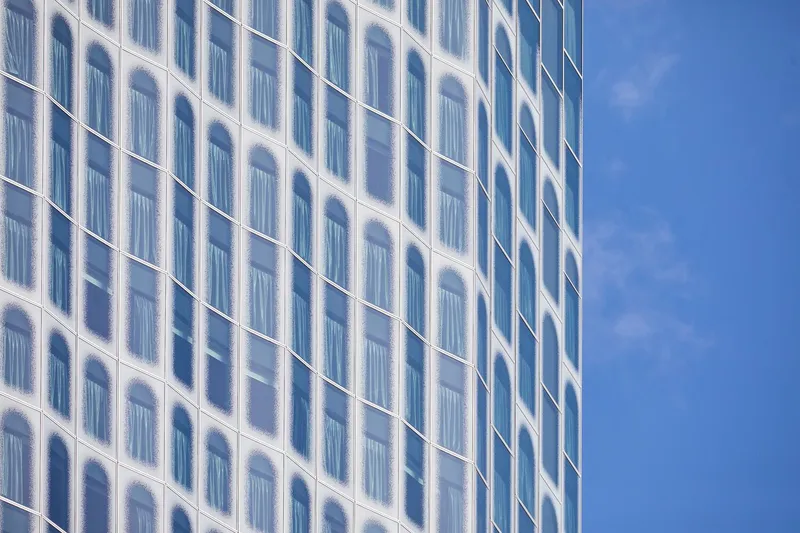
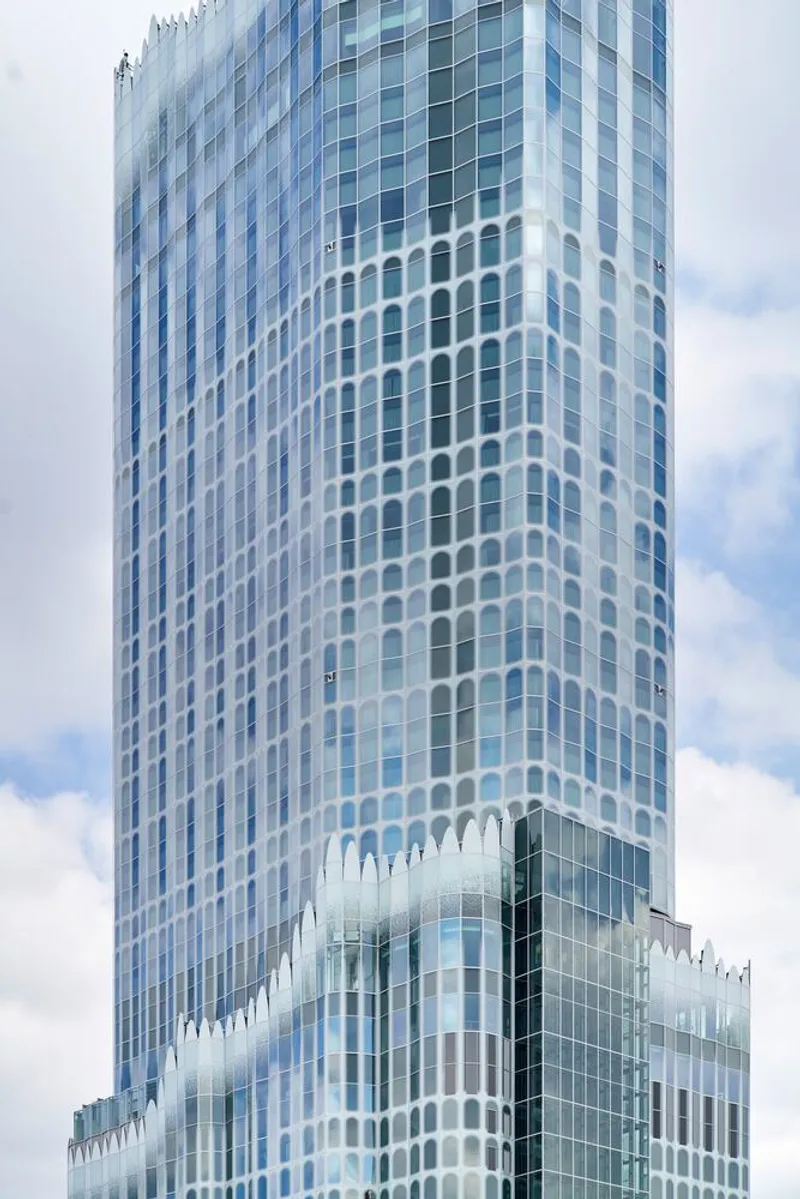
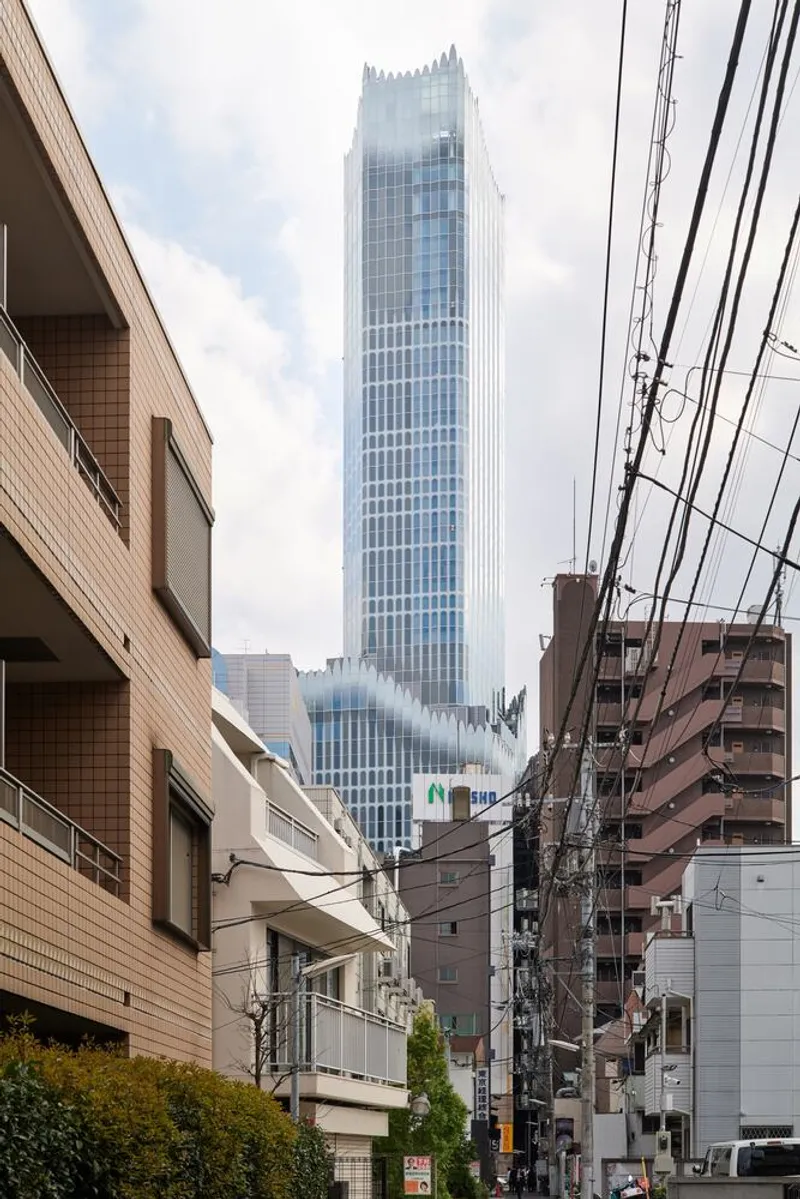
The Tokyu Kabukicho Tower stands as a testament to modern engineering and artistic vision. Spanning five basement floors and 48 above-ground levels, it covers a total area of approximately 87,400m2, making it Japan's largest entertainment complex. The building's upper façade is a spectacle of glass adorned with ceramic-dot patterns, mimicking the spray of a fountain, while its lower part features cast aluminum with traditional Japanese motifs, creating a mesmerizing translucent exterior.
A Fusion of Functionality and Aesthetics
Mixed-Use Excellence
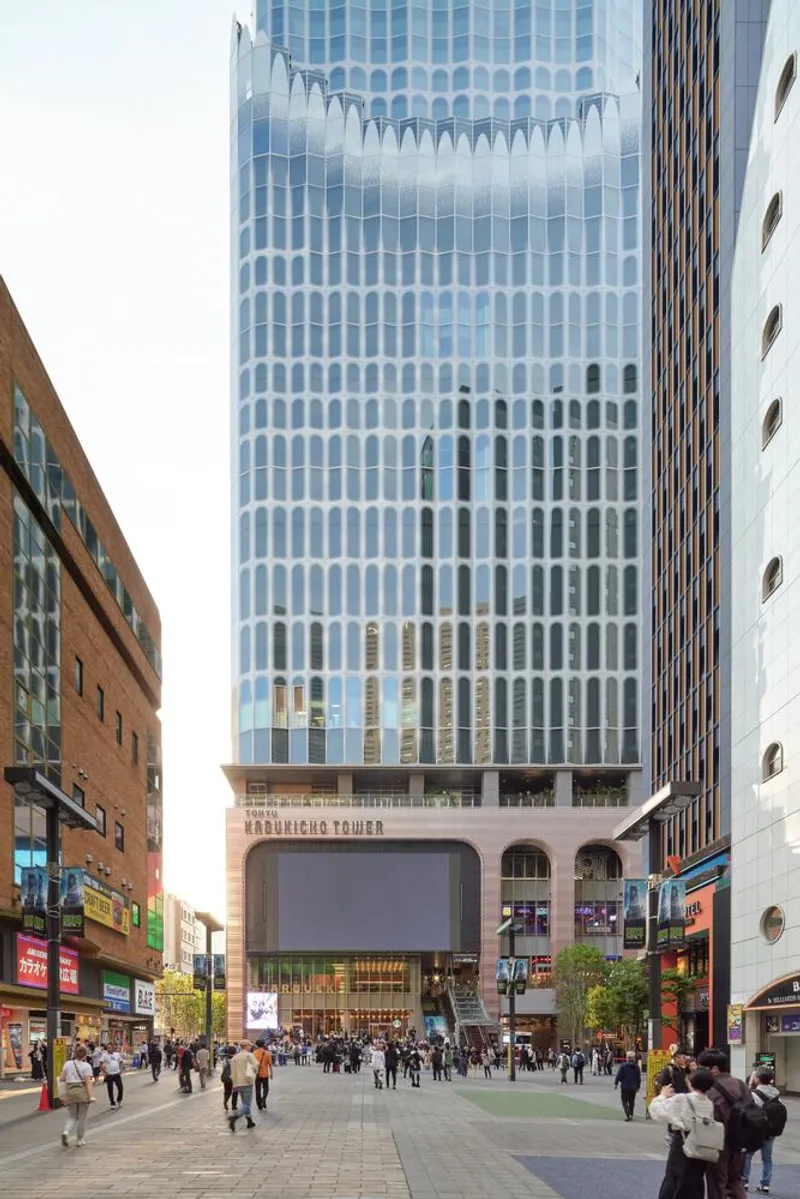
The Tower's innovative design incorporates a wide array of functions, from cinemas and theaters to live venues, seamlessly blended within its structure. This multifunctionality is a hallmark of innovative mixed-use architecture in Tokyo, offering a one-stop entertainment destination while enhancing the urban fabric of Kabukicho.
Interior Design Ingenuity
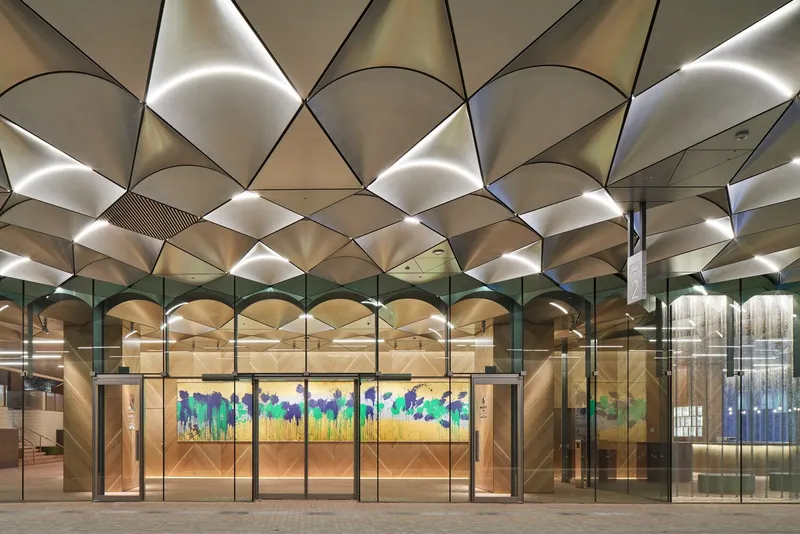
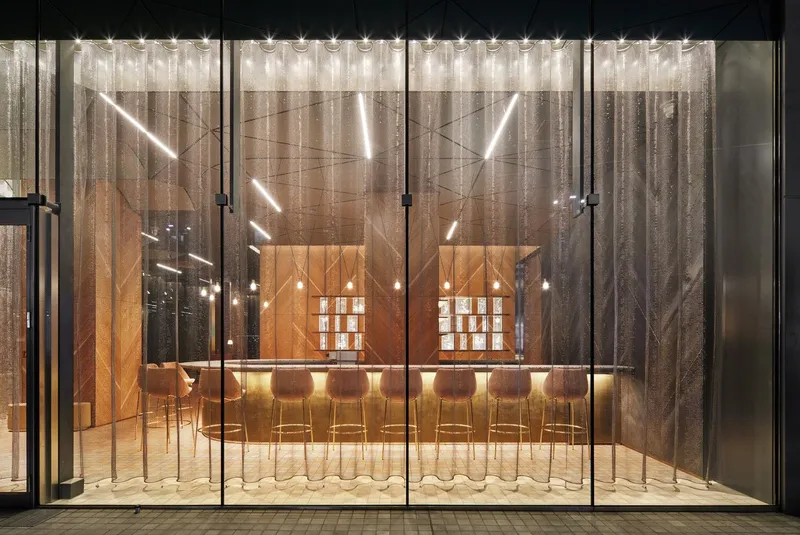
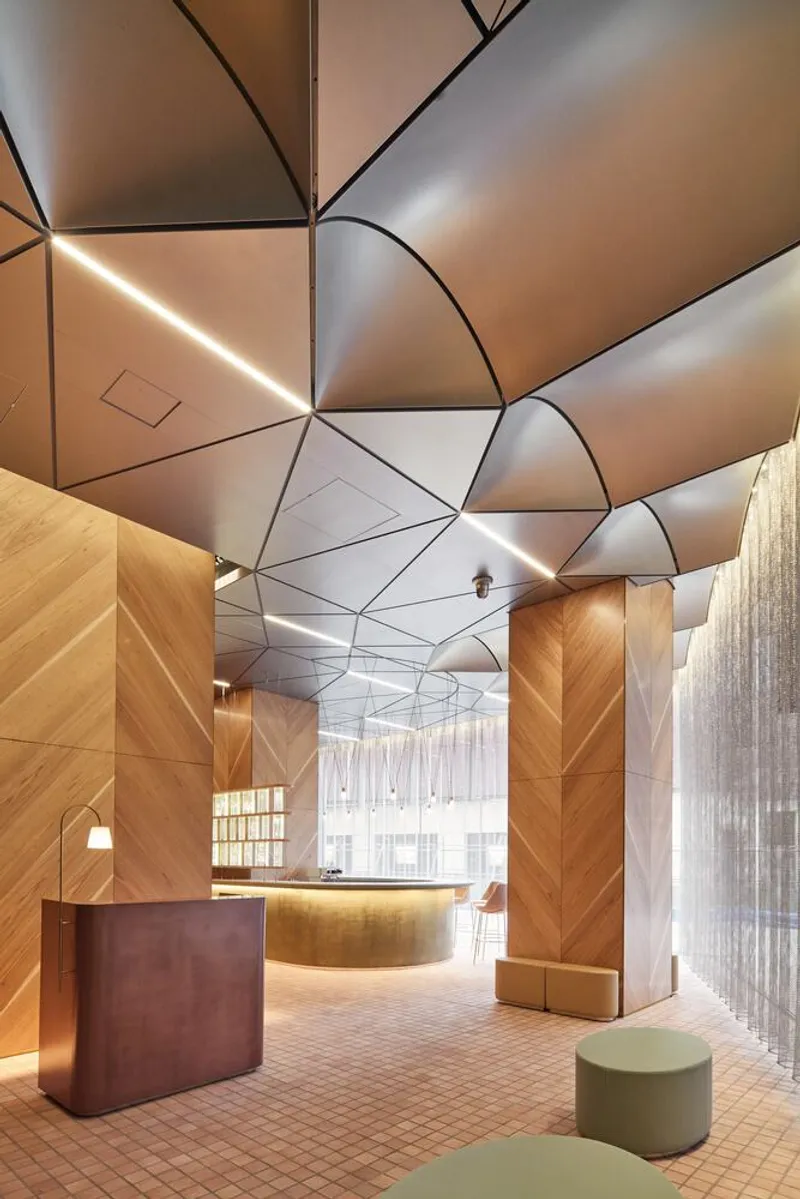
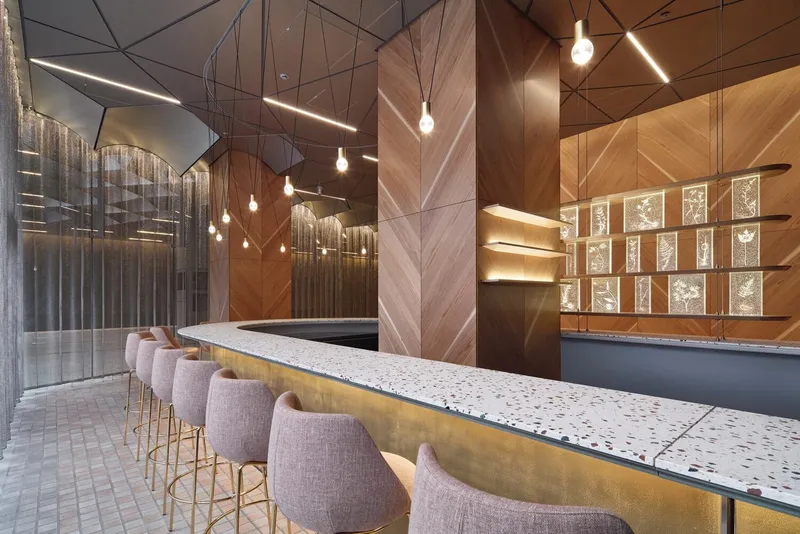
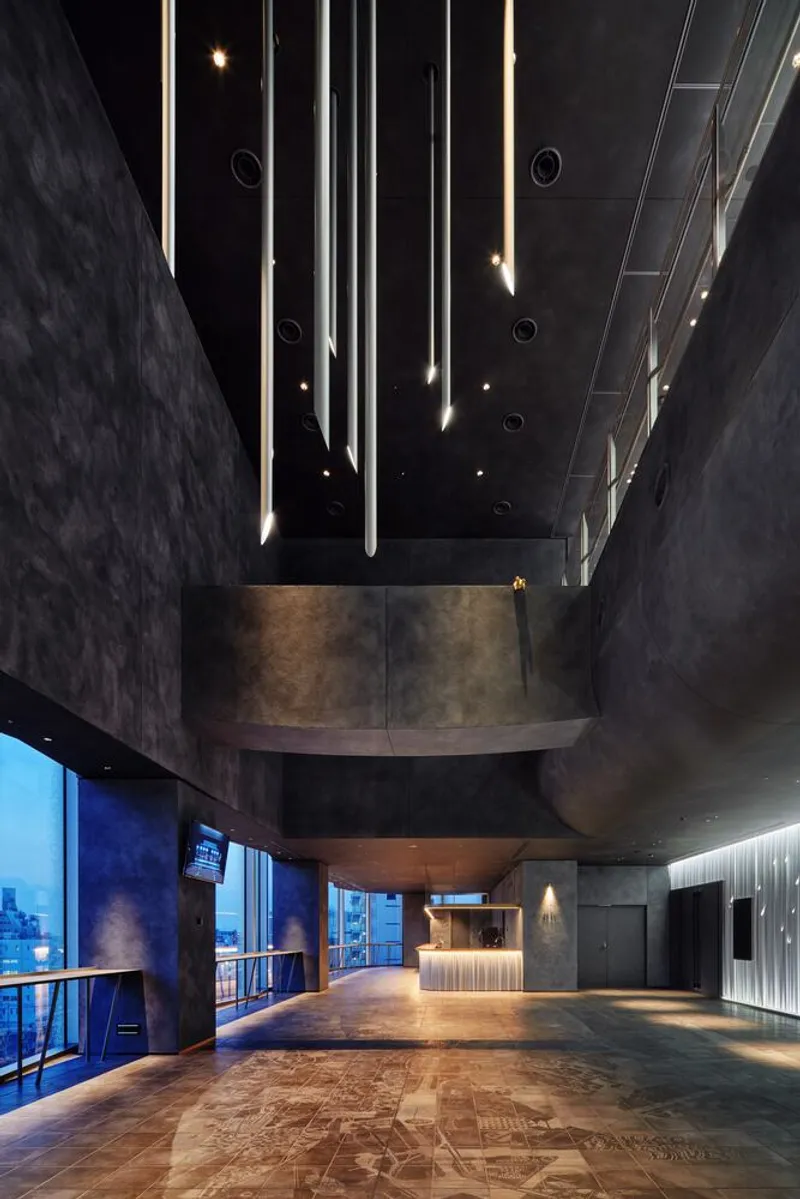
The interior spaces of the Tokyu Kabukicho Tower, crafted by Yuko Nagayama & Associates, further embody the theme of water and movement. From the first-floor passageway with its wave-like ceiling to the lounge windows that visualize flowing water, every element is meticulously designed to evoke the essence of a fountain. The integration of art and decorative elements throughout the building adds layers of depth and narrative, enriching the visitor experience.
A Beacon of Innovation and Culture
The Tokyu Kabukicho Tower is more than an architectural feat; it's a cultural beacon that signifies the enduring spirit of Kabukicho. Through its innovative design and mixed-use functionality, it stands as a model for future developments in Tokyo and beyond. As this innovative mixed-use architecture in Tokyo continues to inspire and attract visitors, it ensures that the vibrant legacy of Kabukicho not only persists but evolves into the future.
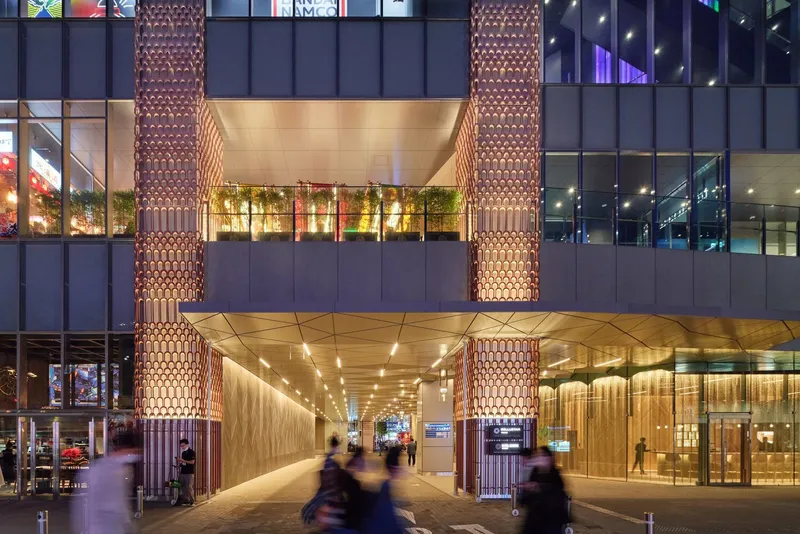
All photographs are work of Daici Ano, Tomoyuki Kusunose


Popular Articles
Popular articles from the community


Cube Design Draws an Ecological Corridor Between Two Shenzhen Hills with the Nankai Building
Beside Shenzhen's container docks, the Nankai Building pairs stacked balconies with a climbing green screen to connect two hillsides across its height.

Juan García Correa, John González and Claudia Rueda Sink a Circular Amphitheater into a Manizales Engineering Building
On the La Nubia campus in Manizales, Colombia, the S1 Building folds labs and offices into a hillside of ramped lawns that double as a campus route.

graciastudio Turns a Viewless Tijuana Lot Inward Around a Courtyard of Concrete, Timber and Trees
In Tijuana, Jorge Gracia's GA2 House stacks a timber-clad private floor over exposed concrete and replaces a missing view with a planted interior patio.

FCC Arquitectura Expands a Portuguese Granite House with a Board-Marked Concrete Wing
In Portugal, JV House pairs a cleaned-up whitewashed and granite dwelling with a timber-shuttered concrete extension, courtyards and a garden pool.

Similar Reads
You might also enjoy these articles


Maya Harvest: A Cacao Resort Village Rooted in Mayan Tradition and Local Craft
Situated within a Tabasco cacao plantation, this shortlisted resort proposal merges vernacular materials with hands-on cultural immersion.
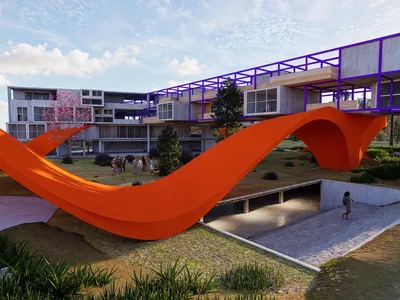
Harmonia: A River-Shaped Community That Grows Over Decades in Boa Vista
Curved pathways and modular grid structures along the Branco River create a phased settlement designed to evolve from 2030 to 2050.

The Architecture of Bathing: A Mughal Hammam Reimagined Across the Yamuna
Charlotte May's honorable mention entry for The Black Taj reinterprets Agra's bathing rituals through red sandstone, water, and framed views of the Taj Mah

Om-1: A Wall-Hung System That Moves Your Workspace Off the Desk
Modular plywood boards, magnetic pegs, and utility elements migrate clutter from the horizontal surface to the vertical plane.

Explore Tokyo Competitions
Discover active competitions in this discipline

Challenge to reimagine the Iron Throne

Photograph architecture without architects

Illustrate the lost glory of Angkor Wat - Render Challenge

Bring back Drive In's
Comments (0)
Please login or sign up to add comments
No comments yet. Be the first to comment!