

Cuu Office: A Timeless Office Design Blending Tradition with Modern Functionality
Cuu Office redefines timeless office design, blending heritage architecture with modern functionality to create a versatile, light-filled, and evolving workspace.


Cuu Office, redesigned by Koyori, redefines the concept of timeless office design by merging historical authenticity with contemporary functionality. Located in Kyoto, this 67 m² space goes beyond the conventional workspace, serving as a salon for interior design consultations, a seasonal dining venue, and an exhibition hub. The renewal of the office embodies a philosophy that values aging materials, natural light, and adaptable spaces, creating an environment that enhances both professional and personal experiences.


A Workspace Beyond Boundaries
The vision behind Cuu Office extends beyond a standard office environment. It is conceived as a multifunctional space where creativity, culture, and commerce seamlessly coexist. Designed to host a variety of activities—including exhibitions, workshops, and curated retail offerings—the office fosters an atmosphere of inspiration and engagement. By integrating interior design consultations and seasonal dining experiences, the space is not just a place to work but also an evolving hub for artistic and lifestyle exploration.


Preserving Heritage Through Design
One of the defining aspects of this timeless office design is its deep respect for the existing structure. The building, originally constructed 45 years ago, retains its original framework, celebrating its imperfections rather than masking them. Instead of replacing aged elements, the architects at Koyori embraced their patina, allowing the natural aging process to contribute to the space’s aesthetic depth.


Washi paper is strategically used to diffuse natural light, creating a soft glow that enhances the warmth of the space. Curtains replace conventional partitions, allowing light to flow freely and creating a sense of openness. The flooring, covered in plush carpeting, adds a tactile warmth that contrasts beautifully with the raw structural elements.


The Role of Natural Light and Materiality
A fundamental principle of the office’s redesign is the integration of natural light. By avoiding rigid partitions, light is allowed to travel unhindered, filling the space with a soft, diffused glow. This approach not only enhances the ambiance but also fosters a sense of calm and well-being among visitors and occupants. The careful selection of materials plays a crucial role in reinforcing this effect.


The design incorporates wood, handmade paper, and textiles that evoke a sense of tranquility. These materials are chosen not just for their aesthetic qualities but also for their ability to evolve over time, further reinforcing the theme of timelessness. By allowing materials to age naturally, the space reflects the Japanese philosophy of embracing imperfection and transience.

Adaptive Functionality in Contemporary Offices
Cuu Office exemplifies how workspaces can transcend their conventional roles by incorporating elements of daily life. The absence of fixed structures allows the interior to adapt effortlessly to different functions, from retail displays to intimate dining setups. Walls are designed to accommodate exhibitions, making it easy to transition between different uses without disrupting the core aesthetic.


This flexibility is a hallmark of timeless office design, where spaces are created to serve multiple purposes without compromising on style or comfort. The emphasis on adaptability ensures that the space remains relevant and engaging for years to come, avoiding the stagnation often seen in traditional office environments.


An Evolving Space for Creativity and Community
The renewed Cuu Office is more than just a physical transformation—it is a statement on the evolving nature of work and design. By integrating cultural elements, curated lifestyle experiences, and architectural preservation, it fosters an environment where inspiration thrives. Visitors are encouraged to engage with the space, whether through attending an exhibition, participating in a workshop, or simply enjoying the atmosphere.


This thoughtful approach to office design demonstrates how workspaces can be both highly functional and deeply immersive. Rather than being defined by trends, Cuu Office embraces an aesthetic and spatial philosophy that will continue to evolve, making it a lasting testament to the principles of timeless office design.

All Photographs are works of Junichi Usui


Popular Articles
Popular articles from the community

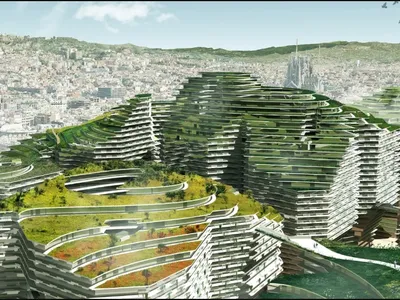
Manzana Morphosis: Stretching Barcelona's Grid into a Living Landscape for 2050
A radical reworking of the Eixample manzana turns density into a tool for generous public space, vertical ecology, and environmental performance.
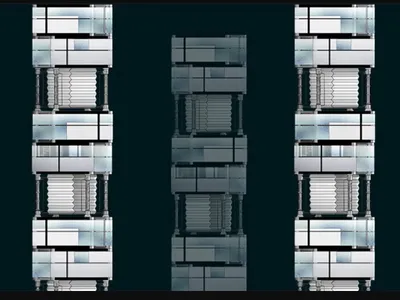
Tsunami Convergenics: Turning Catastrophic Ocean Forces into Underwater Housing Infrastructure
A speculative underwater settlement off the coast of Onagawa, Japan, treats tsunamis and typhoons as energy sources rather than threats.
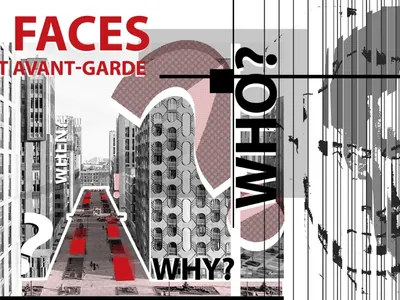
Faces of the Soviet Avant-Garde: Turning Moscow's Street Names into an Open-Air Museum
A network of sculptural installations across a Moscow residential district transforms forgotten architect names into spatial encounters with cultural memor
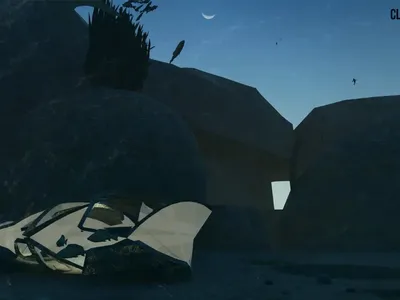
Cloaked Colonization: A Mobile Underwater Habitat That Moves Like a Fish
Micah Abaya's shortlisted EHC Pacific entry reimagines ocean settlement as a dispersed network of self-sustaining architectural organisms.

Similar Reads
You might also enjoy these articles

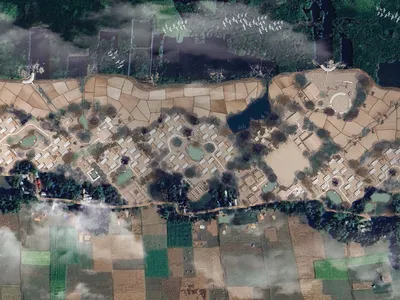
Hodi-Mandai Geram
Project Function: Preservation and revitalization of the Intangible heritage and socio-spatial identity of the Hodi by Housing, Cultural Memory Center, Sacred Grove, landscape, local tourism economy

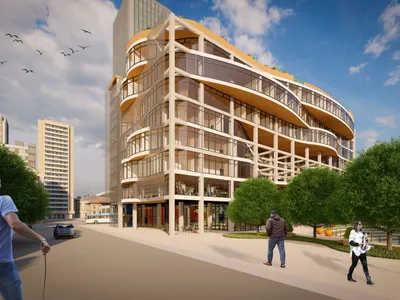
Olio Towers: A Mid-Rise for Performers That Fuses Housing, Rehearsal, and Stage
Located blocks from Houston's Theater District, this modular tower stacks living units around a central performance atrium.
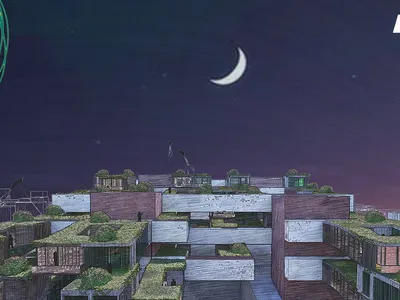
Oasis: Modular Green Housing Carved into Dhaka's Urban Fabric
A shortlisted Plugin Housing entry reclaims unauthorized settlements in Dhaka with stepped concrete volumes, green roofs, and ventilation-driven design.
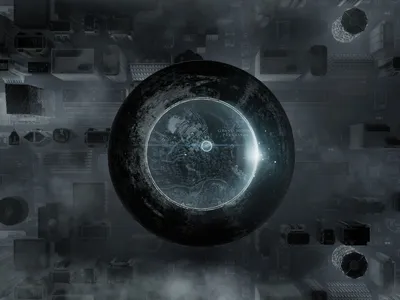
Black Hole: A Floating Megastructure for the Post-Physical Era
Emiliano Mazzarotto envisions a spherical, self-scaling arena where e-sports, digital hotels, and holographic stadiums replace traditional public space.

Explore Aotu Architecture Office Competitions
Discover active competitions in this discipline

Challenge to reimagine the Iron Throne

Photograph architecture without architects

Illustrate the lost glory of Angkor Wat - Render Challenge

Design challenge to reuse E-waste
Comments (0)
Please login or sign up to add comments
No comments yet. Be the first to comment!