
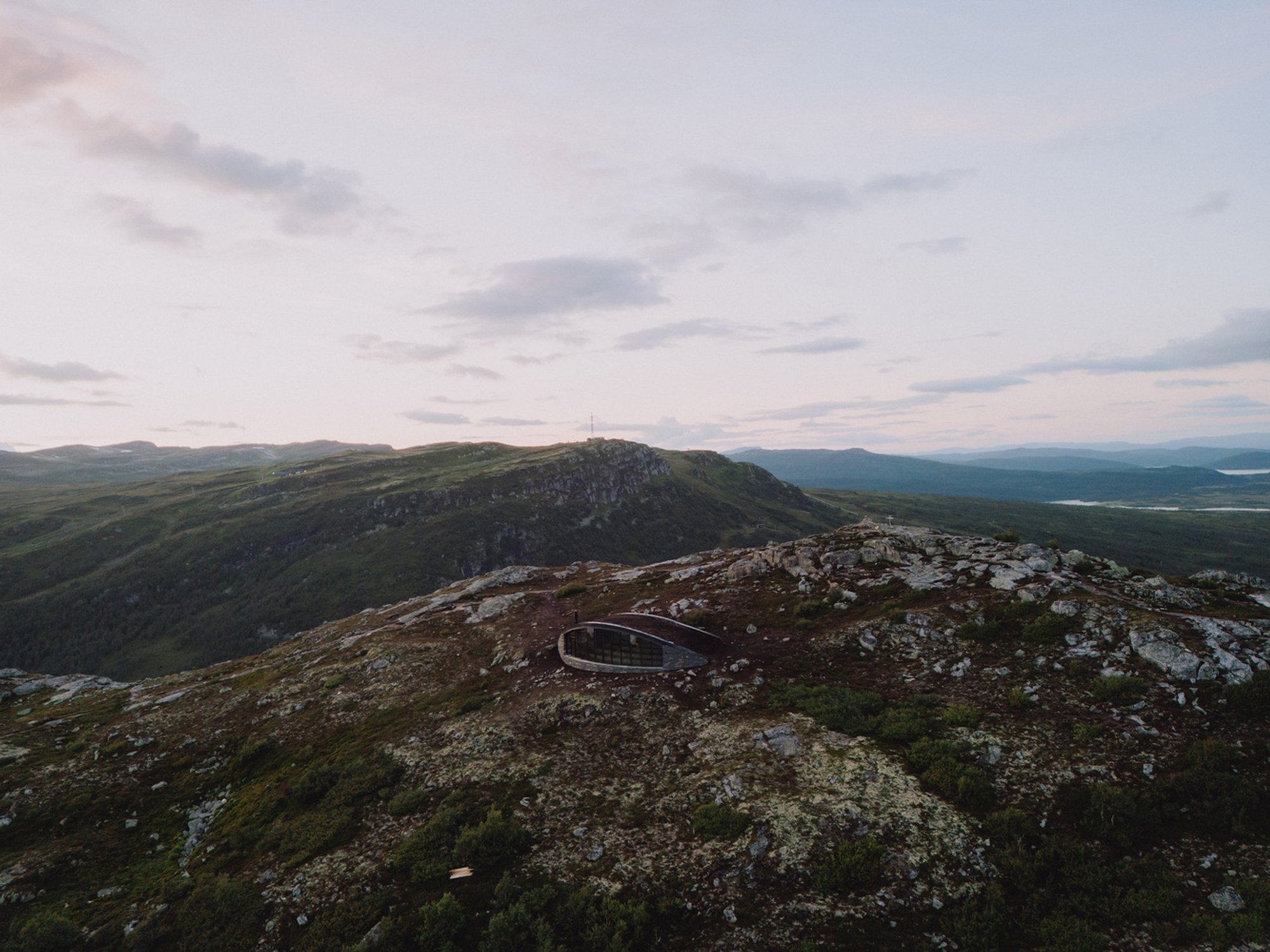
Day-Trip Cabin Hovdenuten by Aksent arkitekter AS
A sculptural mountain cabin embedded in terrain, framing protected reindeer landscapes through concrete, stone, wood, and glass architecture shelter Norway.

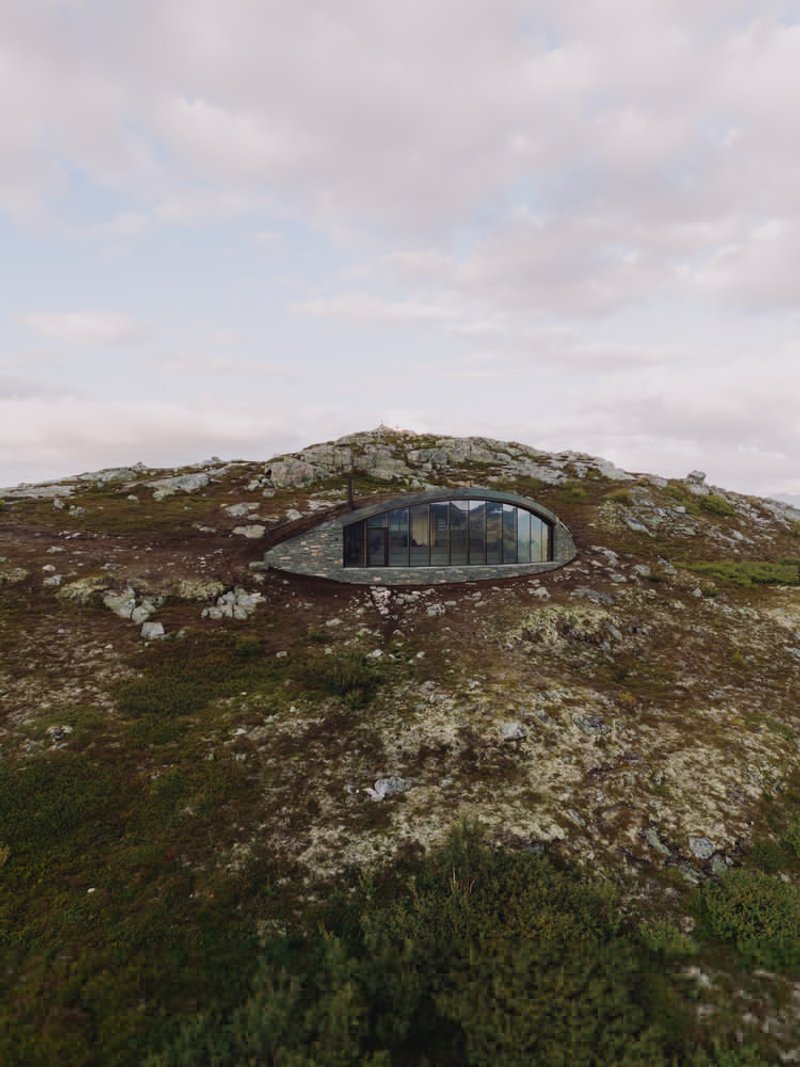
Perched at the summit of Hovdenuten in southern Norway, the Day-Trip Cabin by Aksent arkitekter AS marks the culmination of a carefully coordinated landscape and infrastructure project developed in collaboration with the municipality of Bykle and SVR, the organization responsible for the protected mountain areas of Setesdal Vesthei, Ryfylkeheiane, and Frafjordheiane. More than a destination, the cabin operates as a spatial pause—an architectural threshold between human movement and a fragile alpine ecosystem.
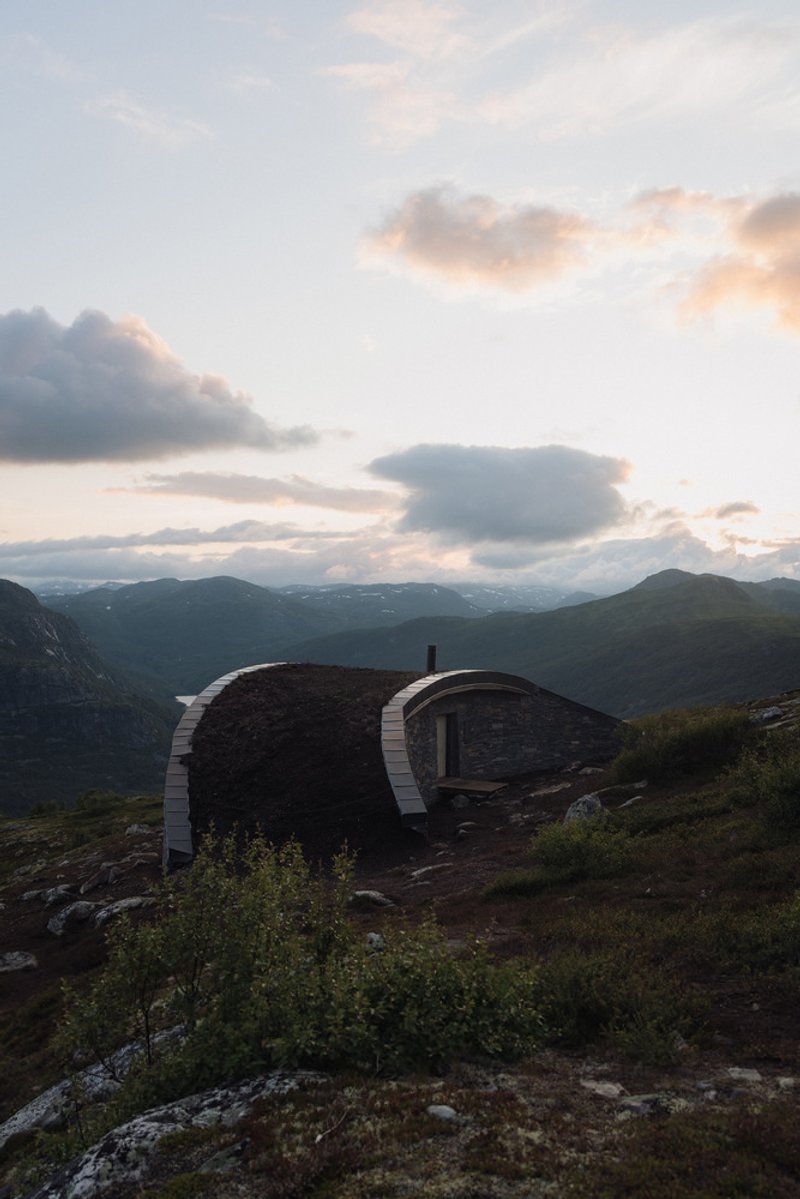
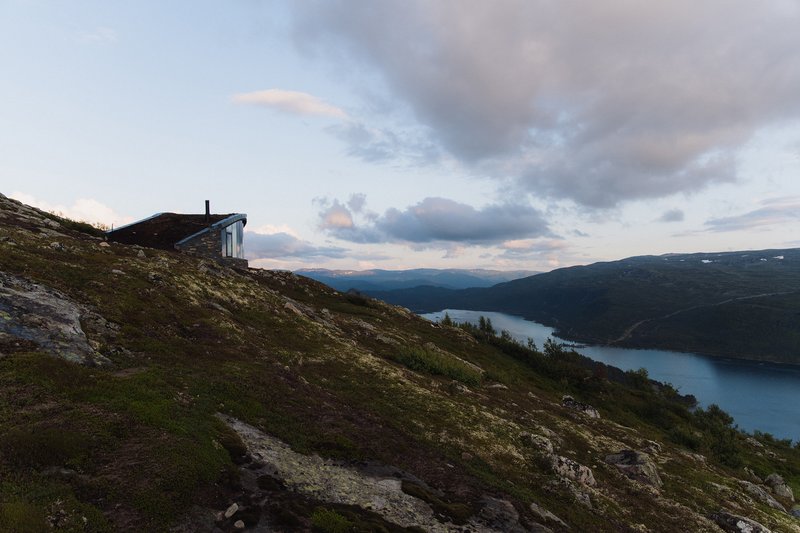
The recently completed sherpa stairway plays a crucial role in guiding visitors safely to the peak while minimizing erosion and disturbance to the surrounding terrain. From this elevated point, the cabin frames expansive views over Hovden’s protected highlands, a vital winter grazing habitat for Norway’s wild reindeer. The building’s position and orientation reinforce its dual purpose: offering shelter and reflection while heightening awareness of the sensitive landscape it inhabits.
Architecture Rooted in Terrain
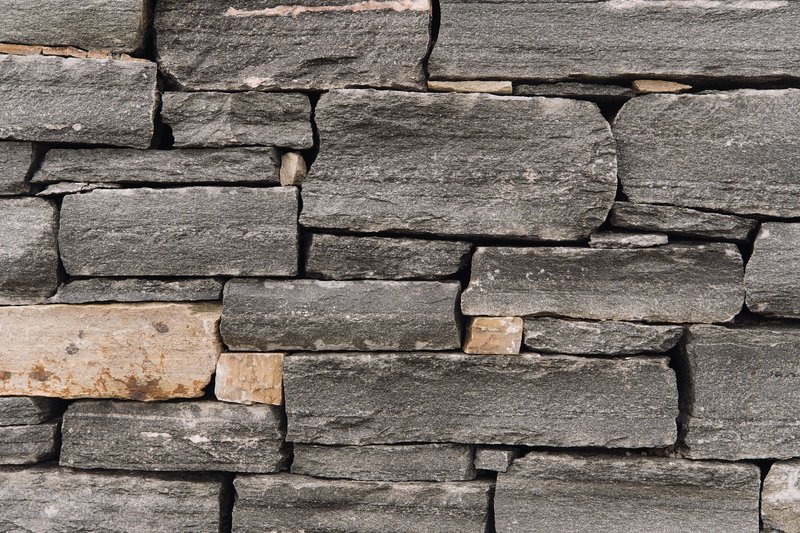
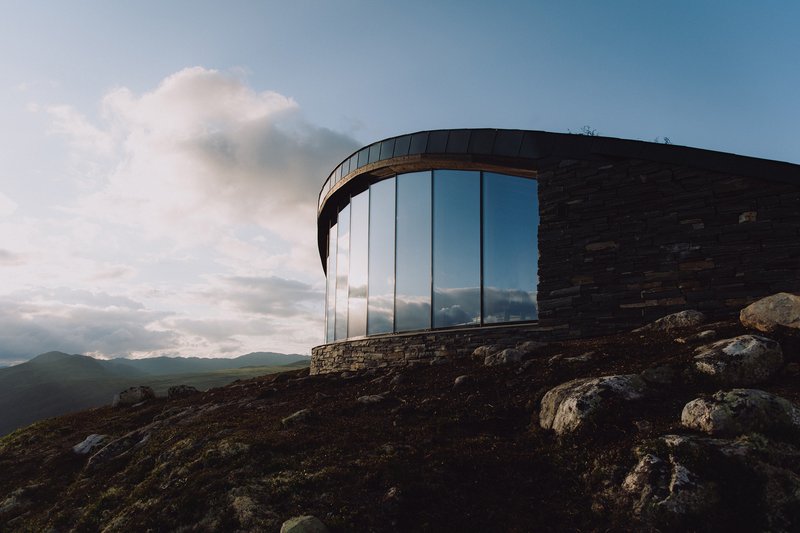
The design takes inspiration from traditional retaining walls commonly found in steep, mountainous regions, where stone structures are used to stabilize and terrace challenging topography. Rather than standing apart from the site, the cabin is conceived as a continuation of the terrain itself, visually embedded within the rocky landscape of Hovdenuten.
Initially, the municipality requested a material palette of stone, steel, and glass—stone to anchor the building to its mountainous context, steel as a reference to Hovden’s historical iron extraction, and glass to represent modernity. Through dialogue with local authorities, steel was ultimately replaced with wood, reinforcing a more tactile, climate-responsive, and regionally appropriate material strategy.
Materiality and Construction Strategy
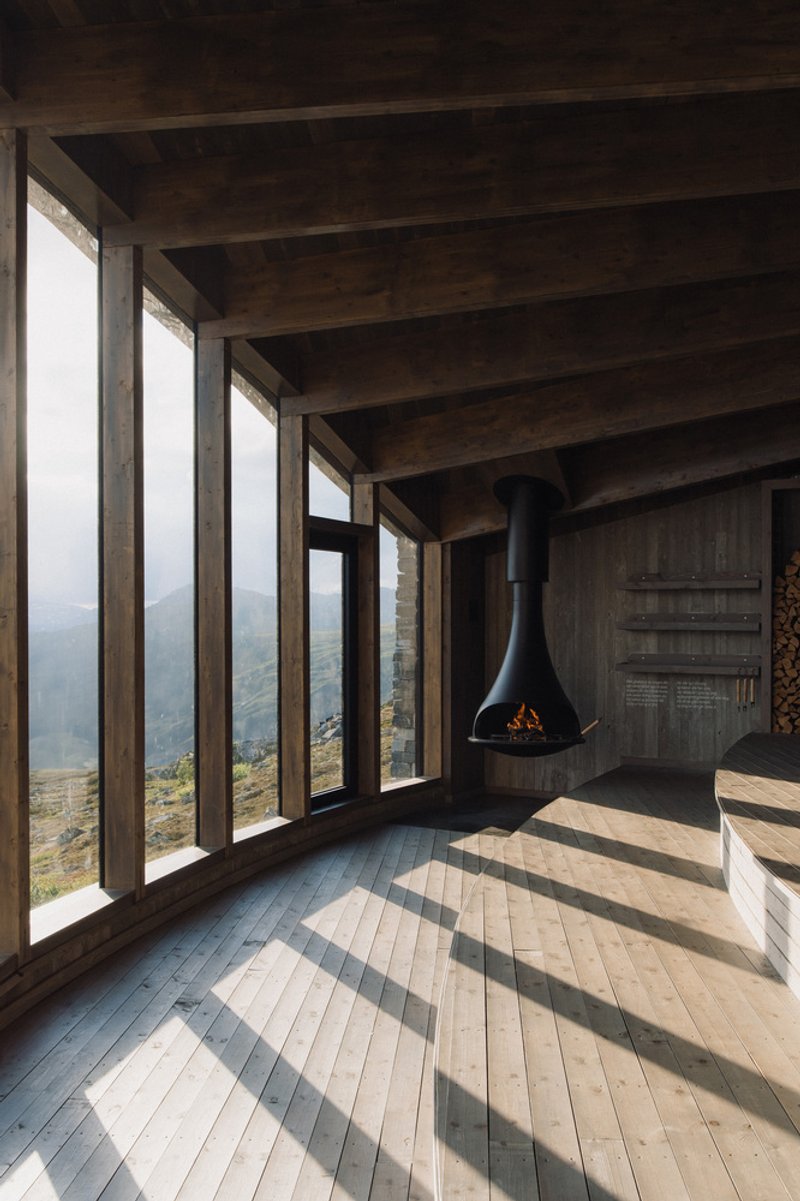
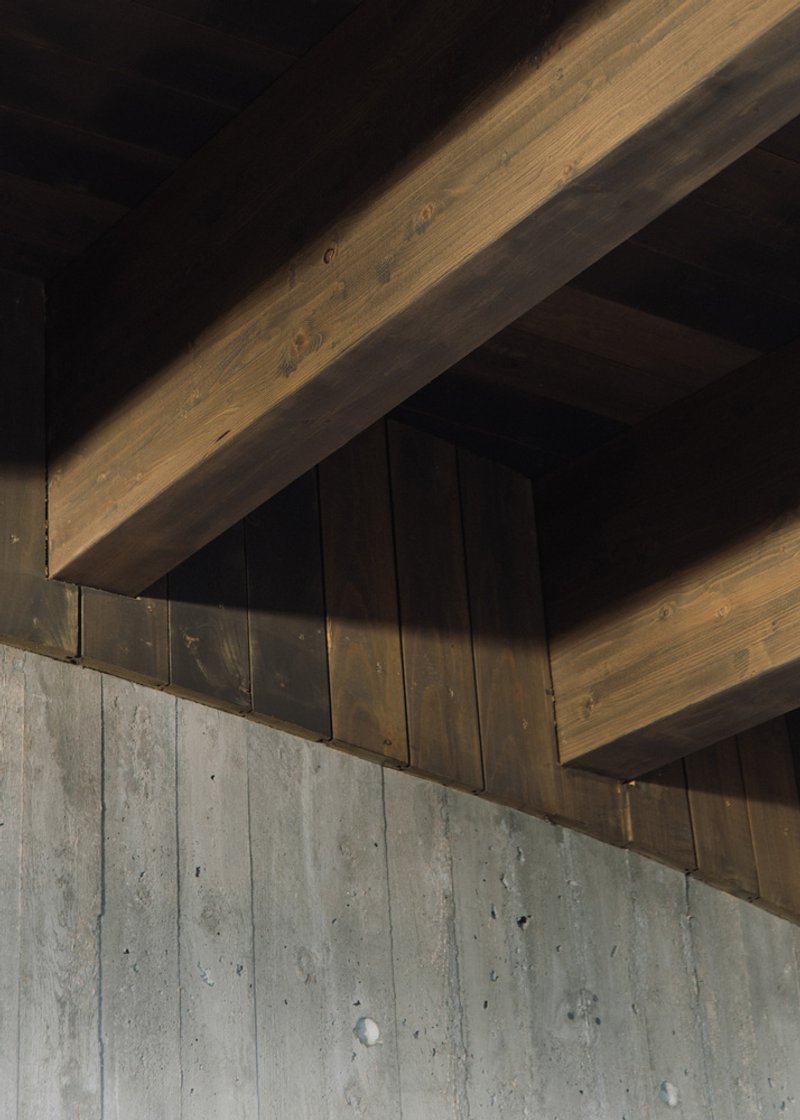
The final construction combines cast concrete wrapped in stone masonry, solid wooden columns and beams, and a fully glazed front façade. Concrete walls were cast using wooden formwork, allowing the imprint of the timber structure to remain visible and expressive. This approach reveals the construction logic and emphasizes craftsmanship, turning structural necessity into architectural character.
While stone walls were initially considered for the interior, concrete was chosen to better highlight the contrast between solid mass and warm timber elements. Above, the roof is finished with locally sourced turf, allowing the building to visually dissolve into the surrounding vegetation and seasonal changes. Over time, the roof develops a patina that mirrors the natural rhythms of the mountain landscape.
Form Shaped by Climate and Wildlife
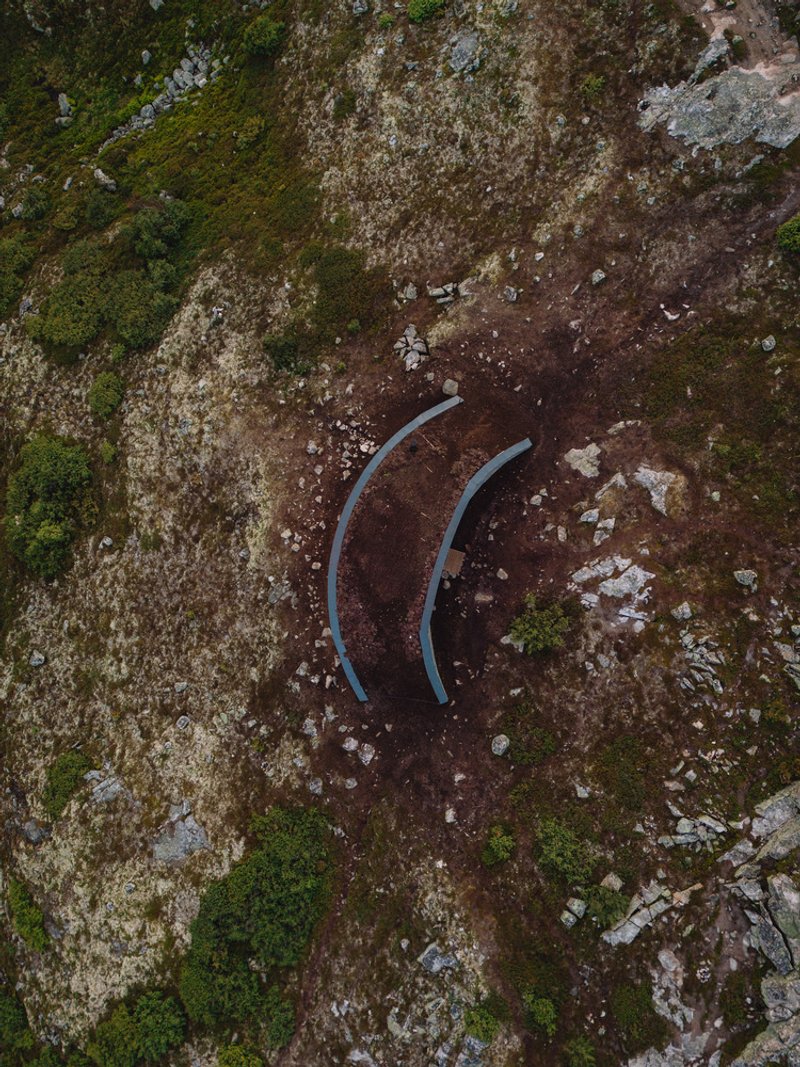
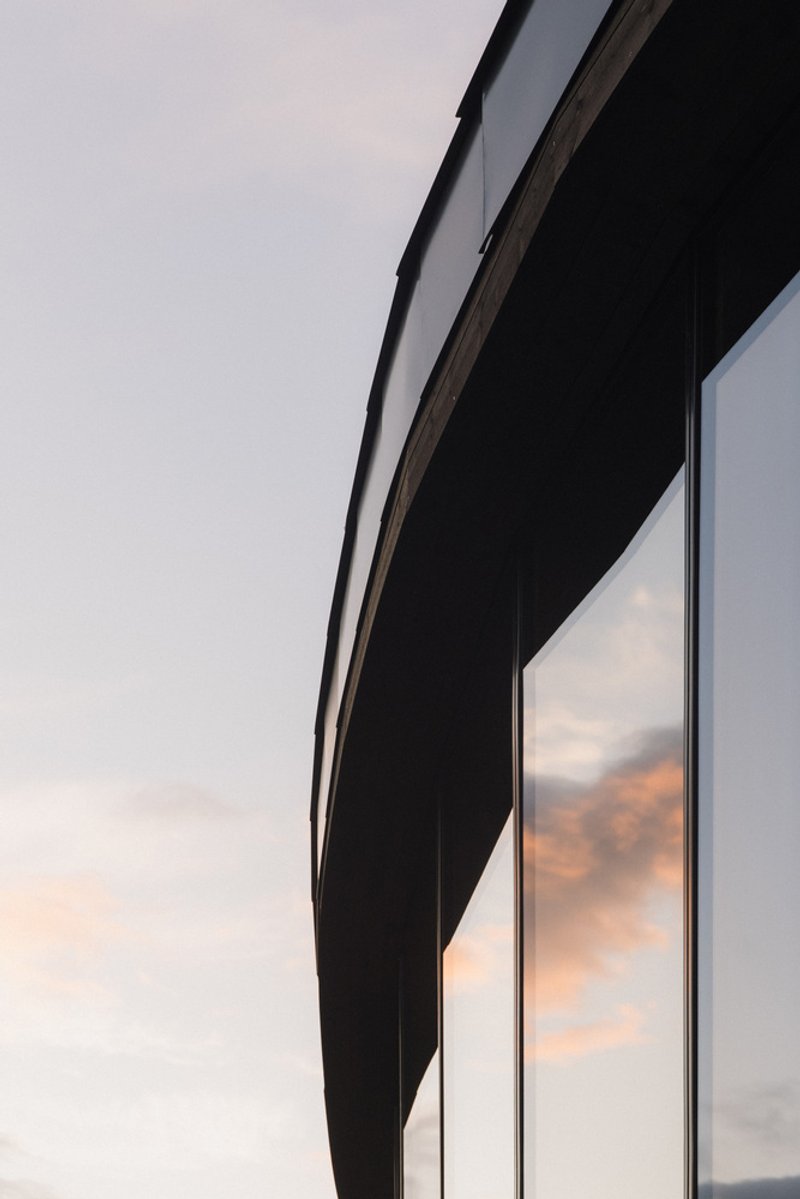
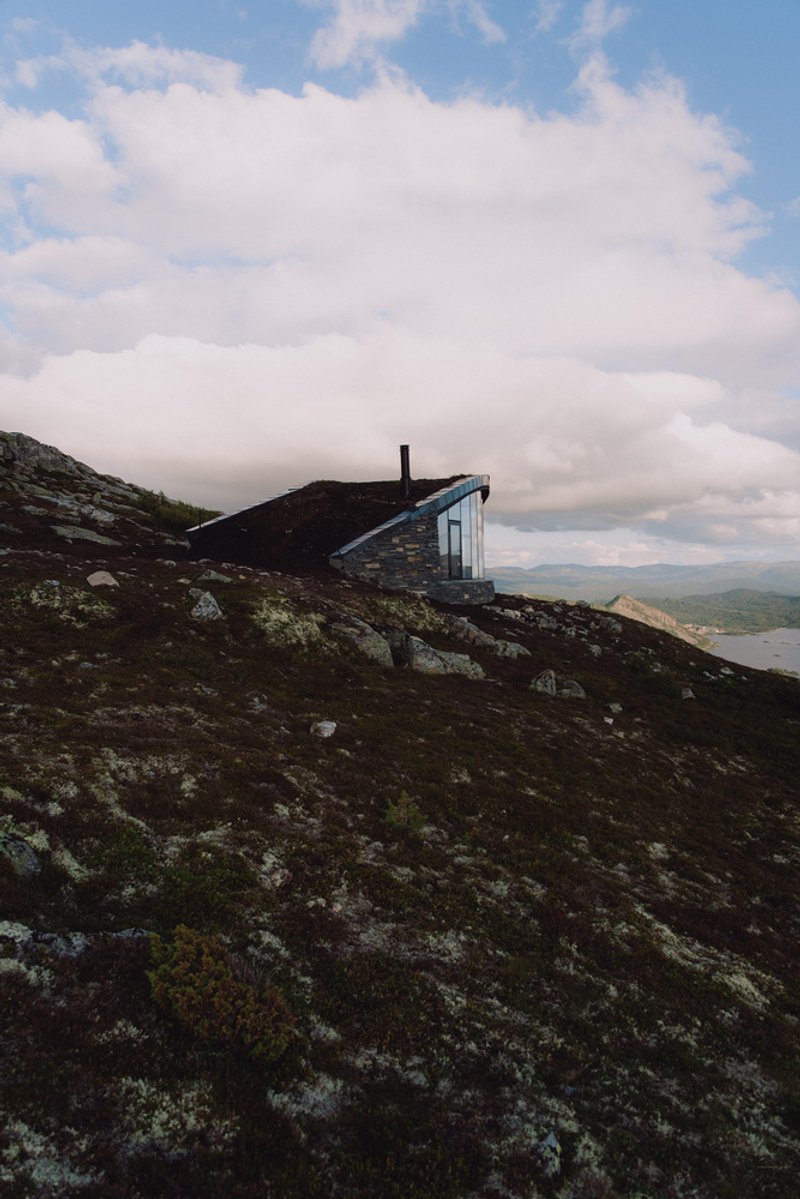
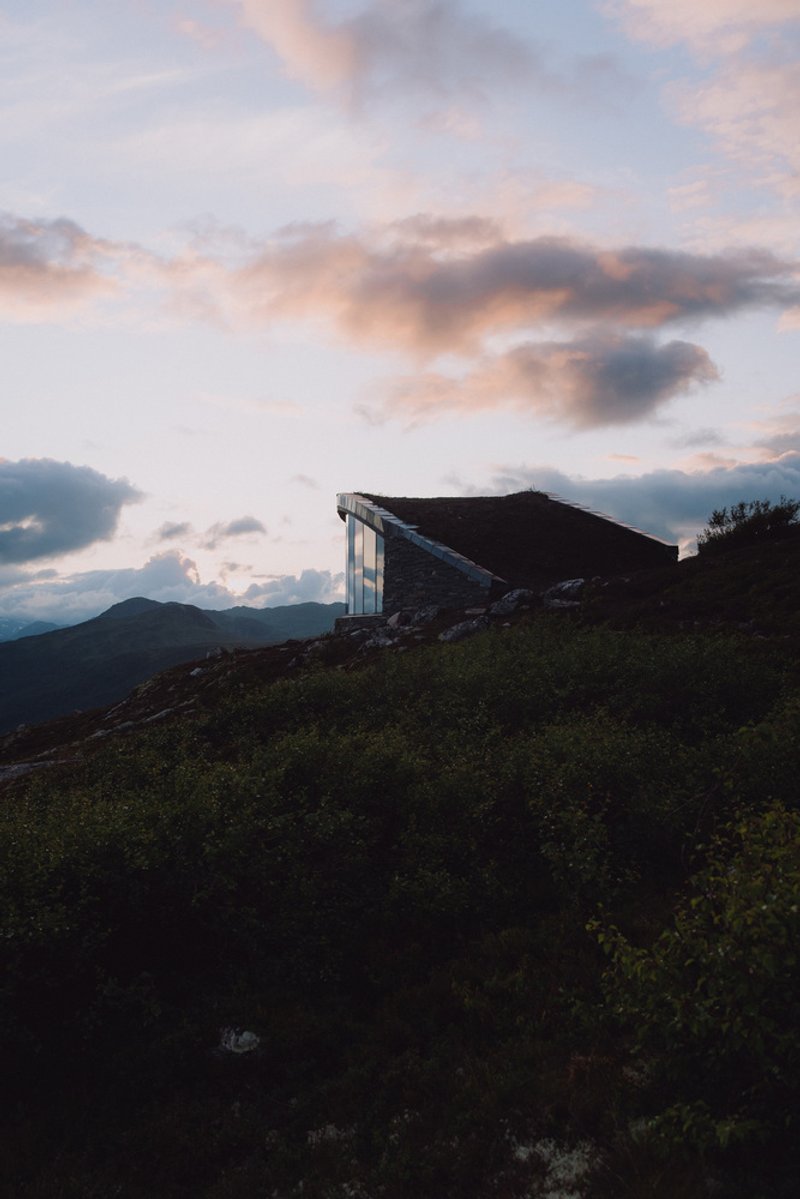
Hovdenuten is exposed to extreme weather conditions, including strong winds and rapid temperature changes. The cabin’s aerodynamic, sculptural form reduces wind resistance and improves durability in this harsh environment. Its silhouette subtly echoes the contours of the mountain, reinforcing the idea that the structure is carved from the site rather than placed upon it.
Symbolically, the form resembles an eye gazing across the plateau, directed toward the distant habitats of the wild reindeer herds. This metaphor underscores the project’s environmental sensitivity and its role as a lookout rather than a landmark competing with nature.
Spatial Experience and Framing the Landscape
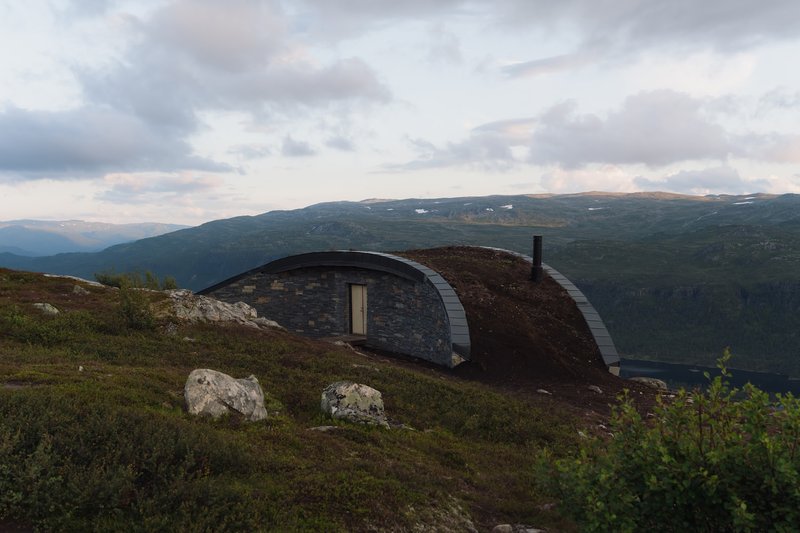
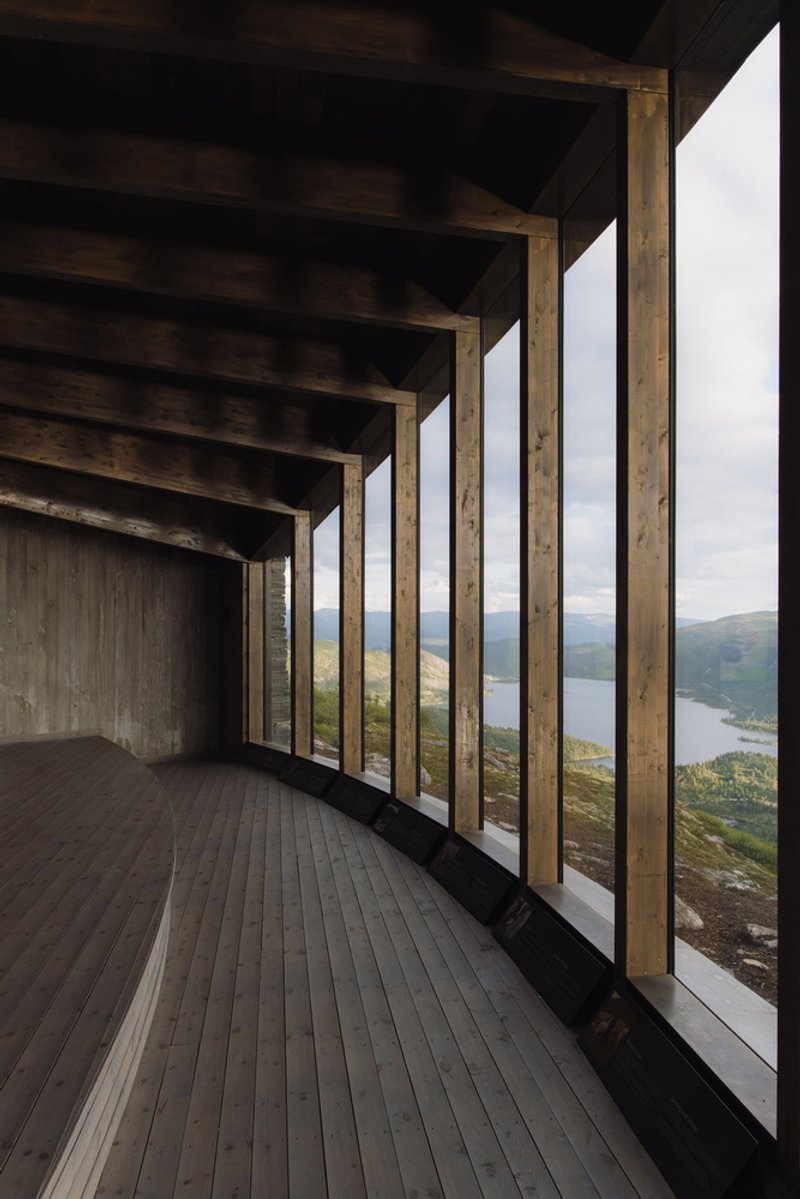
The cabin’s rear façade, which houses the entrance, is intentionally closed and restrained. This moment of compression heightens the spatial experience, creating a strong contrast when visitors step inside and are immediately met with a panoramic, uninterrupted view of the protected landscape beyond. The wild reindeer habitat becomes the interior’s focal point, carefully framed by the glazed front façade.
Geometrically, the building is composed through the intersection of three cylinders—the roof, front façade, and rear façade. While the overall geometry is deceptively simple, each wooden column and beam is individually shaped, responding precisely to structural demands and reinforcing the handcrafted nature of the project.
A Shelter, a Viewpoint, and a Statement of Care
At just 66 square meters, the Day-Trip Cabin Hovdenuten demonstrates how small-scale public architecture can achieve profound impact. It balances shelter and exposure, solidity and transparency, human presence and ecological responsibility. Rather than dominating the landscape, the project quietly enhances the visitor experience while reinforcing respect for one of Norway’s most sensitive mountain environments.
All photographs are works of Even Lundefaret



Popular Articles
Popular articles from the community

Free Architecture Competitions You Can Enter Right Now
No entry fees, real prizes. Here are the best free architecture competitions open for submissions in 2026.

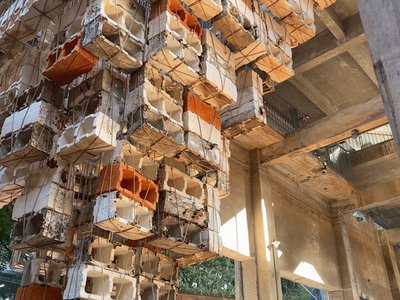
Inverted Architecture Installation by Studio Link-Arc: Exploring the Intersection of Architecture and Living Organisms
Inverted Architecture Installation by Studio Link-Arc blends mycelium, sustainability, inverted design, ecological cycles, and urban adaptive architecture in Shenzhen.
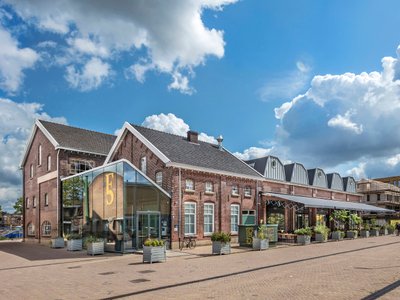
Fifth NRE Jazz Club – De Bever Architecten: Eindhoven’s Revitalized Cultural Hub
Historic gas factory transformed into Fifth NRE Jazz Club blending modern sustainability, jazz culture, dining, and heritage architecture seamlessly.
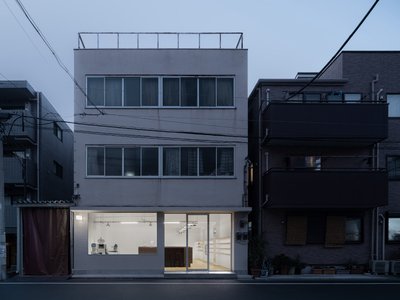
Atelier Macri Concept Store Interior Design by CASE-REAL
Atelier Macri store features a "ko" counter, walnut wood details, cork displays, blending retail, gallery, and seamless customer experiences.


Similar Reads
You might also enjoy these articles


The Ken Roberts Memorial Delineation Competition (Krob)
As the most senior architectural drawing competition currently in operation anywhere in the world, it draws hundreds of entries each year, awarding the very best submissions in a series of medium-based categories.
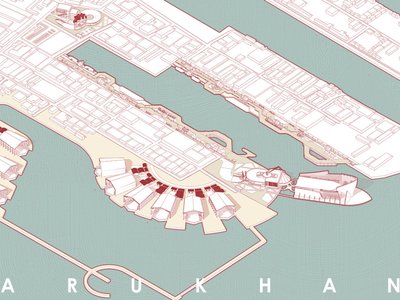
Waterfront Redevelopment and Urban Revitalization in Mumbai: Forging a New Dawn for Darukhana
A transformative waterfront redevelopment project reimagining Darukhana’s shipbreaking heritage into an inclusive urban future.

OUT-OF-MAP: A Call for Postcards on Feminist Narratives of Public Space
Rhizoma Design and Research Lab invites artists, designers, architects, researchers, and students to reflect on how feminist perspectives can reshape public space. Selected works will be exhibited in Barcelona, October 2026. Submissions open until 15 April 2026.

Documentation Work on Buddhist Wooden Temple
Architectural syncretism and cultural hybridity: A comparative study of the Buddhist temples in Chattogram Hill tracks
Explore Architecture Competitions
Discover active competitions in this discipline




The International Standard for Design Portfolios


The Global Benchmark for Architecture Dissertation Awards


The Global Benchmark for Graduation Excellence


Challenge to design locus for the upliftment of human rights
Comments (0)
Please login or sign up to add comments
No comments yet. Be the first to comment!