
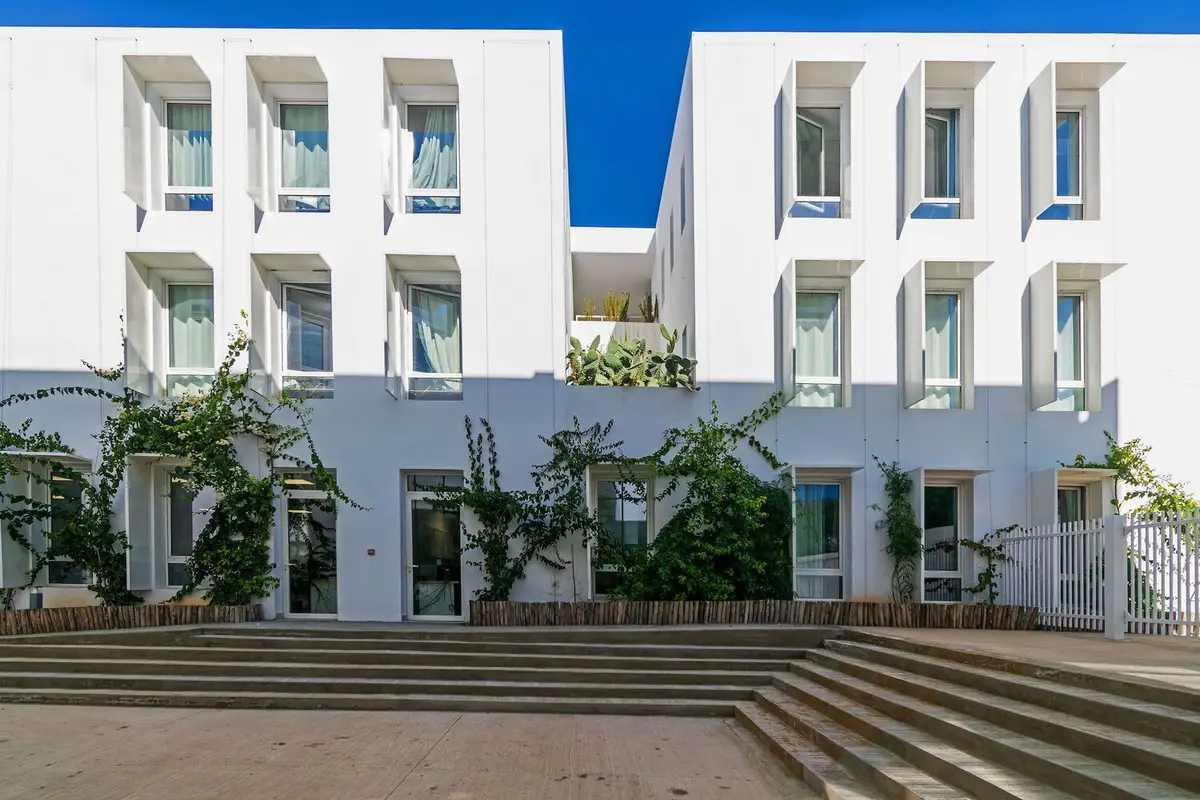
Descartes School by Arpio Architects: A Benchmark in Sustainable School Architecture in Morocco
A sustainable and climate-responsive school design in Rabat blending traditional Moroccan elements with modern educational and environmental solutions.


The Descartes School in Rabat, Morocco, designed by Arpio Architects in collaboration with Coco Architecture, stands as a landmark in sustainable school architecture in Morocco. Commissioned through an international competition organized by the French Embassy and the AEFE, the project reimagines the Lycée Descartes campus with a design rooted in environmental performance, user wellbeing, and cultural relevance.
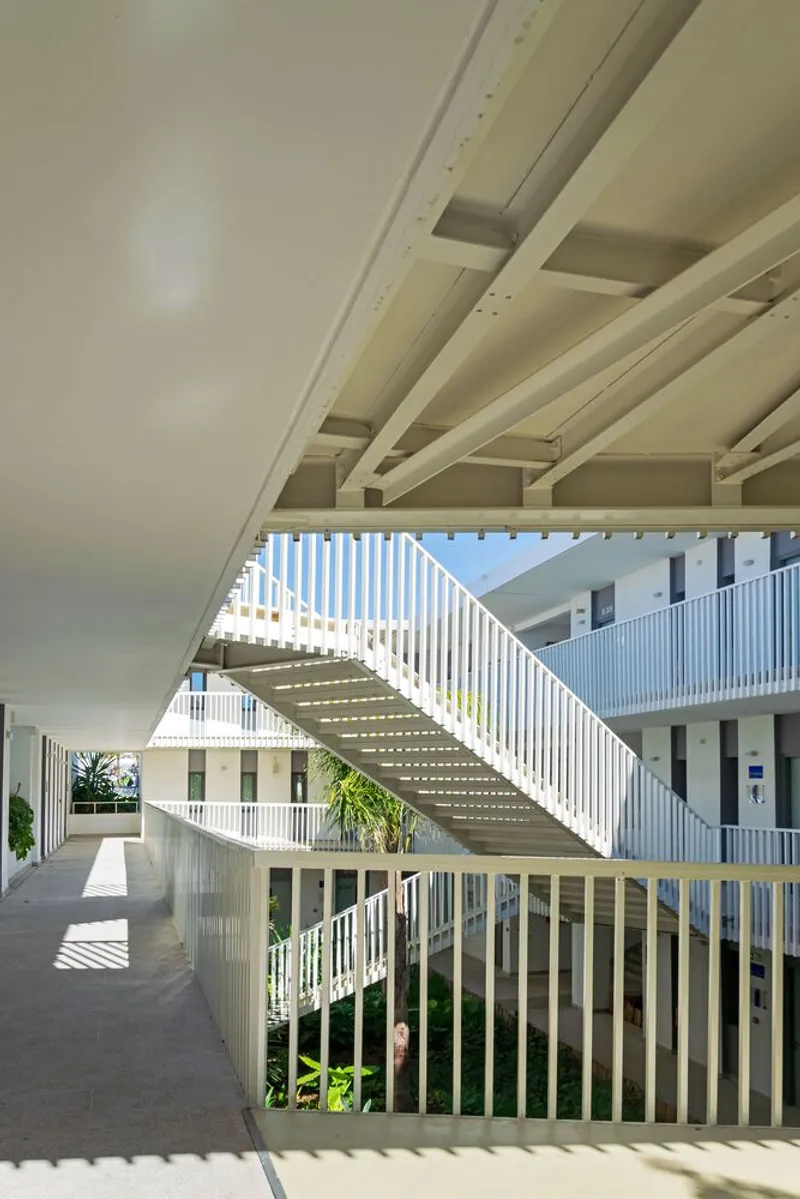
A Courtyard-Based Concept Inspired by Traditional Moroccan Architecture
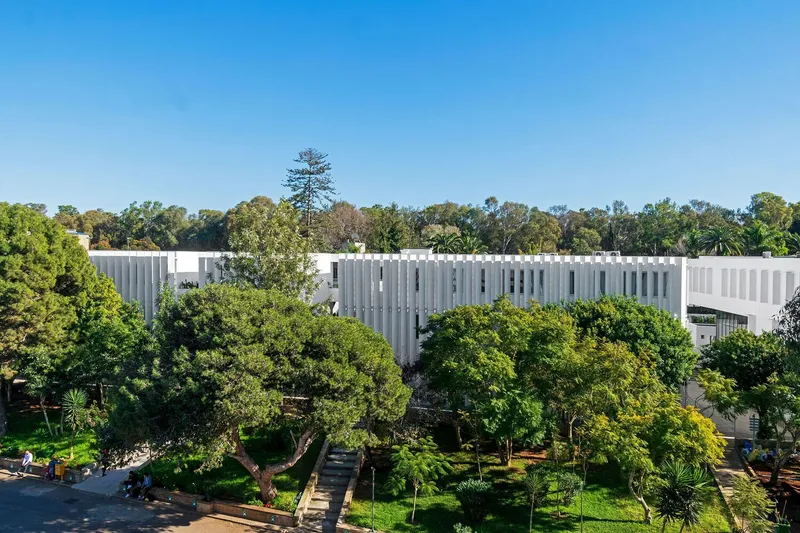
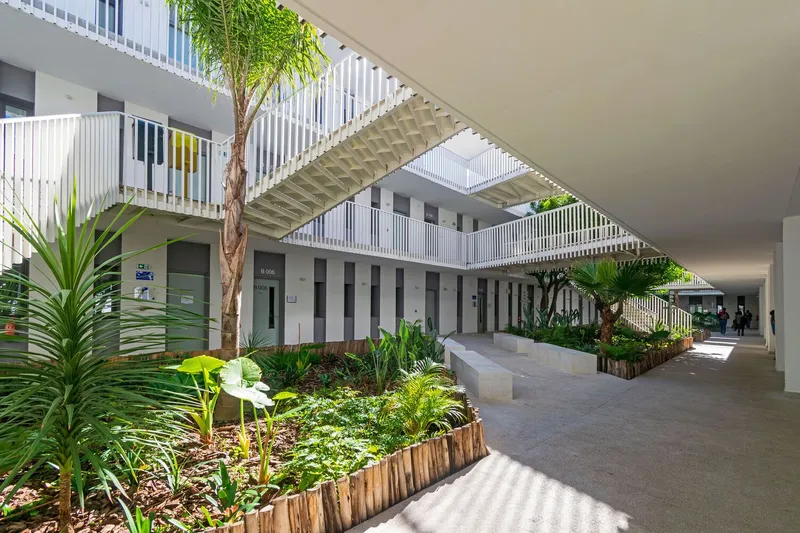
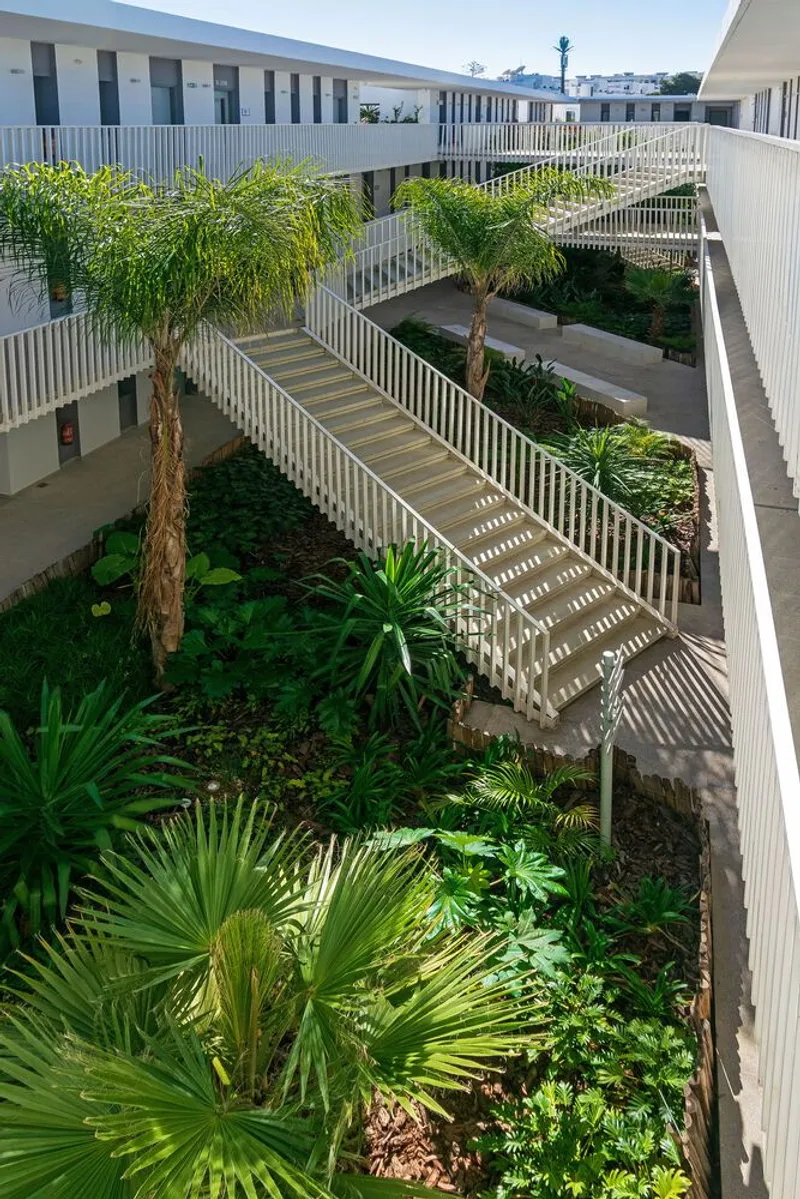
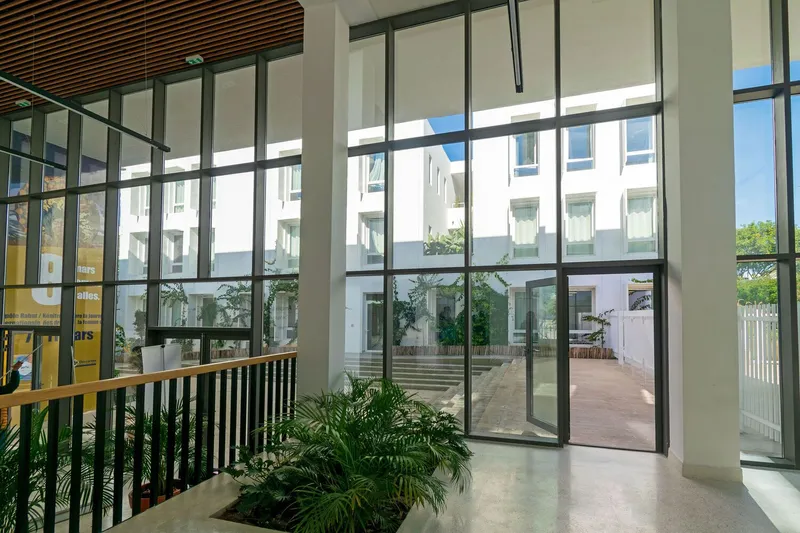
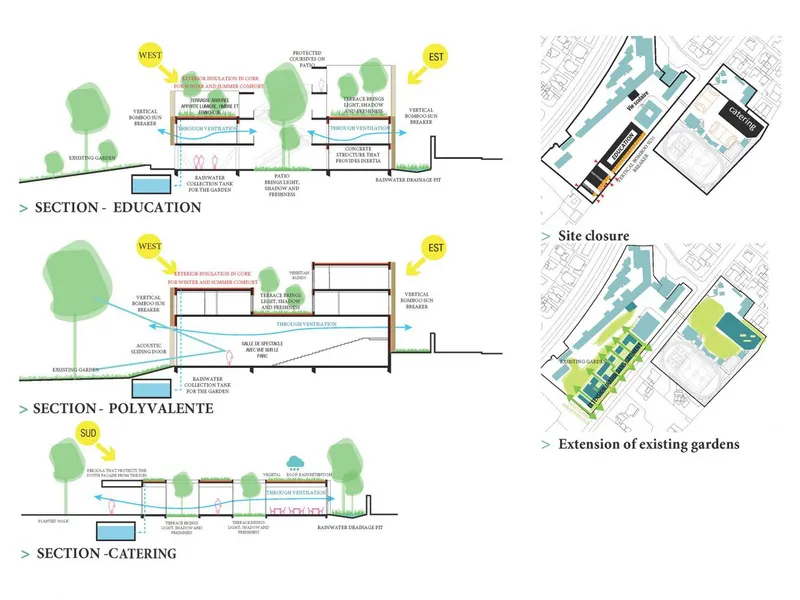
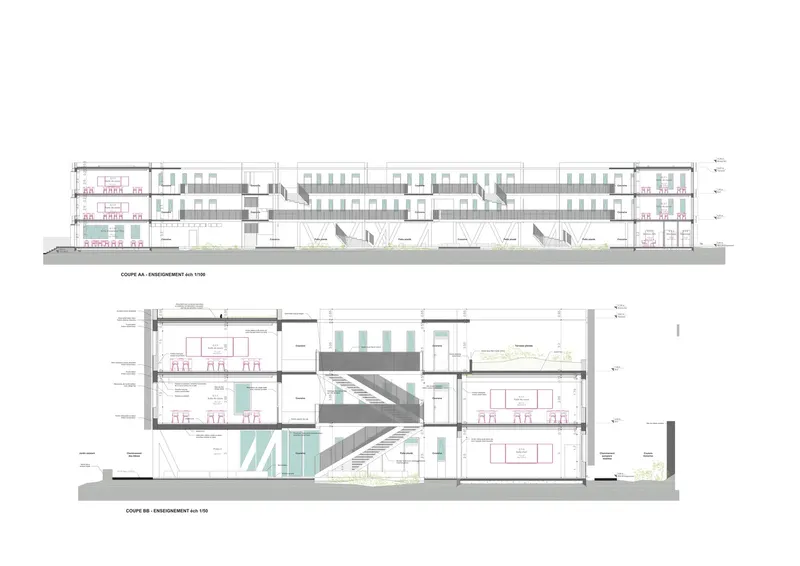
At the heart of the design lies a reinterpretation of the traditional Moroccan courtyard house, which informs the spatial and climatic logic of the entire project. This central courtyard acts as a microclimatic regulator—managing sunlight, ventilation, and heat while encouraging interaction and spatial openness. This approach not only reduces the building's environmental footprint but also enhances thermal and acoustic comfort for both students and faculty.
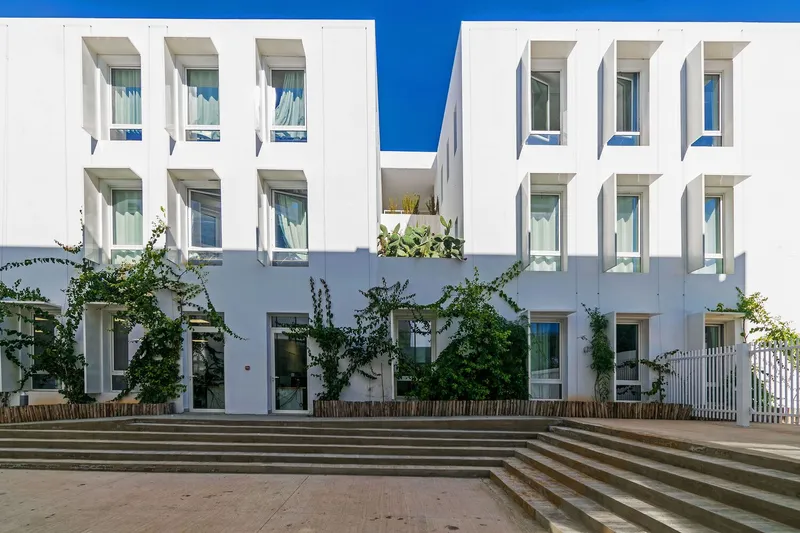
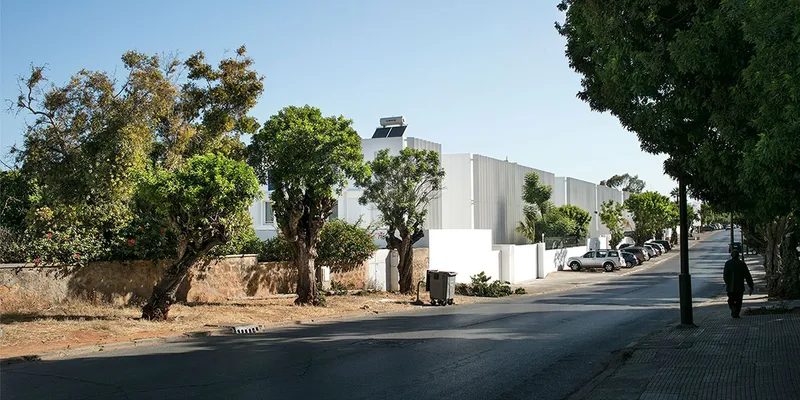
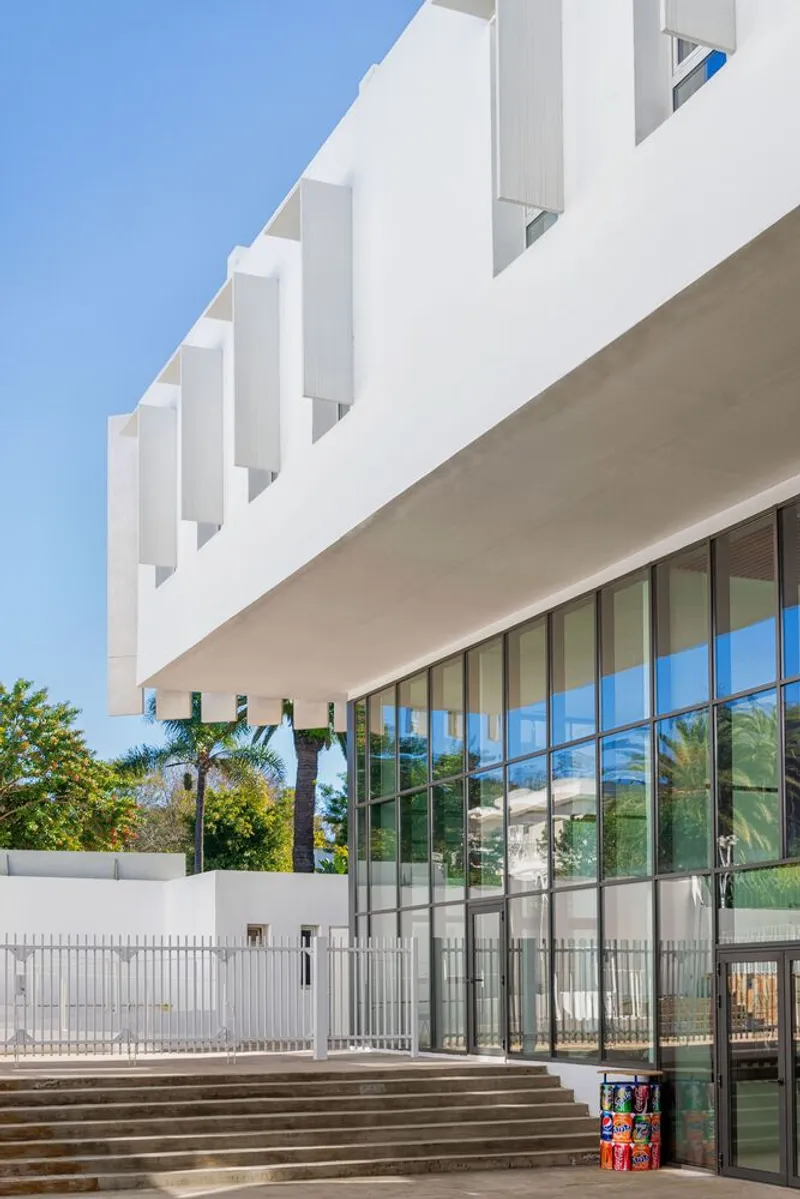
Spatial Organization and Fragmentation for Human-Scaled Learning
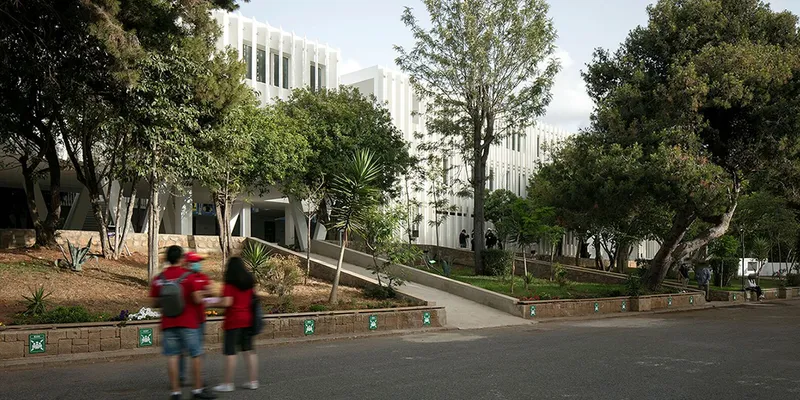
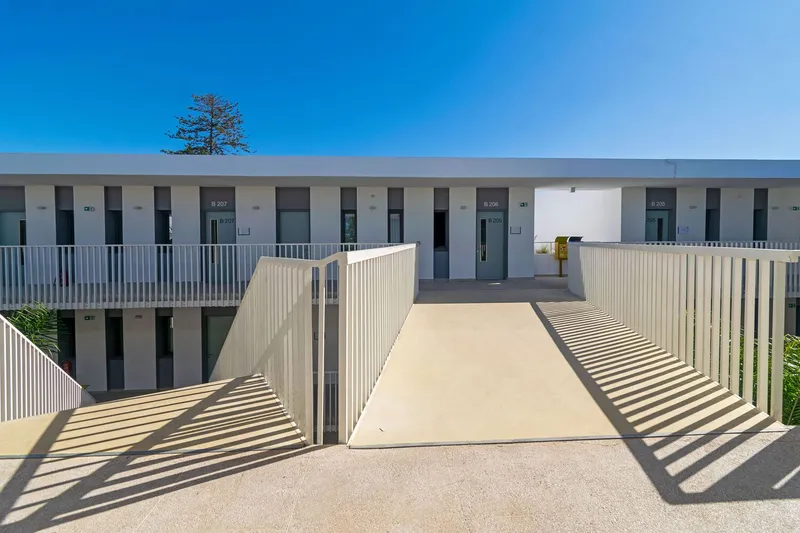
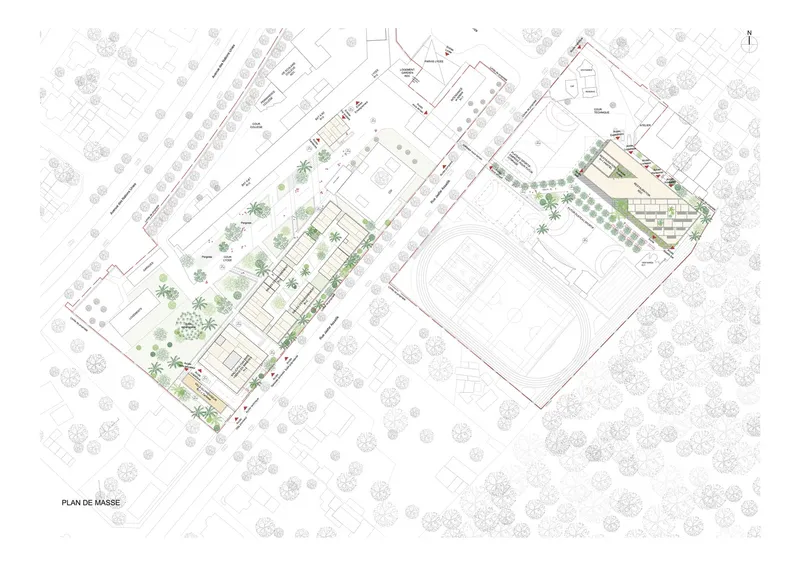
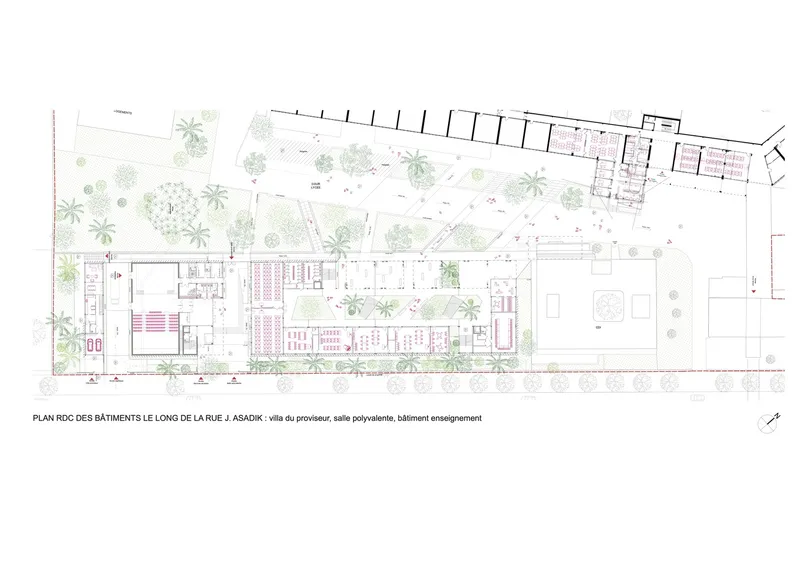
The new school extension comprises three parallelepiped-shaped volumes, each dedicated to a specific function—education, administration, and communal interaction. By fragmenting the layout with terraces and open courtyards, the architects reduce the perceived mass of the structure, creating a more human-scaled experience for users. This architectural move aligns the heights of parapets and rooftops, generating visual cohesion between the historical 1963 building and the new additions.
Climate-Responsive Design with Façade Innovation
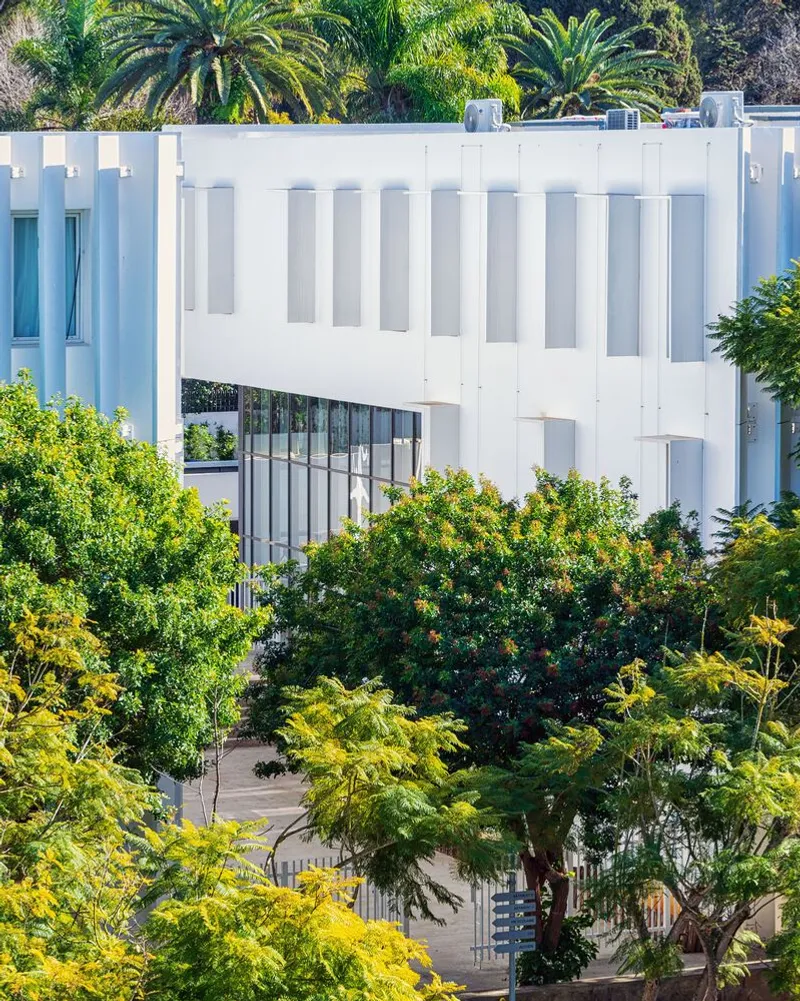
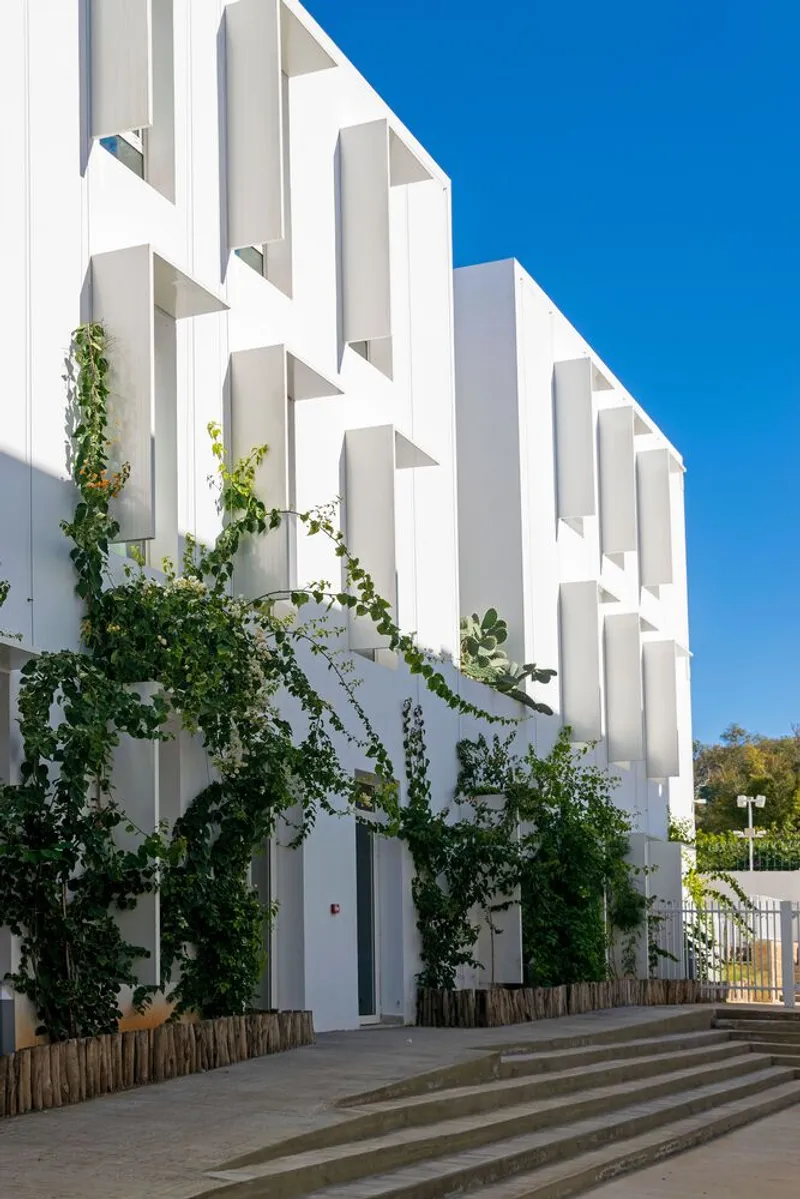
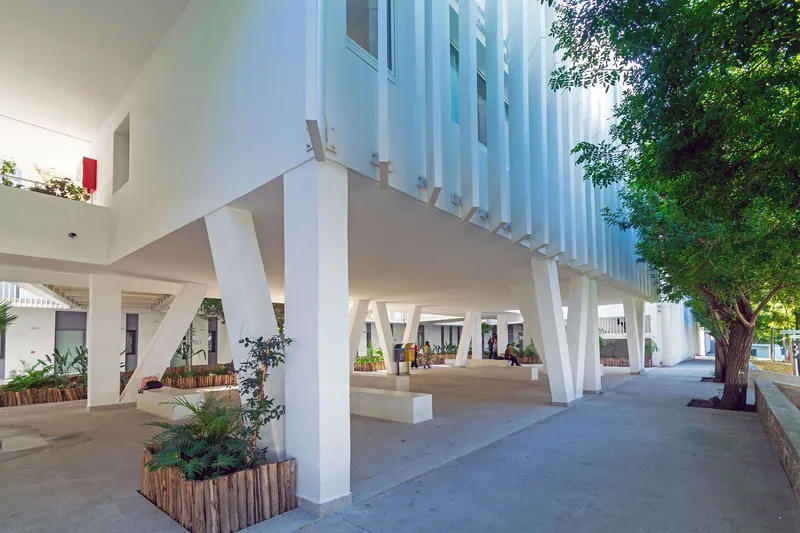
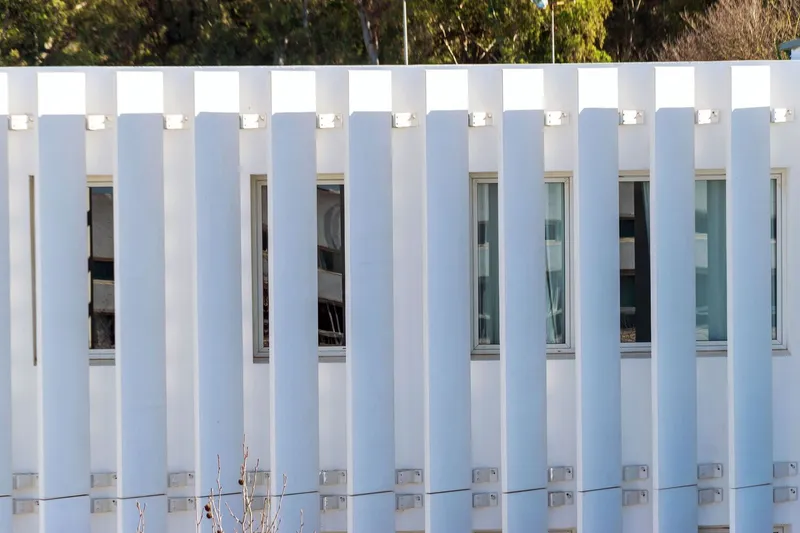
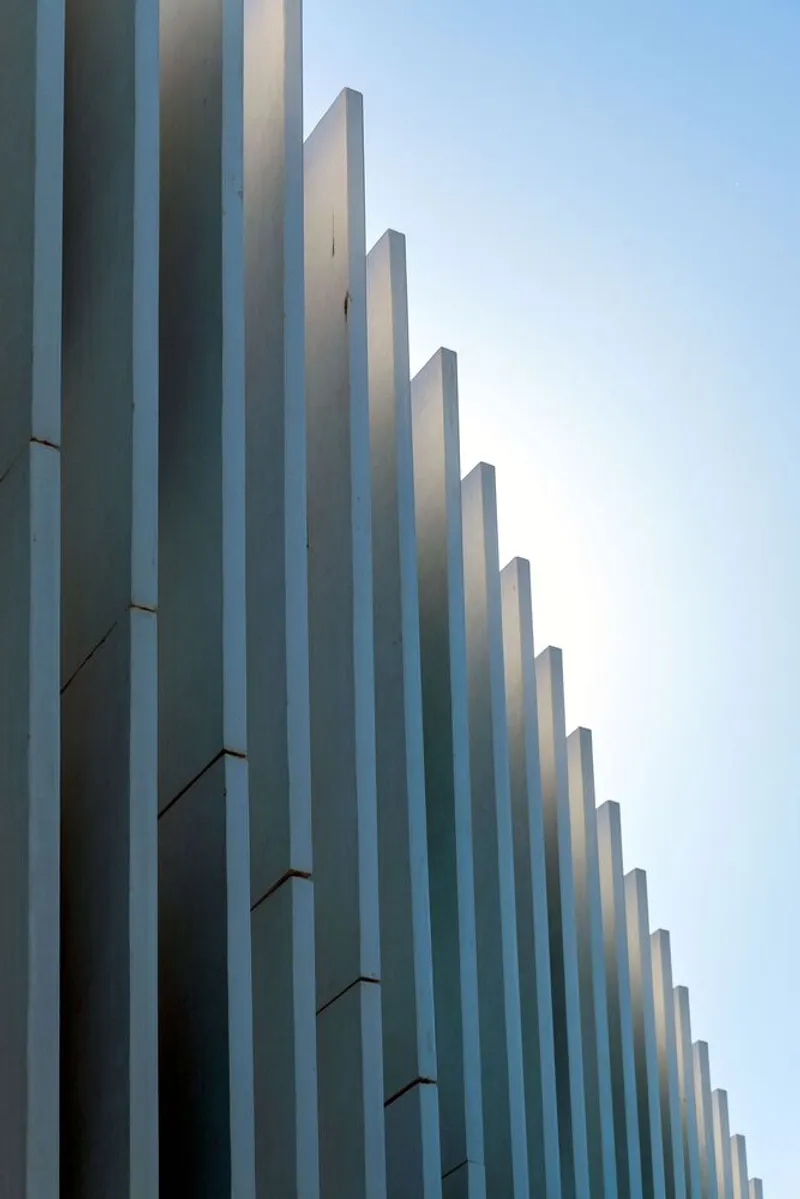
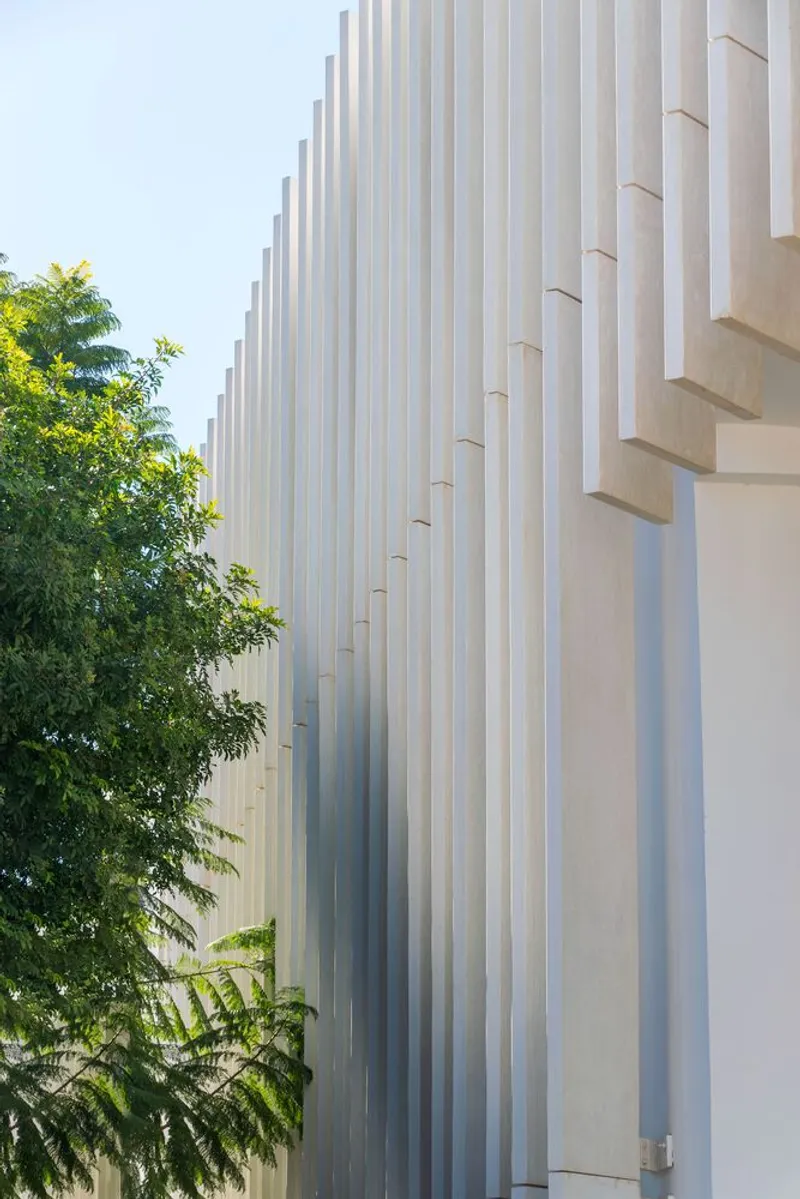
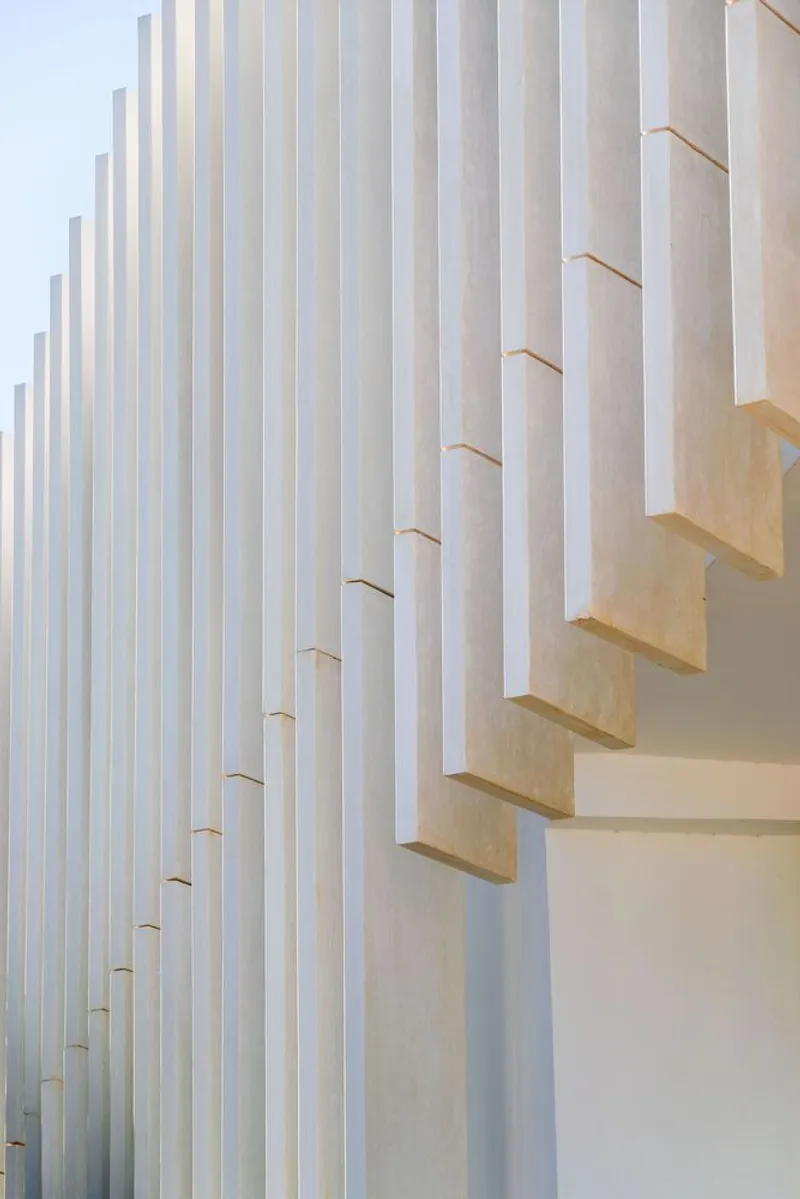
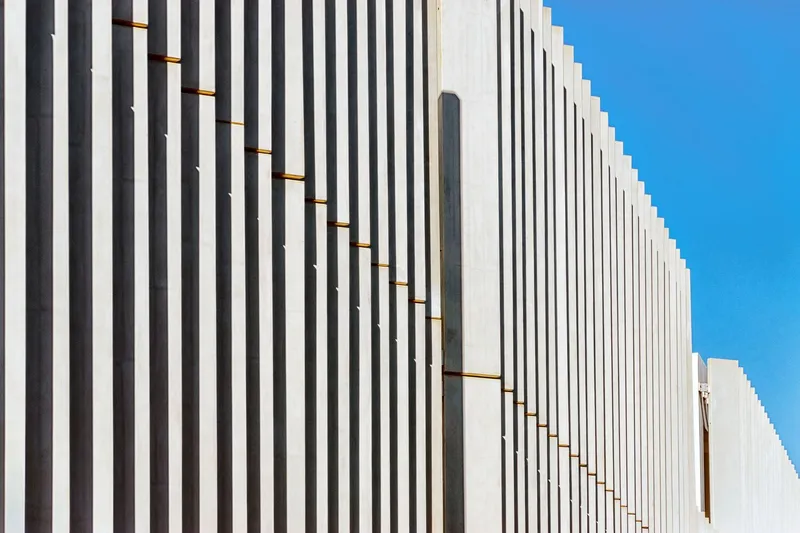
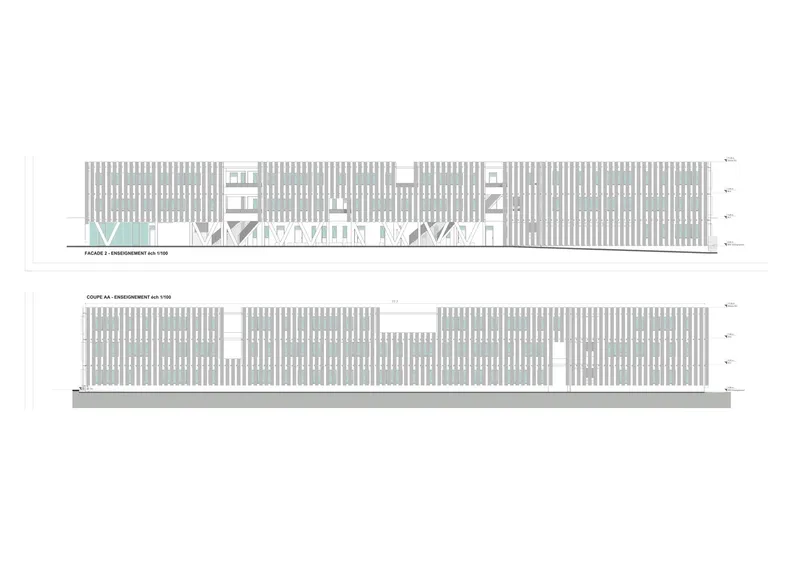
The façades of the new buildings integrate vertical sunshades made of white prefabricated fiber-reinforced concrete, serving as a second skin to control Rabat’s intense east-west sun exposure. These structural elements double as design features, providing texture, depth, and identity. Openings within the sunshades allow for vertical landscaping, encouraging trees to grow through the built fabric, enhancing natural cooling and aesthetic value.
Rooftop Garden as an Ecological and Social Extension
The rooftop garden extends the school’s usable space while also contributing to ecological sustainability. Alternating strips of greenery and gravel define the rooftop, with cantilevered concrete overhangs providing shade and acting as guardrails. This space serves dual functions: it supports biodiversity and serves as an event terrace, with the capacity to host up to 99 people. A trellis over the guest terrace filters sunlight, offering comfort without sacrificing openness.
Covered Walkways and Rainwater Management Systems
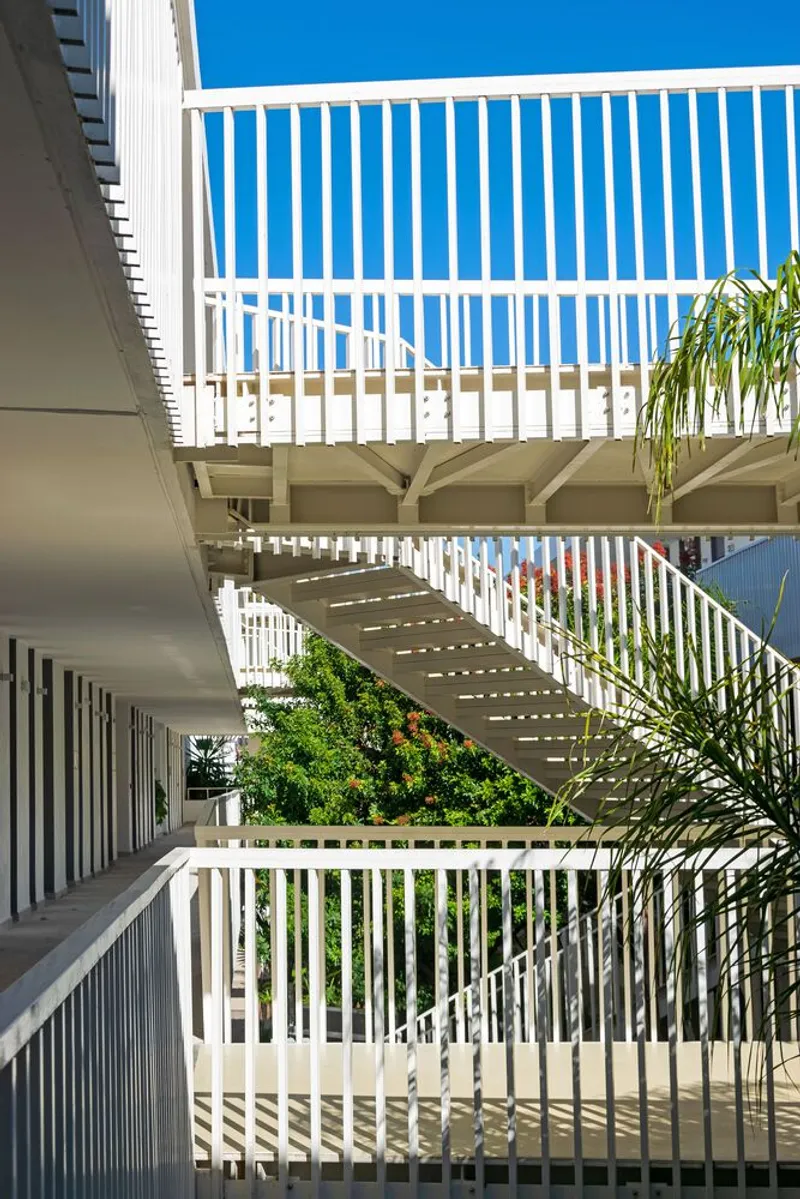
A distinctive feature of the school is its network of covered walkways, which connect double-oriented classrooms while framing the central courtyard. These walkways function year-round as wellness zones, protected from rain and heat. Each includes integrated drainage systems and is finished with metallic cladding, which ensures long-term durability and minimal maintenance.

Structural Innovation Meets Passive Design
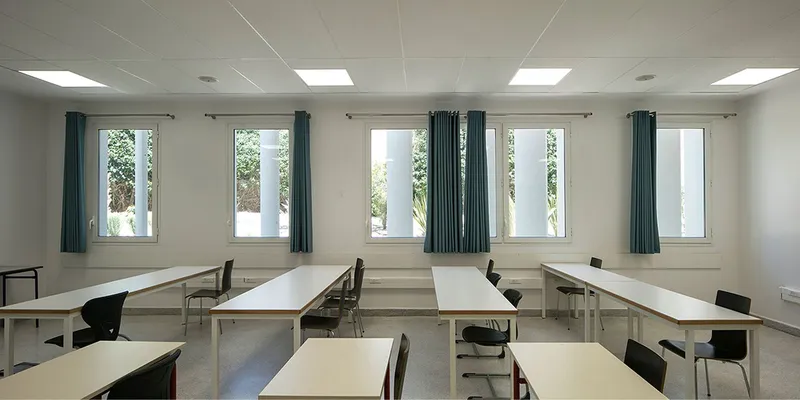
To preserve a clean visual aesthetic and optimize structural efficiency, the school uses inverted beams and solid slabs with integrated bands in the teaching blocks. Windows are designed with 50 cm-high solid spandrels, which reduce excessive low-level glazing and allow structural beams to pass without interrupting visual continuity. This detail is critical for maintaining structural clarity while enhancing the thermal performance of classroom spaces.
Harmonizing Heritage and Contemporary Educational Needs
Arpio Architects have ensured that the modern extension seamlessly blends with the historical school structure. The façade treatment and proportioning create a unified architectural language that respects the original 1963 building while introducing forward-thinking solutions for 21st-century education. The result is a balanced, refined campus that is both high-performing and culturally rooted.
All Photographs are works of Jean-Claude Laffitte


Popular Articles
Popular articles from the community


GROUP A Strips a 1969 Rotterdam Harbor Headquarters to Its Frame and Wraps It in Timber Louvers
In Rotterdam's M4H harbor district, Ferro Offices reuses a 1969 frame, adds one timber storey and reaches BREEAM-NL Outstanding.

Cube Design Draws an Ecological Corridor Between Two Shenzhen Hills with the Nankai Building
Beside Shenzhen's container docks, the Nankai Building pairs stacked balconies with a climbing green screen to connect two hillsides across its height.

longwave studio Reorganizes a 112 m² Tainan Apartment Around the Daily Routines of a Family and Two Cats
In Tainan, Taiwan, birch plywood, rust-red furniture and a freestanding plaster wall link arrival, storage, work and family life in one apartment.

Jaramillo Van Sluys Arquitectura and Urbanismo Turn a Demolished Registry Lot in Quito into an Orchard Plaza
In Quito's Centro Histórico, a 2,800 m² plaza exposes the San Agustín convent wall and redraws its lost Augustinian orchard in volcanic stone.

Similar Reads
You might also enjoy these articles

Gil Mello Arquitetura Tilts a Single Roof Toward the Waterfalls on a Plateau Above Aiuruoca, Brazil
In Aiuruoca, Minas Gerais, a 200 m² house of local labor and reclaimed poles pairs a low valley veranda with a tall mountain one.

U.GA Architects Wraps an Oval Rooftop Pool in Curved Board-Formed Concrete on Busan's Jeollidan-gil
In Busan's Jeonpo-dong, a 454 m² mixed-use block stacks a neighborhood facility, guest rooms and an oval rooftop pool inside spiraling concrete walls.

Felipe Hess Arquitetos Turns a Blind Stone Wall to the Street and Opens a Brazilian House onto a Courtyard and Canal
A canal-front house in Brazil hides behind painted stone and planting, then opens to an olive-tree courtyard, a reed-ceilinged porch and a curving pool.

David Macias Steps a Doorless Stone and Plaster House Down a Tropical Colombian Hillside
In the humid hills of Colombia, Threshold House replaces the front door with an open void and terraces its 850 m² down the slope instead of fighting it.

Explore Architecture Competitions
Discover active competitions in this discipline

Challenge to reimagine the Iron Throne

Photograph architecture without architects

Illustrate the lost glory of Angkor Wat - Render Challenge

Design challenge to reuse E-waste
Comments (0)
Please login or sign up to add comments
No comments yet. Be the first to comment!