
Doki Doki Concept Store: A Fusion of Heritage, Design, and Retail Innovation
Doki Doki Concept Store in Mumbai blends industrial heritage with modular retail design, bold murals, custom furniture, and immersive spatial experiences.

Located in the historic Ballard Estate of South Mumbai, the Doki Doki Concept Store by The Architecture Story redefines how retail spaces can merge history, design, and adaptability. What was once an abandoned ice factory has now been transformed into a vibrant 1,250 m² experiential store that celebrates both industrial heritage and contemporary design.
Preserving the Past, Designing for the Future
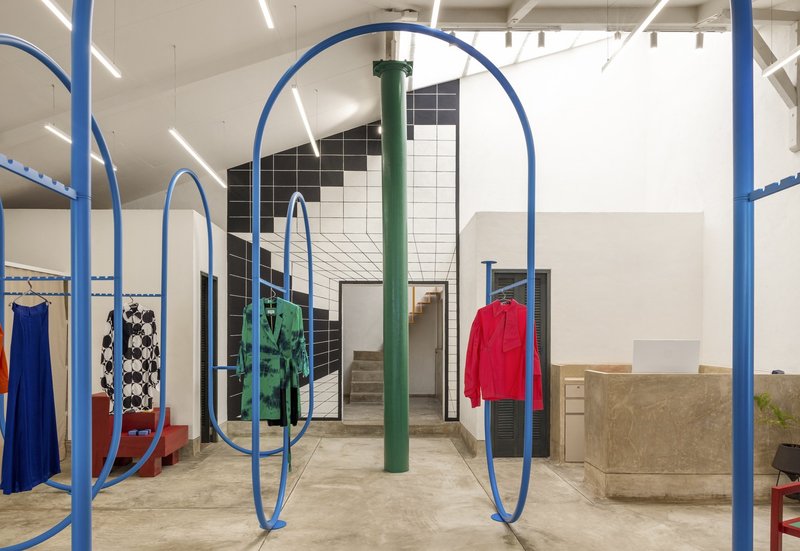
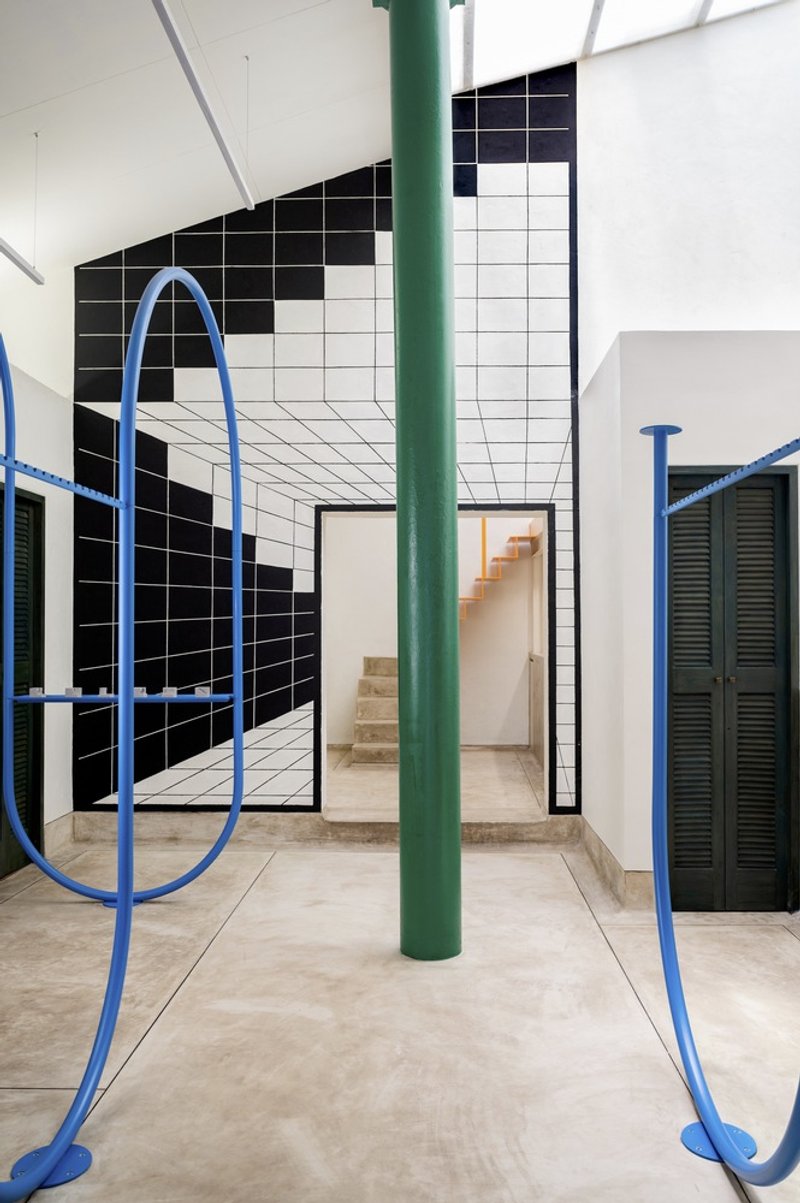
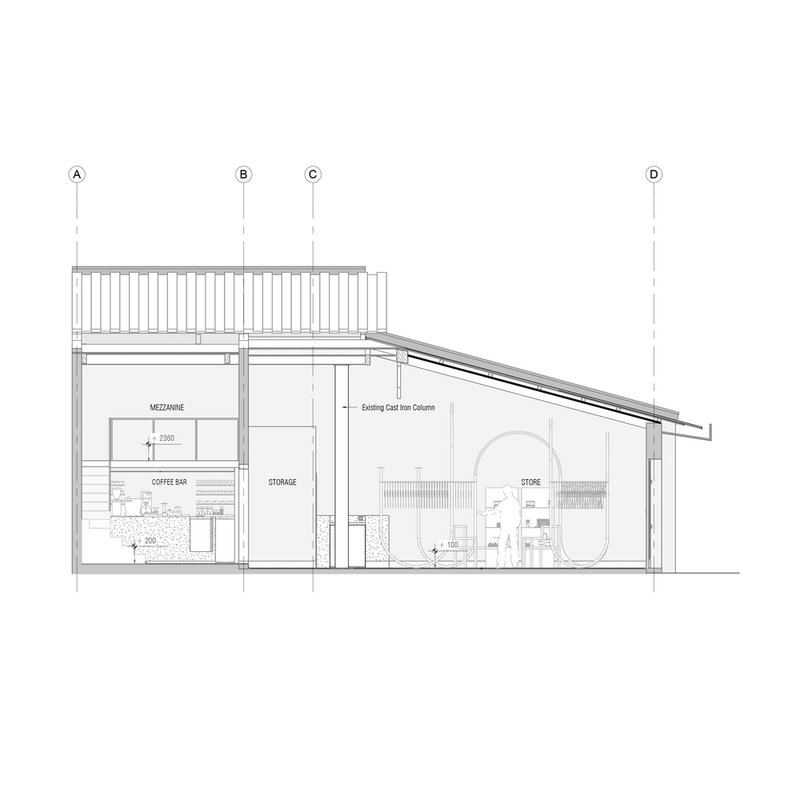
The architects approached the project with a strong focus on adaptive reuse. Instead of erasing the original character of the warehouse, they preserved its pitched roof and exposed wooden beams, maintaining the authenticity of the old structure. This decision not only honored the site’s industrial past but also created a distinctive architectural backdrop for a modern retail concept.
A Visual Landmark: The Striped Façade
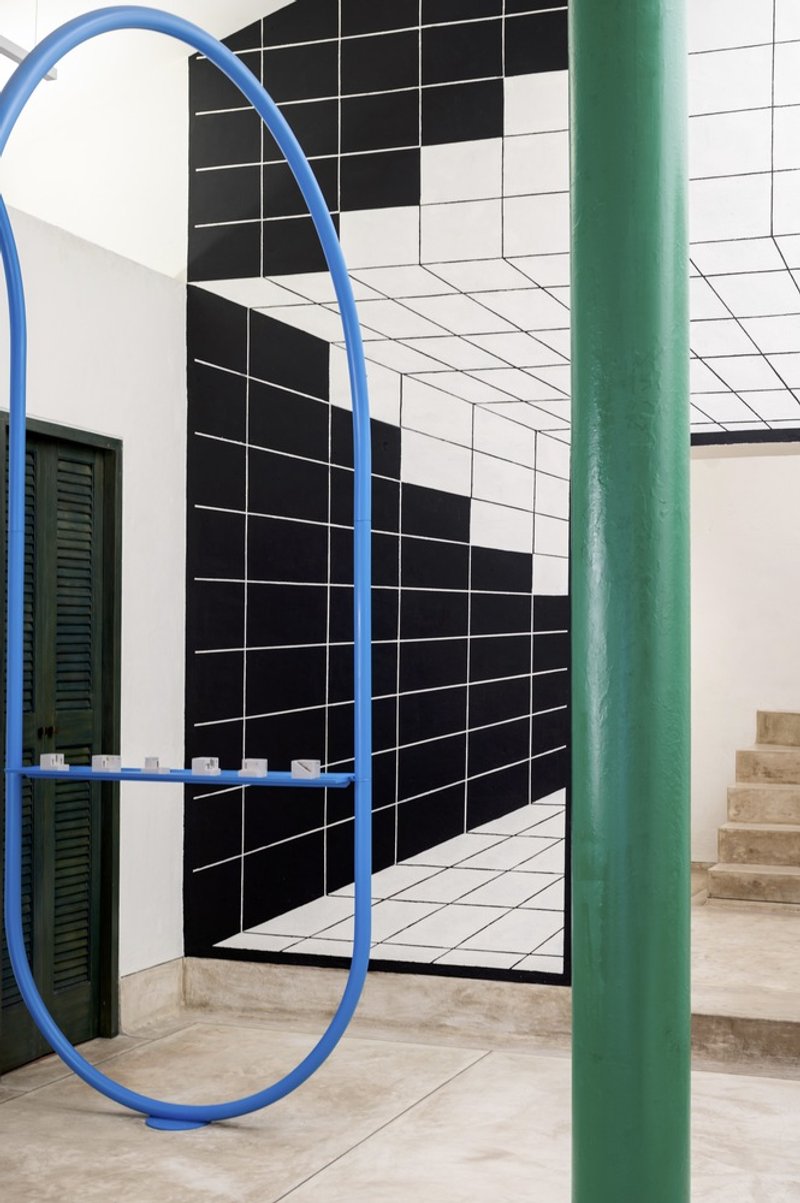
The first striking element of the store is its three-toned striped mural façade, designed by TAS and hand-painted by local sign painter Narayan Kadam. This bold visual marker introduces rhythm and identity, breaking away from the bustling bylanes of Mumbai and drawing visitors into a curated design experience. Inside, a secondary mural extends this rhythm into the interiors, reinforcing the continuity of design language between exterior and interior.
Flexible Modular Design for Retail
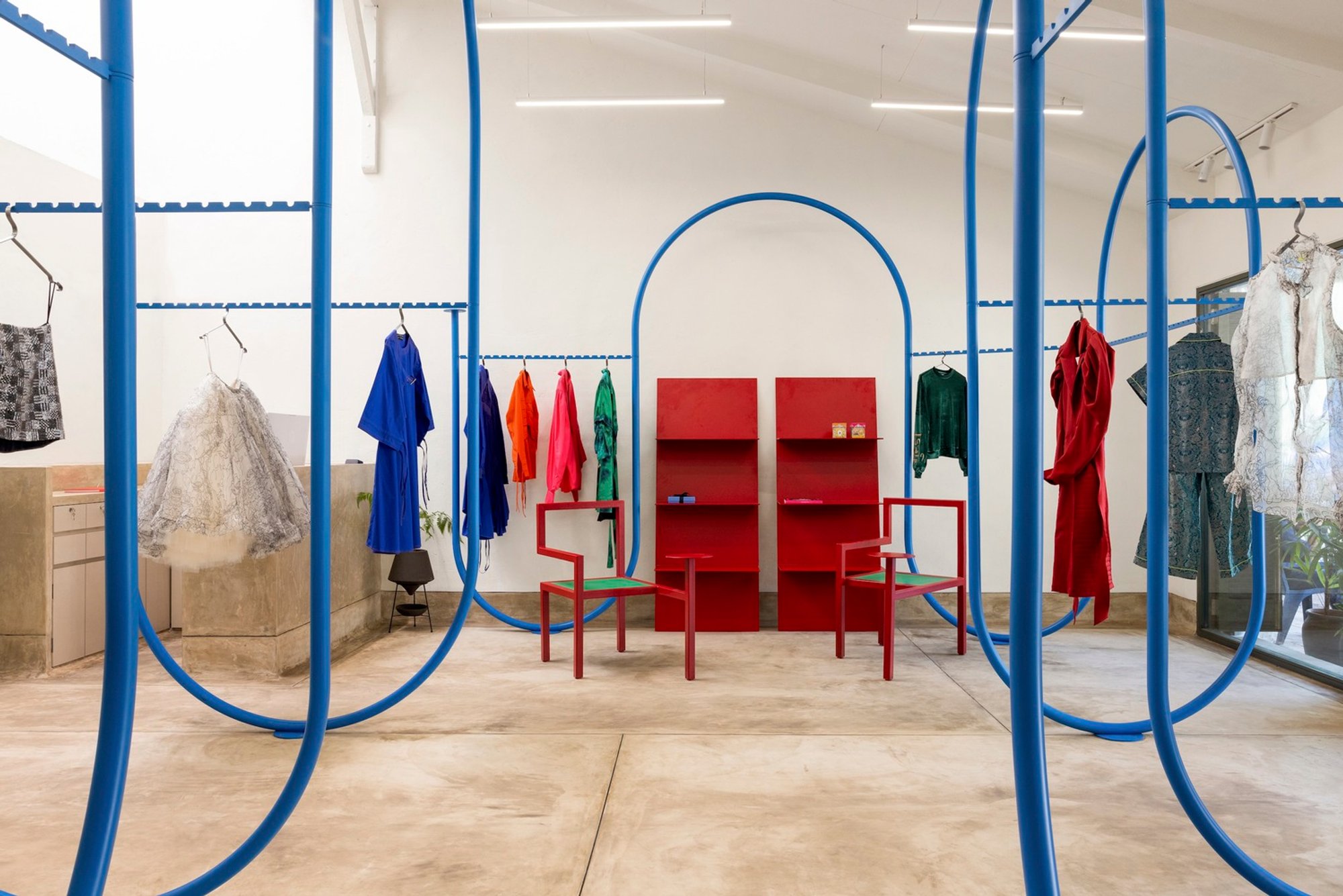
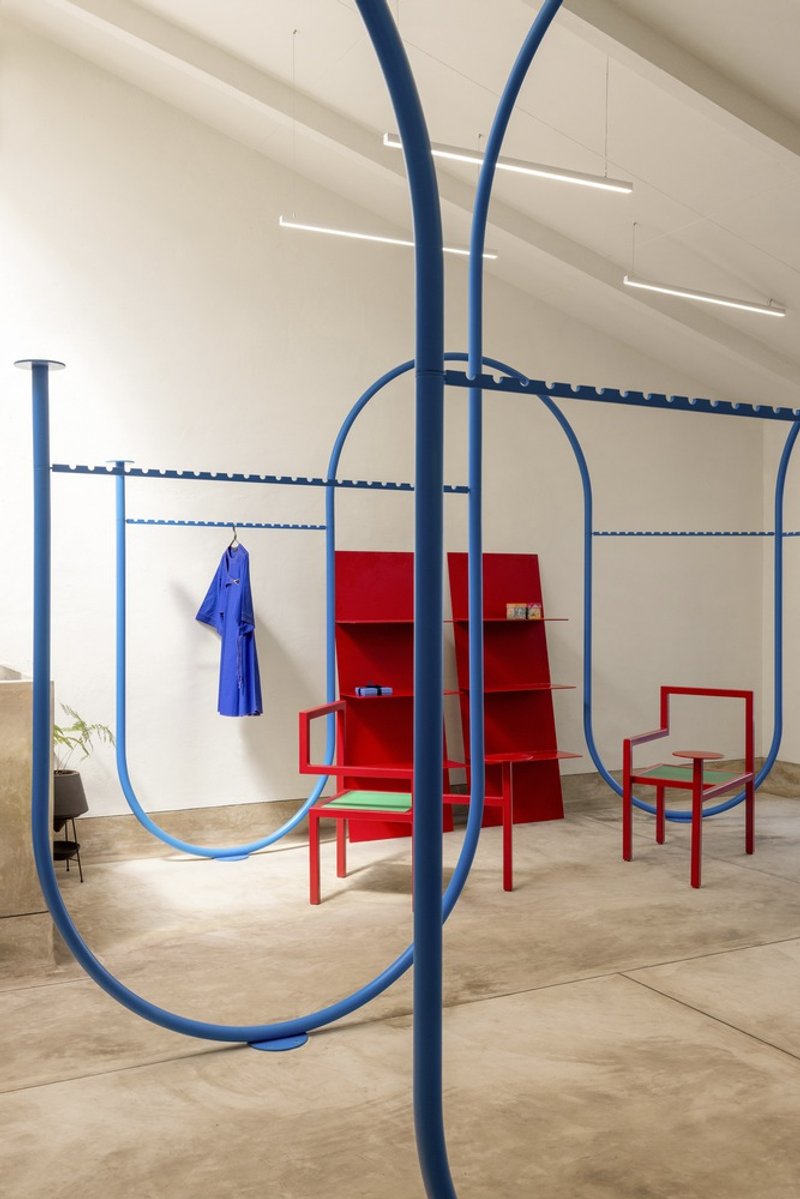
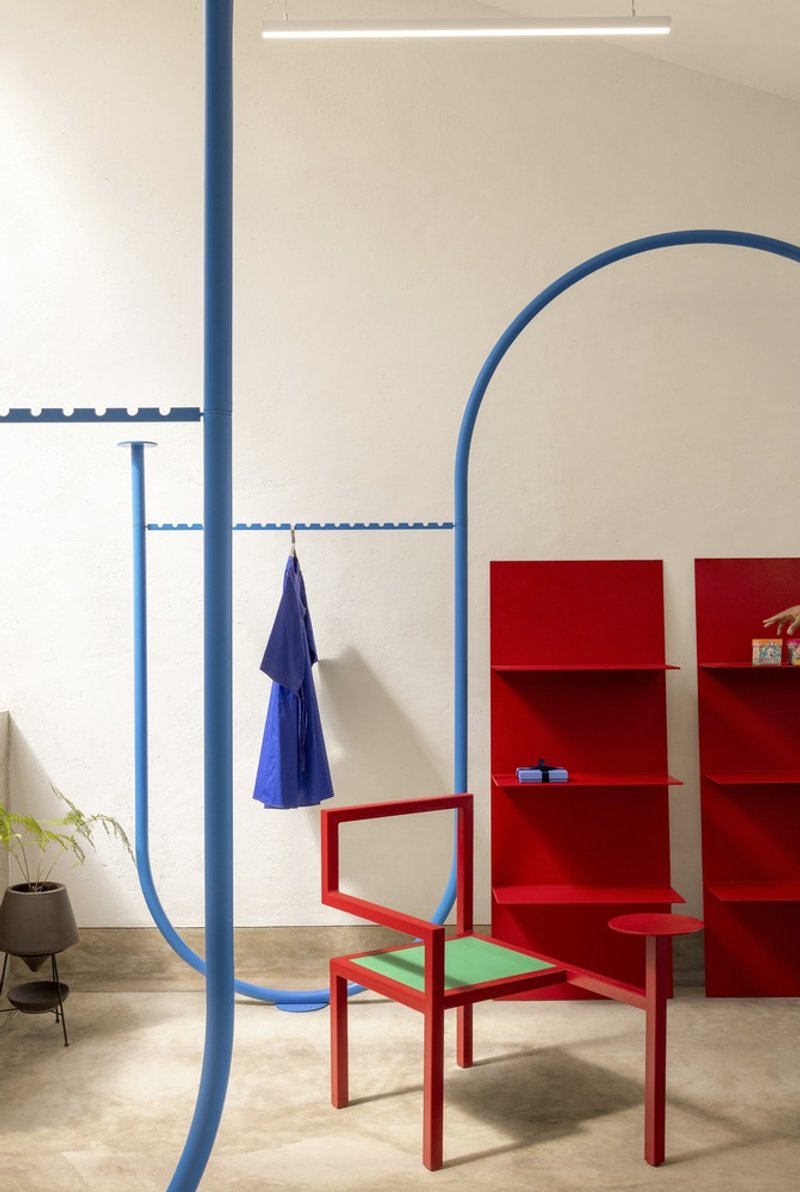
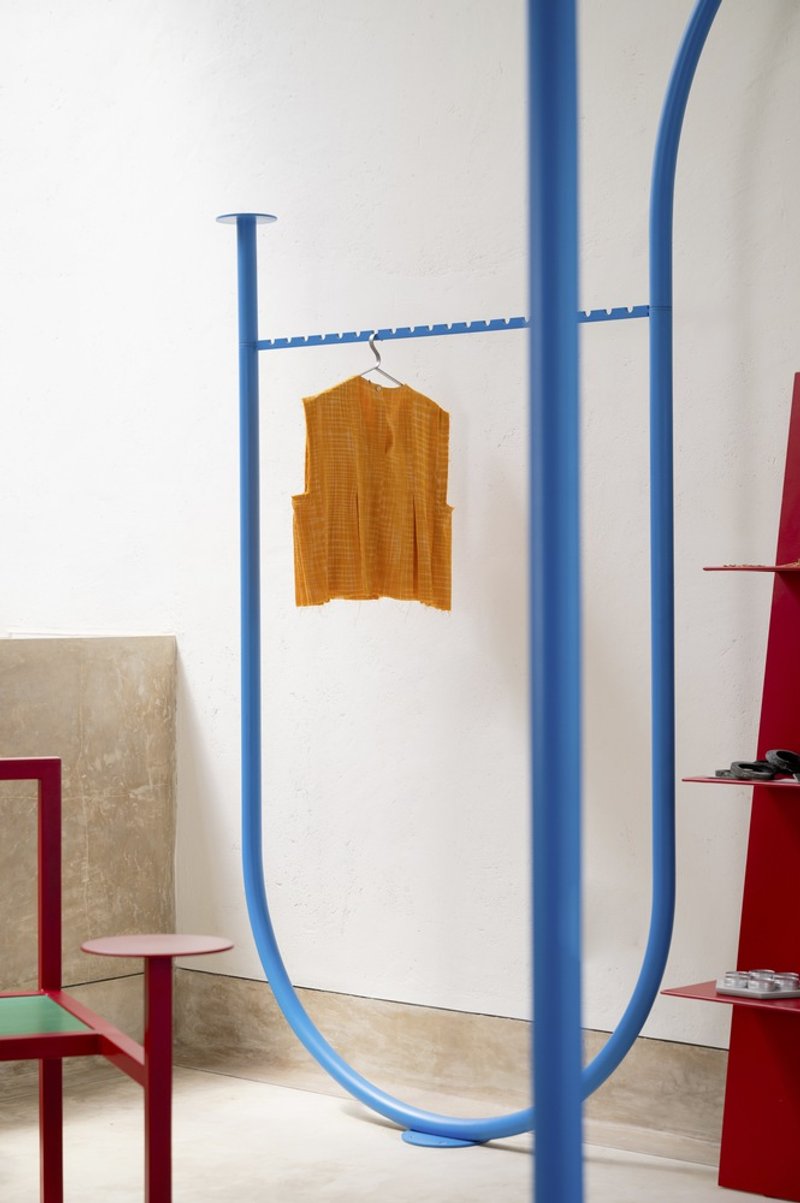
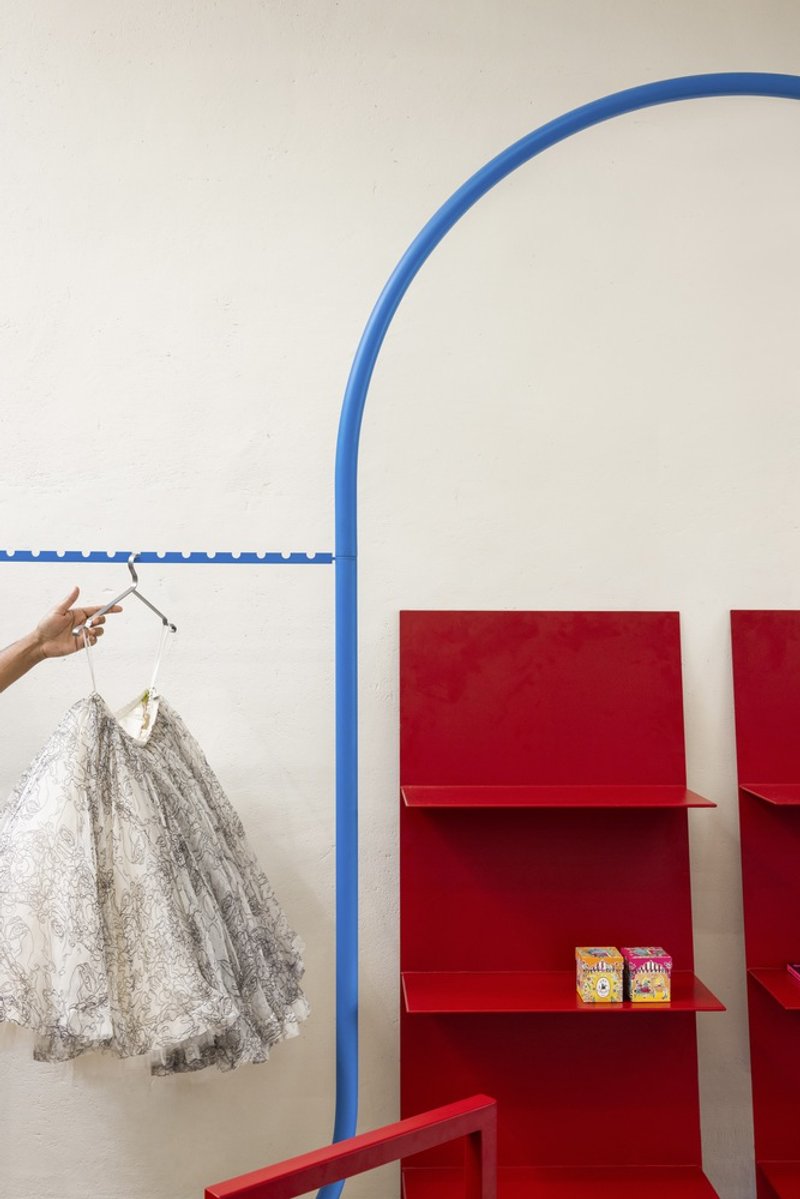
Moving away from traditional retail layouts, the architects developed a modular and sustainable system of display. Instead of racks placed against walls, metal arches form a fluid installation that functions as both circulation and display. This loop-like spatial strategy encourages visitors to weave through the store, turning shopping into an immersive journey rather than a linear path.
The modular system is designed for adaptability—elements can be reconfigured or even transported to new locations, making the concept highly sustainable and future-proof.
Furniture as Spatial Extension
All loose furniture pieces were custom-designed by TAS, inspired by Rietveld’s geometric explorations. Angular right-angled furniture contrasts with the fluidity of the arches, creating a dynamic tension within the space. For the architects, the line became the starting point for exploration, transforming from drawing to structure, and from structure to experience.
Over the years, TAS has been deeply invested in furniture design as an extension of architectural practice, and Doki Doki serves as a showcase of that philosophy.
Materiality and Color Palette
The material palette balances industrial and crafted sensibilities:
- Metal frameworks provide structure and rhythm.
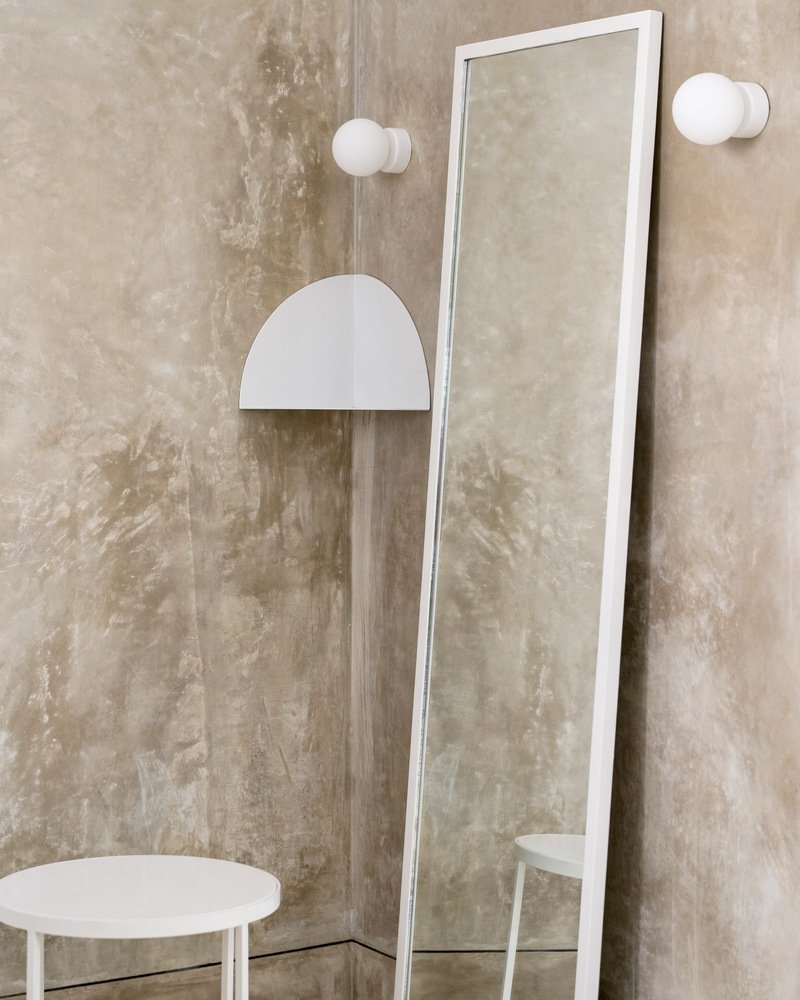
- Hand-cast IPS flooring grounds the interiors with artisanal detail.
- Wall textures and muted tones highlight the vibrant works of emerging designers featured in the store.
This interplay of materials ensures that the store maintains a raw yet refined quality, echoing its industrial heritage while supporting its role as a concept-driven retail platform.
A New Chapter for Retail in Mumbai
The Doki Doki Concept Store exemplifies how architecture, adaptive reuse, and retail design can merge into a spatially immersive retail experience. It is not just a place to shop, but a cultural landmark where design, history, and commerce intersect.
All Photographs are works of Suryan // Dang, Hunar Daga



Popular Articles
Popular articles from the community

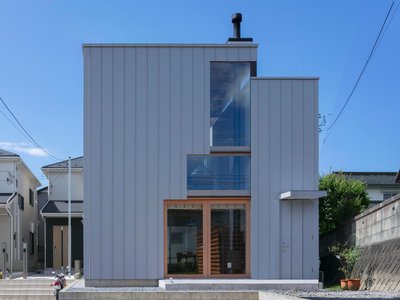
Split House: A Compact Urban Home Blending Privacy, Light, and Flexible Living in Japan
Compact Japanese home featuring DOMA space, flexible café potential, passive lighting, privacy zoning, and sustainable urban living design.

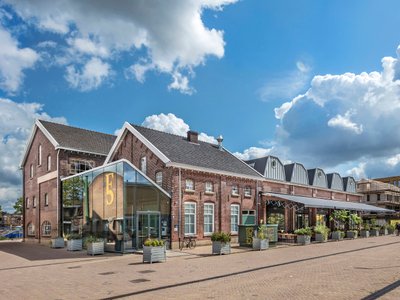
Fifth NRE Jazz Club – De Bever Architecten: Eindhoven’s Revitalized Cultural Hub
Historic gas factory transformed into Fifth NRE Jazz Club blending modern sustainability, jazz culture, dining, and heritage architecture seamlessly.

Free Architecture Competitions You Can Enter Right Now
No entry fees, real prizes. Here are the best free architecture competitions open for submissions in 2026.


Similar Reads
You might also enjoy these articles


The Ken Roberts Memorial Delineation Competition (Krob)
As the most senior architectural drawing competition currently in operation anywhere in the world, it draws hundreds of entries each year, awarding the very best submissions in a series of medium-based categories.
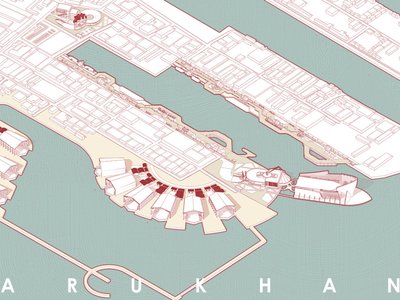
Waterfront Redevelopment and Urban Revitalization in Mumbai: Forging a New Dawn for Darukhana
A transformative waterfront redevelopment project reimagining Darukhana’s shipbreaking heritage into an inclusive urban future.

OUT-OF-MAP: A Call for Postcards on Feminist Narratives of Public Space
Rhizoma Design and Research Lab invites artists, designers, architects, researchers, and students to reflect on how feminist perspectives can reshape public space. Selected works will be exhibited in Barcelona, October 2026. Submissions open until 15 April 2026.


Documentation Work on Buddhist Wooden Temple
Architectural syncretism and cultural hybridity: A comparative study of the Buddhist temples in Chattogram Hill tracks


Explore Architecture Competitions
Discover active competitions in this discipline




The International Standard for Design Portfolios


The Global Benchmark for Architecture Dissertation Awards


The Global Benchmark for Graduation Excellence


Challenge to design luxury tourism on rails
Comments (0)
Please login or sign up to add comments
No comments yet. Be the first to comment!