
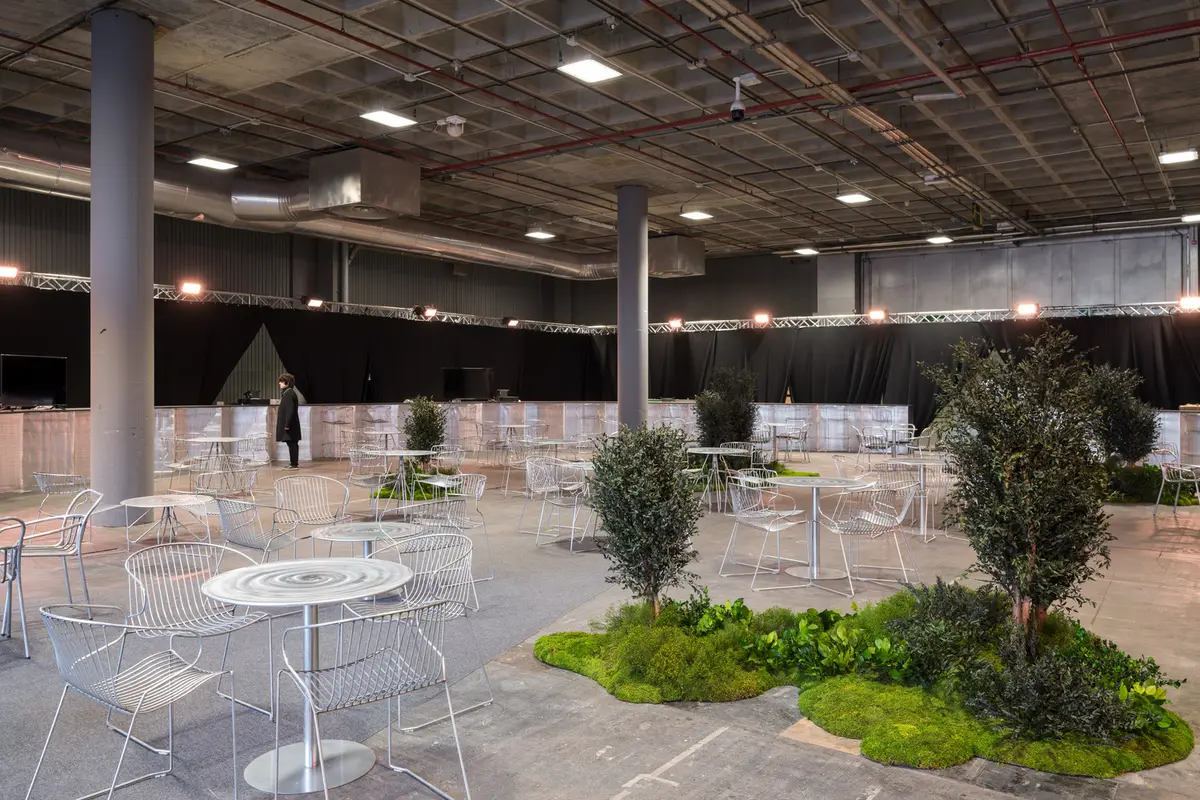
Domestic Urbanism in Fair Architecture: Unveiling ARCO43 Installation by Pedro Pitarch
This article explores the ARCO43 Installation by Pedro Pitarch, showcasing Domestic Urbanism in Fair Architecture, blending urban and home elements.


Domestic Urbanism in fair architecture represents a revolutionary approach in the design and conceptualization of space within the context of exhibitions and fairs. The ARCO43 Installation by Pedro Pitarch, presented in Madrid, Spain, epitomizes this novel concept, blending elements of urban planning with the intimacy of home settings to create a unique, immersive environment. This approach challenges traditional fair designs and promotes a new paradigm in how we experience and interact with space in public exhibitions.
The Genesis of ARCO43 Installation: A New Era of Fair Design
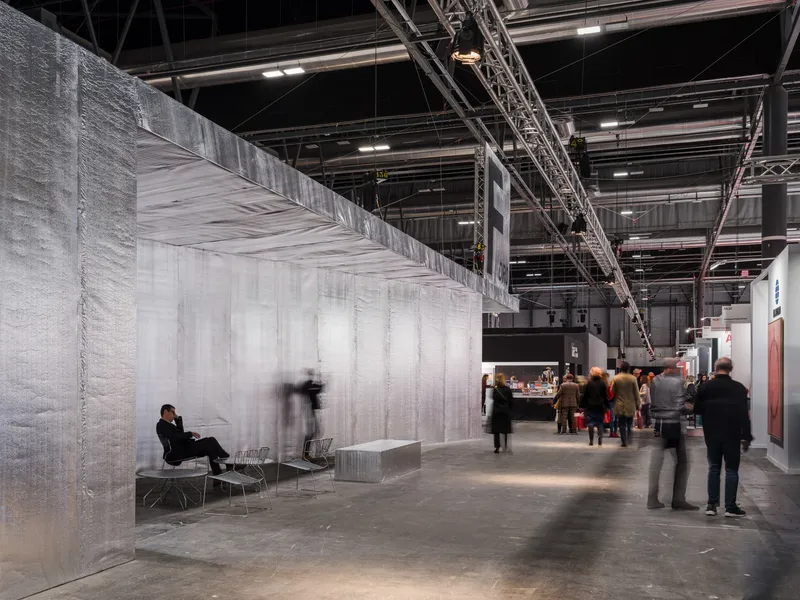
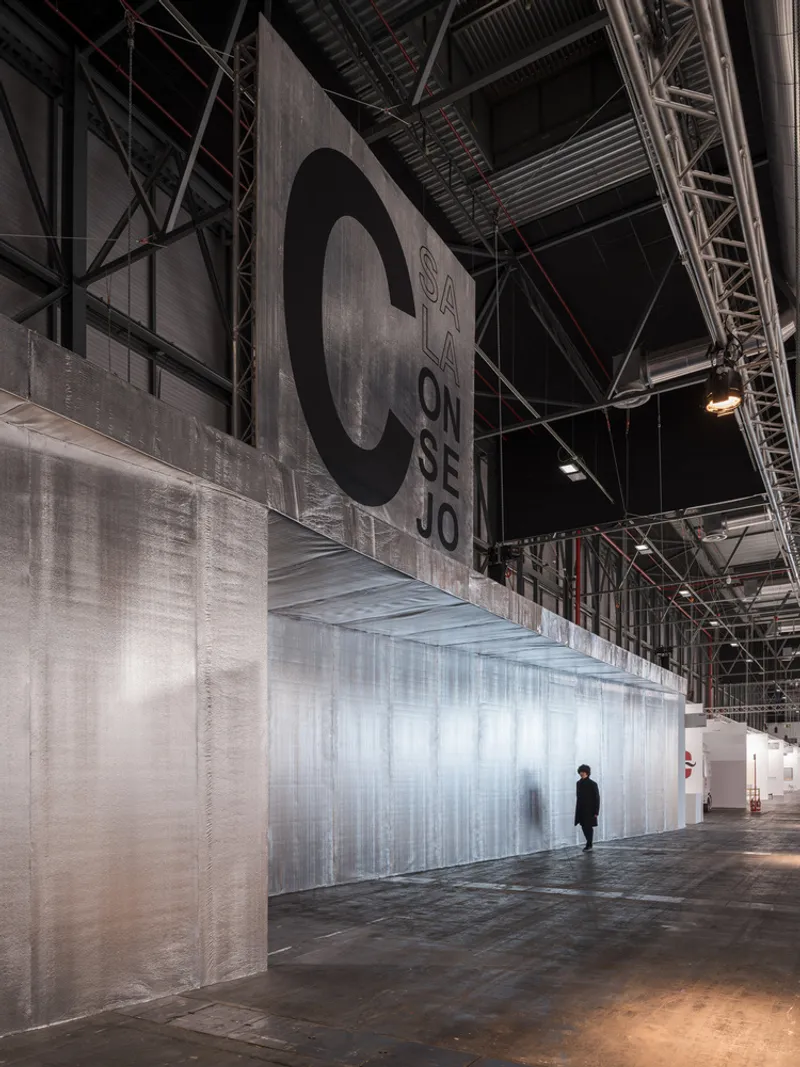
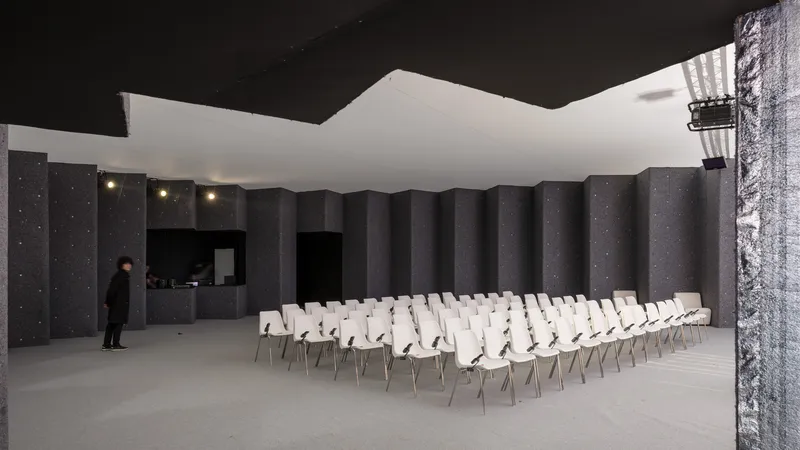
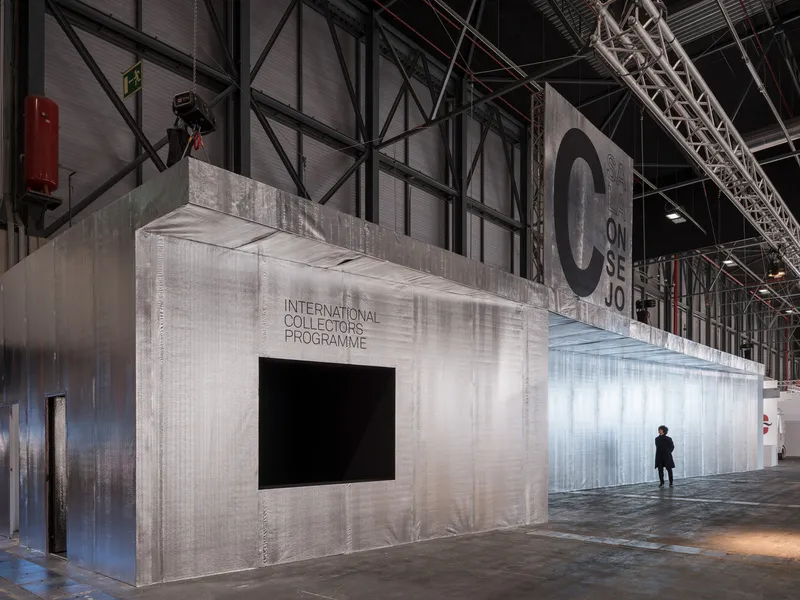
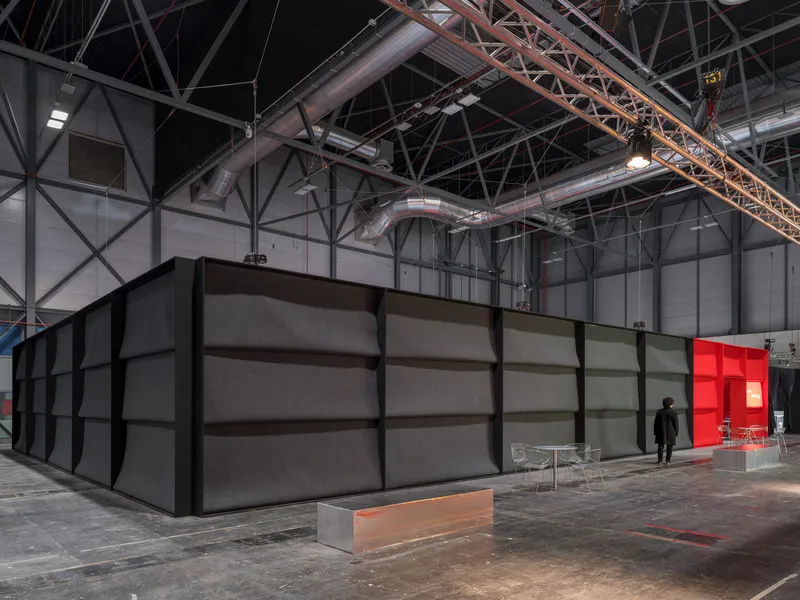
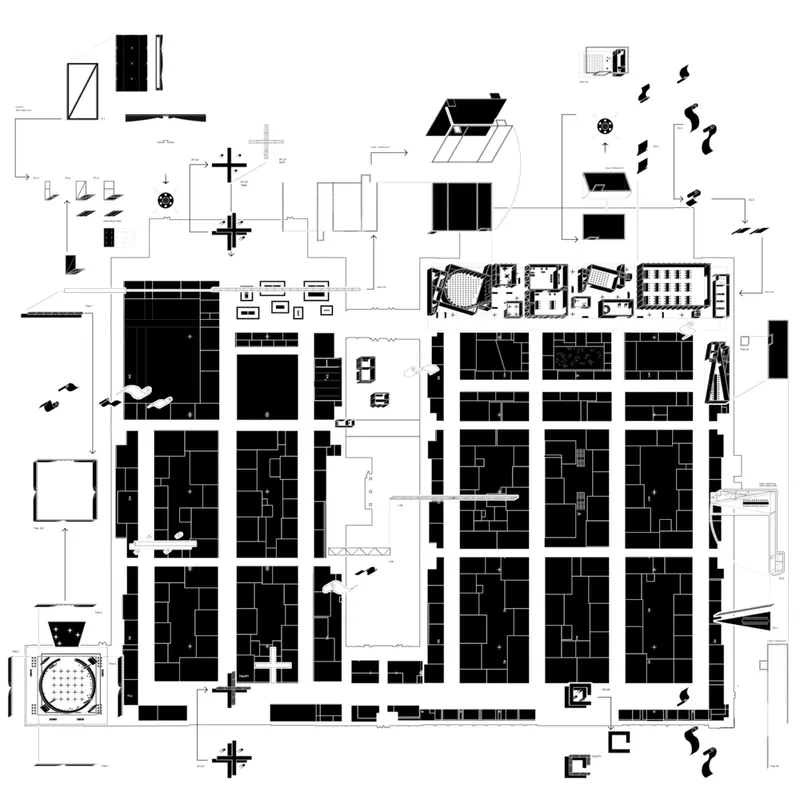
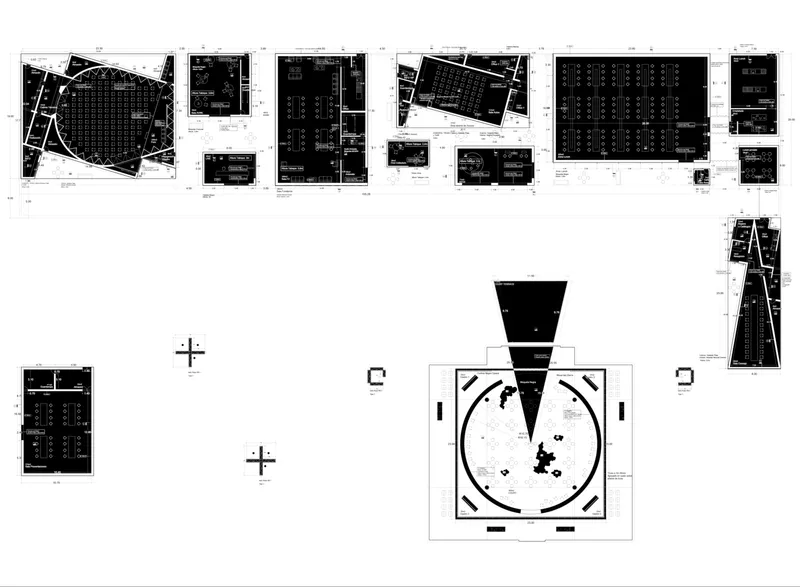
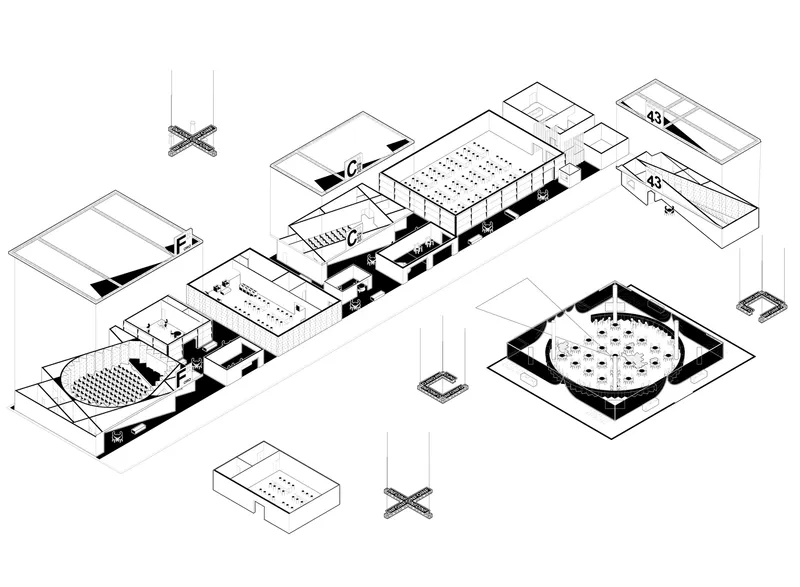
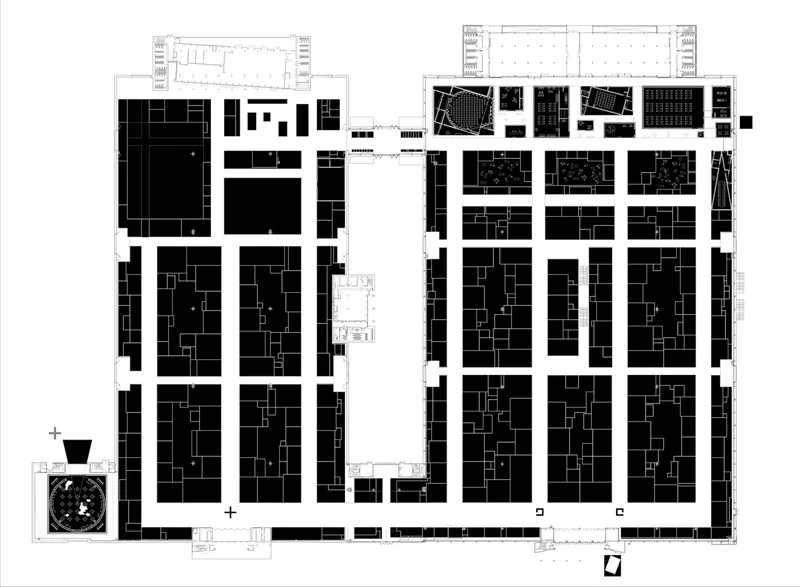
Pedro Pitarch's ARCO43 Installation stands as a testament to the innovative concept of Domestic Urbanism in fair architecture. Set against the backdrop of Madrid's bustling fair scene, this project transforms pavilions 7 and 9 of IFEMA into a pop-up cityscape, blurring the lines between public and private spaces. The design strategically distributes specific, compact, and pragmatic pieces throughout the fair, fostering environments that mirror small domestic squares and providing a comforting, intimate experience for visitors.
Emancipation of Materials and Construction Systems
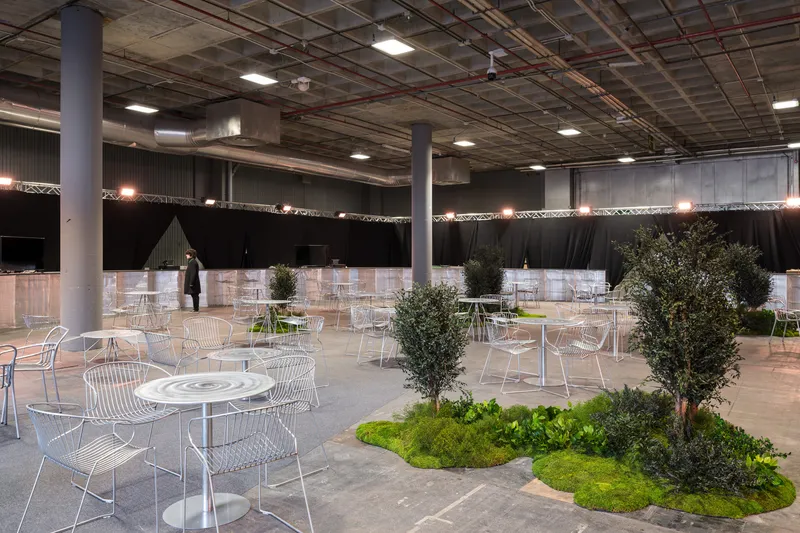
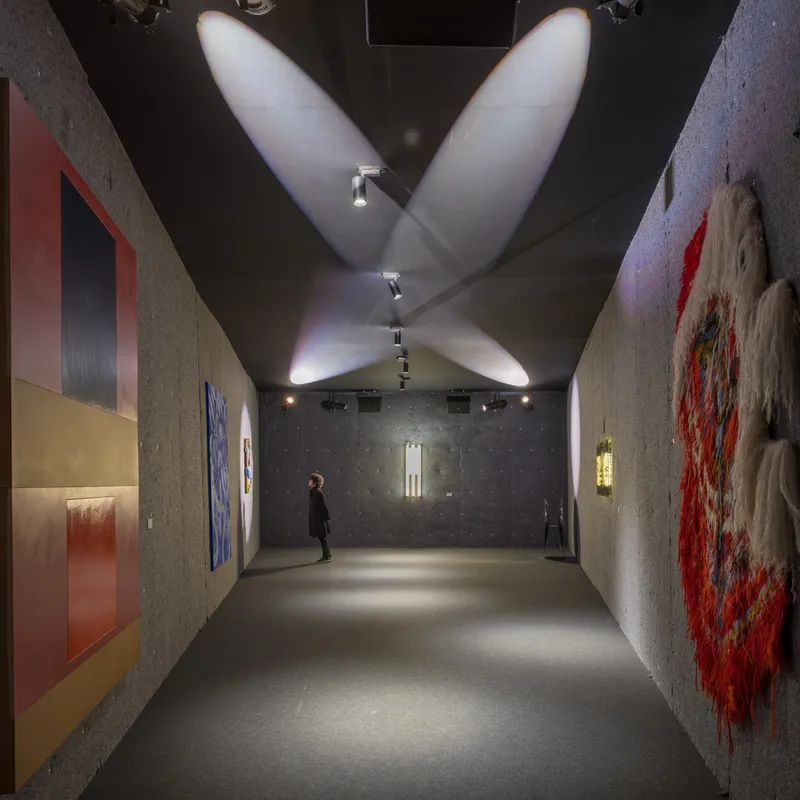
The ARCO43 project is not only about space but also about materials and construction systems. By advocating for the emancipation of traditional fair materials, Pitarch challenges conventional uses and aesthetics, turning mundane objects and systems into significant elements of design. This object-oriented urbanism emphasizes the unique genetic makeup of fair architecture, creating a synthetic ecosystem where every component plays a critical role in the overall experience.
Lighting Strategy: Crafting Domestic Atmospheres
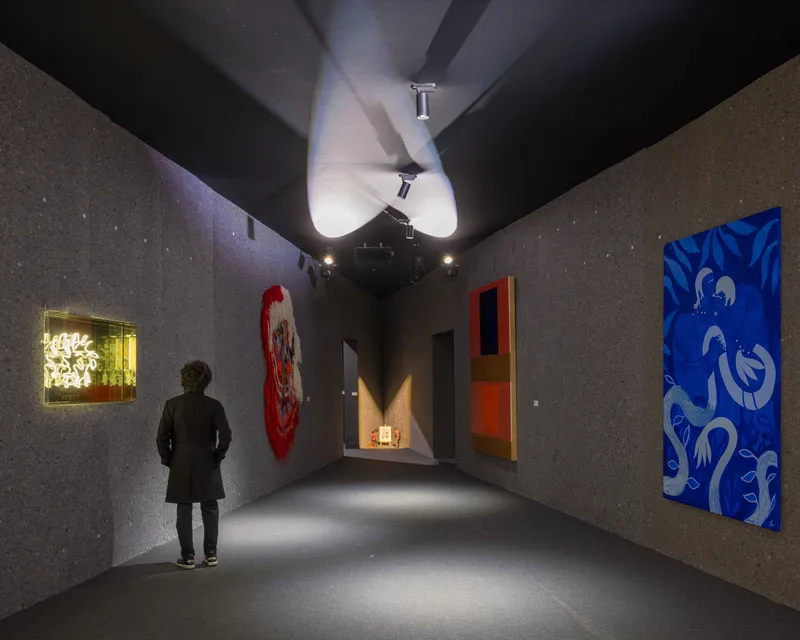
One of the defining features of the ARCO43 Installation is its innovative lighting strategy. By reducing general overhead lighting and introducing suspended lights at a more domestic height, the installation creates a sense of intimacy and warmth typically reserved for home settings. This deliberate manipulation of light and shadow not only alters the visitor's perception of space but also reinforces the theme of Domestic Urbanism within the fair architecture.
Synthetic Ecosystems: A Harmonious Blend of Art and Architecture
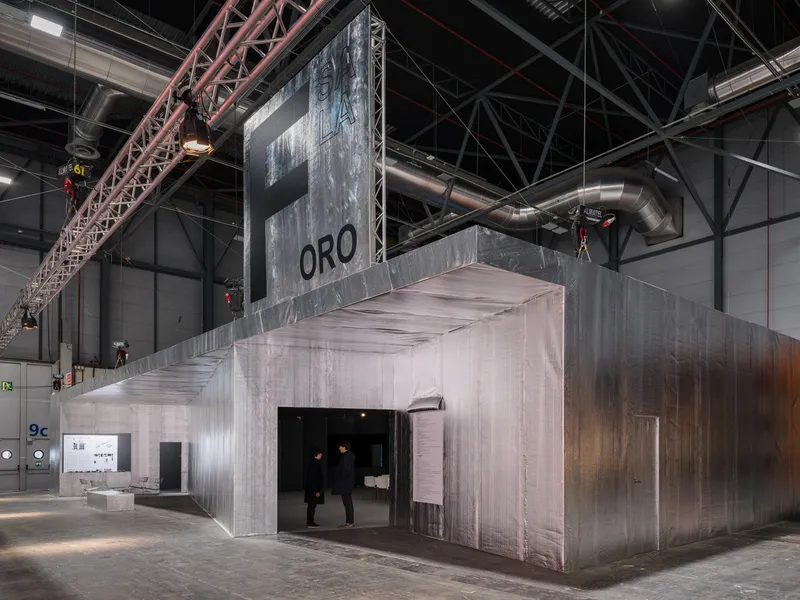
ARCO43 transcends traditional fair installations by establishing a synthetic ecosystem where art, architecture, and visitors coexist in a unified urban landscape. This approach fosters a unique interaction between the fair's components, from scenic trusses to artworks, all contributing to a comprehensive experience of Domestic Urbanism. The installation's design reflects a deep understanding of the fair's inherent dynamics, offering a fresh perspective on how we can integrate art and architecture in public exhibitions.
The Future of Fair Architecture with Domestic Urbanism
The ARCO43 Installation by Pedro Pitarch marks a significant milestone in the evolution of fair architecture. By introducing the concept of Domestic Urbanism, Pitarch not only redefines the spatial dynamics of public exhibitions but also challenges us to rethink our relationship with urban and domestic spaces. As we move forward, the principles of Domestic Urbanism in fair architecture could inspire new designs that prioritize intimacy, sustainability, and engagement, ultimately transforming the way we experience art and architecture in public spaces.


Popular Articles
Popular articles from the community


ALGAL REALM: A Bio-Integrated Lunar Habitat Design for Life Beyond Earth
ALGAL REALM reimagines lunar habitat design with algae-powered life support, 3D-printed regolith, and vertical living for a lunar future.

Lunar Spiral: Space Architecture Shaped by the Mathematics of the Universe
Lunar Spiral reimagines space architecture through Fibonacci geometry, lunar regolith, levitating habitats, and self-sustaining Moon living.

Co-life: Sustainable Architecture for Age-Friendly Community Living
Co-life reimagines sustainable architecture for seniors through courtyards, rammed earth, shared gardens, and spaces designed for belonging.

Co-Life: Senior Housing Design That Reconnects Older Adults With the City
Co-Life reimagines senior housing design through healing gardens, shared streets, workshops, and a sustainable community across generations.

Similar Reads
You might also enjoy these articles


Hodi-Mandai Geram
Project Function: Preservation and revitalization of the Intangible heritage and socio-spatial identity of the Hodi by Housing, Cultural Memory Center, Sacred Grove, landscape, local tourism economy


Olio Towers: A Mid-Rise for Performers That Fuses Housing, Rehearsal, and Stage
Located blocks from Houston's Theater District, this modular tower stacks living units around a central performance atrium.

Oasis: Modular Green Housing Carved into Dhaka's Urban Fabric
A shortlisted Plugin Housing entry reclaims unauthorized settlements in Dhaka with stepped concrete volumes, green roofs, and ventilation-driven design.

Black Hole: A Floating Megastructure for the Post-Physical Era
Emiliano Mazzarotto envisions a spherical, self-scaling arena where e-sports, digital hotels, and holographic stadiums replace traditional public space.

Explore Architecture Competitions
Discover active competitions in this discipline

Challenge to reimagine the Iron Throne

Photograph architecture without architects

Illustrate the lost glory of Angkor Wat - Render Challenge

Design challenge to reuse E-waste
Comments (0)
Please login or sign up to add comments
No comments yet. Be the first to comment!