
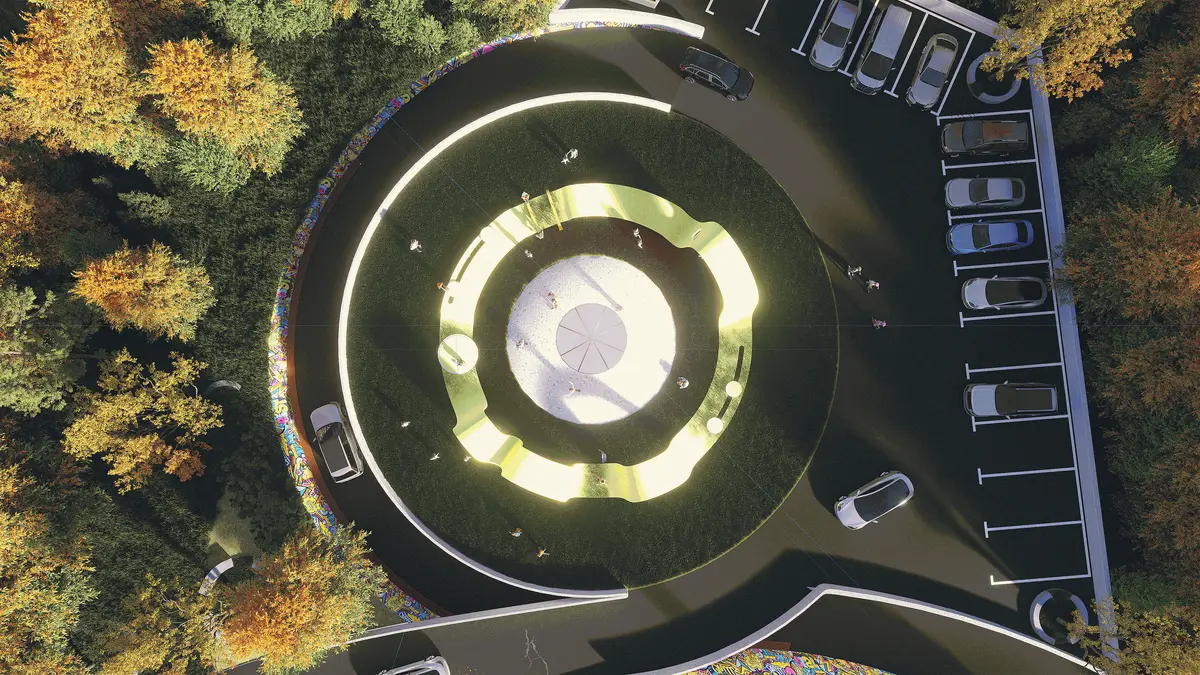
Dynamic Urban Continuum
"Empower Children for sustainable cities."

The "Dynamic Urban Continuum" was inspired by a single child's vision in the center of our busy city, and with curiosity as their guide, they set out to reinvent urban living. Their fresh viewpoint gave the project life and ignited a creative spark that would define the future of the city, allowing the child's imagination to run wild. By means of imaginative play and group ideation sessions, they conceptualized verdant areas, roads conducive to pedestrian traffic, and lively community centers. The concepts went beyond convention, opening the door for a more inclusive and sustainable urban environment. The city welcomed the child's vision as the proposal gathered traction.
This concept stands out because of its emphasis on adaptable areas. The Dynamic Urban Continuum provides flexible surroundings that change in response to the requirements of its residents rather than inflexible architecture. It is a dynamic concept of urban living that is always evolving, much like the city itself. The innovative and collaborative spirit that permeates every part of the endeavor, however, is what really sticks out. Every voice matters, from the first concepts to the finished designs, encouraging a sense of community and the conviction that group innovation is possible.
Sustainability and connectedness are key concepts in the Dynamic Urban Continuum concept. According to the Dynamic Urban Continuum, urban areas are dynamic systems that are always changing and adapting to the demands and circumstances around them rather than being static entities. In order to promote a sense of community and belonging among residents, it highlights the significance of designing flexible, adaptive, and multipurpose spaces that can accommodate a range of uses and activities.
At its core, the organization of elements across different levels reflects a shared commitment to creating an integrated and sustainable urban environment. Prioritizing human-centric design, community engagement, and embracing nature, the project seeks to enrich lives and uplift communities. Throughout its development, the Dynamic Urban Continuum has undergone numerous changes. Each iteration, whether in design, planning, or refinement, aimed to enhance functionality, aesthetics, and sustainability, ensuring the project evolves in harmony with its surroundings and the people it serves.
The Dynamic Urban Continuum project involved architects, urban planners, and stakeholders in a cooperative exploration and innovation journey from the first ideation stage to the final design stage. By means of iterative cycles of ideation, feedback collection, and design modifications, the project underwent modifications to integrate novel perspectives, tackle obstacles, and synchronize with its goals. The urban landscape is harmoniously integrated with nature, utility, and sustainability through the design. The site concept, which used the child's point of view as inspiration, honors the natural environment while serving the project's and the community's needs. Tranquil areas, winding streets, and peaceful alcoves encourage exploration and strengthen a feeling of place.
The façade of the building has large glass walls that let in a plenty of natural light, which makes the internal areas feel airy and connected to the outside world. By enhancing daylight penetration and lowering the need for artificial lighting, these walls function as a bridge connecting the indoor and outdoor spaces and provide expansive views of the metropolis. A remarkable glass dome that acts as both a focal point and a beacon of architectural innovation lies at the middle of the structure. The dome serves as a symbol of openness and transparency in addition to adding extra natural light, highlighting the project's dedication to sustainability and teamwork.
Designated parking areas are seamlessly integrated into the landscape, minimizing visual impact while promoting alternative transportation modes like walking, cycling, and public transit. Adjacent to the parking areas, a vibrant playground offers a dedicated space for children to explore, play, and connect with nature, fostering creativity and community engagement. In the design stage, particular attention is given to integrating workspaces, offices, cafeteria/kitchen areas, conference rooms, and play areas. These components serve as key elements of the building's functionality and design, enhancing productivity, collaboration, and overall well-being for occupants. Overall, the Dynamic Urban Continuum project reflects a holistic approach to urban development, where architecture, nature, and community intersect to create a sustainable and vibrant environment for generations to come.
Within the Dynamic Urban Continuum, office spaces are seamlessly woven into daily life, blurring the boundaries between work and leisure. The design prioritizes flexible layouts and multipurpose areas to accommodate diverse activities, from collaborative meetings to quiet reflection. Natural materials, biophilic design elements, and indoor greenery contribute to a tranquil atmosphere that enhances productivity, well-being, and creativity among occupants.
These green spaces serve as integral components of the building's design, promoting health, well-being, and sustainability. Research confirms the benefits of nature exposure, including stress reduction, improved cognitive function, and enhanced creativity. By integrating greenery into the workplace environment, the Dynamic Urban Continuum nurtures the physical, mental, and emotional health of its occupants. The thoughtful integration of these spaces underscores the project's overarching goal of fostering human well-being, social interaction, and environmental stewardship within the urban fabric. Employees are encouraged to embrace the benefits of nature by enjoying breaks in the rooftop garden, participating in outdoor activities like yoga, or gathering for communal meals in shared dining areas.
The Dynamic Urban Continuum is essentially a forward-thinking, flexible, and people-centered paradigm for urban living. It pushes us to reconsider the potential of urban planning, striving for resilient, dynamic, and inclusive cities in addition to sustainable ones. The tenets of the Dynamic Urban Continuum provide a path forward for building cities that are genuinely suitable for the future—a story of possibilities that promises a dynamic and interconnected urban landscape—even as urbanization and climate change continue to present obstacles.


Popular Articles
Popular articles from the community


David Ortega Stacks a Two-Story Mexico City Penthouse Around a Steel Stair and a Pergola-Shaded Roof Terrace
In Colonia Roma, a 300 m² penthouse uses oak joinery, a planted steel stair and a slatted roof pergola to make a new-build apartment feel like a house.

Architekt Andreas Gruber Scatters 23 Dark Timber Chalets Across a South Tyrolean Forest Edge
In Molini di Tures, Amonti Chalets breaks a resort into a hamlet of gabled timber houses, with parking, storage and services pushed into the slope.

longwave studio Reorganizes a 112 m² Tainan Apartment Around the Daily Routines of a Family and Two Cats
In Tainan, Taiwan, birch plywood, rust-red furniture and a freestanding plaster wall link arrival, storage, work and family life in one apartment.

U.GA Architects Wraps an Oval Rooftop Pool in Curved Board-Formed Concrete on Busan's Jeollidan-gil
In Busan's Jeonpo-dong, a 454 m² mixed-use block stacks a neighborhood facility, guest rooms and an oval rooftop pool inside spiraling concrete walls.

Similar Reads
You might also enjoy these articles


Vereda Arquitetos Renovates a 40-Square-Meter Apartment Inside Niemeyer's Copan Building
A compact unit in São Paulo's most iconic residential tower gets a material overhaul that pairs exposed concrete with bold blue Formica.

Shakur's House: Exposed Brick as an Interior Organiser in a 168 m² Mashhad Residence
Brick moves indoors in this Mashhad residence, where masonry walls, glass partitions and teal planes sequence a compact home without closing it off.

Day and Night Park: A Time-Based Urban Newsstand in Beijing
A temporary urban newsstand in Beijing blending travel, light, and reading through poetic colors, compact form, and community-focused design.

Modernist Patio Renovation in El Masnou, Barcelona by Oliver Segura Arquitectura + Cebrià Arquitectura
Modernist patio renovation blending tradition and innovation with a movable pool, leveled floors, and Catalan materials in El Masnou.

Explore Urban Landscape Competitions
Discover active competitions in this discipline


Challenge to design a shop stop sunk in the city

Render competition to represent the city as a machine

Design challenge to equip cities with modern furniture
Comments (0)
Please login or sign up to add comments
No comments yet. Be the first to comment!