

E-Isolations Facility: A Pioneering Seismic Isolation Research Facility Architecture in Japan
Japan’s first seismic isolation research facility blends high-tech innovation, sustainable architecture, and collaborative design in a resilient structure.


Set against the natural terrain of Miki, Japan, the E-Isolations Testing and Research Facility by TAISEI DESIGN Planners Architects & Engineers redefines how architecture can support seismic innovation. As Japan’s first public facility equipped with a full-scale seismic isolation testing system, it stands at the intersection of architectural ingenuity and scientific precision. Through its thoughtful integration of structural performance, sustainability, and spatial warmth, this facility marks a milestone in seismic isolation research facility architecture.
The First of Its Kind in Japan
Completed in 2023, the E-Isolations facility is Japan’s foremost public research center designed specifically for seismic isolation testing. With a state-of-the-art measurement system that is unique worldwide, it enables real-time performance evaluation of seismic isolation devices at full scale. Developed through a collaborative effort between government, industry, and academia, this architectural project represents Japan’s evolving commitment to disaster resilience and structural innovation.
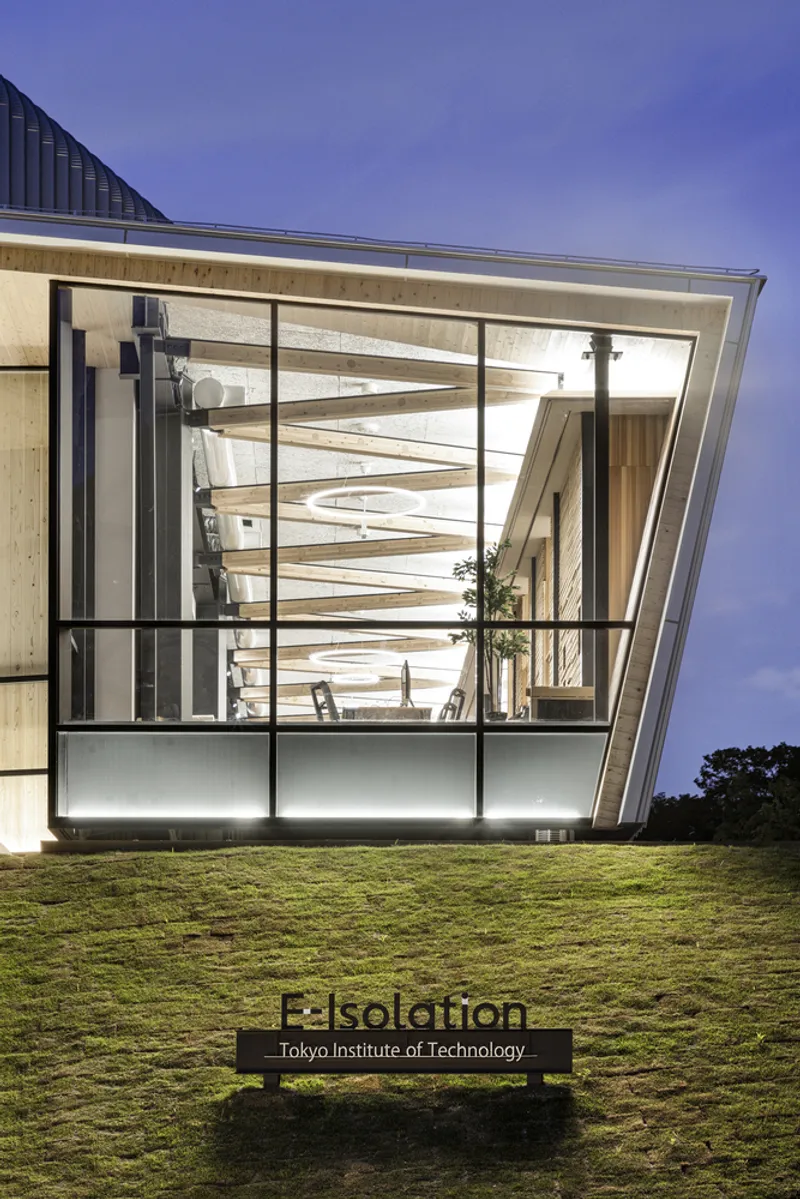

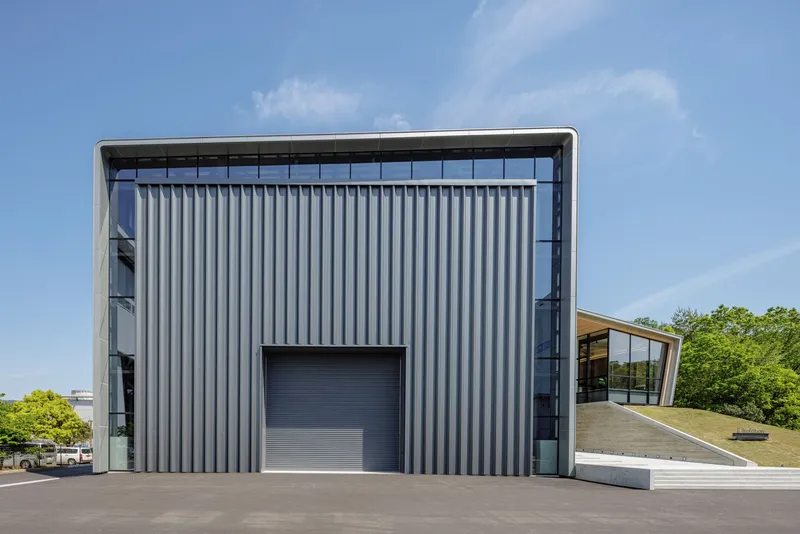
Architectural Configuration and Natural Integration
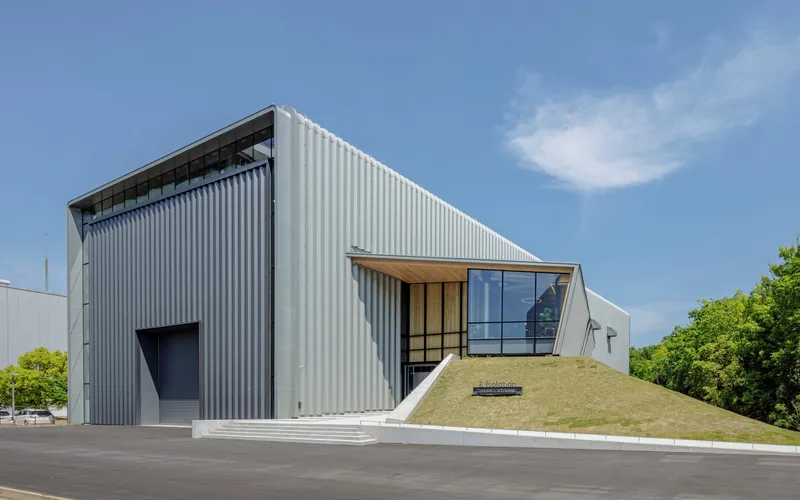
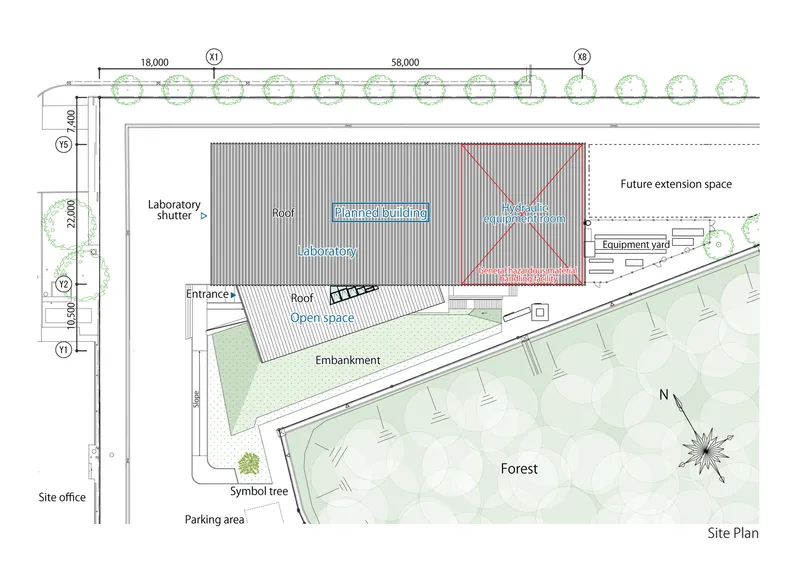
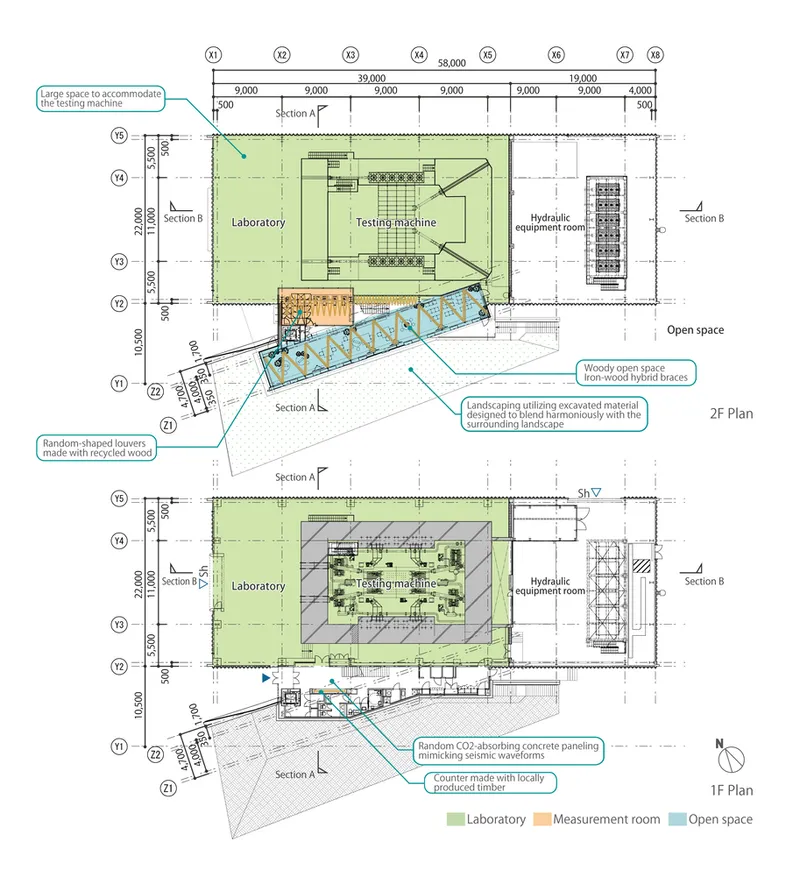
Responding directly to the site’s topography, the building adopts a diagonal spatial configuration that links laboratory zones, measurement rooms, and public gathering spaces in a continuous flow. The open space penetrates the core of the facility and is built atop a hill formed from excavated material, minimizing environmental disruption while creating a foundation for seismic testing machinery.
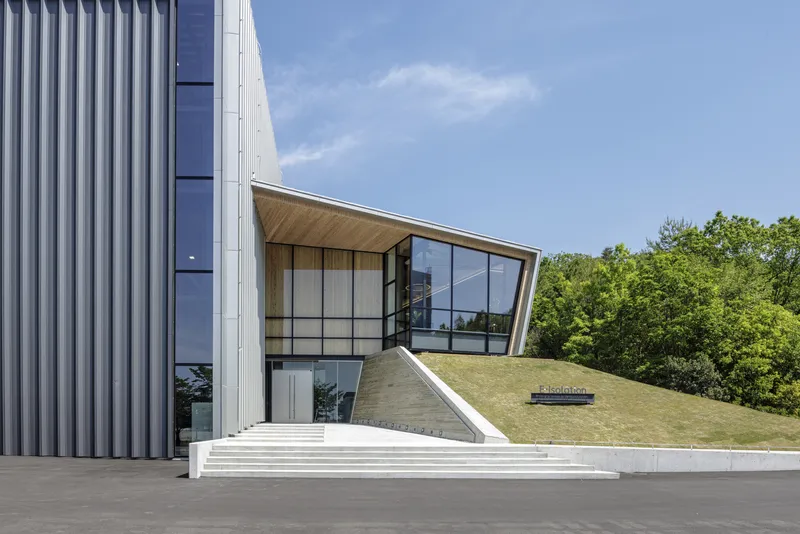
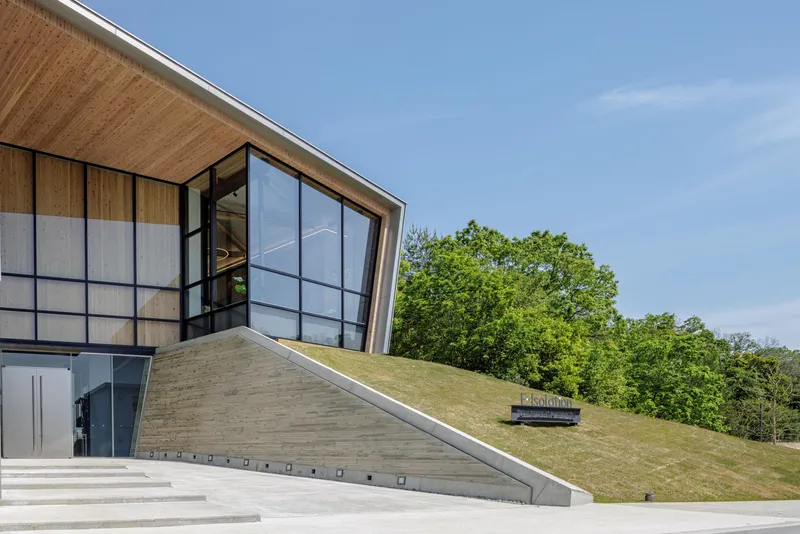
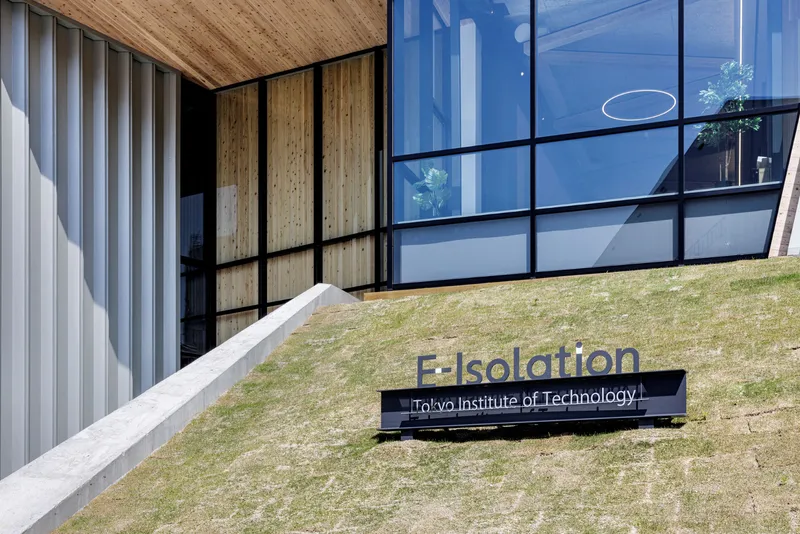
This thoughtful arrangement blurs the boundary between structure and landscape. From certain vantage points, the building seems embedded in the earth, reflecting a conscious effort to harmonize research infrastructure with the surrounding natural context.
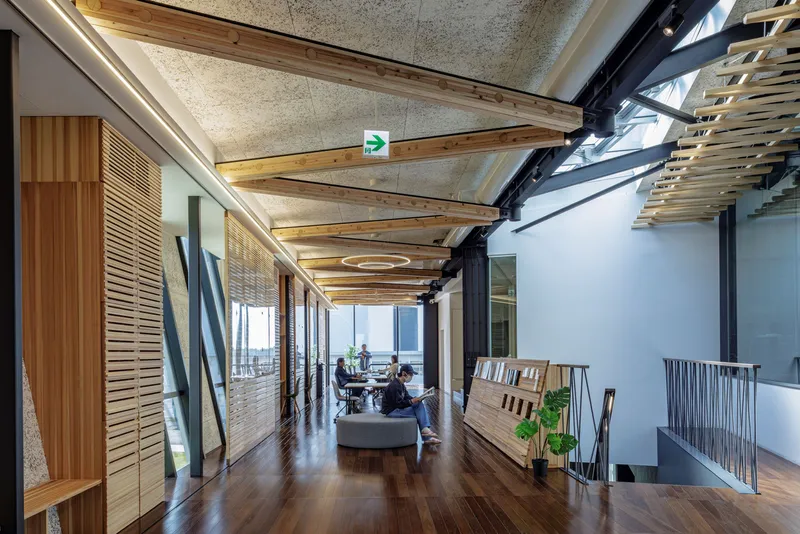
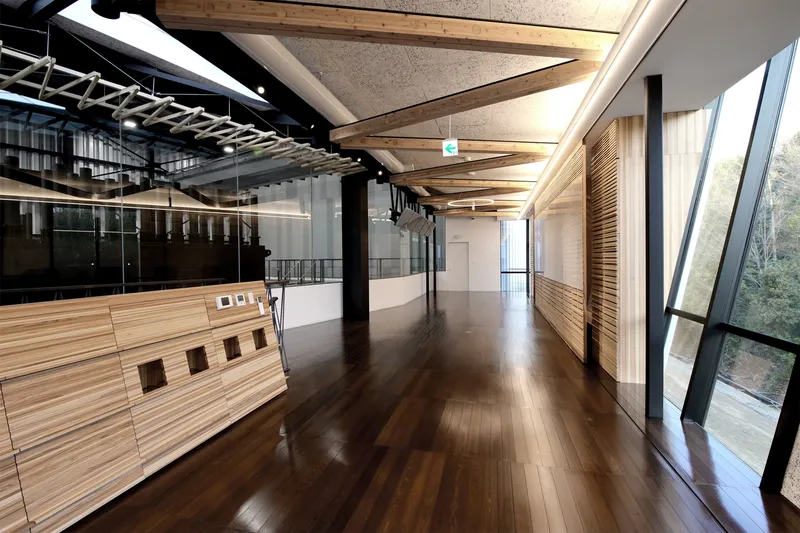
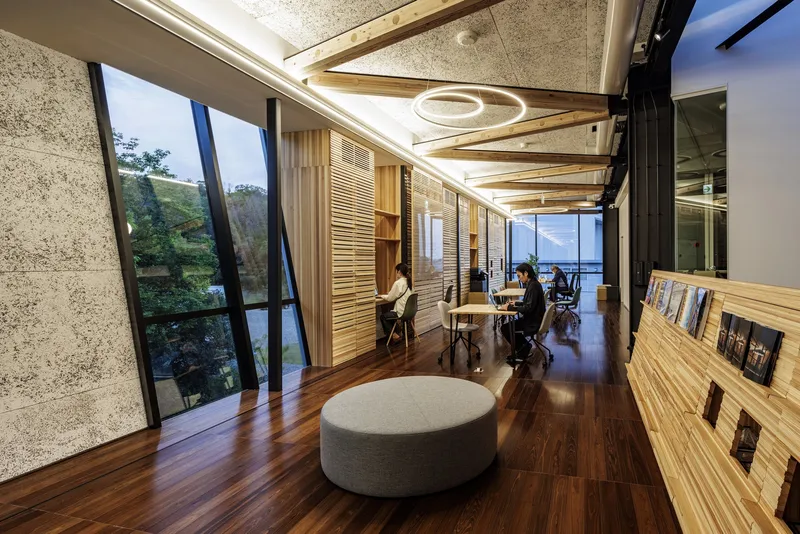
A Warm and Humanized Scientific Environment
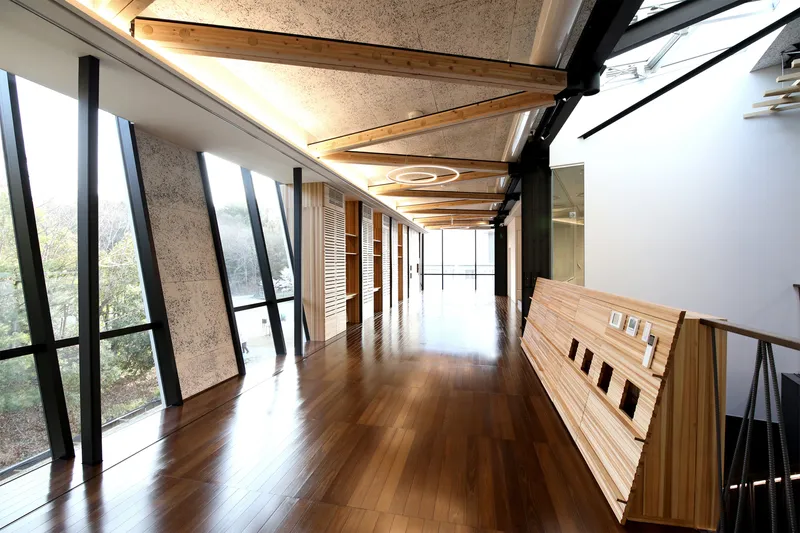
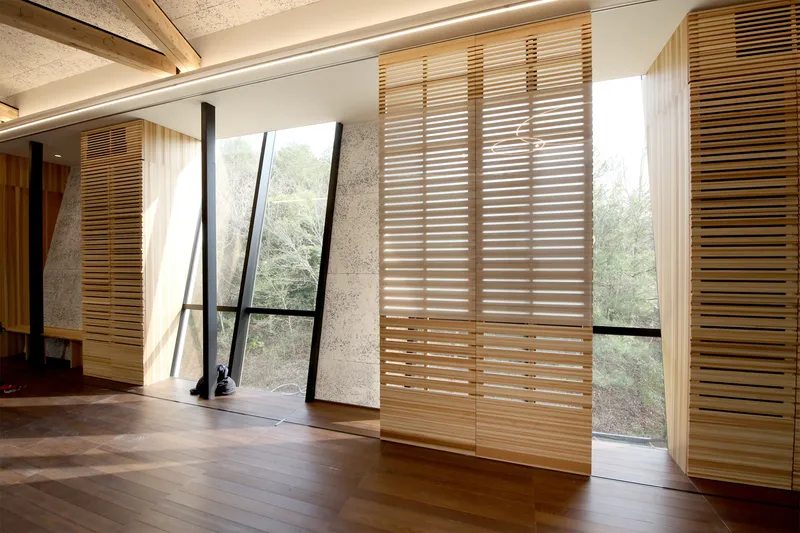
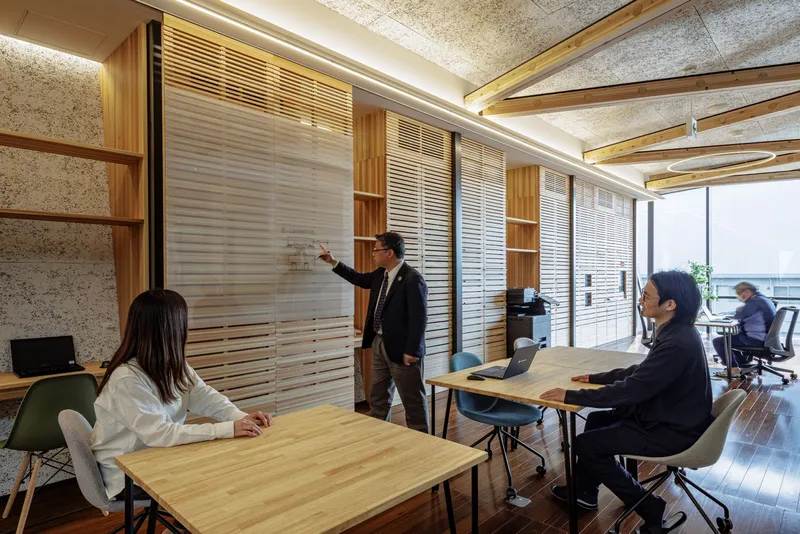
Traditionally, laboratories are cold and utilitarian. E-Isolations challenges this norm by embracing warmth and accessibility. Local Hyogo Prefecture wood finishes fill the open public areas, fostering a calming and engaging environment. These materials promote a tactile and visual softness that balances the laboratory’s technical rigor.

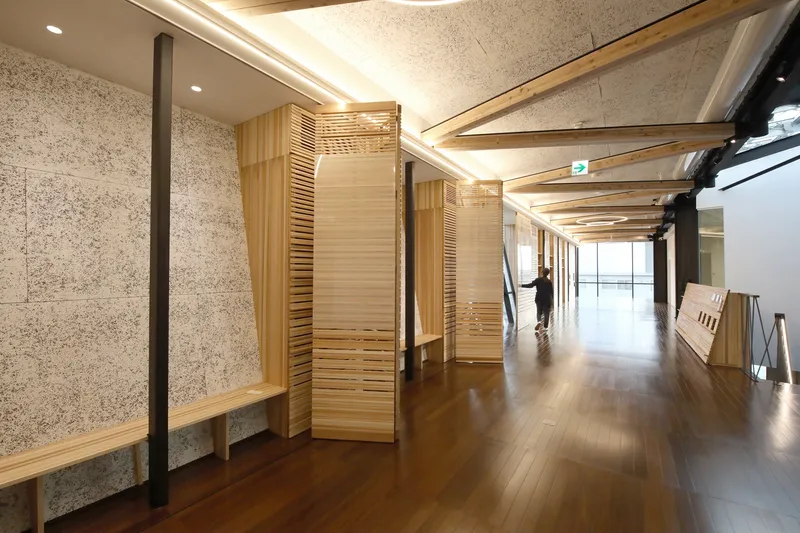
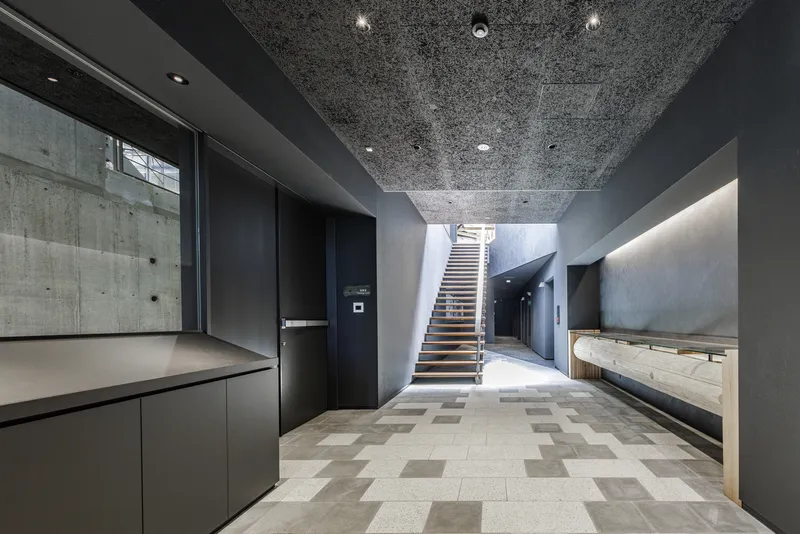
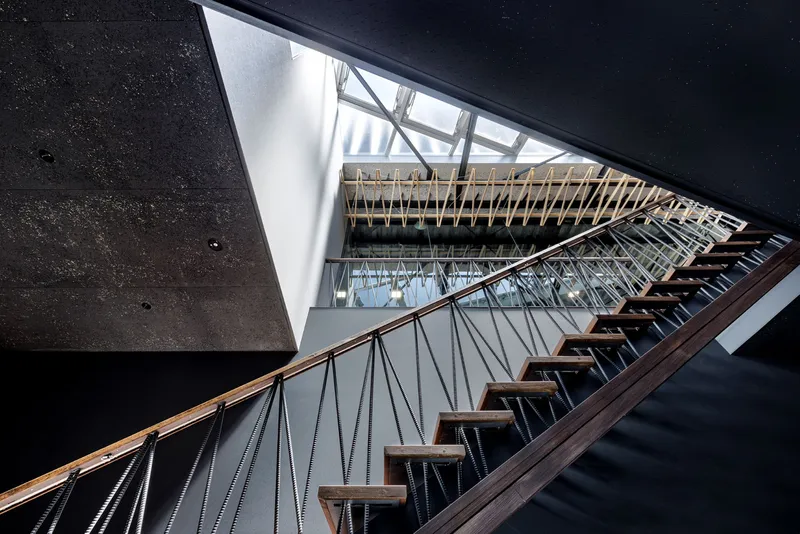
Design elements inspired by seismic waveforms echo throughout the space—from the zigzag configuration of hybrid wood braces to floor patterns crafted with eco-friendly concrete panels. Handrails made of repurposed steel rebar and signage created by Miki City’s blacksmith artisans further root the project in its cultural and geographical setting.
Technological Innovation and Measurement Accuracy
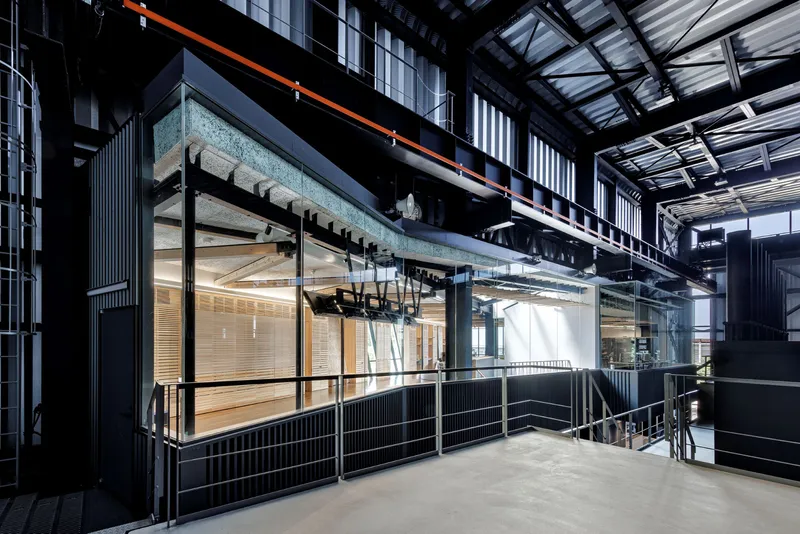
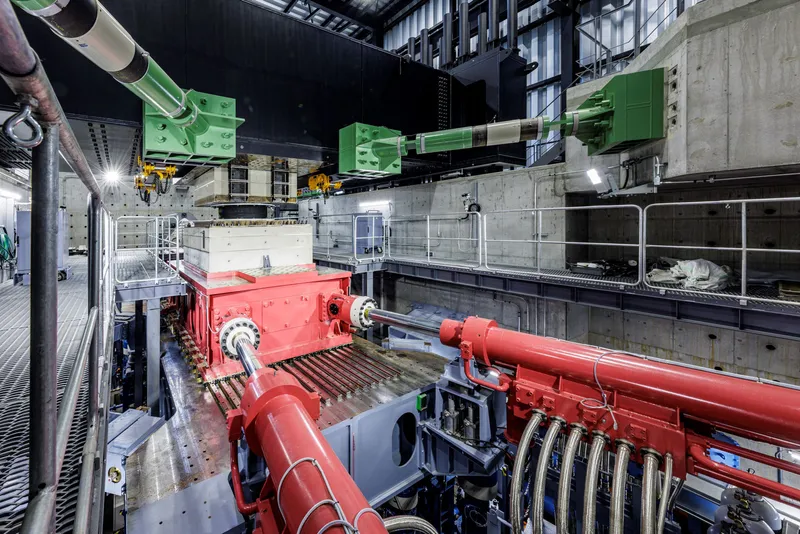
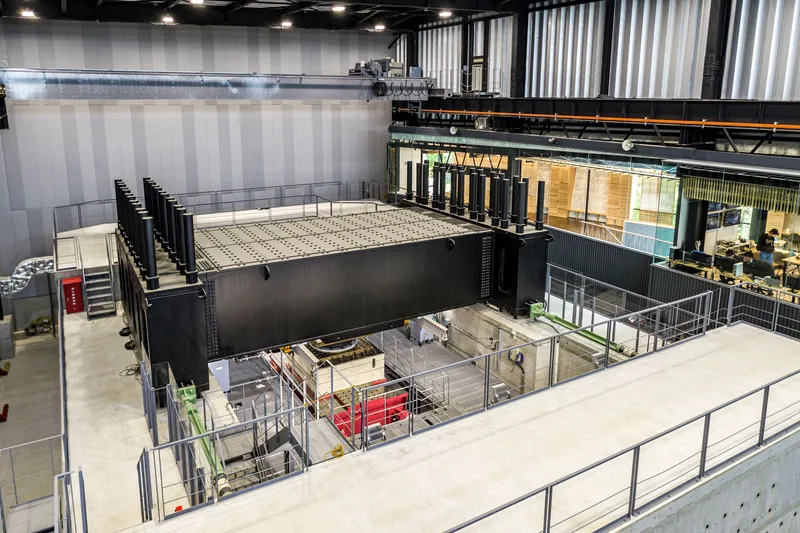
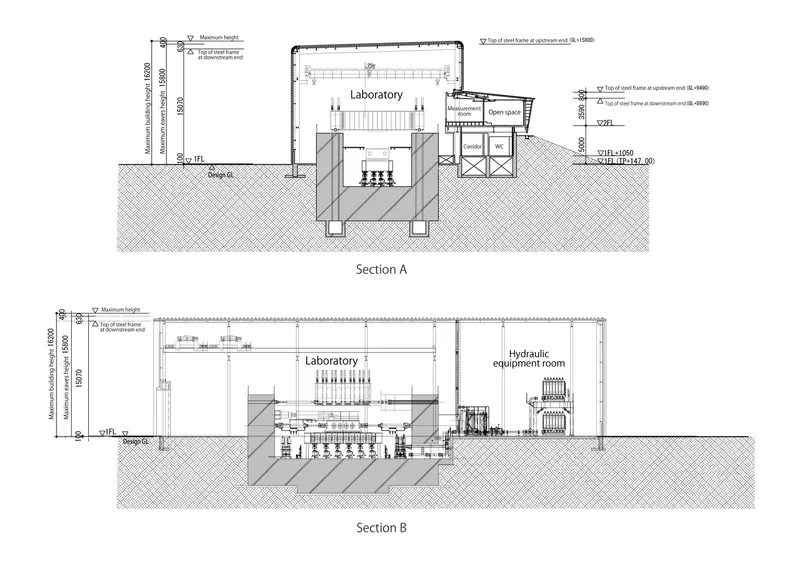
At the heart of E-Isolations lies its globally pioneering high-precision load measuring system. The setup includes a steel reaction beam supported by laminated rubber bearings and unbonded prestressing steel strands anchored into the structure. This allows the beam to simulate seismic isolation behavior with unprecedented accuracy.
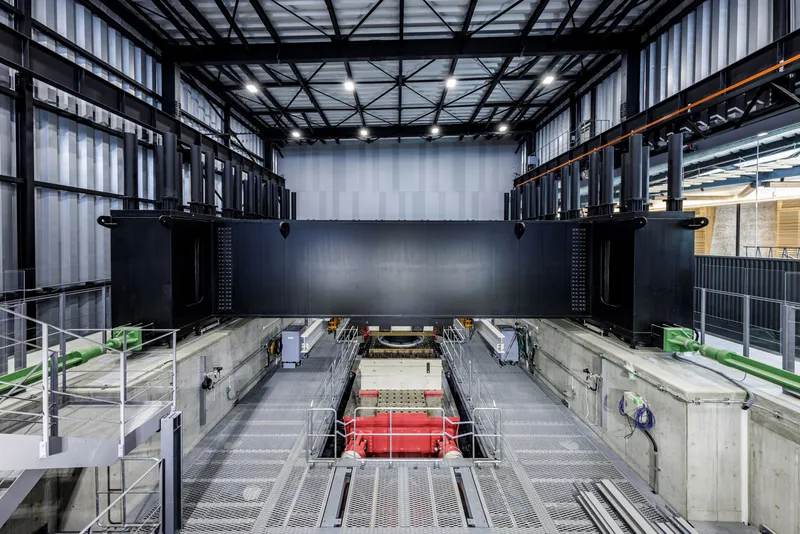
Such an advanced measuring system supports rigorous real-time data collection for structural researchers and engineers, enabling the development of next-generation seismic isolation technologies. This facility does not simply house tests—it becomes an integral tool in their success.
Sustainable Design as Scientific Statement
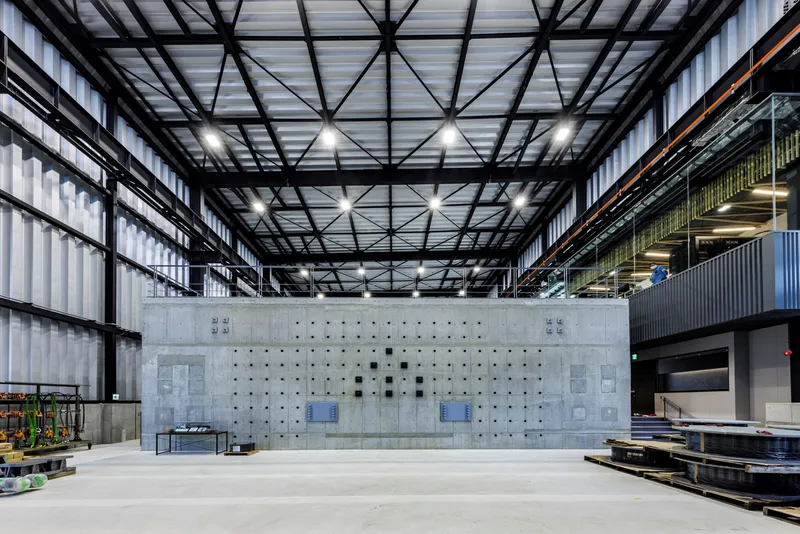
E-Isolations is also a model of energy-conscious architectural planning. It incorporates CO₂-absorbing concrete, natural ventilation strategies, and optimized daylighting. Its HVAC system uses independently functioning air-handling units to minimize energy consumption while supporting precise environmental controls.
By combining passive and active environmental strategies, the facility reduces its ecological footprint while ensuring maximum comfort and functionality for its occupants. The cascading use of ventilated air exemplifies how architecture can facilitate both sustainability and performance.
A Hub for Global Research and Collaboration
Beyond being a national project, E-Isolations has gained international recognition. Researchers from Japan and abroad come here to observe tests, collect data, and exchange knowledge. It has already contributed significantly to seismic design practices and continues to generate new insights that inform safer, more resilient building technologies worldwide.

The facility’s open structure and inviting public areas facilitate collaboration across disciplines. It serves as both a cutting-edge laboratory and a shared intellectual space—an architectural vessel that carries the weight of scientific progress and community resilience.
Architecture as a Conduit for Earthquake Innovation
The E-Isolations Testing and Research Facility is more than a scientific institution—it is a pioneering architectural work that reimagines the function, form, and atmosphere of research environments. Its seamless integration of advanced seismic isolation systems, eco-conscious design, and human-centric spatial strategies defines a new paradigm for seismic isolation research facility architecture in Japan and beyond.

In a nation shaped by earthquakes, this facility stands as a hopeful, intelligent, and responsive structure—one that protects, educates, and inspires.
All Photographs are works of SS Co., Ltd




Popular Articles
Popular articles from the community


The Ocean Hive: Sustainable Architecture for a Self-Sufficient Civilization at Sea
The Ocean Hive imagines sustainable architecture at sea, where modular habitats, algae, wave power and ocean waste sustain a growing colony.
EW PARK: Sustainable Architecture Reimagines the Future of Urban Parking
EW PARK reimagines city parking as a modular wooden tower combining automation, solar energy, electric mobility, and adaptable urban design.

Riyadh For All: Intergenerational Urban Design for Active Aging in Rabat
Riyadh For All reimagines urban design in Rabat with intergenerational co-living, adaptive courtyards, and Moroccan cultural exchange today.

Hill & Cross Opera: Sculptural Opera House Architecture Shaped by Tallinn’s Landscape and Identity
Hill & Cross Opera reimagines opera house architecture in Tallinn through its sculptural hill, civic plaza, glass wave and a luminous cross.


Similar Reads
You might also enjoy these articles

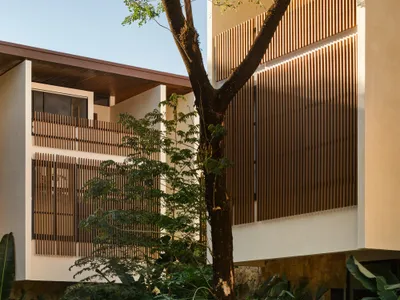
FAMM Arquitectura Organizes Ten Villas Around Courtyards and Jungle in Nosara, Costa Rica
El Molino pairs two elongated volumes with deep overhangs and timber louvers to build a compact coastal community five minutes from the beach.
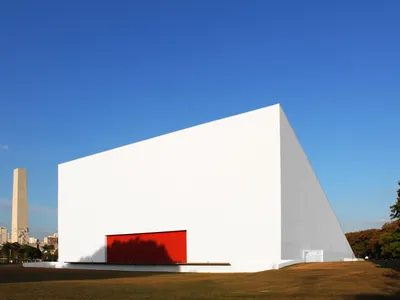
Oscar Niemeyer's Ibirapuera Park Pavilions Define São Paulo's Cultural Identity in Concrete and Curve
A constellation of modernist volumes set within São Paulo's most important urban park, conceived for the city's 400th anniversary in 1954.
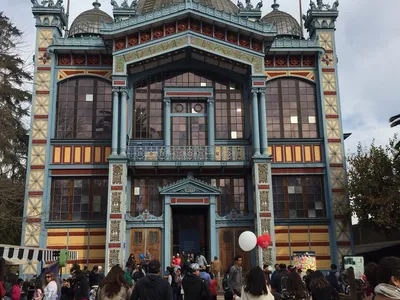
How Henri Picq's 1889 Paris Pavilion Traveled 11,000 Kilometers to Become Santiago's Artequín Museum
A prefabricated iron and glass pavilion built for the Paris Universal Exposition found a second life as a children's art museum in Chile.
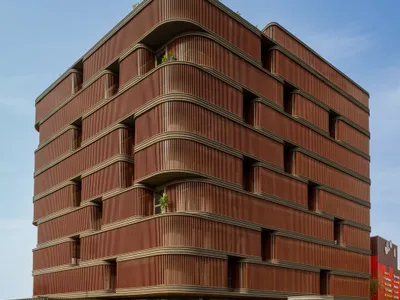
Sanjay Puri Architects Wraps a Jaipur Office Tower in Capsule-Shaped Green Buffers
A nine-level climate-responsive workplace near Jaipur Airport uses stacked planter terraces and aluminium screens to fight 40°C heat.


Explore Architecture Competitions
Discover active competitions in this discipline



Challenge to reimagine the Iron Throne


Photograph architecture without architects


Illustrate the lost glory of Angkor Wat - Render Challenge


Design challenge to reuse E-waste
Comments (0)
Please login or sign up to add comments
No comments yet. Be the first to comment!