
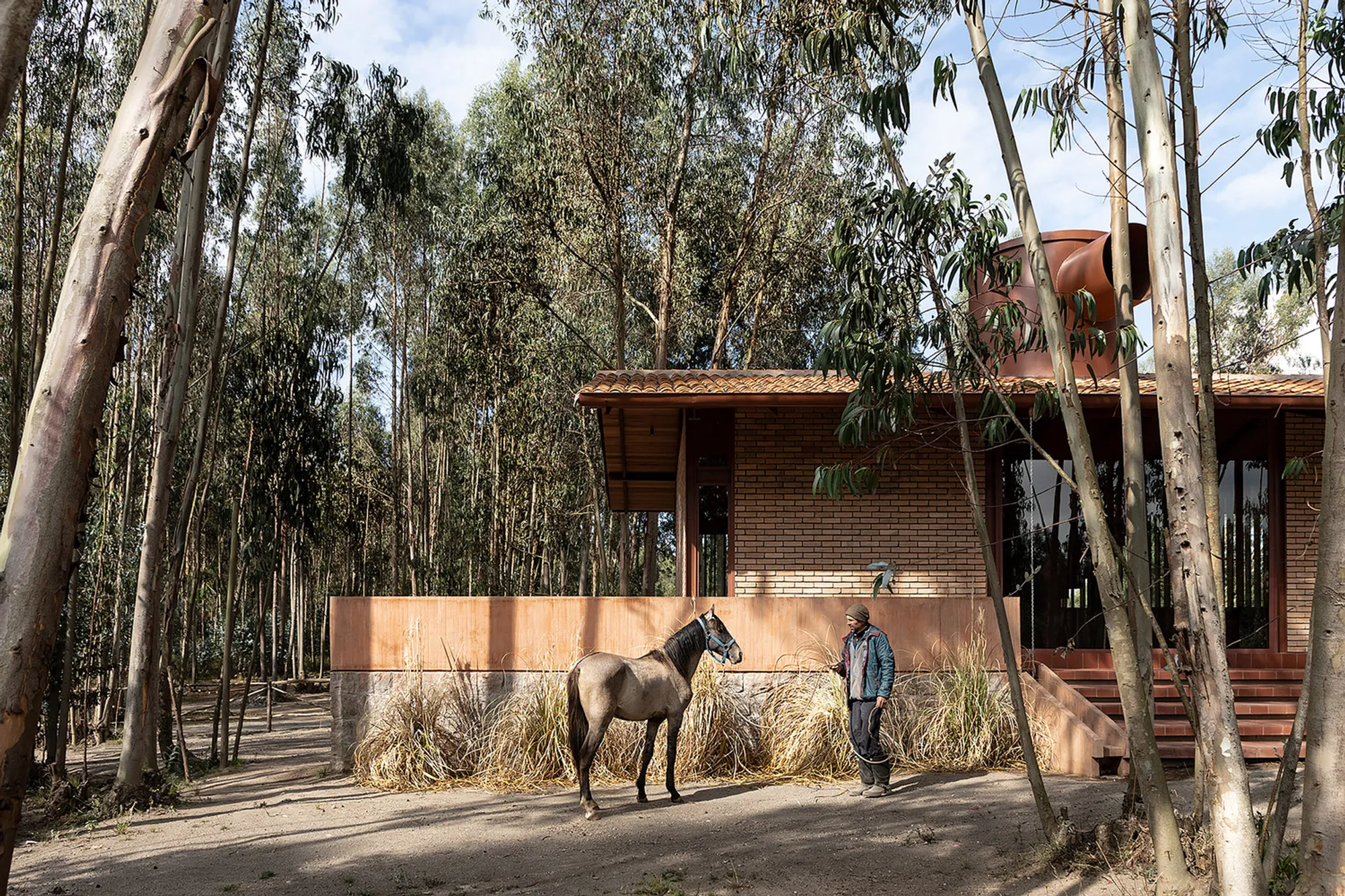
Embracing Andean Equestrian Architecture: A Look Inside El Picadero
This article delves into El Picadero, an Andean Equestrian Architecture project by Gabriel Rivera, blending equestrian spaces with the natural landscape.


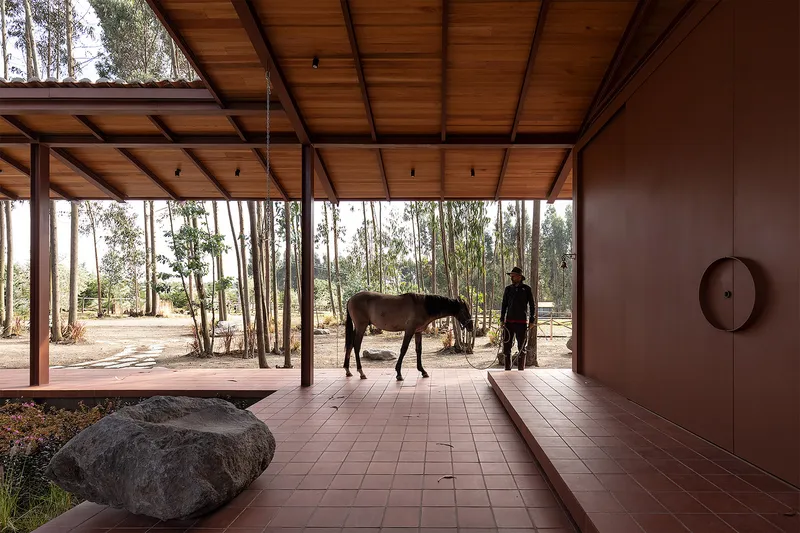
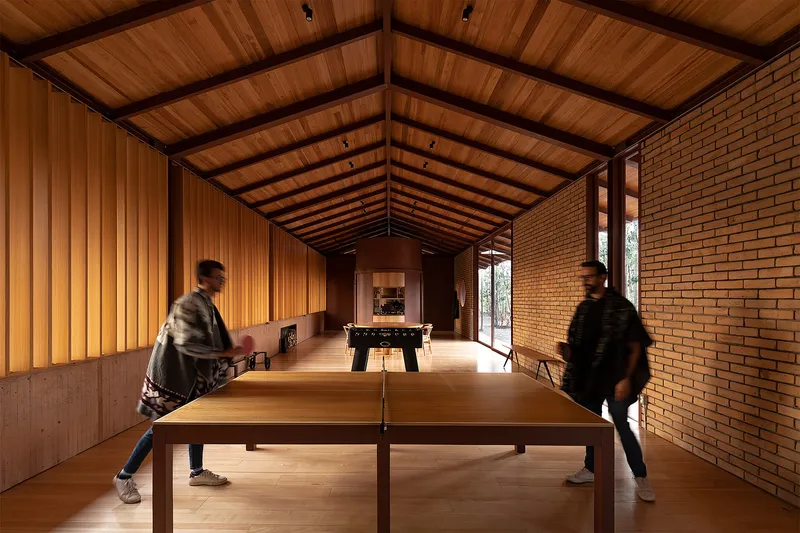
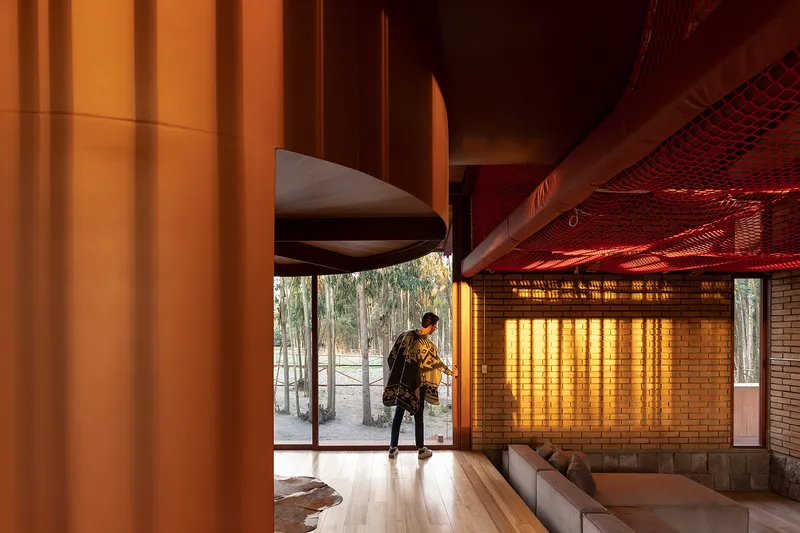
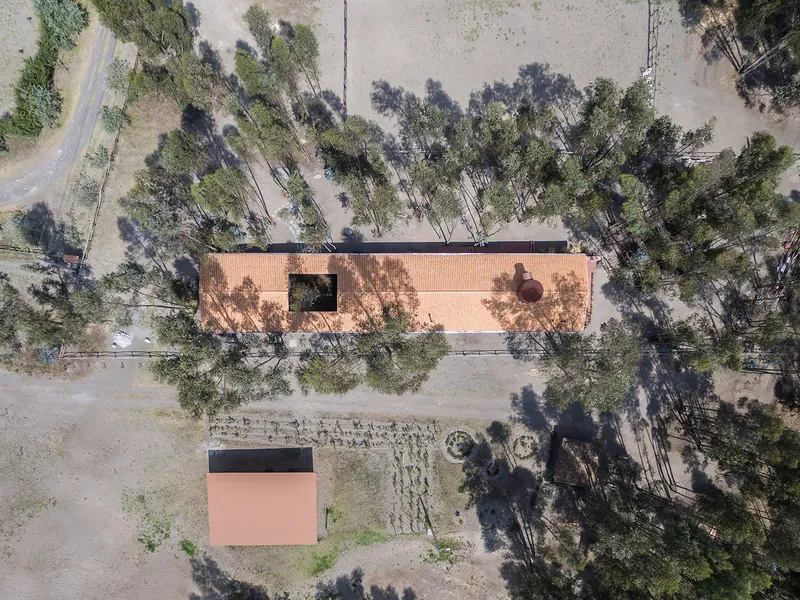
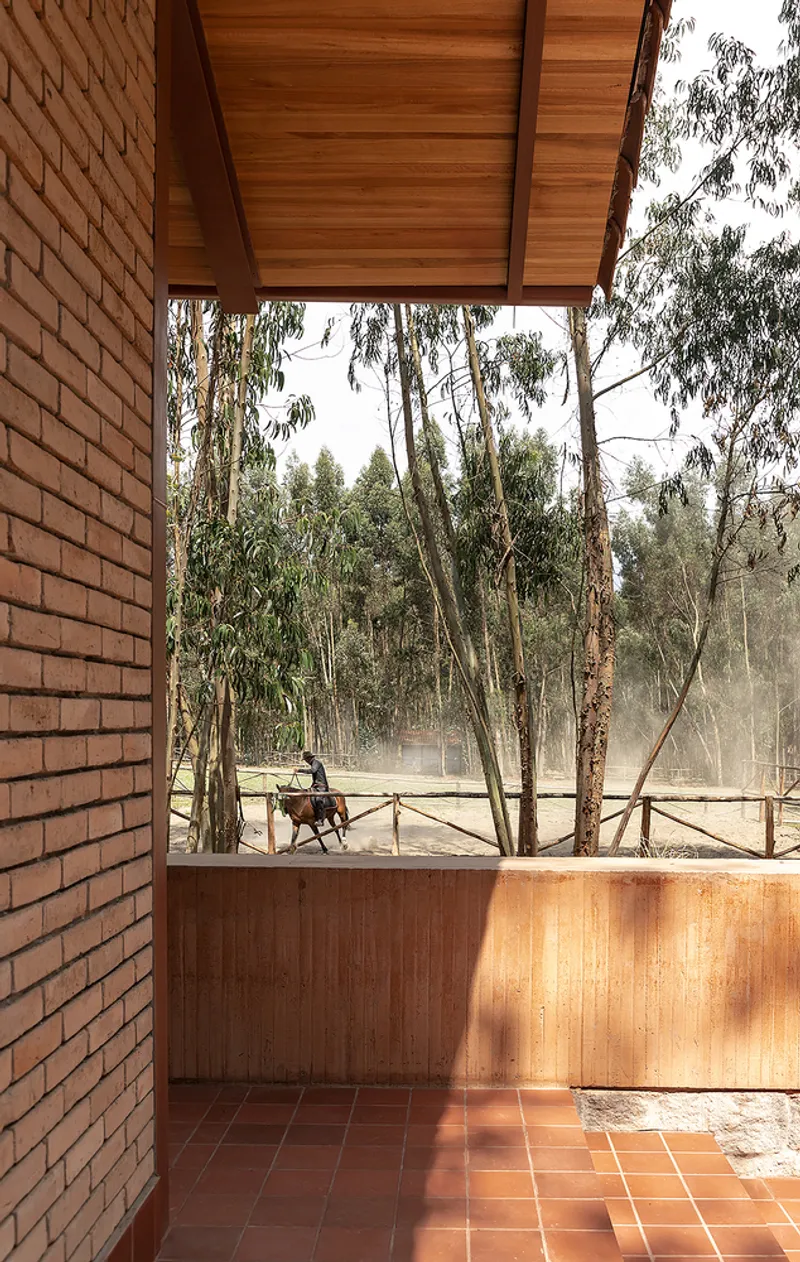
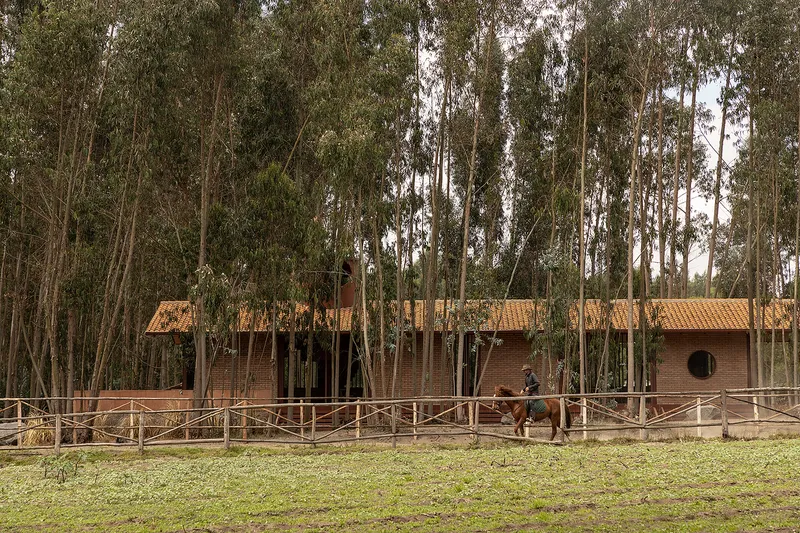
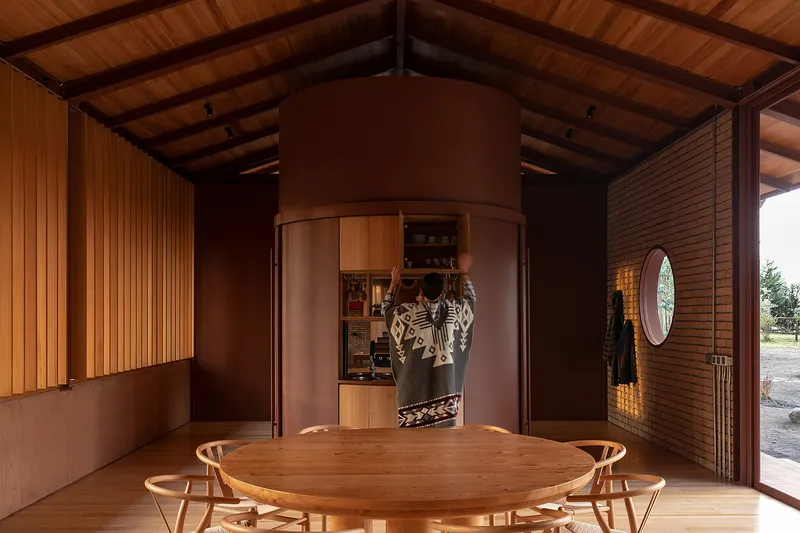
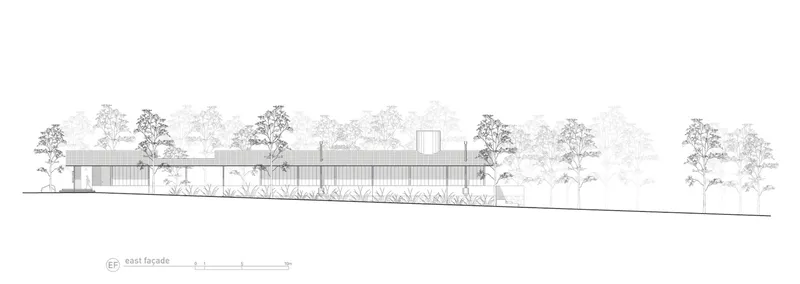
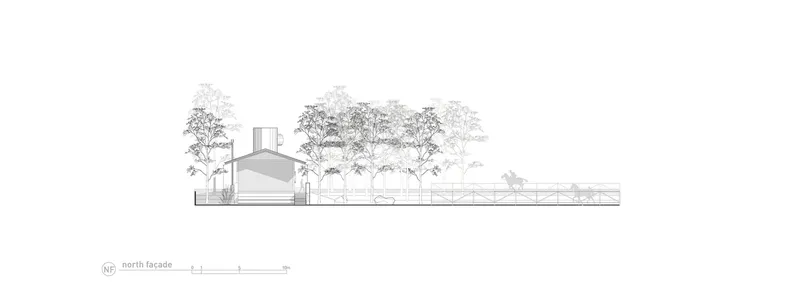
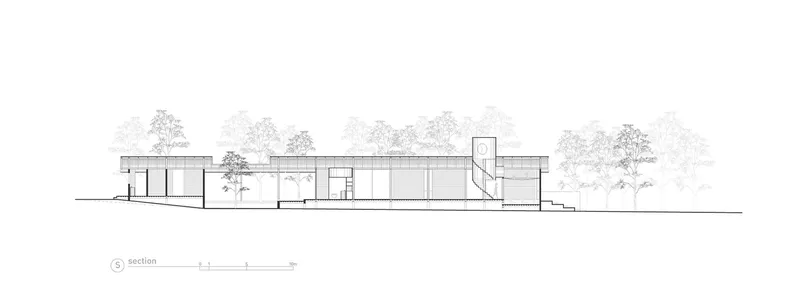
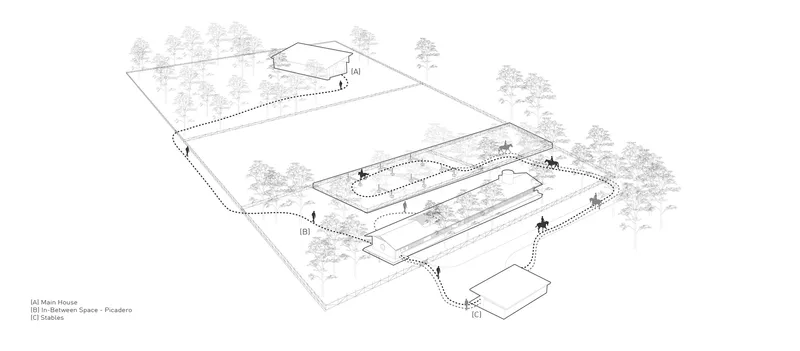
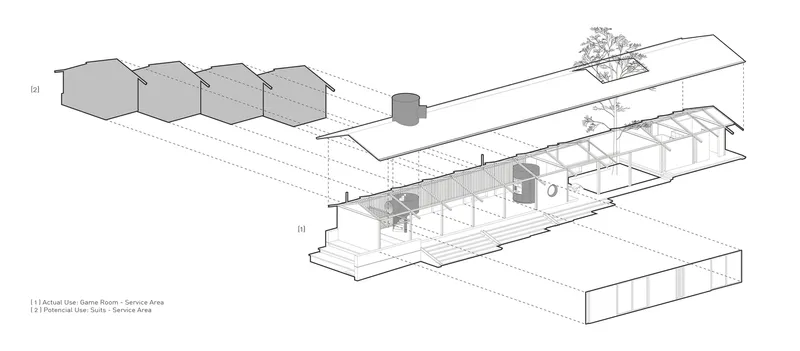
El Picadero, a masterpiece nestled in the heart of Ecuador's Cotopaxi province, epitomizes the fusion of Andean Equestrian Architecture with modern living. Created by Gabriel Rivera Arquitectos, this project transcends traditional design by integrating a jumping arena, service areas, and versatile living spaces within a breathtaking Andean backdrop.
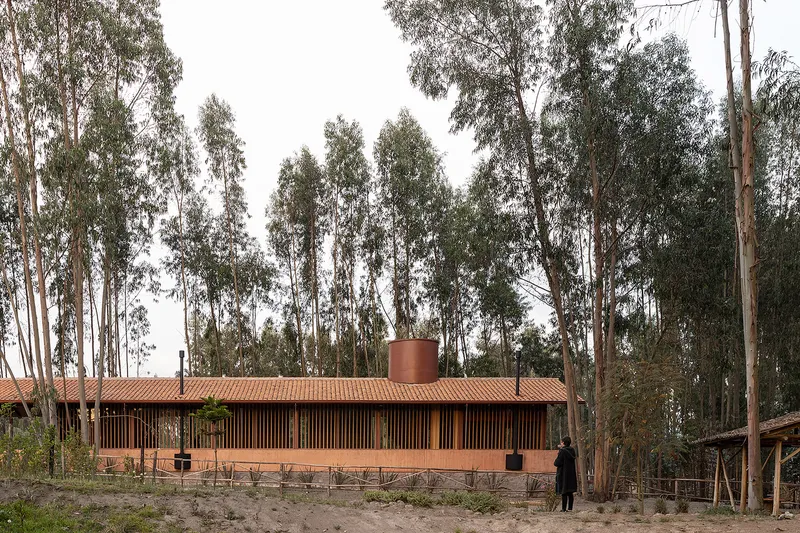
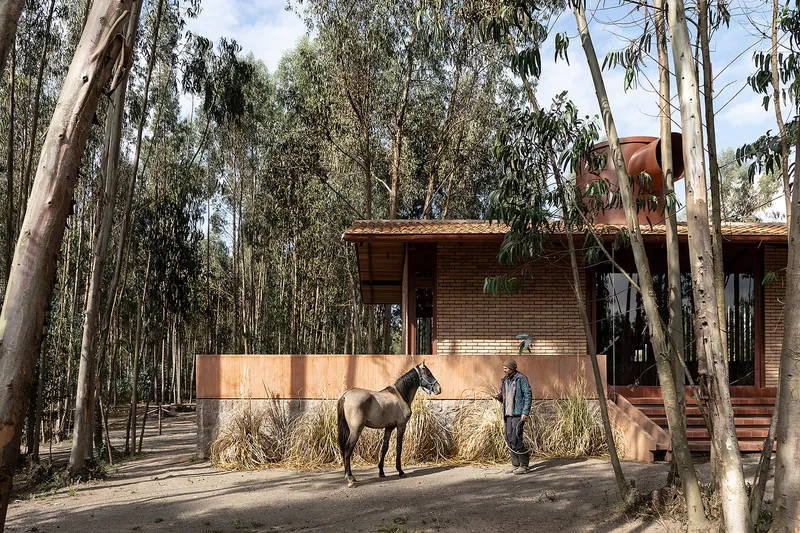
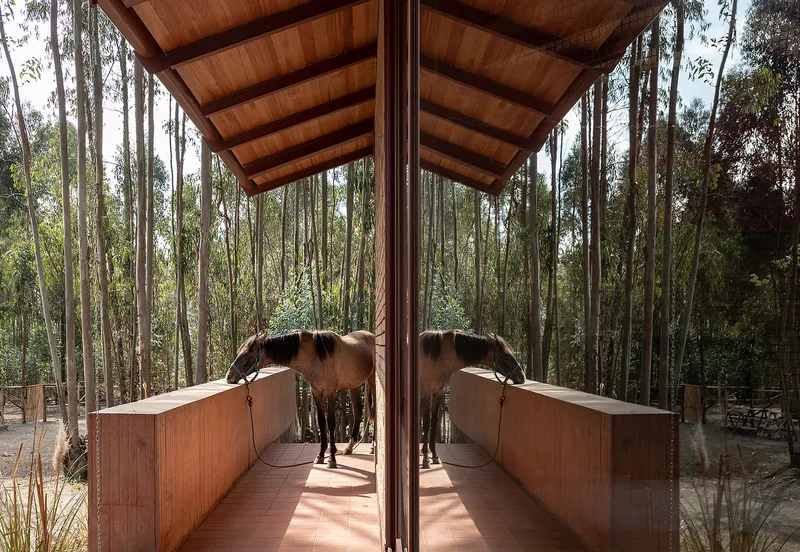
Strategic Design and Planning in Harmony with Nature
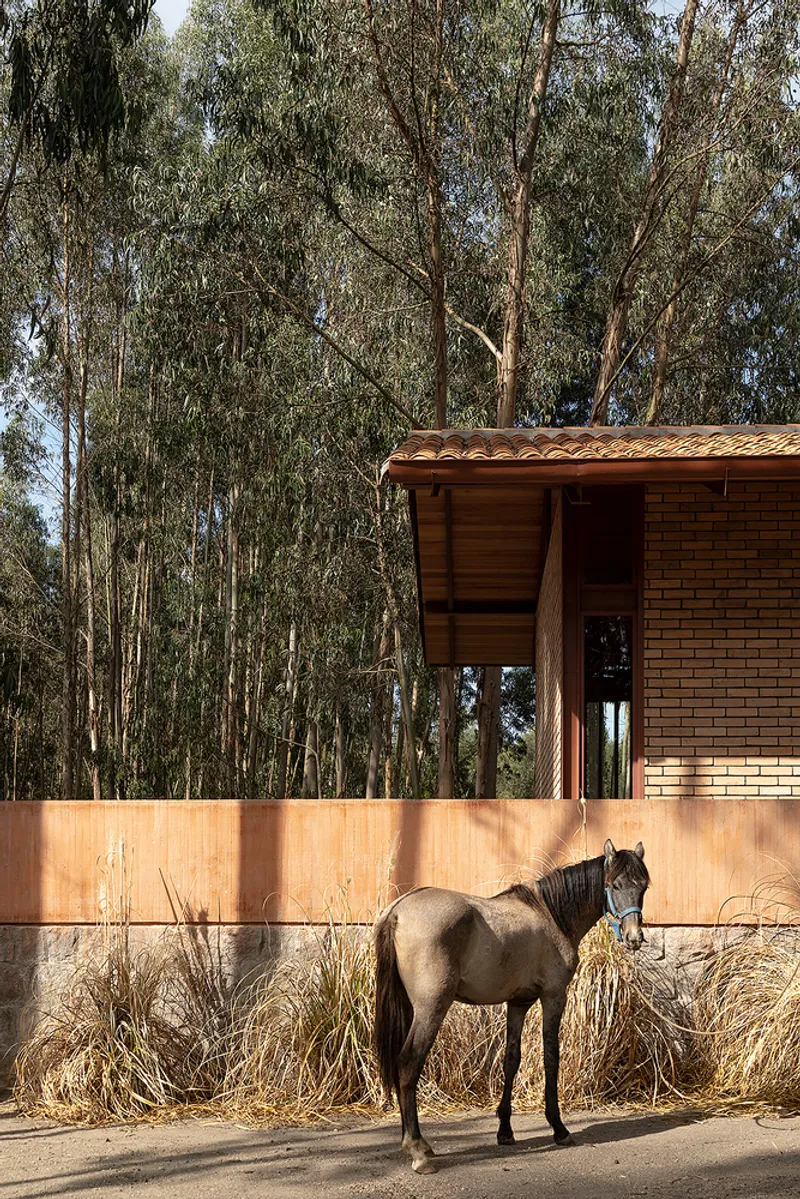
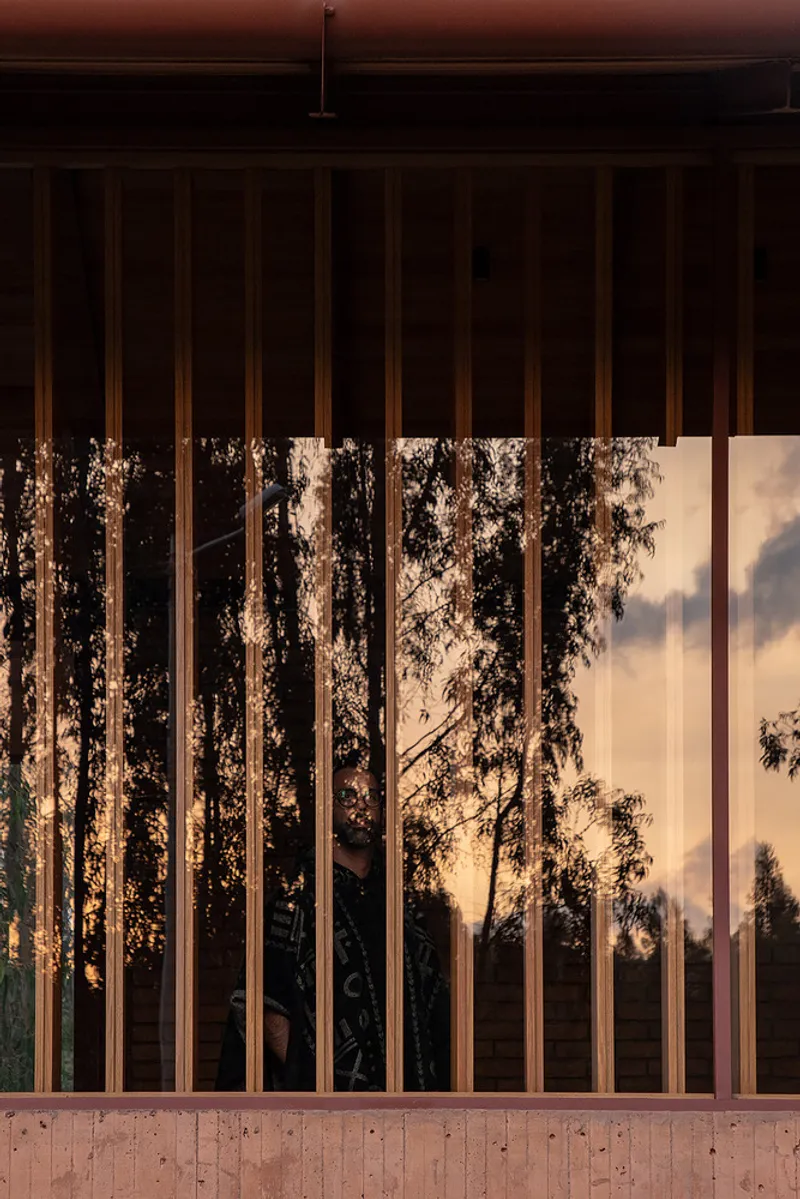
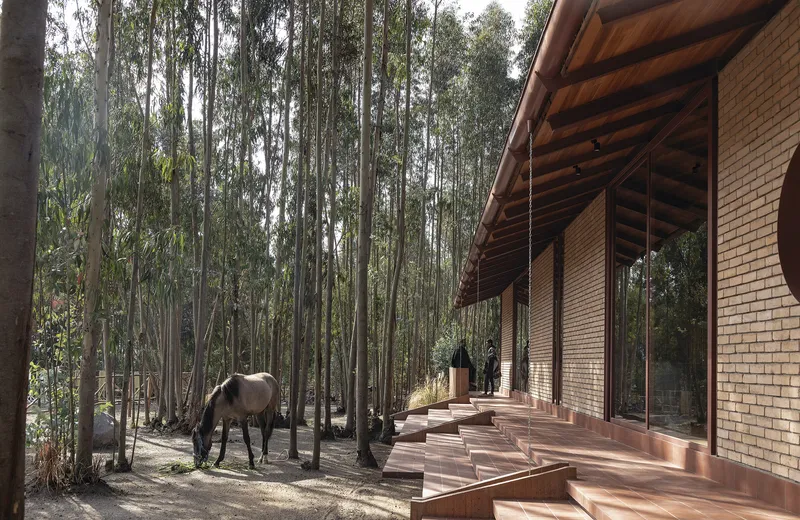
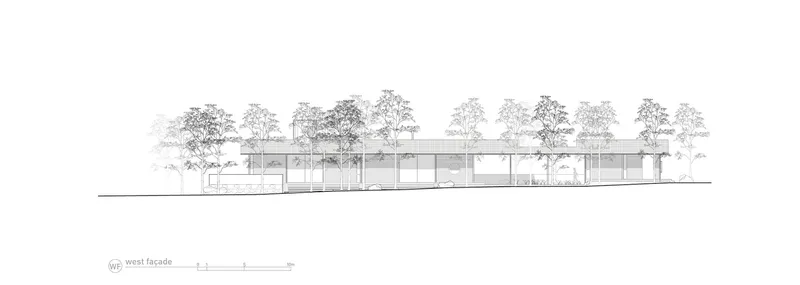
At the core of Andean Equestrian Architecture lies a deep respect for the surrounding environment. El Picadero's strategic location and orientation were chosen to maximize natural light and breathtaking views, including the iconic Cotopaxi volcano. The design's thoughtful integration into the landscape preserves the local eucalyptus forest, maintaining the area's natural beauty and ecological balance.
Innovative Materials and Sustainable Practices
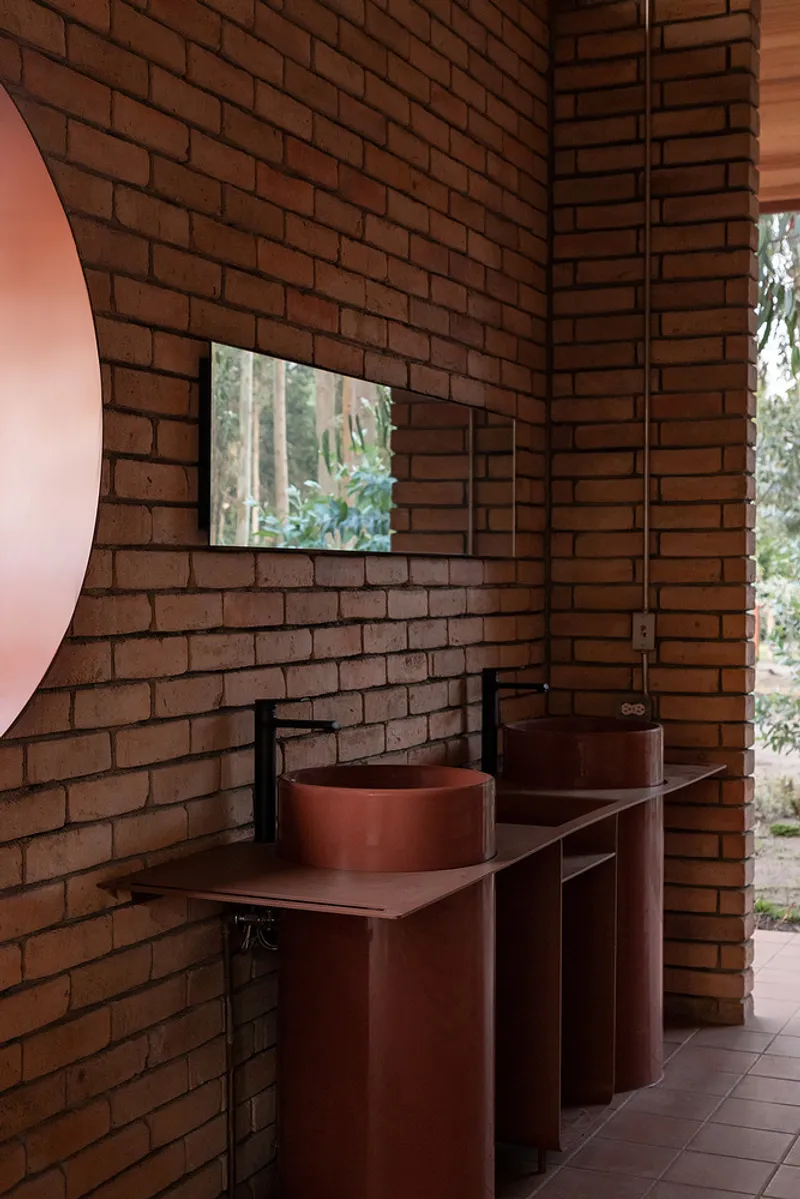
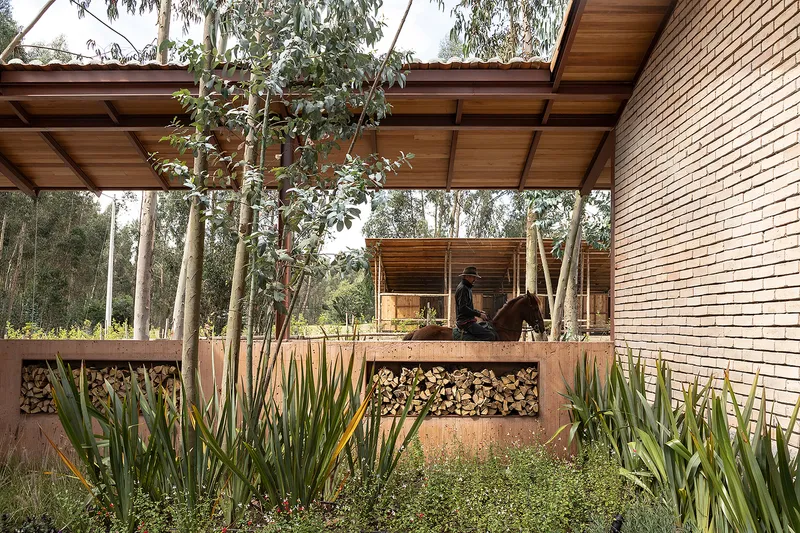
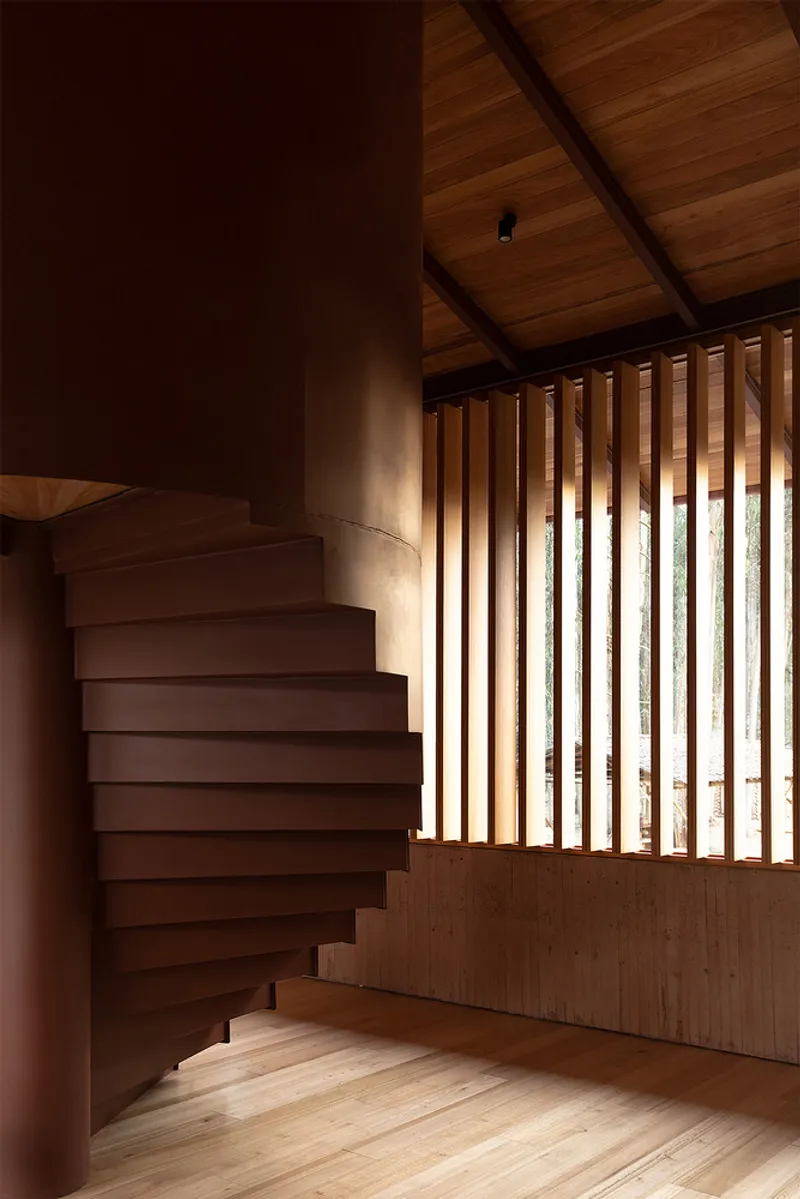
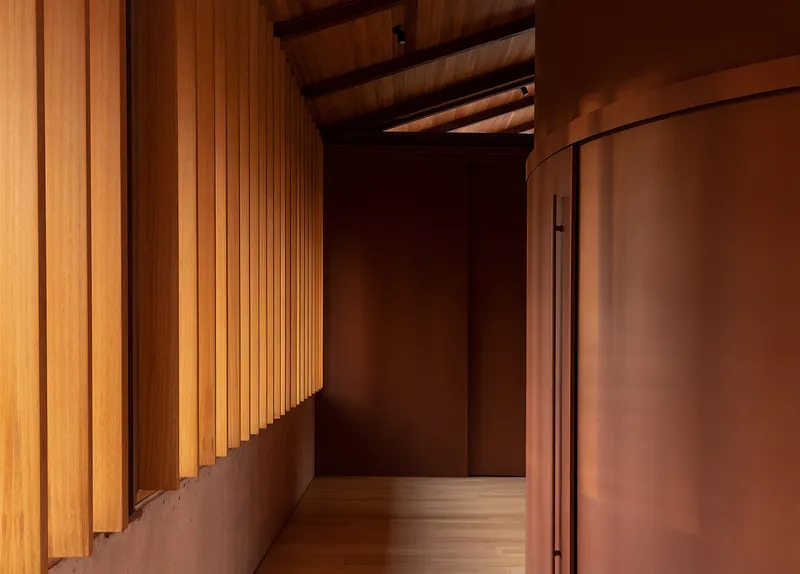
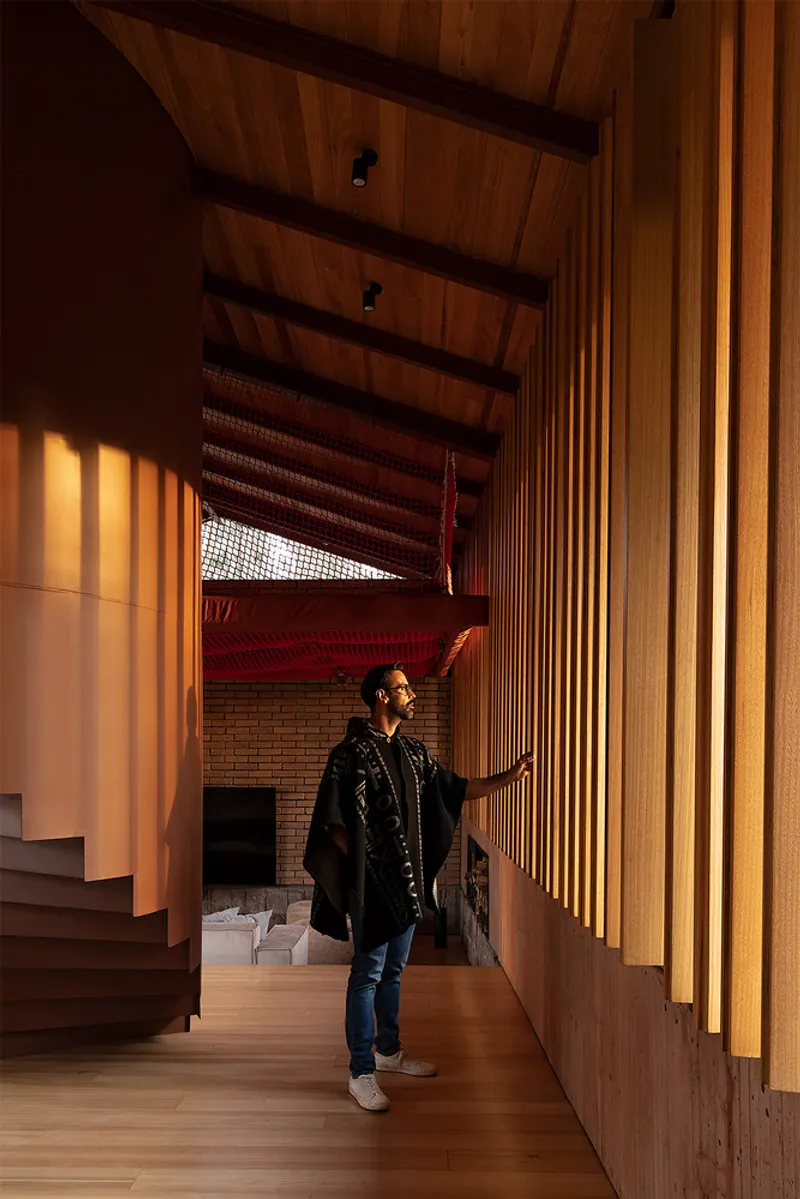
Sustainability is a cornerstone of modern Andean Equestrian Architecture. El Picadero showcases this through its use of local brick, modulated steel structures, and laminated glass, blending traditional materials with contemporary building techniques. The innovative use of eucalyptus wood and clay tiles further emphasizes the project's commitment to eco-friendly design and construction.
The Future of Andean Equestrian Architecture
El Picadero stands as a beacon of innovative Andean Equestrian Architecture, showcasing how modern design can harmonize with traditional Andean culture and equestrian lifestyles. As this architectural niche continues to evolve, projects like El Picadero will pave the way for future developments that respect and enhance their natural and cultural surroundings.

All photographs are work of JAG Studio




Popular Articles
Popular articles from the community


Play: Fragments of Their World
Familiar architecture becomes modular playground design, creating safe spaces where displaced children can learn, connect, imagine and play.

The Ocean Hive: Sustainable Architecture for a Self-Sufficient Civilization at Sea
The Ocean Hive imagines sustainable architecture at sea, where modular habitats, algae, wave power and ocean waste sustain a growing colony.

The Earth Pod: 3D Printed Homes for Resilient Refugee Communities
The Earth Pod reimagines refugee housing through 3D printed homes made from clay, combining resilience, self-sufficiency, and rapid shelter.

Co-Life: Senior Housing Design That Reconnects Older Adults With the City
Co-Life reimagines senior housing design through healing gardens, shared streets, workshops, and a sustainable community across generations.


Similar Reads
You might also enjoy these articles


Hodi-Mandai Geram
Project Function: Preservation and revitalization of the Intangible heritage and socio-spatial identity of the Hodi by Housing, Cultural Memory Center, Sacred Grove, landscape, local tourism economy


Olio Towers: A Mid-Rise for Performers That Fuses Housing, Rehearsal, and Stage
Located blocks from Houston's Theater District, this modular tower stacks living units around a central performance atrium.

Oasis: Modular Green Housing Carved into Dhaka's Urban Fabric
A shortlisted Plugin Housing entry reclaims unauthorized settlements in Dhaka with stepped concrete volumes, green roofs, and ventilation-driven design.

Black Hole: A Floating Megastructure for the Post-Physical Era
Emiliano Mazzarotto envisions a spherical, self-scaling arena where e-sports, digital hotels, and holographic stadiums replace traditional public space.


Explore Architecture Competitions
Discover active competitions in this discipline



Challenge to reimagine the Iron Throne


Photograph architecture without architects


Illustrate the lost glory of Angkor Wat - Render Challenge


Design challenge to reuse E-waste
Comments (0)
Please login or sign up to add comments
No comments yet. Be the first to comment!