
Embracing Nature: The Sustainable Bamboo Pavilion Design at Woodford Folk Festival
Explore the Chrysalis Pavilion at Woodford Folk Festival: a masterpiece of sustainable bamboo pavilion design, community engagement, and environmental stewardship.


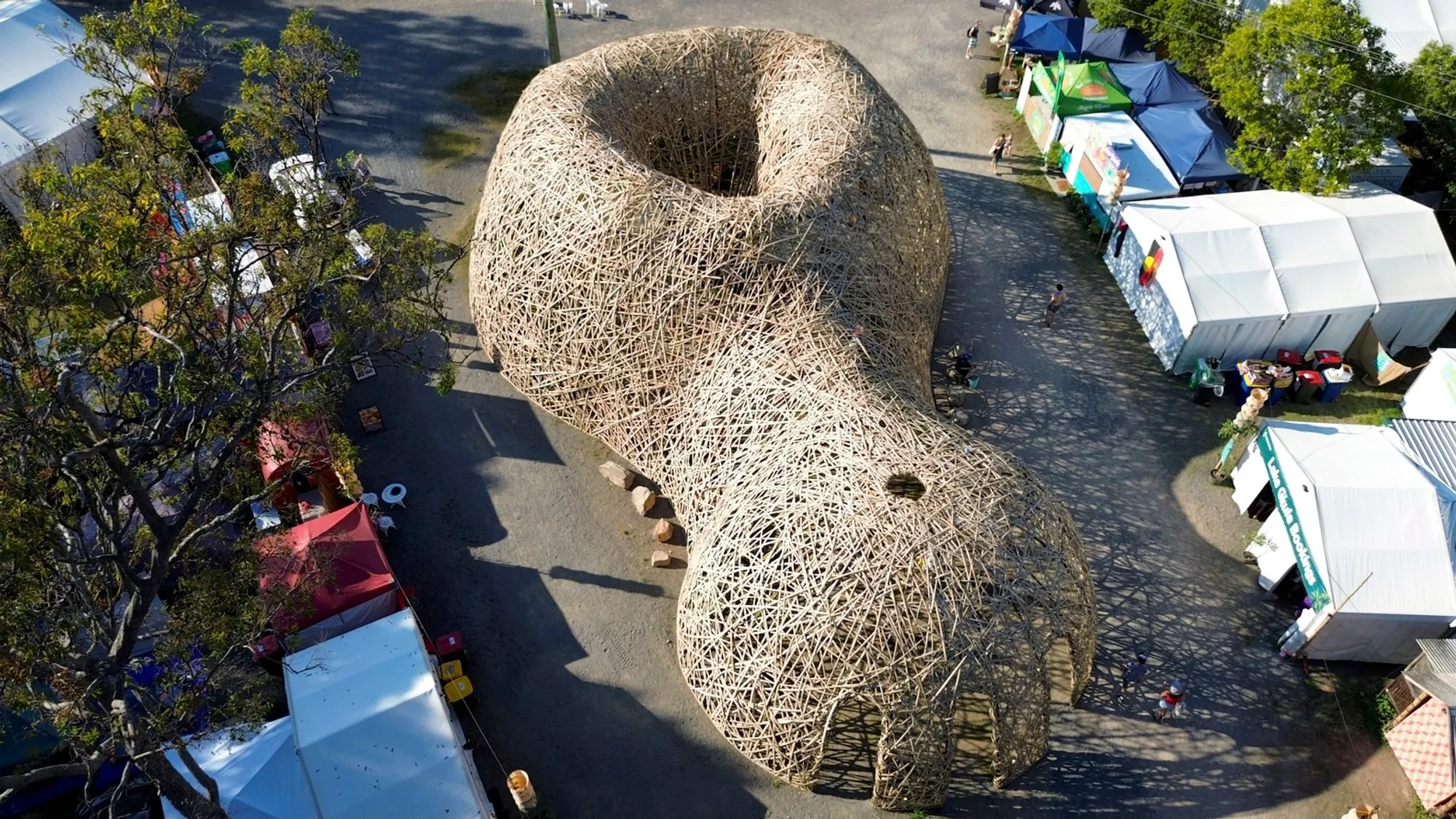
In the quaint town of Woodford, Australia, the Chrysalis Entrance Pavilion emerges as a testament to sustainable bamboo pavilion design. Crafted by the innovative architectural firm Cave Urban, this 450 m² structure redefines the way we approach temporary festival structures with an eco-friendly lens.
The Philosophy Behind the Chrysalis Pavilion
The Vision of Sustainability
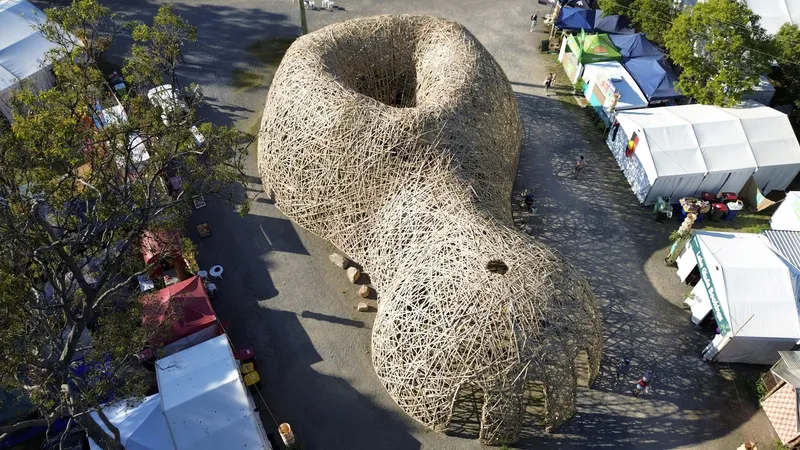
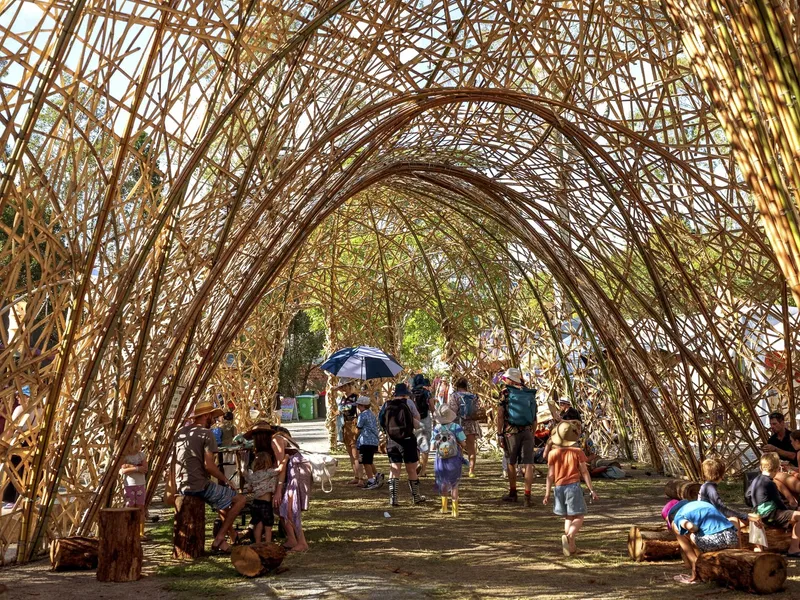
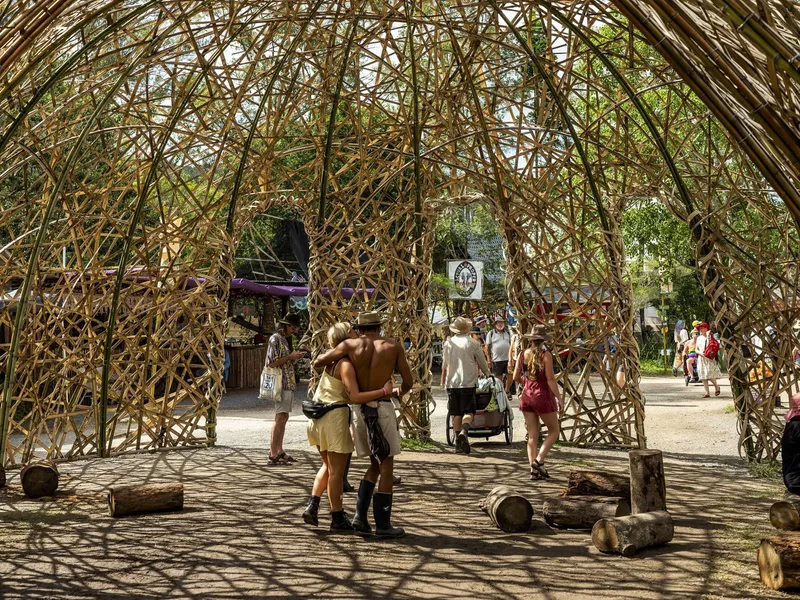
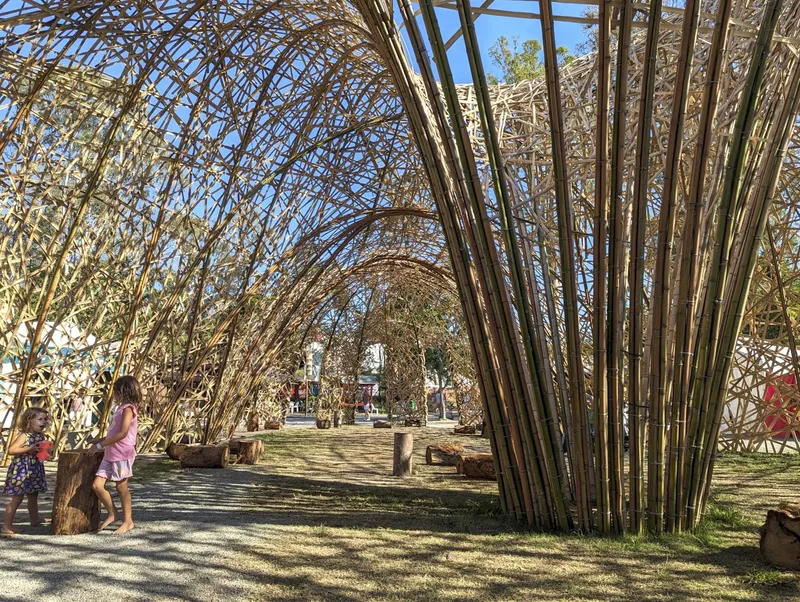
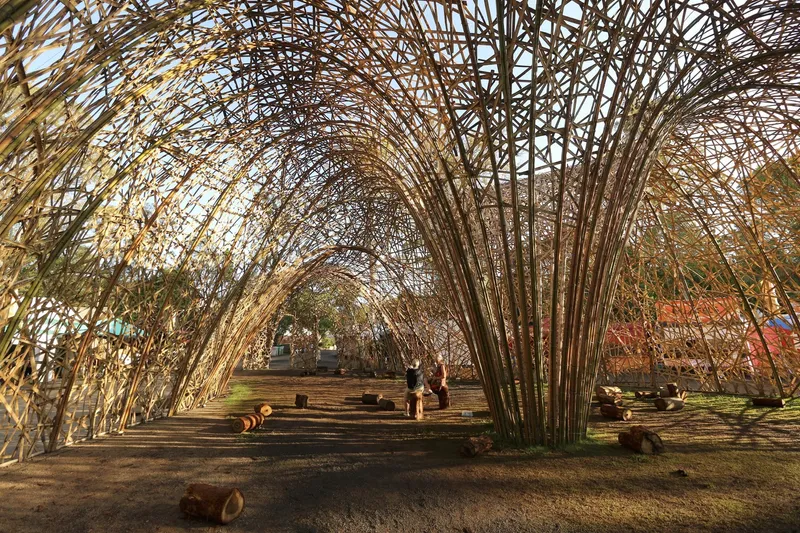
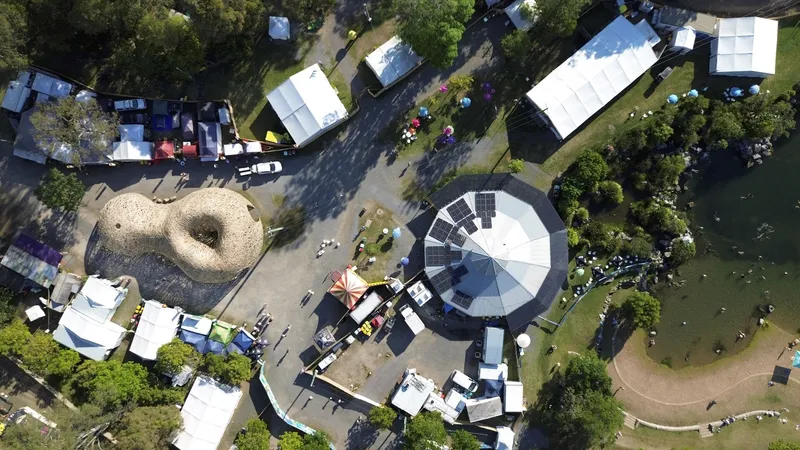
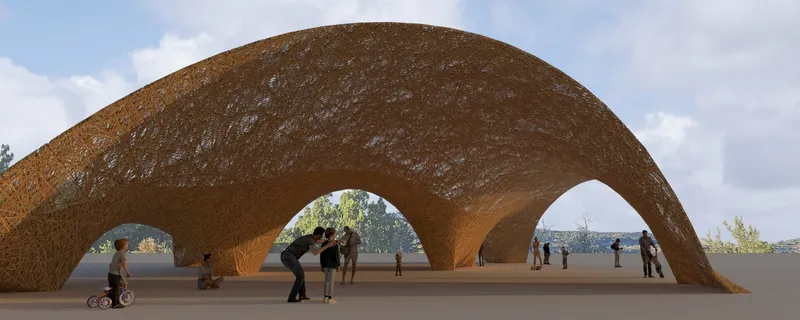
The Chrysalis Pavilion stands at the gateway to the Woodford Folk Festival precinct, offering a cool, shaded gathering space for friends and family. This project, led by the artistic vision of Juan Pablo Pinto, showcases the potential of locally harvested bamboo, transforming it into a grand, woven pavilion that provides respite from the Australian heat. This endeavor not only highlights the beauty of natural materials but also promotes a sustainable ethos by engaging the community in the building process.
Community Engagement and Skill Sharing
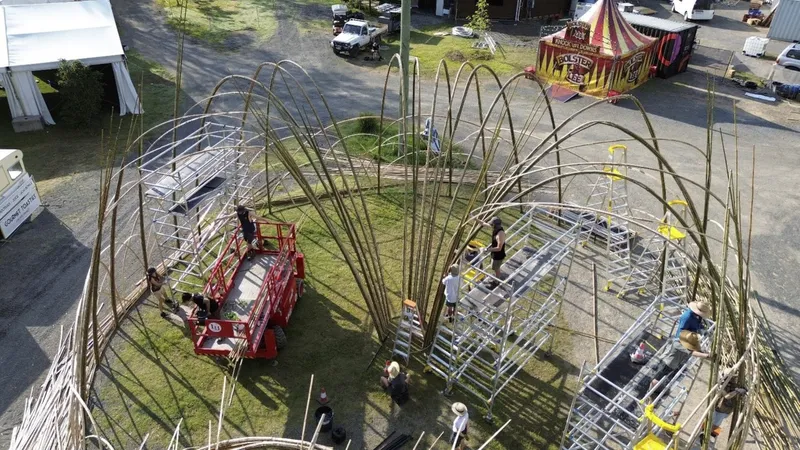
Under the guidance of Cave Urban, volunteers from diverse backgrounds came together to learn the art of bamboo construction. This inclusive approach allowed individuals without prior experience to contribute meaningfully to the project, learning simple splitting and wire-lashing techniques. This community-building exercise exemplified a symbiotic relationship, where time and effort were exchanged for valuable hands-on education.
Architectural Features of the Chrysalis Pavilion
Design and Structure
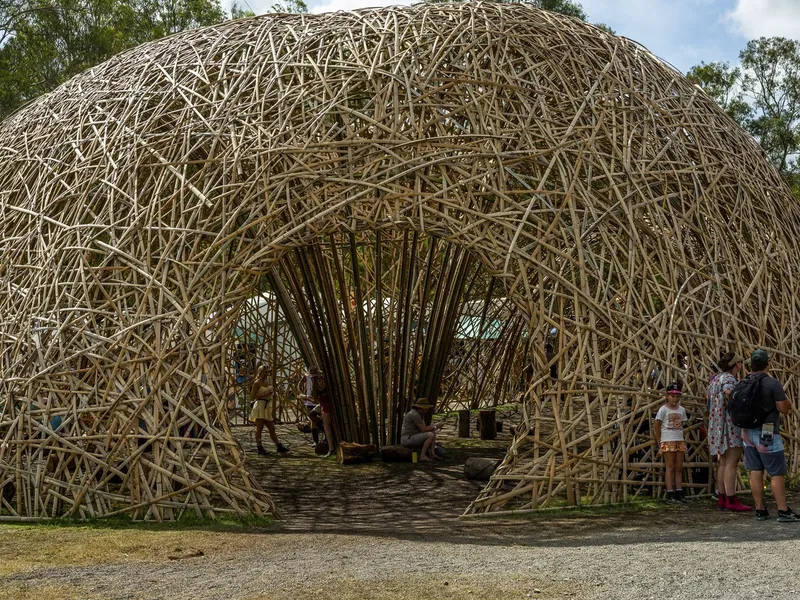
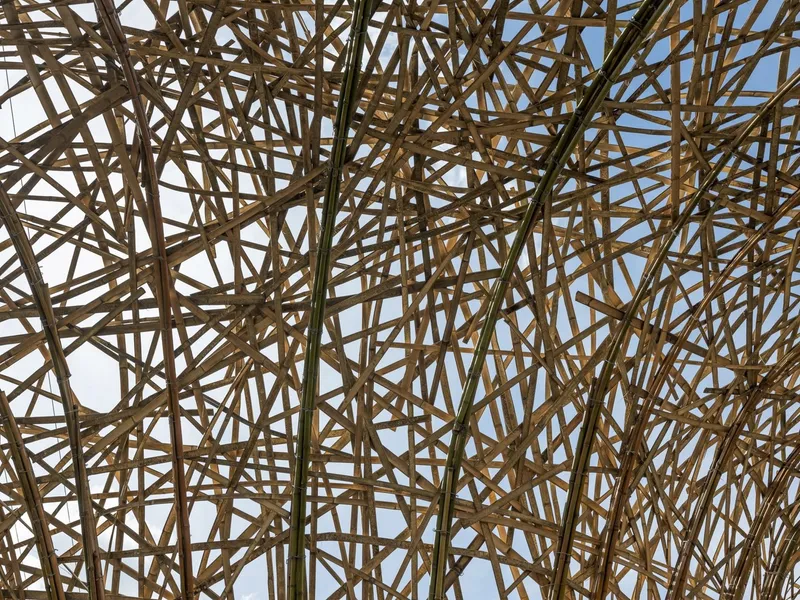
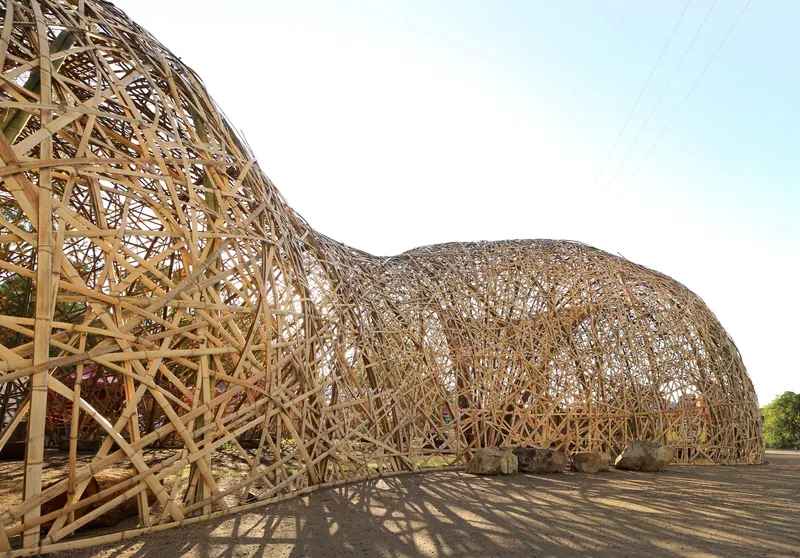
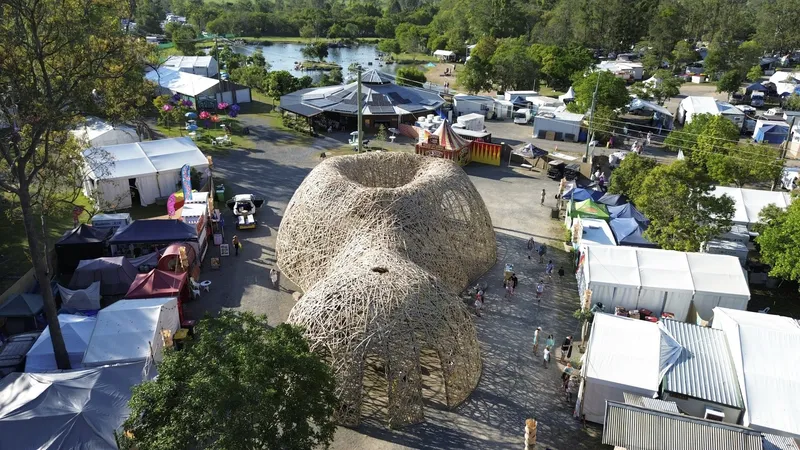
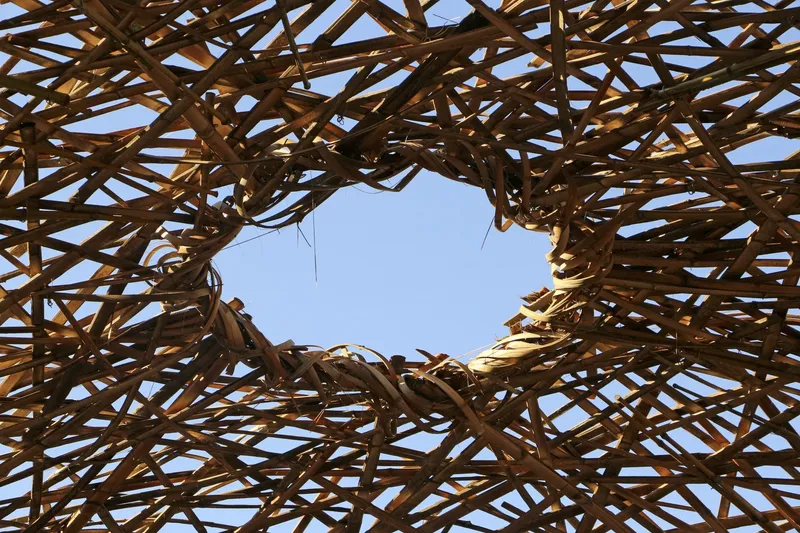
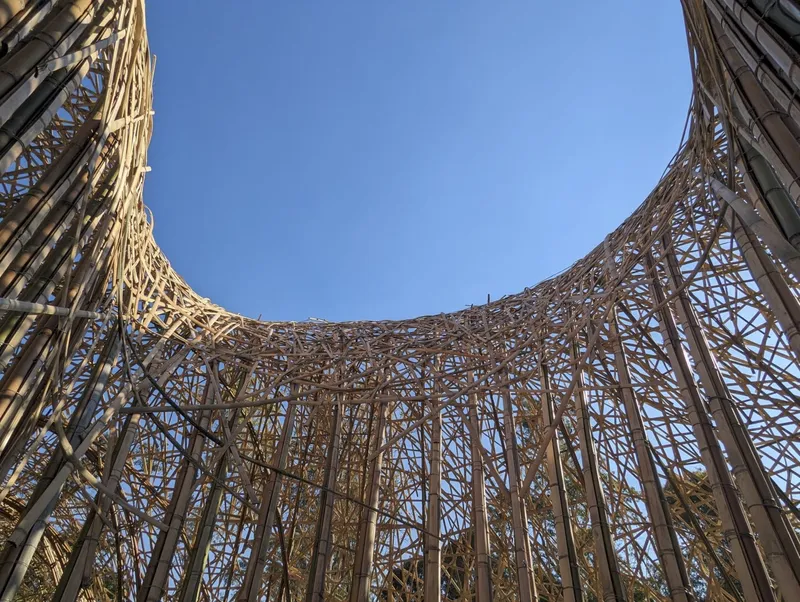
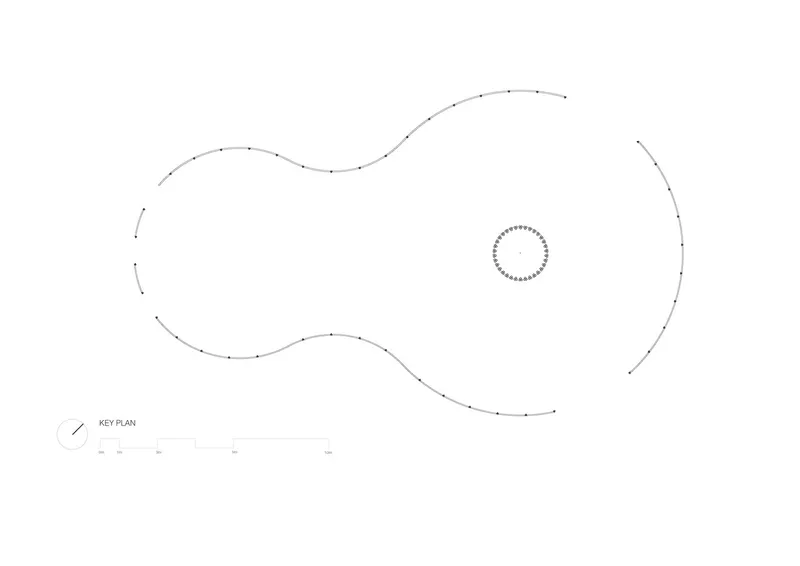
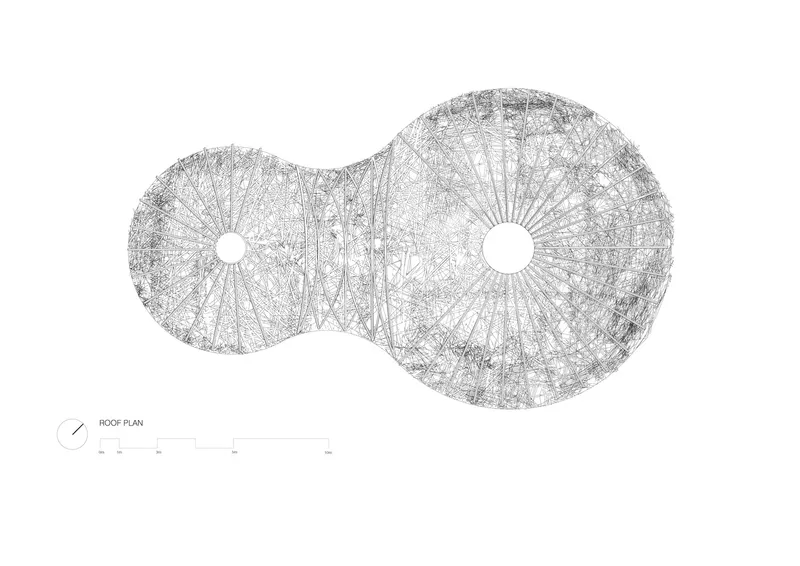
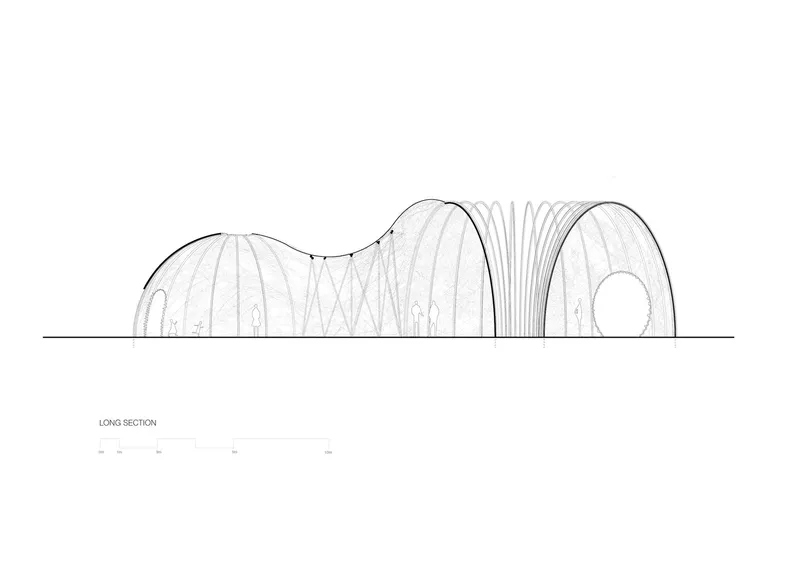
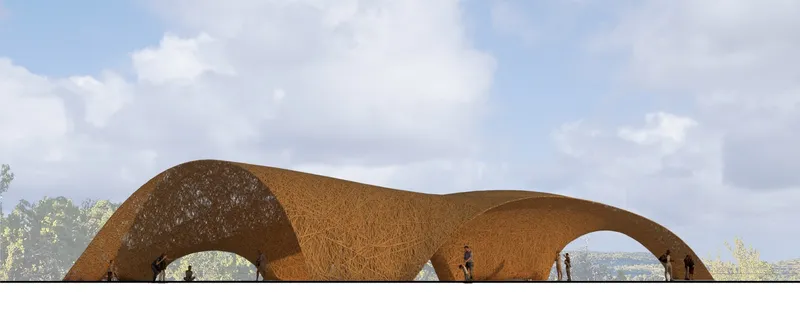
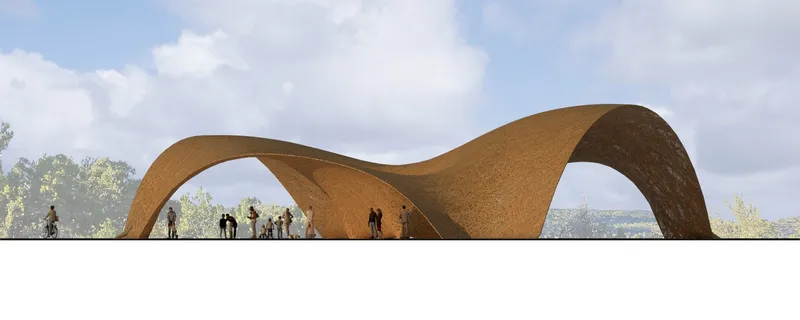
The pavilion comprises two woven vaulted spaces, including a 5.5-meter high dome connected to a larger 7-meter high toroidal-shaped area. This innovative design not only appeals aesthetically but also serves functional purposes, creating natural ventilation and shaded areas for festival-goers. The use of random weave patterns in the bamboo structure ensures that light dapples through, mimicking the serene environment of a bamboo forest.
Environmental Impact and Lifespan
In line with sustainable bamboo pavilion design principles, Cave Urban employed bamboo-building techniques developed in collaboration with international experts. This approach resulted in a structure free from chemical treatments, embracing the ephemeral nature of the materials used. The lifecycle of the pavilion, ranging from 2-5 years, aligns perfectly with the growth cycle of bamboo, ensuring a sustainable cycle of renewal and regeneration.
The Impact of Sustainable Bamboo Pavilion Design
Reducing Festival Waste
Festival structures typically generate significant waste and carbon emissions. The Chrysalis Pavilion, however, sets a new standard by demonstrating how large-scale temporary structures can be both beautiful and environmentally responsible. By utilizing natural materials and involving the local community in the construction process, Cave Urban has paved the way for a future where festival architecture can be sustainable, disposable, or repurposed with minimal environmental impact.
Nighttime Transformation
As the sun sets, the Chrysalis Pavilion transforms into a mesmerizing amber lantern, becoming a beacon for night-time festival activities. This magical transformation not only enhances the festival experience but also underscores the versatility and beauty of bamboo as a building material.
A New Era of Pavilion Design
The Chrysalis Entrance Pavilion by Cave Urban marks a significant milestone in the field of sustainable bamboo pavilion design. By combining traditional techniques with modern architectural principles, this project stands as a shining example of environmental stewardship, community involvement, and innovative design.
Experience the harmony of nature and architecture at the Woodford Folk Festival through the Chrysalis Pavilion, and witness the future of sustainable design.
All photographs are work of Jed Long, Cave Urban, Marek Knappe, Juan Pablo Pinto




Popular Articles
Popular articles from the community


The Musturak Paradise: Senior Living Architecture for a Connected Future in Temara, Morocco
The Musturak Paradise reimagines senior living architecture in Temara via private homes, social spaces, culture, community, and shared care.

Co-Life: Senior Housing Design That Reconnects Older Adults With the City
Co-Life reimagines senior housing design through healing gardens, shared streets, workshops, and a sustainable community across generations.

The Earth Pod: 3D Printed Homes for Resilient Refugee Communities
The Earth Pod reimagines refugee housing through 3D printed homes made from clay, combining resilience, self-sufficiency, and rapid shelter.

Riyadh For All: Intergenerational Urban Design for Active Aging in Rabat
Riyadh For All reimagines urban design in Rabat with intergenerational co-living, adaptive courtyards, and Moroccan cultural exchange today.


Similar Reads
You might also enjoy these articles


Hodi-Mandai Geram
Project Function: Preservation and revitalization of the Intangible heritage and socio-spatial identity of the Hodi by Housing, Cultural Memory Center, Sacred Grove, landscape, local tourism economy


Olio Towers: A Mid-Rise for Performers That Fuses Housing, Rehearsal, and Stage
Located blocks from Houston's Theater District, this modular tower stacks living units around a central performance atrium.

Oasis: Modular Green Housing Carved into Dhaka's Urban Fabric
A shortlisted Plugin Housing entry reclaims unauthorized settlements in Dhaka with stepped concrete volumes, green roofs, and ventilation-driven design.

Black Hole: A Floating Megastructure for the Post-Physical Era
Emiliano Mazzarotto envisions a spherical, self-scaling arena where e-sports, digital hotels, and holographic stadiums replace traditional public space.


Explore Architecture Competitions
Discover active competitions in this discipline



Challenge to reimagine the Iron Throne


Photograph architecture without architects


Illustrate the lost glory of Angkor Wat - Render Challenge


Design challenge to reuse E-waste
Comments (0)
Please login or sign up to add comments
No comments yet. Be the first to comment!