

Experiencing the Terroir of Wine Making
A new wine farm in Stellenbosch

The concept behind the project starts in creating a captivating and immersive consumer experience that entices visitors to embark on a sensory journey through the enchanting world of wine. From the first arrival to the site, the views & process are hidden, until the visitors step foot into the entrance. Under the dynamic canopy swooping down, hugging the space, visitors are immersed visually and audially into this journey. The process of winemaking becomes visible beyond the glass walls, while the noise of the world is washed away by the natural water sounds of the fountain.
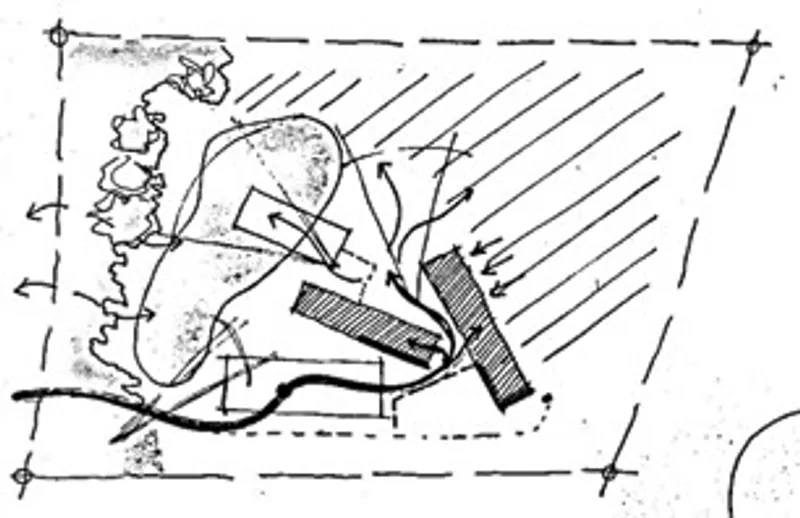

The Visitor’s Centre serves as a gateway, offering a comprehensive introduction to the history of winemaking, the vine-to-bottle process, and the farm's commitment to sustainable practices. With views into the production room, the tasting venue and out onto the vineyards, this is the beginning of the wine-making journey.
When it comes to wine making, there is a deeply rooted connection between the craft and nature. The concept of terroir encompasses this idea - it refers to the unique combination of soil, climate, topography, and other environmental factors that influence the character of a wine. Similarly, this approach was taken when designing the building. By creating a place specific design, the building enroots itself within the landscape that is sculpted around it capturing views from all angels whilst at the wine farm overlooking the water body.
Out in the vineyards, optimally orientated for sun exposure, visitors can fully interact with the physical, scientific and sensory process of winemaking. Immersed amongst the vines, the smell of earthiness, sound of wind through the leaves and feel of grape clusters introduces visitors to the nurturing and growing of these fruits. From harvesting, to picking to de-stemming, the visitors experience the drink in its rawest form, surrounded by stunning views of mountains and the dam.
Moving inside the winery, the air is filled with complex aromas - notes of oak, vanilla, and spices intermingling with each other. The temperature difference accompanies the more scientific part of wine making. Moving through the crushing, fermenting, bottling & packing process, visitors experience the intricacies of the process whilst having a tour alongside the production. In addition, you are exposed to the knowledge and skills of professional wine makers and enthusiasts. This journey takes you as the visitor and ensures a memorable experience along the way.
Across in the wine tasting venue and restaurant, visitors get to sit back and taste the fruitfulness of the process, each sip telling the story of its origin. This venue boasts the best view of the surroundings, and looking down on the overall process outside, and through the glass walls to the inside of the winery.

Overall, the architectural design plays a significant role in blending seamlessly with nature through strong lines pointed to the north framing the landscape as a picturesque image. by utilizing natural materials such as wood or stone; the interiors are warm and welcoming grasping the visitor along the journey. Large glass walls enable guests to witness the intricate processes of fermentation, barrel aging, and bottling and strategically placed windows allow for optimum airflow.
The new wine farm connects with the surrounding community through job creation. This not only provides individuals with stable income but also instils a sense of pride and purpose within the community. The impact goes far beyond simply enjoying a glass of wine; it's about creating sustainable change that enriches lives while preserving traditions and landscapes cherished by generations before us.
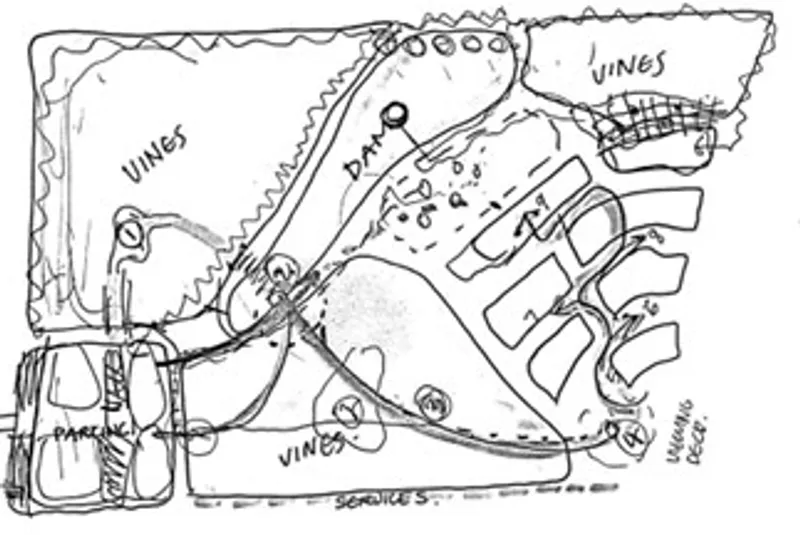
In conclusion, the project embodies a visionary approach to wine-making, offering a captivating and immersive consumer experience that celebrates the essence of terroir. By integrating the natural elements of the landscape into the architectural design, the Visitor's Centre becomes a gateway to the enchanting world of wine, providing a comprehensive introduction to the craft and its connection to nature. Visitors are invited to interact with the entire wine-making process, from the vineyards to the winery, engaging all five senses in a sensory journey. This holistic approach not only fosters appreciation for wine but also promotes sustainability and community development, leaving a lasting impact on both visitors and the surrounding community.

Popular Articles
Popular articles from the community


Opera on the Sea: Driftwood Logic Shapes a Timber Opera House on Estonia's Coast
Trevor Orgill's opera house translates the entangled drift of floating timber into a civic building where wood, water, and music converge.

Opera by the Sea Estonia: Three Shells Dissolving Architecture into Tallinn's Coastline
A winning opera house proposal replaces monumental form with interconnected shells that blur the boundary between building, park and Baltic Sea.

Extended Shell: Retrofitting Kolkata's Balconies as Living Urban Thresholds
A modular retrofit system recovers the social and environmental intelligence of Kolkata's historic verandas for contemporary Park Street residents.

Manzana Morphosis: Stretching Barcelona's Grid into a Living Landscape for 2050
A radical reworking of the Eixample manzana turns density into a tool for generous public space, vertical ecology, and environmental performance.

Similar Reads
You might also enjoy these articles

Day and Night Park: A Time-Based Urban Newsstand in Beijing
A temporary urban newsstand in Beijing blending travel, light, and reading through poetic colors, compact form, and community-focused design.

Modernist Patio Renovation in El Masnou, Barcelona by Oliver Segura Arquitectura + Cebrià Arquitectura
Modernist patio renovation blending tradition and innovation with a movable pool, leveled floors, and Catalan materials in El Masnou.

Alto Residencial Coop: Cooperative Housing Development in Santiago de Compostela by Carbajo Barrios Arquitectos
A linear cooperative housing complex blending white volumes and perforated metal façades, enhancing community living, natural light, privacy, and urban integration.
Vil Genis School by BPA ARCHITECTURE – Massy, France
Vil Genis School in Massy, France, features sustainable design, south-facing classrooms, community integration, accessible spaces, and modern educational architecture.
Explore Wineyard Competitions
Discover active competitions in this discipline


Challenge to reimagine the Iron Throne

Photograph architecture without architects

Illustrate the lost glory of Angkor Wat - Render Challenge

Design challenge to reuse E-waste
Comments (0)
Please login or sign up to add comments
No comments yet. Be the first to comment!