
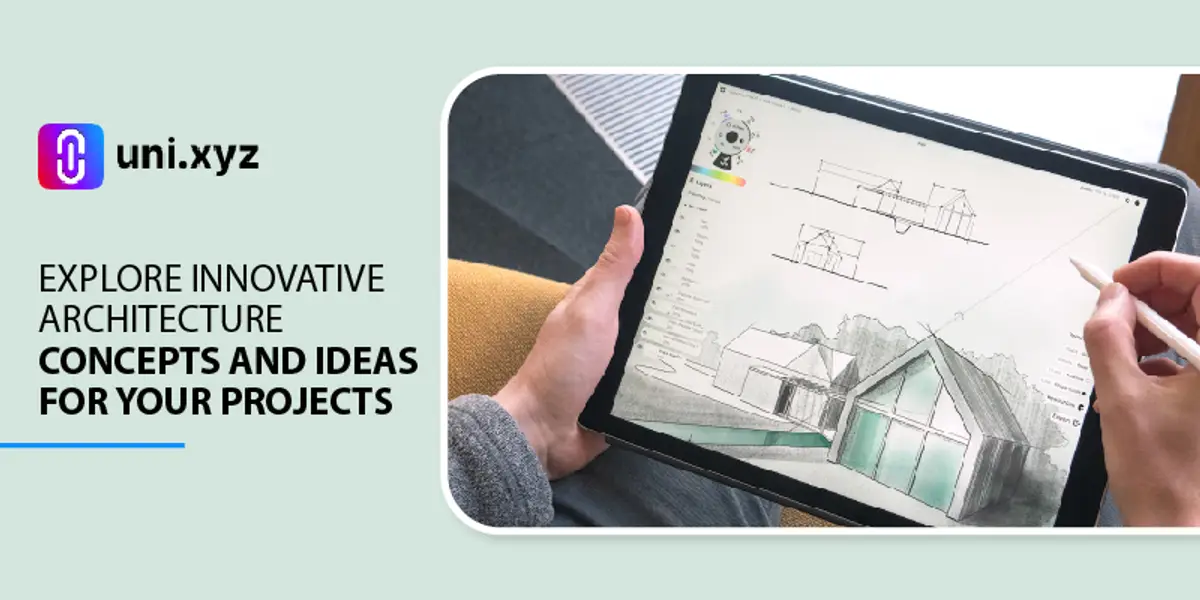
Explore Innovative Architecture Concepts and Ideas for Your Projects
Elevate Your Designs: Exploring Innovative Architectural Concepts for a Sustainable and Inspiring Future.

The world of architecture is always changing. New ideas, technologies, and materials are reshaping how people design and build spaces. Whether you’re designing a home, an office, or a public area, using fresh architectural concepts can really enhance the look and function of your project.
Exploring new concepts for architecture can help improve your work. Here are some exciting and innovative ideas that can take your designs to the next level!
1. Sustainable and Green Architecture
With climate change and limited resources becoming major issues, sustainable architecture has become essential. The idea is to focus on designing buildings that are kind to the environment by using eco-friendly designs, materials, and construction methods.
Key sustainable architecture ideas include:
● Passive Design - Passive design means using nature to help keep buildings comfortable. This can include placing windows to let in fresh air, using materials that store heat, and positioning the building to get plenty of sunlight while keeping it cool.
● Green Roofs and Walls - Adding plants to roofs or outside walls makes buildings look nicer and helps with insulation. These green spaces can soak up rainwater and support wildlife.
● Renewable Energy Integration - Using solar panels, wind turbines, or geothermal systems can provide energy for a building while cutting down on carbon emissions. This helps move towards buildings that use zero energy.
These strategies make buildings better for the environment, improve the comfort of the people inside, and lower costs over time.
2. Biophilic Design: Connecting Architecture with Nature
Biophilic design could be one of the best concepts for architecture. It is built on the idea that people naturally connect with nature. It aims to bring natural elements into buildings to boost well-being, productivity, and creativity.
This includes:
● Natural Lighting and Ventilation: Big windows, skylights, and open areas let in plenty of sunlight and fresh air, making indoor spaces feel better.
● Adding Water Features: Things like fountains, ponds, or indoor waterfalls can create a peaceful and calming atmosphere.
● Natural Materials and Textures: Using wood, stone, clay, or natural shapes and patterns helps bring a touch of nature indoors.
Biophilic design not only makes spaces look better but also boosts mental health and lowers stress, making it great for homes, offices, and public places.
3. Parametric and Computational Design
With new software and digital tools, parametric and computational design have transformed modern architecture. These methods let architects create complex shapes that would be hard to design using traditional techniques.
● Algorithm-Based Design: Using algorithms to shape the building allows architects to explore endless design possibilities and fine-tune things like lighting, airflow, and structure.
● Generative Design: This approach uses software to come up with multiple design options based on certain conditions, helping architects pick the best one.
● Performance Optimization: Digital tools can check things like structure, lighting, energy use, and comfort to make sure the final design works well.
These concepts for architecture will not only offer new creative possibilities but also help make buildings more efficient and high-performing.
4. Modular and Prefabricated Architecture
When it comes to the best concepts for architecture, modular and prefabricated construction are becoming popular. They involve making parts of the building in a factory and then putting them together on-site.
● Faster Construction: Prefabrication speeds up building time because different parts can be made at the same time in a factory.
● Cost-Effective: Building in a factory reduces material waste and labor costs, making it more affordable.
● Flexible and Scalable: Modular parts can be rearranged, expanded, or moved, making buildings easy to adapt.
Modular architecture works well for many uses, like homes, offices, and temporary buildings, providing a mix of innovation, sustainability, and efficiency.
5. Adaptive Reuse and Retrofitting
Adaptive reuse means giving old buildings new purposes, while retrofitting improves them with updates and technology. This eco-friendly approach saves on new materials and keeps historical and cultural sites intact.
● Repurposing Old Buildings: Turning old warehouses, factories, or churches into modern homes, cultural spaces, or offices combines history with modern design.
● Energy-Efficient Upgrades: Improving insulation, windows, heating, cooling, and lighting makes old buildings more energy-efficient while keeping their original charm.
● Flexible Space Design: Using movable walls, multi-use rooms, and adjustable furniture makes the space more adaptable.
This approach not only conserves resources but also adds value to existing properties and contributes to urban revitalization.
Exploring new architecture ideas helps architects go beyond the usual limits of design, function, and sustainability. By using concepts like sustainable design, biophilic elements, digital tools, modular building, and adaptive reuse, you can create projects that look amazing and meet the needs of both people and the environment.

Popular Articles
Popular articles from the community


Aquadapt: An Underwater Habitat That Rewrites Its Rooms by the Hour
Curved modules ring the seabed while one shell shifts from breakfast room to cinema, farm and football pitch as residents' needs change.


Juan García Correa, John González and Claudia Rueda Sink a Circular Amphitheater into a Manizales Engineering Building
On the La Nubia campus in Manizales, Colombia, the S1 Building folds labs and offices into a hillside of ramped lawns that double as a campus route.

Cube Design Draws an Ecological Corridor Between Two Shenzhen Hills with the Nankai Building
Beside Shenzhen's container docks, the Nankai Building pairs stacked balconies with a climbing green screen to connect two hillsides across its height.

David Ortega Stacks a Two-Story Mexico City Penthouse Around a Steel Stair and a Pergola-Shaded Roof Terrace
In Colonia Roma, a 300 m² penthouse uses oak joinery, a planted steel stair and a slatted roof pergola to make a new-build apartment feel like a house.

Similar Reads
You might also enjoy these articles

Vereda Arquitetos Renovates a 40-Square-Meter Apartment Inside Niemeyer's Copan Building
A compact unit in São Paulo's most iconic residential tower gets a material overhaul that pairs exposed concrete with bold blue Formica.

Shakur's House: Exposed Brick as an Interior Organiser in a 168 m² Mashhad Residence
Brick moves indoors in this Mashhad residence, where masonry walls, glass partitions and teal planes sequence a compact home without closing it off.

Day and Night Park: A Time-Based Urban Newsstand in Beijing
A temporary urban newsstand in Beijing blending travel, light, and reading through poetic colors, compact form, and community-focused design.

Modernist Patio Renovation in El Masnou, Barcelona by Oliver Segura Arquitectura + Cebrià Arquitectura
Modernist patio renovation blending tradition and innovation with a movable pool, leveled floors, and Catalan materials in El Masnou.

Explore Environmental Architecture Competitions
Discover active competitions in this discipline


From Logic to Configurators


Challenge to reimagine the Iron Throne

Photograph architecture without architects

Illustrate the lost glory of Angkor Wat - Render Challenge
Comments (0)
Please login or sign up to add comments
No comments yet. Be the first to comment!