
Exploring the Essence of Modern Korean Architecture at the Pyunkangyul Flagship Store
The Pyunkangyul Flagship Store blends traditional Korean elements and modern design to showcase a skincare brand's philosophy in Seoul.

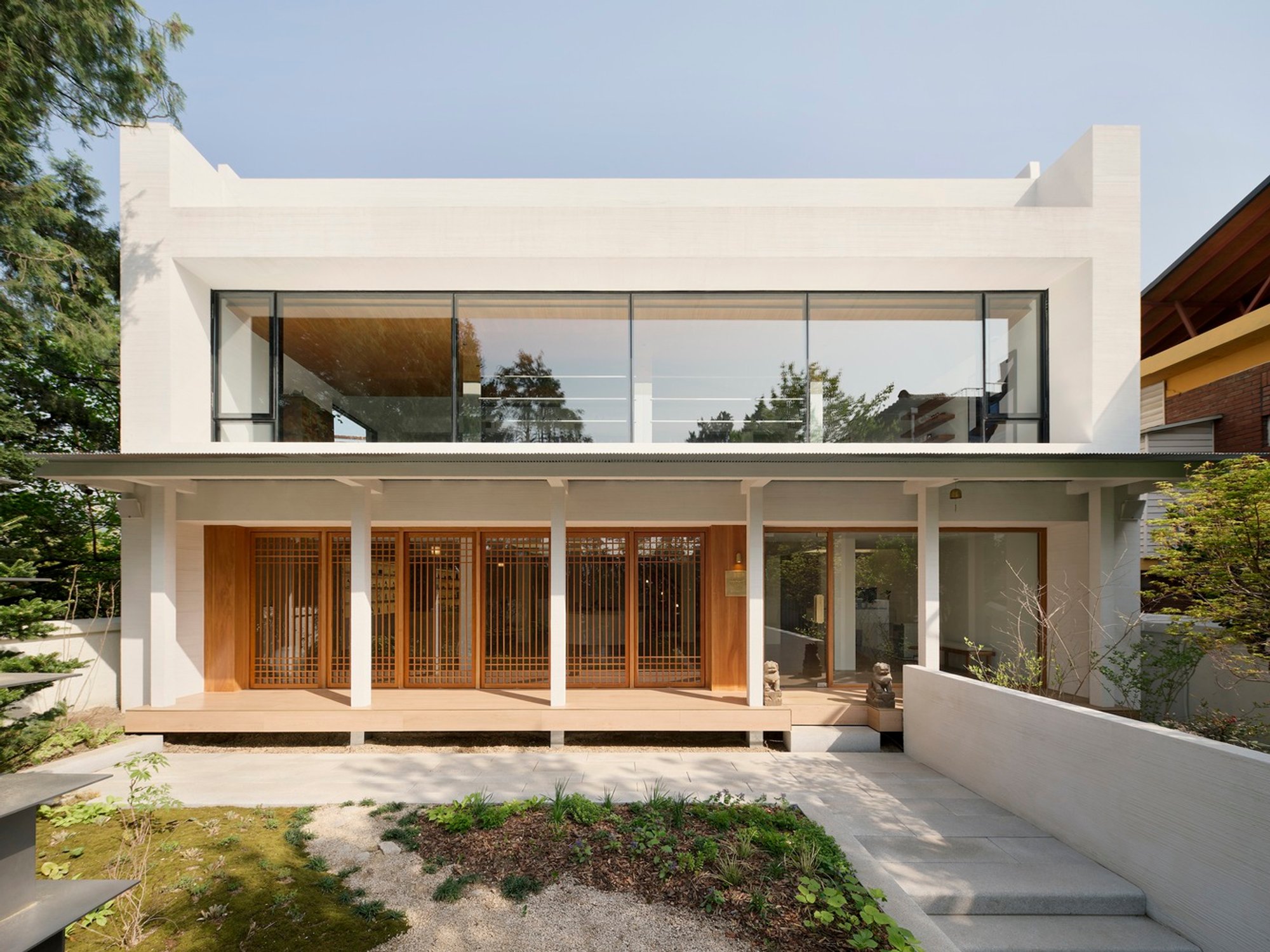
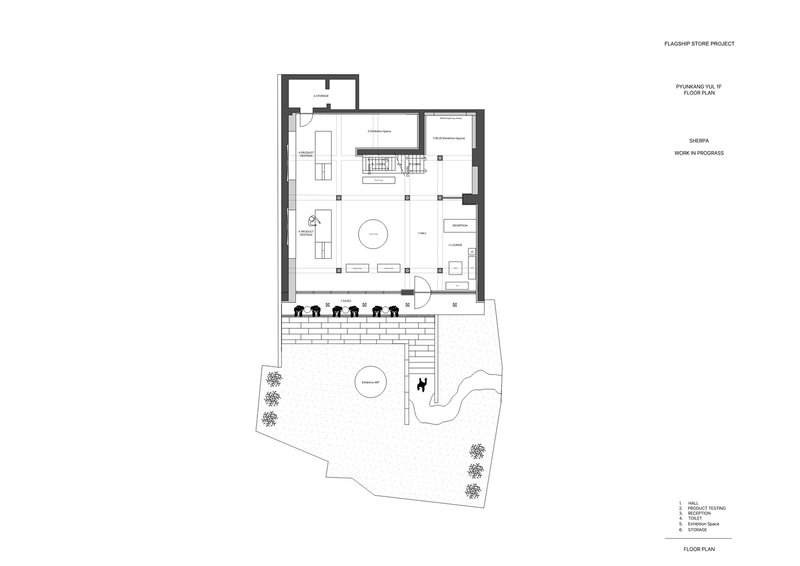
Nestled in the historic Bukchon neighborhood of Seoul, the Pyunkangyul Flagship Store stands as a testament to the harmony of traditional Korean design elements and modern architectural techniques. Designed by the innovative team at Sherpa, this flagship store spans 462 square meters and was completed in 2024, embodying the ethos of the skincare brand Pyunkangyul, which emphasizes natural ingredients and minimalism.
Design Philosophy and Architectural Walkthrough
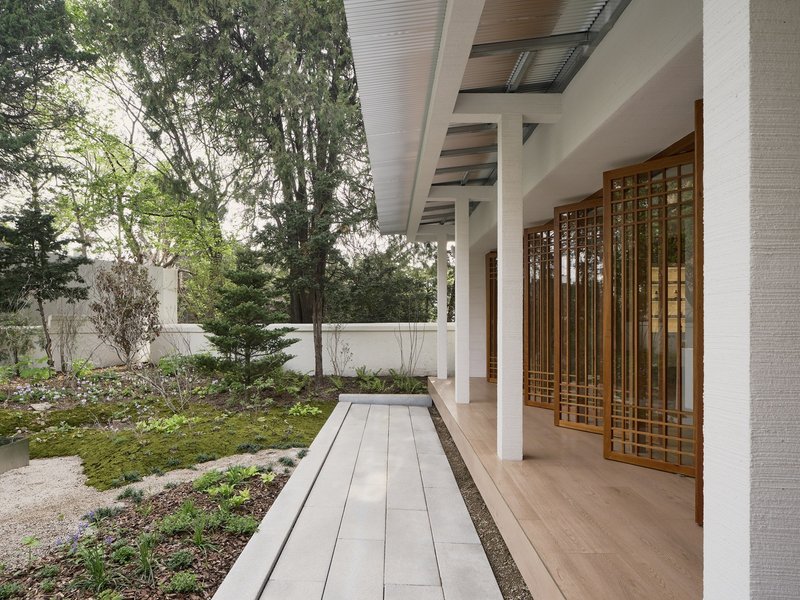
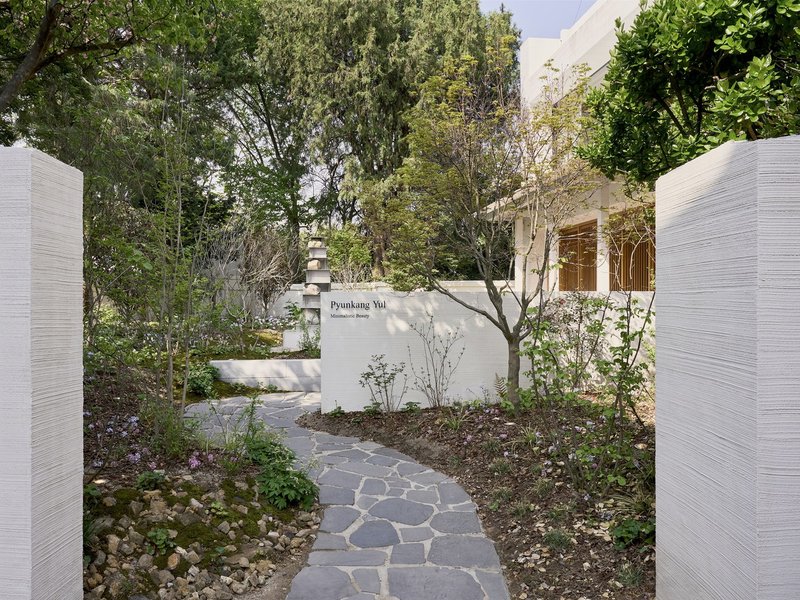
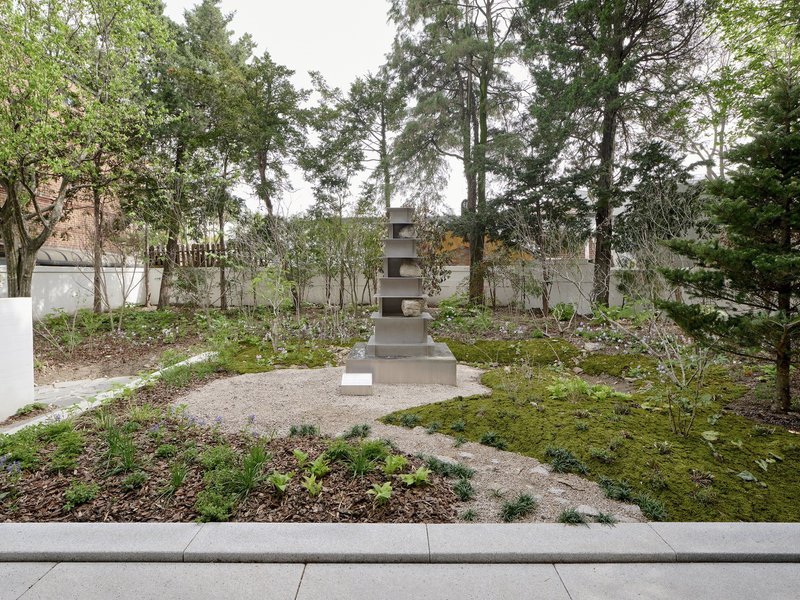
Upon entering the Pyunkangyul Flagship Store, visitors embark on a unique architectural journey, starting with a thoughtfully extended entrance path lined with eco-friendly stepping stones. This path not only enriches the visitor experience but also showcases the brand’s commitment to environmental sustainability and cultural heritage.
Integrating Nature and Tradition
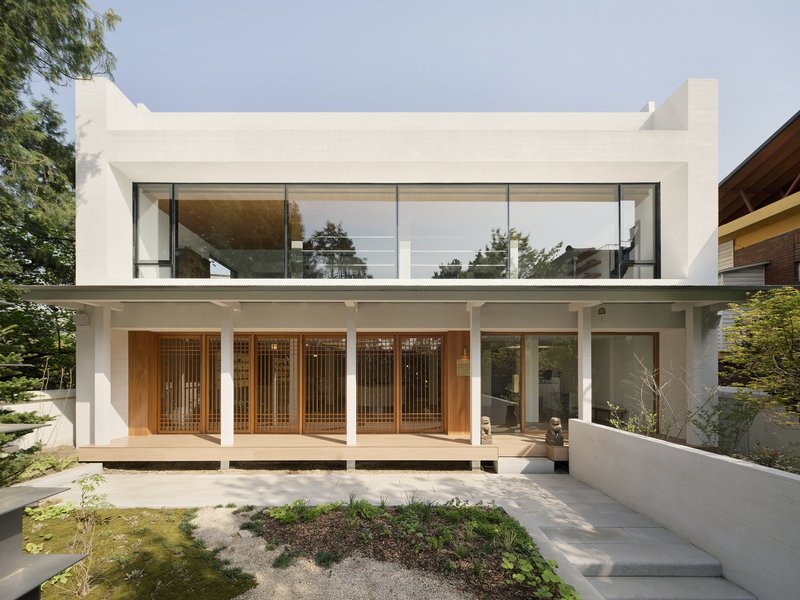
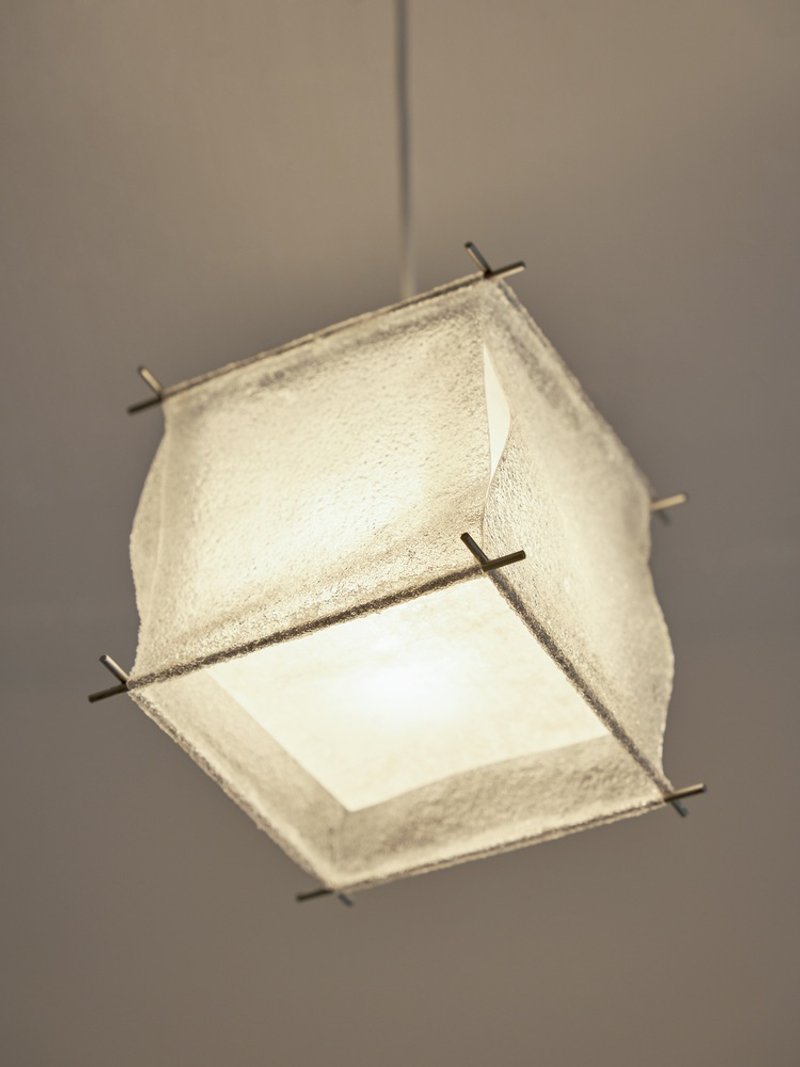
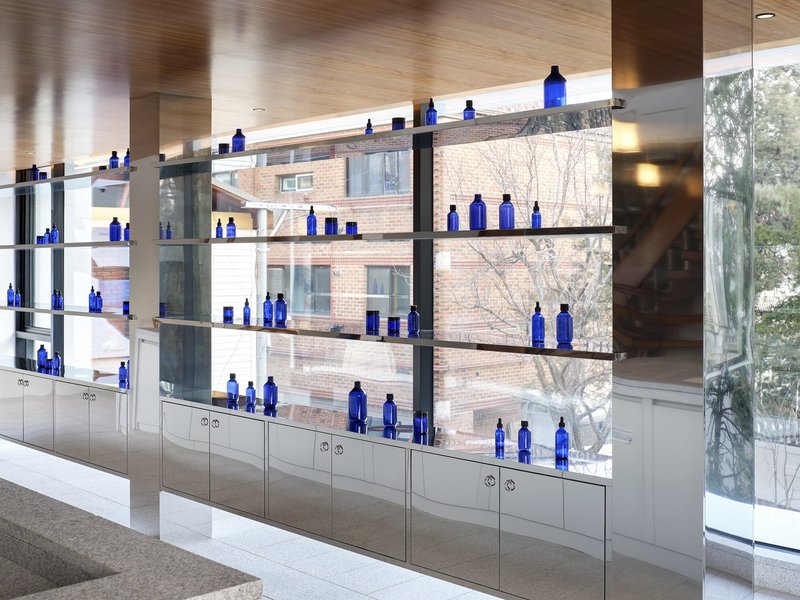
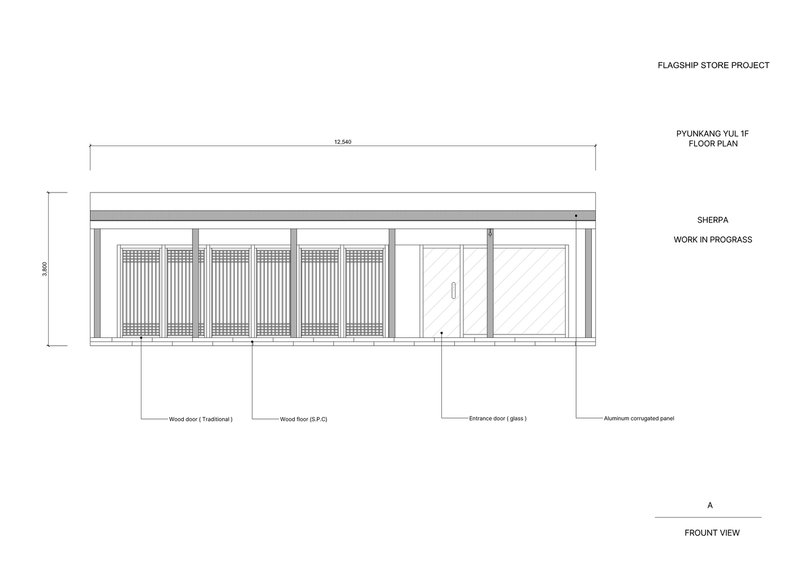
The façade of the store, featuring large, airy windows and traditional Korean Hanji lanterns, invites natural light while connecting the indoor environment with the natural beauty of its surroundings. This design strategy ensures that every element—from the tactile brass door handles to the soothing sounds of wind bells—enhances the sensory experience of each visitor.
Interior Design: A Blend of Function and Aesthetics
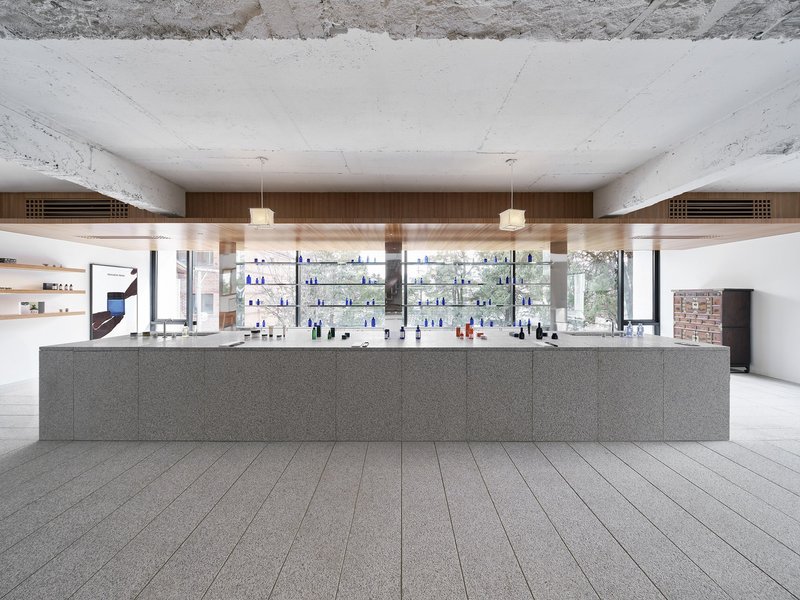
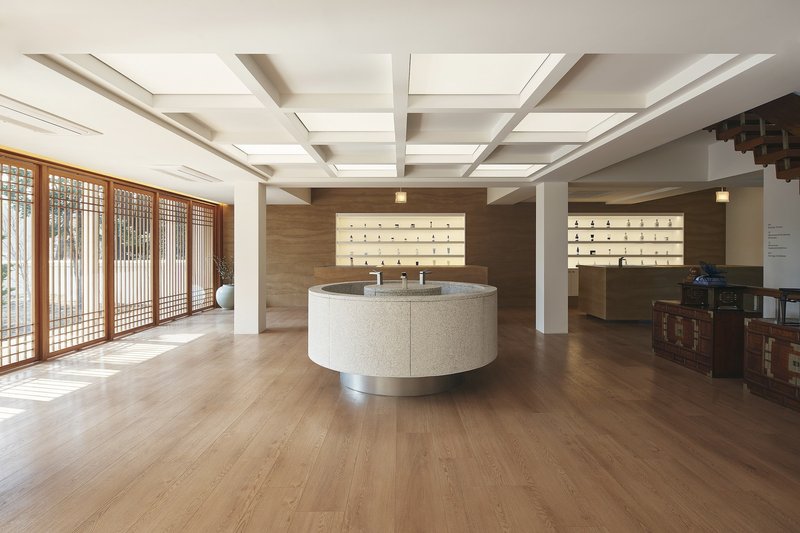
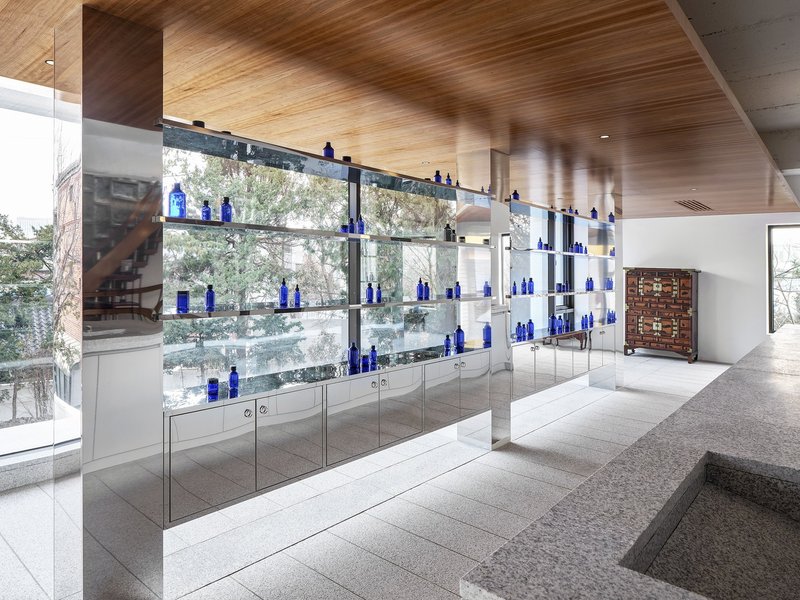
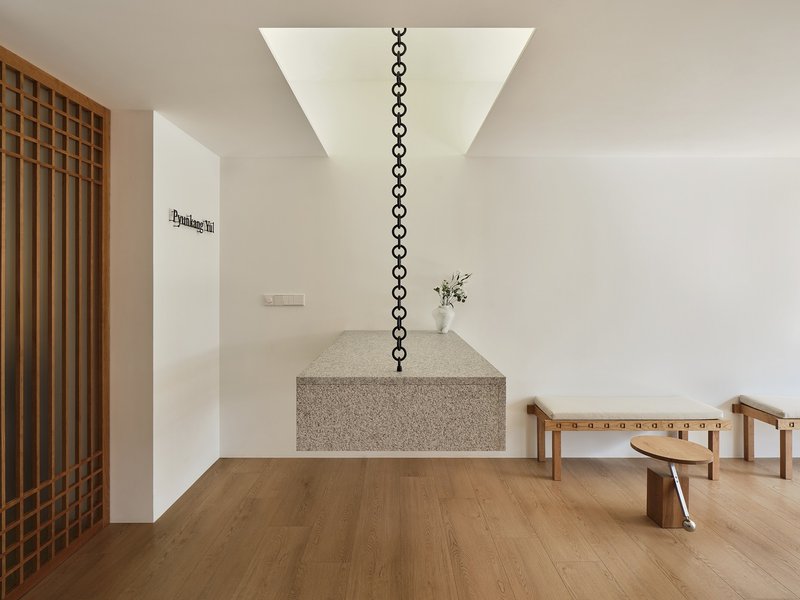
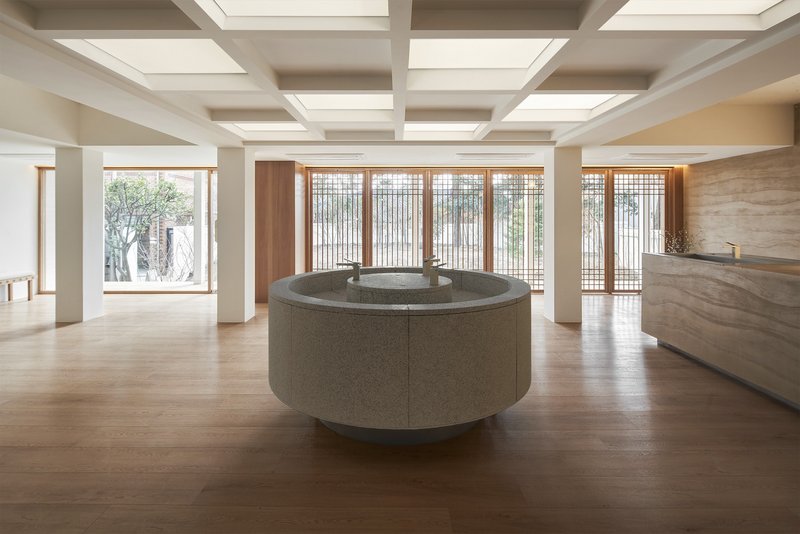
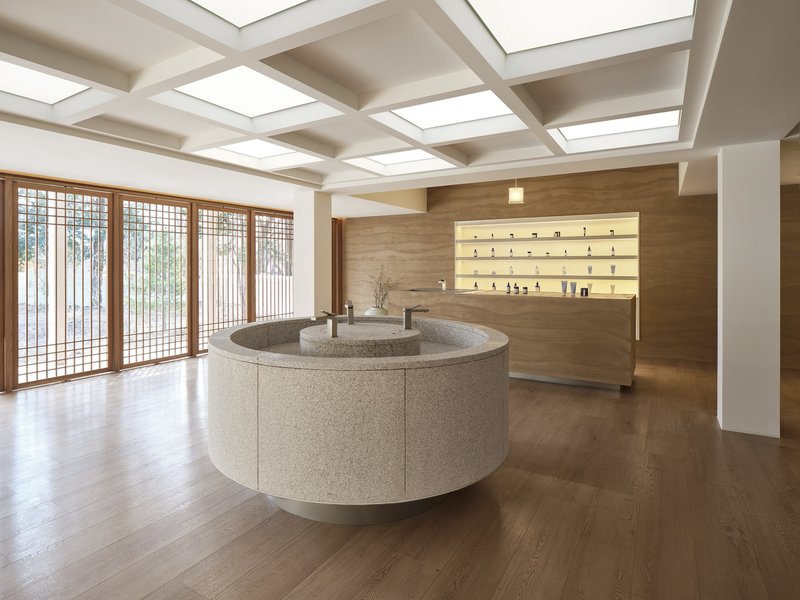
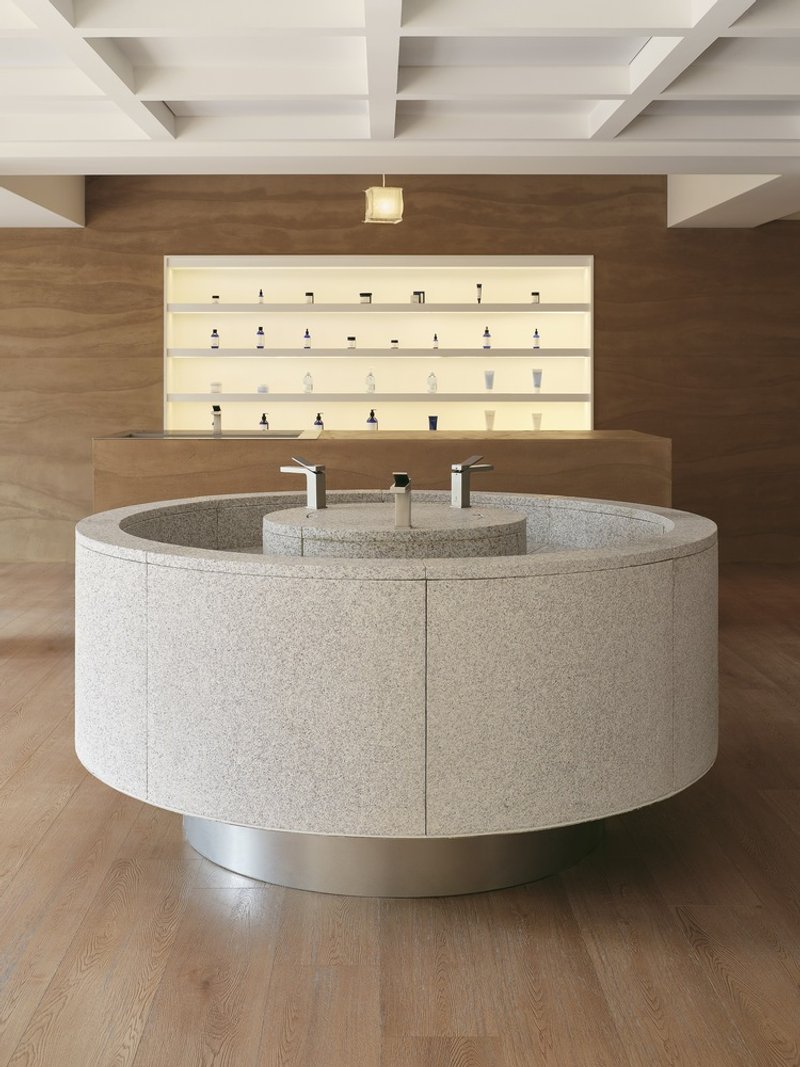
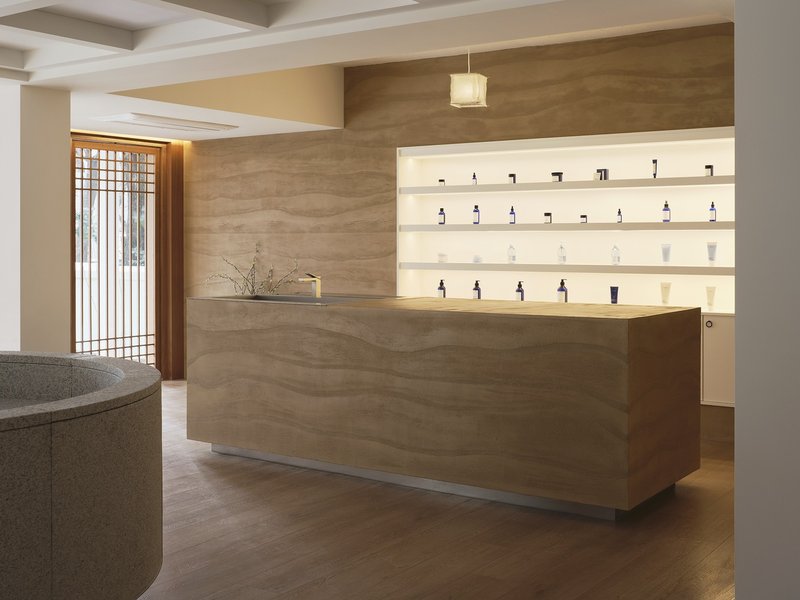
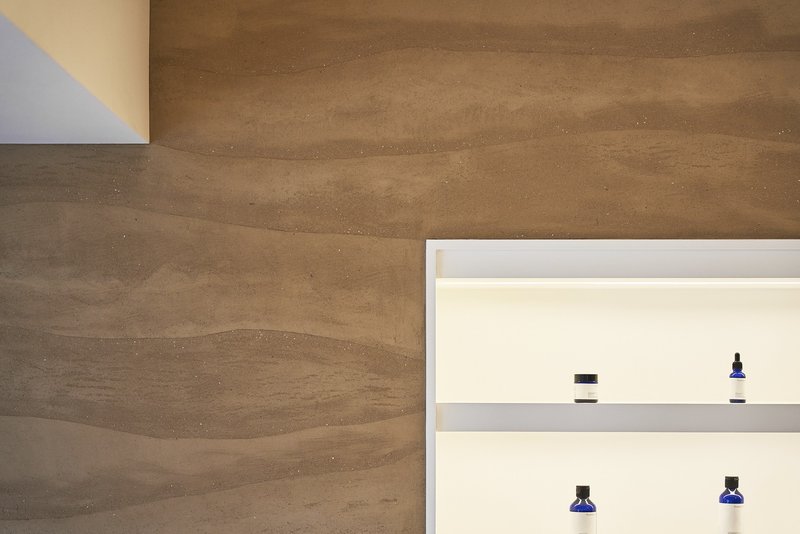
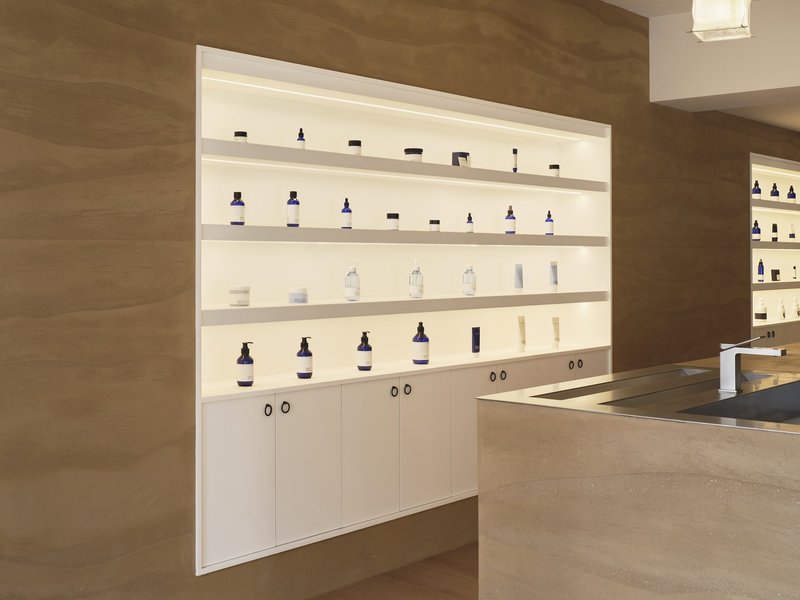
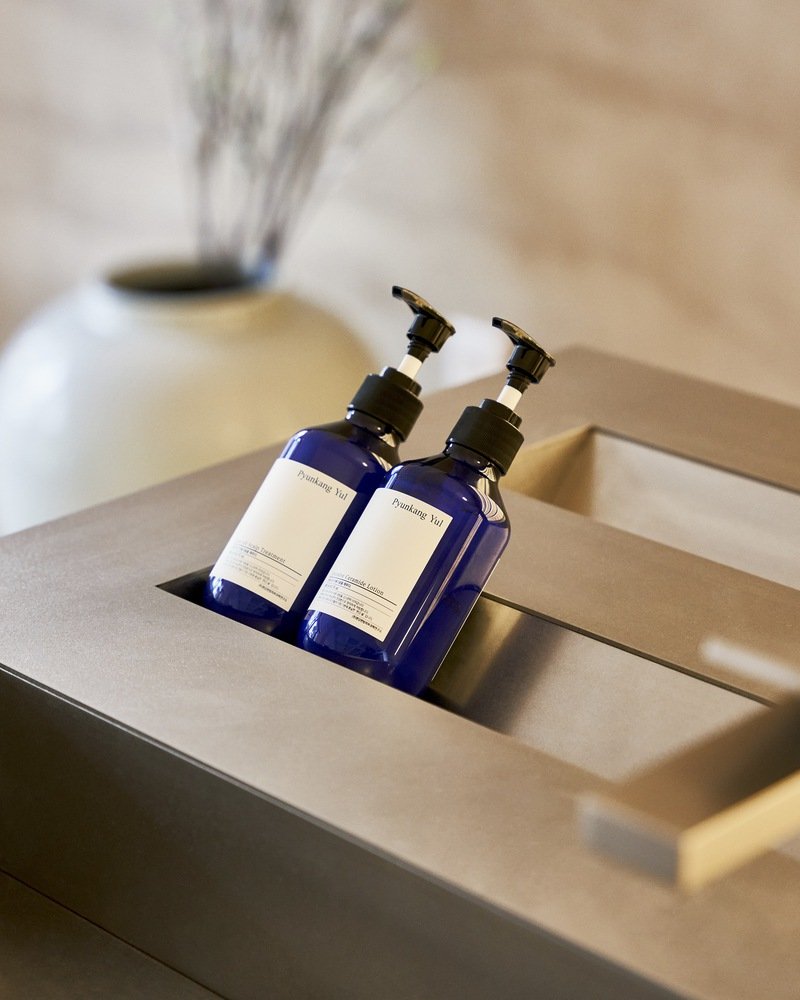
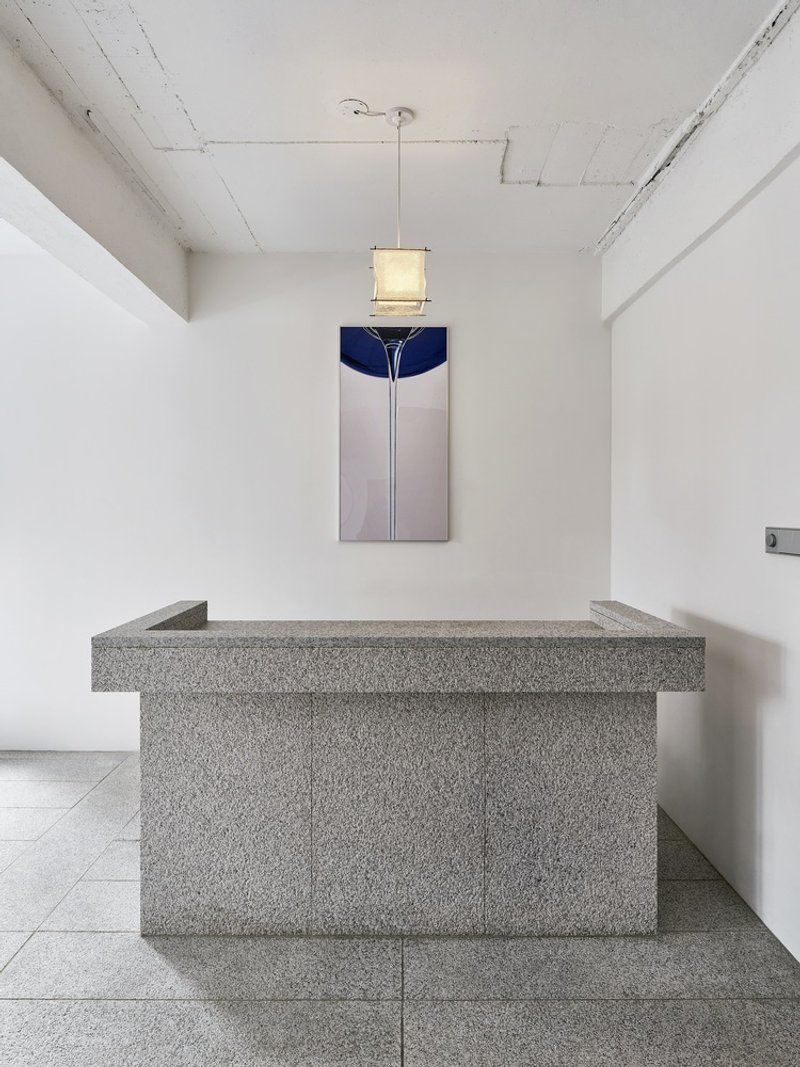
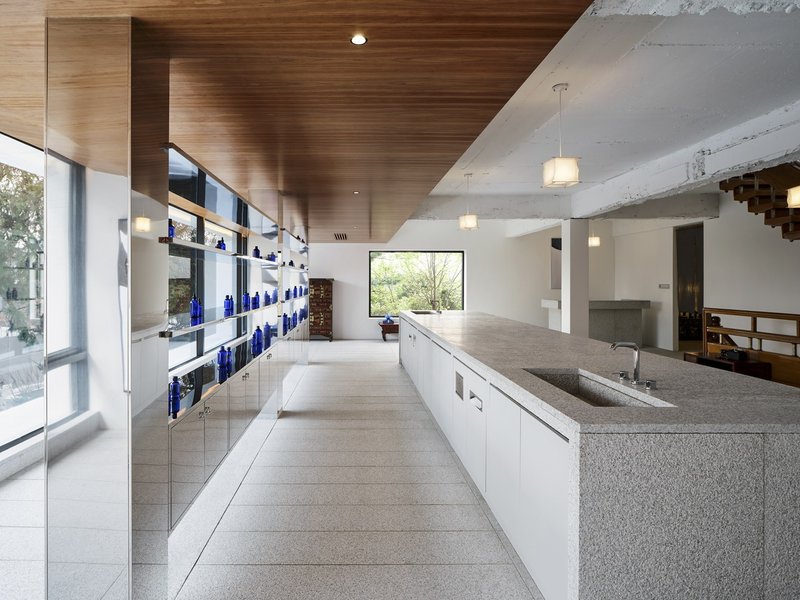
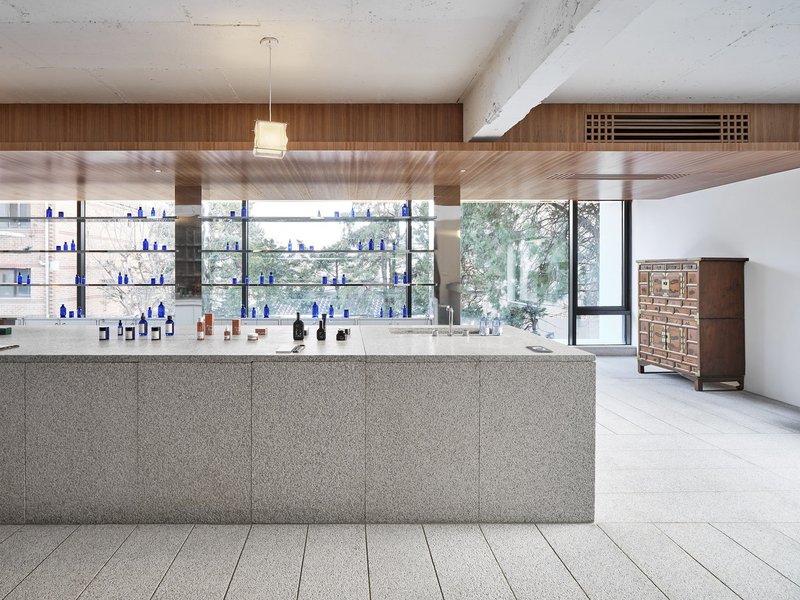
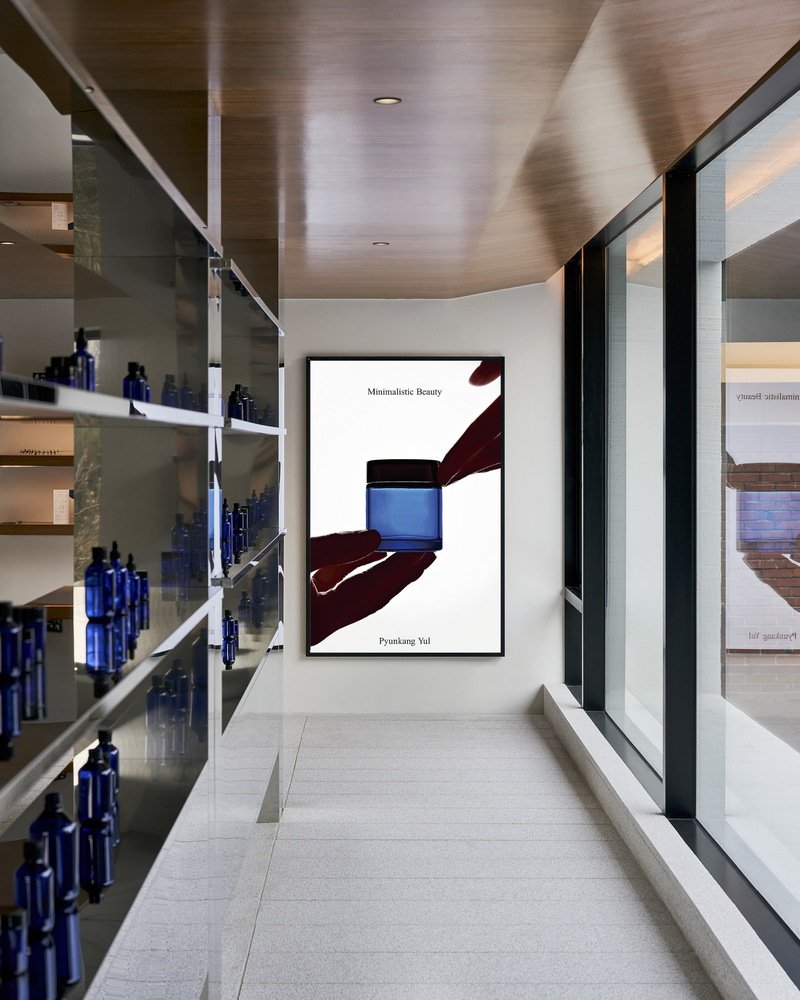
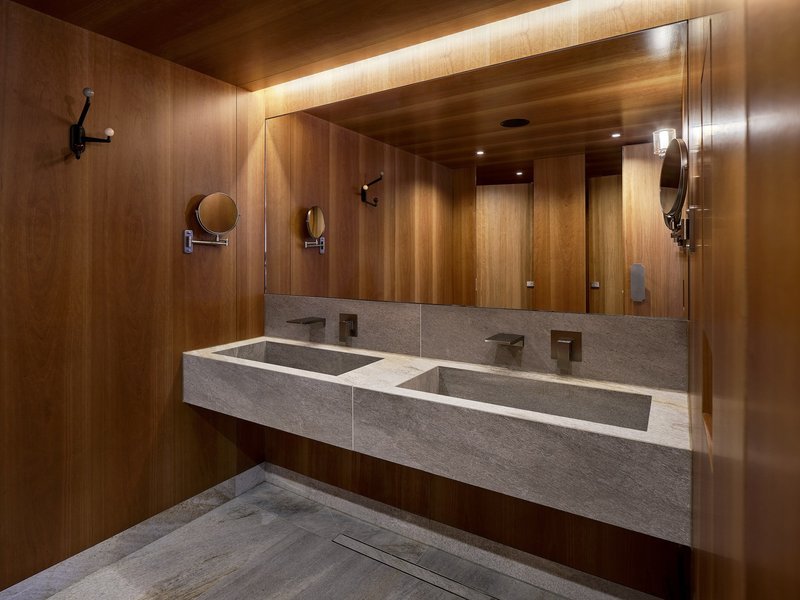
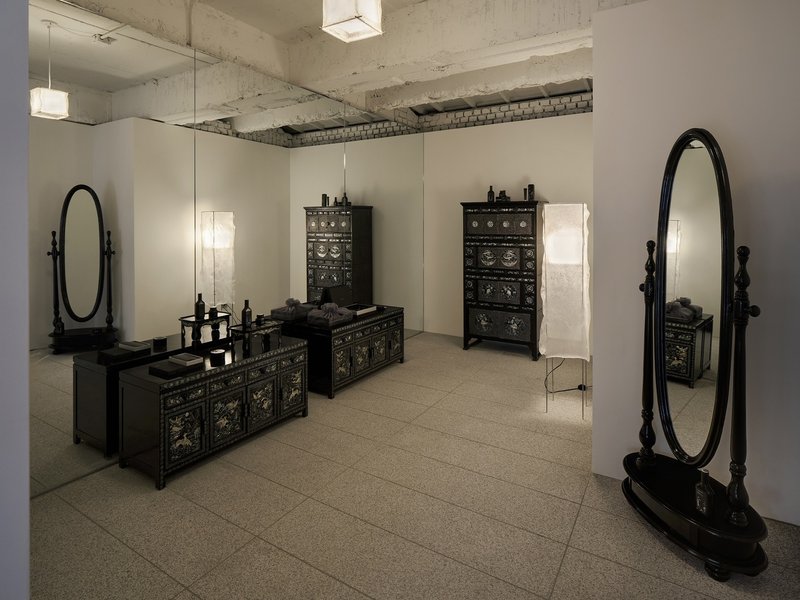
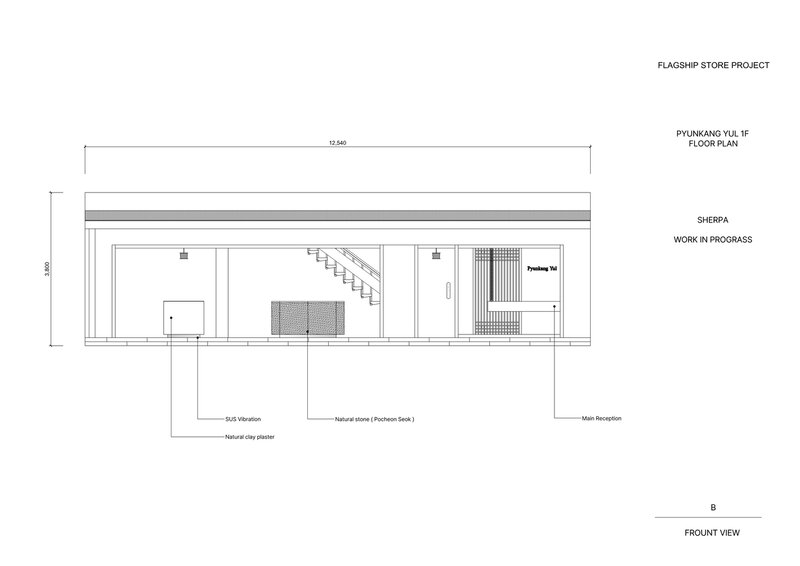
Inside, the flagship store is a masterclass in the use of natural materials such as Pocheon stone and mother-of-pearl, which are incorporated throughout the space to subtly convey the purity and essence of the brand’s skincare products. The main display area, illuminated by a well-shaped barisol light, creates a focal point that draws visitors deeper into the store.
Sustainable Practices and Local Craftsmanship
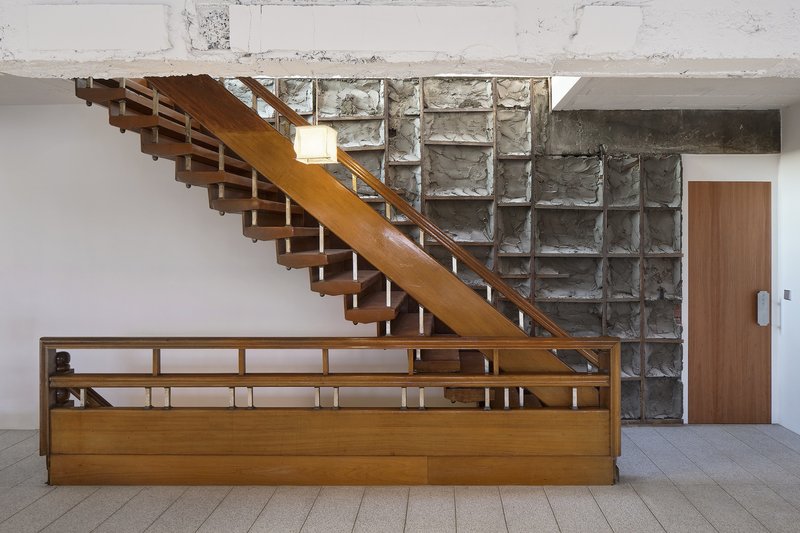
Sherpa’s approach to sustainability is evident in every aspect of the store’s design. From the reuse of construction materials to the employment of traditional craftsmanship, every detail underscores a commitment to environmental responsibility and cultural preservation. The interior walls, treated with natural clay mixed with mother-of-pearl, reflect the brand’s philosophy of "filling beauty with emptiness."
Cultural Integration and Customer Experience
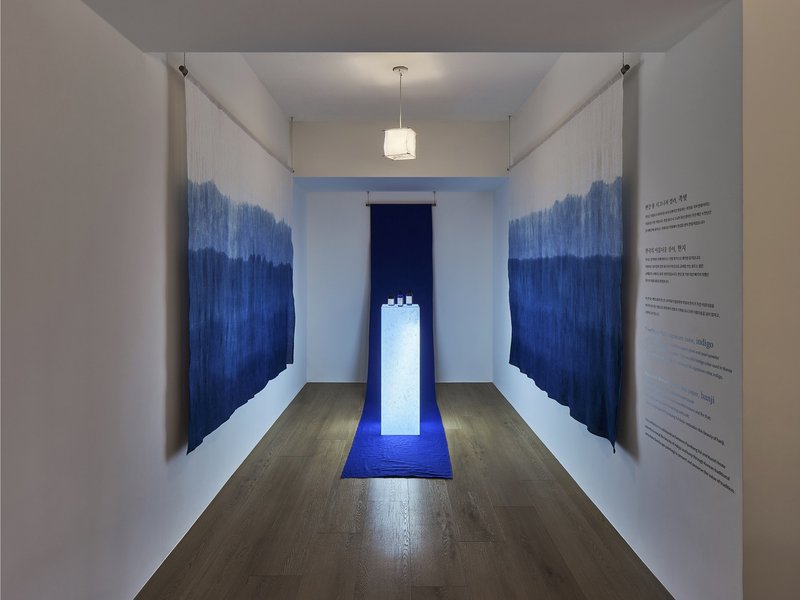
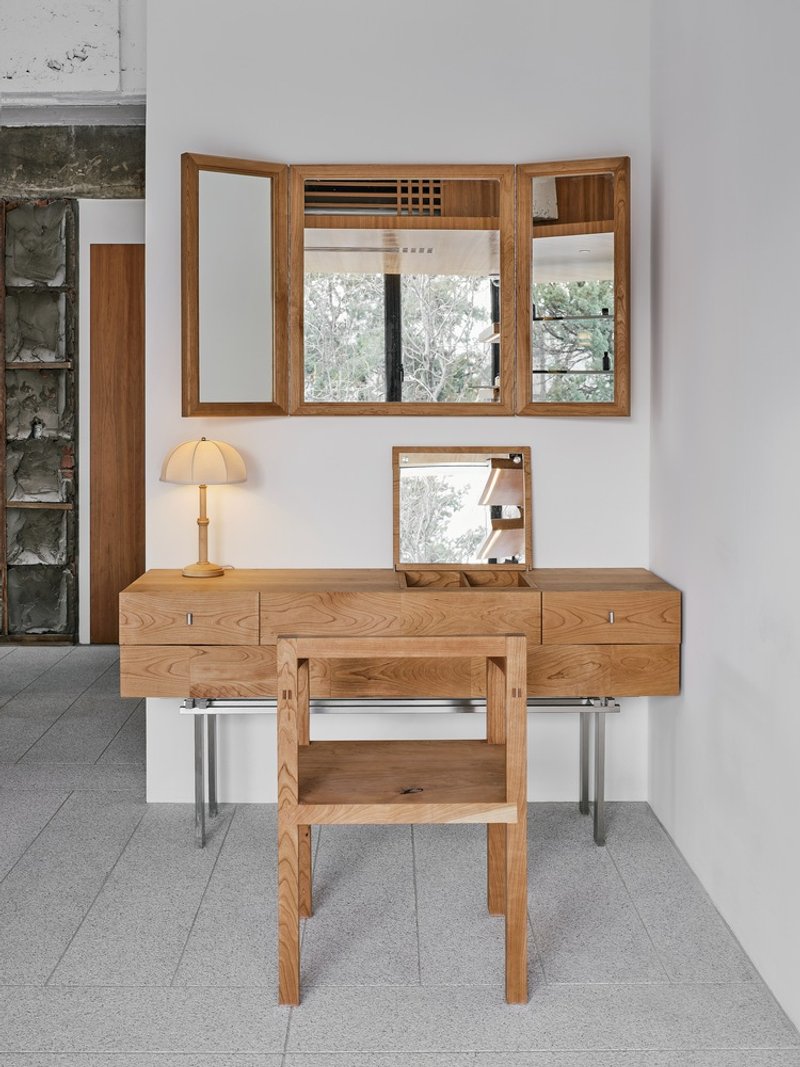
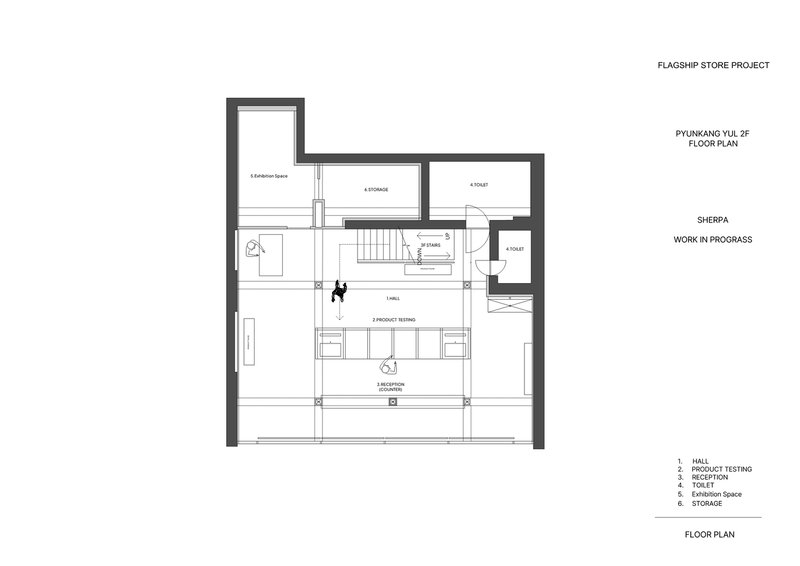
The second floor of the store is dedicated to experiencing Pyunkangyul’s heritage through interactive exhibitions of Korean-style fabrics and traditional royal furniture. This space not only serves as a retail area but also as a cultural hub where visitors can engage with the brand’s philosophy and its roots in herbal medicine.
A Modern Reflection of Korean Heritage
The Pyunkangyul Flagship Store is more than just a retail space; it is a destination where architecture and philosophy converge to create a profound brand experience. By blending modern design principles with elements of traditional Korean architecture, Sherpa has crafted a space that not only showcases Pyunkangyul’s products but also tells a story of cultural heritage and contemporary innovation.
All photographs are work of In and Out




Popular Articles
Popular articles from the community

Gads Hill Early Learning Center by JGMA: Adaptive Reuse Shaping Community-Focused Educational Architecture
Adaptive reuse transforms fragmented structure into vibrant early learning center with playful façade, natural light, and community-focused sustainable design.

Solar Steam: A Climate-Responsive Architecture That Redefines the Monument
A climate-responsive memorial architecture that transforms heat, decay, and time into a living system reflecting humanity’s ecological impact.


The Ken Roberts Memorial Delineation Competition (Krob)
As the most senior architectural drawing competition currently in operation anywhere in the world, it draws hundreds of entries each year, awarding the very best submissions in a series of medium-based categories.
Inverted Architecture Installation by Studio Link-Arc: Exploring the Intersection of Architecture and Living Organisms
Inverted Architecture Installation by Studio Link-Arc blends mycelium, sustainability, inverted design, ecological cycles, and urban adaptive architecture in Shenzhen.

Similar Reads
You might also enjoy these articles
The Ken Roberts Memorial Delineation Competition (Krob)
As the most senior architectural drawing competition currently in operation anywhere in the world, it draws hundreds of entries each year, awarding the very best submissions in a series of medium-based categories.


Waterfront Redevelopment and Urban Revitalization in Mumbai: Forging a New Dawn for Darukhana
A transformative waterfront redevelopment project reimagining Darukhana’s shipbreaking heritage into an inclusive urban future.

OUT-OF-MAP: A Call for Postcards on Feminist Narratives of Public Space
Rhizoma Design and Research Lab invites artists, designers, architects, researchers, and students to reflect on how feminist perspectives can reshape public space. Selected works will be exhibited in Barcelona, October 2026. Submissions open until 15 April 2026.


Documentation Work on Buddhist Wooden Temple
Architectural syncretism and cultural hybridity: A comparative study of the Buddhist temples in Chattogram Hill tracks


Explore Architecture Competitions
Discover active competitions in this discipline




The International Standard for Design Portfolios


The Global Benchmark for Architecture Dissertation Awards


The Global Benchmark for Graduation Excellence


Challenge to reimagine the Iron Throne
Comments (0)
Please login or sign up to add comments
No comments yet. Be the first to comment!