
Exploring the Pinnacle of Innovative University Architecture: Natrium University Building in Gothenburg
The article showcases the Natrium University Building in Gothenburg, a model of innovative university architecture promoting collaboration and campus unity.


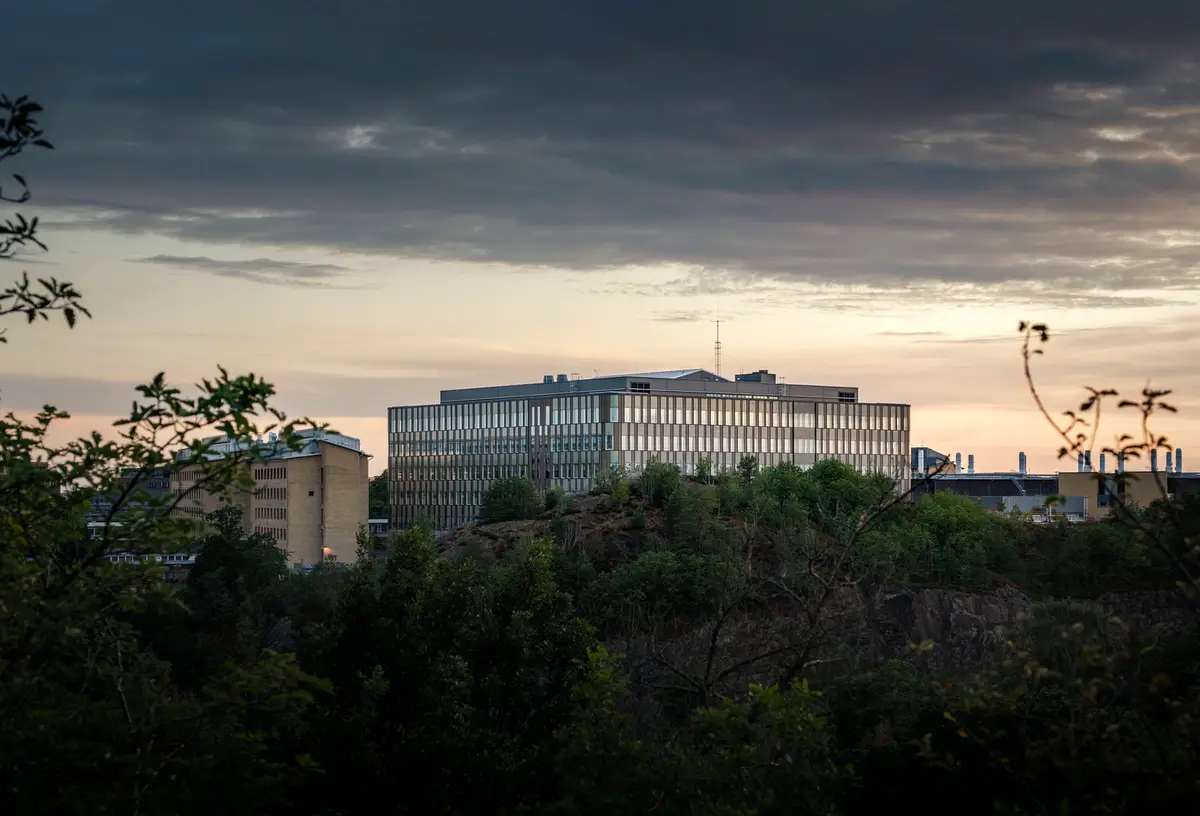
In the heart of Gothenburg, a new era of innovative university architecture has been ushered in with the completion of the Natrium University Building in August 2023. Designed by the renowned Kanozi Arkitekter, this 32,000 m² laboratory and research facility is a beacon of modern design, collaboration, and sustainability on the historic Medicinareberget campus.


A Nexus for Collaboration and Innovation
Strategic Design for Enhanced Interaction
The essence of innovative university architecture is epitomized in Natrium's core design philosophy. It seeks to foster interaction and promote collaboration among the Faculty of Science's departments. This strategic design approach ensures that the architecture not only serves its functional purpose but also acts as a catalyst for academic synergy and innovation.


Blending Tradition with Modernity
One of Natrium's remarkable features is its harmonious interaction with Medicinarelängan, a 1950s building designed by Klas Anshelm. This thoughtful integration exemplifies how innovative university architecture respects historical contexts while pushing the boundaries of modern design. The inclusion of a new lunch restaurant and the transformation of existing spaces strengthen the connection between past and present, creating a cohesive campus identity.

Architectural Marvels of Natrium
The Composition of Spaces
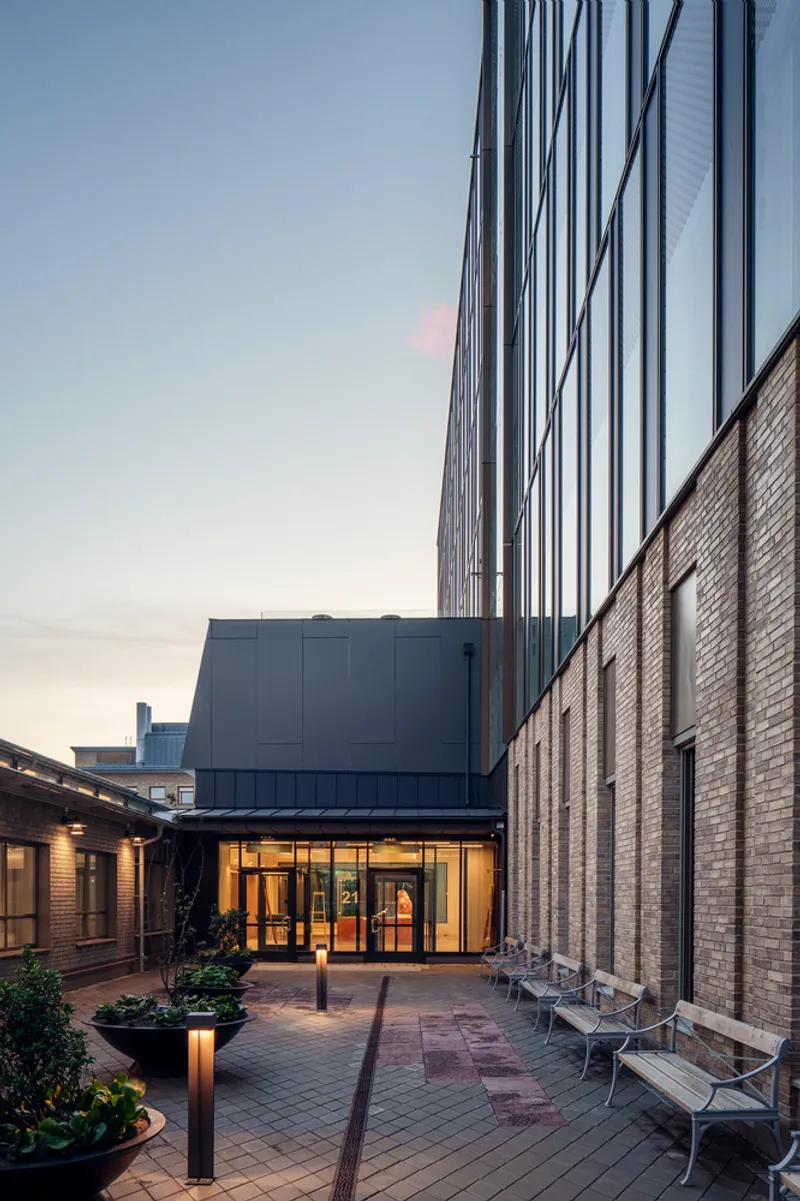
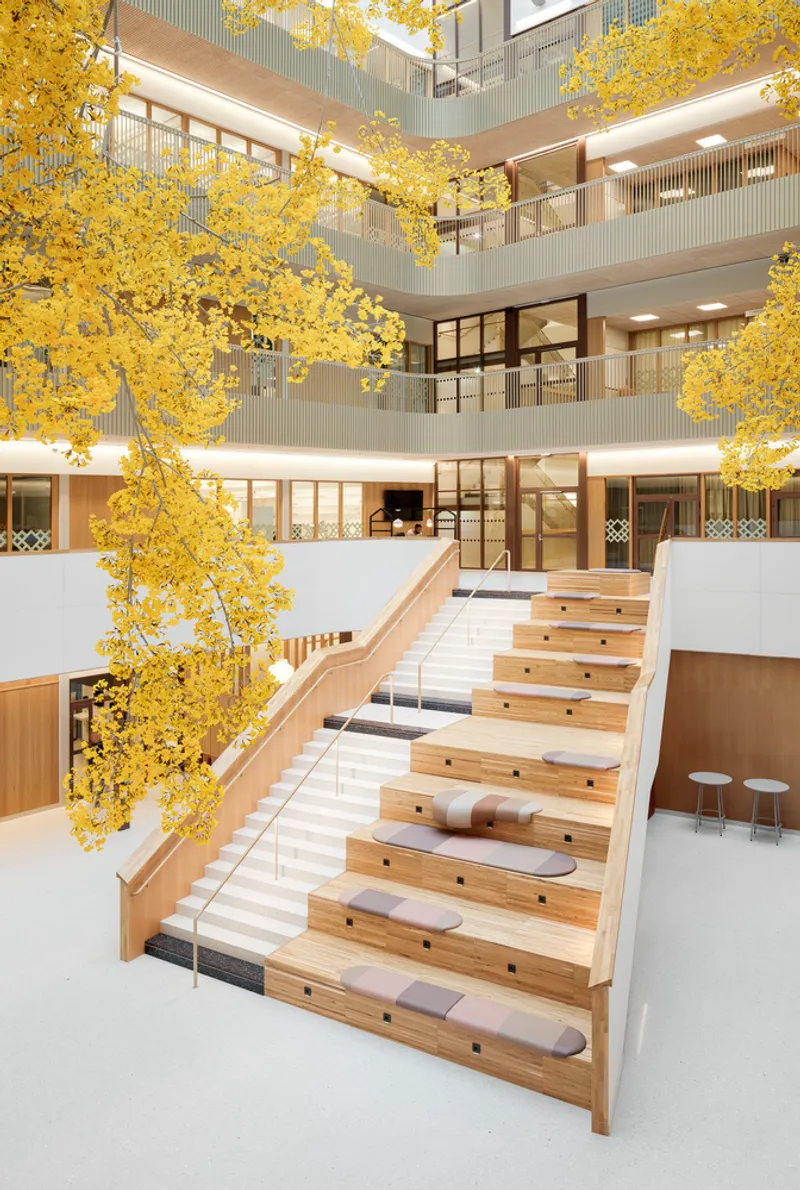
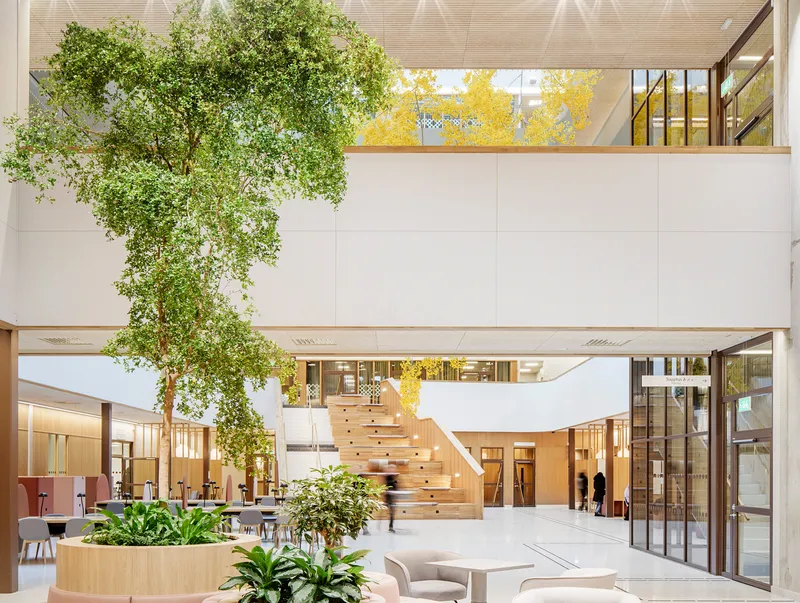
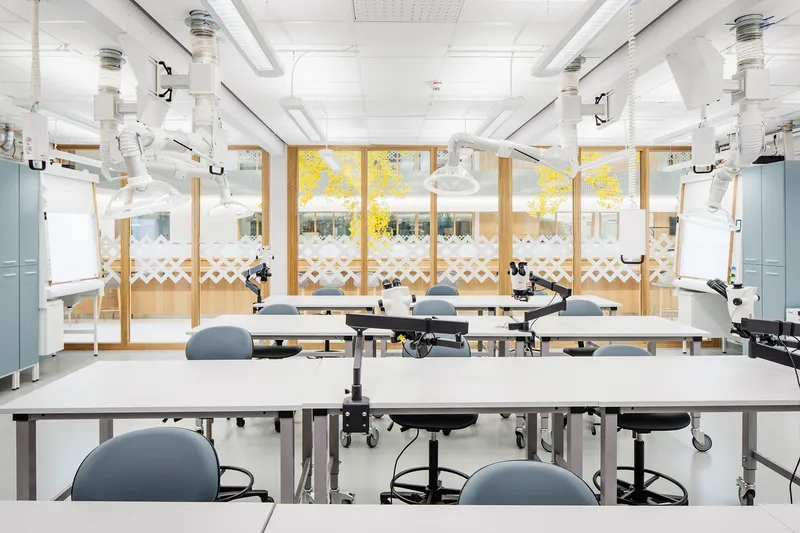
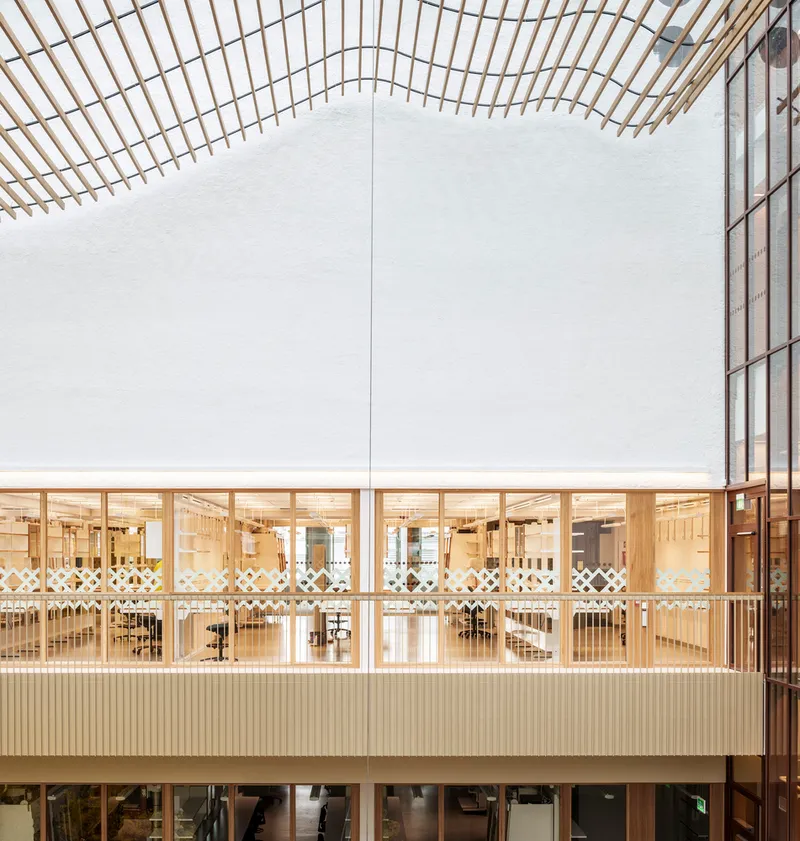
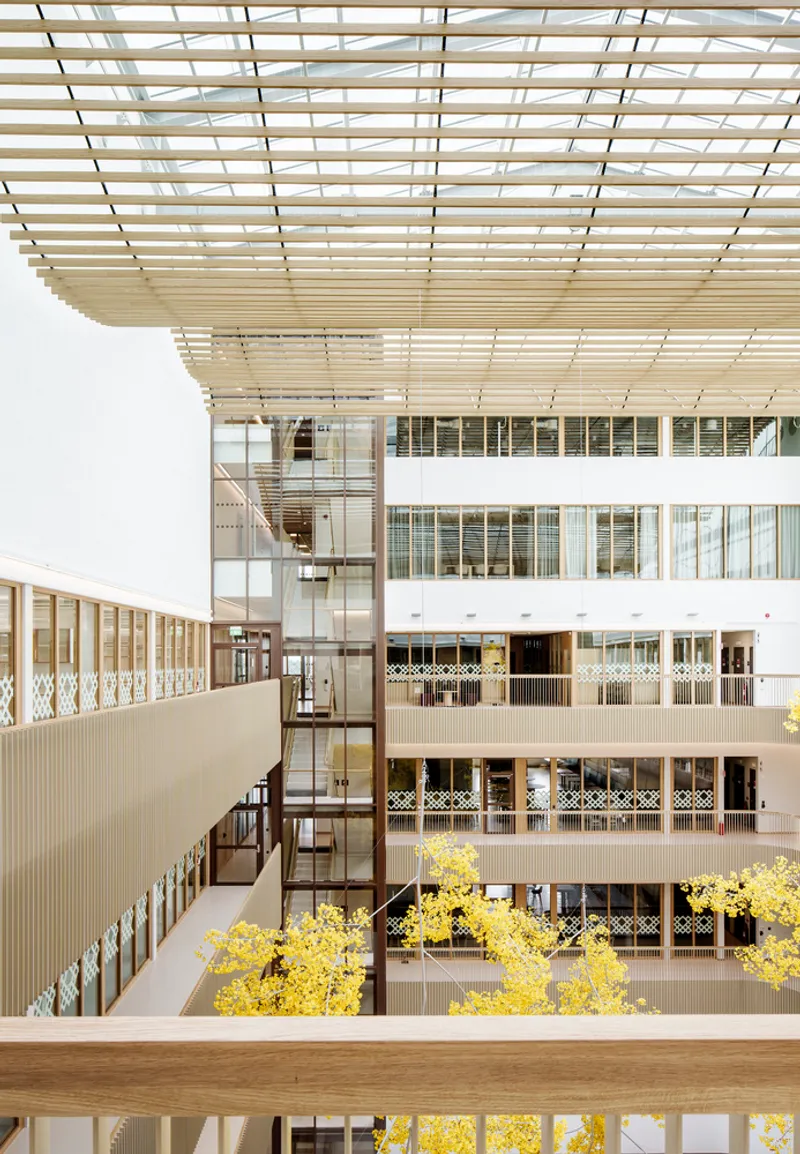
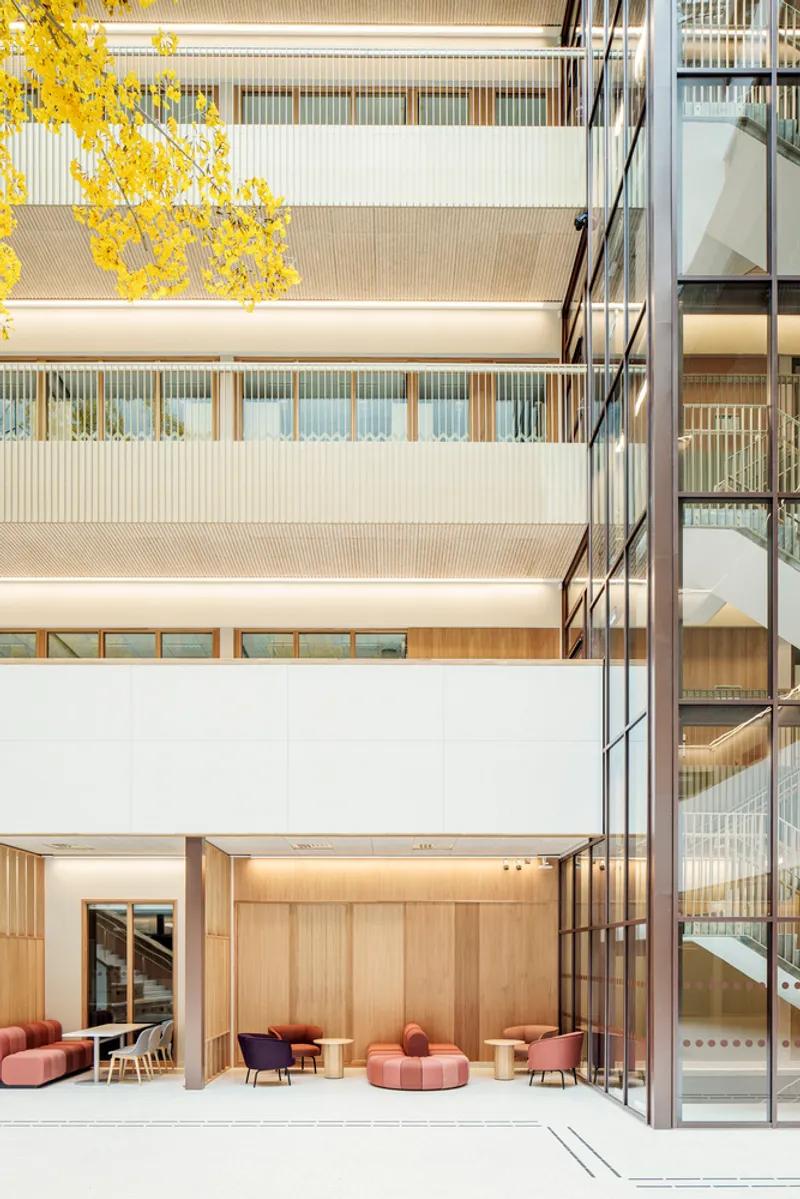
Comprising four interconnected buildings, Natrium introduces a bright, inviting atrium that serves as the social heart of the facility. This central hub is surrounded by labs, meeting rooms, and open spaces, all designed with transparency in mind. The use of glass walls not only facilitates orientation within the building but also promotes a sense of community and collaboration.


Aesthetic and Functional Facade
The facade of Natrium, a blend of brick, bronze-colored panels, and glass, draws inspiration from the surrounding buildings of Medicinareberget. This aesthetic choice ensures that the new structure complements its environment, reinforcing the principle of innovative university architecture that interacts positively with its surroundings.
Creating a Coherent Campus
The strategic location and design of Natrium mark the beginning of a densification project for the northeastern part of Medicinareberget. The goal is to create a unified campus where students, researchers, and staff from five of the Faculty of Science's seven departments can interact closely. This proximity is intended to facilitate both spontaneous and organized exchanges, further enhancing the academic and research environment.

A Benchmark in Innovative University Architecture
The Natrium University Building in Gothenburg, designed by Kanozi Arkitekter, stands as a testament to the power of innovative university architecture to shape the future of education and research. By fostering collaboration, respecting historical contexts, and creating functional yet aesthetically pleasing spaces, Natrium sets a new benchmark for academic buildings worldwide. It is not just a building; it is a vibrant ecosystem where the next generation of scientists and researchers will thrive.
This exploration of Natrium's design and its impact on the academic community underscores the transformative potential of innovative university architecture. It demonstrates how thoughtful design can create environments that not only meet current needs but also anticipate and adapt to future challenges, making Natrium a model for university campuses globally.
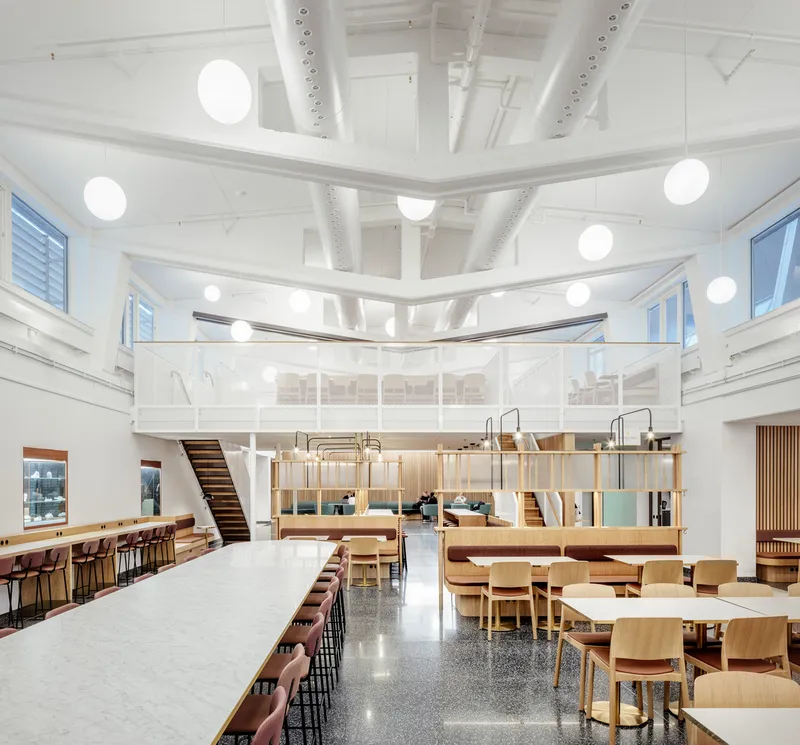

All the photographs are work of Felix Gerlach


Popular Articles
Popular articles from the community


Juan García Correa, John González and Claudia Rueda Sink a Circular Amphitheater into a Manizales Engineering Building
On the La Nubia campus in Manizales, Colombia, the S1 Building folds labs and offices into a hillside of ramped lawns that double as a campus route.

David Macias Steps a Doorless Stone and Plaster House Down a Tropical Colombian Hillside
In the humid hills of Colombia, Threshold House replaces the front door with an open void and terraces its 850 m² down the slope instead of fighting it.

LT2A and OPEN Architectes Thread a Brick and Glass High School Through a Wooded Belgian Campus
In Braine-l'Alleud, a 3,000 m² wing for Collège Cardinal Mercier pairs pale brick with a glazed colonnade, deferring to a small chapel and a dense wood.

Architekt Andreas Gruber Scatters 23 Dark Timber Chalets Across a South Tyrolean Forest Edge
In Molini di Tures, Amonti Chalets breaks a resort into a hamlet of gabled timber houses, with parking, storage and services pushed into the slope.

Similar Reads
You might also enjoy these articles

Maya Harvest: A Cacao Resort Village Rooted in Mayan Tradition and Local Craft
Situated within a Tabasco cacao plantation, this shortlisted resort proposal merges vernacular materials with hands-on cultural immersion.
Harmonia: A River-Shaped Community That Grows Over Decades in Boa Vista
Curved pathways and modular grid structures along the Branco River create a phased settlement designed to evolve from 2030 to 2050.

The Architecture of Bathing: A Mughal Hammam Reimagined Across the Yamuna
Charlotte May's honorable mention entry for The Black Taj reinterprets Agra's bathing rituals through red sandstone, water, and framed views of the Taj Mah
Om-1: A Wall-Hung System That Moves Your Workspace Off the Desk
Modular plywood boards, magnetic pegs, and utility elements migrate clutter from the horizontal surface to the vertical plane.

Explore Educational Building Competitions
Discover active competitions in this discipline

Challenge to design public laboratory

Challenge to reimagine the Iron Throne

Photograph architecture without architects

Illustrate the lost glory of Angkor Wat - Render Challenge
Comments (0)
Please login or sign up to add comments
No comments yet. Be the first to comment!