
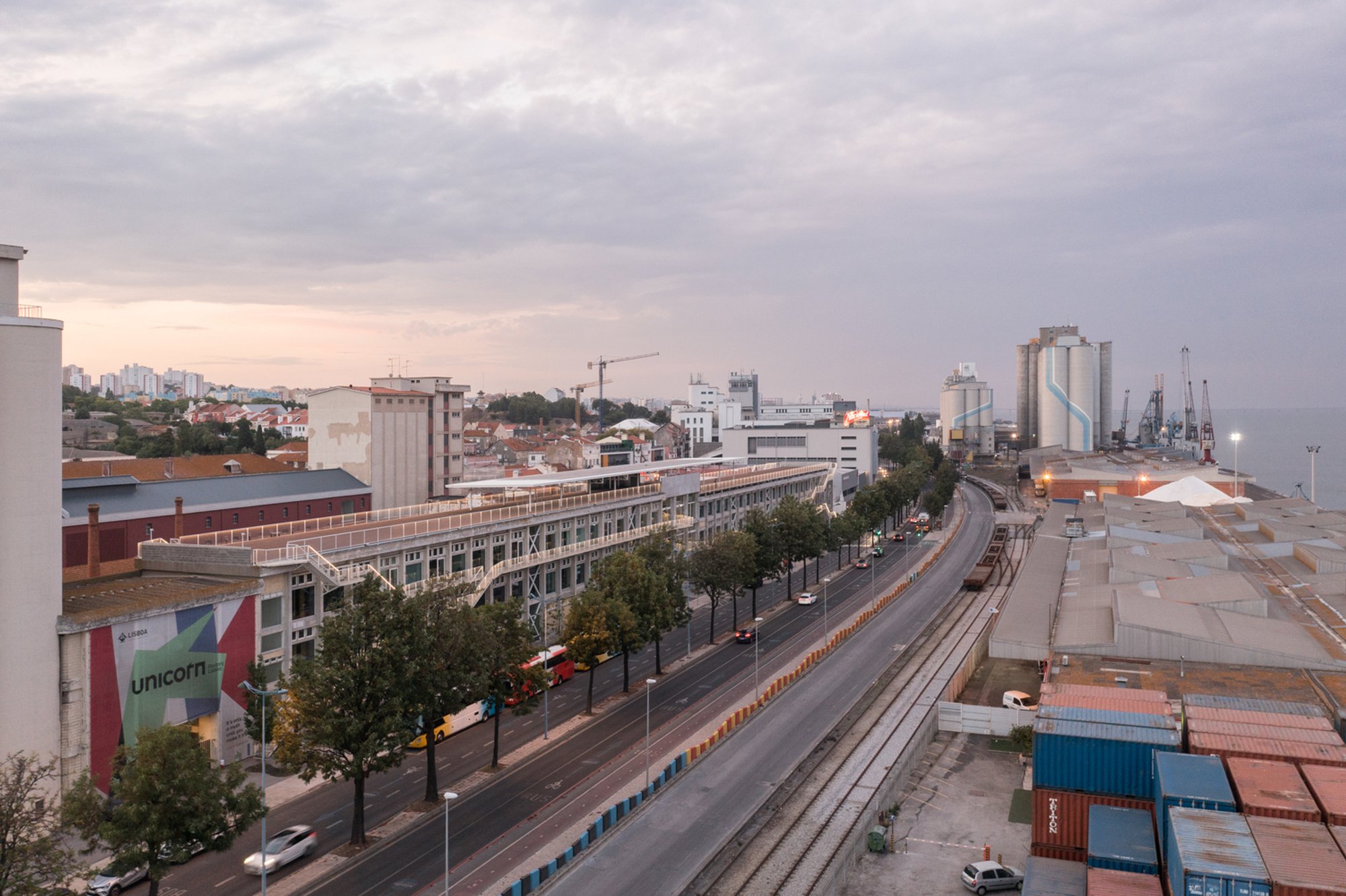
Factory Lisbon by Julian Breinersdorfer Architekten + José Baganha + Angela Maurice
Factory Lisbon transforms a 1973 military factory into a vibrant innovation hub, blending heritage architecture with modern, adaptive reuse design.

An Adaptive Reuse Masterpiece in Lisbon's Innovation District
Factory Lisbon is a striking example of adaptive reuse, led by Julian Breinersdorfer Architekten, José Baganha, and Angela Maurice, in collaboration with Factory’s founder Simon Schaefer. This transformative project reimagines a 1973 military noodle and cookie factory located on the Lisbon harbor front, now at the heart of the emerging Hub Criativo do Beato innovation district.
From Military Past to Creative Future
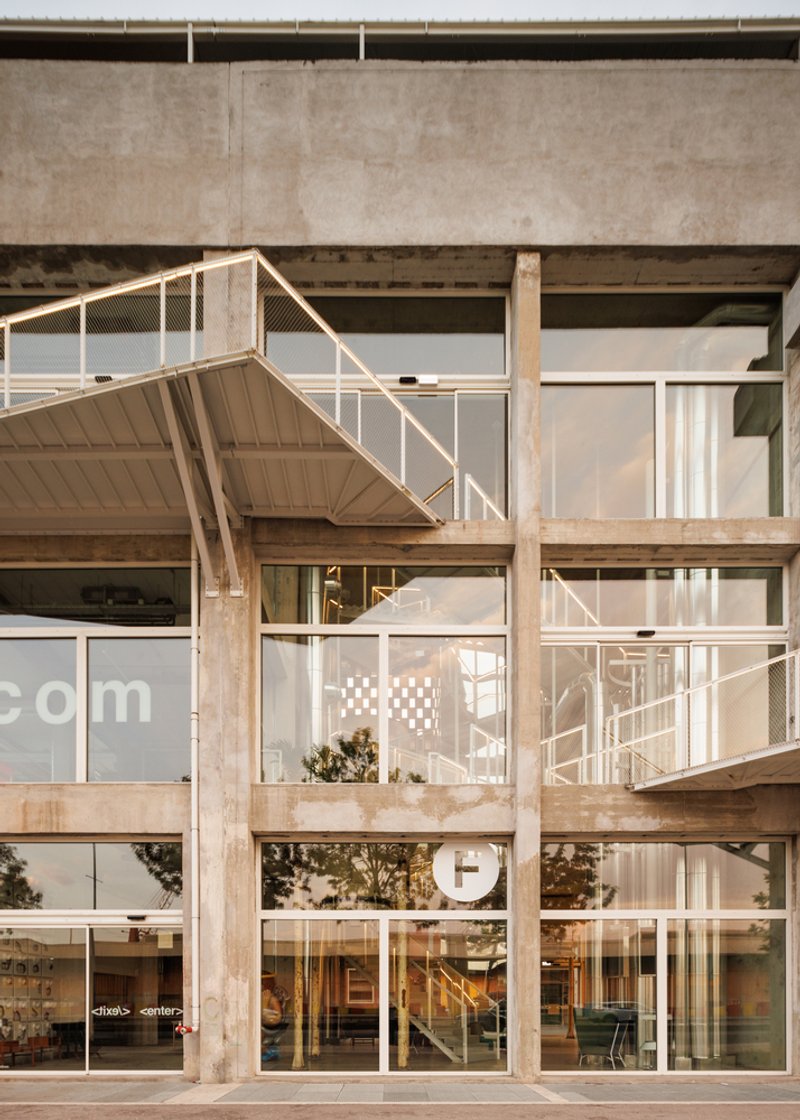
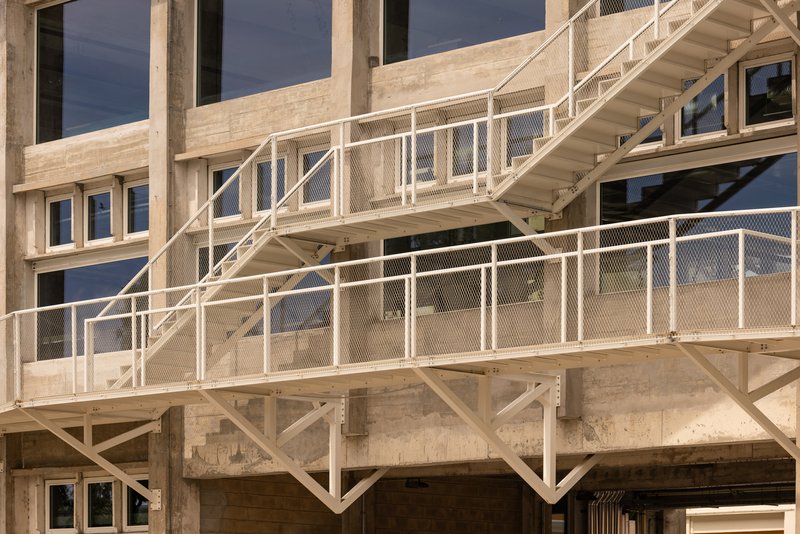
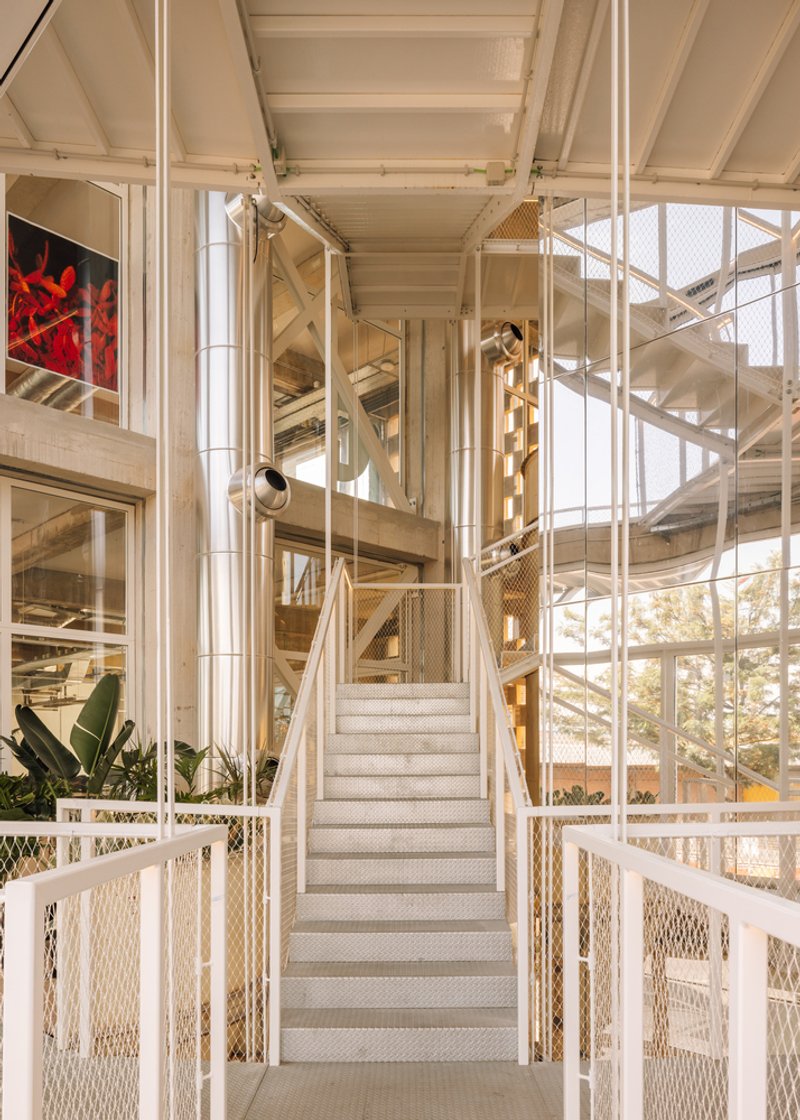
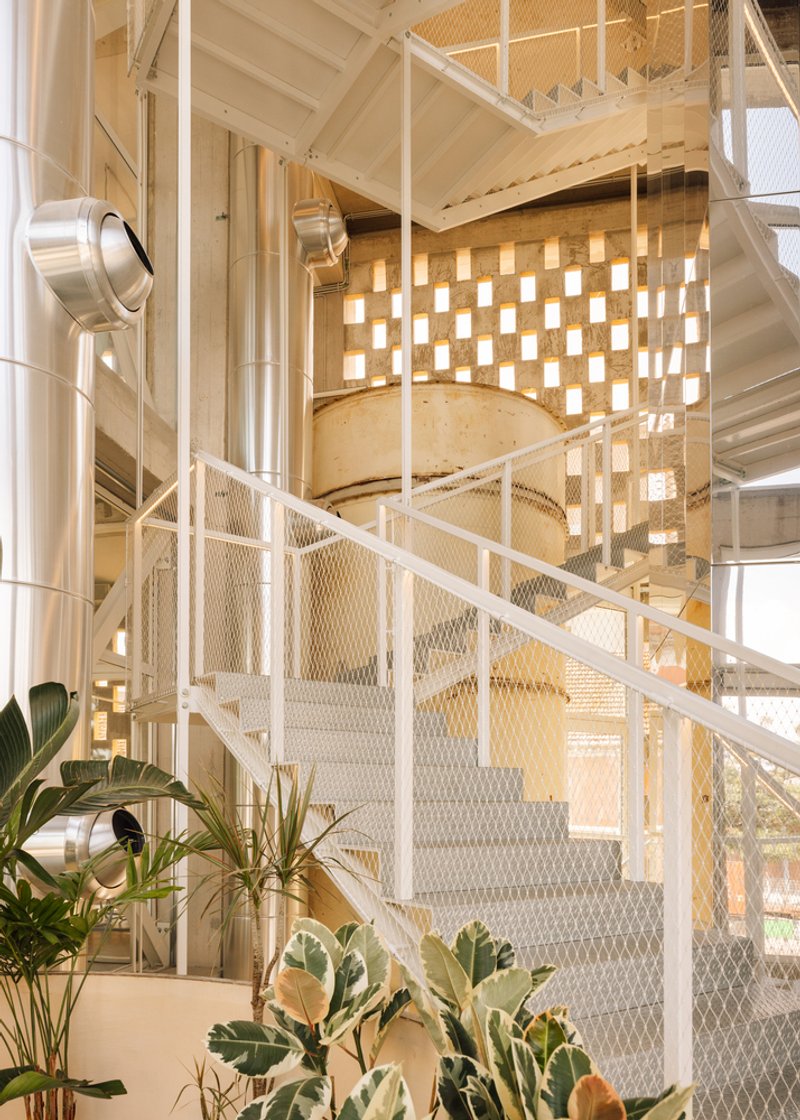
Originally built to house industrial food machinery, the 200-meter-long and 11-meter-wide structure presented both a spatial challenge and an opportunity. Rather than disrupting the building's slender volume with multiple concrete cores for circulation, the architects devised an ingenious strategy: externalizing all vertical movement. Lightweight steel walkways and single-flight stairs were added along the facades, delicately weaving around historic silos and a newly inserted mirror-clad elevator shaft. These interventions minimize structural impact while enhancing architectural expression.
Interweaving History with Contemporary Design
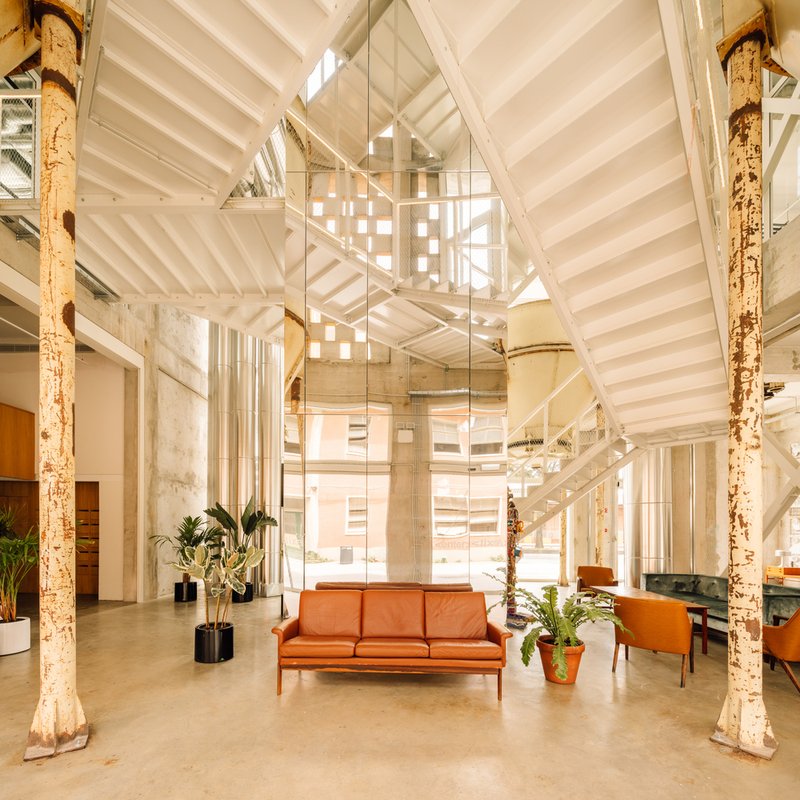
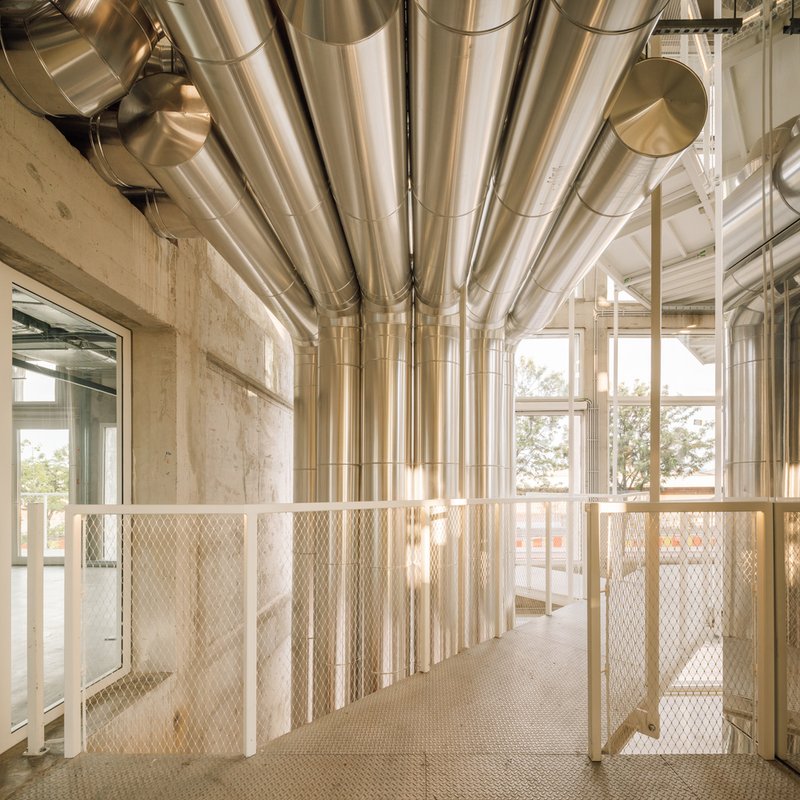
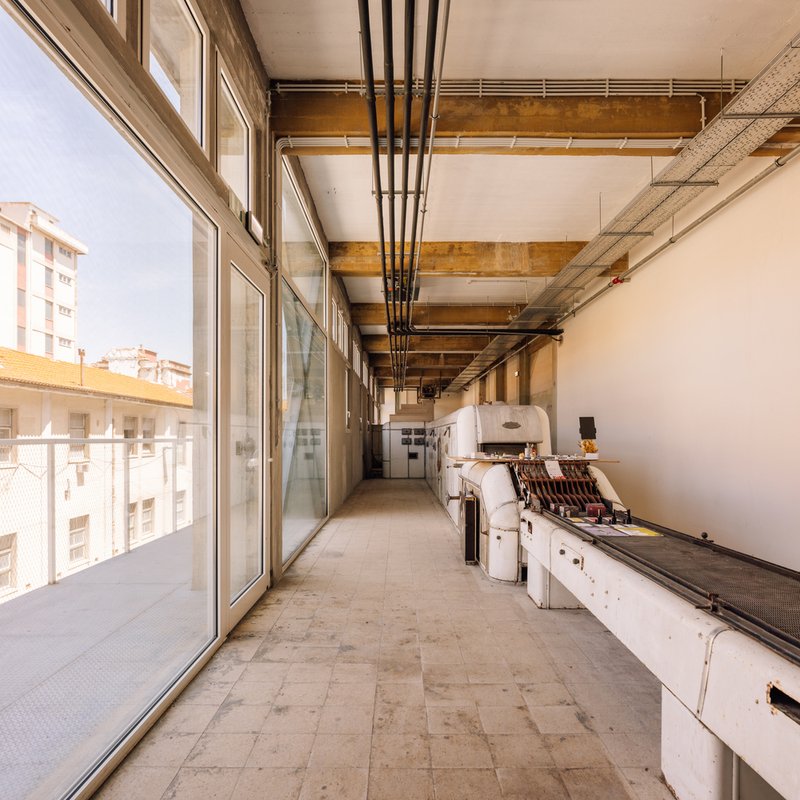
The project embraces its industrial heritage through a design approach that preserves as much of the original materiality as possible—retaining yellow perforated bricks, damaged marble staircases, and even two original cookie machines. These are set in contrast with contemporary elements like steel cross bracing, glass partitions, wooden interiors, and visible technical systems. The infrastructure is celebrated rather than concealed, echoing the ethos of transparent transformation.
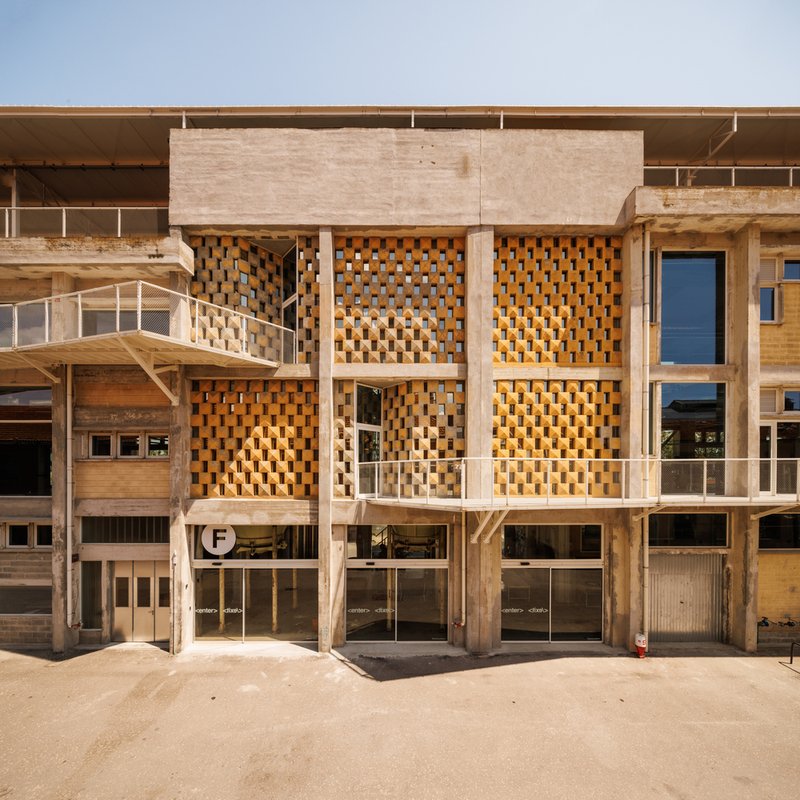
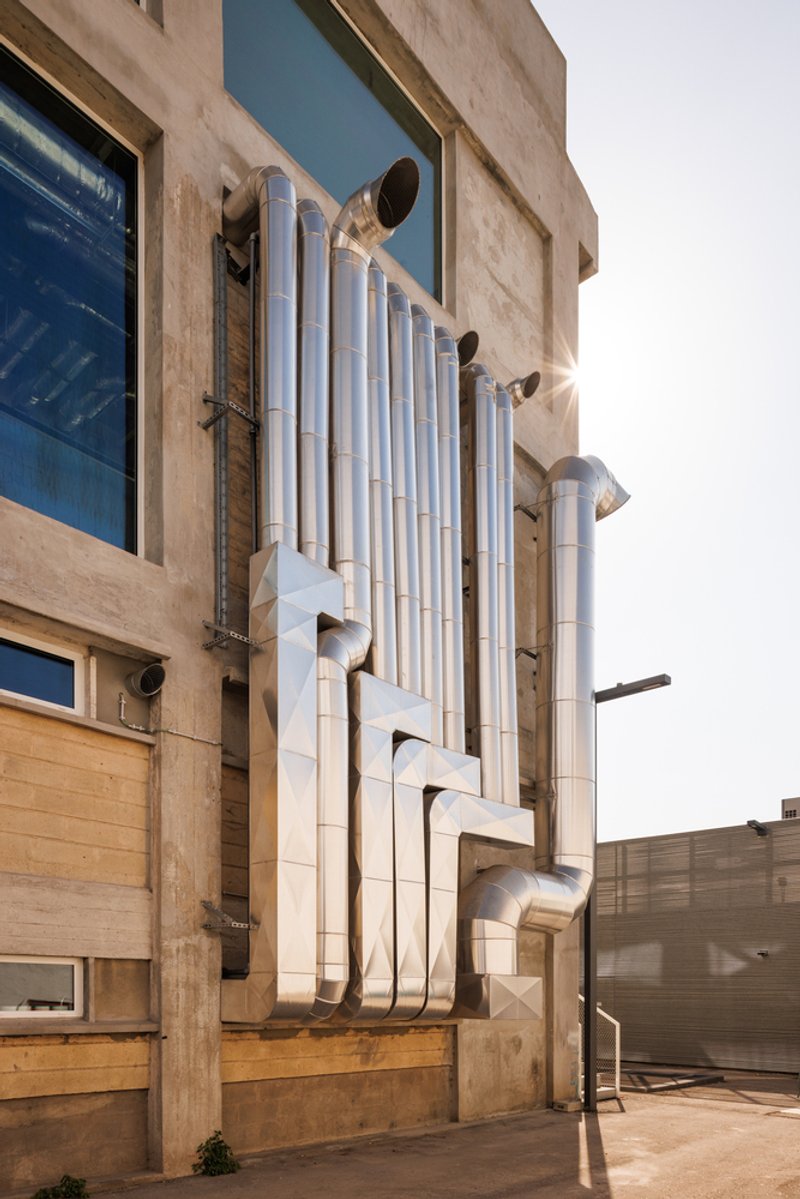
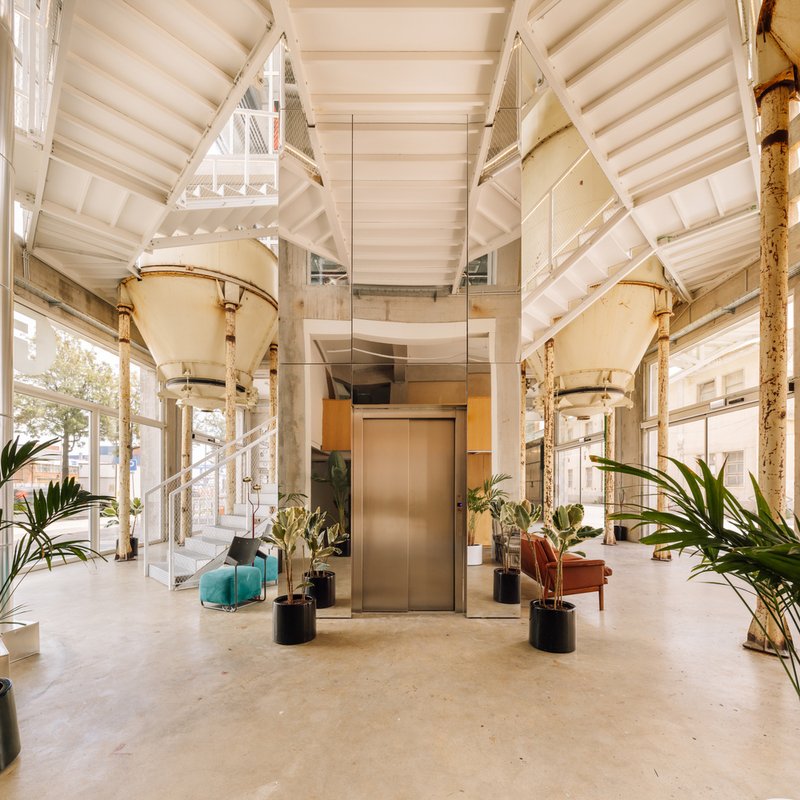
A Multifunctional Urban Platform
Spanning 12,400 square meters, Factory Lisbon now accommodates a diverse range of uses:
- Flexible office spaces for startups and large companies
- Event halls for cultural and professional programming
- A 2,000 m² public rooftop terrace
- Local restaurants integrated into the experience
This programmatic mix reflects a dedication to community engagement. The venue hosts both commercial and nonprofit events spanning technology, food culture, gender, skateboarding, fashion, art, and architecture, ensuring accessibility for both local residents and international visitors.
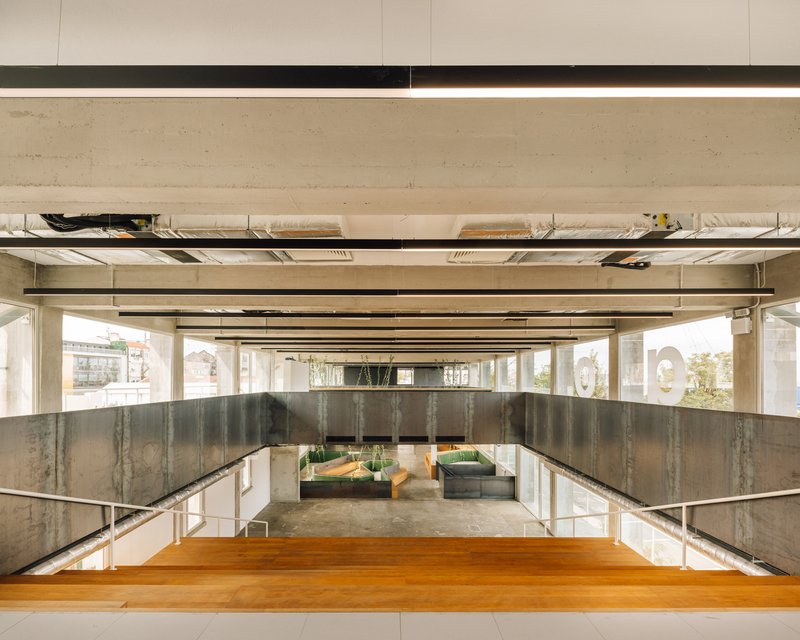
Sustainability, Structure & Softness
The architects utilized white steel insertions as a recurring visual and structural motif. These interventions—ranging from earthquake-resistant cross braces to mezzanine expansions—are subtle yet precise, enhancing usability while respecting the historic shell. At the same time, greenery and timber elements introduce a non-industrial softness without disrupting the 1970s palette, helping the space resonate with Lisbon's Atlantic light.
Collaborative Design with a Vision
Factory Lisbon is the result of an interdisciplinary and collaborative process, where bold architectural gestures are harmonized with contextual sensitivity. It stands as a model for urban regeneration, combining heritage conservation, contemporary design, and social inclusivity.
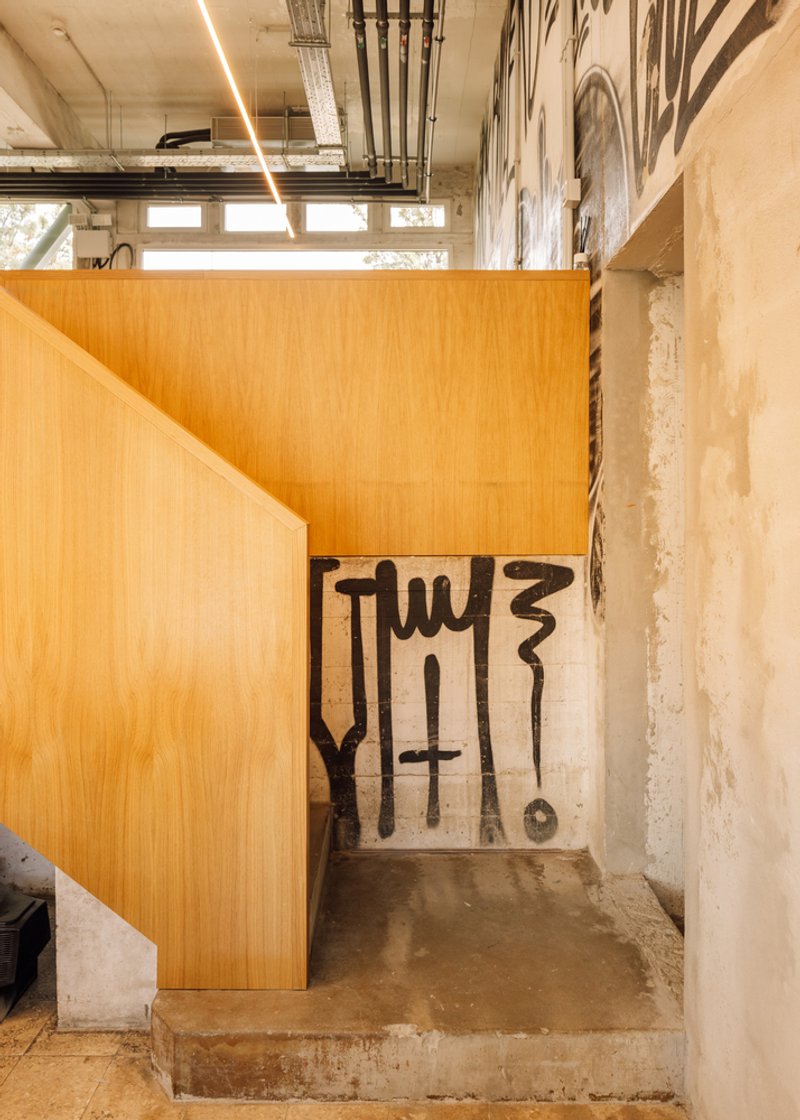
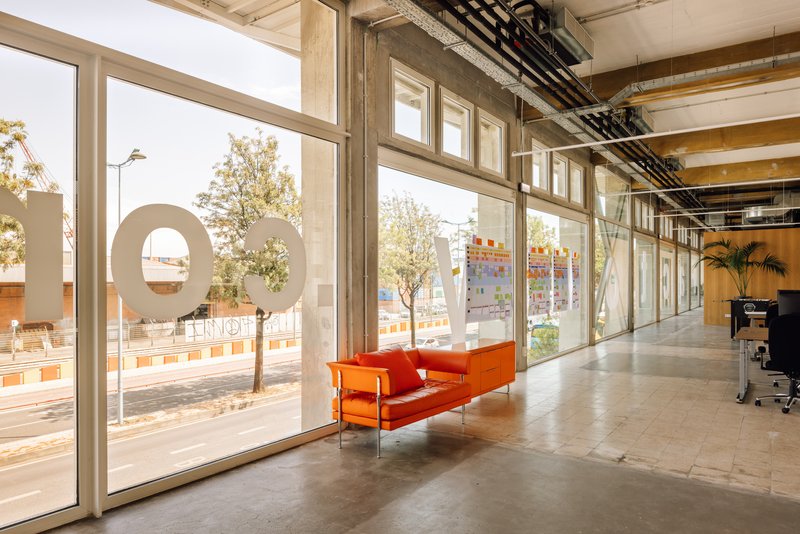
All Photographs are works of Francisco Nogueira, Guillaume Bonn, Julian Breinersdorfer




Popular Articles
Popular articles from the community


The Ken Roberts Memorial Delineation Competition (Krob)
As the most senior architectural drawing competition currently in operation anywhere in the world, it draws hundreds of entries each year, awarding the very best submissions in a series of medium-based categories.

Free Architecture Competitions You Can Enter Right Now
No entry fees, real prizes. Here are the best free architecture competitions open for submissions in 2026.

Inverted Architecture Installation by Studio Link-Arc: Exploring the Intersection of Architecture and Living Organisms
Inverted Architecture Installation by Studio Link-Arc blends mycelium, sustainability, inverted design, ecological cycles, and urban adaptive architecture in Shenzhen.
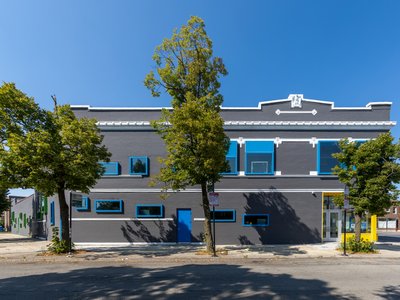
Gads Hill Early Learning Center by JGMA: Adaptive Reuse Shaping Community-Focused Educational Architecture
Adaptive reuse transforms fragmented structure into vibrant early learning center with playful façade, natural light, and community-focused sustainable design.

Similar Reads
You might also enjoy these articles
The Ken Roberts Memorial Delineation Competition (Krob)
As the most senior architectural drawing competition currently in operation anywhere in the world, it draws hundreds of entries each year, awarding the very best submissions in a series of medium-based categories.

Waterfront Redevelopment and Urban Revitalization in Mumbai: Forging a New Dawn for Darukhana
A transformative waterfront redevelopment project reimagining Darukhana’s shipbreaking heritage into an inclusive urban future.

OUT-OF-MAP: A Call for Postcards on Feminist Narratives of Public Space
Rhizoma Design and Research Lab invites artists, designers, architects, researchers, and students to reflect on how feminist perspectives can reshape public space. Selected works will be exhibited in Barcelona, October 2026. Submissions open until 15 April 2026.


Documentation Work on Buddhist Wooden Temple
Architectural syncretism and cultural hybridity: A comparative study of the Buddhist temples in Chattogram Hill tracks
Explore Architecture Competitions
Discover active competitions in this discipline




The International Standard for Design Portfolios


The Global Benchmark for Architecture Dissertation Awards


The Global Benchmark for Graduation Excellence


Challenge to reimagine the Iron Throne
Comments (0)
Please login or sign up to add comments
No comments yet. Be the first to comment!