
Falguera Padel Club: Padel Court Architecture in a Historic Guanajuato Estate
Adaptive padel court architecture transforms a historic Guanajuato estate's rocky ravine into public sport, landscape connection, and social bar destination.


Introduction to Padel Court Architecture in Guanajuato
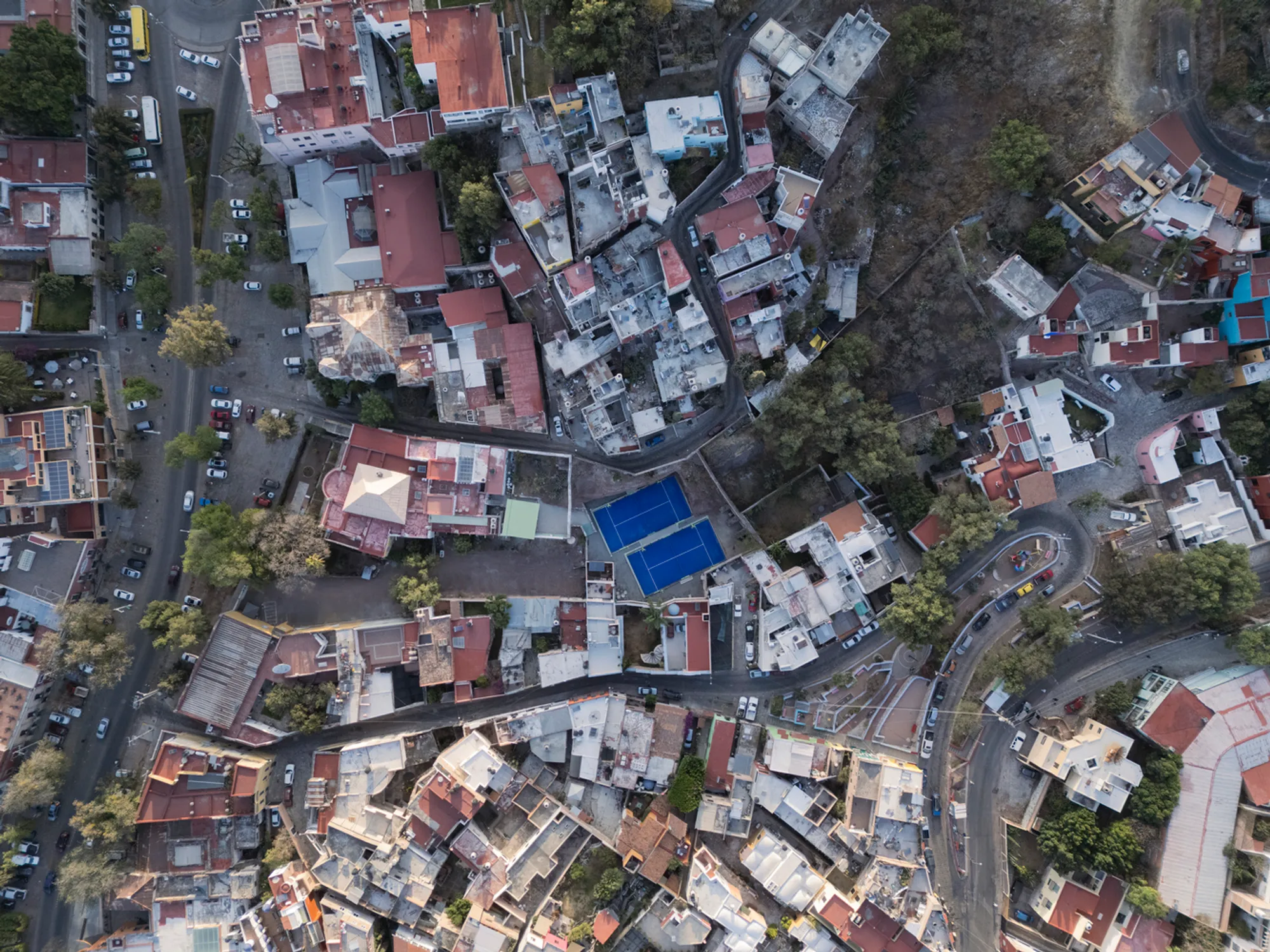
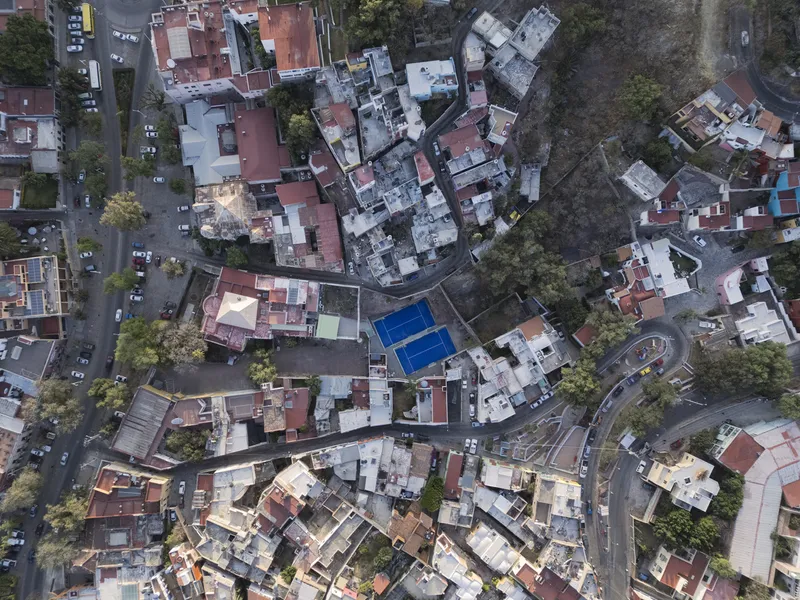
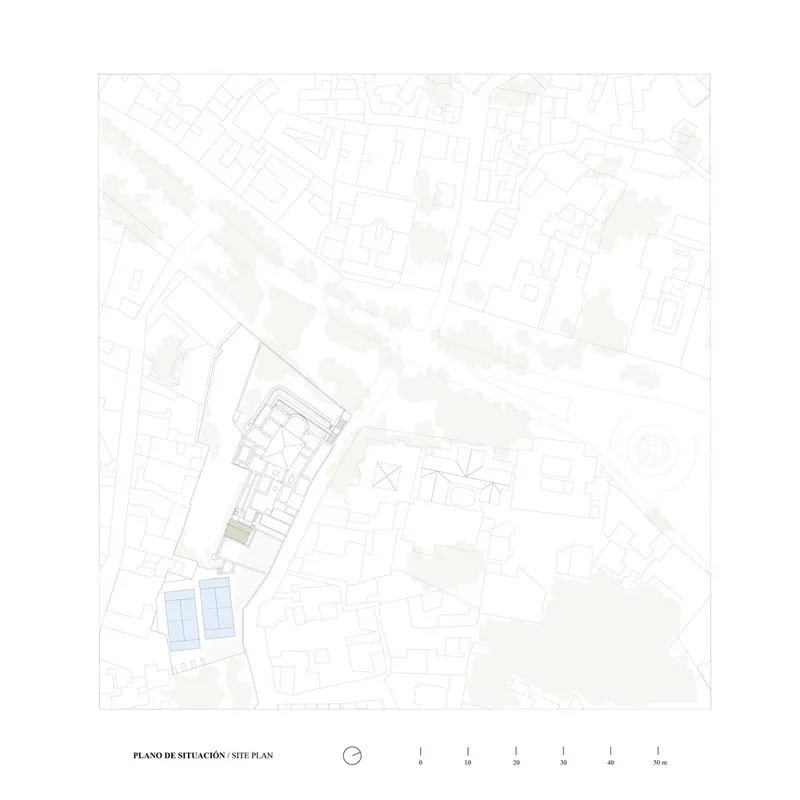
Falguera Padel Club by 3ME Arquitectura demonstrates how padel court architecture can activate dormant private heritage land and open it to the public through sport, landscape engagement, and modest yet strategic interventions. Set within the grounds of the historic Falguera House on Paseo de la Presa in Guanajuato, Mexico, the project converts a residual back‑of‑estate ravine into a 26,300 m² recreational complex anchored by two padel courts and a social bar terrace. Rather than compete with the existing Art Nouveau and neoclassical mansion fabric dating to the Porfirian era, the new work inserts athletic infrastructure lightly, using excavation, reclaimed materials, and topographic choreography to connect sport and setting.
Heritage Context and Urban Opportunity
Paseo de la Presa emerged in the late nineteenth and early twentieth centuries as a promenade framed by grand homes of mining entrepreneurs whose architectural vocabularies blended imported European styles with regional construction. Many of these mansions now sit underused behind perimeter walls, their landscapes disconnected from everyday urban life. The Falguera property offered an opportunity to test a broader civic strategy: recycling private historical heritage through contemporary public programs. By introducing a community‑facing padel club, the project reframes heritage as an active amenity while reinforcing Guanajuato’s identity as a city where culture, landscape, and health converge.
Site Selection at the Ravine Edge
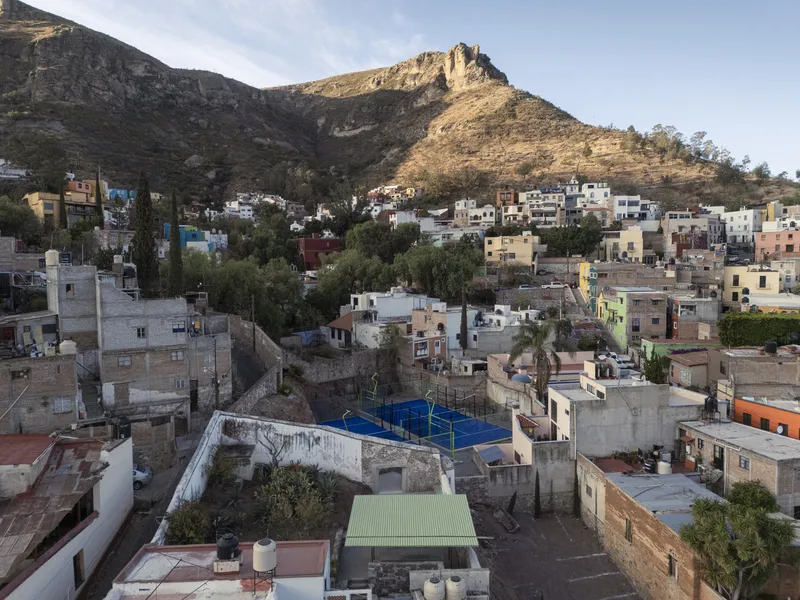
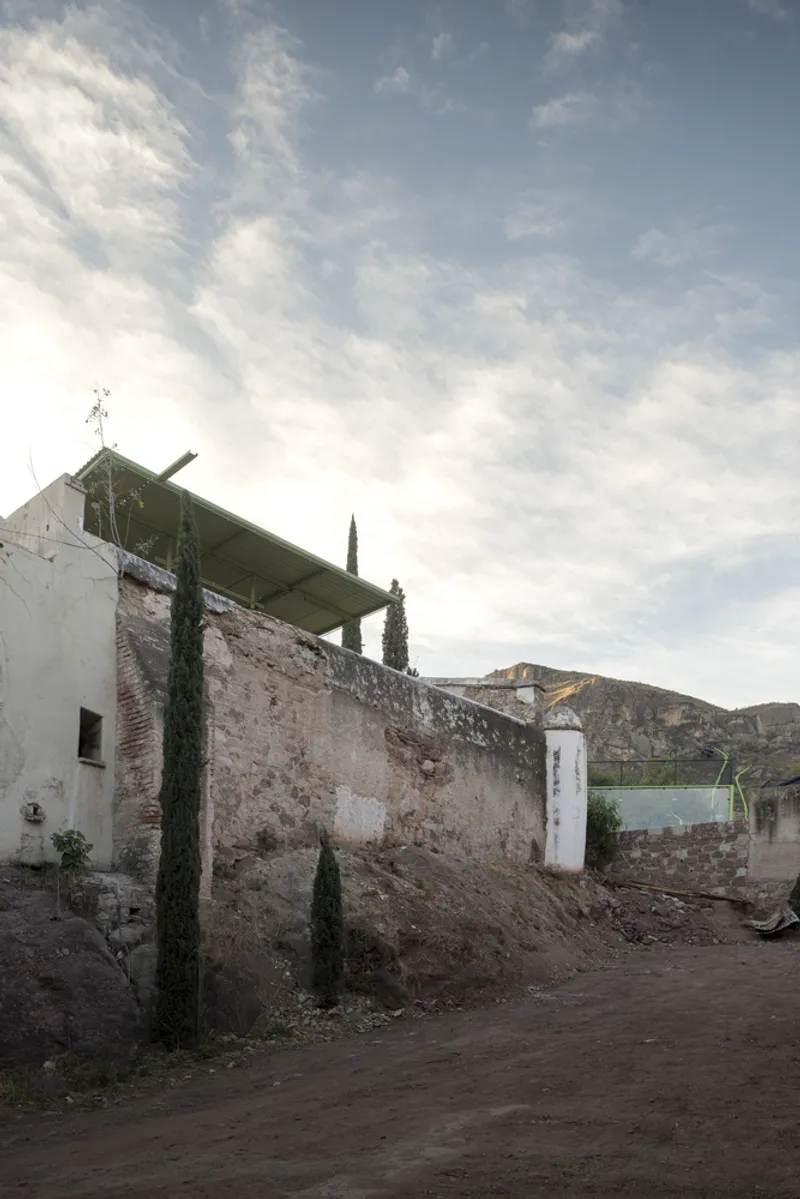
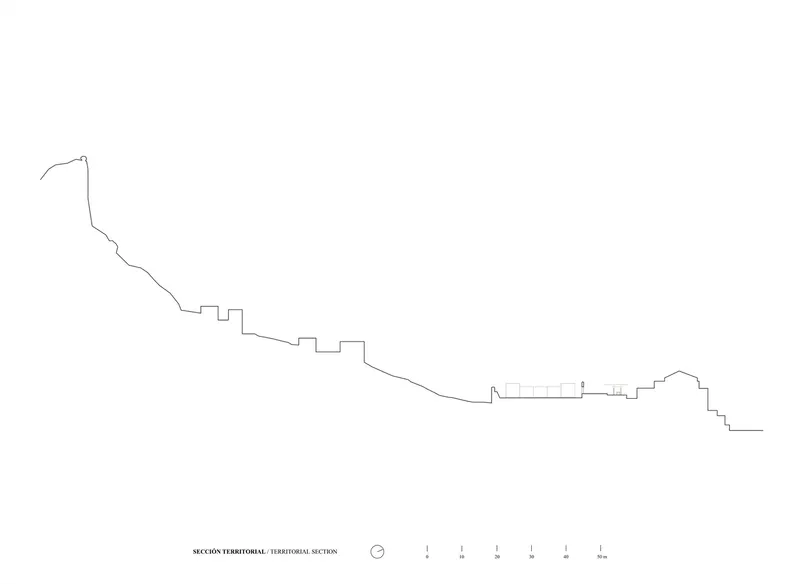
Although the estate includes extensive grounds, the design team chose a challenging residual zone at the rear: steeply sloped land descending toward a ravine that once bordered a silting reservoir. Locating the courts here accomplished multiple goals. It preserved the primary historic gardens near the house. It leveraged dramatic views to the La Bufa mountain range, embedding play within a powerful natural backdrop. And it turned a marginal piece of topography into a destination space that reconnects the property to its larger ecological setting.
Earthwork, Excavation, and Exposed Geology
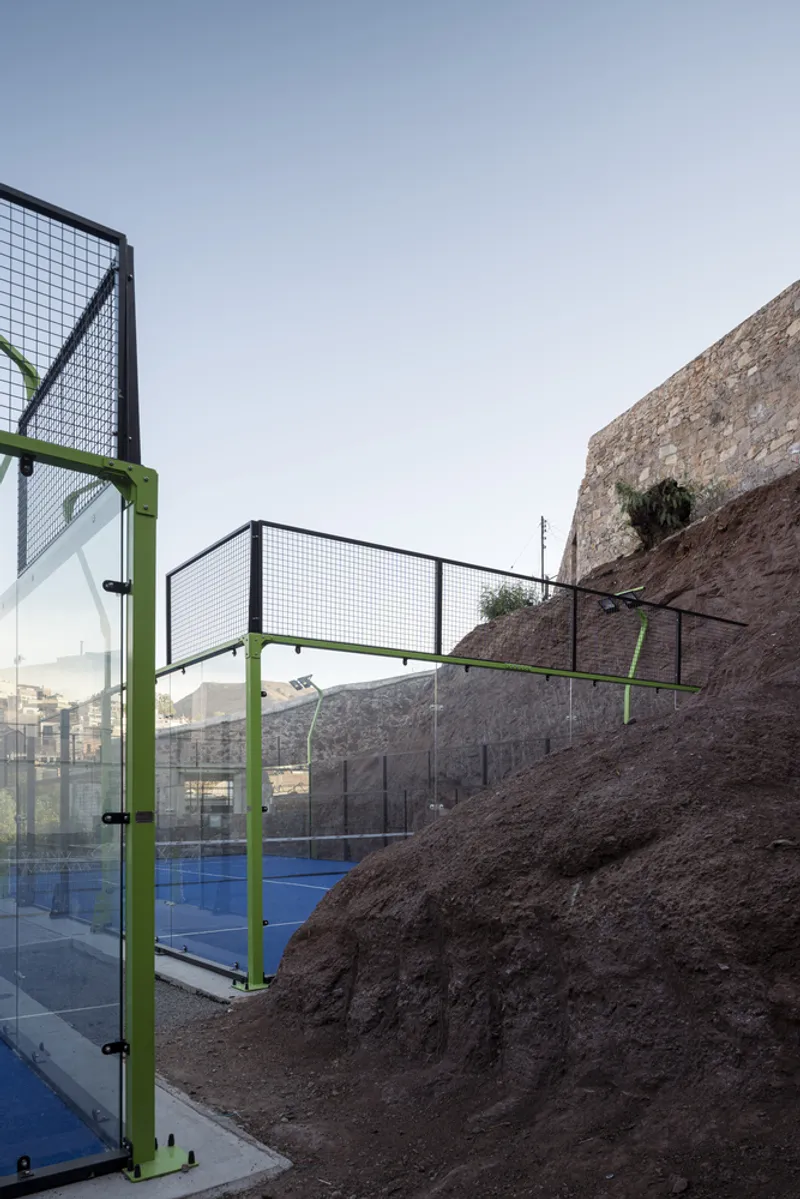
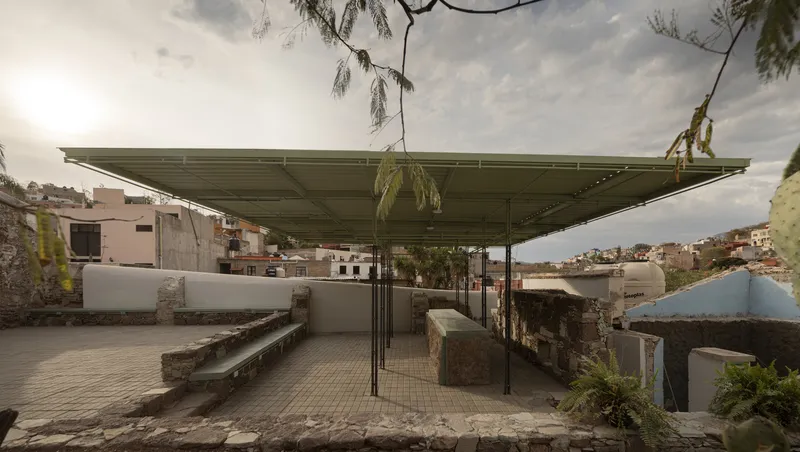
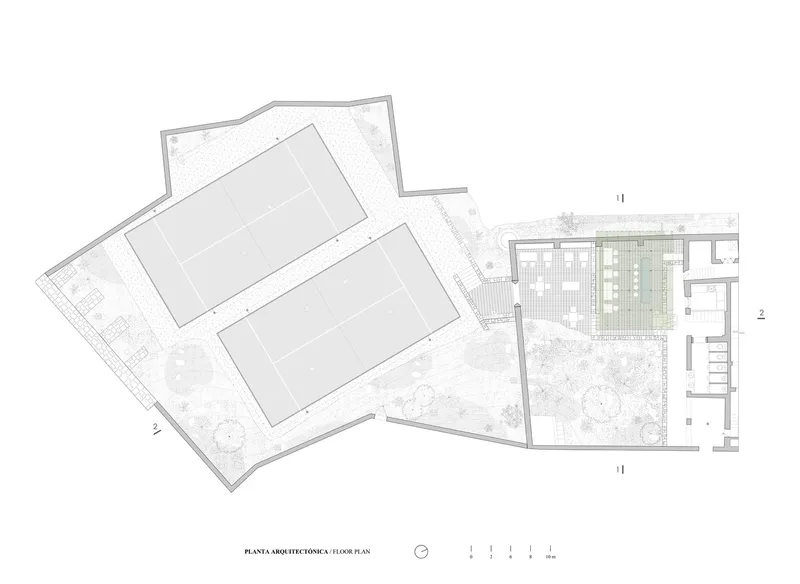
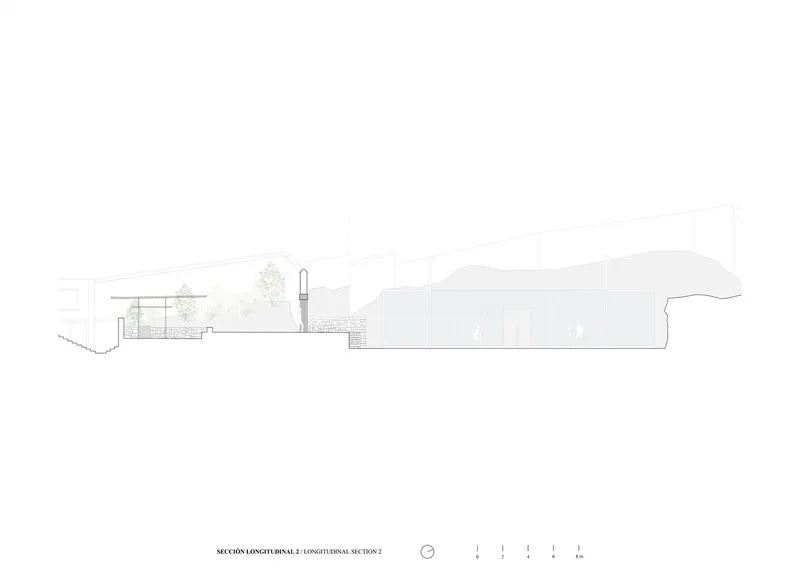
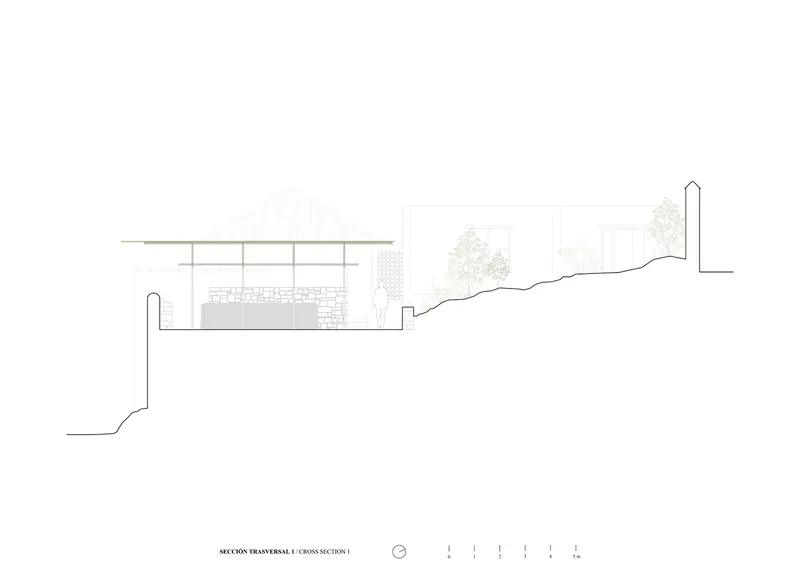
Creating regulation padel courts on a steep, rocky site required significant excavation. Instead of concealing cut rock behind retaining systems, 3ME Arquitectura left the exposed geological face visible, transforming the act of earthwork into a design feature that grounds the sports experience in place. Players read the strata and texture of the native stone as part of the court enclosure, a vivid reminder of Guanajuato’s mining history and mountainous geology. Excavated material was stored, sorted, and reused across the project to build secondary elements, reinforcing material continuity and reducing transport and waste.
Connecting Heritage, Landscape, and Play
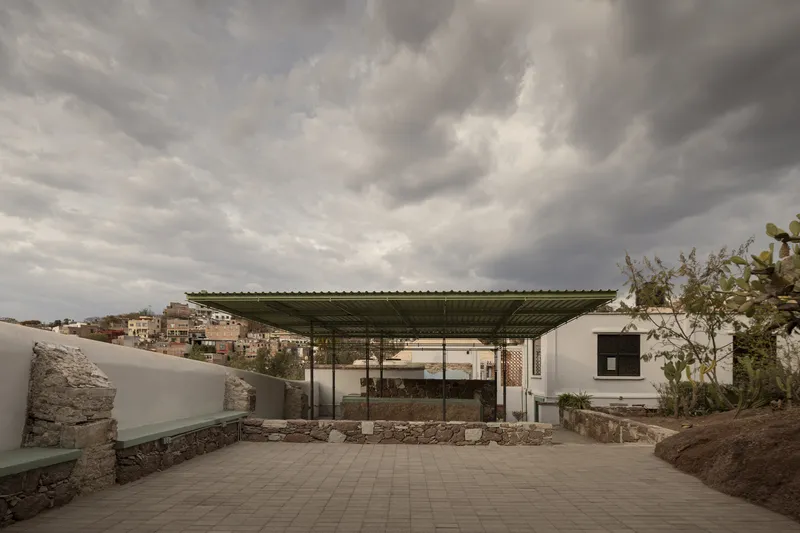
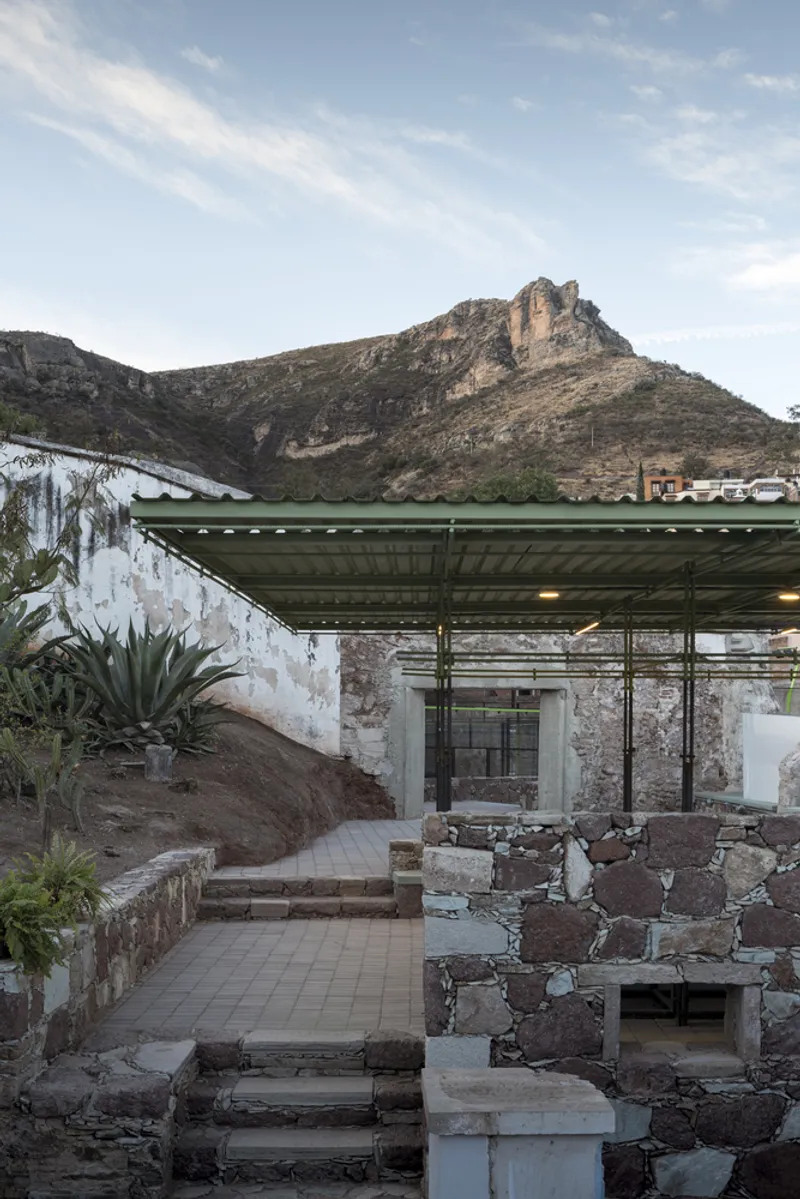
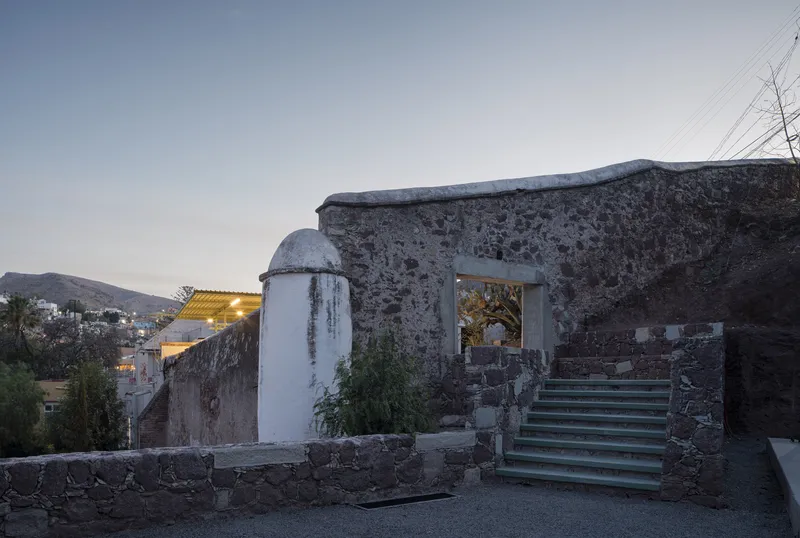
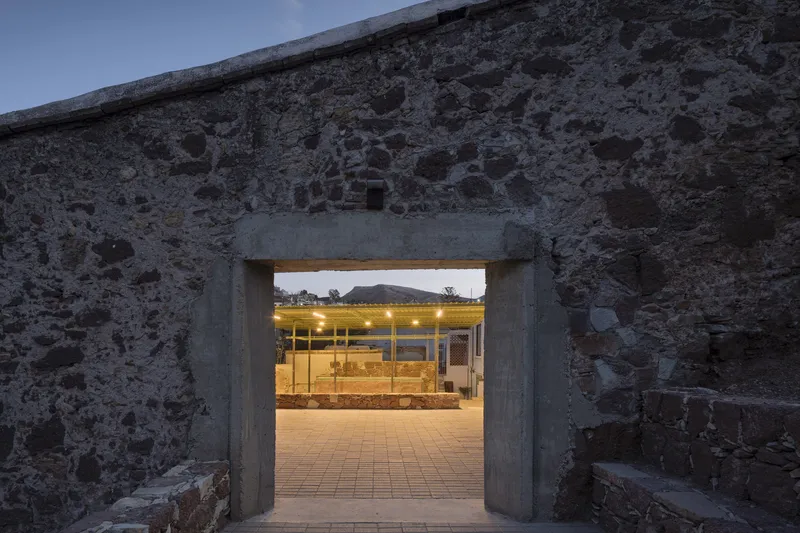
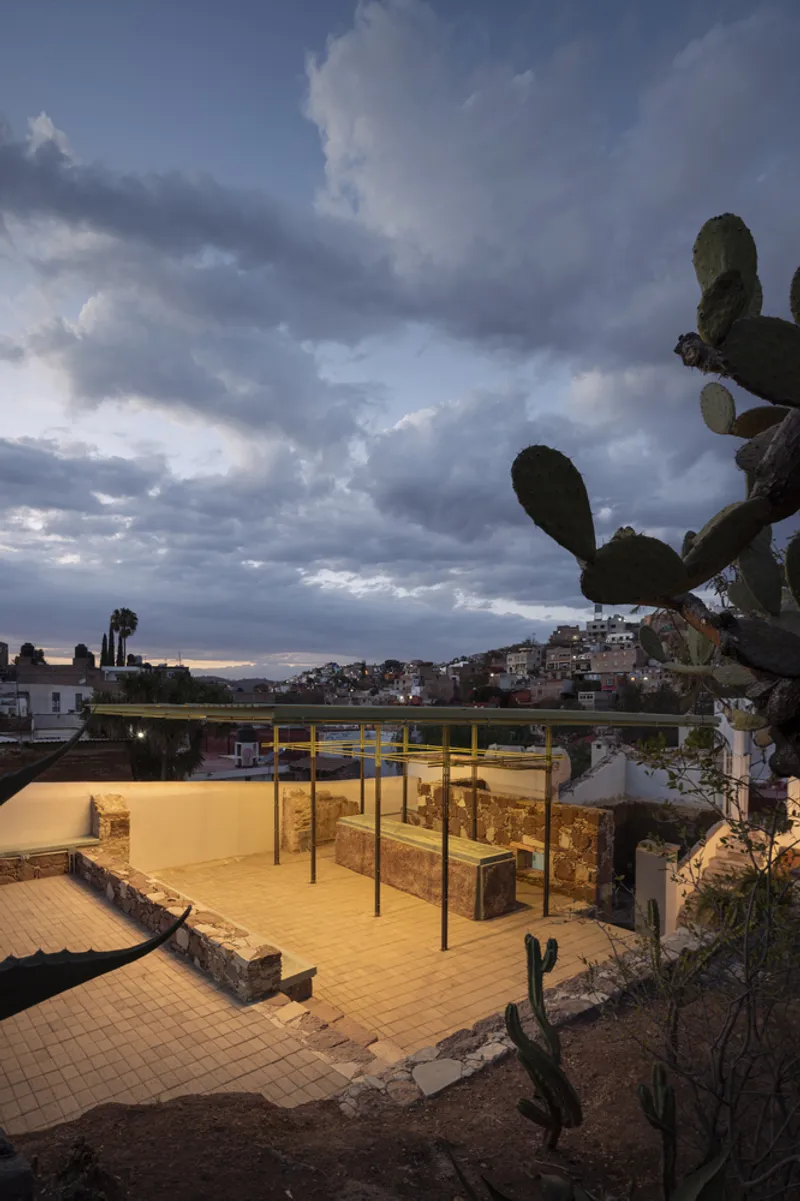
Because the padel courts sit below the main house terraces, circulation design became critical. The architects opened a large new aperture in the property’s perimeter wall to frame outward views and signal public welcome. A sequence of stone stairs negotiates grade changes, gradually transitioning visitors from the formal historic precinct into the more rugged landscape zone at the ravine. Along the way, service areas are inserted discreetly, and a shaded bar platform encourages social gathering before and after matches. The circulation path doubles as an interpretive promenade linking architecture, geology, and sport.
Structural Economy and Local Craft
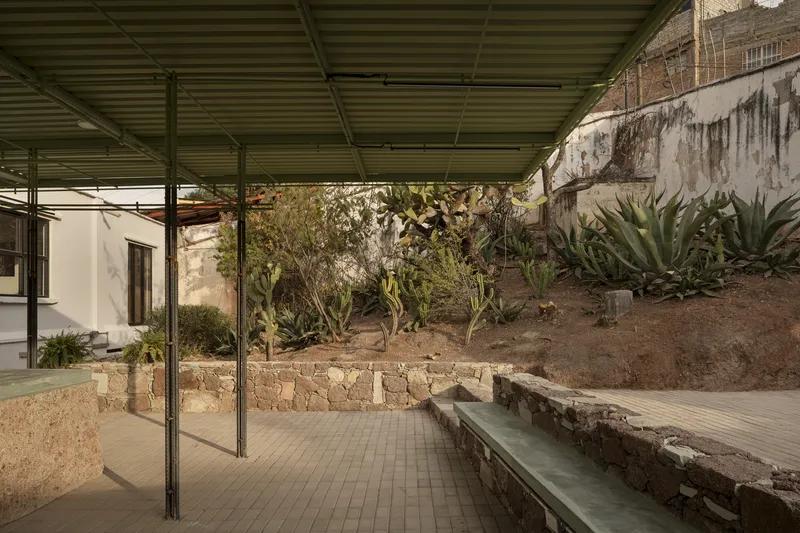
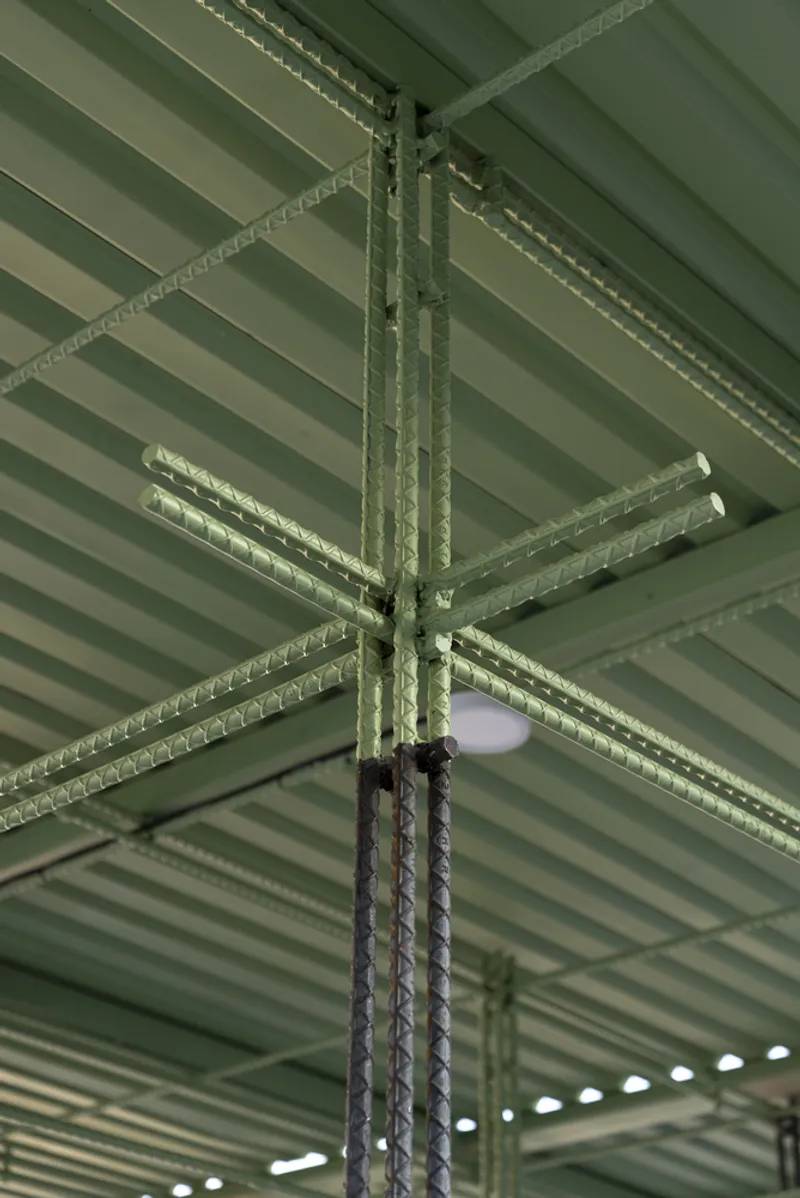
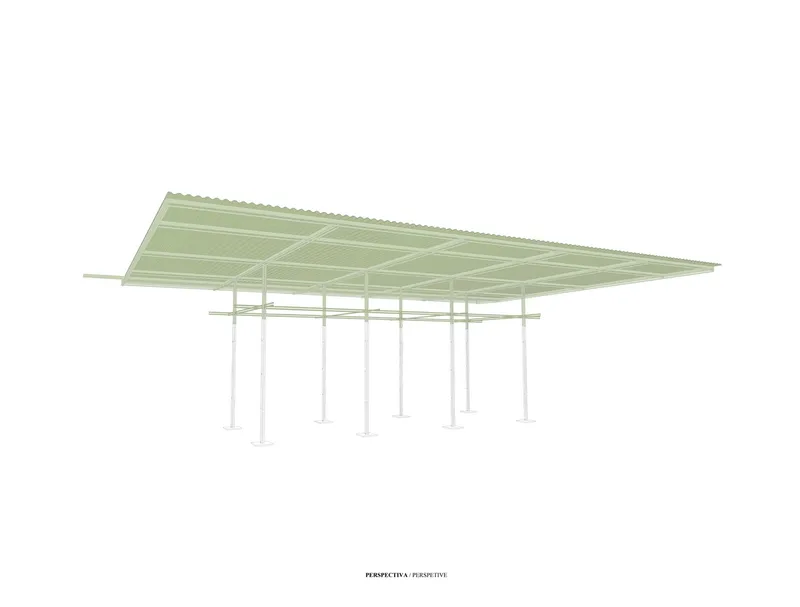
Budget discipline shaped detailing throughout the Falguera Padel Club. A site‑cast concrete bar counter incorporates aggregates sourced from the excavated rock, visually tying hospitality space to earthwork. Overhead, a cost‑efficient roof system uses corrugated rebar filaments bundled and interlaced to achieve the spanning capacity typically associated with larger steel profiles. The resulting structure is slender yet robust, evidence of structural ingenuity under constraint. Only the upper surface of the roof was painted to blend with surrounding vegetation; columns remain uncoated to weather naturally, allowing time to register on the material palette.
Material Reuse and Environmental Integration
Material cycles stay close to the land. Stone reclaimed from excavation forms steps, retaining edges, and landscape walls, knitting constructed surfaces into the terrain. Concrete mixes incorporate on‑site aggregate, softening color shifts between new work and existing rock. Minimal applied finishes keep embodied energy low and maintenance pragmatic in an outdoor athletic setting. The project’s environmental stance is quiet but effective: work with what the site yields, stabilize slopes responsibly, and design drainage and surfaces to cope with seasonal mountain conditions without excessive mechanical intervention.
Program Expansion: Sport, Social Life, and Public Health
While the brief centered on two padel courts, the club’s mission extends to community wellness and civic activation. The bar terrace and shaded gathering areas invite spectators, families, and neighbors who may not yet play padel to occupy the grounds. This layered programming helps normalize the sport within the historic city center and broadens public access to previously private land. By positioning physical activity within a heritage estate and dramatic natural setting, the project links recreation to cultural pride and environmental appreciation.
A Model for Recycling Private Heritage Through Padel Court Architecture
Falguera Padel Club proposes a replicable strategy for municipalities rich in underused historic estates: introduce scalable recreational programs that attract diverse users; leverage topography and existing materials to minimize new construction; and choreograph access so that heritage assets become visible, relevant, and cared for through continued occupation. Padel court architecture, with its compact footprint and social appeal, proves especially adaptable to irregular residual sites like ravine edges, terraces, or walled gardens common to historic properties across Latin America and beyond.

Silent Architecture, Lasting Impact
3ME Arquitectura describes the project as a silent yet meaningful architecture—one that does not shout over the historic mansion or the La Bufa mountains but instead amplifies them through careful cuts, framed views, and grounded materials. Falguera Padel Club shows how contemporary sport, when thoughtfully sited and materially attuned, can extend the life of heritage landscapes, cultivate community health, and deepen everyday relationships with the city’s natural and cultural patrimony.
All the photographs are works of César Belio



Popular Articles
Popular articles from the community


The Ocean Hive: Sustainable Architecture for a Self-Sufficient Civilization at Sea
The Ocean Hive imagines sustainable architecture at sea, where modular habitats, algae, wave power and ocean waste sustain a growing colony.

The Earth Pod: 3D Printed Homes for Resilient Refugee Communities
The Earth Pod reimagines refugee housing through 3D printed homes made from clay, combining resilience, self-sufficiency, and rapid shelter.

Play: Fragments of Their World
Familiar architecture becomes modular playground design, creating safe spaces where displaced children can learn, connect, imagine and play.

Lunar Spiral: Space Architecture Shaped by the Mathematics of the Universe
Lunar Spiral reimagines space architecture through Fibonacci geometry, lunar regolith, levitating habitats, and self-sustaining Moon living.

Similar Reads
You might also enjoy these articles

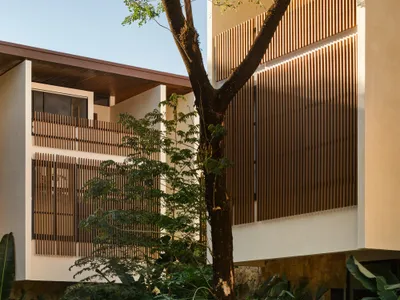
FAMM Arquitectura Organizes Ten Villas Around Courtyards and Jungle in Nosara, Costa Rica
El Molino pairs two elongated volumes with deep overhangs and timber louvers to build a compact coastal community five minutes from the beach.
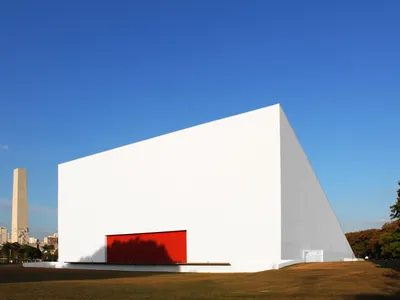
Oscar Niemeyer's Ibirapuera Park Pavilions Define São Paulo's Cultural Identity in Concrete and Curve
A constellation of modernist volumes set within São Paulo's most important urban park, conceived for the city's 400th anniversary in 1954.
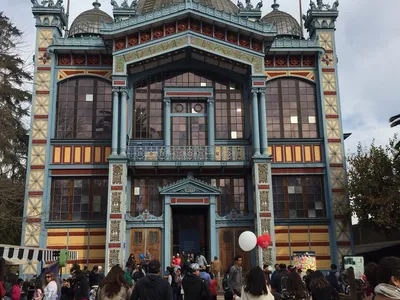
How Henri Picq's 1889 Paris Pavilion Traveled 11,000 Kilometers to Become Santiago's Artequín Museum
A prefabricated iron and glass pavilion built for the Paris Universal Exposition found a second life as a children's art museum in Chile.
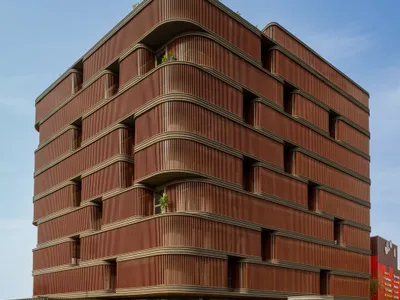
Sanjay Puri Architects Wraps a Jaipur Office Tower in Capsule-Shaped Green Buffers
A nine-level climate-responsive workplace near Jaipur Airport uses stacked planter terraces and aluminium screens to fight 40°C heat.

Explore Architecture Competitions
Discover active competitions in this discipline



Challenge to reimagine the Iron Throne


Photograph architecture without architects


Illustrate the lost glory of Angkor Wat - Render Challenge


Design challenge to reuse E-waste
Comments (0)
Please login or sign up to add comments
No comments yet. Be the first to comment!