
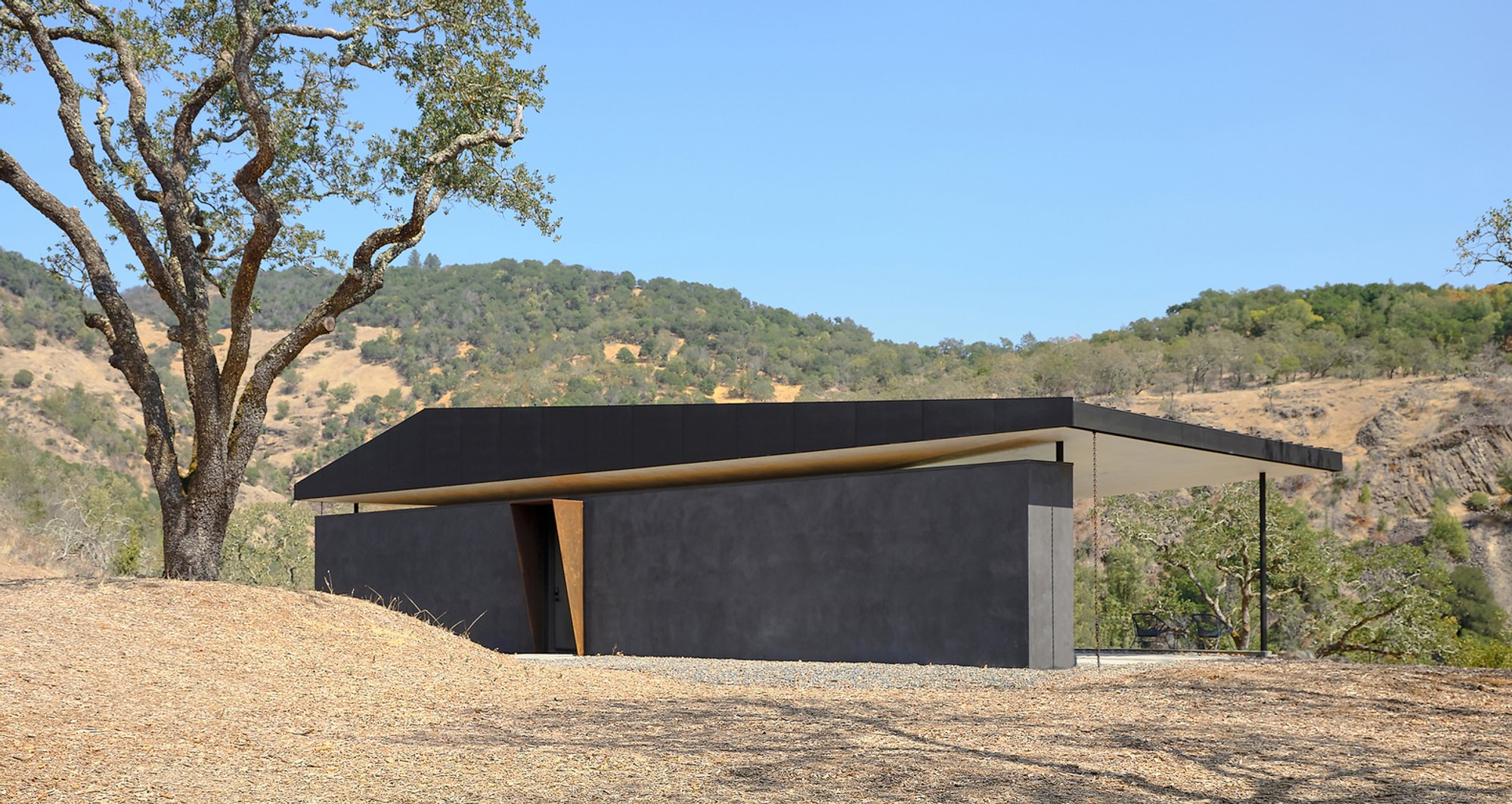
Fire-Resistant House Design: Leit House by Schwartz and Architecture in Sonoma Valley
The article explores Leit House by Schwartz and Architecture, highlighting fire-resistant house design in Sonoma Valley with sustainable materials.

The concept of fire-resistant house design is becoming increasingly crucial as climate change intensifies wildfires, especially in regions like California. The Leit House, designed by Schwartz and Architecture, stands as an architectural response to these challenges. Situated in Sonoma Valley, the residence harmonizes with its volcanic landscape while embracing resilient materials and sustainable design principles.
Responding to the Fire-Prone Landscape of Sonoma Valley
Millions of years ago, volcanic eruptions sculpted the terrain of Sonoma Valley, leaving behind blackened porous rocks like basalt, rhyolite, and pumice. These stones, known for their surprising lightness, have become an iconic part of the landscape. The Leit House pays homage to this geological heritage while acknowledging the pressing reality of wildfires that threaten the region.
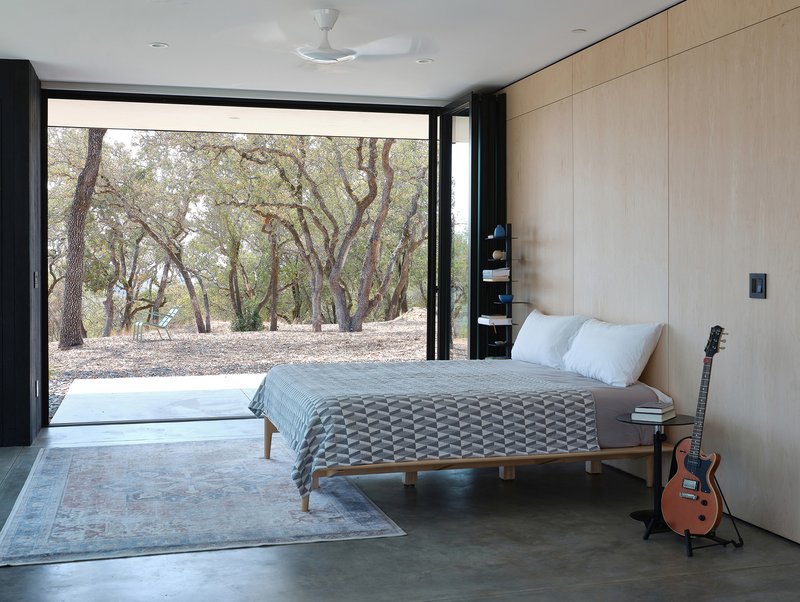
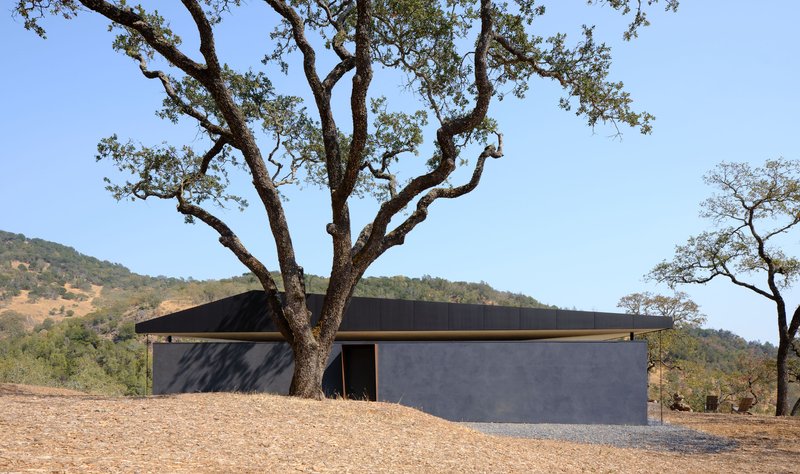
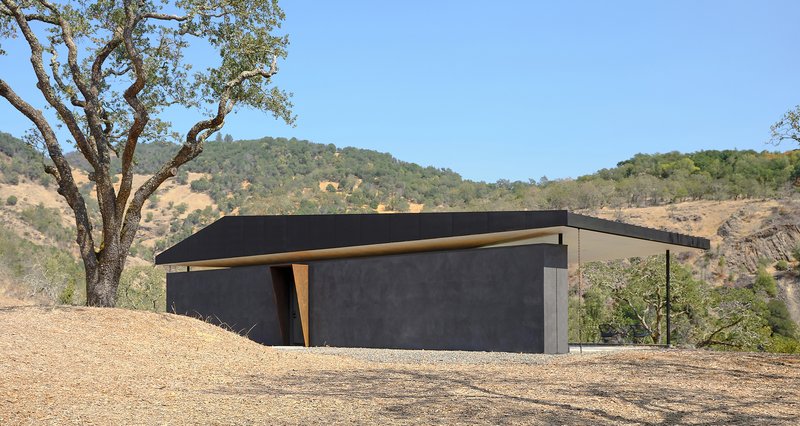
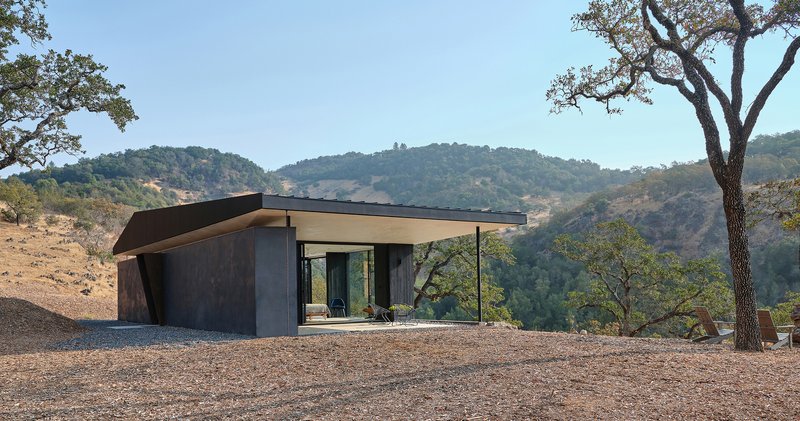
Perched within this rugged terrain, the house emerges as another "dot" among the volcanic rocks. Its design reflects the strength and endurance of the natural elements, emphasizing fire-resistant materials and minimalist forms.
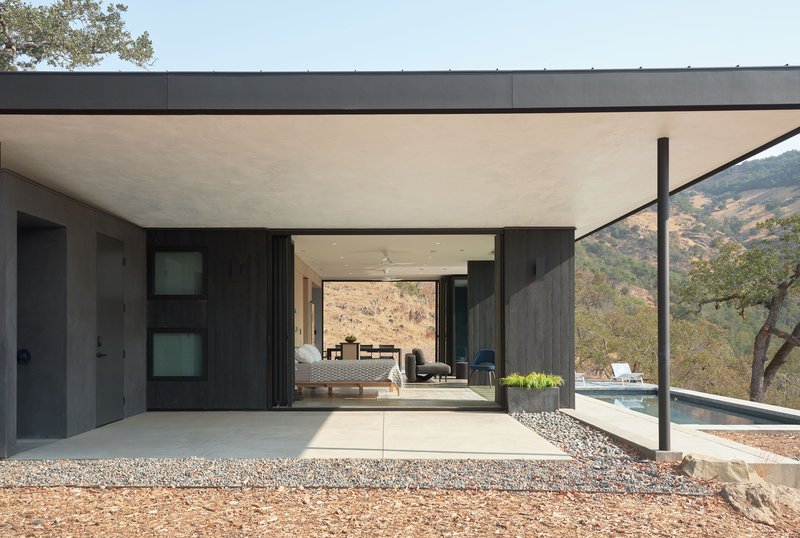
Fire-Resistant House Design: Materials and Construction
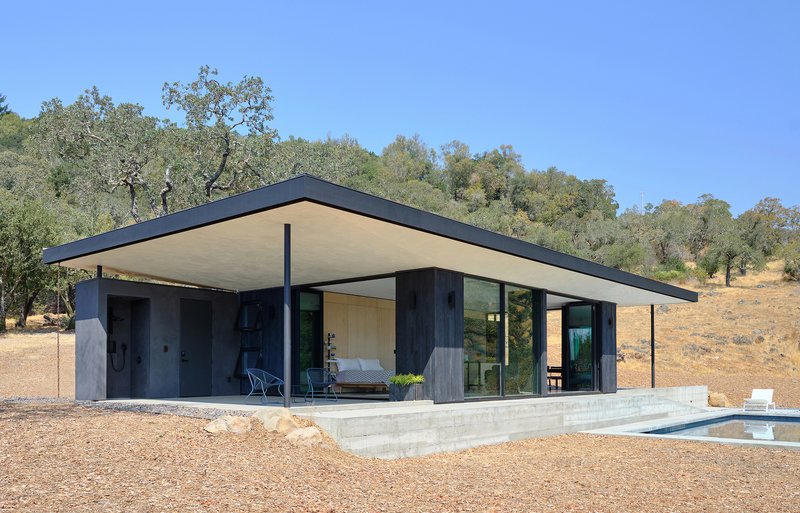
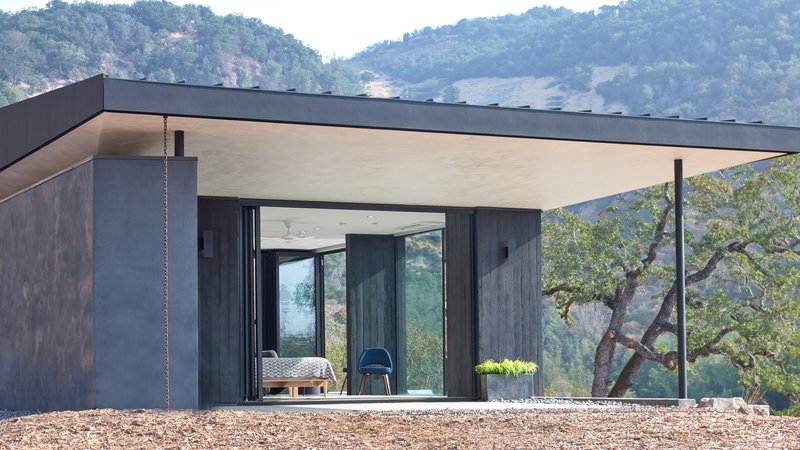
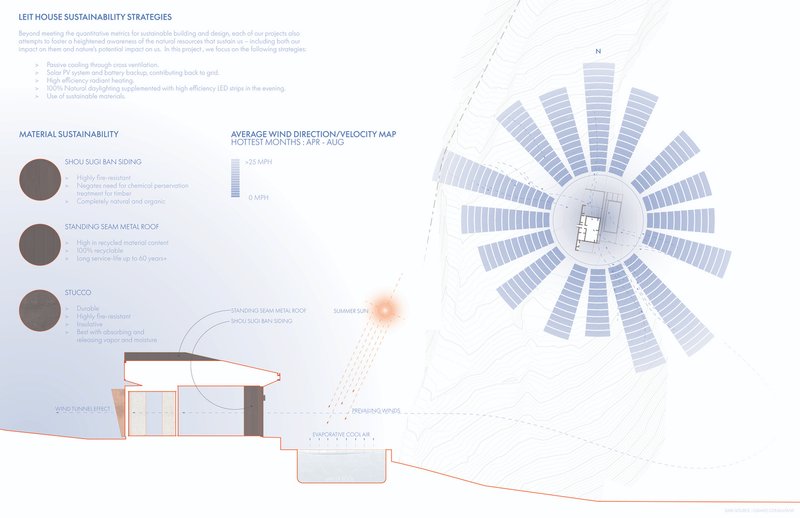
A defining feature of the Leit House is its material palette, meticulously curated to withstand fire hazards while integrating seamlessly into the environment. The exterior is clad in cementitious stucco, standing seam metal, and blackened cedar siding treated using the Shou Sugi Ban technique—an ancient Japanese method that chars wood to improve its resistance to fire, pests, and decay.
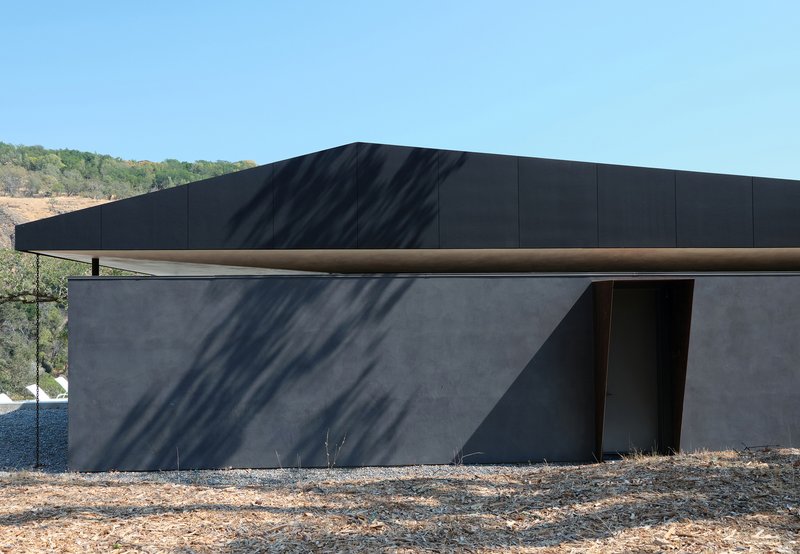
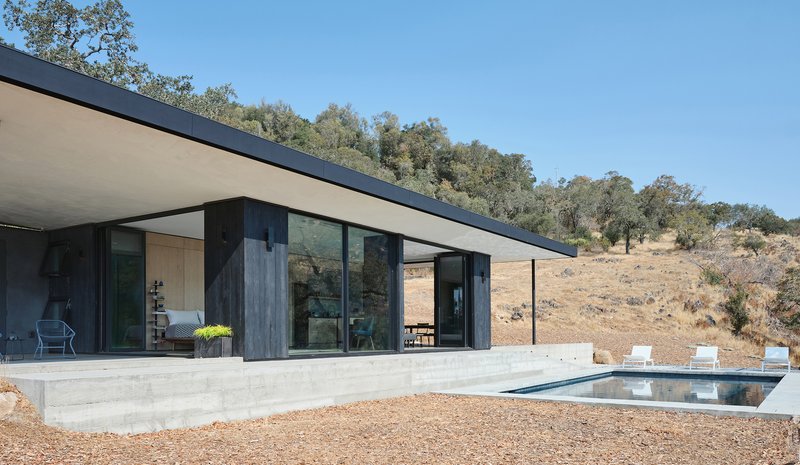
These materials collectively form a robust barrier against wildfires, enabling the structure to withstand the increasingly common threats in Sonoma Valley. The blackened cedar also serves a symbolic purpose, evoking the region’s volcanic past and reinforcing the house’s connection to the land.
Compact Living with a Sculptural Presence
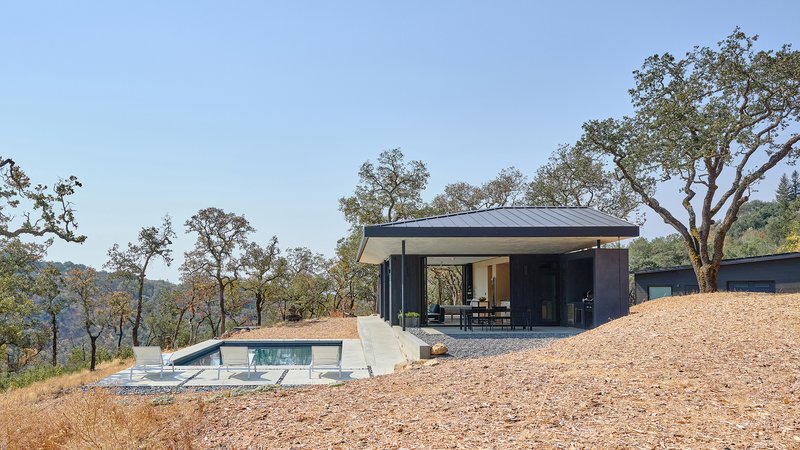
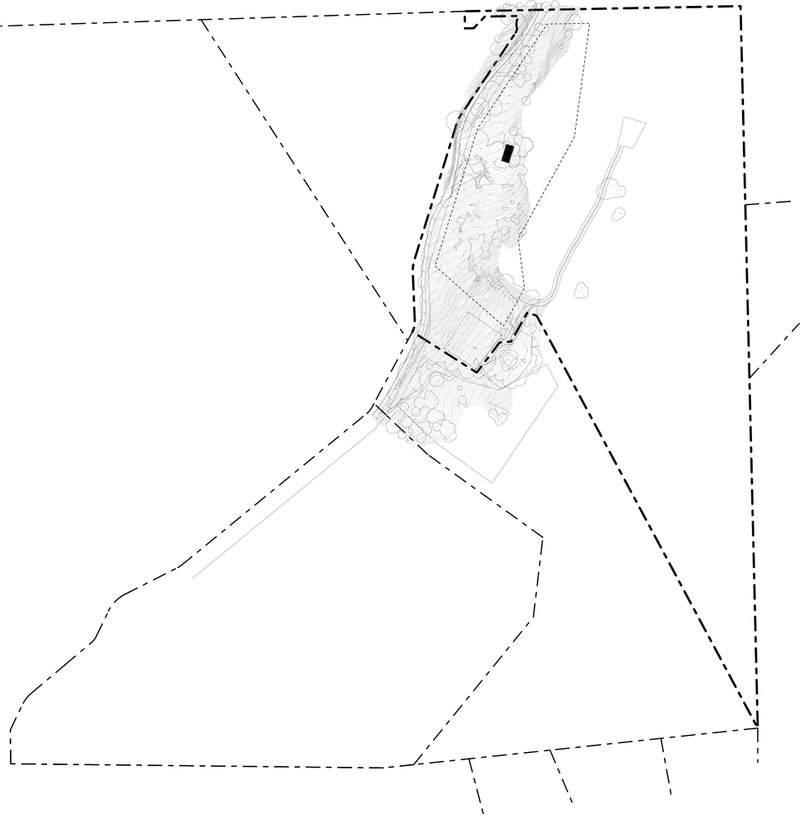
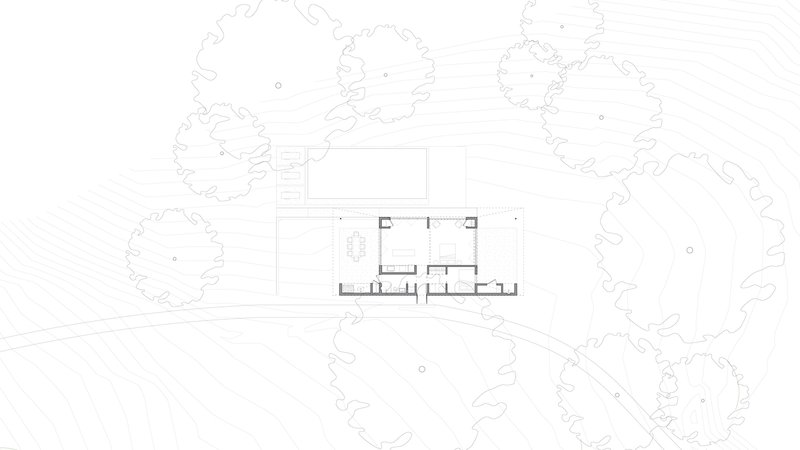
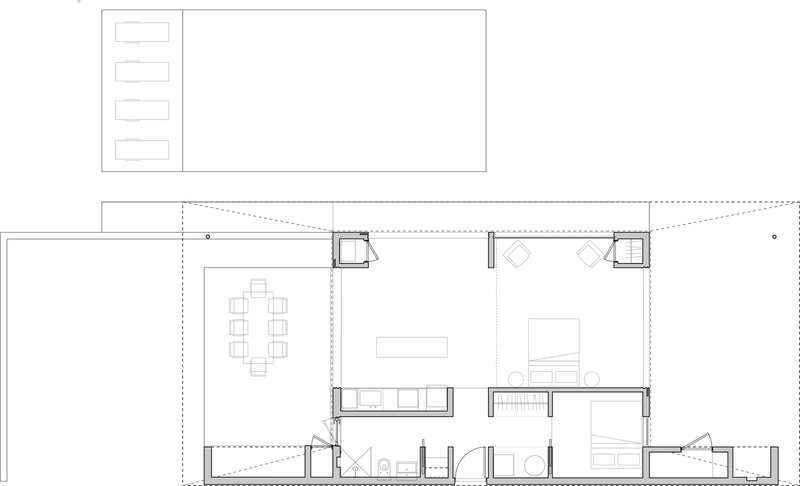
The Leit House occupies just 816 square feet on a sprawling 40-acre site, exemplifying the ethos of "building as little as possible"—a key principle of sustainable architecture. Originally conceived as a guesthouse, the compact structure now serves as the primary weekend retreat for a family with twin children.
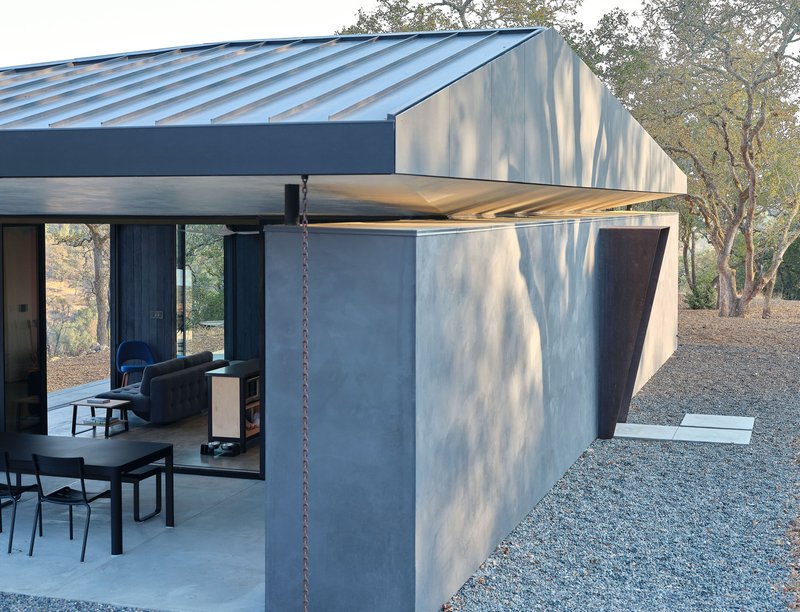
The architectural plan centers around a dense storage spine, which anchors an open living area oriented toward sweeping valley views. While the design was scaled back from its initial concept to meet budget constraints, the final result retains its essence—offering functionality without excess.
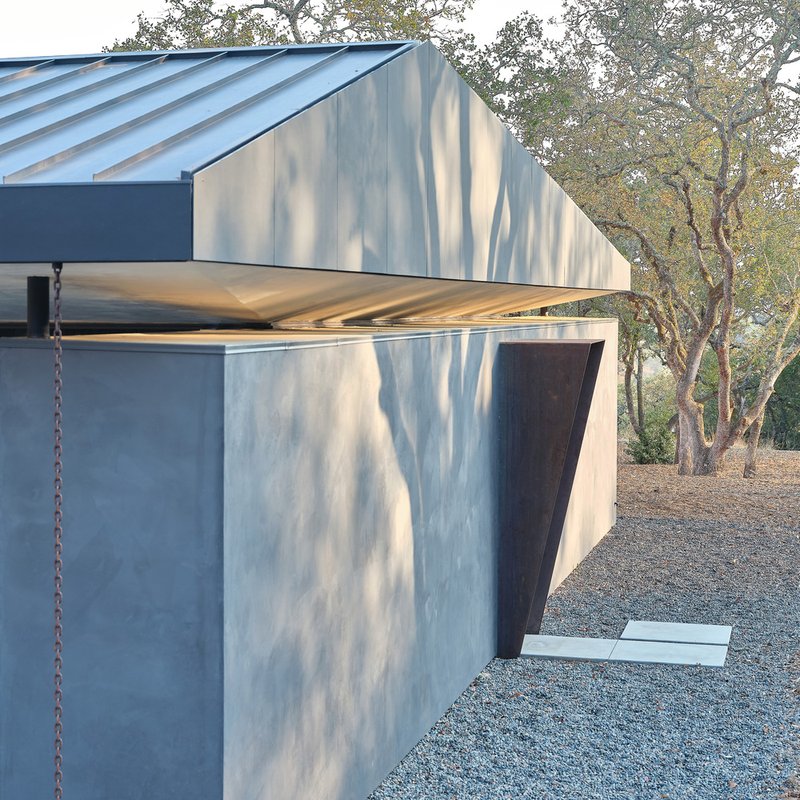
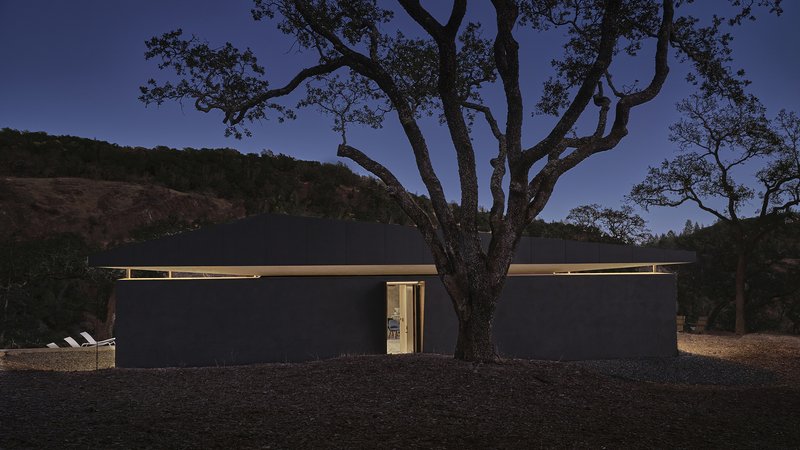
The roof, with its dark, massive presence, becomes the project’s “leitmotif,” creating an interplay between heaviness and lightness. The structure is treated as a sculptural object, echoing the volcanic boulders scattered across the landscape.
Sustainability Beyond Building Codes
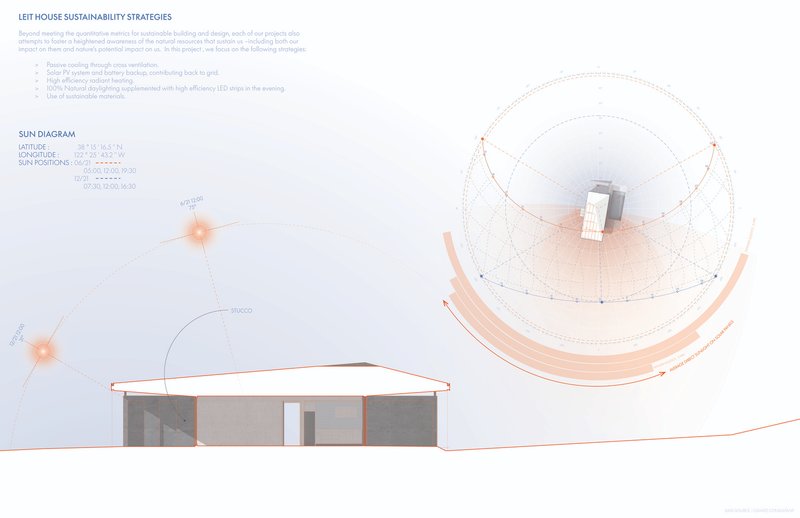
Fire-resistant house design at Leit House extends beyond immediate safety concerns—it aligns with a broader commitment to environmental responsibility. Sustainability measures exceed code requirements, reflecting the client’s professional background in this field. Every material was selected based on its environmental footprint, from the bathroom tiles to the choice of timber.
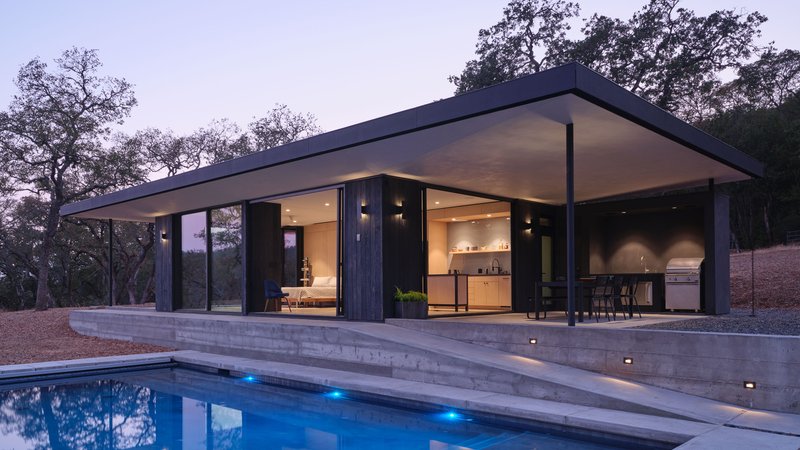
The house operates off-grid, drawing power from solar panels and relying on a well and septic system. Its modest footprint minimizes land disturbance, promoting a non-invasive relationship with the fragile landscape.
A Long-Term Vision for the Site
Although the Leit House is currently the family's primary residence, the site holds the potential for gradual development over time. The 40-acre property is viewed as a long-term project, with the house representing the initial step toward creating a resilient, sustainable retreat.
For now, the compact dwelling meets the family’s needs, proving that fire-resistant house design does not require sacrificing comfort or aesthetic quality. Instead, it serves as a reminder that resilience and beauty can coexist in architecture, particularly in landscapes shaped by fire.
The Leit House by Schwartz and Architecture exemplifies the future of fire-resistant house design in wildfire-prone regions like Sonoma Valley. By blending fire-resilient materials, compact living principles, and sustainable off-grid systems, the project offers a model for architects and homeowners seeking to adapt to climate challenges. This residence not only stands strong against natural threats but also pays tribute to the volcanic legacy of the valley, proving that architecture can forge a lasting dialogue with the land it inhabits.
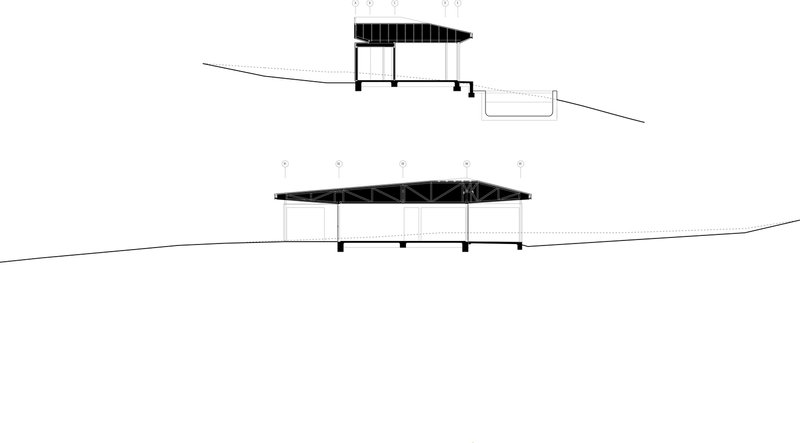
All Photographs are works of Douglas Sterling Photography




Popular Articles
Popular articles from the community

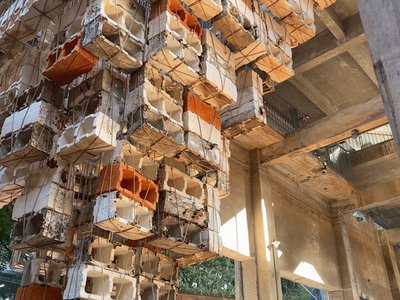
Inverted Architecture Installation by Studio Link-Arc: Exploring the Intersection of Architecture and Living Organisms
Inverted Architecture Installation by Studio Link-Arc blends mycelium, sustainability, inverted design, ecological cycles, and urban adaptive architecture in Shenzhen.
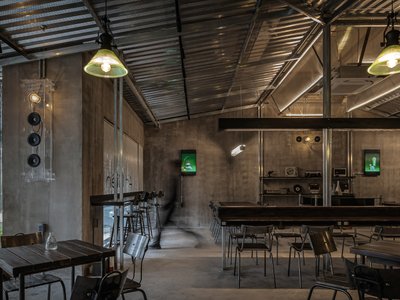
An Miên Lumière Cafe by xưởng xép, Ho Chi Minh City, Vietnam
An industrial-inspired café where layered steel and warm light create a dynamic, immersive environment shaped by reflection, depth, and perception.
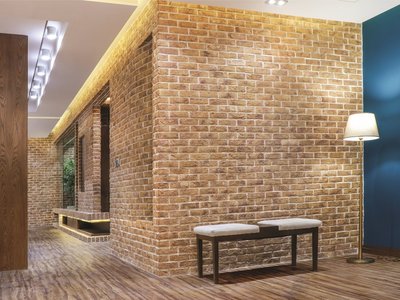
A Contemporary Take on Iranian Residential Architecture
A modern interior design in Mashhad that reinterprets brick, light, and spatial flow to create a warm, contemporary residential architecture.
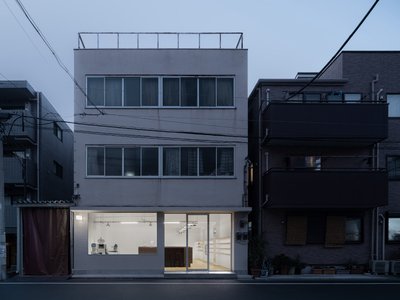
Atelier Macri Concept Store Interior Design by CASE-REAL
Atelier Macri store features a "ko" counter, walnut wood details, cork displays, blending retail, gallery, and seamless customer experiences.


Similar Reads
You might also enjoy these articles


The Ken Roberts Memorial Delineation Competition (Krob)
As the most senior architectural drawing competition currently in operation anywhere in the world, it draws hundreds of entries each year, awarding the very best submissions in a series of medium-based categories.

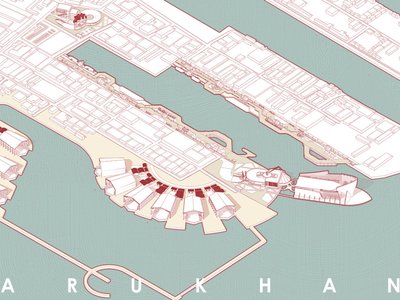
Waterfront Redevelopment and Urban Revitalization in Mumbai: Forging a New Dawn for Darukhana
A transformative waterfront redevelopment project reimagining Darukhana’s shipbreaking heritage into an inclusive urban future.

OUT-OF-MAP: A Call for Postcards on Feminist Narratives of Public Space
Rhizoma Design and Research Lab invites artists, designers, architects, researchers, and students to reflect on how feminist perspectives can reshape public space. Selected works will be exhibited in Barcelona, October 2026. Submissions open until 15 April 2026.


Documentation Work on Buddhist Wooden Temple
Architectural syncretism and cultural hybridity: A comparative study of the Buddhist temples in Chattogram Hill tracks

Explore Architecture Competitions
Discover active competitions in this discipline




The International Standard for Design Portfolios


The Global Benchmark for Architecture Dissertation Awards


The Global Benchmark for Graduation Excellence


Challenge to reimagine the Iron Throne
Comments (0)
Please login or sign up to add comments
No comments yet. Be the first to comment!