
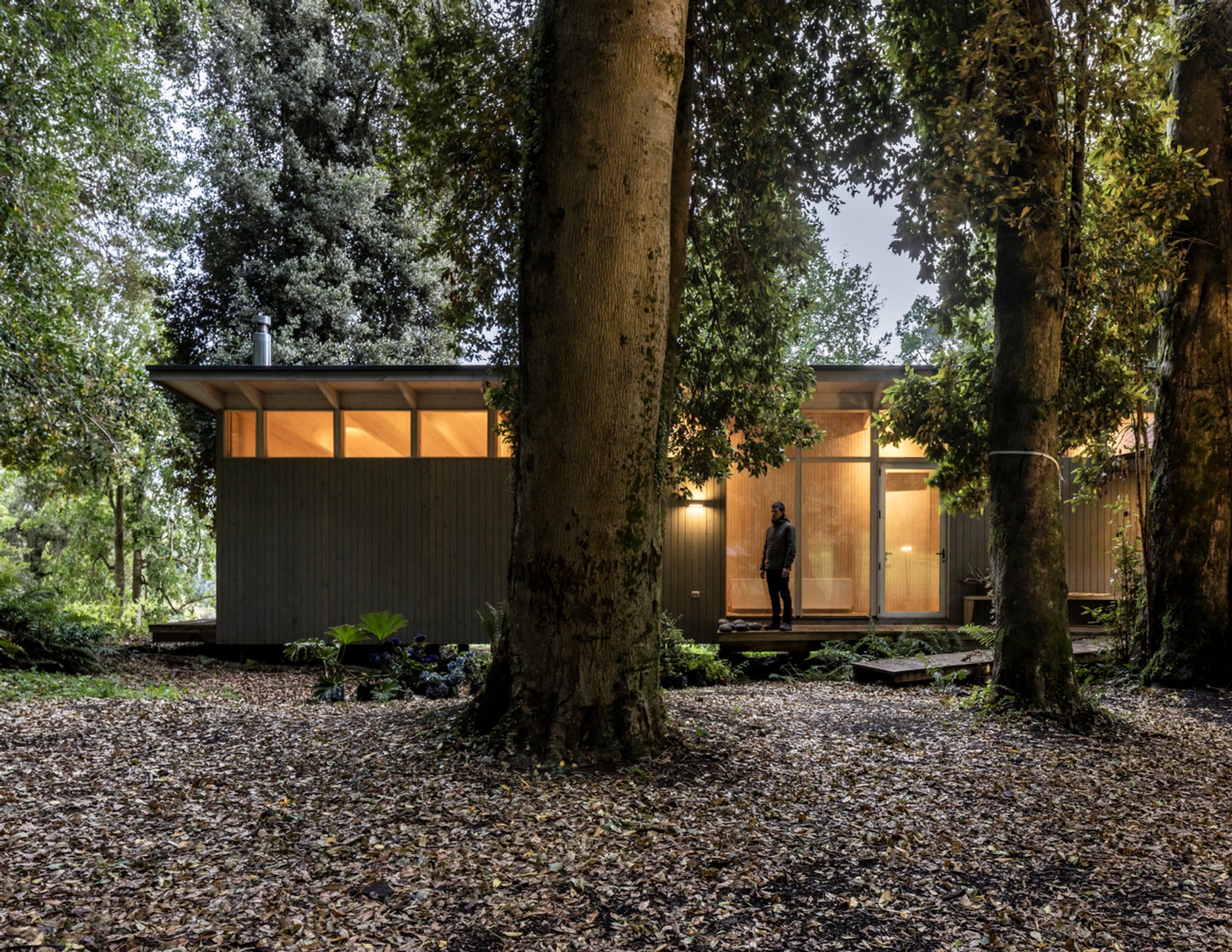
Forest House Architecture: House of the Glade by Ignacio Correa in Southern Chile
This article explores a forest house in Chile that harmoniously integrates with the landscape through sensitive design and ecological respect.

A Harmonious Retreat Nestled Among Hazel Trees by Lake Rupanco
The House of the Glade, designed by Ignacio Correa, is a compelling example of forest house architecture that celebrates ecological sensitivity, contextual responsiveness, and serene spatial experience. Located on the northern shore of Lake Rupanco in the picturesque Lakes Region of southern Chile, this 200-square-meter second home is delicately integrated into a hillside of glacial origin, carefully positioned to preserve and enhance the surrounding forested landscape.
Rooted in Landscape: Mapping Nature Before Building
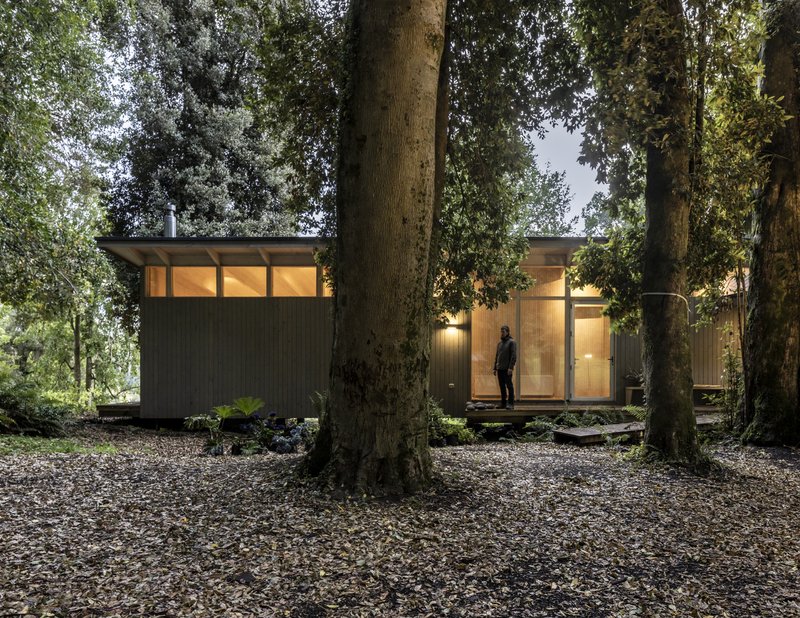
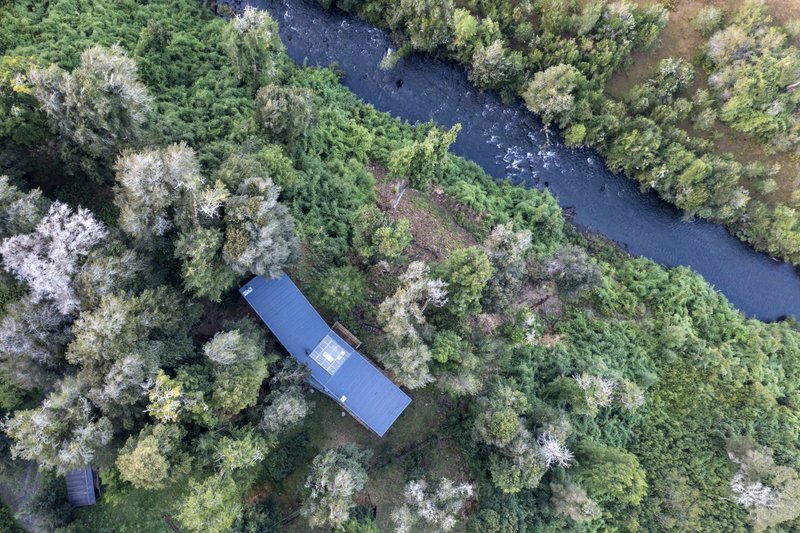
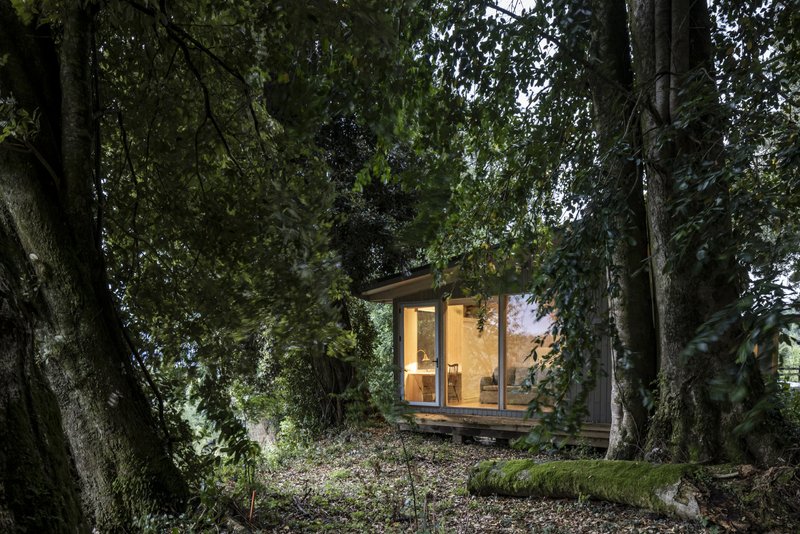
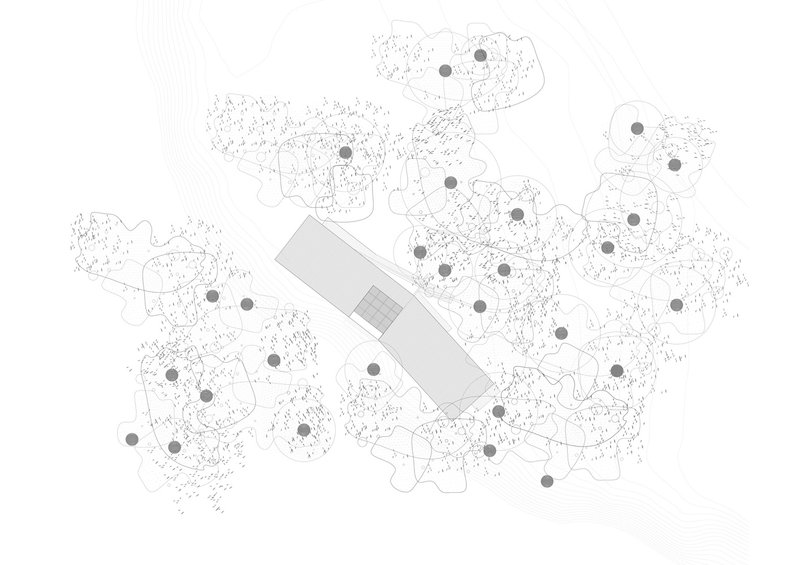
The design process for this lakefront forest house began with a detailed mapping of the hazel grove that defines the site. Each tree was surveyed in relation to its location and size to determine a construction footprint that would avoid disturbance to the natural setting. Rather than dominate the land, the architecture quietly responds to it—embracing its contours and existing vegetation as design guides.
Linear Form Embracing Forest and Lake
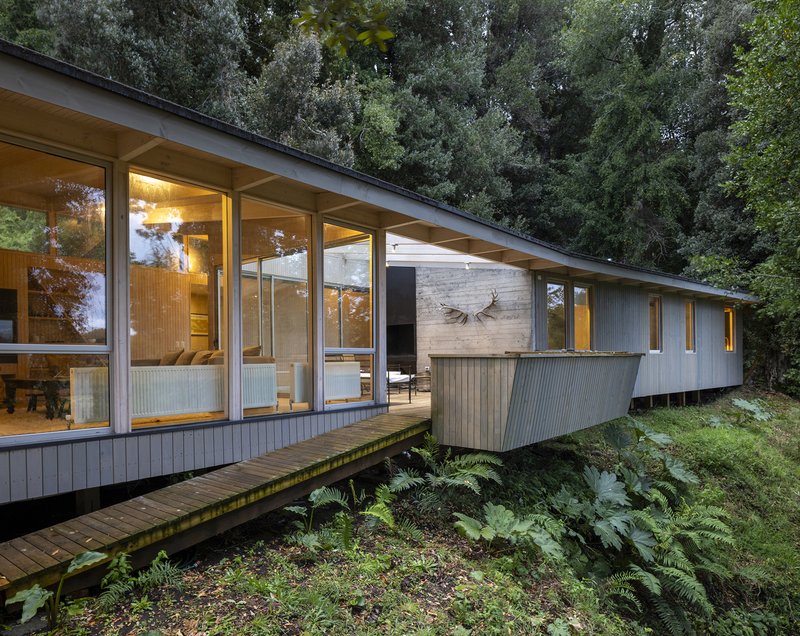
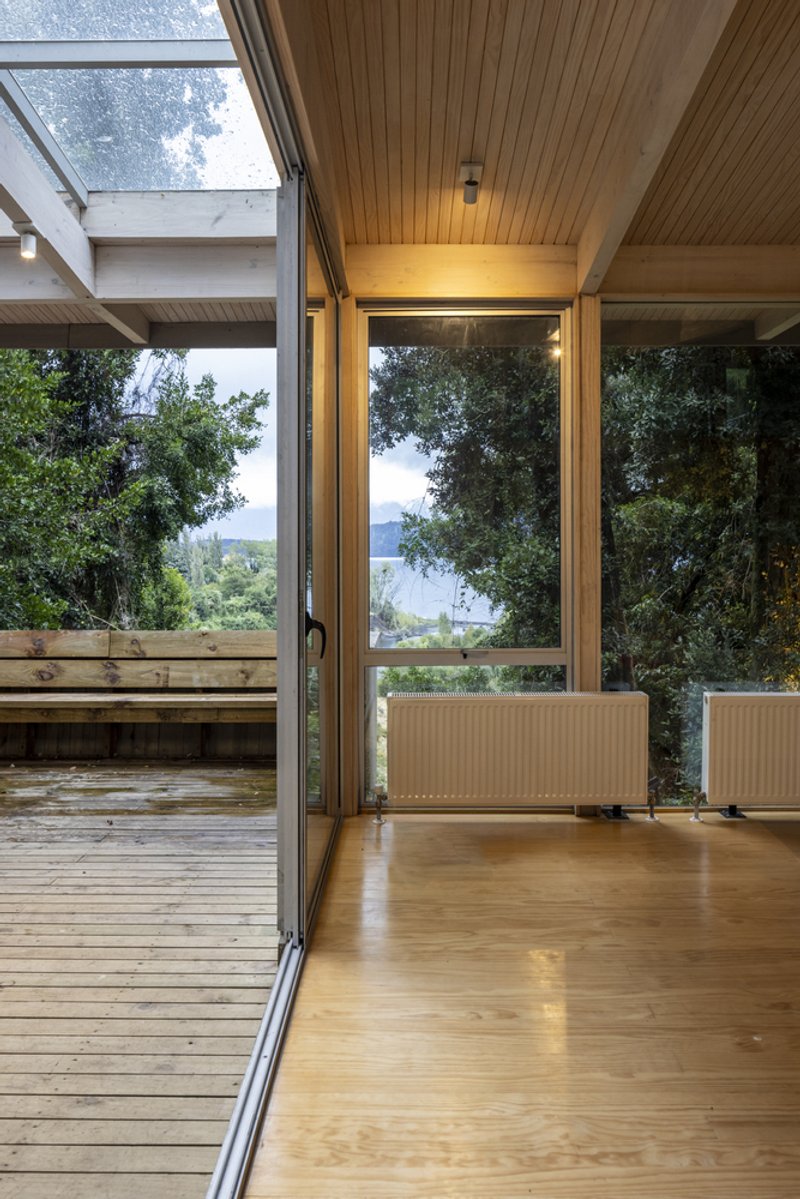
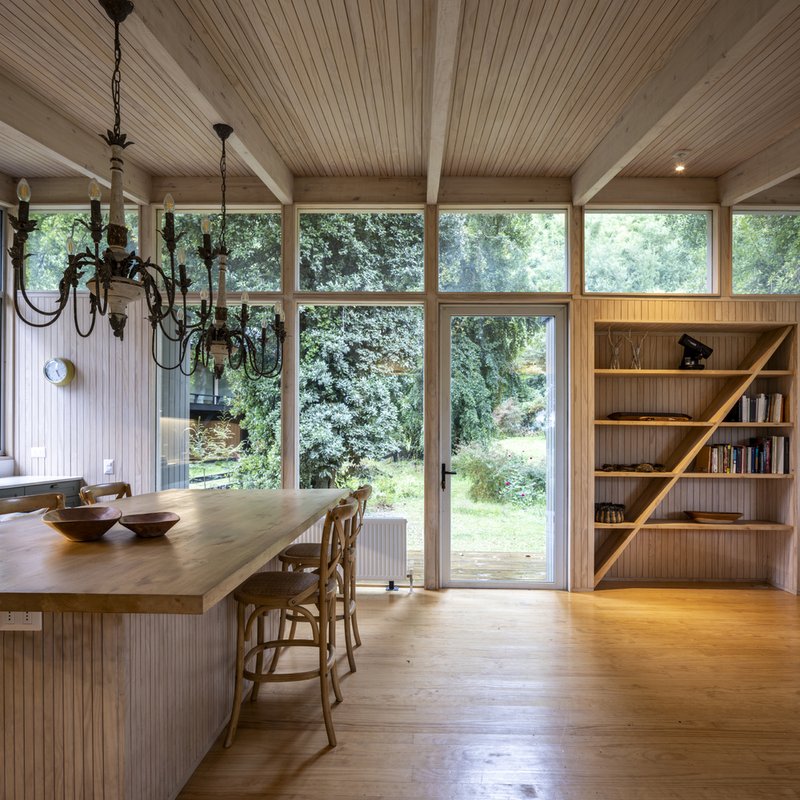
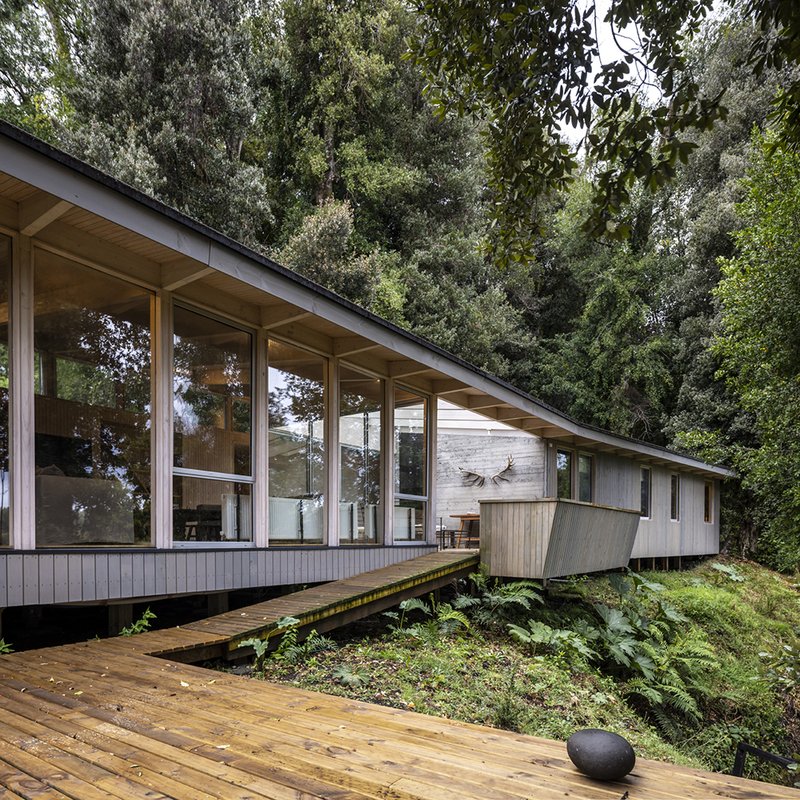
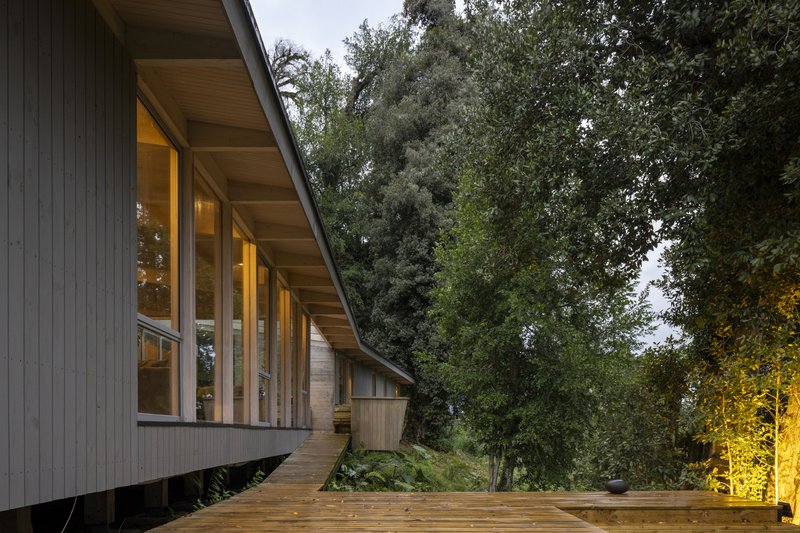
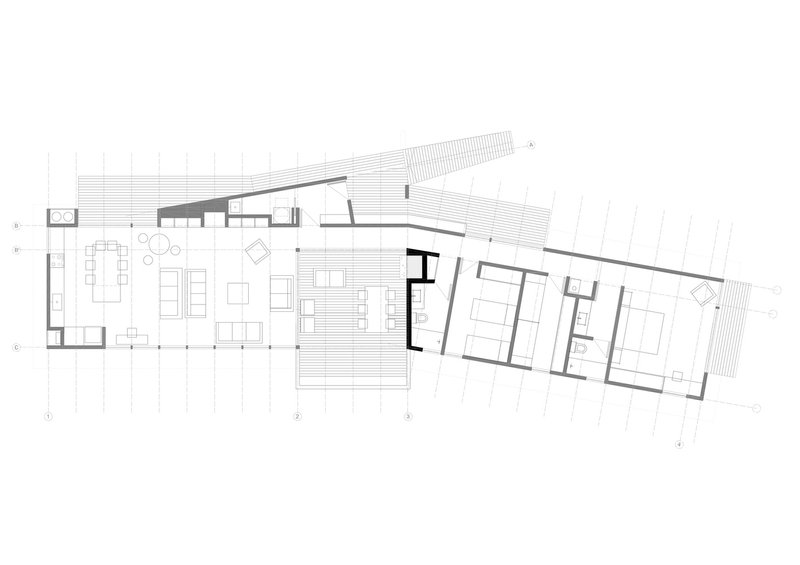
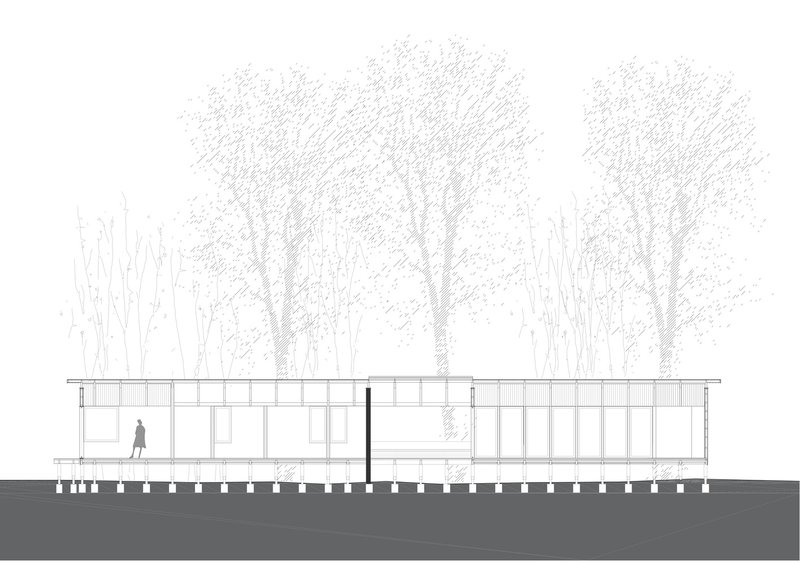
Architecturally, the house unfolds as a horizontal volume aligned with the southern edge of the hillside. This layout emphasizes a contrast between the home's grounded, linear form and the vertical rhythm of the surrounding trees. Each interior space is oriented to maximize its relationship with Lake Rupanco, capturing partial views of water and forest through thoughtful spatial framing.
A Functional and Visual Threshold: The Covered Terrace
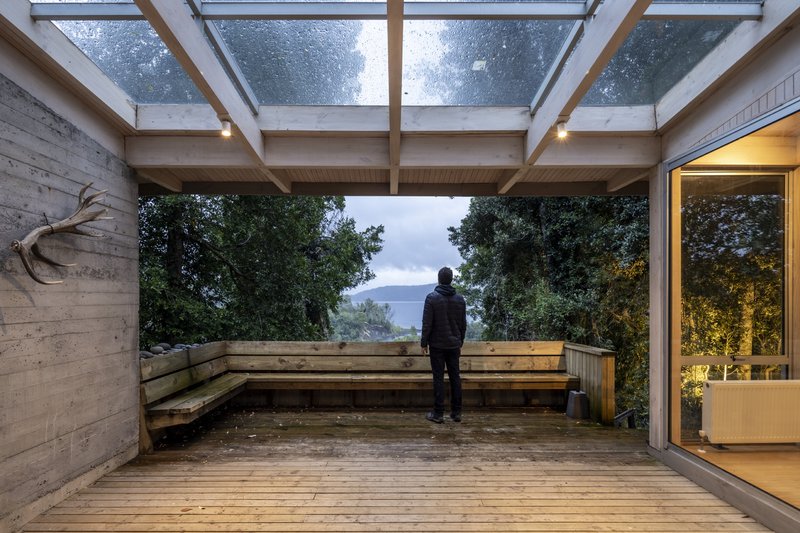
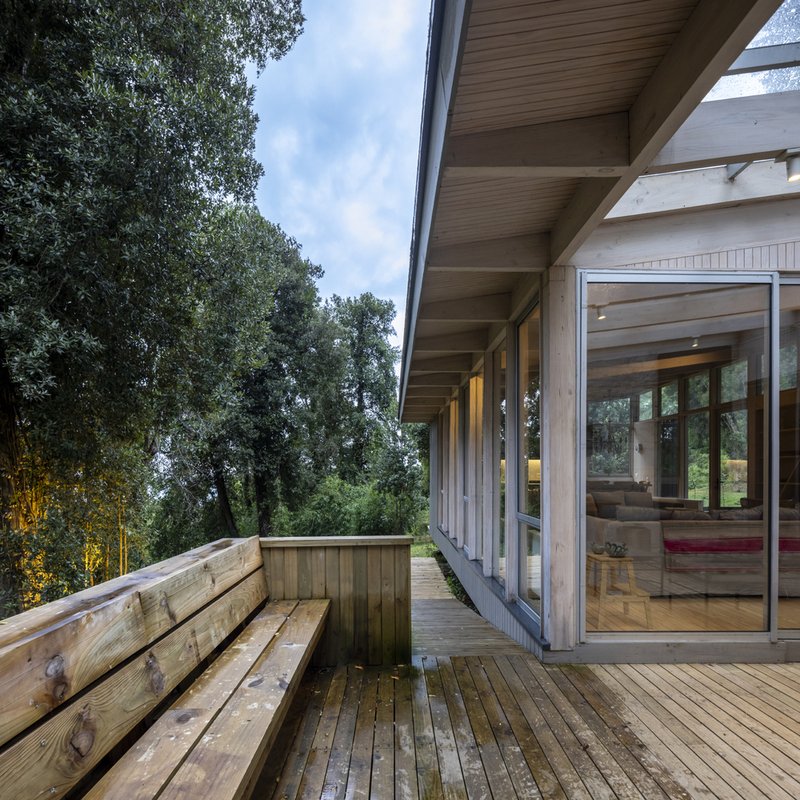
The plan of the home is anchored by a covered terrace that acts as both a functional divider and a visual connector. On one side lies the common living area; on the other, private bedrooms. This transitional space opens toward a natural clearing, offering views of the river's mouth and the distant mountain range. It becomes a pivotal threshold, linking architecture, landscape, and sky.
Responsive Roof Design and Passive Sunlight Strategies
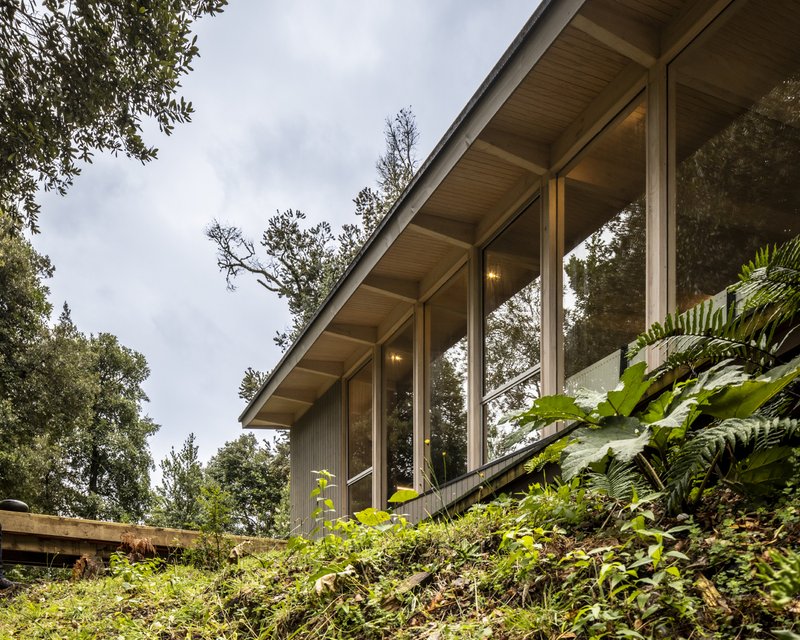
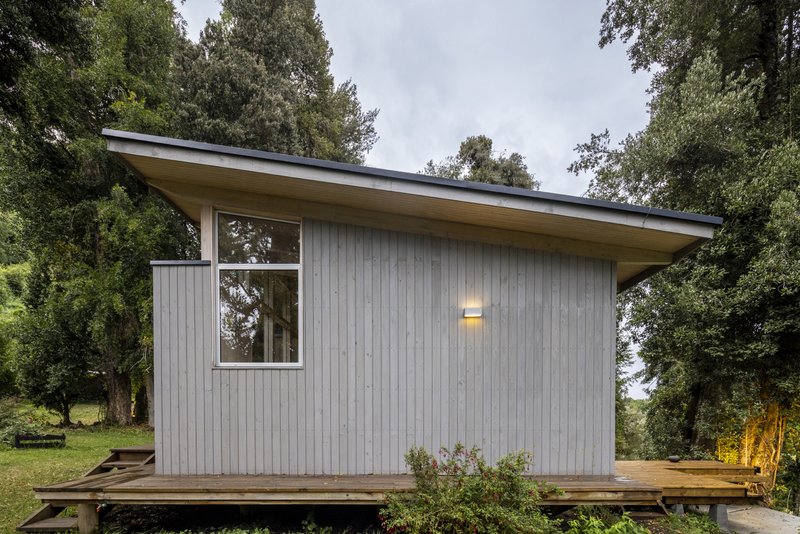
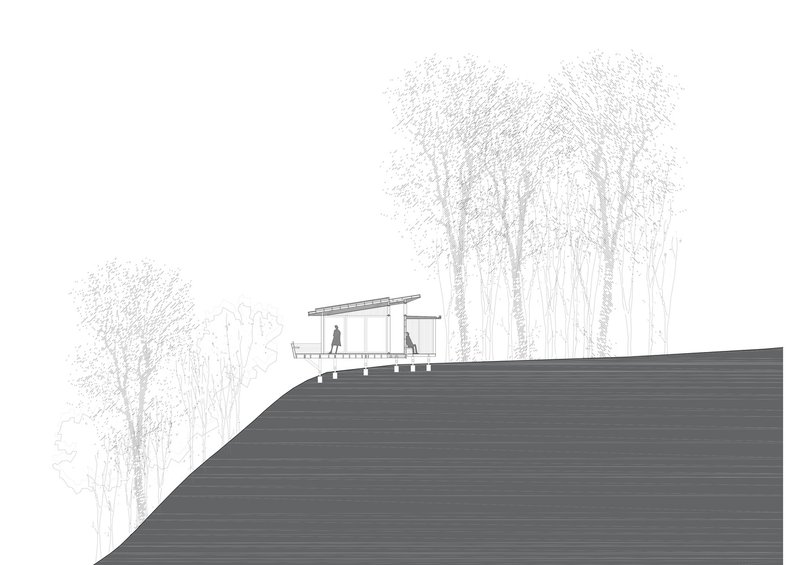
The home's roofline dynamically responds to the site's dual orientation. It rises gently toward the north to bring sunlight deep into the living and bedroom areas and descends toward the lake on the southern side, reducing visual impact while reinforcing the panoramic lake views. This passive solar design enhances the building’s comfort and environmental performance without relying on intrusive mechanical systems.
Crafted Simplicity in Material and Form
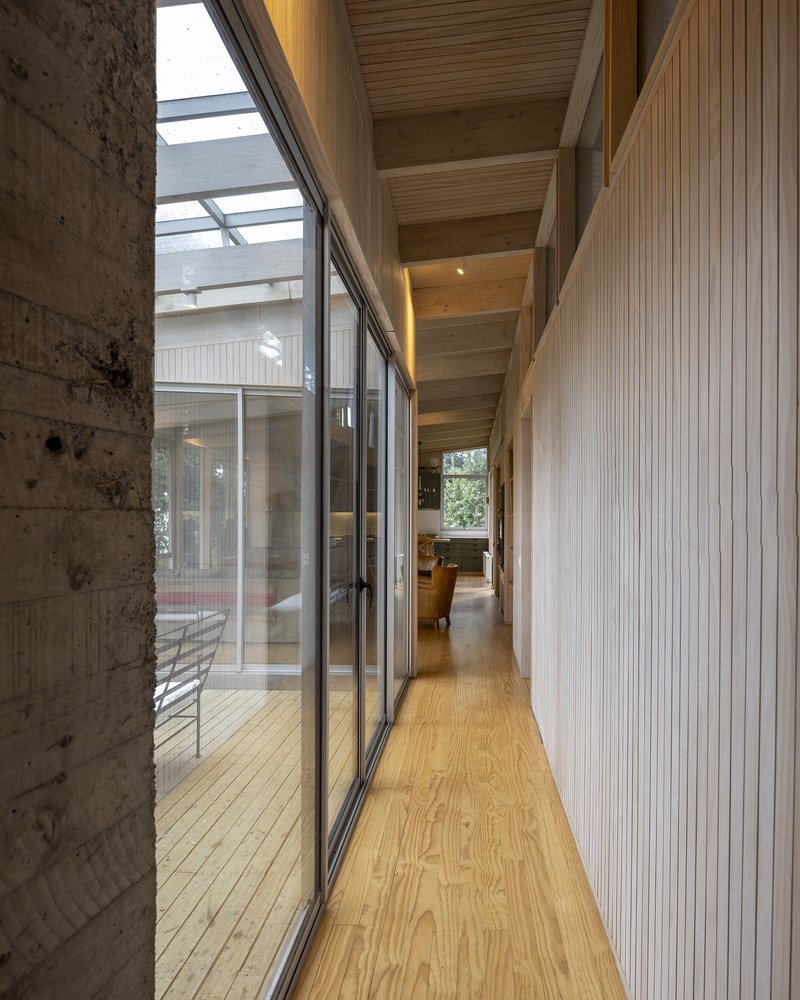
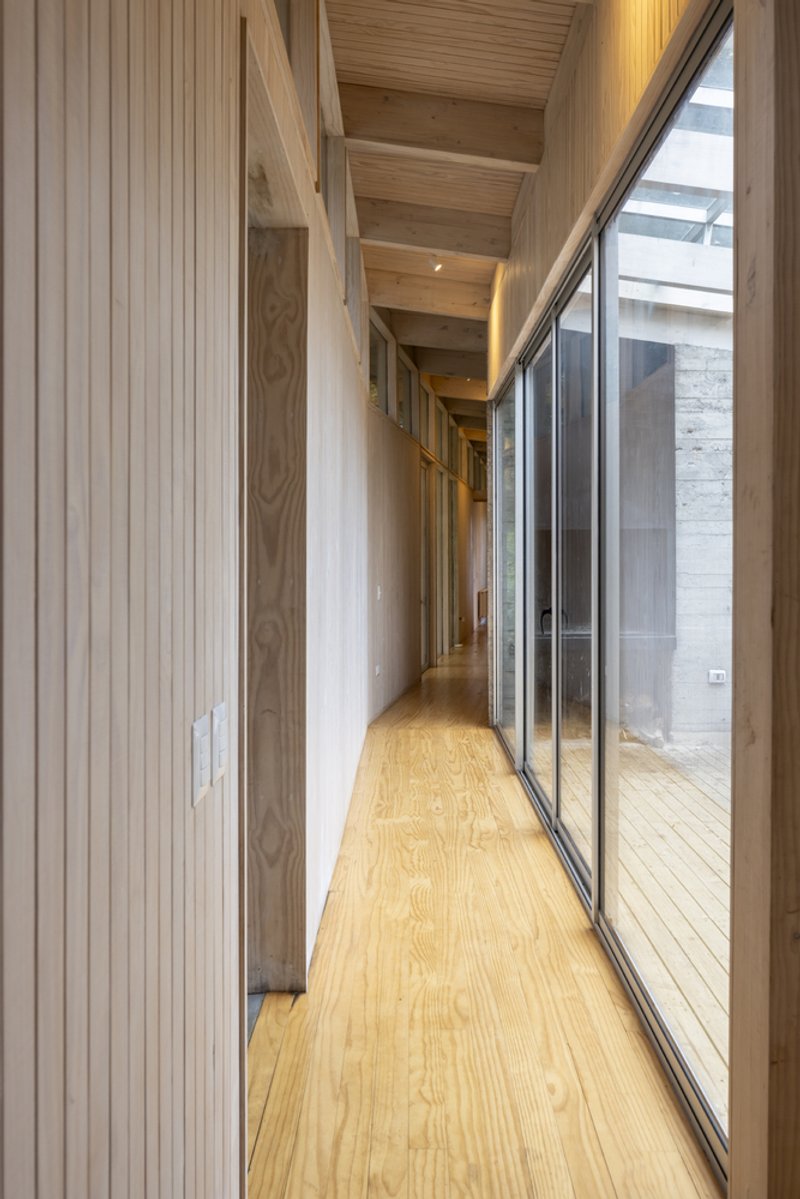
The structure is primarily composed of locally sourced wood, echoing the natural tones and textures of the forest. Interior finishes maintain a tactile honesty, with exposed beams, shelving, and large glass openings that seamlessly connect inside and out. The architecture avoids decorative excess, instead embracing a minimalist approach that allows the landscape to remain the focal point.
Forest House Architecture as a Model of Sensitive Design
Through its site-specific orientation, ecological awareness, and visual subtlety, the House of the Glade becomes a model for forest house architecture. It reflects a design philosophy where building and nature coexist—not in tension but in quiet, poetic dialogue. Ignacio Correa’s approach demonstrates that thoughtful architectural interventions can both respect and reveal the beauty of the environments they inhabit.
All photographs are works of Arieh Kornfeld



Popular Articles
Popular articles from the community

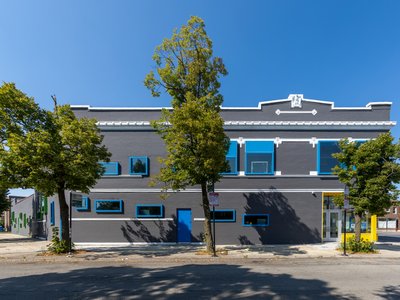
Gads Hill Early Learning Center by JGMA: Adaptive Reuse Shaping Community-Focused Educational Architecture
Adaptive reuse transforms fragmented structure into vibrant early learning center with playful façade, natural light, and community-focused sustainable design.
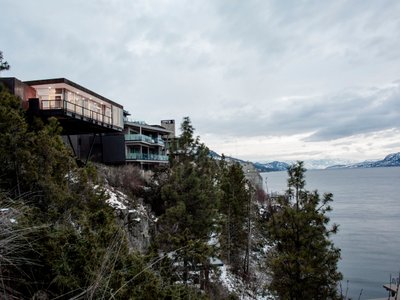
Alton Cliff House: A Harmonious Retreat by f2a Architecture in Lake Country, Canada
Alton Cliff House blends corten steel, prefabrication, and sustainable design, creating a luxurious, energy-efficient retreat perched on Canadian cliffs.
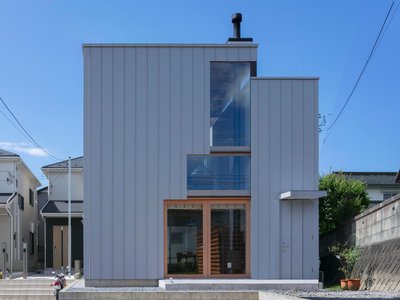
Split House: A Compact Urban Home Blending Privacy, Light, and Flexible Living in Japan
Compact Japanese home featuring DOMA space, flexible café potential, passive lighting, privacy zoning, and sustainable urban living design.

Free Architecture Competitions You Can Enter Right Now
No entry fees, real prizes. Here are the best free architecture competitions open for submissions in 2026.

Similar Reads
You might also enjoy these articles


The Ken Roberts Memorial Delineation Competition (Krob)
As the most senior architectural drawing competition currently in operation anywhere in the world, it draws hundreds of entries each year, awarding the very best submissions in a series of medium-based categories.
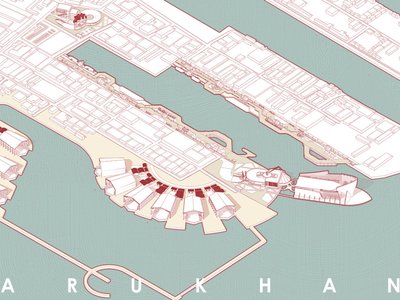
Waterfront Redevelopment and Urban Revitalization in Mumbai: Forging a New Dawn for Darukhana
A transformative waterfront redevelopment project reimagining Darukhana’s shipbreaking heritage into an inclusive urban future.
OUT-OF-MAP: A Call for Postcards on Feminist Narratives of Public Space
Rhizoma Design and Research Lab invites artists, designers, architects, researchers, and students to reflect on how feminist perspectives can reshape public space. Selected works will be exhibited in Barcelona, October 2026. Submissions open until 15 April 2026.

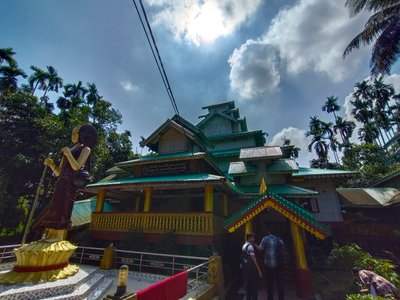
Documentation Work on Buddhist Wooden Temple
Architectural syncretism and cultural hybridity: A comparative study of the Buddhist temples in Chattogram Hill tracks


Explore Architecture Competitions
Discover active competitions in this discipline




The International Standard for Design Portfolios


The Global Benchmark for Architecture Dissertation Awards


The Global Benchmark for Graduation Excellence


Challenge to reimagine the Iron Throne
Comments (0)
Please login or sign up to add comments
No comments yet. Be the first to comment!