
Fragment blooming
Brief

该计划基于公交车站在城市人口密度之间均匀分布(具有类似的可分析人口构成背景、相同的社区文化环境和高频重叠的时间和规定的路线),以找到一个隐藏在微型城市(极端微观发展)的地方,其功能和空间也因其小而连接和重叠),同时它给拥挤的人群带来了意想不到的礼物。以武汉华中科技大学南门汽车站的人口调查为例。通过分析人群事件的构成,我们可以灵活配置老年人、工人、青年、儿童、环卫工人、母亲和婴儿以及流浪动物的7种特征。在城市化建设中,它仍将保留一个温度和幸福的地方,以应付突发事件的激增。可以使用此方案的人群可以重新分析特定区域的公交车站人群,并自由组合,从而在社区后面分享城市的记忆,或在不同地点的巴士站之间发生事件。

Popular Articles
Popular articles from the community

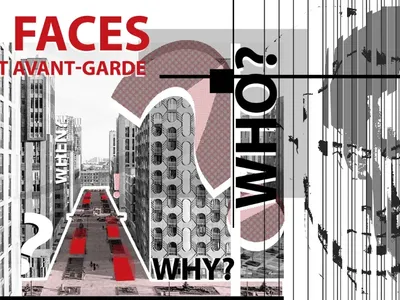
Faces of the Soviet Avant-Garde: Turning Moscow's Street Names into an Open-Air Museum
A network of sculptural installations across a Moscow residential district transforms forgotten architect names into spatial encounters with cultural memor

Cloaked Colonization: A Mobile Underwater Habitat That Moves Like a Fish
Micah Abaya's shortlisted EHC Pacific entry reimagines ocean settlement as a dispersed network of self-sustaining architectural organisms.

Singing Woman: An Opera House That Performs Before the Curtain Rises
Ovidiu Cristian Pavel's conceptual opera house translates Estonia's choral identity into a sculpted waterfront landmark facing the Baltic Sea.

Manzana Morphosis: Stretching Barcelona's Grid into a Living Landscape for 2050
A radical reworking of the Eixample manzana turns density into a tool for generous public space, vertical ecology, and environmental performance.

Similar Reads
You might also enjoy these articles

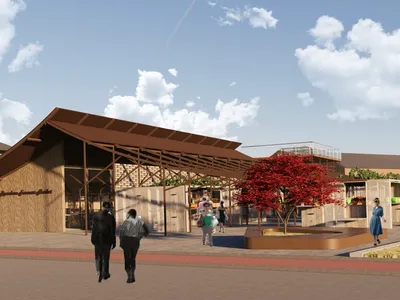
The Rhythm of Seasons
A Farmers' Market Connecting Nature and the City
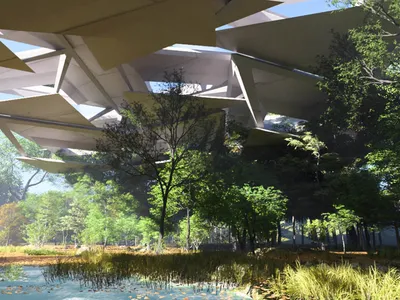

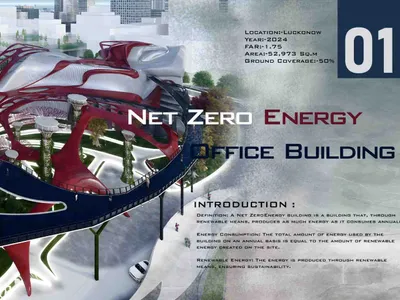
More Than a Building-Designing a Living System
More Than a Building-Designing a Living System
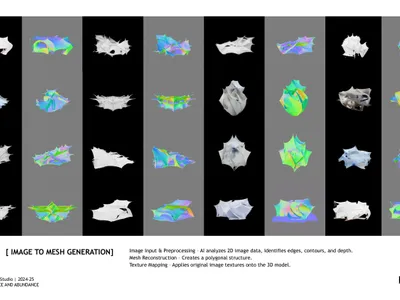
Base Beyond
DESERT COMPOUND ARID: TOURISM OF ABSENCE AND ABUNDANCE

Explore Street Art Competitions
Discover active competitions in this discipline


Design challenge to equip cities with modern furniture

Packaging challenge - Design meets sustainability
Comments (0)
Please login or sign up to add comments
No comments yet. Be the first to comment!