

Furubira Town Hall: A Model of Sustainable Architecture in Hokkaido, Japan
The article explores the Furubira Town Hall as a model of sustainable architecture, emphasizing energy efficiency and local materials.

Sustainable Architecture
Sustainable architecture is more than just a design trend—it's an essential approach to creating buildings that minimize environmental impact while enhancing the well-being of their inhabitants. In recent years, architects have increasingly embraced energy-efficient technologies and local materials to ensure that buildings not only serve their immediate functions but also promote a sustainable future. One such remarkable example of sustainable architecture is the Furubira Town Hall in Furubira, Hokkaido, Japan.
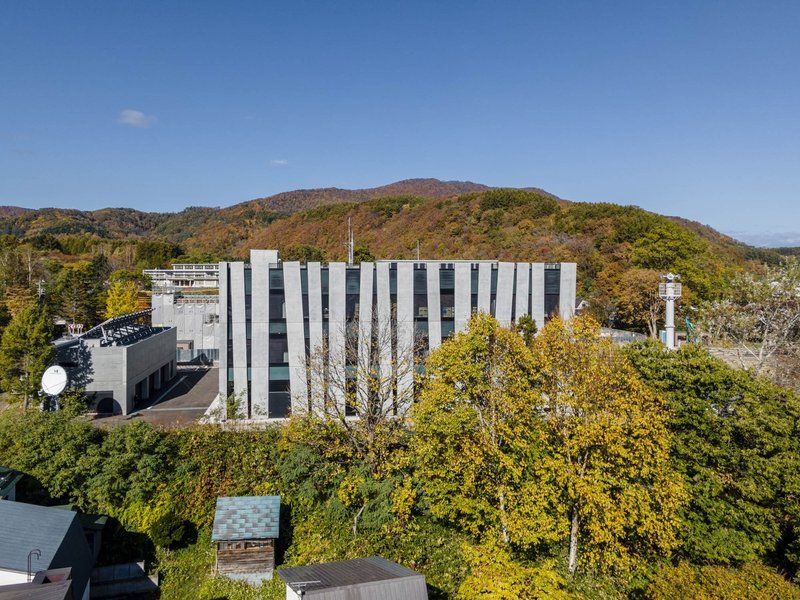
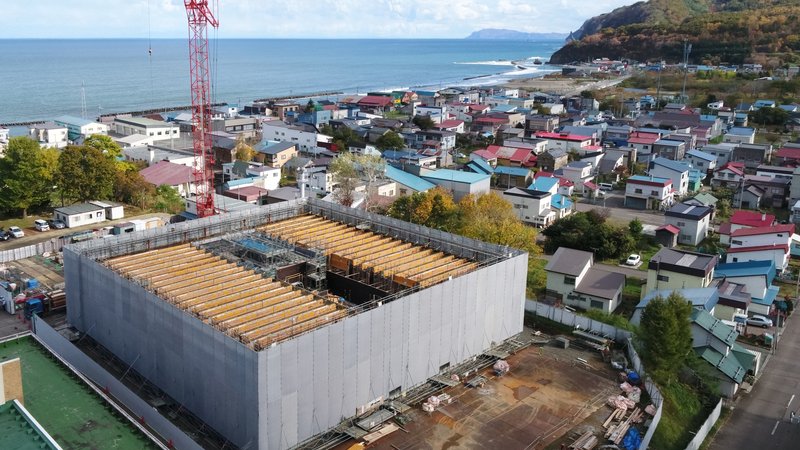
Designed by TAISEI DESIGN Planners Architects & Engineers, this municipal building combines innovative design strategies and environmentally responsible materials to create a structure that is both functional and energy-efficient. Completed in 2022, the Furubira Town Hall stands as a model of sustainable architecture in a region known for its harsh winters and cold climate.
Sustainable Design in a Cold Climate
Hokkaido, the northernmost island of Japan, faces some of the coldest and harshest winters in the country. With snow covering the region for almost half the year, energy efficiency is crucial for the comfort and well-being of its residents. The Furubira Town Hall was designed to address these challenges while also aiming for the town's bold vision of becoming a Zero Carbon City by 2050.
Key Features of Sustainable Architecture at Furubira Town Hall
1. Energy-Efficient Heating and Cooling
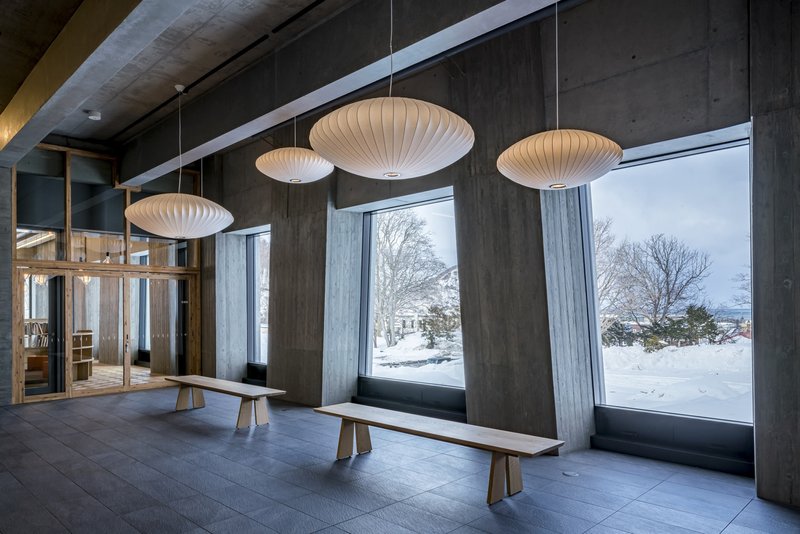
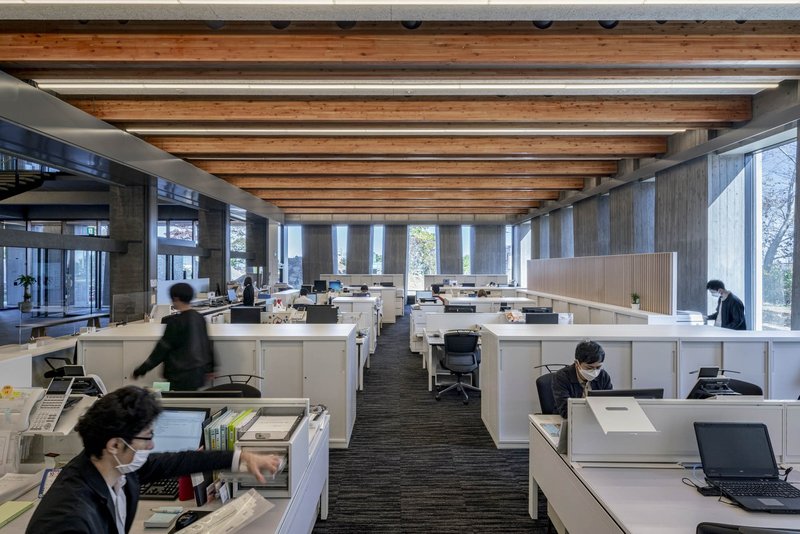
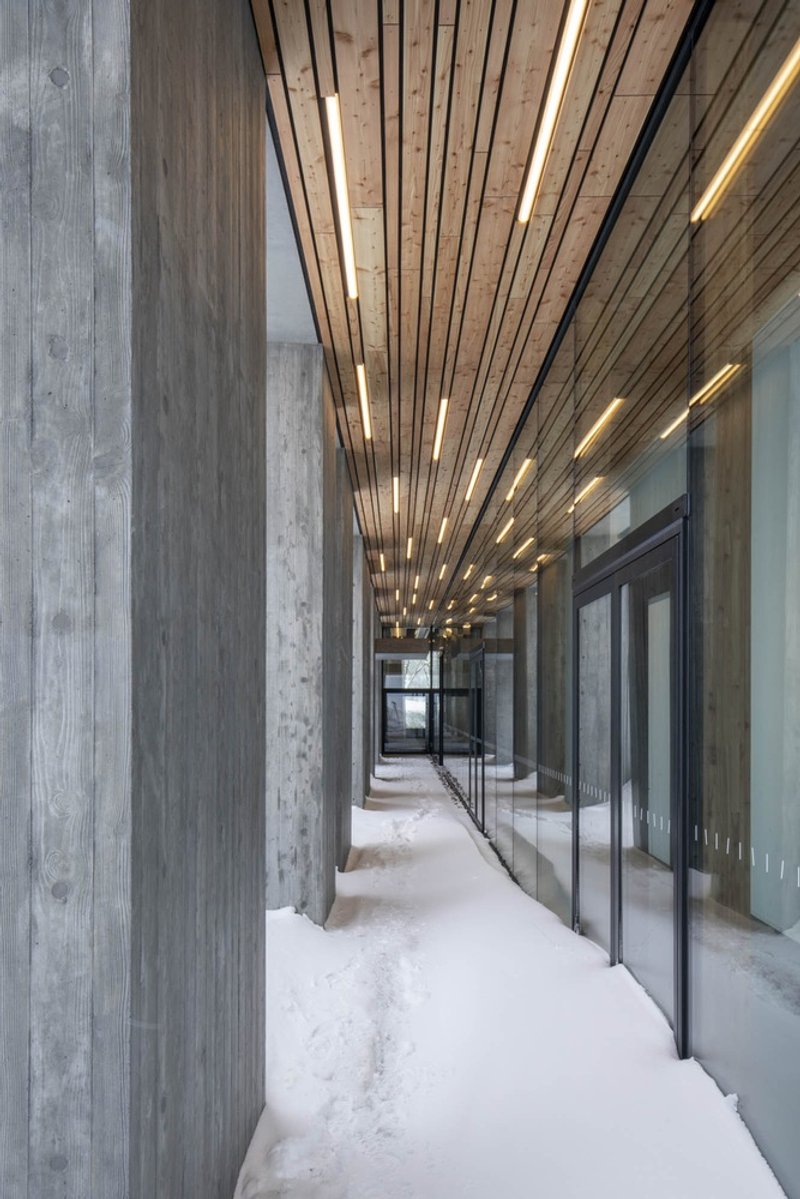
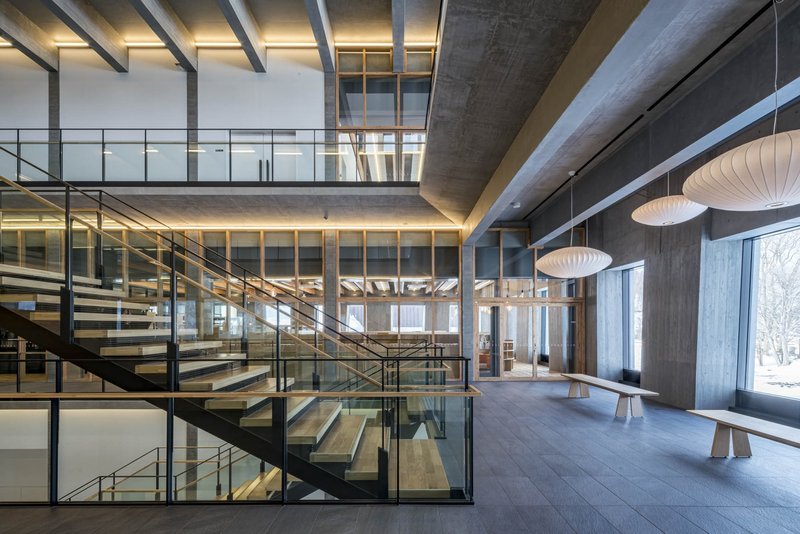
The building's exterior structure is designed with insulated wall columns on all four sides, allowing for optimal thermal efficiency. These columns are part of an innovative system that incorporates radiant heating and cooling features into the concrete perimeter. This design helps store heat and maintain a comfortable indoor temperature, especially in the winter months when temperatures can plummet.
2. Photovoltaic Power Generation
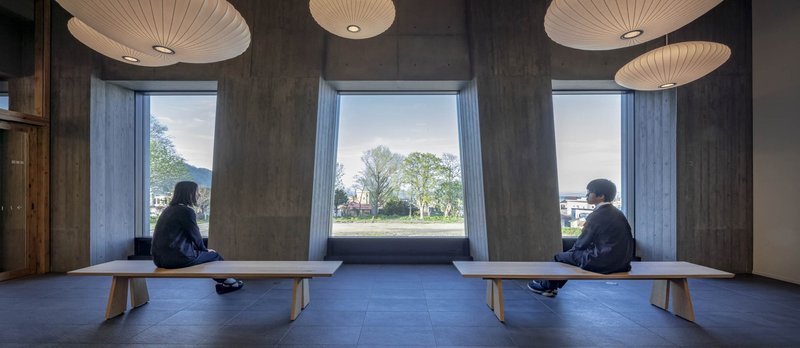
In line with the principles of sustainable architecture, the Furubira Town Hall integrates photovoltaic panels into its facade. These panels are placed on glass openings, allowing natural light to penetrate the building while also generating renewable energy. This not only reduces the building's dependence on external energy sources but also contributes to the town's carbon-neutral goals.
3. Local Materials and Timber Use
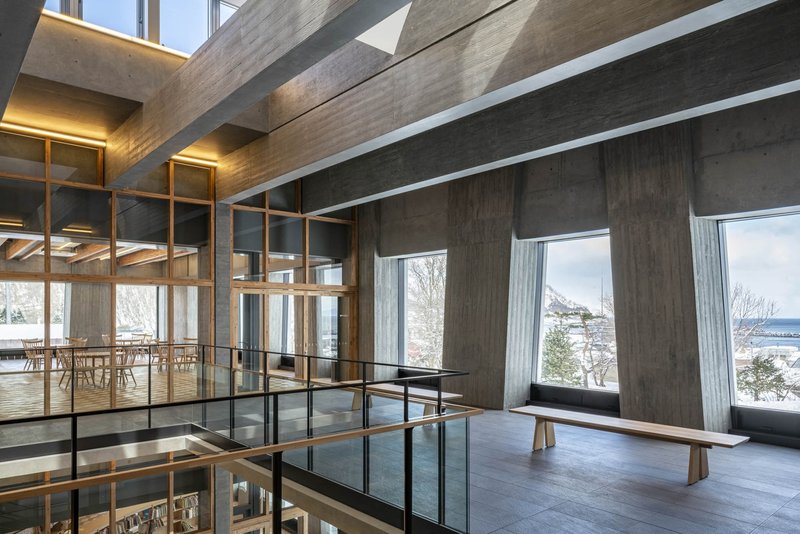
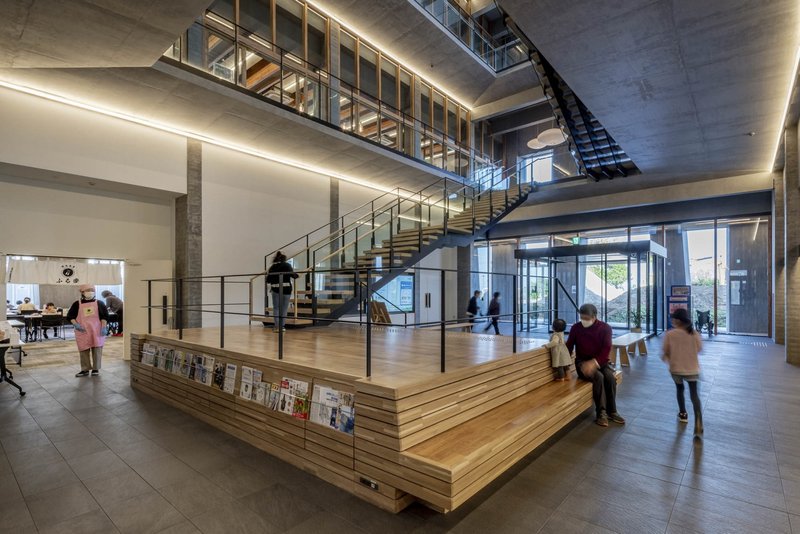
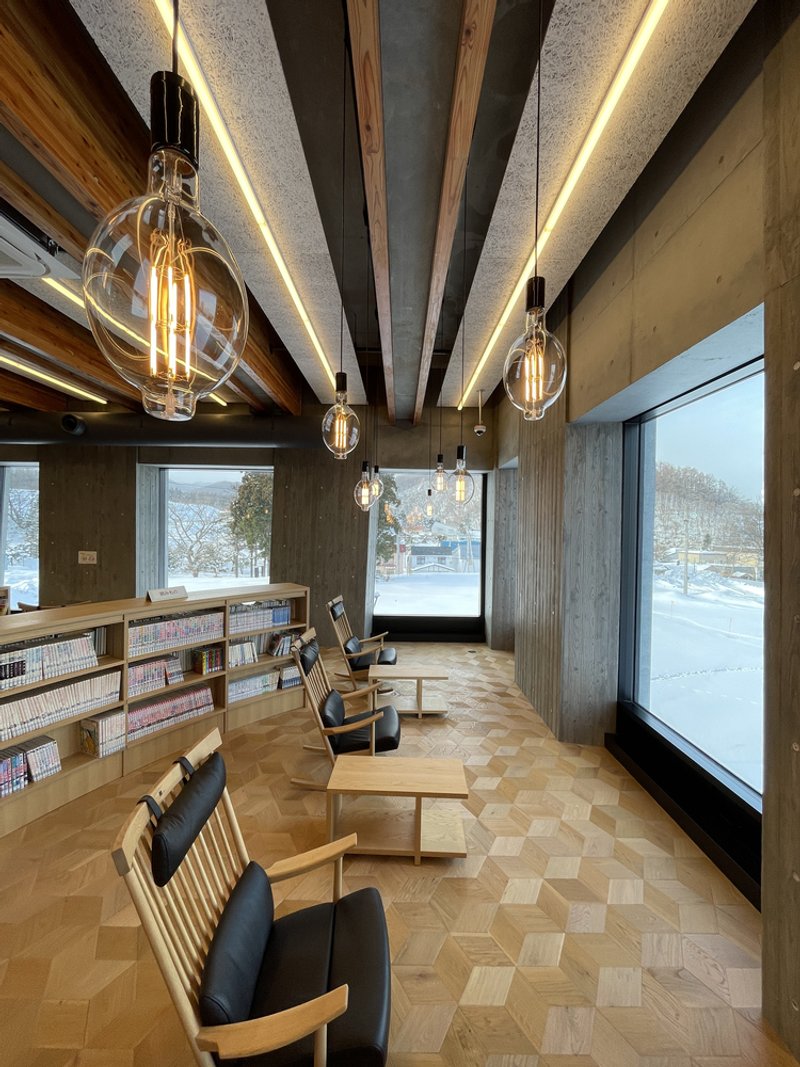
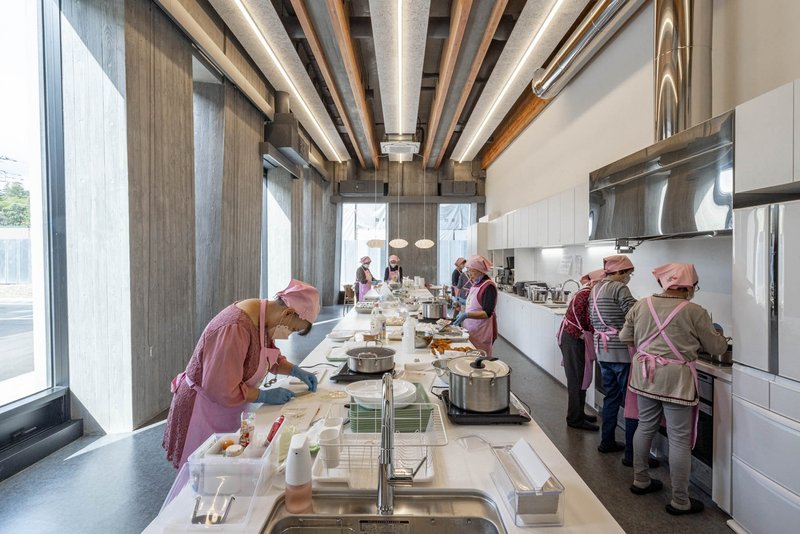
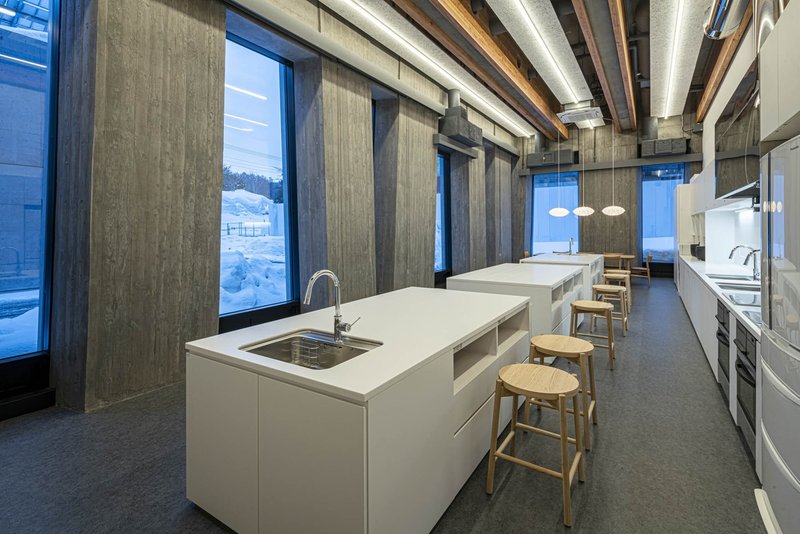
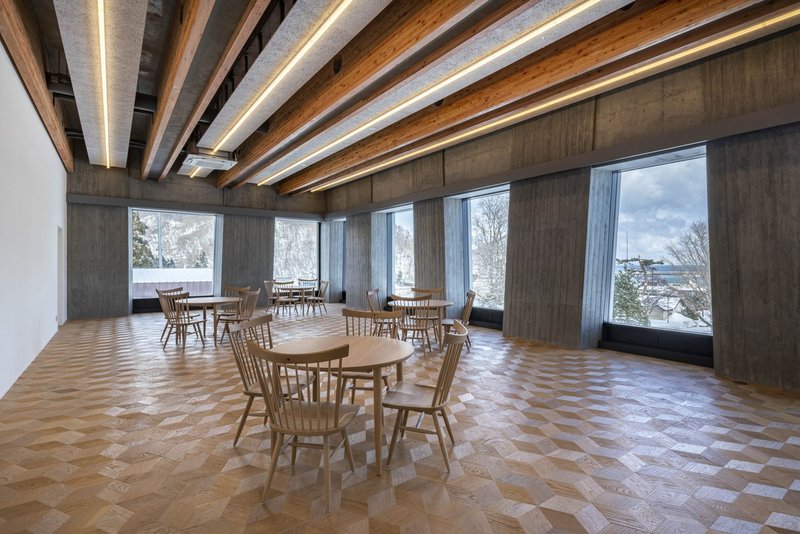
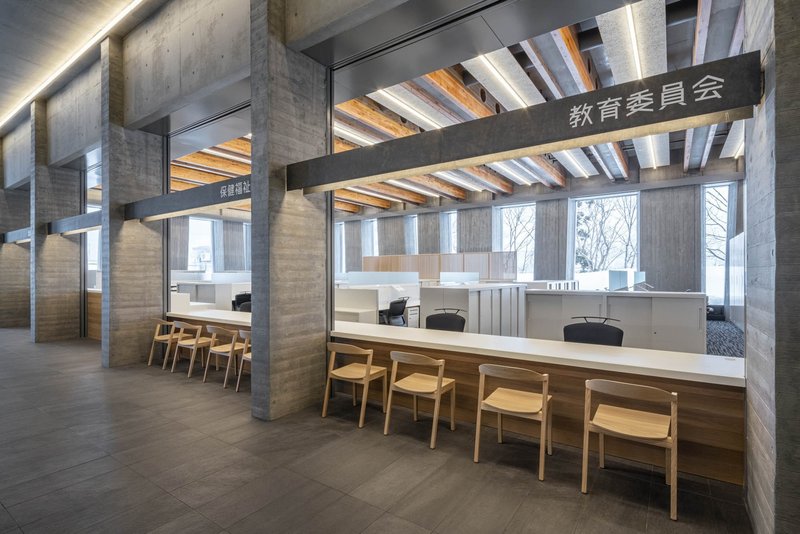
A cornerstone of the building’s design is the use of Hokkaido timber, sourced locally to promote the regional timber cycle. The timber is used throughout the building, not only contributing to the environmental benefits of the project but also creating a warm, welcoming atmosphere. Sustainable architecture is deeply rooted in local contexts, and using local materials ensures that the building supports the local economy while reducing the carbon footprint associated with transportation.
4. Composite Beams for Structural Efficiency
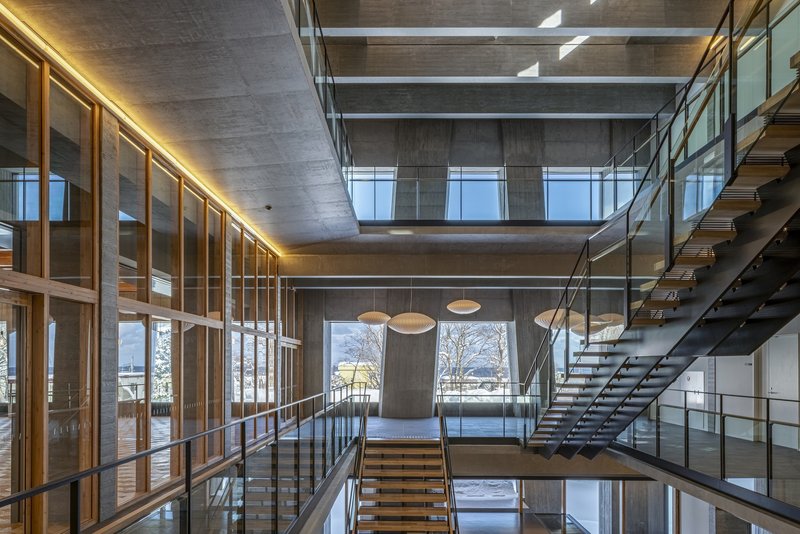
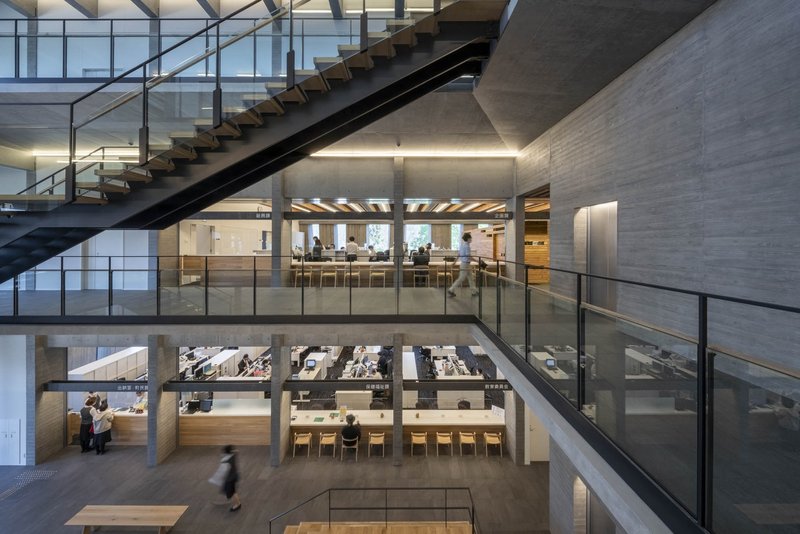
Another significant feature of the Furubira Town Hall is the use of composite beams made from laminated wood and concrete. These beams are constructed using Hokkaido larch, a wood that is known for its strength. This composite approach enhances the overall stability of the structure while minimizing waste during construction. Additionally, the beams contribute to CO2 storage, further aligning with the goals of sustainable architecture.
Achieving a Zero Carbon Future Through Design
The Furubira Town Hall is the first ZEB-certified (Zero Energy Building) municipal building in a cold region, making it a pioneer in sustainable architecture in Hokkaido. At its current stage, the building has achieved a remarkable 79% energy savings, significantly reducing its carbon footprint and setting an example for future municipal buildings.
The structure is designed to last for at least 100 years, a testament to its durability and sustainable design. By focusing on energy conservation, renewable energy generation, and the use of local, sustainable materials, the Furubira Town Hall plays an essential role in Furubira's goal of reducing CO2 emissions and fostering a greener, more sustainable community.
Why Sustainable Architecture Matters
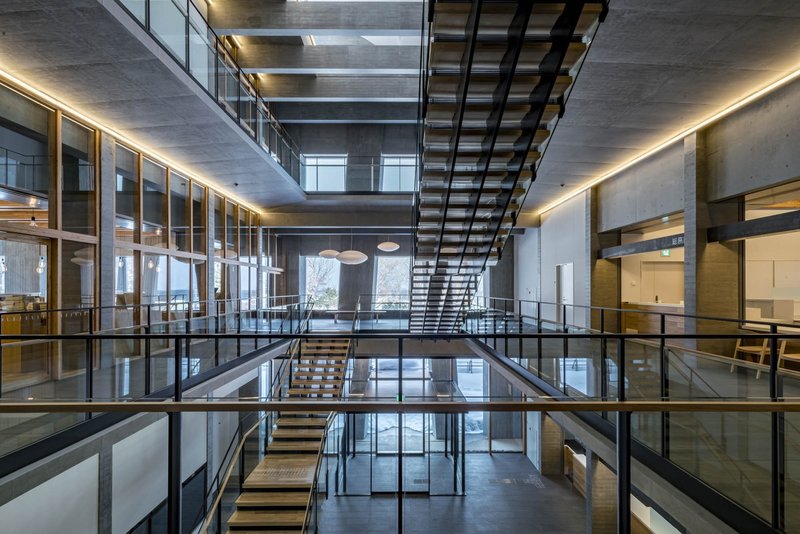
The Furubira Town Hall is more than just a municipal building; it is a symbol of how architecture can serve both people and the planet. In an era of climate change and environmental challenges, sustainable architecture has never been more important. By adopting energy-efficient designs, reducing carbon emissions, and utilizing locally sourced materials, architects can create buildings that benefit both the environment and the communities they serve.
The Future of Sustainable Architecture
As more cities around the world look for ways to reduce their environmental impact, the principles demonstrated by the Furubira Town Hall will become increasingly vital. Sustainable architecture is not just about creating eco-friendly buildings; it’s about designing spaces that enhance quality of life while respecting the planet’s finite resources.
In Furubira, the Town Hall serves as a benchmark for future developments, showing how local initiatives and forward-thinking design can lead to a greener future. The building’s combination of energy-efficient technologies, renewable energy generation, and sustainable materials demonstrates how sustainable architecture can be seamlessly integrated into the fabric of modern communities.
The Impact of Sustainable Architecture in Furubira
The Furubira Town Hall represents a major step forward in the field of sustainable architecture. By blending advanced technologies with eco-friendly materials and energy-saving strategies, it stands as a model of how modern architecture can contribute to reducing environmental impact. As Furubira moves toward its goal of becoming a Zero Carbon City, the town hall will continue to inspire other communities to embrace sustainability in their building projects.
In the world of architecture, sustainable design is no longer a choice but a necessity. Furubira Town Hall is a perfect example of how thoughtful, innovative design can create a lasting, positive impact on the environment and the people who inhabit it.




Popular Articles
Popular articles from the community


Inverted Architecture Installation by Studio Link-Arc: Exploring the Intersection of Architecture and Living Organisms
Inverted Architecture Installation by Studio Link-Arc blends mycelium, sustainability, inverted design, ecological cycles, and urban adaptive architecture in Shenzhen.

Split House: A Compact Urban Home Blending Privacy, Light, and Flexible Living in Japan
Compact Japanese home featuring DOMA space, flexible café potential, passive lighting, privacy zoning, and sustainable urban living design.

Free Architecture Competitions You Can Enter Right Now
No entry fees, real prizes. Here are the best free architecture competitions open for submissions in 2026.

Similar Reads
You might also enjoy these articles


The Ken Roberts Memorial Delineation Competition (Krob)
As the most senior architectural drawing competition currently in operation anywhere in the world, it draws hundreds of entries each year, awarding the very best submissions in a series of medium-based categories.

Waterfront Redevelopment and Urban Revitalization in Mumbai: Forging a New Dawn for Darukhana
A transformative waterfront redevelopment project reimagining Darukhana’s shipbreaking heritage into an inclusive urban future.

OUT-OF-MAP: A Call for Postcards on Feminist Narratives of Public Space
Rhizoma Design and Research Lab invites artists, designers, architects, researchers, and students to reflect on how feminist perspectives can reshape public space. Selected works will be exhibited in Barcelona, October 2026. Submissions open until 15 April 2026.


Documentation Work on Buddhist Wooden Temple
Architectural syncretism and cultural hybridity: A comparative study of the Buddhist temples in Chattogram Hill tracks


Explore Architecture Competitions
Discover active competitions in this discipline




The International Standard for Design Portfolios


The Global Benchmark for Architecture Dissertation Awards


The Global Benchmark for Graduation Excellence


Challenge to reimagine the Iron Throne
Comments (0)
Please login or sign up to add comments
No comments yet. Be the first to comment!