

FW JI·The Rural Memory Museum: Rural Architecture and Cultural Preservation in Huangshan
FW JI·The Rural Memory Museum integrates rural architecture and cultural preservation, transforming a village space into a community-driven cultural landmark.


Revitalizing Tradition Through Architecture
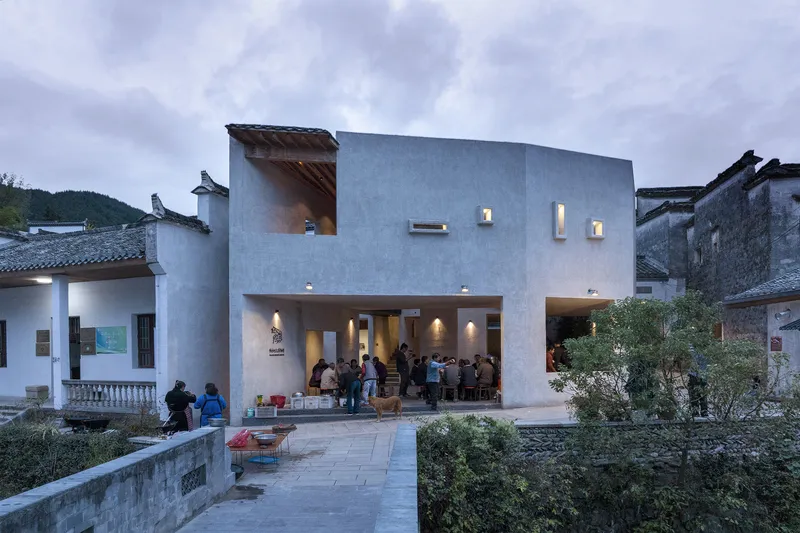
FW JI·The Rural Memory Museum, designed by IARA, is a landmark project that blends rural architecture and cultural preservation in the heart of Fengwu Village, Yixian County, Huangshan. As part of the "IARA Rural Revitalization – Fengwu Ji" initiative, the project reinterprets local history by transforming an underutilized village space into a vibrant cultural hub. This project stands as a modern reimagining of a traditional ancestral hall, providing both a community gathering space and a repository of rural heritage.

Site Context and Historical Continuity
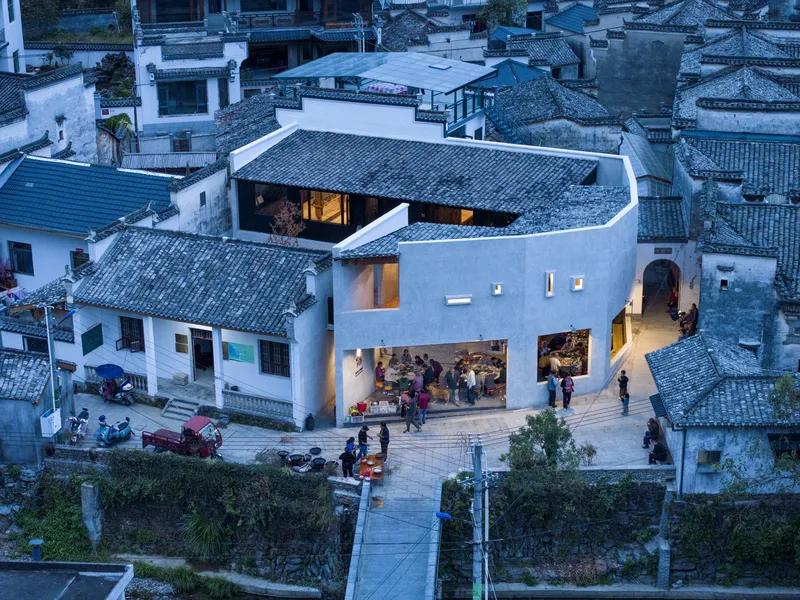
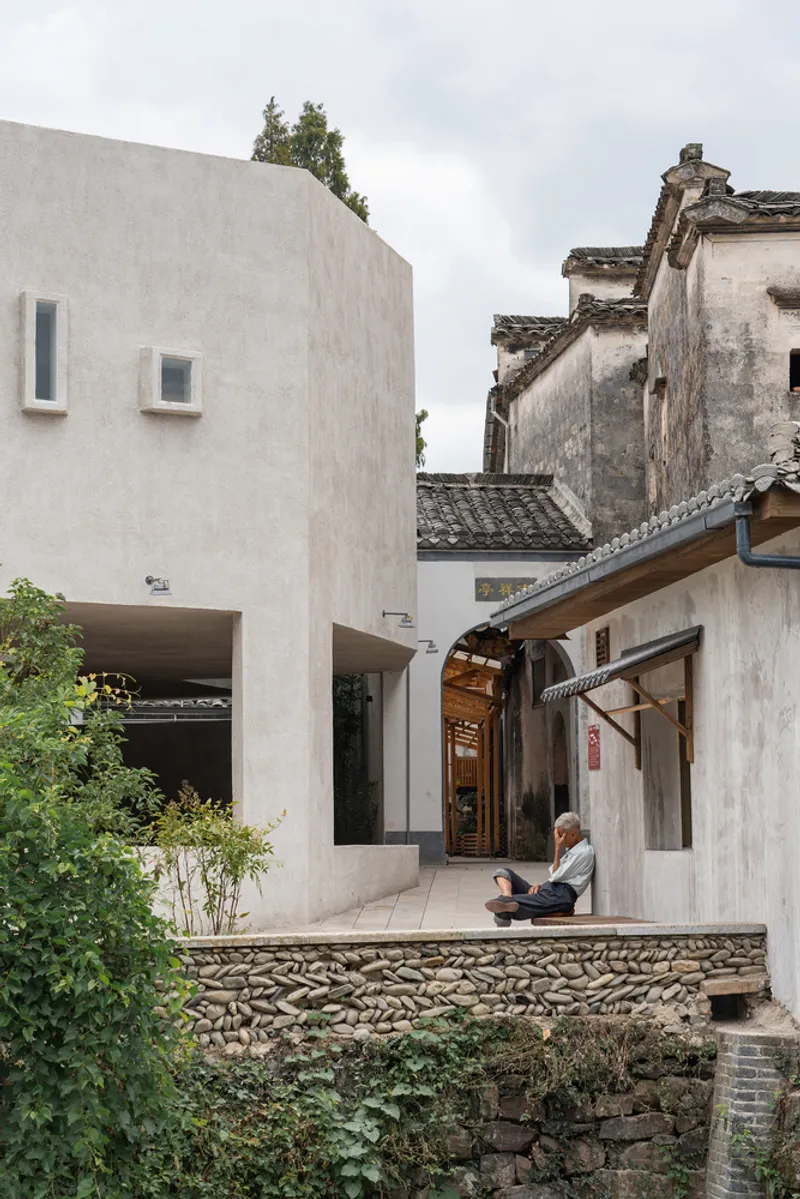
The museum occupies a site once home to an old residence, which later became a village square. However, due to its incompatibility with local climatic conditions, the square saw minimal use. Rather than introducing a completely new structure, the design respects historical imprints by constructing the museum on the foundations of the original house. This approach not only honors the past but also seamlessly integrates the museum into the rural fabric, maintaining the continuity of the village’s spatial identity.
Architectural Approach: Merging Old and New
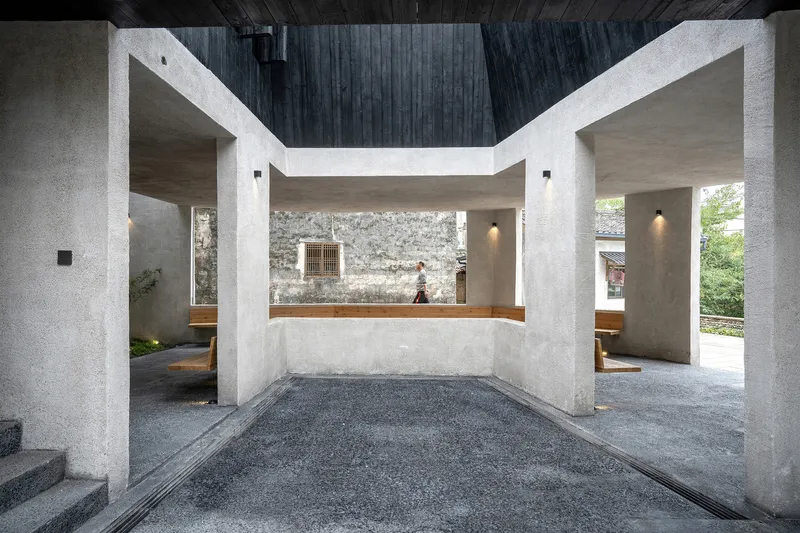
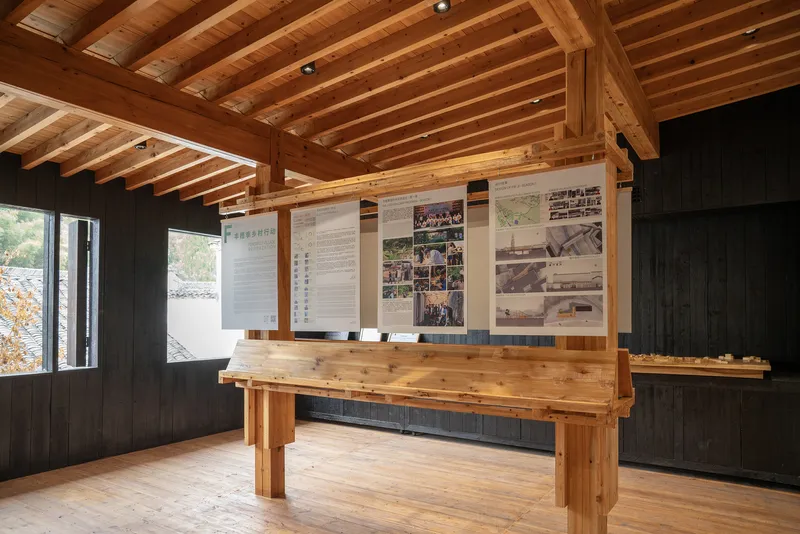
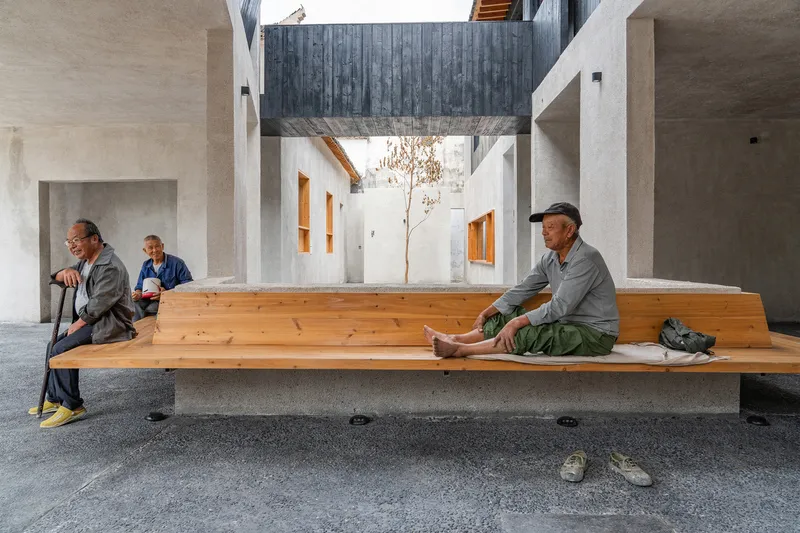
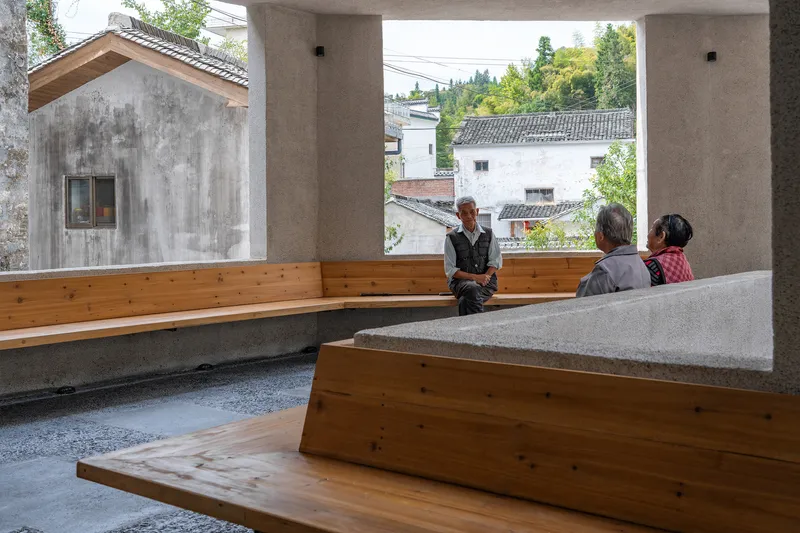
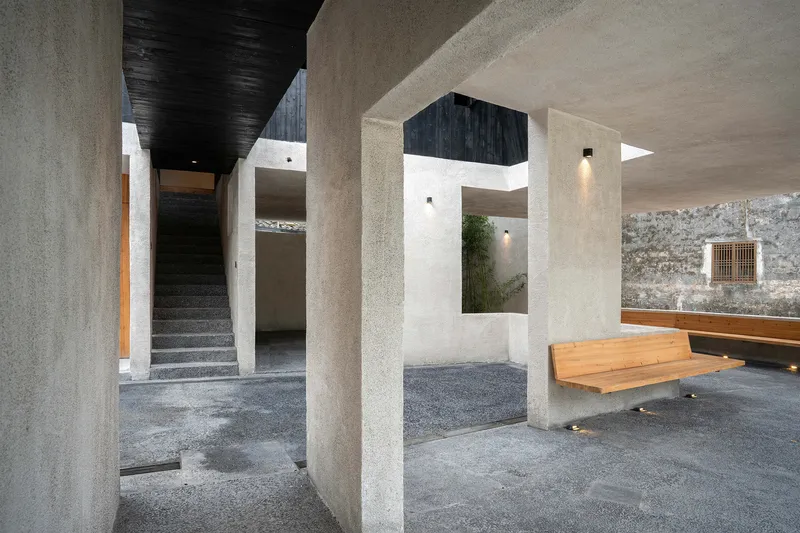
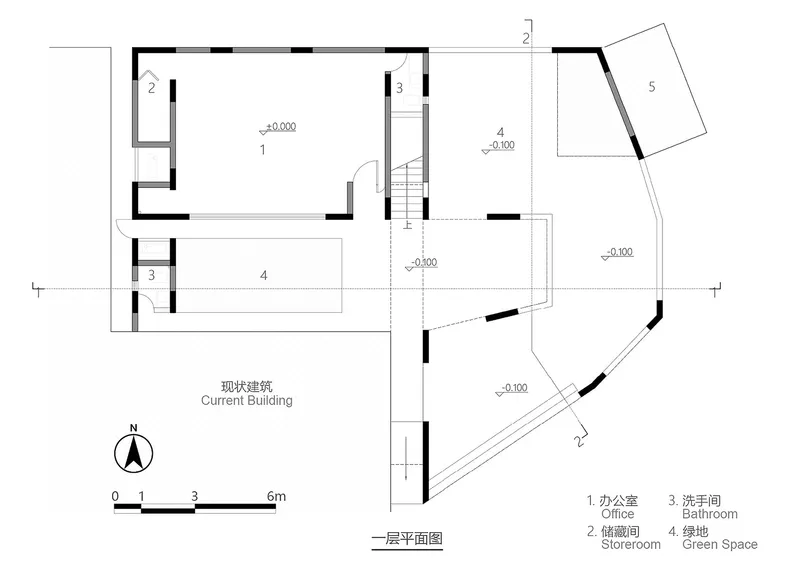
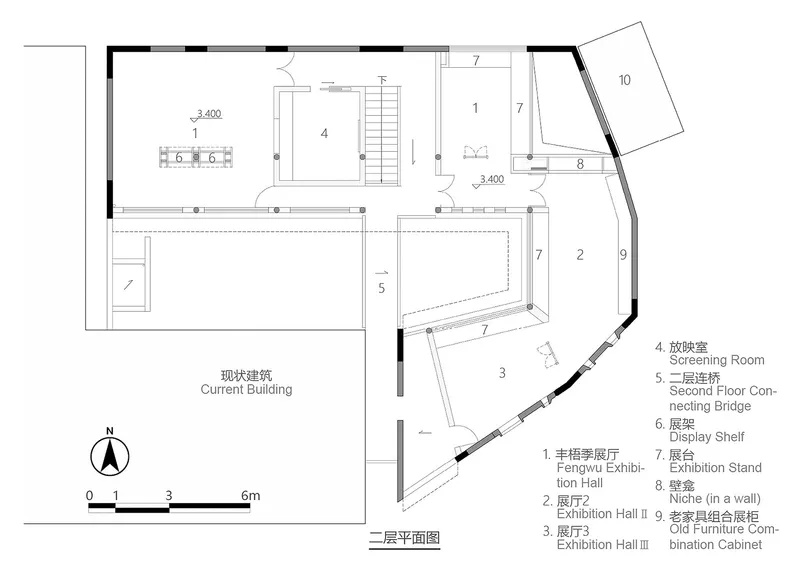
The design strategy of FW JI·The Rural Memory Museum employs a spatial weaving technique that interlaces contemporary architectural language with traditional materials. The structure is elevated, with the museum occupying the second floor while the ground level remains open, providing a semi-outdoor communal area that shelters villagers from wind and rain. This adaptive reuse of space enhances the village’s social life, reinforcing its role as a cultural and spiritual center.
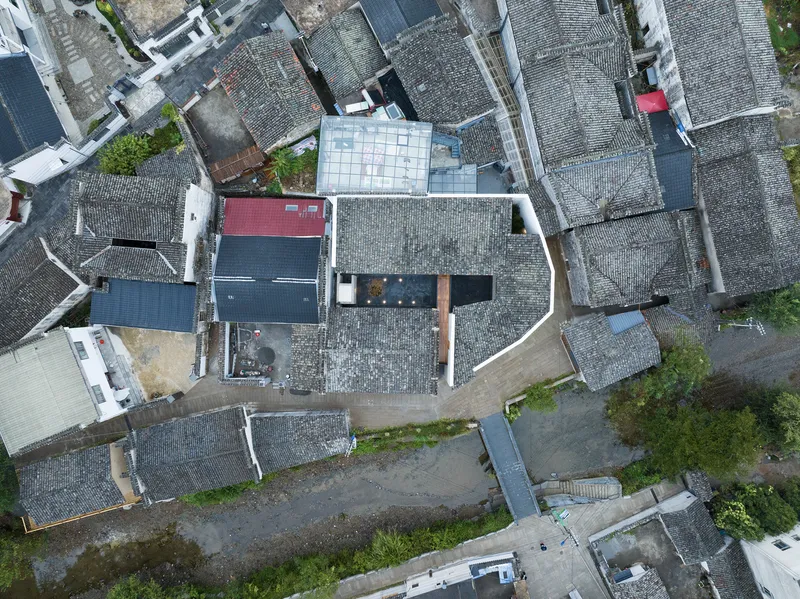

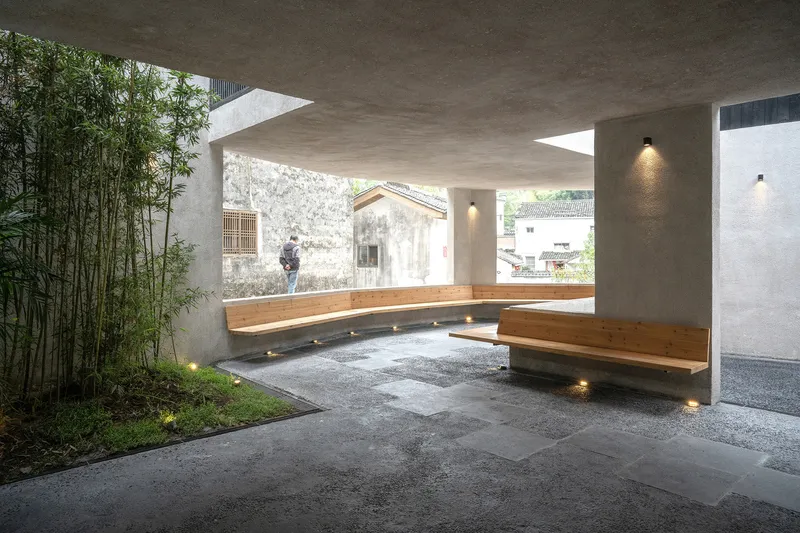
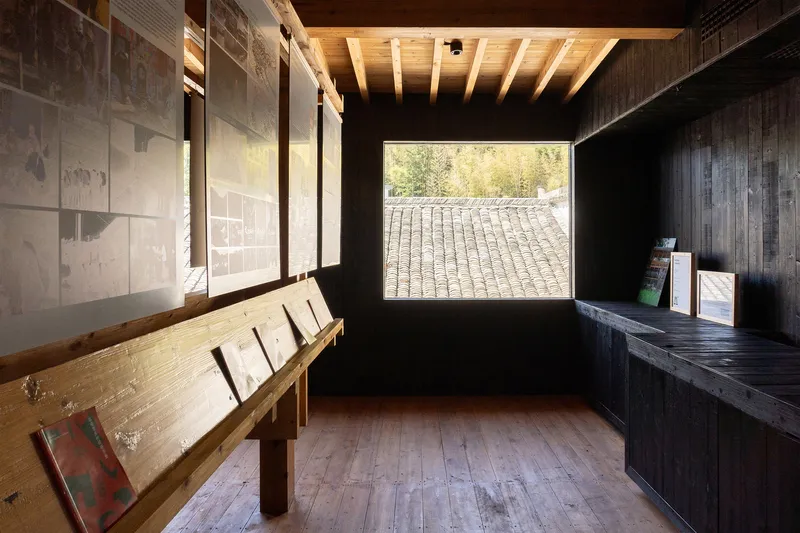
The museum follows the traditional Hui-style courtyard house concept, enclosing an inner courtyard that fosters natural ventilation and daylighting. Grey tiles, white walls, and wooden structures reference the regional architectural vernacular, but with a modern twist. The white walls are crafted using a unique blend of local river sand, cement, and lime, hand-washed to achieve a weathered texture that reflects the passage of time. Wooden panels undergo a surface-charring process to create a carbonized layer, enhancing both durability and fire resistance while giving the structure an aged aesthetic.


Light and Space: A Symbolic Narrative
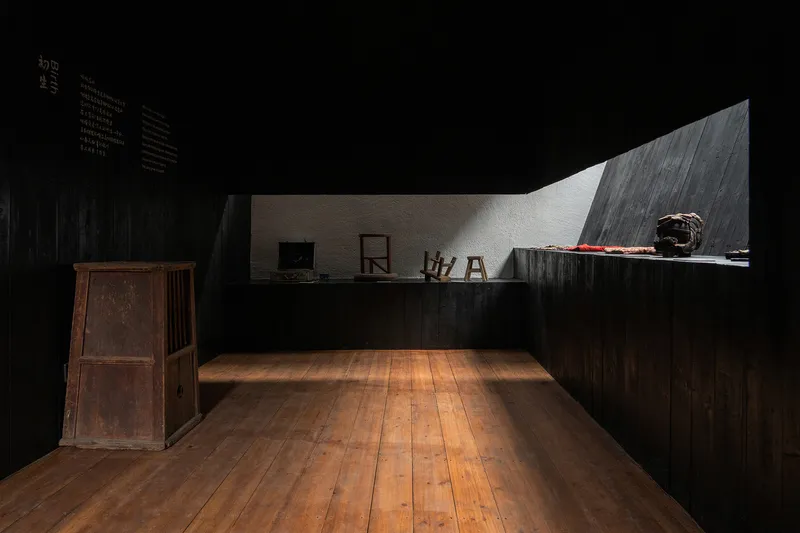
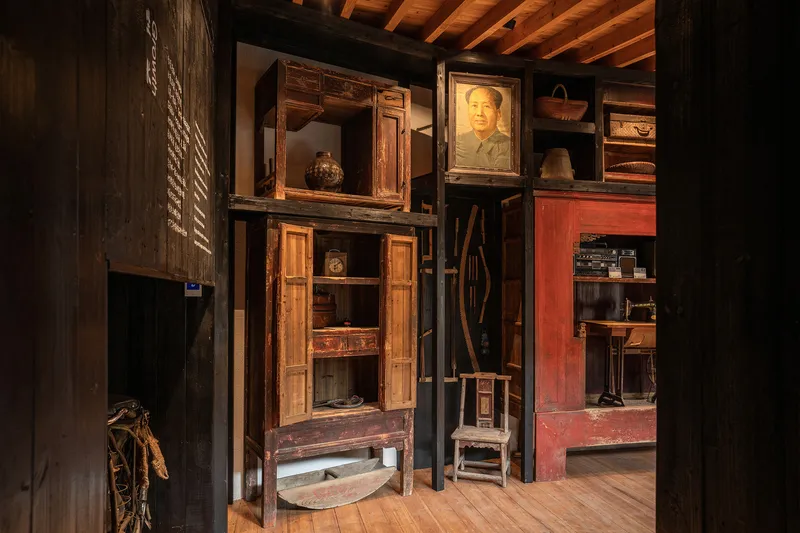
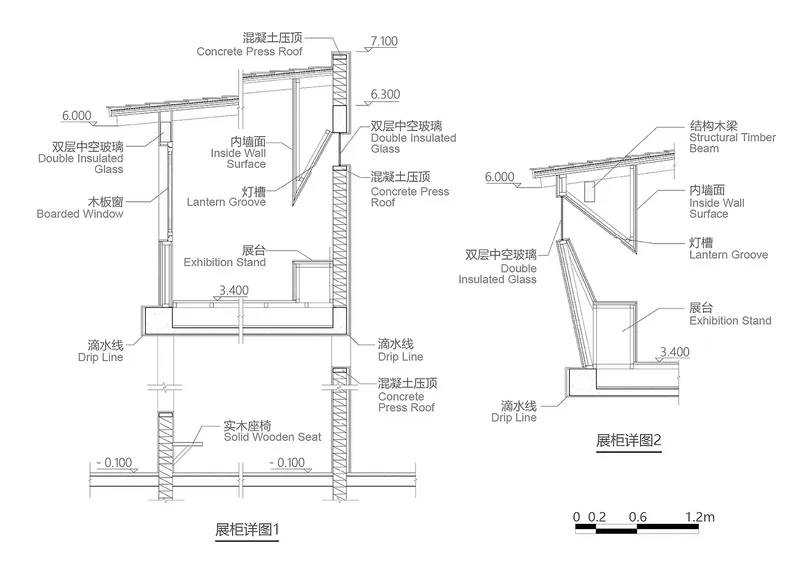
Natural light plays a crucial role in shaping the museum’s atmosphere. The second-floor exhibition space, known as the "Rural Memory Hall," features hidden skylights that introduce diffused lighting, creating a tranquil and introspective ambiance. The exhibition, titled "Poetry of Life," weaves together personal artifacts and villagers’ stories, structured around three themes: "Birth," "Growth," and "Inheritance." This narrative approach transforms the space into an immersive storytelling environment, reconstructing the village’s history through tangible memories.
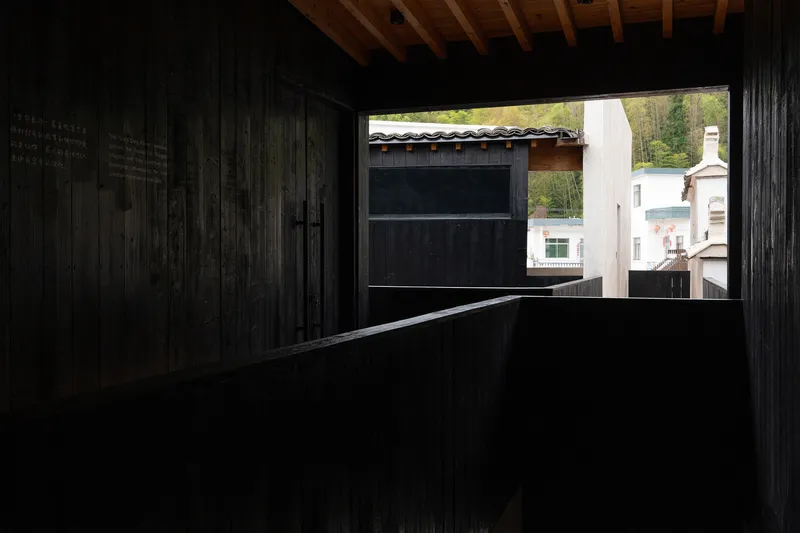

By juxtaposing light and shadow, openness and enclosure, the museum evokes an emotional connection to rural life. The architectural composition serves not only as a physical space but also as a metaphorical bridge linking past and present, individual and collective memory.
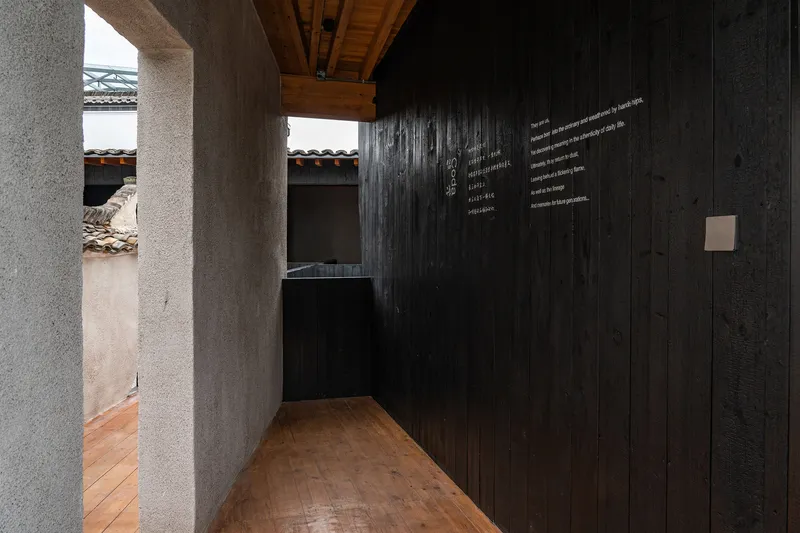
Community Integration and Social Impact
Unlike conventional museums that focus on grand historical narratives, FW JI·The Rural Memory Museum prioritizes the daily lives of ordinary villagers. It functions as a dynamic public space where cultural activities, communal gatherings, weddings, and funerals take place. Even before construction was completed, villagers had spontaneously used the site for traditional feasts, reaffirming its role as a living part of the community.

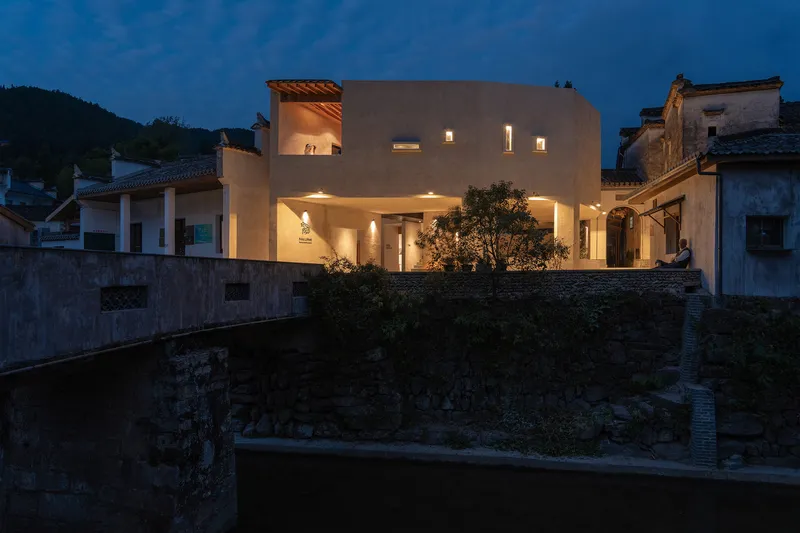
The museum’s inauguration itself was a celebration of collective memory, with villagers participating in a banquet as the opening event. This grassroots involvement underscores the project’s success in fostering a sense of belonging and continuity. More than just an architectural intervention, the museum embodies the evolving cultural identity of Fengwu Village, preserving traditions while embracing the transformations of modern rural life.
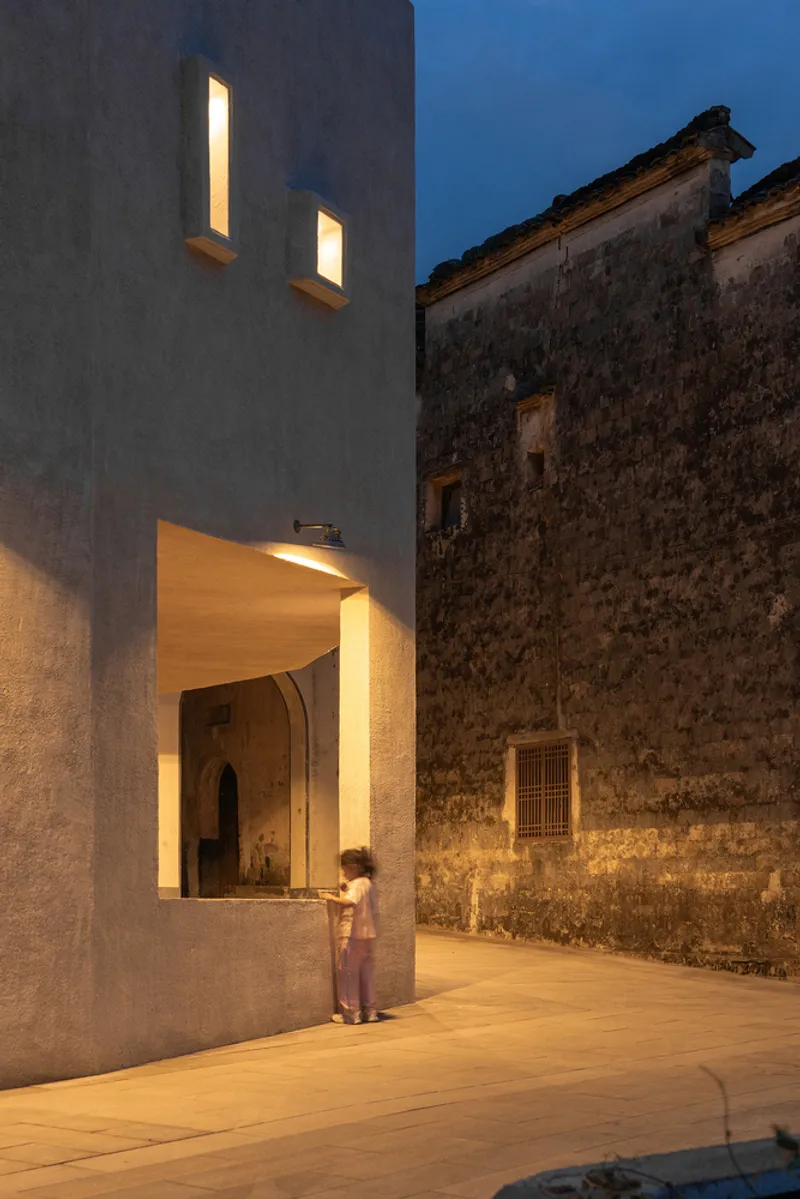
A Model for Rural Cultural Preservation
FW JI·The Rural Memory Museum exemplifies how architecture can serve as a medium for cultural preservation and rural revitalization. By respecting historical foundations, utilizing locally sourced materials, and fostering communal engagement, the project demonstrates the potential of design to reinforce social cohesion in rural contexts. This harmonious blend of tradition and innovation ensures that while old memories are honored, new narratives continue to unfold, making the museum an enduring testament to the resilience and beauty of rural heritage.



All Photographs are works of Huien Song, Yi Huang


Popular Articles
Popular articles from the community


Extended Shell: Retrofitting Kolkata's Balconies as Living Urban Thresholds
A modular retrofit system recovers the social and environmental intelligence of Kolkata's historic verandas for contemporary Park Street residents.
Temporary Home for Dogs: A Reversed Zoo Rethinks Animal Shelter Architecture
In Bucharest, a sinuous corridor and freed landscape flip the logic of containment, designing a shelter that works to make itself unnecessary.

Opera on the Sea: Driftwood Logic Shapes a Timber Opera House on Estonia's Coast
Trevor Orgill's opera house translates the entangled drift of floating timber into a civic building where wood, water, and music converge.

Singing Woman: Contemporary Architecture Inspired by Estonia’s Voice and the Sea
Singing Woman turns Estonia’s song culture into flowing opera house architecture, blending public life, landscape, sea, and national memory.

Similar Reads
You might also enjoy these articles


Hodi-Mandai Geram
Project Function: Preservation and revitalization of the Intangible heritage and socio-spatial identity of the Hodi by Housing, Cultural Memory Center, Sacred Grove, landscape, local tourism economy


Olio Towers: A Mid-Rise for Performers That Fuses Housing, Rehearsal, and Stage
Located blocks from Houston's Theater District, this modular tower stacks living units around a central performance atrium.

Oasis: Modular Green Housing Carved into Dhaka's Urban Fabric
A shortlisted Plugin Housing entry reclaims unauthorized settlements in Dhaka with stepped concrete volumes, green roofs, and ventilation-driven design.

Black Hole: A Floating Megastructure for the Post-Physical Era
Emiliano Mazzarotto envisions a spherical, self-scaling arena where e-sports, digital hotels, and holographic stadiums replace traditional public space.

Explore Folk Architecture Competitions
Discover active competitions in this discipline

Challenge to reimagine the Iron Throne

Photograph architecture without architects

Illustrate the lost glory of Angkor Wat - Render Challenge

Design challenge to reuse E-waste
Comments (0)
Please login or sign up to add comments
No comments yet. Be the first to comment!