

‘ गोंड कला भवन ’- GOND CULTURE AND ARCHITECTURE
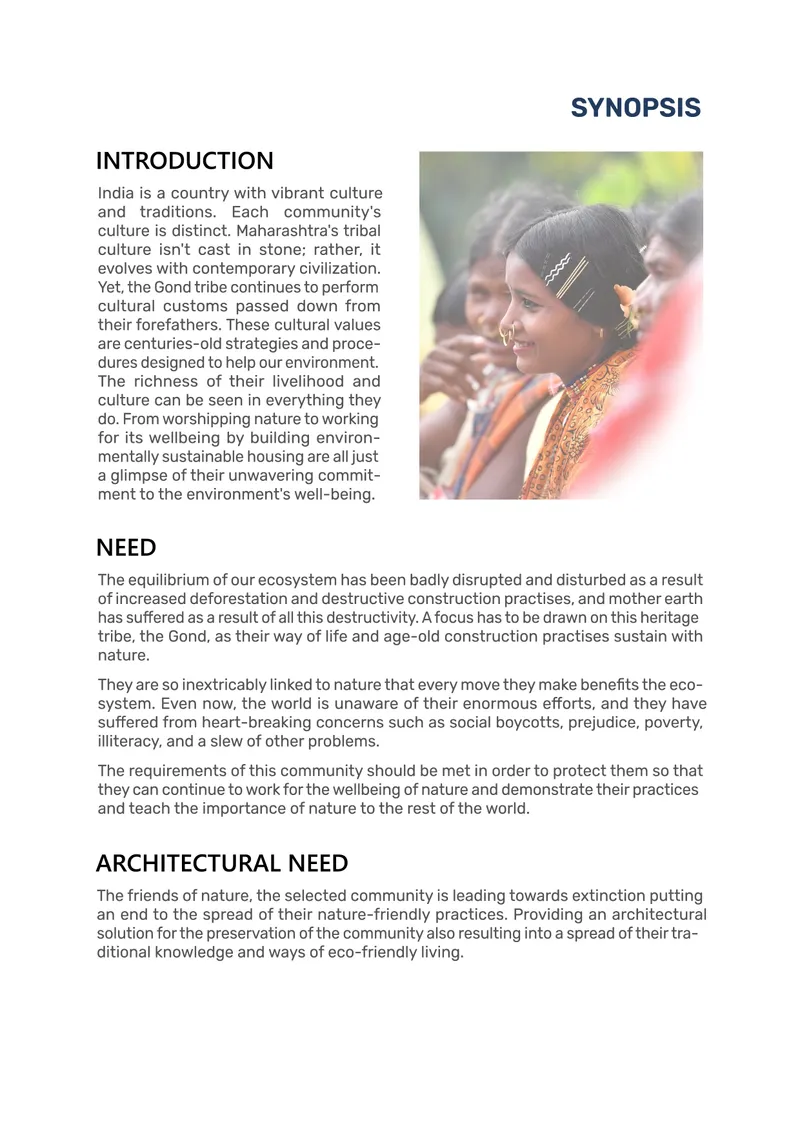
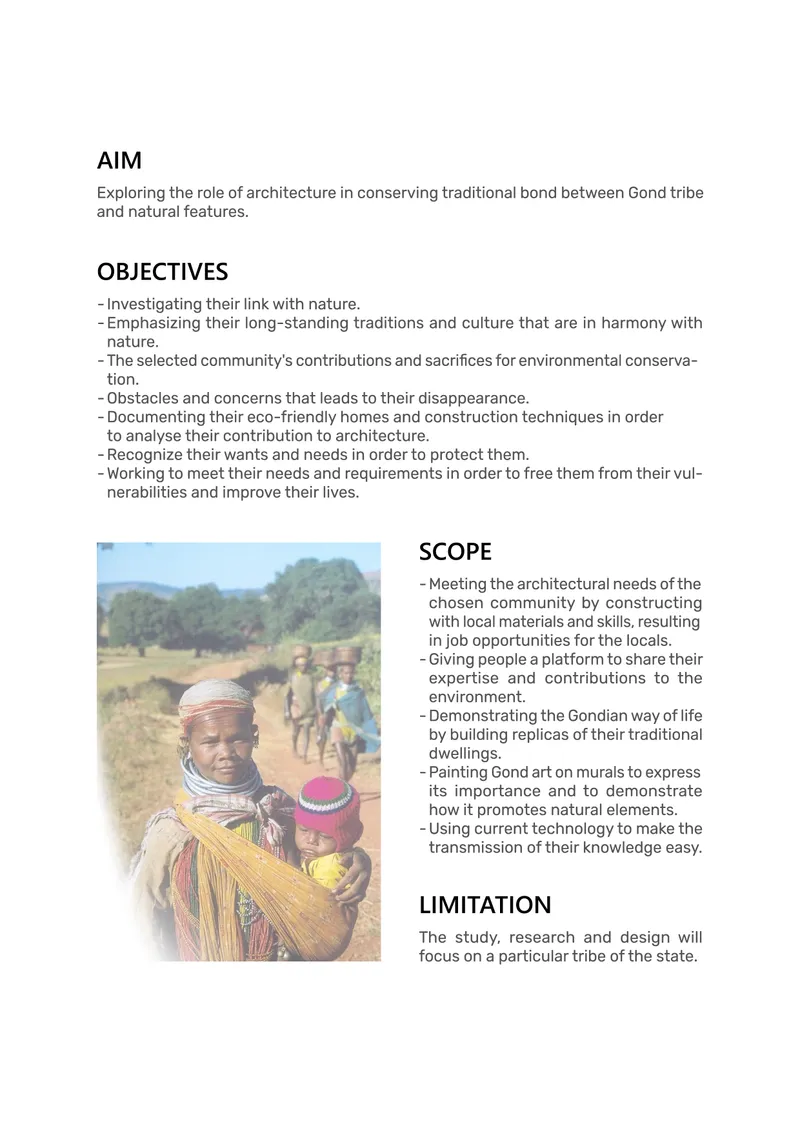
There isn't a single corner of the globe where tribal communities aren't suffering. Tribals have lived in forests since time immemorial, preserving them. However, they are the ones who have been subjected to social isolation and are also referred to as "environment destroyers." The devotees of nature, the 'Gond,' India's second-biggest tribe, are the protectors of flora, fauna, and the entire environment in general. They, on the other hand, have been stripped of practically everything, including their forest rights. My thesis goal this year intends to reintroduce the relevance of the lives of the 'Gonds'- the children of nature. Little has been done in the realm of architecture to preserve the community's relationship with nature. Over 800 Gond people in Patangarh Mal have dedicated themselves to worshipping nature and working for its welfare. From modifying traditional customs to creating eco-friendly mud dwellings, they have been working for the betterment of our ecosystem for centuries. It is past time for the rest of the world to be aware of their enormous efforts and to begin contributing as well.


Popular Articles
Popular articles from the community

Opera on the Sea: Driftwood Logic Shapes a Timber Opera House on Estonia's Coast
Trevor Orgill's opera house translates the entangled drift of floating timber into a civic building where wood, water, and music converge.
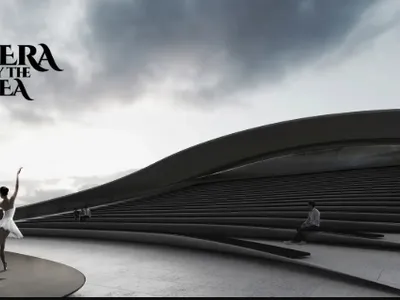
Opera by the Sea Estonia: Three Shells Dissolving Architecture into Tallinn's Coastline
A winning opera house proposal replaces monumental form with interconnected shells that blur the boundary between building, park and Baltic Sea.

Singing Woman: An Opera House That Performs Before the Curtain Rises
Ovidiu Cristian Pavel's conceptual opera house translates Estonia's choral identity into a sculpted waterfront landmark facing the Baltic Sea.
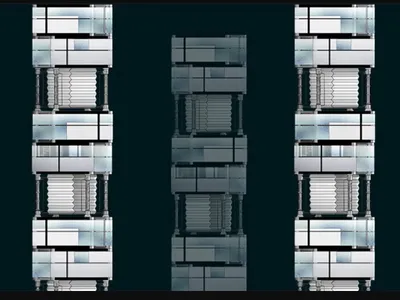
Tsunami Convergenics: Turning Catastrophic Ocean Forces into Underwater Housing Infrastructure
A speculative underwater settlement off the coast of Onagawa, Japan, treats tsunamis and typhoons as energy sources rather than threats.

Similar Reads
You might also enjoy these articles

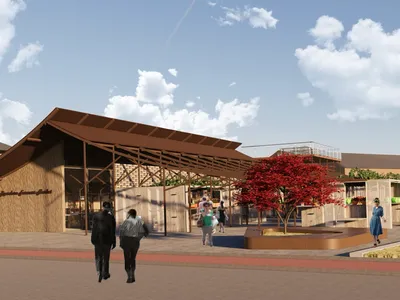
The Rhythm of Seasons
A Farmers' Market Connecting Nature and the City

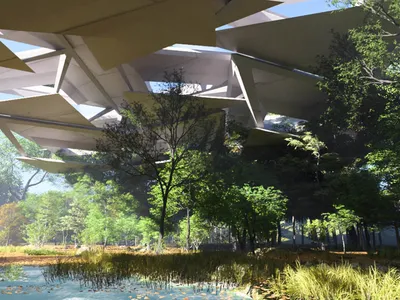

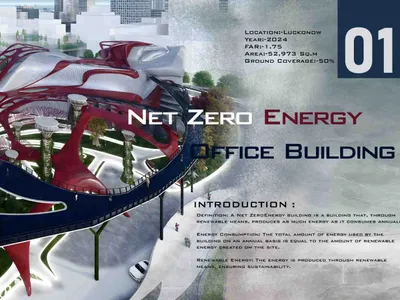
More Than a Building-Designing a Living System
More Than a Building-Designing a Living System
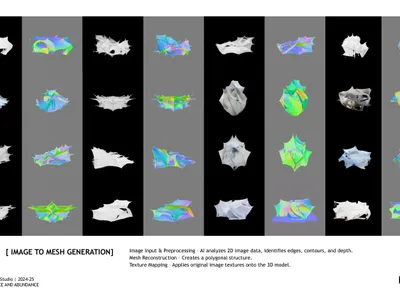
Base Beyond
DESERT COMPOUND ARID: TOURISM OF ABSENCE AND ABUNDANCE


Comments (0)
Please login or sign up to add comments
No comments yet. Be the first to comment!