
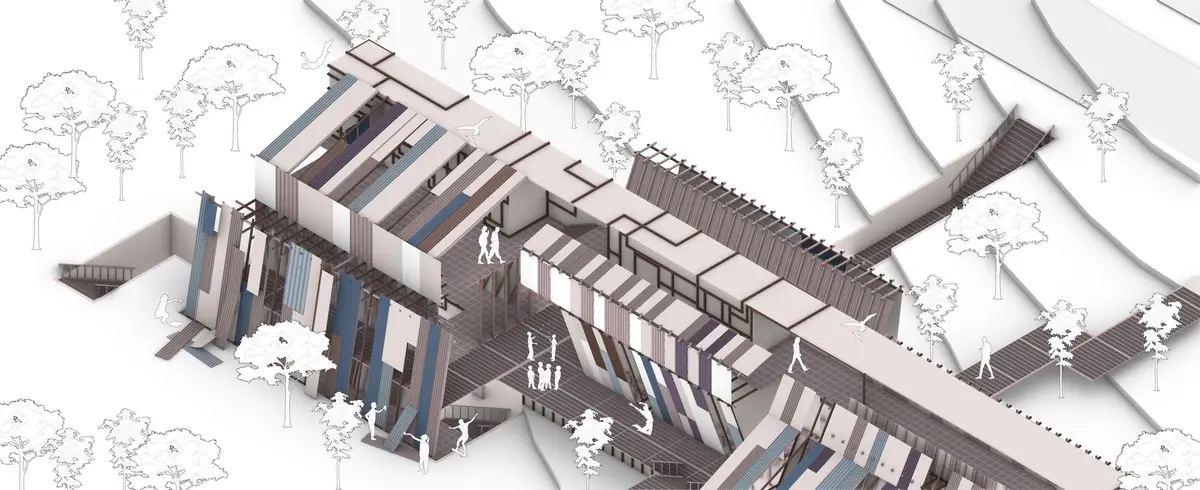
Harnessing Urban Informal Spaces: A Deep Dive into the "INFORMALITY" Project
This article delves into "INFORMALITY," a transformative urban design initiative that revitalizes neglected city areas into lively community spaces.


In today’s rapidly evolving urban landscapes, the distinction between formal and informal public spaces has become a focal point for architects and urban planners seeking to foster community engagement and cultural expression. The "INFORMALITY" project, designed by Elcin Acar and Kaan Küllüoğlu, stands out as an exemplary model of how urban design can transform underutilized city areas into vibrant communal spaces. This project, an Honorable Mention entry in the Libgen Competition, demonstrates a progressive approach to urban redevelopment in Lublin, a city where edge spaces often lie dormant compared to the bustling city center.
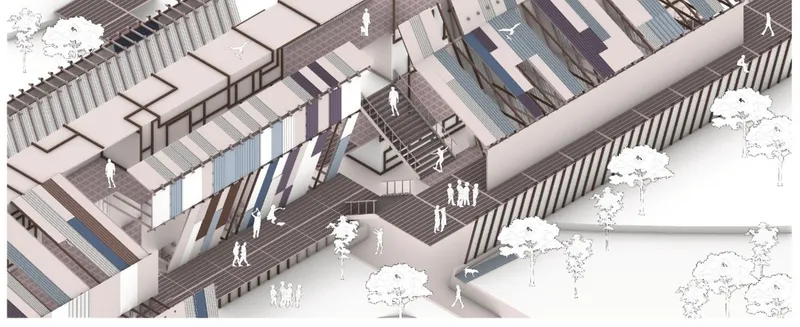
The Concept of INFORMALITY
"INFORMALITY" is rooted in the idea that city spaces can evolve from formal structures to informal interactive areas through thoughtful design and community involvement. The project capitalizes on the existing but often overlooked spaces in Lublin—narrow alleys, unused wide streets, and residual urban areas—that hold potential for public reclamation and use.
At its core, the project challenges traditional notions of public space by proposing a dynamic and adaptive urban environment that encourages personal and communal transformation of the space. This flexibility allows citizens to shape their surroundings, ensuring that the space evolves with the community's needs and remains relevant and engaging over time.
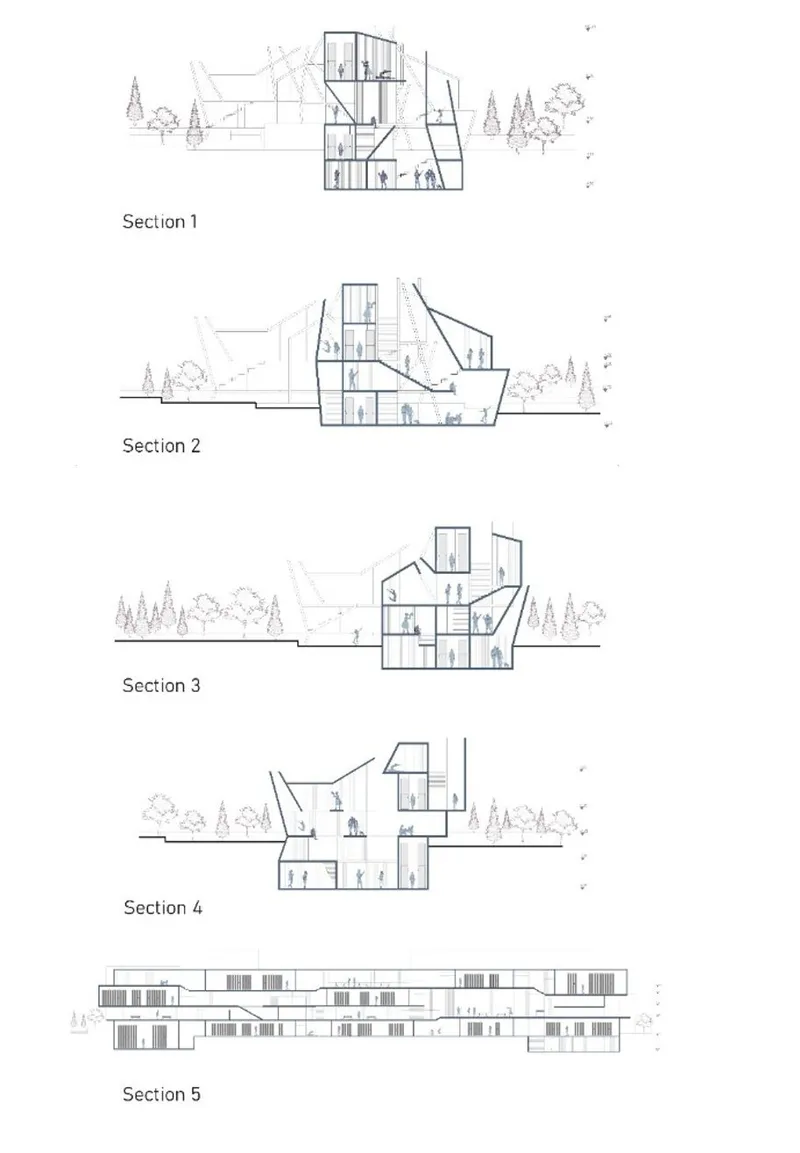
Design Philosophy and Implementation
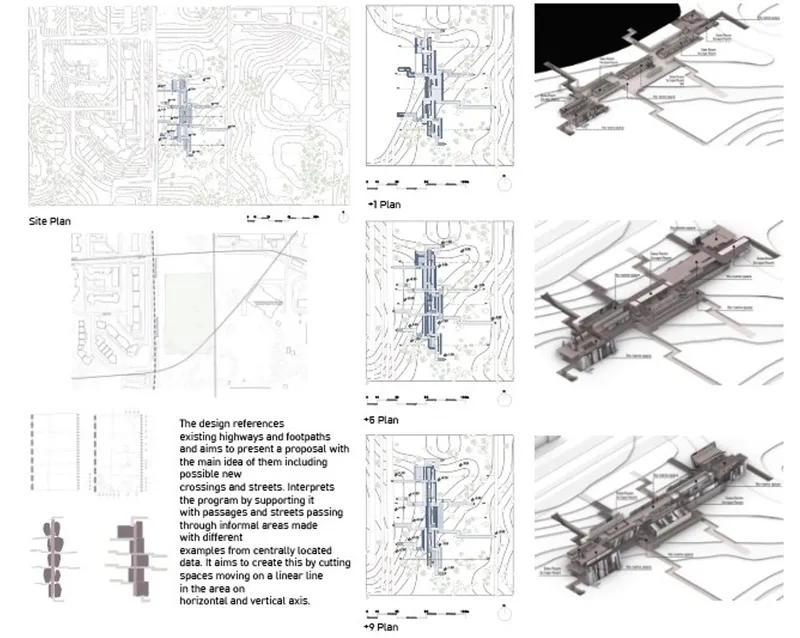
The design of "INFORMALITY" integrates several key elements that reflect both the physical and cultural context of Lublin. By acknowledging the city's existing infrastructure—its highways and footpaths—the project proposes new crossings and streets that support informal activities. This setup not only enhances connectivity but also enriches the urban fabric with spaces that are shaped by spontaneous, everyday human activities.
Central to the design is the juxtaposition of modern data centers, symbolizing formality and the latest technology, against areas designated for nighttime housing and cultural activities, representing the informal, dynamic aspects of daily life. This contrast is not just physical but also philosophical, emphasizing the coexistence of order and spontaneity, planning and randomness within the same urban landscape.

Impact on Community and Culture
By integrating artistic initiatives and cultural discussions into these informal spaces, "INFORMALITY" fosters a vibrant cultural scene. Artists and cultural practitioners are encouraged to occupy these spaces, gradually transforming them into hubs of creativity and interaction. This organic growth helps not only in revitalizing forgotten areas of the city but also in promoting an inclusive urban culture that embraces diverse expressions and activities.
The project's approach to design and community engagement exemplifies how urban spaces can serve as canvases for cultural dialogue and innovation. It reflects a broader trend in urban development that values flexibility, participation, and the capacity for spaces to evolve organically.

Future Prospects and Lessons for Urban Design
"INFORMALITY" offers valuable insights into the sustainable development of urban areas. It serves as a model for other cities facing similar challenges of underused spaces and urban sprawl. By fostering environments that adapt to and reflect the community's evolving needs, cities can become more inclusive and dynamic.
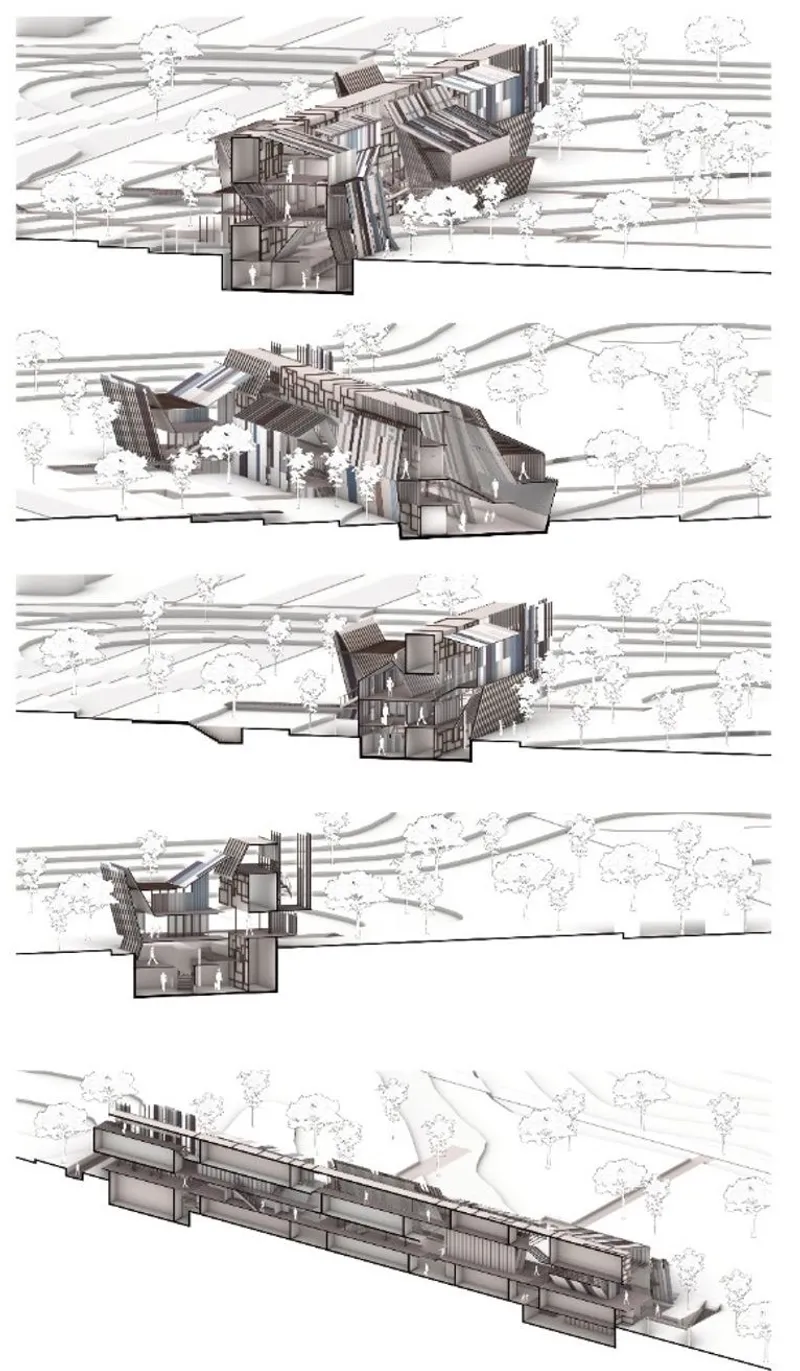
The project highlights the importance of designing spaces that are not only functional but also capable of supporting and stimulating the social and cultural life of the community. As cities continue to grow and change, the principles demonstrated by the "INFORMALITY" project will be crucial in guiding future urban development projects.
The "INFORMALITY" project by Elcin Acar and Kaan Küllüoğlu is a forward-thinking initiative that redefines urban space in meaningful ways. It challenges traditional architectural norms and offers a blueprint for revitalizing urban areas through community engagement and adaptive reuse. As urban planners and architects look to the future, the principles of flexibility, community involvement, and cultural integration exemplified by "INFORMALITY" will undoubtedly influence the next generation of urban design projects, making our cities more adaptable, vibrant, and inclusive.


Popular Articles
Popular articles from the community


Singing Woman: An Opera House That Performs Before the Curtain Rises
Ovidiu Cristian Pavel's conceptual opera house translates Estonia's choral identity into a sculpted waterfront landmark facing the Baltic Sea.

Opera on the Sea: Driftwood Logic Shapes a Timber Opera House on Estonia's Coast
Trevor Orgill's opera house translates the entangled drift of floating timber into a civic building where wood, water, and music converge.

Manzana Morphosis: Stretching Barcelona's Grid into a Living Landscape for 2050
A radical reworking of the Eixample manzana turns density into a tool for generous public space, vertical ecology, and environmental performance.

Opera by the Sea Estonia: Three Shells Dissolving Architecture into Tallinn's Coastline
A winning opera house proposal replaces monumental form with interconnected shells that blur the boundary between building, park and Baltic Sea.

Similar Reads
You might also enjoy these articles

Shakur's House: Exposed Brick as an Interior Organiser in a 168 m² Mashhad Residence
Brick moves indoors in this Mashhad residence, where masonry walls, glass partitions and teal planes sequence a compact home without closing it off.

Day and Night Park: A Time-Based Urban Newsstand in Beijing
A temporary urban newsstand in Beijing blending travel, light, and reading through poetic colors, compact form, and community-focused design.

Modernist Patio Renovation in El Masnou, Barcelona by Oliver Segura Arquitectura + Cebrià Arquitectura
Modernist patio renovation blending tradition and innovation with a movable pool, leveled floors, and Catalan materials in El Masnou.

Alto Residencial Coop: Cooperative Housing Development in Santiago de Compostela by Carbajo Barrios Arquitectos
A linear cooperative housing complex blending white volumes and perforated metal façades, enhancing community living, natural light, privacy, and urban integration.

Explore Urban Layers Competitions
Discover active competitions in this discipline

Challenge to reimagine the Iron Throne

Photograph architecture without architects

Illustrate the lost glory of Angkor Wat - Render Challenge

Design challenge to reuse E-waste
Comments (0)
Please login or sign up to add comments
No comments yet. Be the first to comment!