
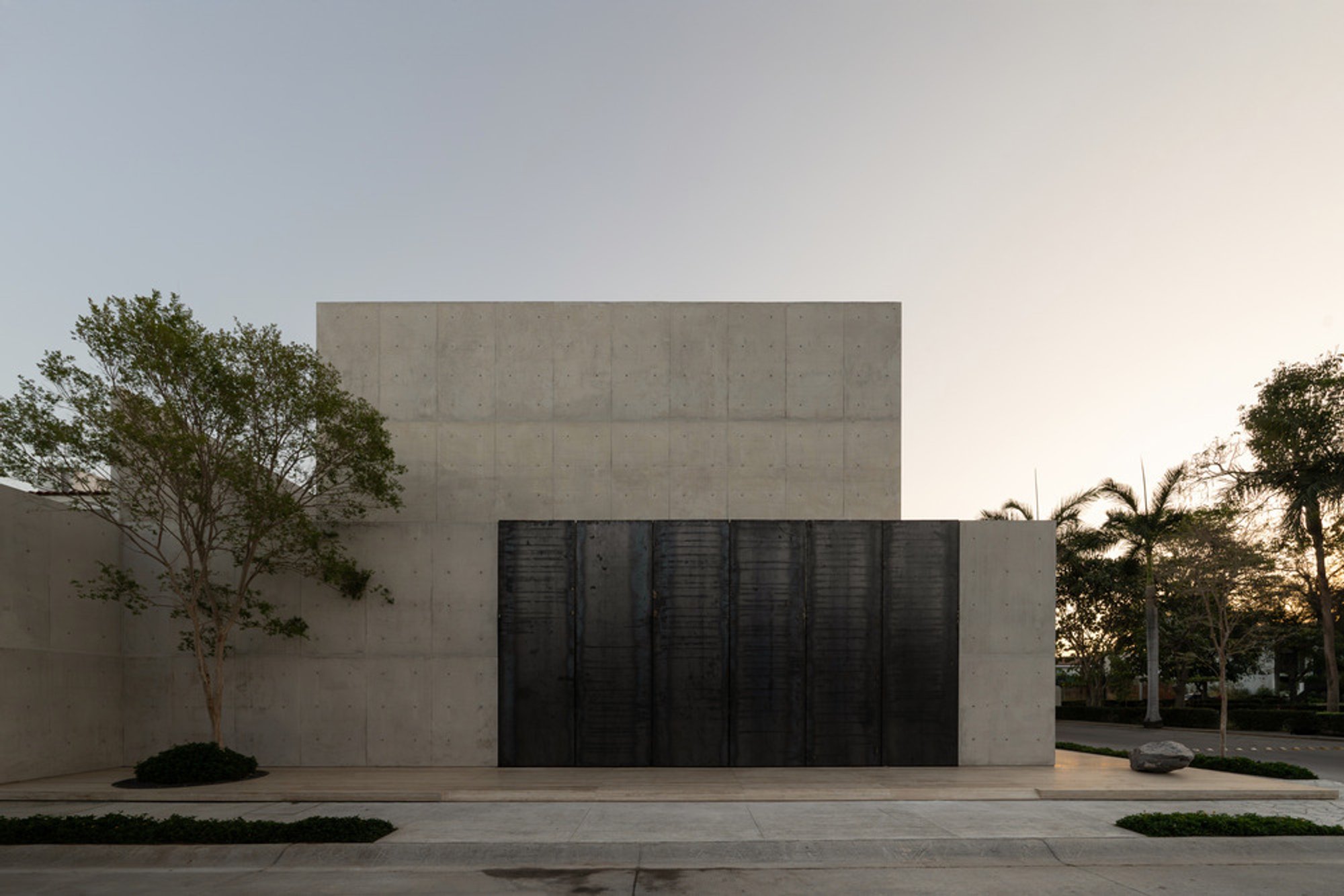
House Tao by HW Studio: A Poetic Retreat in Puerto Vallarta
House Tao by HW Studio in Puerto Vallarta blends concrete, wood, and light, creating serene, shaded spaces inspired by Japanese aesthetics.

In the coastal town of Puerto Vallarta, HW Studio has created House Tao—a residence that is less a building and more a recollection. It’s a home shaped not by rigid geometry, but by the quiet rhythm of memory, emotion, and light. Rooted in simplicity and introspection, this Mexican house is a study in architectural minimalism, concrete craft, and the philosophy of shadow and silence.
Some houses are not merely built—they are remembered. House Tao emerges not from rigid architectural diagrams, but from the quiet memories and life rhythms of its inhabitants. Designed to embody a lifestyle rather than a static image, the house is a meditation on living, introspection, and sensory experience.
A Childhood Rooted in Sensory Memory
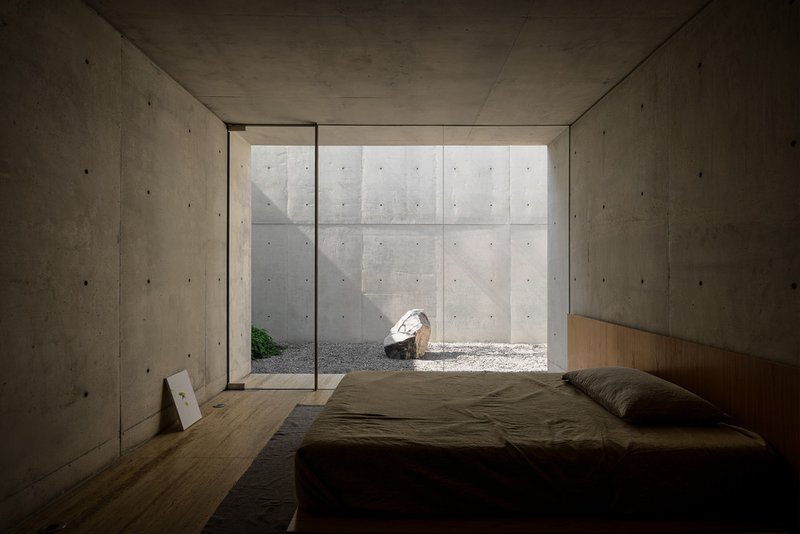
Gustavo, one of the inhabitants, grew up in a modest home shaped by the hands of farmers and craftsmen. In Puerto Vallarta, a coastal city defined by sun, humidity, and gentle breezes, the notion of shade is a precious refuge, a sanctuary from the world. From the outset, House Tao had to reflect this instinctive search for comfort, calm, and cooling serenity. Here, shade is not just a physical phenomenon—it is an emotional condition, a subtle promise of protection, reflection, and quiet.
Inspiration from Travel and Curiosity
Gustavo’s personality—a blend of curiosity, philosophy, and self-taught knowledge—profoundly influenced the design. With interests spanning architecture, music, photography, and literature, his library features works by Alberto Campo Baeza, Fan Ho, and Tarkovsky, revealing a love for geometry, light, and contemplative spaces.
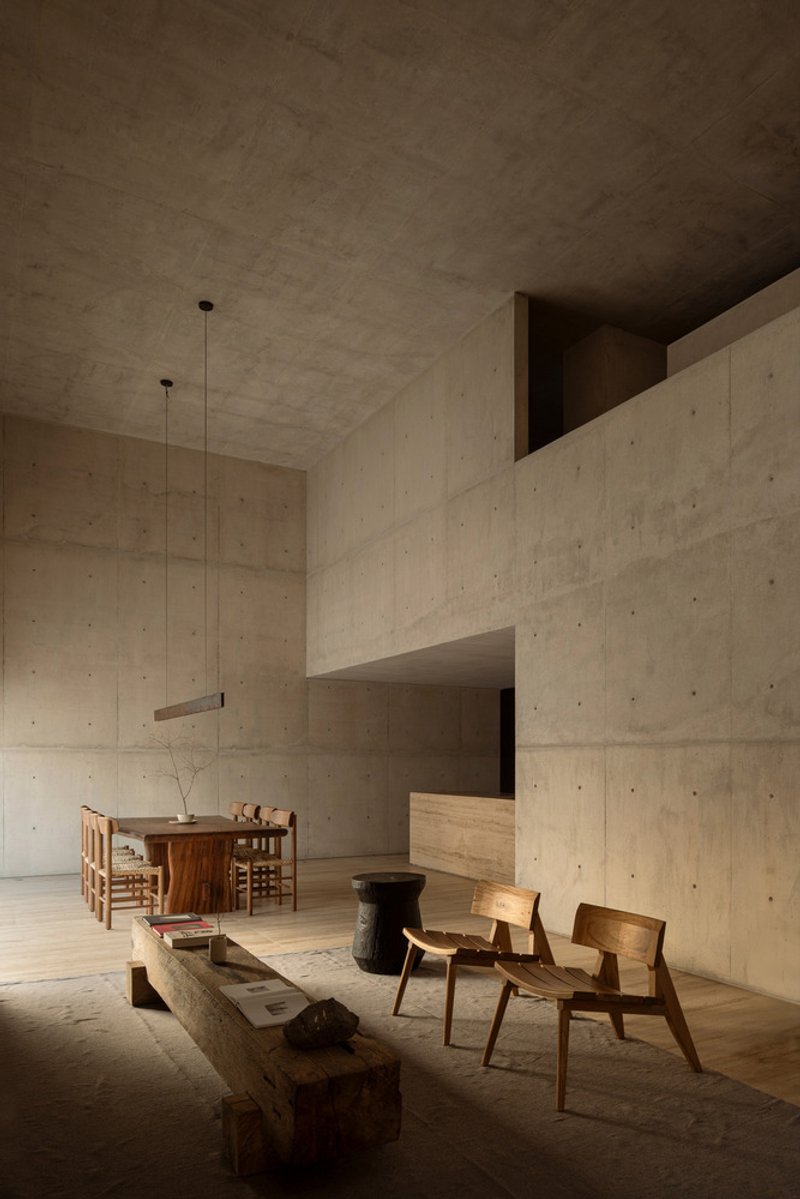
Together with his partner Cynthia and their daughters Mila and Anto, Gustavo’s travels, especially a trip to Japan, left a lasting impression. The family desired the serenity and compositional clarity of a Japanese museum—not its solemnity, but its capacity to slow time, filter light, and make silence tangible.
Design Philosophy: Shade, Privacy, and Light
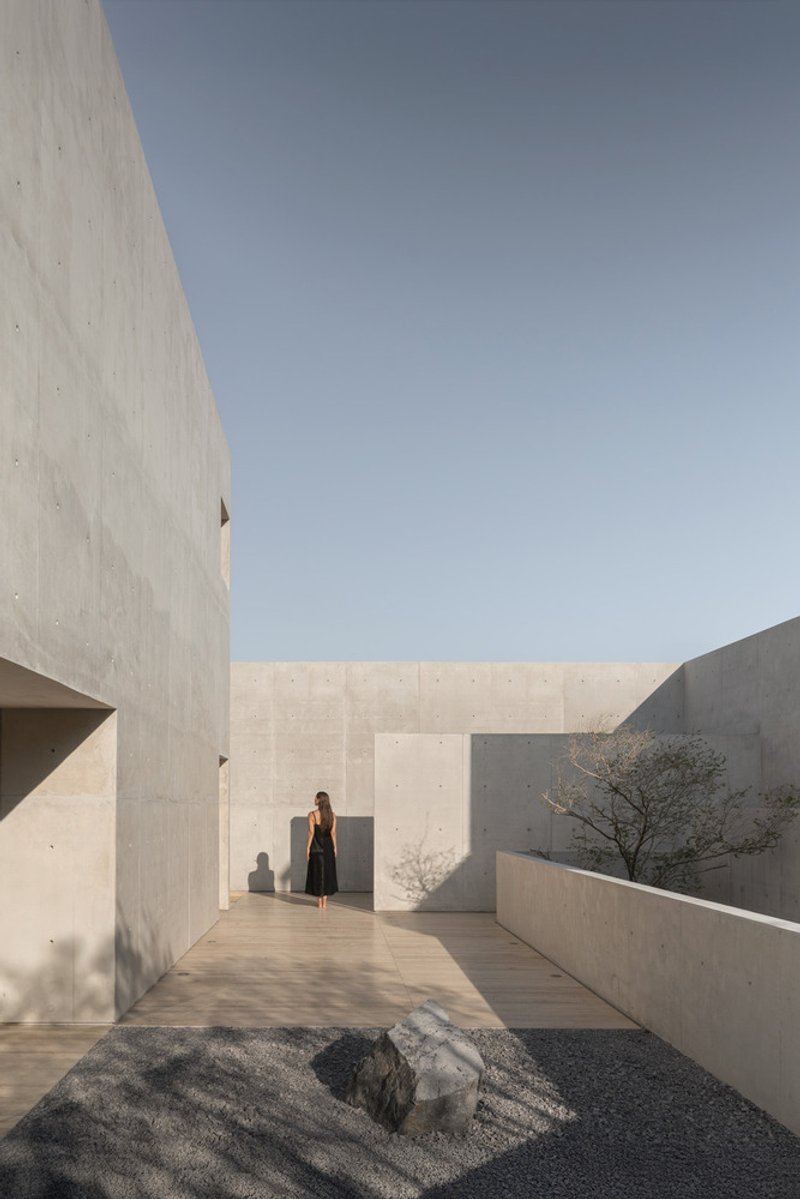
In a neighborhood with limited views, the architects oriented the home to embrace natural coolness, shade, and breeze, avoiding large glazed surfaces that could intensify heat. Instead, an oblique relationship with the surroundings allows glimpses of the tree-filled plaza without exposure to direct sunlight. The house observes the world modestly, inviting wind and the distant fragrance of the sea.
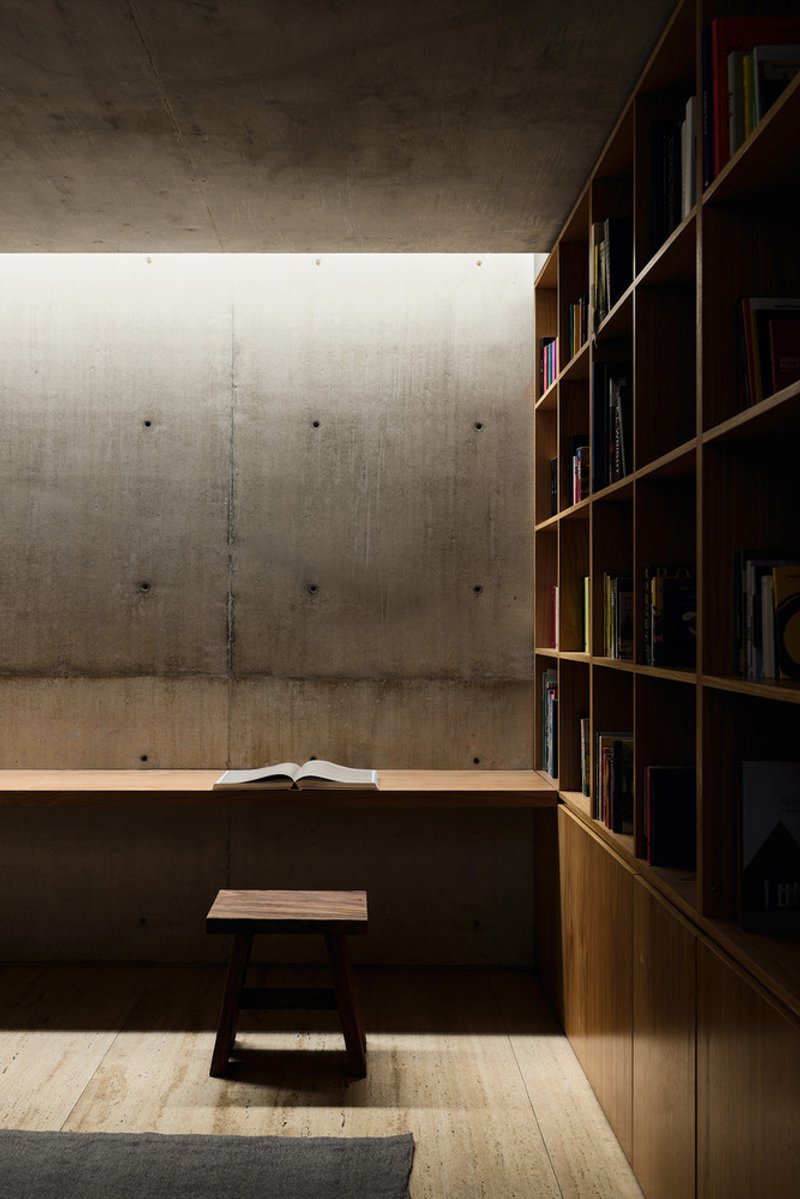
The programmatic layout places bedrooms, garage, and service areas at the base, while a lightweight social volume hovers above, opening toward trees and salty coastal winds. Elevated patios function as contemplative terraces, where the murmur of wind and fragrance of flowers accompany daily life.
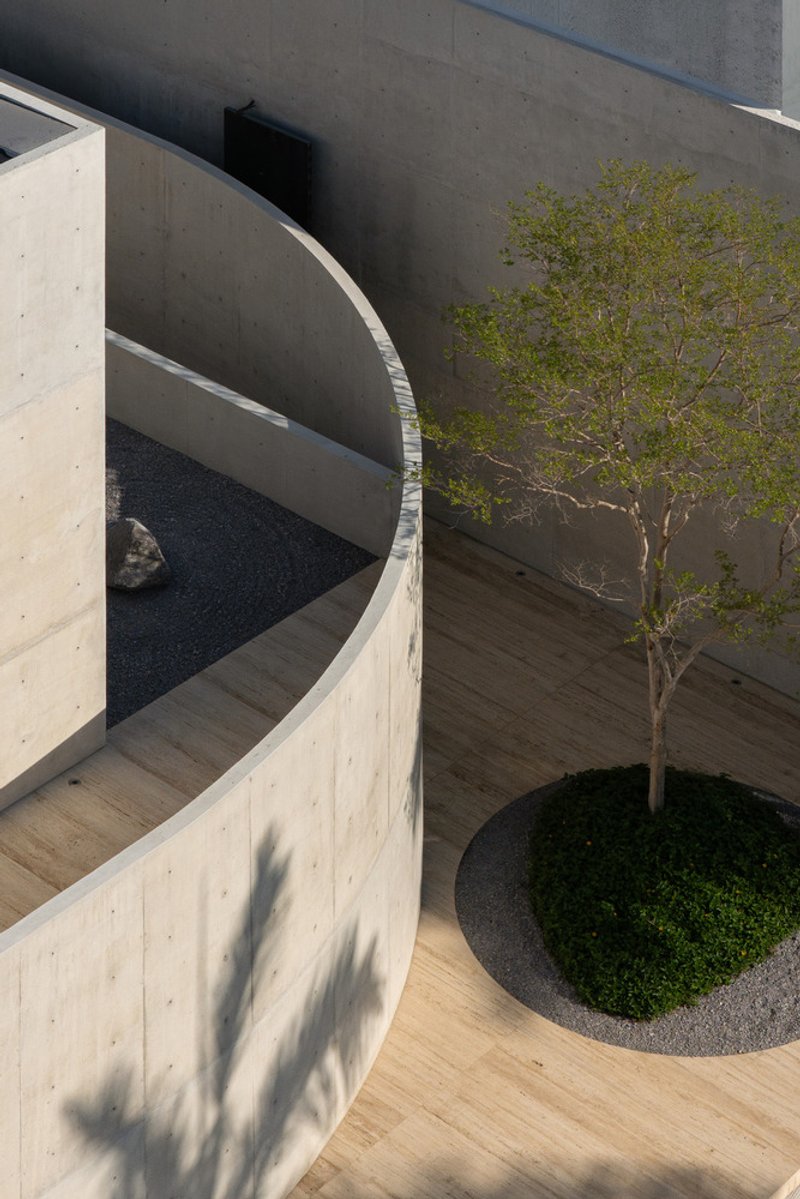
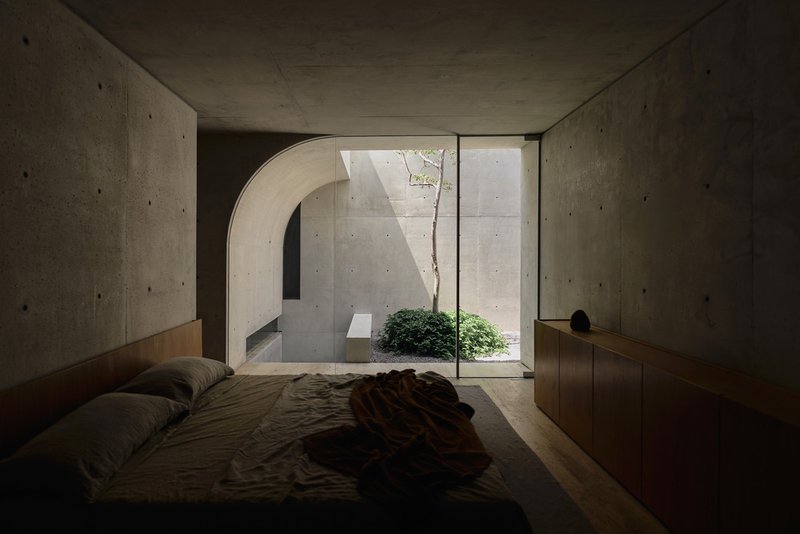
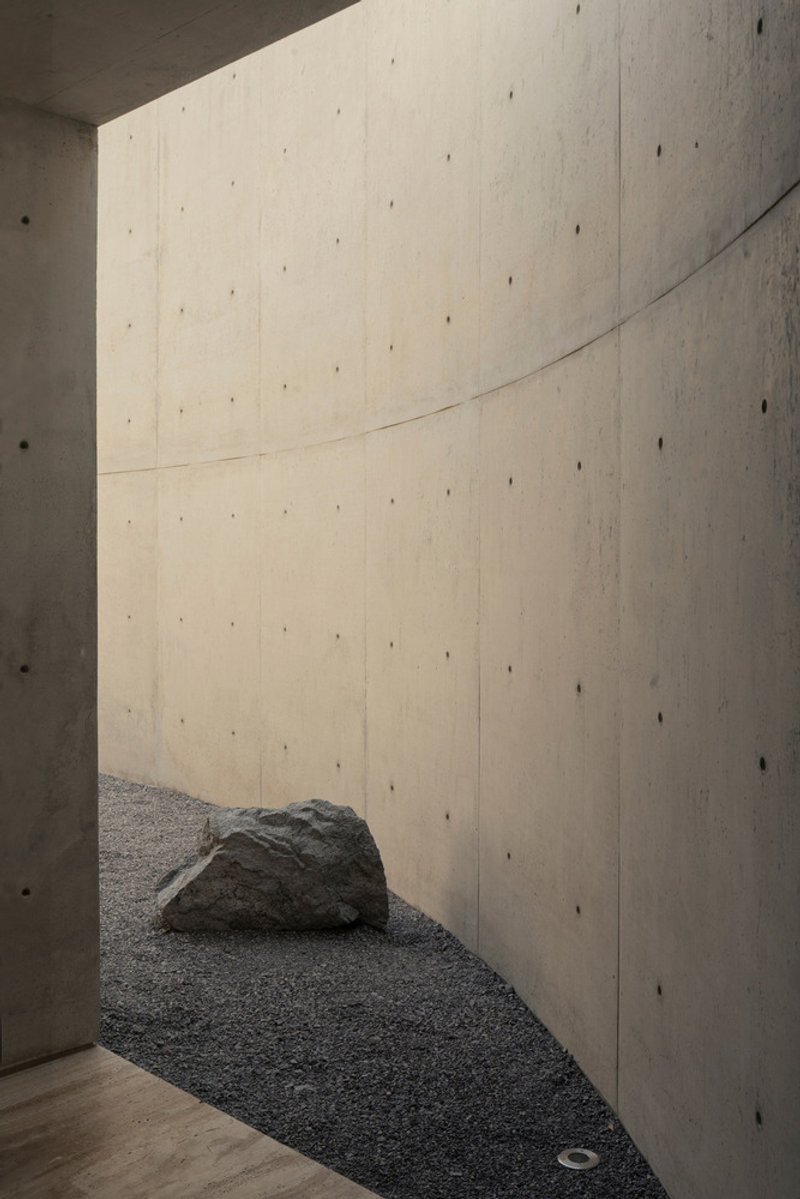
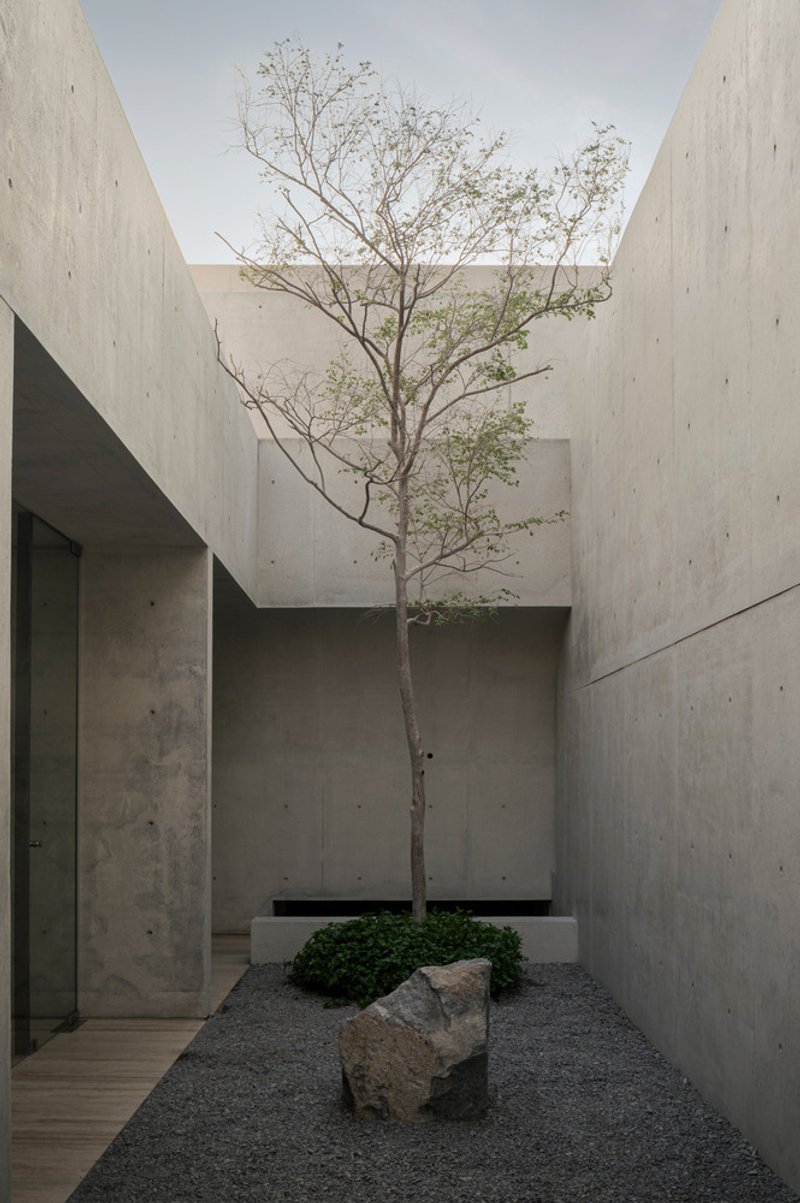
Bedrooms wrap around a quiet inner patio, where intimacy emerges through enclosure, not isolation. Curved walls and natural elements create a subtle, welcoming threshold that balances seclusion with openness to sky, shade, and plaza life.
Materiality and Sensory Experience
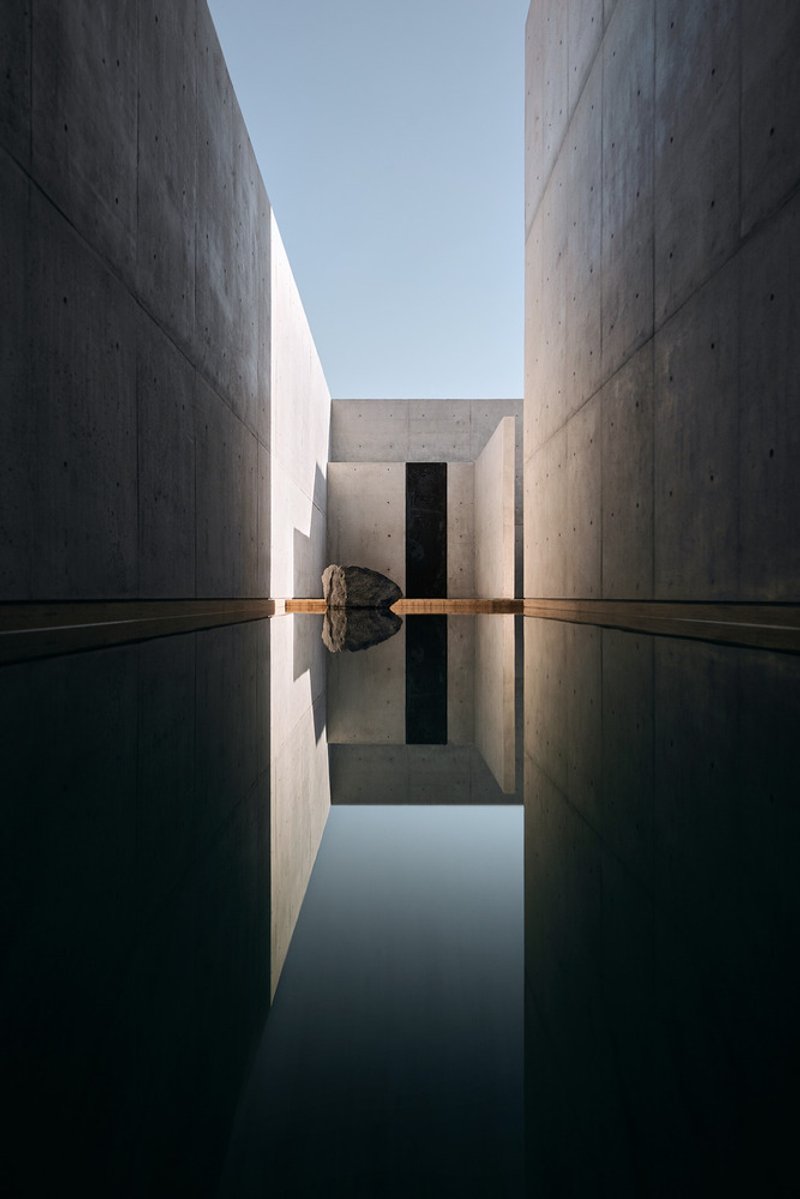
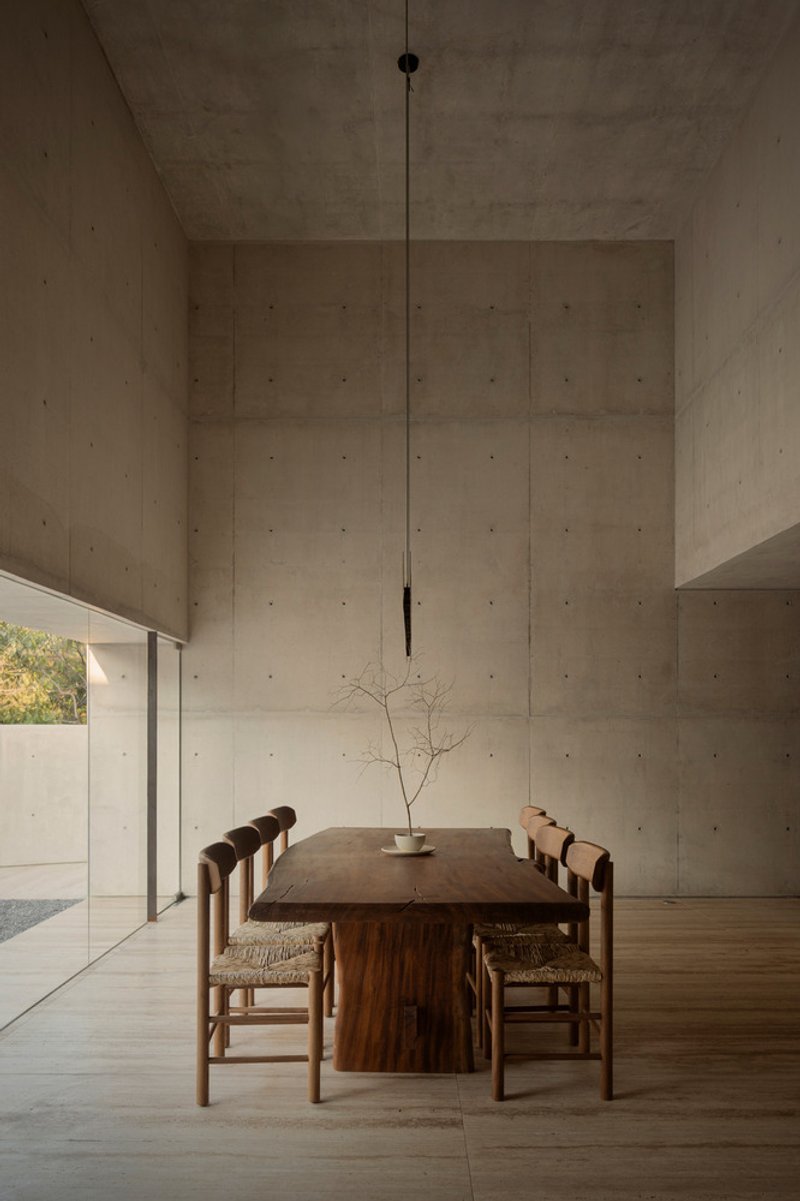
Materials are chosen for tactile warmth and light modulation. Bright white surfaces dazzle under the coastal sun, while heavy, honest concrete absorbs and softens light. Over time, concrete becomes warm, inviting, and grounded—a deliberate contrast to fleeting, harsh illumination. In House Tao, light rests rather than bounces, creating spaces of nuanced sensory experience.
Architecture as Reflection and Contemplation
Ultimately, House Tao embodies an architecture that encourages dwelling with attention and gratitude. It withdraws discreetly, offering spaces for pause, memory, and reflection. Each corner invites lingering rather than passage, each shadow offers a quiet promise of well-being.
All photographs are works of Hugo Tirso Domínguez, César Belio, Gustavo Quiroz



Popular Articles
Popular articles from the community


Gads Hill Early Learning Center by JGMA: Adaptive Reuse Shaping Community-Focused Educational Architecture
Adaptive reuse transforms fragmented structure into vibrant early learning center with playful façade, natural light, and community-focused sustainable design.




The Ken Roberts Memorial Delineation Competition (Krob)
As the most senior architectural drawing competition currently in operation anywhere in the world, it draws hundreds of entries each year, awarding the very best submissions in a series of medium-based categories.
Atelier Macri Concept Store Interior Design by CASE-REAL
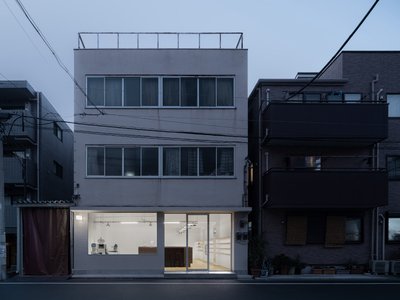
Atelier Macri store features a "ko" counter, walnut wood details, cork displays, blending retail, gallery, and seamless customer experiences.

Similar Reads
You might also enjoy these articles
The Ken Roberts Memorial Delineation Competition (Krob)
As the most senior architectural drawing competition currently in operation anywhere in the world, it draws hundreds of entries each year, awarding the very best submissions in a series of medium-based categories.

Waterfront Redevelopment and Urban Revitalization in Mumbai: Forging a New Dawn for Darukhana
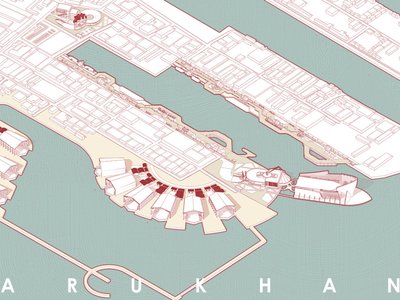
A transformative waterfront redevelopment project reimagining Darukhana’s shipbreaking heritage into an inclusive urban future.

OUT-OF-MAP: A Call for Postcards on Feminist Narratives of Public Space
Rhizoma Design and Research Lab invites artists, designers, architects, researchers, and students to reflect on how feminist perspectives can reshape public space. Selected works will be exhibited in Barcelona, October 2026. Submissions open until 15 April 2026.


Documentation Work on Buddhist Wooden Temple
Architectural syncretism and cultural hybridity: A comparative study of the Buddhist temples in Chattogram Hill tracks


Explore Architecture Competitions
Discover active competitions in this discipline




The International Standard for Design Portfolios


The Global Benchmark for Architecture Dissertation Awards


The Global Benchmark for Graduation Excellence


Challenge to reimagine the Iron Throne
Comments (0)
Please login or sign up to add comments
No comments yet. Be the first to comment!