
House with Lucarna: A Passive Cooling House Design for the Chilean Climate
A passive cooling house in Chile using patios, skylights, and ventilation to provide sustainable, comfortable living in a hot climate.


Architecture That Breathes With the Landscape
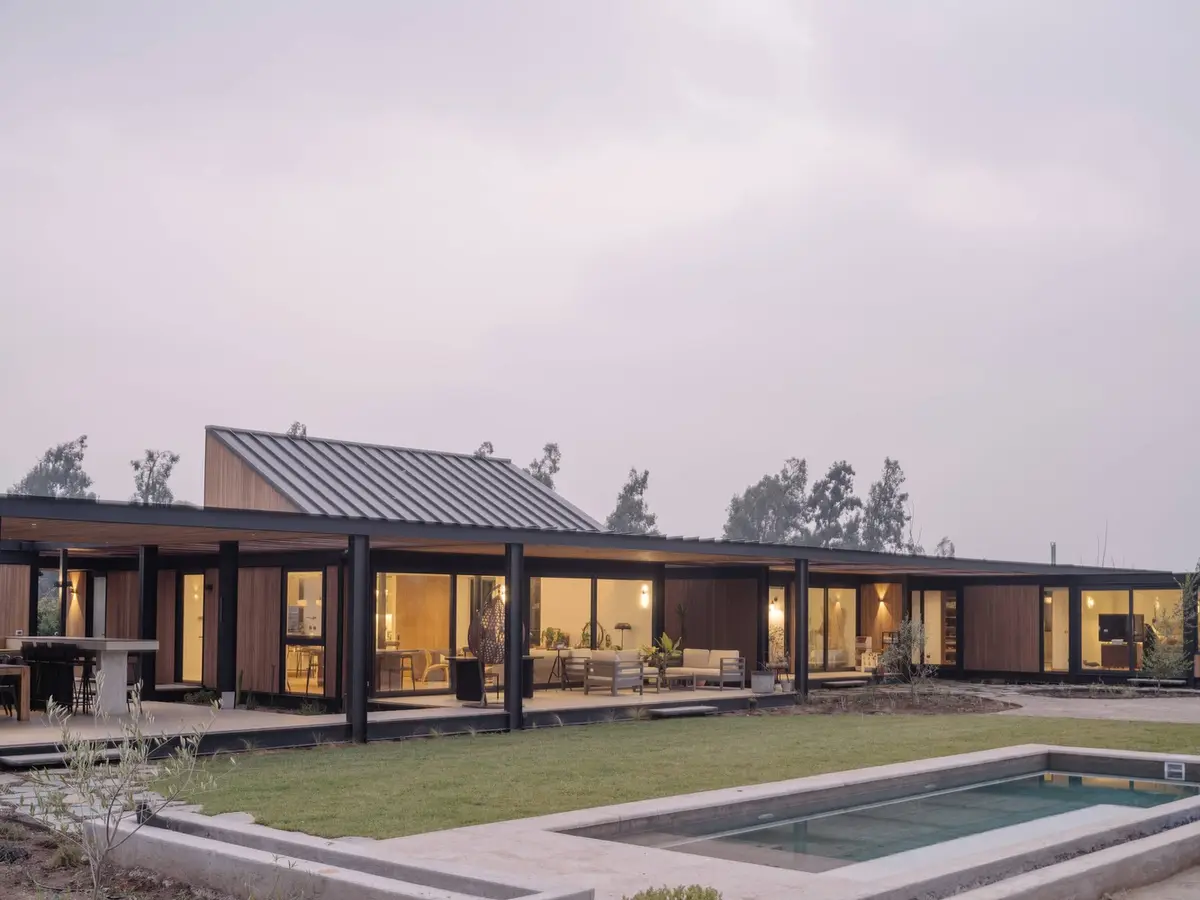
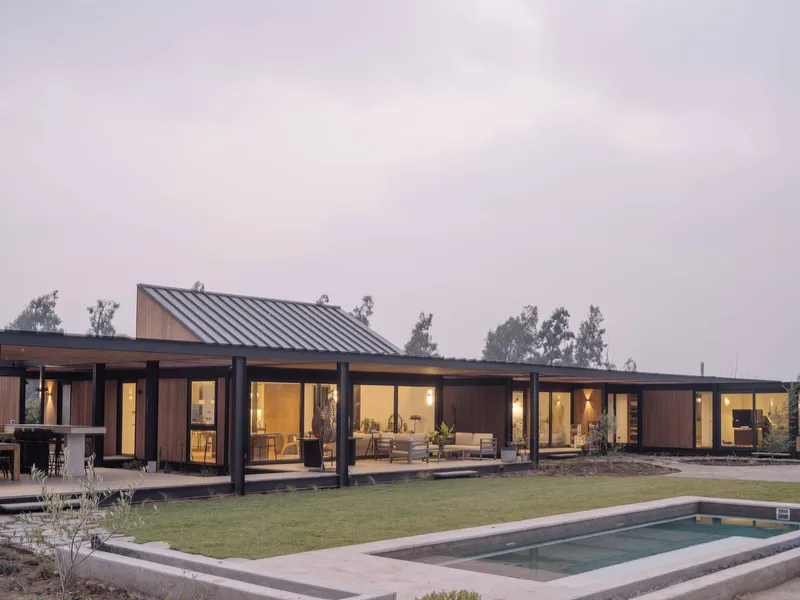
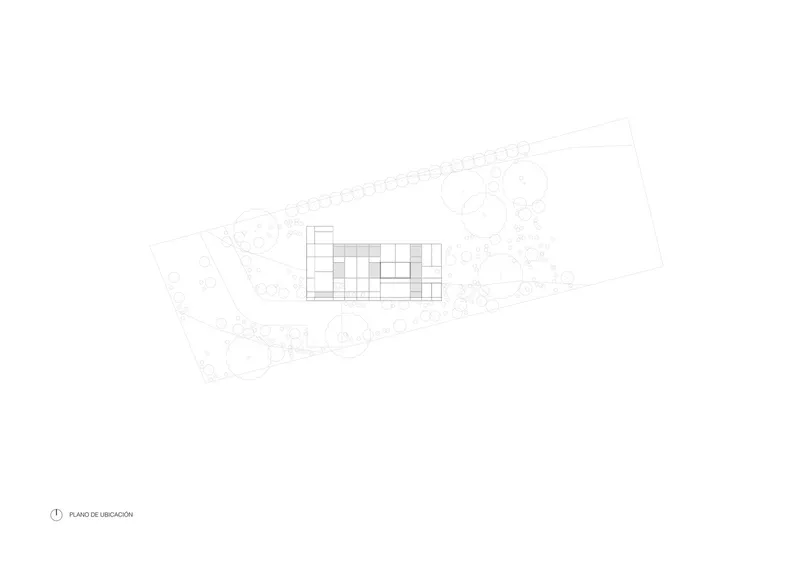
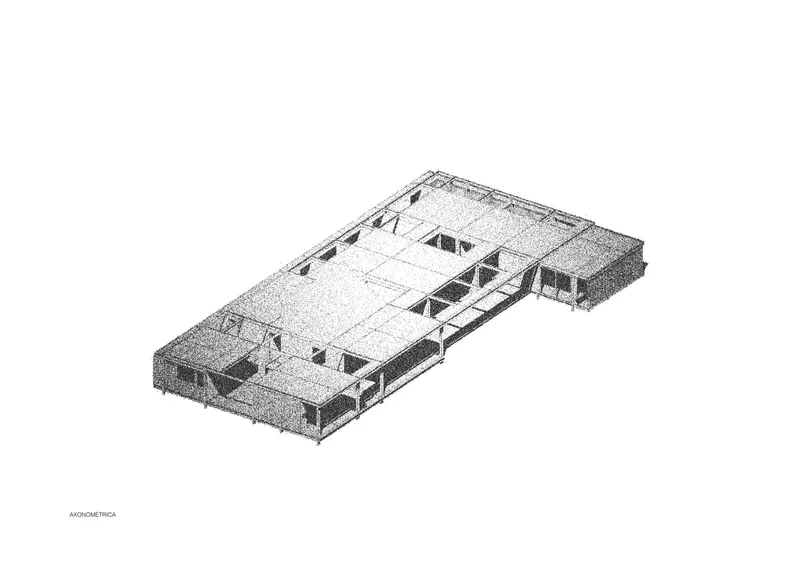
Designed by Paralelo Transversal, the House with Lucarna exemplifies intelligent passive cooling house design in a hot climate zone on the outskirts of Santiago, Chile. This 302 m² residence addresses extreme heat not with mechanical systems but through architectural strategy—using the layout, materials, and carefully integrated natural elements to create a livable, energy-efficient home.
A Home Shaped by Climate and Comfort
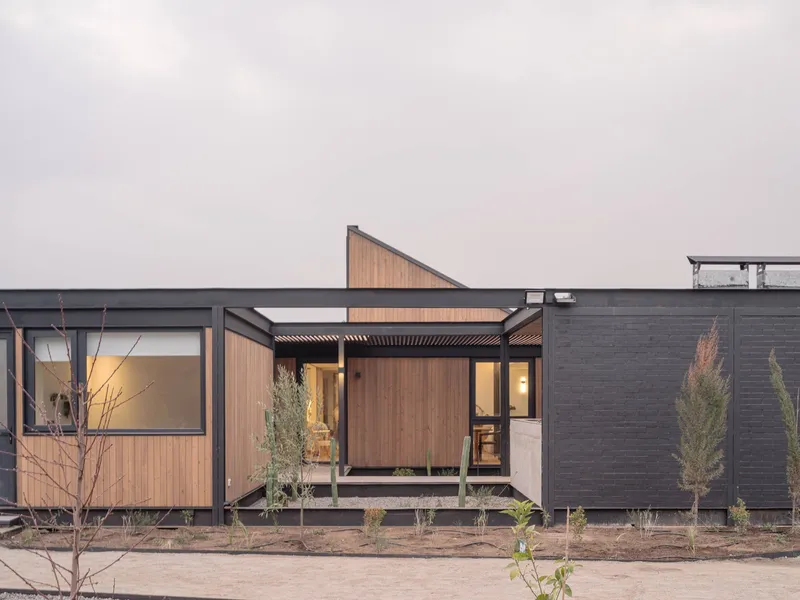
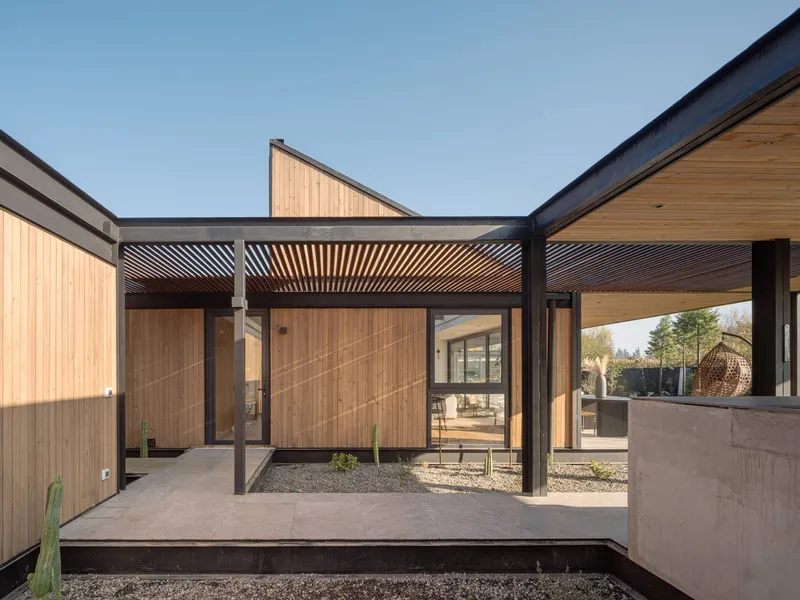
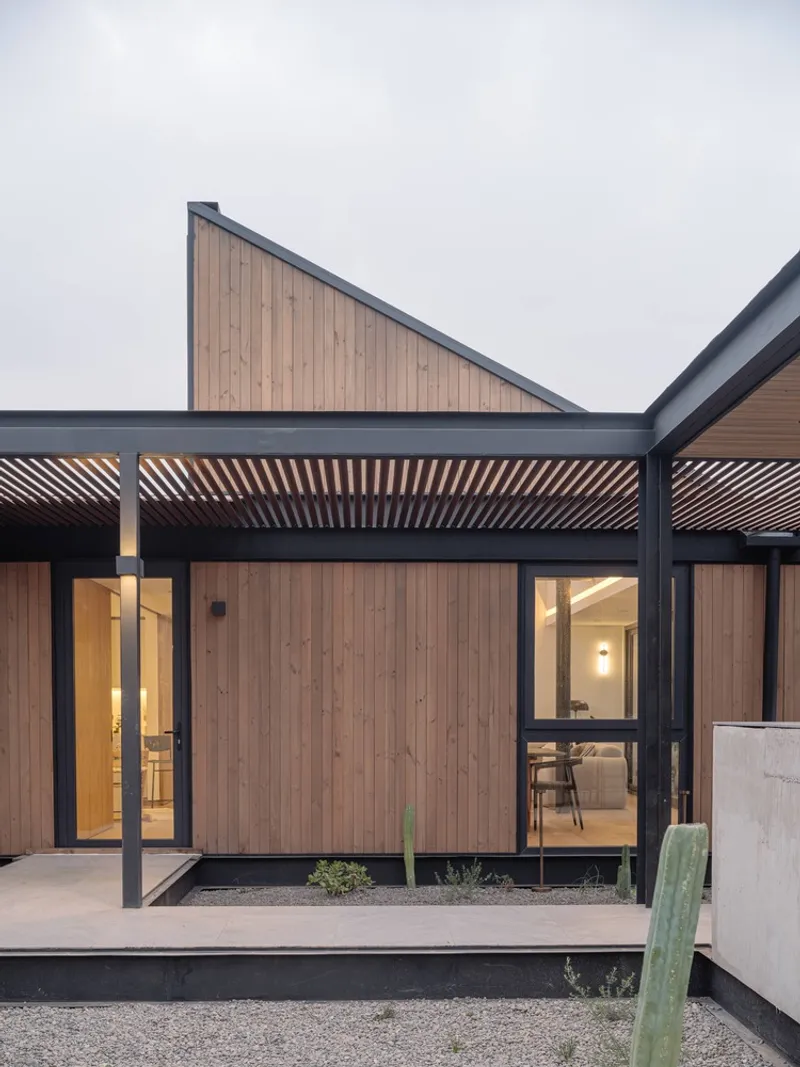
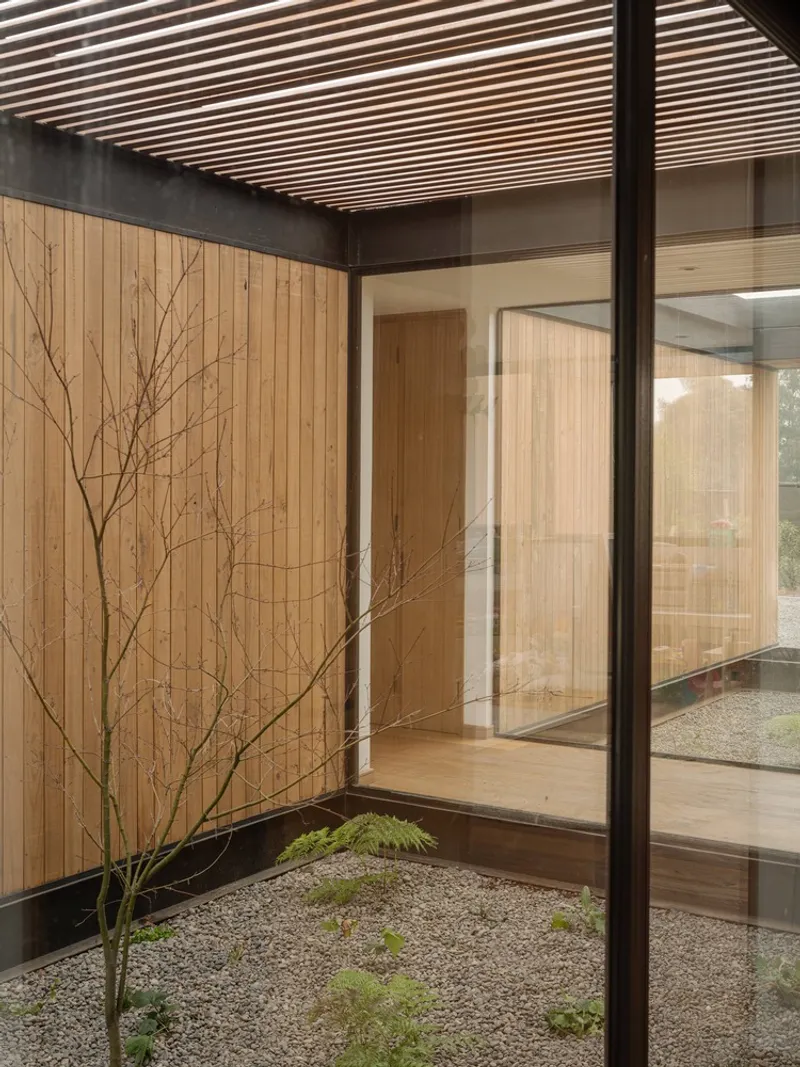
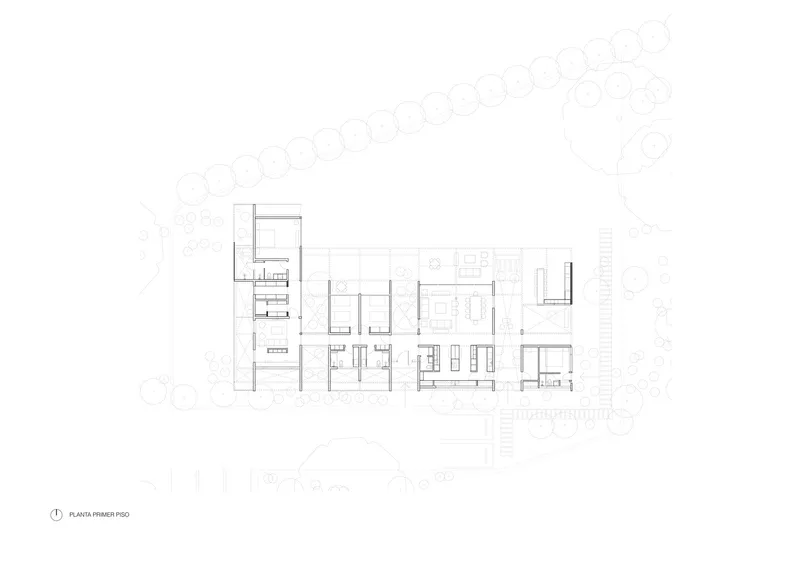
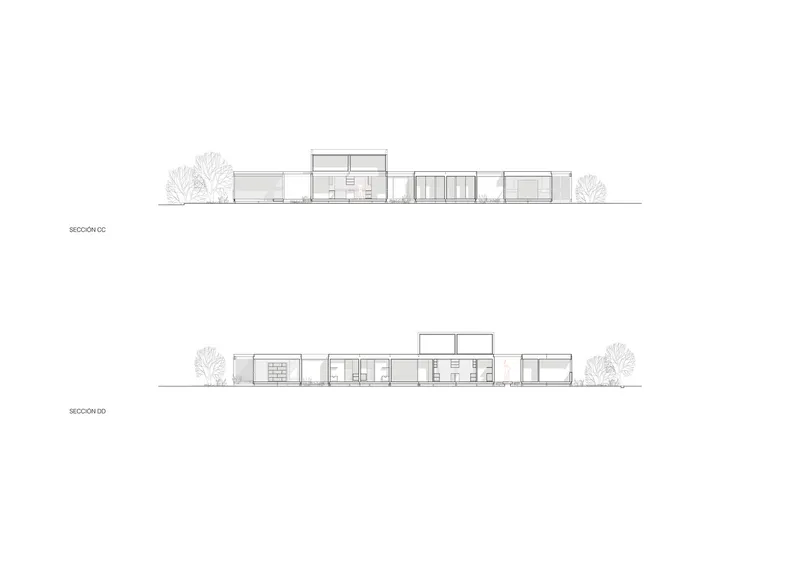
Located in a high-temperature region, Casa con Lucarna is designed to stay cool without relying on air conditioning. The architects prioritized natural ventilation, integrating patios and internal gardens that not only divide the house functionally—separating public areas, guest rooms, and private suites—but also promote airflow and regulate temperature. These vegetated spaces work as green lungs, drawing in cool air and pushing out heat through convection.
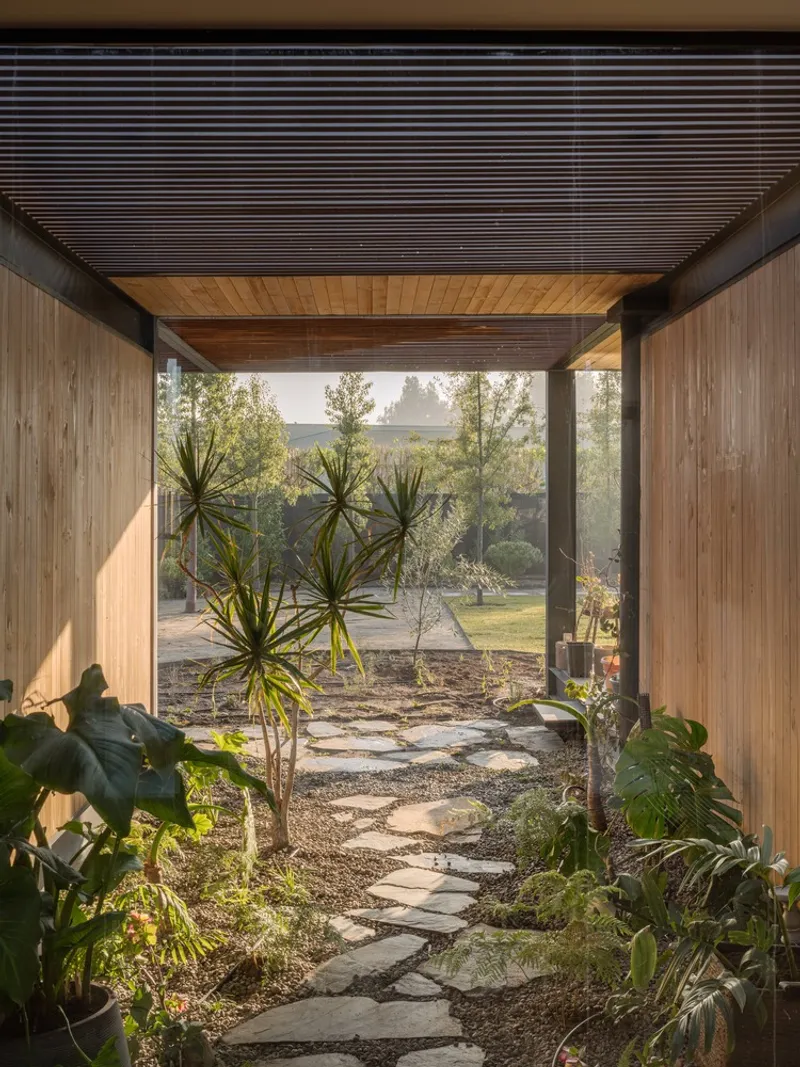
This natural system is reinforced by thoughtful spatial zoning. The design encourages cross ventilation across all areas, making the movement of air a fundamental element of comfort. The patios are more than visual or experiential features—they’re key climate moderators in the home’s ecological performance.
Light, Not Heat: A Skylight That Cools
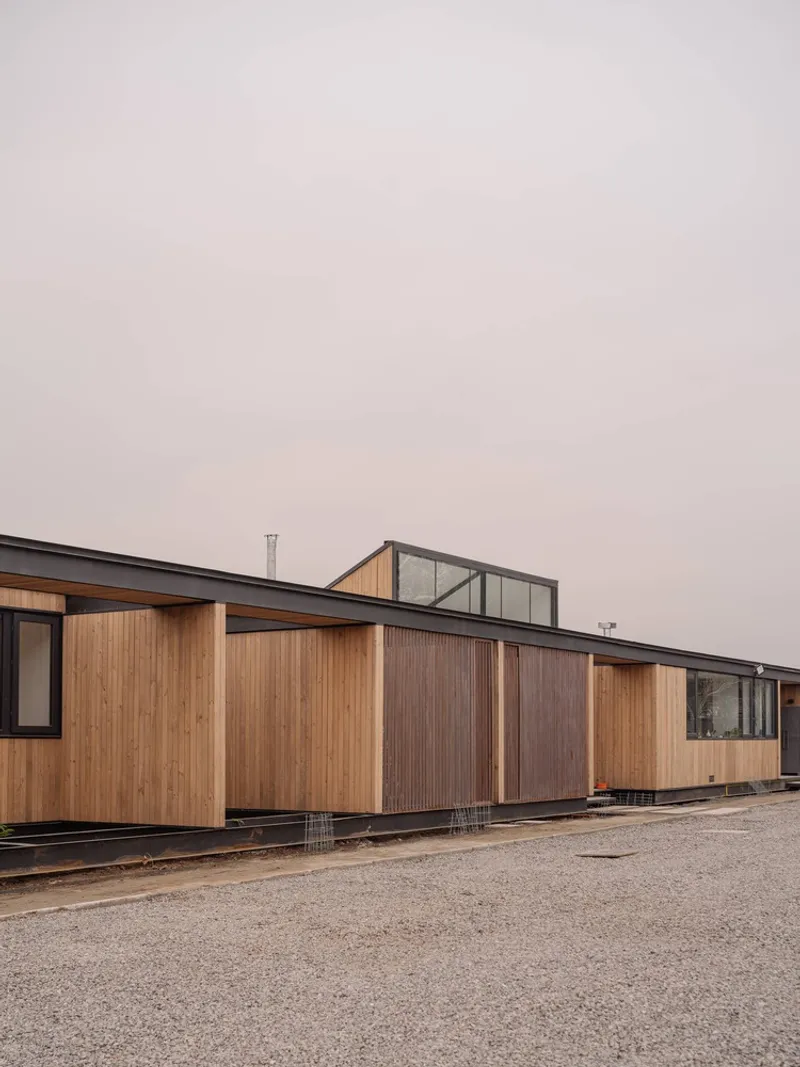
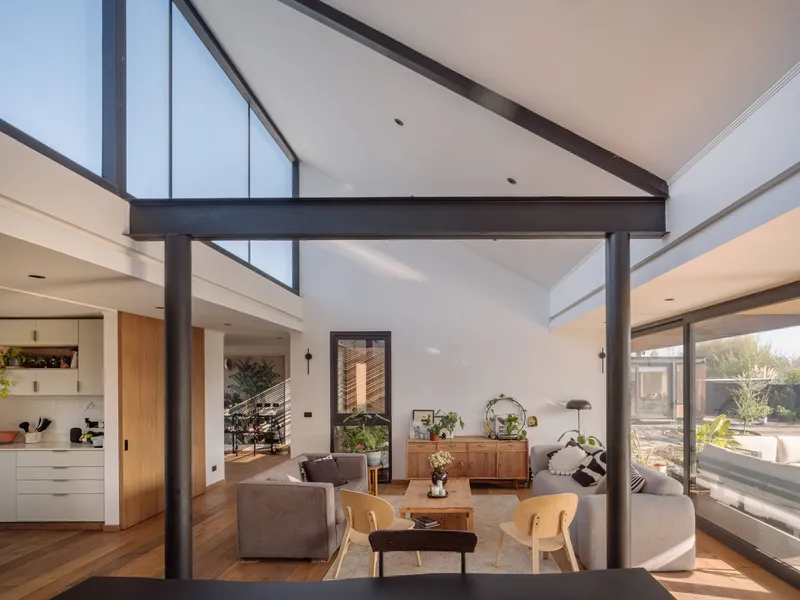
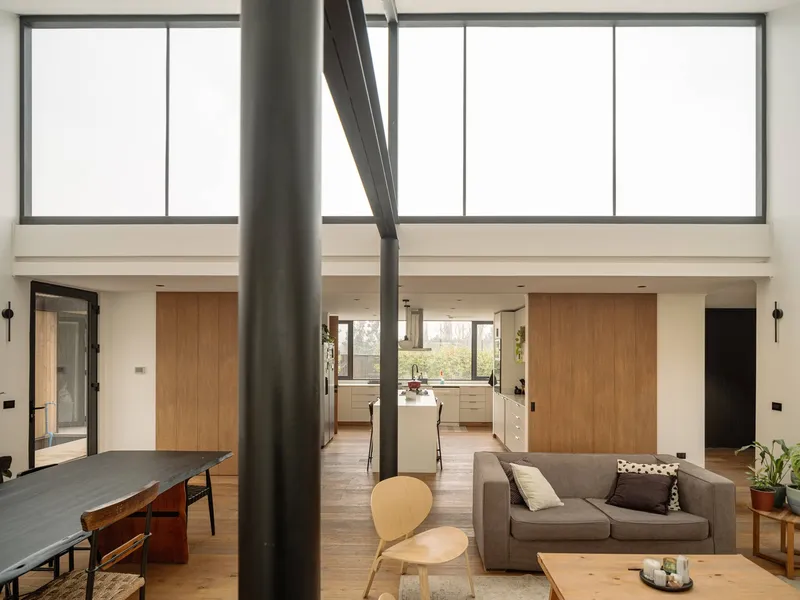
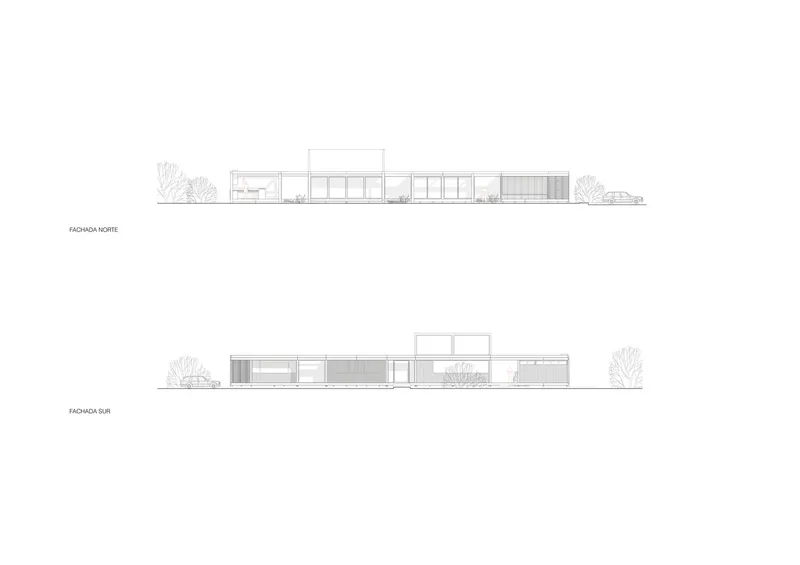
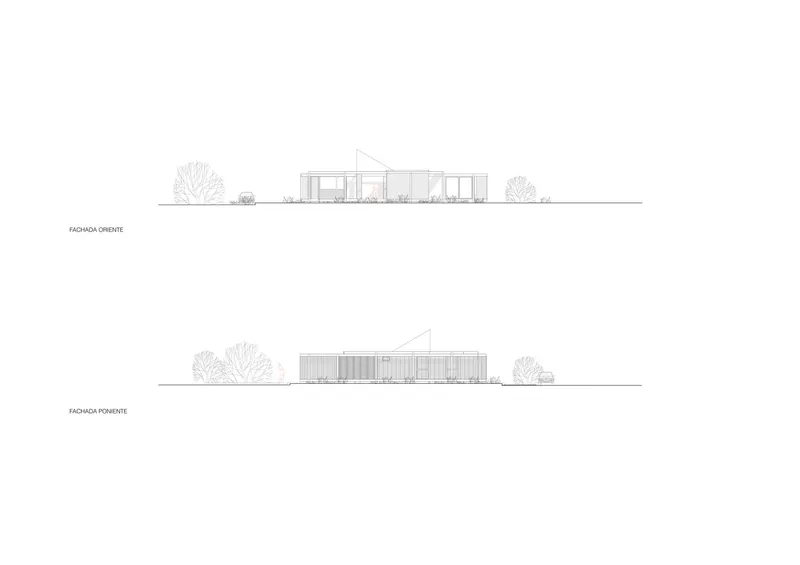
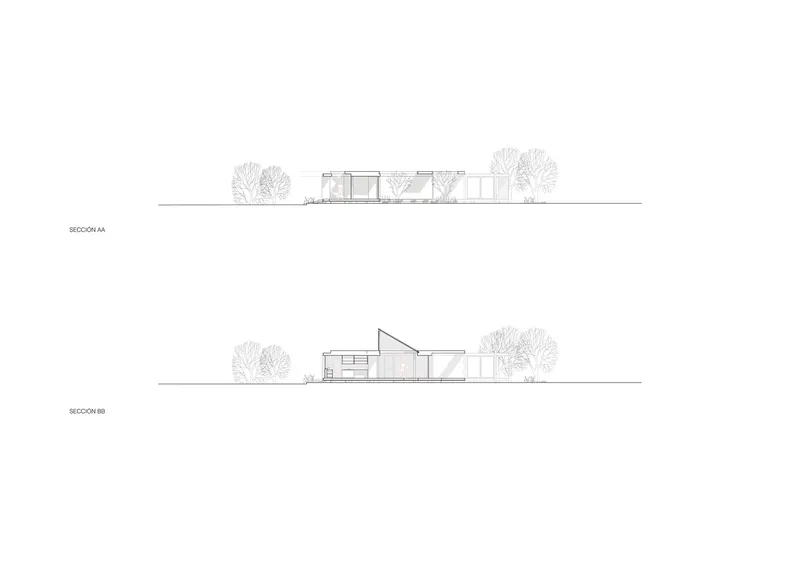
A defining feature of the home is the large, south-facing skylight—called the "lucarna"—which interrupts the otherwise horizontal layout. This semi-translucent element floods the core living, kitchen, and dining areas with natural light, eliminating the need for artificial lighting during the day. But more importantly, it’s oriented and designed to avoid overheating, directing light without trapping heat.
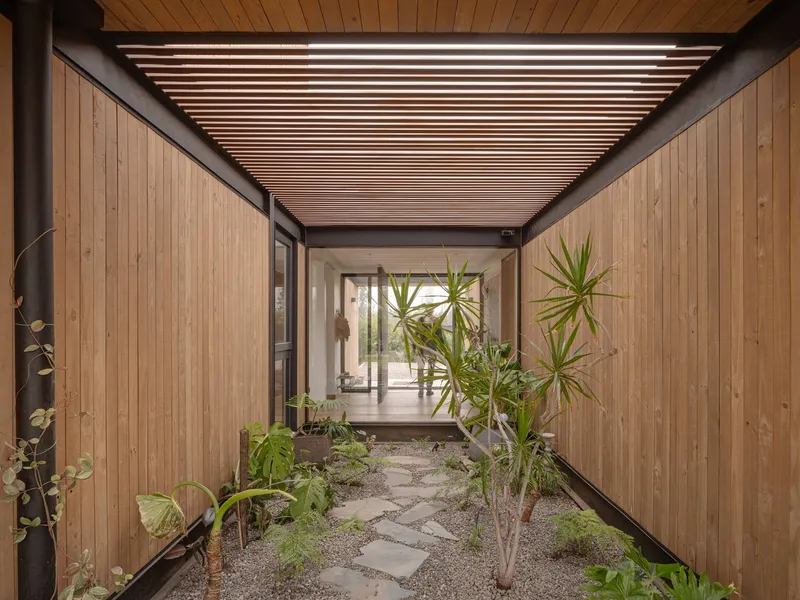
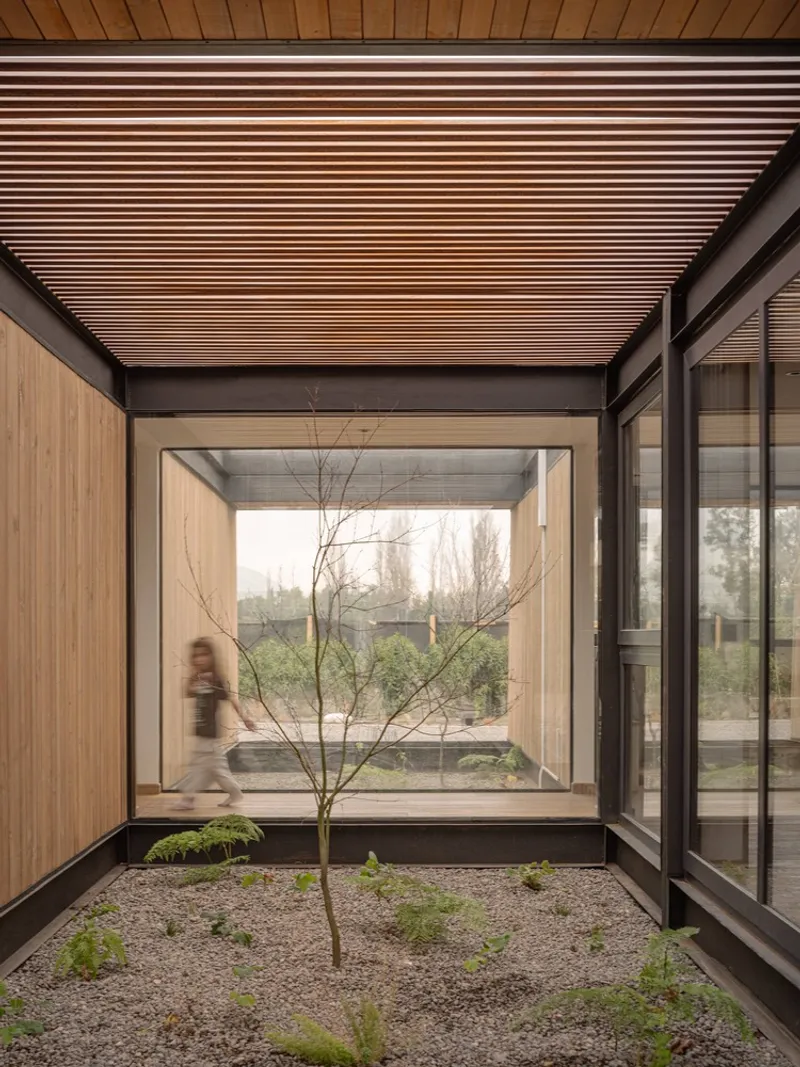
The interplay of shadow and light adds a poetic quality to the interior, while also improving environmental performance. Overhangs and louvers further manage solar exposure, with the east façade protecting against the harsh afternoon sun and the south façade offering privacy and shade for service areas.
Elevated for Efficiency
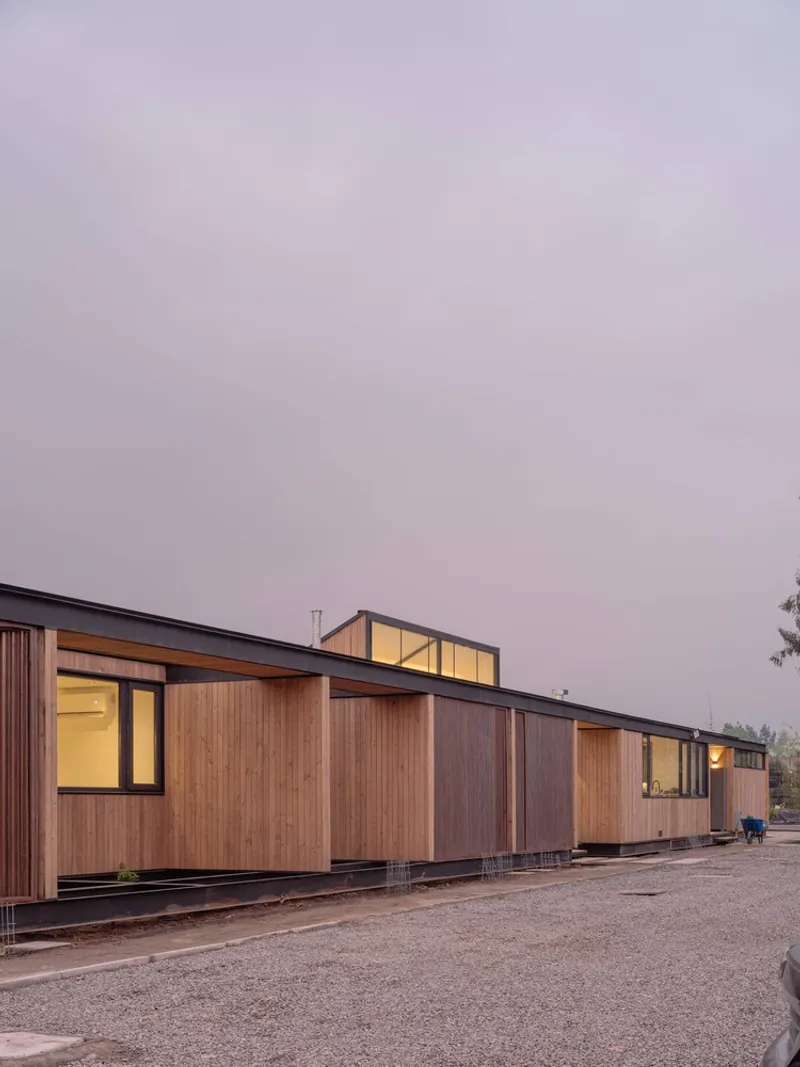
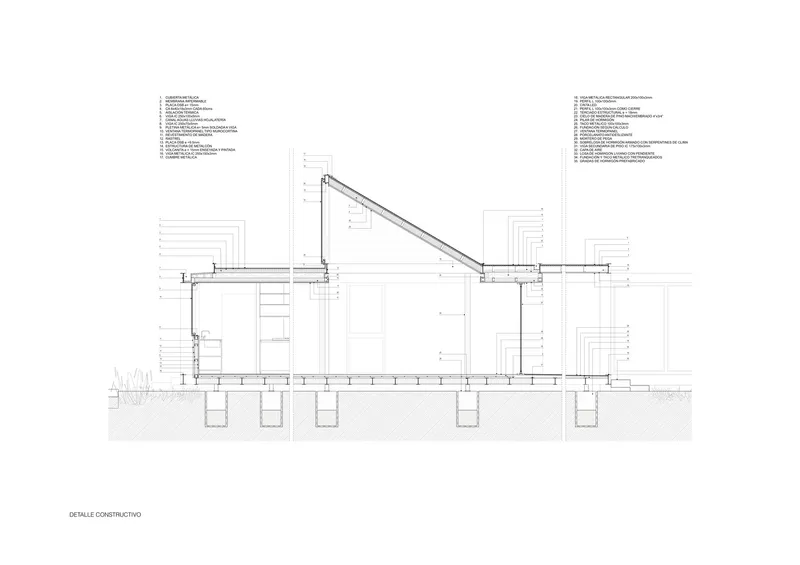
Constructed in steel and elevated 20 cm above ground level, the house promotes underfloor ventilation that aids in passive cooling. This raised structure not only minimizes contact with the heated ground but also allows for acoustic dampening through structural slabs. The use of commercially available material dimensions also optimizes construction costs, making the project both financially and environmentally sustainable.
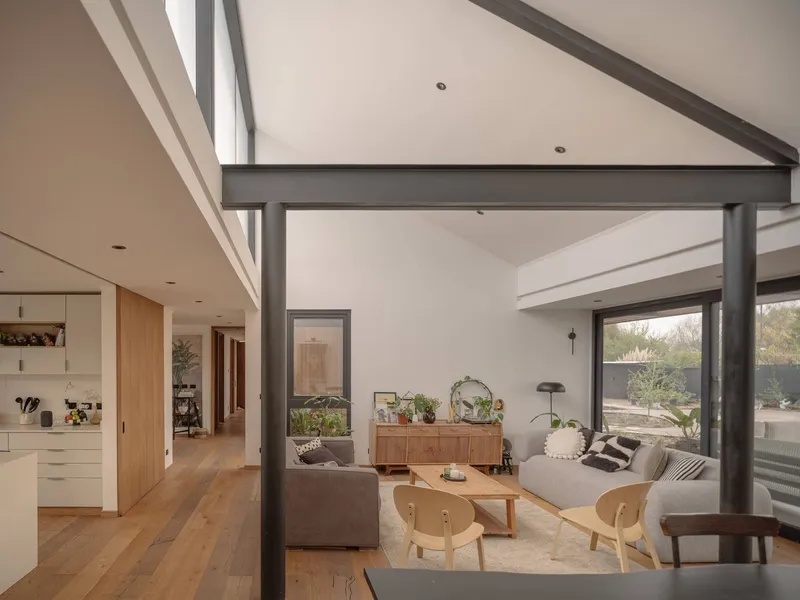
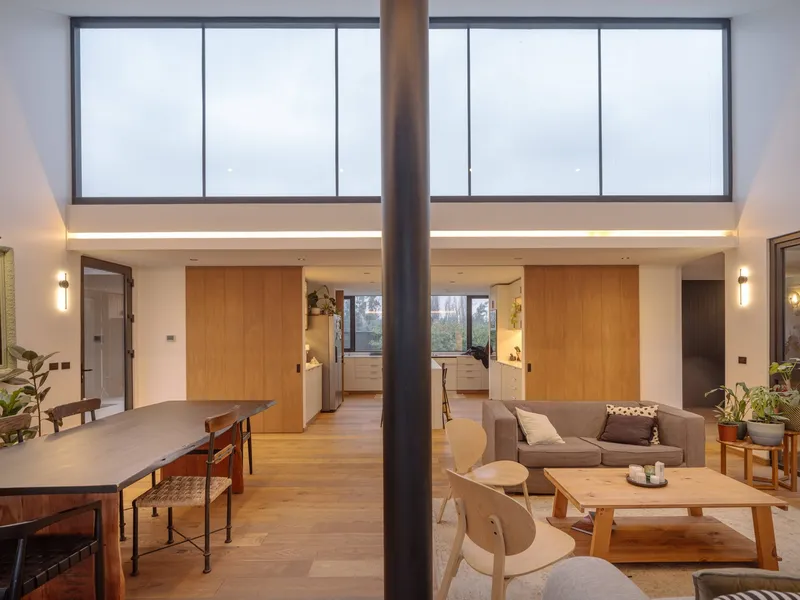
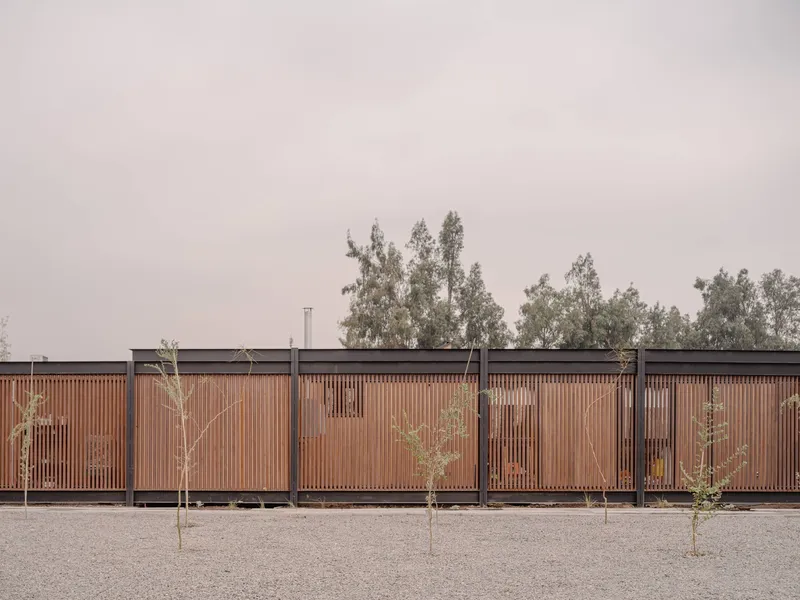
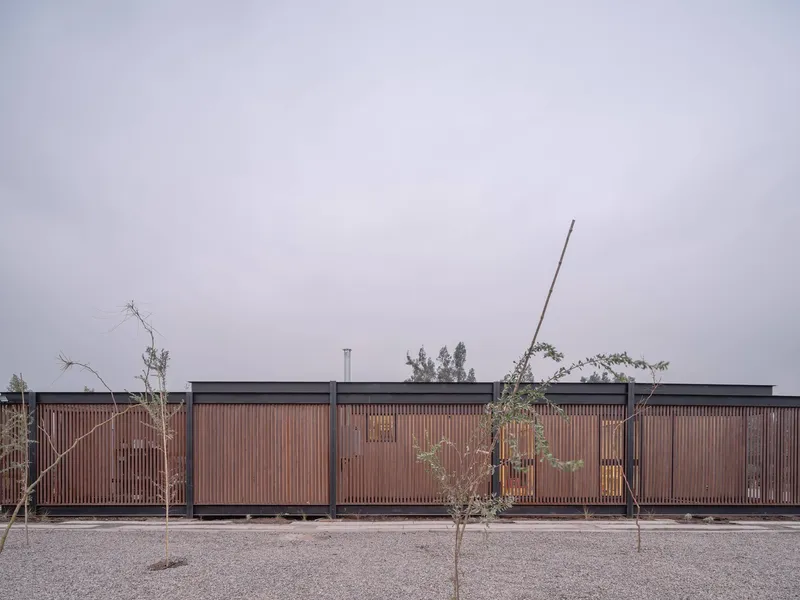
The simplicity of the materials—steel, wood, and glass—enhances thermal performance while creating a grounded, minimalist aesthetic. Strategic louvers on the façades operate as dynamic climate-responsive skins, moderating sun exposure and ensuring privacy without blocking airflow.
A Dialogue With the Environment
More than just a shelter, House with Lucarna engages in an ongoing dialogue with its environment. Its design is guided by a deep understanding of light, temperature, and the human need for comfort. Every architectural gesture—whether the placement of a patio, the slope of a roof, or the angle of a louver—is rooted in the principles of passive cooling house design.
This is a house built not just to exist in a hot climate but to thrive in it—demonstrating that good design is not only beautiful and functional but also deeply responsive.
All Photographs are works of Marcos Zegers


Popular Articles
Popular articles from the community


Cube Design Draws an Ecological Corridor Between Two Shenzhen Hills with the Nankai Building
Beside Shenzhen's container docks, the Nankai Building pairs stacked balconies with a climbing green screen to connect two hillsides across its height.

LT2A and OPEN Architectes Thread a Brick and Glass High School Through a Wooded Belgian Campus
In Braine-l'Alleud, a 3,000 m² wing for Collège Cardinal Mercier pairs pale brick with a glazed colonnade, deferring to a small chapel and a dense wood.

longwave studio Reorganizes a 112 m² Tainan Apartment Around the Daily Routines of a Family and Two Cats
In Tainan, Taiwan, birch plywood, rust-red furniture and a freestanding plaster wall link arrival, storage, work and family life in one apartment.

David Macias Steps a Doorless Stone and Plaster House Down a Tropical Colombian Hillside
In the humid hills of Colombia, Threshold House replaces the front door with an open void and terraces its 850 m² down the slope instead of fighting it.

Similar Reads
You might also enjoy these articles

Gil Mello Arquitetura Tilts a Single Roof Toward the Waterfalls on a Plateau Above Aiuruoca, Brazil
In Aiuruoca, Minas Gerais, a 200 m² house of local labor and reclaimed poles pairs a low valley veranda with a tall mountain one.

U.GA Architects Wraps an Oval Rooftop Pool in Curved Board-Formed Concrete on Busan's Jeollidan-gil
In Busan's Jeonpo-dong, a 454 m² mixed-use block stacks a neighborhood facility, guest rooms and an oval rooftop pool inside spiraling concrete walls.

Felipe Hess Arquitetos Turns a Blind Stone Wall to the Street and Opens a Brazilian House onto a Courtyard and Canal
A canal-front house in Brazil hides behind painted stone and planting, then opens to an olive-tree courtyard, a reed-ceilinged porch and a curving pool.
David Macias Steps a Doorless Stone and Plaster House Down a Tropical Colombian Hillside
In the humid hills of Colombia, Threshold House replaces the front door with an open void and terraces its 850 m² down the slope instead of fighting it.

Explore Latin American Houses Competitions
Discover active competitions in this discipline

Challenge to reimagine the Iron Throne

Photograph architecture without architects

Illustrate the lost glory of Angkor Wat - Render Challenge

Design challenge to reuse E-waste
Comments (0)
Please login or sign up to add comments
No comments yet. Be the first to comment!