

Îlot Saint-Germain: Transforming Historic Parisian Offices into Vibrant Social Housing
Îlot Saint-Germain transforms historic Parisian offices into 254 bright, flexible social housing units, with gardens, terraces, and restored architectural heritage.


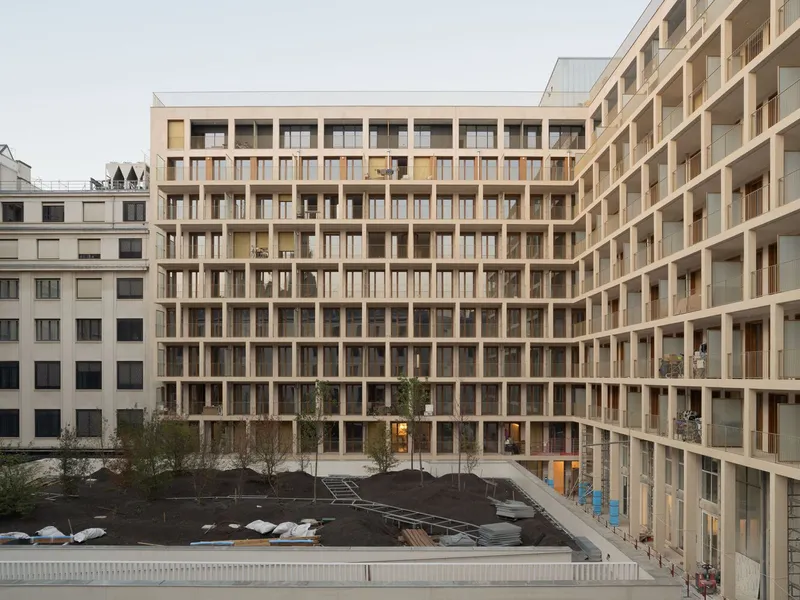
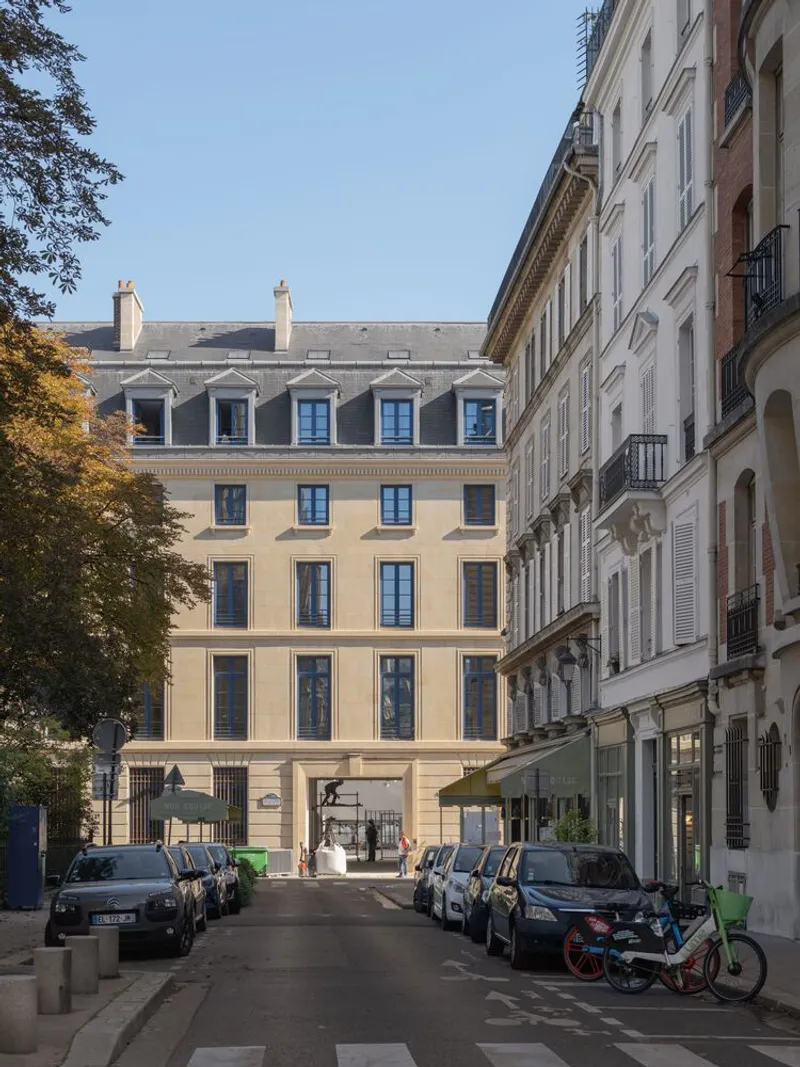
Located in the heart of Paris’ prestigious 7th arrondissement, the Îlot Saint-Germain building is a striking example of contemporary urban renovation. Designed collaboratively by François Brugel Architectes Associés, h2o architectes, Antoine Regnault Architecture, and Elise et Martin Hennebicque Paysagistes, this project has successfully transformed former offices of the Ministry of the Armed Forces into a multifunctional mixed-use complex. Completed in 2023, the building now houses 254 high-quality social housing units, a childcare center, a gymnasium, and a thoughtfully landscaped garden.
Adaptive Reuse of Historic Structures
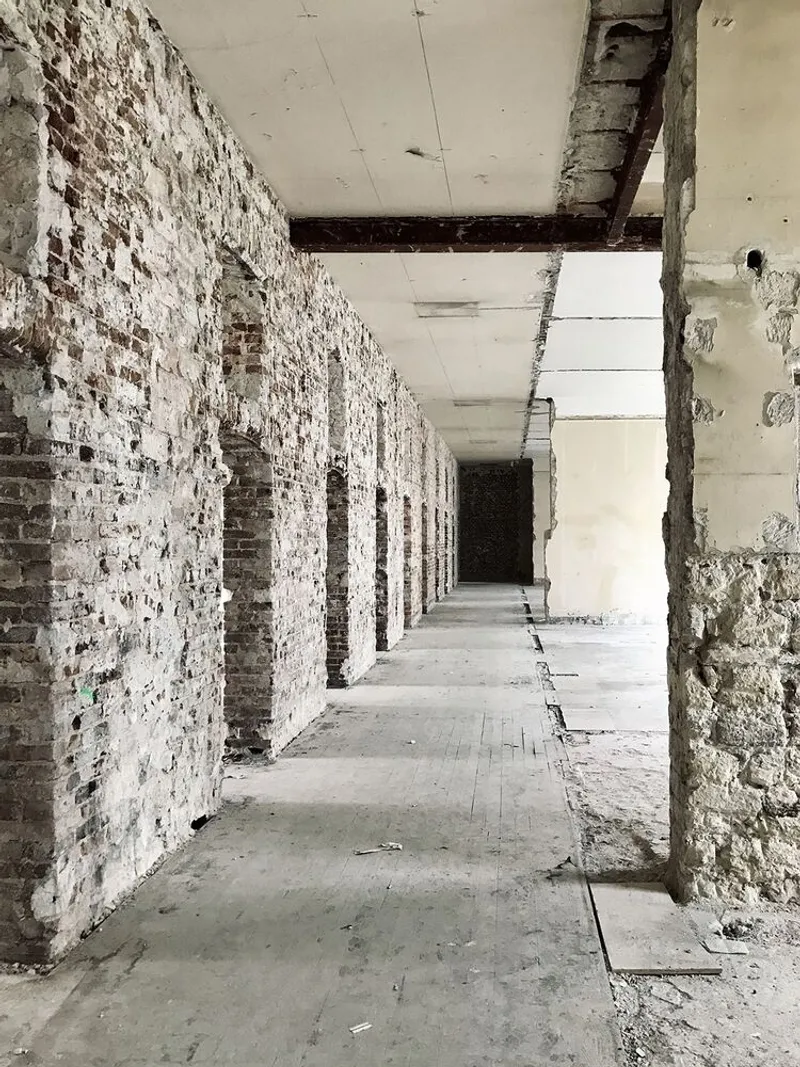
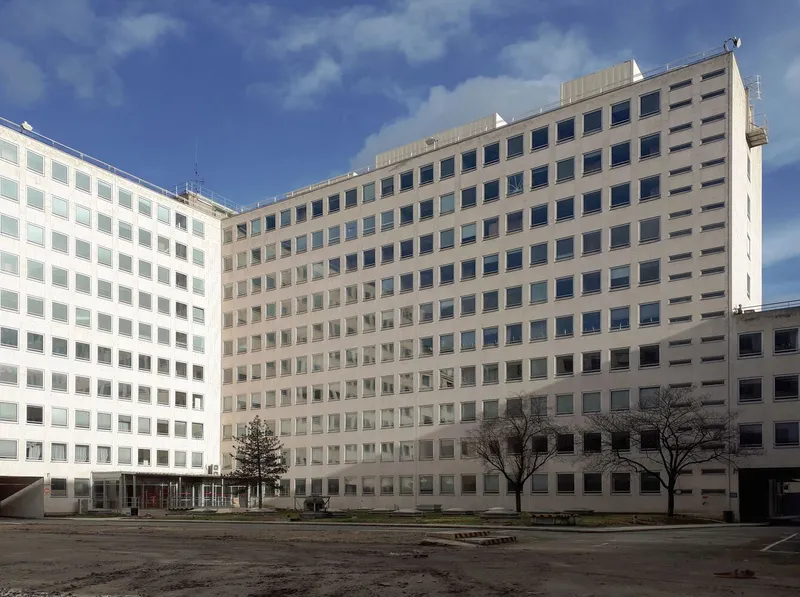
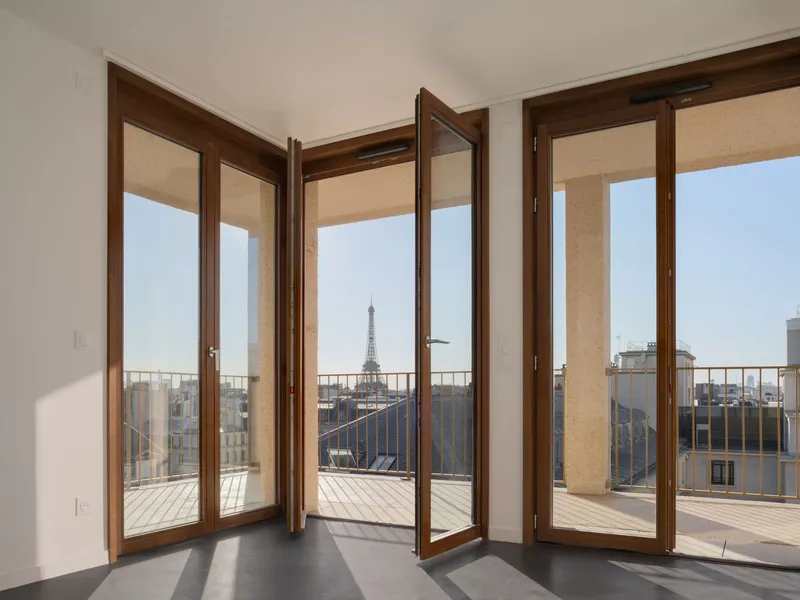
The site combines two contrasting structures: an 18th-century Parisian building facing the street (n° 10 and 100) and a 1960s office block at the heart of the plot (n° 200). The adaptive reuse approach respects both historic preservation and modern functionality. Decorative elements and interior proportions of the historic buildings were carefully restored, enhancing architectural quality and creating bright, flexible, and comfortable apartments. Even traditionally less-desirable areas, such as attics and first floors, were upgraded to provide improved living conditions.
Innovative Transformation of the 1960s Office Block
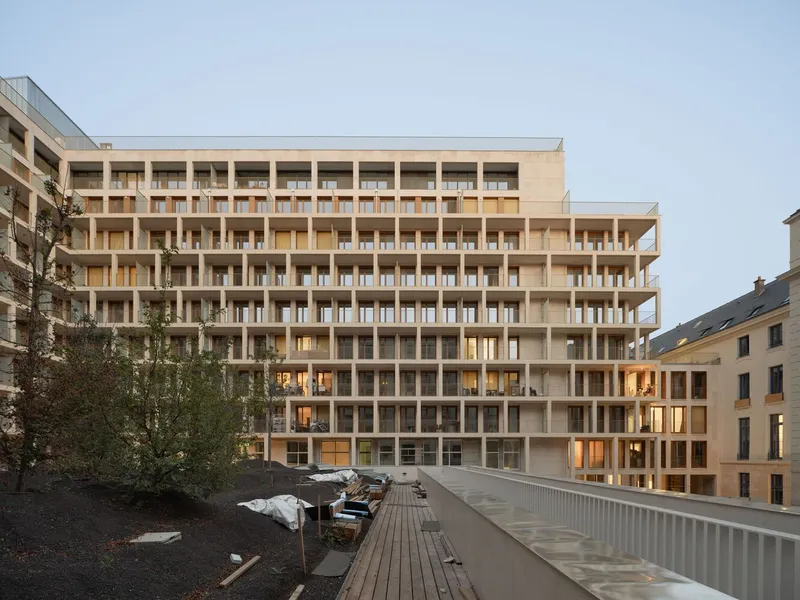
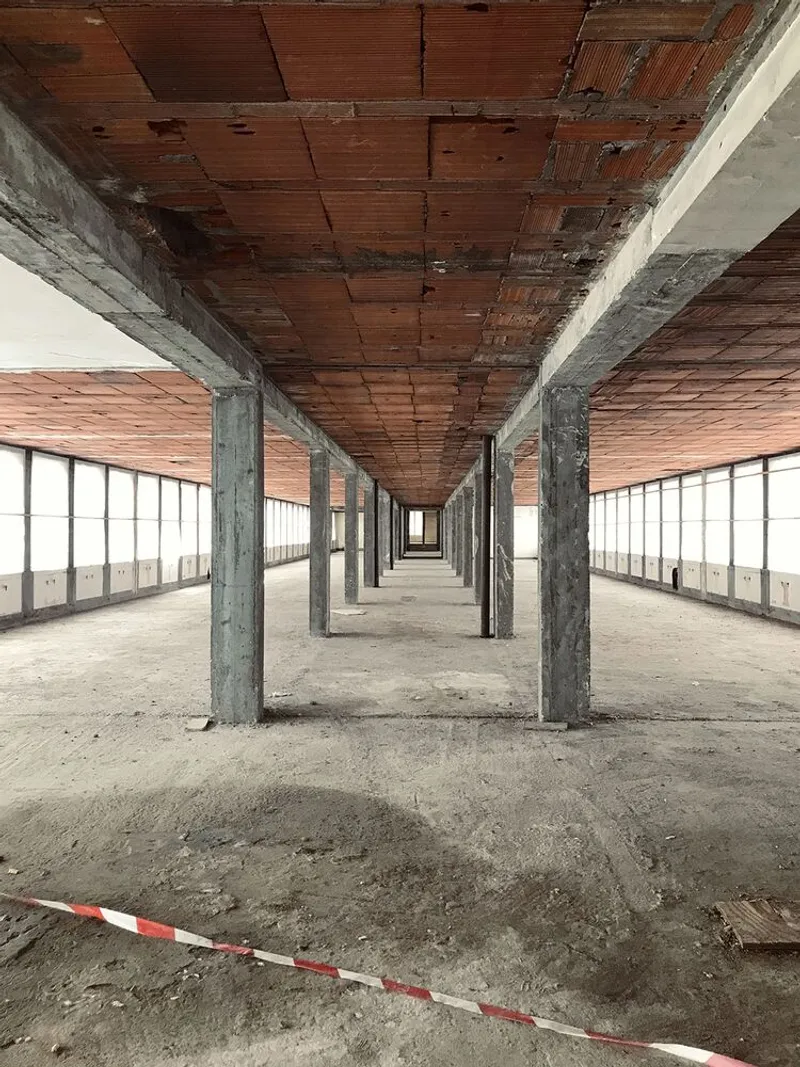
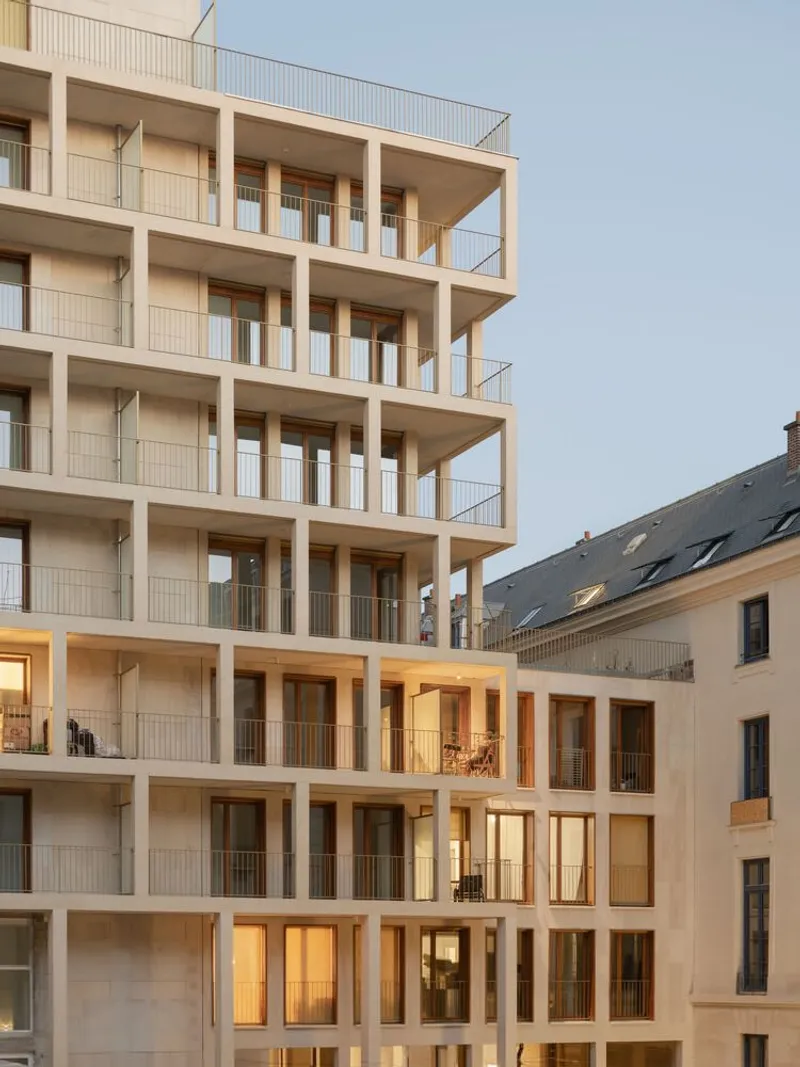
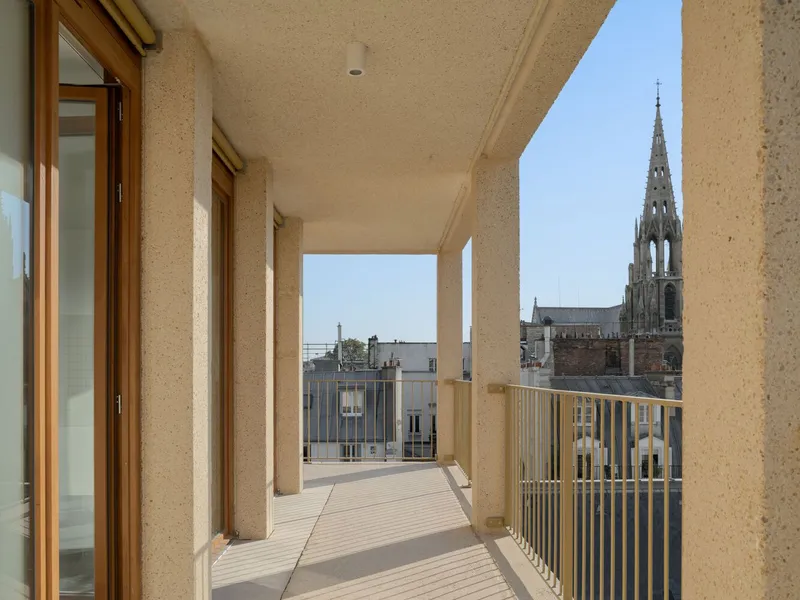
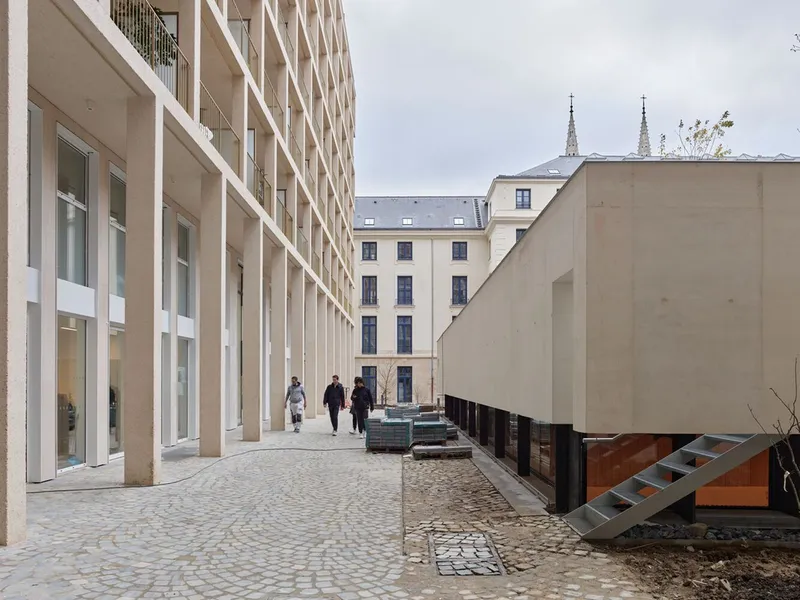
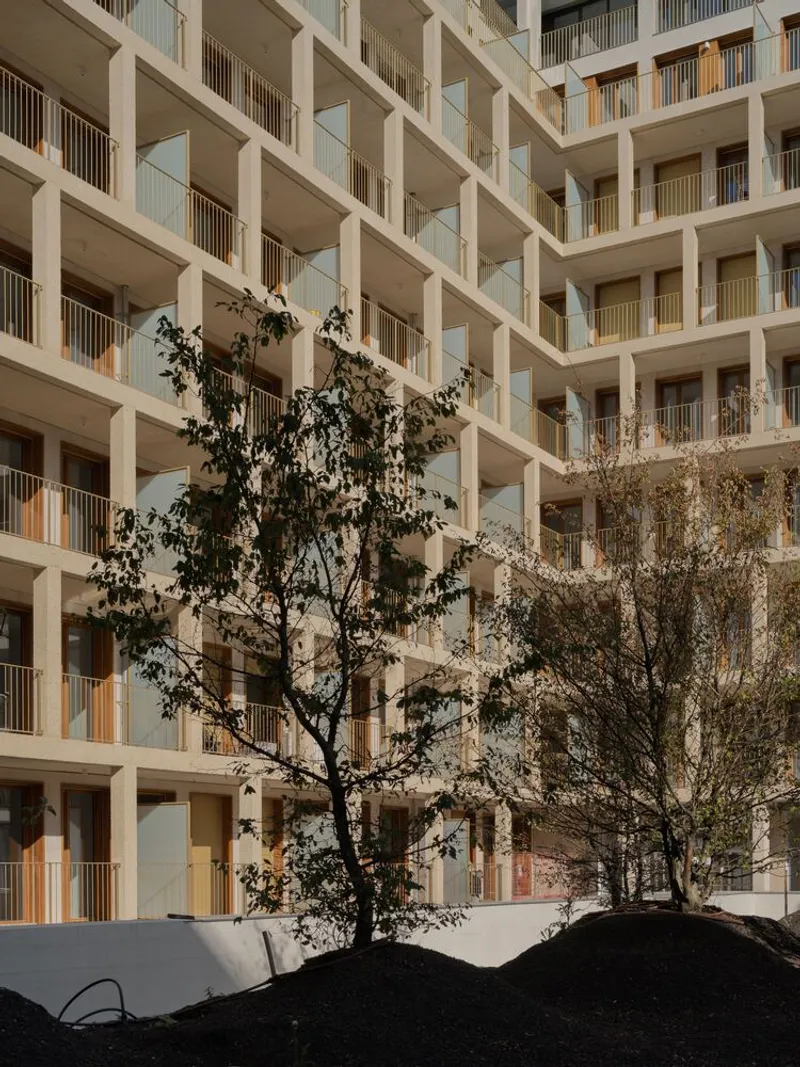
The 1960 office building presented a unique challenge. Through the addition of a concrete double-skin façade on the south and west sides, the architects redefined the office spaces into high-quality residential units with exterior balconies, loggias, and terraces. This strategy transformed the former workplace into an inviting housing block with outdoor rooms, bridging the private interiors with the landscaped environment and enhancing residents’ daily experience.
Sustainable and Durable Design
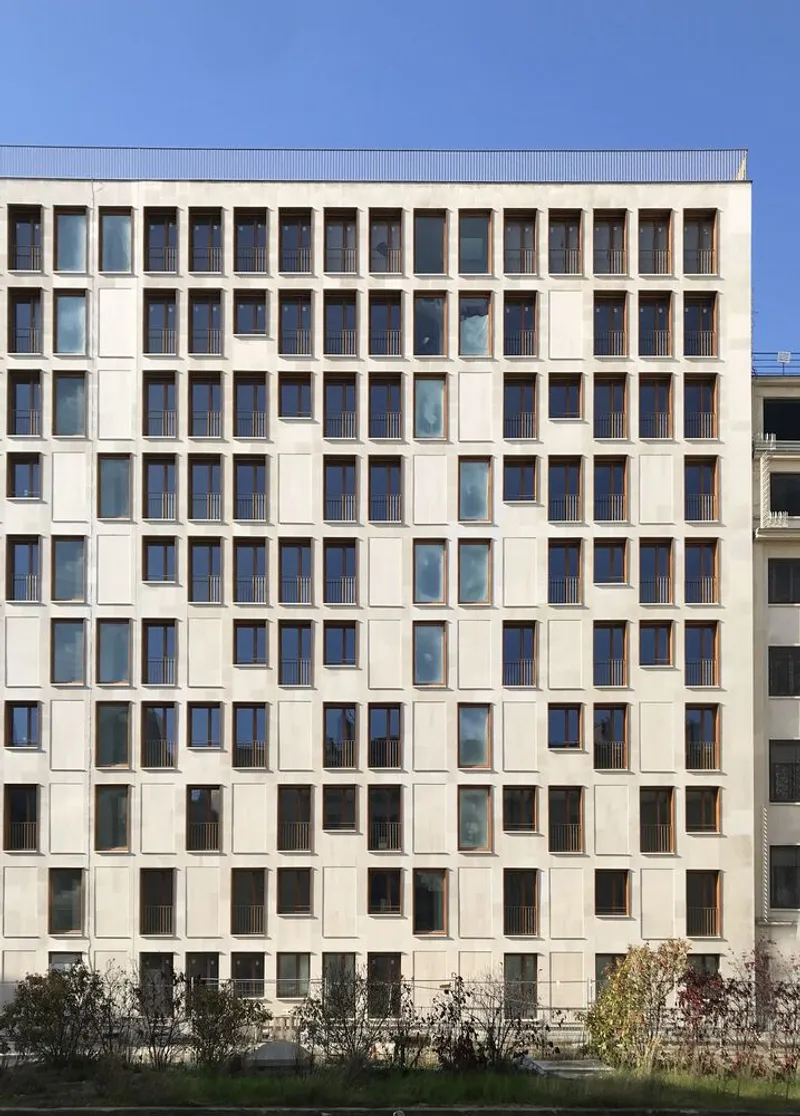
Preserving the existing structures was a core priority. In the historic buildings, loadbearing stone masonry façades were repaired, and wooden floors reinforced, ensuring durability and authenticity. The post-beam concrete structure of Building 200 was maintained, while joist-hollow block floors were renovated for contemporary standards. Stone façades were carefully cleaned, consolidated, or replaced where necessary, maintaining the materiality, color, and historic character of the complex.
Cohabitation and Urban Integration
One of the main design challenges was ensuring balanced cohabitation between the new residential units (13,015 m²) and the surrounding urban context. By integrating green spaces, terraces, and functional public amenities, the project promotes social interaction while maintaining privacy and comfort. This careful attention to context exemplifies Parisian urban renewal at its finest.
A Model for Modern Social Housing
The Îlot Saint-Germain project illustrates how historic preservation, adaptive reuse, and urban social housing can coexist harmoniously. By blending technical innovation with thoughtful architectural design, the project offers contemporary Parisian residents bright, flexible, and efficient living spaces, enriching the urban fabric of the 7th arrondissement.
All photographs are works of
Jared Chulski, Stéphane Chalmeau, FBAA


Popular Articles
Popular articles from the community


Manzana Morphosis: Stretching Barcelona's Grid into a Living Landscape for 2050
A radical reworking of the Eixample manzana turns density into a tool for generous public space, vertical ecology, and environmental performance.

Faces of the Soviet Avant-Garde: Turning Moscow's Street Names into an Open-Air Museum
A network of sculptural installations across a Moscow residential district transforms forgotten architect names into spatial encounters with cultural memor

The Amber Palace Opera: A Geological Fiction Surfaces on Tallinn's Baltic Waterfront
Pierre Brillard reimagines a Baltic legend as a public landscape, opera house, and waterfront promenade rooted in Tallinn's coastal identity.

Opera on the Sea: Driftwood Logic Shapes a Timber Opera House on Estonia's Coast
Trevor Orgill's opera house translates the entangled drift of floating timber into a civic building where wood, water, and music converge.

Similar Reads
You might also enjoy these articles

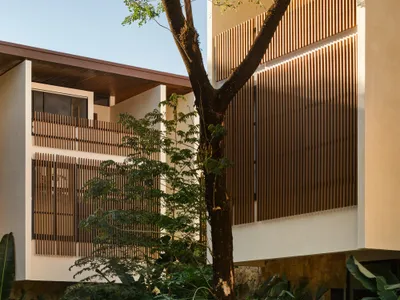
FAMM Arquitectura Organizes Ten Villas Around Courtyards and Jungle in Nosara, Costa Rica
El Molino pairs two elongated volumes with deep overhangs and timber louvers to build a compact coastal community five minutes from the beach.
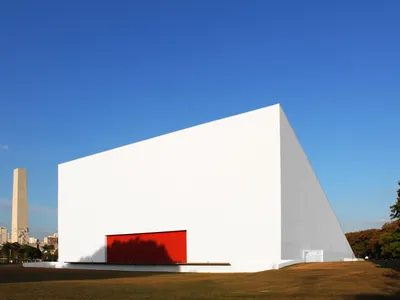
Oscar Niemeyer's Ibirapuera Park Pavilions Define São Paulo's Cultural Identity in Concrete and Curve
A constellation of modernist volumes set within São Paulo's most important urban park, conceived for the city's 400th anniversary in 1954.
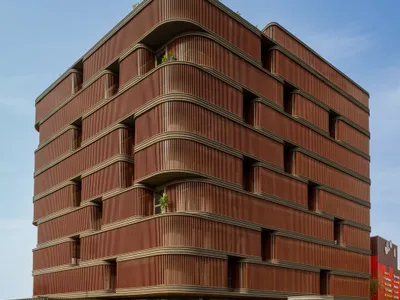
Sanjay Puri Architects Wraps a Jaipur Office Tower in Capsule-Shaped Green Buffers
A nine-level climate-responsive workplace near Jaipur Airport uses stacked planter terraces and aluminium screens to fight 40°C heat.
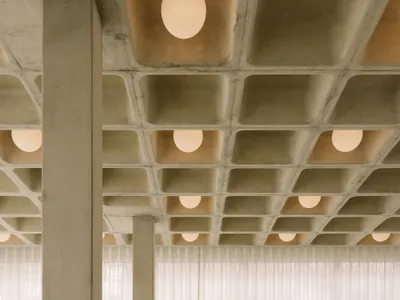
RHO Converts a Berlin Spree-Side Industrial Courtyard into Enkime's 1,000 m² Agency Headquarters
A social media agency's new home in Charlottenburg trades glossy branding for concrete waffle ceilings, glazed tile, and sheer curtains.

Explore Residential Building Competitions
Discover active competitions in this discipline

Challenge to design mud housing for contemporary communities

Challenge to reimagine the Iron Throne

Photograph architecture without architects

Illustrate the lost glory of Angkor Wat - Render Challenge
Comments (0)
Please login or sign up to add comments
No comments yet. Be the first to comment!