

Industrial Space Transformation in Lisbon: Vibra Caffé + Concept Store by Miguel Amado Arquitectos
The Vibra Caffé + Concept Store transforms Lisbon’s historic wine cellars into a vibrant industrial café, gallery, and store.


Reviving History: From Wine Cellar to Cultural Hub
Vibra Caffé + Concept Store, designed by Miguel Amado Arquitectos, breathes new life into the historic wine cellars of Abel Pereira da Fonseca in Marvila, Lisbon. This iconic location, now known as 8 Marvila, has evolved into a cultural hotspot where art, commerce, and dining converge. The architectural project transforms a former storage room and adjacent area into a vibrant café, concept store, and art gallery, seamlessly blending history with contemporary design.


Embracing Material Reuse and Industrial Aesthetics
The project exemplifies sustainable design by incorporating a philosophy of material reuse. Rubble, wood, iron, metal sheets, and old warehouse counters were creatively repurposed to retain the industrial authenticity of the space. These raw materials form the foundation of the design, preserving the character of the original wine cellars while introducing modern functionality.


A key design strategy involved minimal intervention. The architects preserved the existing industrial hall's raw aesthetic, including exposed concrete walls, to maintain a connection to the building’s history. The resulting environment feels both grounded in its past and energized for contemporary use.


“Unexpected Red”: A Bold Concept
One of the defining features of the Vibra Caffé + Concept Store is the striking use of color. Dubbed the “Unexpected Red,” this bold visual element creates a focal point within the industrial hall, injecting vibrancy and energy into the space. The red accents guide visitors through the café and concept store, creating a dynamic interplay between the neutral tones of raw materials and the vivid pop of color.


The use of red also helps define zones within the expansive hall. Columns and structures organize the café areas, creating cozy, intimate spaces within the larger industrial framework. This design fosters a sense of refuge while inviting visitors to explore the surrounding cultural offerings of 8 Marvila.

Scenographic Art Gallery
The art gallery within the Vibra Caffé + Concept Store celebrates its industrial roots. The raw concrete walls create a cave-like atmosphere, providing a minimalist backdrop that ensures the artwork remains the focal point. The lighting system enhances this scenographic quality, illuminating unexpected corners and evoking a sense of discovery.

Black tones and simple furniture designs further harmonize with the industrial aesthetic, ensuring the new interventions do not overshadow the space's original character. The result is a gallery environment that feels authentic, immersive, and engaging.

Sustainable and Contemporary Design Solutions
Sustainability is a cornerstone of the project, with many of the newly introduced elements crafted from reused materials. Staircases, furniture, and lighting fixtures were designed to complement the industrial framework while adding a contemporary touch. The minimalist approach allows the space’s history to shine, while subtle modern interventions enhance its functionality and aesthetic appeal.

A Cultural and Architectural Landmark
Vibra Caffé + Concept Store stands as a testament to the transformative power of architecture. By blending raw industrial materials with bold contemporary elements, Miguel Amado Arquitectos has created a space that resonates with history while embracing modernity.


This project is more than just a café, store, and gallery; it is a celebration of Lisbon’s cultural and architectural heritage. The design respects the past while inspiring the future, offering residents and visitors a unique experience that combines art, commerce, and sustainability.


The Vibra Caffé + Concept Store in Lisbon is a remarkable example of industrial space transformation. With its bold use of color, emphasis on material reuse, and respect for the building’s historical identity, the project revitalizes a forgotten corner of Marvila into a vibrant cultural destination. Miguel Amado Arquitectos demonstrates how thoughtful design can honor history while fostering innovation, creating a space that is as functional as it is inspiring.


All Photographs are work of Sofia Dourado


Popular Articles
Popular articles from the community


Architekt Andreas Gruber Scatters 23 Dark Timber Chalets Across a South Tyrolean Forest Edge
In Molini di Tures, Amonti Chalets breaks a resort into a hamlet of gabled timber houses, with parking, storage and services pushed into the slope.

longwave studio Reorganizes a 112 m² Tainan Apartment Around the Daily Routines of a Family and Two Cats
In Tainan, Taiwan, birch plywood, rust-red furniture and a freestanding plaster wall link arrival, storage, work and family life in one apartment.

U.GA Architects Wraps an Oval Rooftop Pool in Curved Board-Formed Concrete on Busan's Jeollidan-gil
In Busan's Jeonpo-dong, a 454 m² mixed-use block stacks a neighborhood facility, guest rooms and an oval rooftop pool inside spiraling concrete walls.

LT2A and OPEN Architectes Thread a Brick and Glass High School Through a Wooded Belgian Campus
In Braine-l'Alleud, a 3,000 m² wing for Collège Cardinal Mercier pairs pale brick with a glazed colonnade, deferring to a small chapel and a dense wood.

Similar Reads
You might also enjoy these articles


Hodi-Mandai Geram
Project Function: Preservation and revitalization of the Intangible heritage and socio-spatial identity of the Hodi by Housing, Cultural Memory Center, Sacred Grove, landscape, local tourism economy

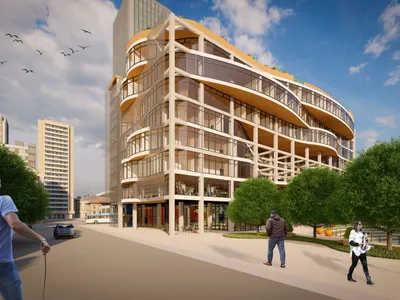
Olio Towers: A Mid-Rise for Performers That Fuses Housing, Rehearsal, and Stage
Located blocks from Houston's Theater District, this modular tower stacks living units around a central performance atrium.

Oasis: Modular Green Housing Carved into Dhaka's Urban Fabric
A shortlisted Plugin Housing entry reclaims unauthorized settlements in Dhaka with stepped concrete volumes, green roofs, and ventilation-driven design.

Black Hole: A Floating Megastructure for the Post-Physical Era
Emiliano Mazzarotto envisions a spherical, self-scaling arena where e-sports, digital hotels, and holographic stadiums replace traditional public space.

Explore Architecture Competitions
Discover active competitions in this discipline

Challenge to reimagine the Iron Throne

Photograph architecture without architects

Illustrate the lost glory of Angkor Wat - Render Challenge

Design challenge to reuse E-waste
Comments (0)
Please login or sign up to add comments
No comments yet. Be the first to comment!