
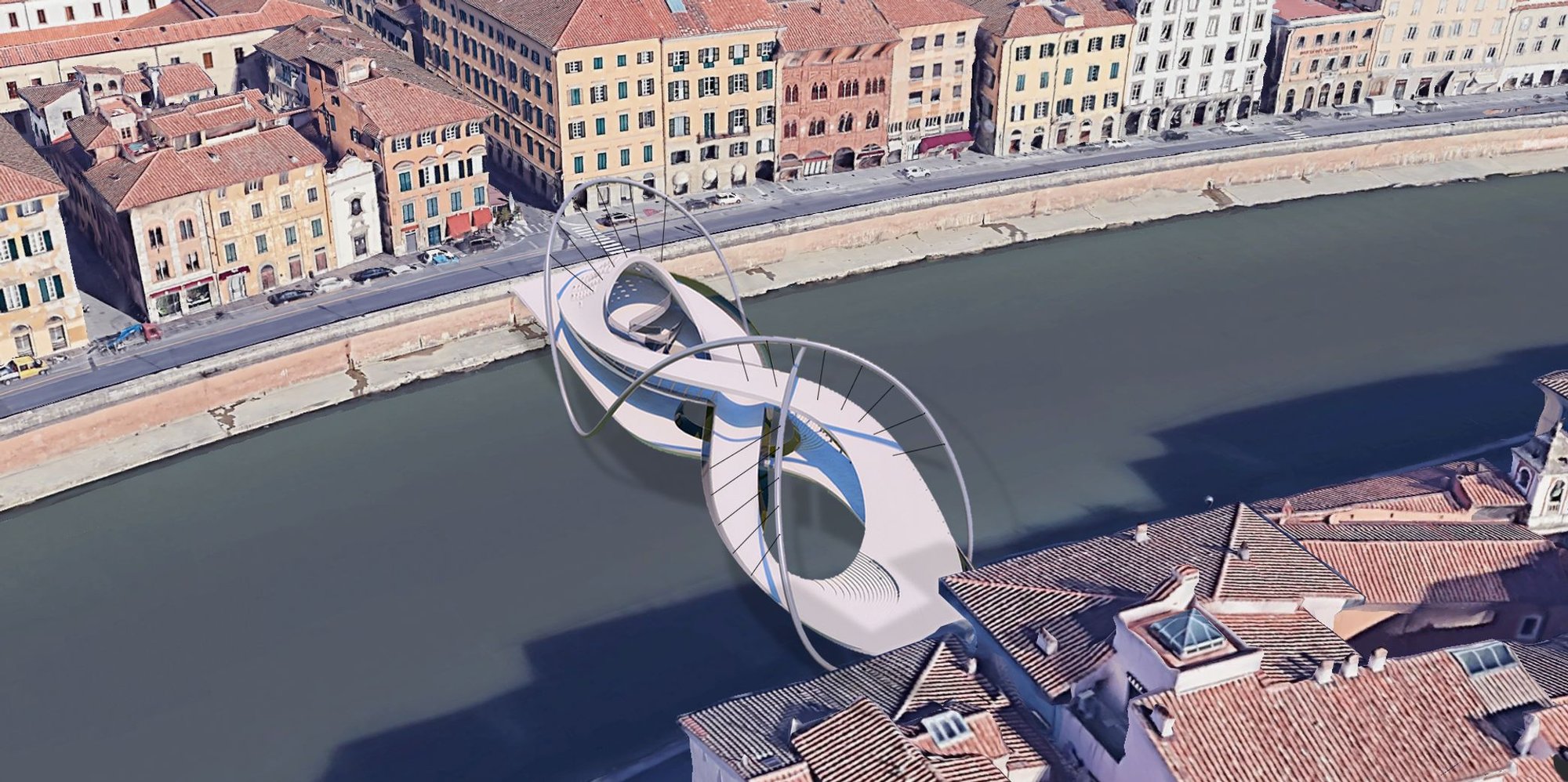
Innovative Bridge Design: The Artisans Crossing Bridge in Pisa
This article delves into the Artisans Crossing Bridge, an architectural blend of public art and community space in Pisa.

Unveiling the Artisans Crossing Bridge: A Masterpiece of Form and Function
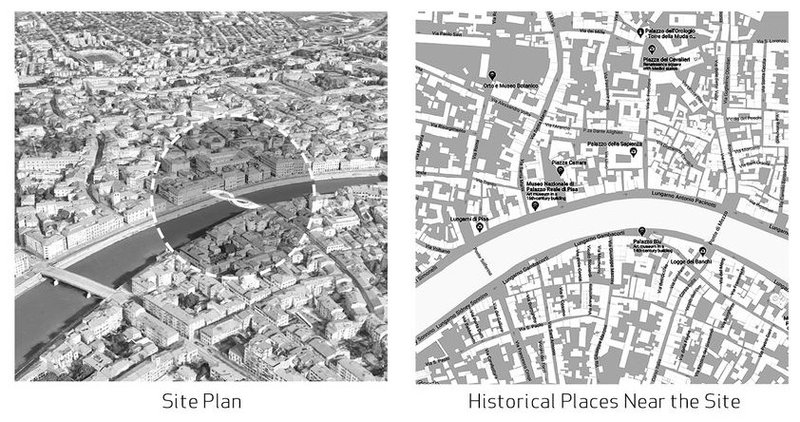
In the heart of Italy, a country renowned for its contribution to art and culture, emerges a modern architectural marvel - the Artisans Crossing Bridge. Crafted by the visionary minds of Hooman Dowlatyari, Yahya Amirinejad, and Maryam Forghani, this bridge is not just a pathway but a living gallery, an ode to the artisans of Italy, and a new public space designed to breathe life into the Sant'Antonio and Santa Maria neighborhoods of Pisa.
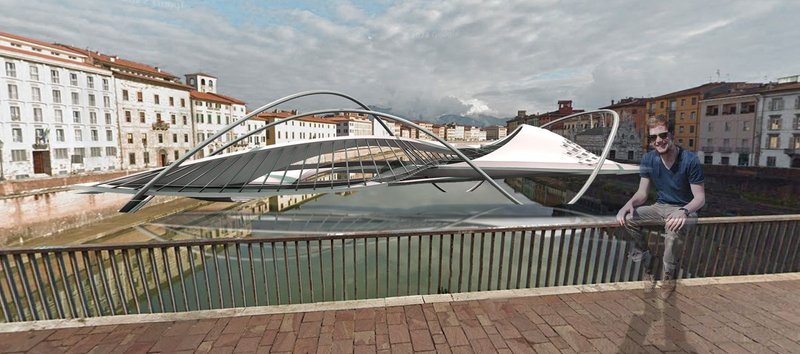
The Philosophy Behind the Artisans Crossing Bridge
Art resonates deeply within Italian culture, shaping its identity and fostering an intimate understanding of our collective emotions and self-awareness. In a world where the hustle of modern life often overshadows the allure of art, the Artisans Crossing Bridge seeks to reverse this trend. It is not only a structure for crossing but a sanctuary for the celebration of art, inviting engagement, learning, and interaction.
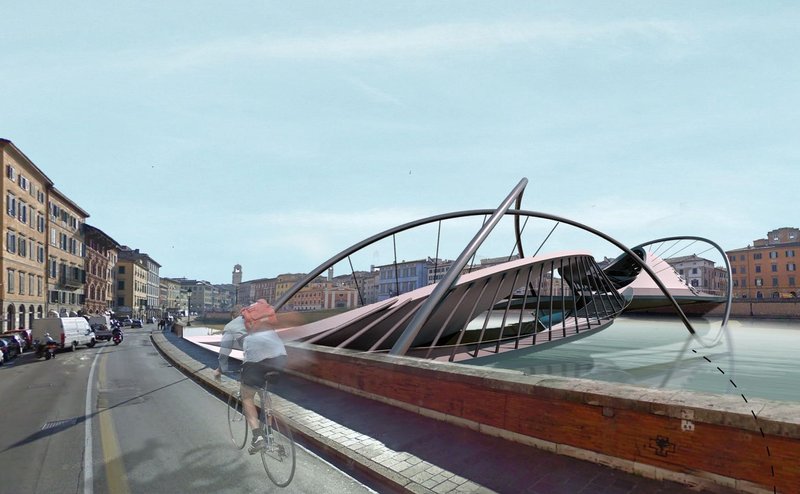
A Structural Symphony: Blending Architecture with Artistry
The bridge's design is a symphony of curvature and geometry, connecting disparate elements into a cohesive whole. With art workshops, plazas, and a coffee shop embedded within its frame, it offers a fluid space that encourages public interaction with the artisans. This design is intentional, aiming to make art a tangible, everyday experience, rather than an elusive spectacle.
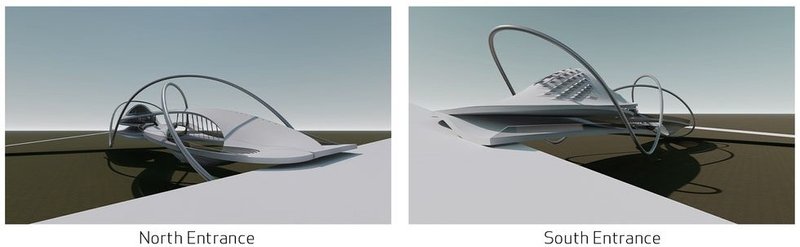
The Use of Space: Engineering Movement and Interaction
Each element of the bridge's architecture - from the placement of cables to the use of concrete in shaping floors and walls - serves a dual purpose: it strengthens the structure and stimulates movement. The bridge acts as a conduit, not just for pedestrians and cyclists, but for ideas and cultural exchange. It is a stage where anyone can perform and contribute to the community's vibrant culture.
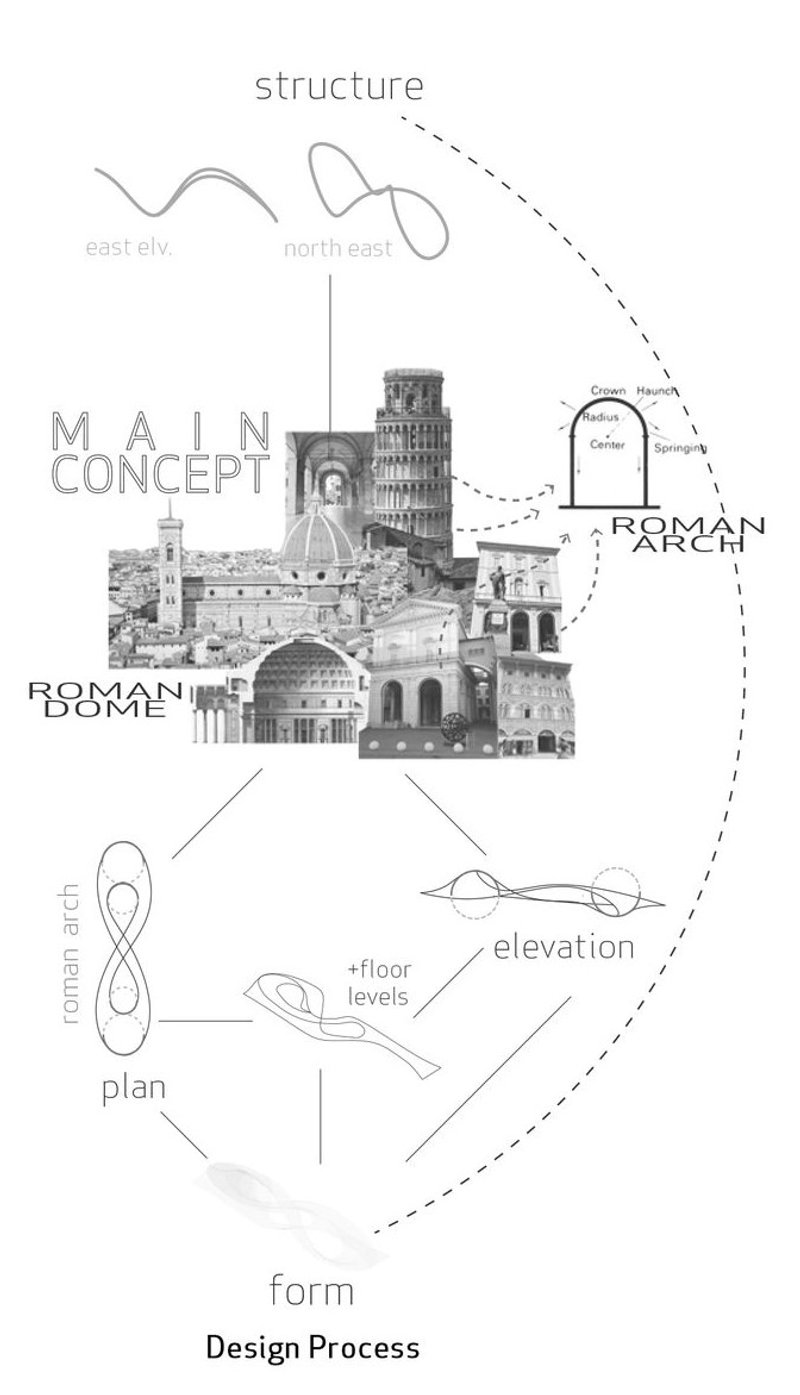
Bridging Gaps: Connecting More Than Just Two Points
The Artisans Crossing Bridge transcends its primary function as a bridge by providing platforms for artisans and artists. These platforms become arenas for direct learning and engagement, supporting local businesses and amplifying cultural involvement. It's a place where tourists don't just pass by, but pause, reflect, and participate.
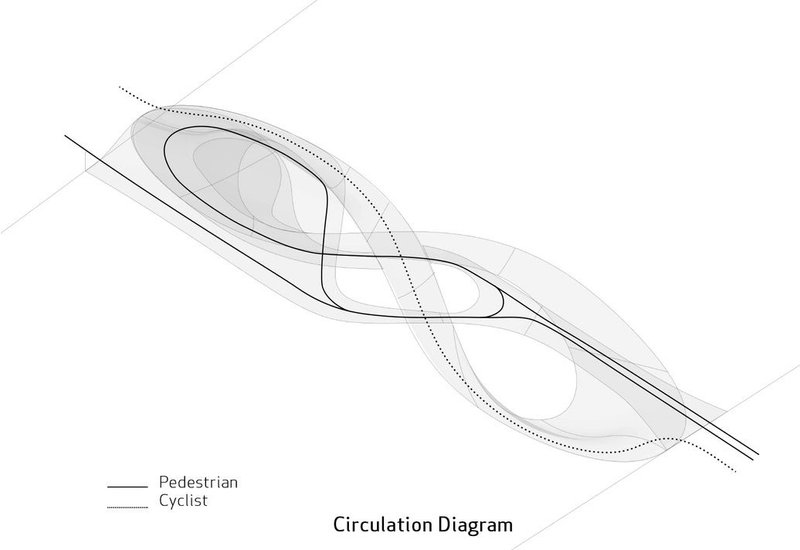
The Design Process: A Journey from Concept to Reality
Delving deeper into the design process reveals a meticulous plan spread across three levels, accommodating the semi-sloped terrain of the site. Accessibility is key, with ramps and stairways ensuring seamless flow for all users. Visitors can transition effortlessly between the workshop areas, galleries, and public spaces, all the while engaging with the bridge's offerings.
In conclusion, the Artisans Crossing Bridge stands as a testament to the power of innovative bridge design in modern urban spaces. It's a structure that marries utility with culture, serving as a beacon of communal harmony and a canvas for public expression. As an emblem of innovative bridge design, it not only connects neighborhoods but also unites people with the enduring legacy of Italian artistry.




Popular Articles
Popular articles from the community

Eco Chapel: A Green Architecture Pavilion Designed in Symbiosis with the Forest
Eco Chapel uses green architecture to weave prayer, learning and reuse into a forest pavilion shaped by modular hexagonal canopies for life.

IKC de Geluksvogel: Sustainable School Architecture Designed for Free Movement and Digital Learning
IKC de Geluksvogel turns sustainable school architecture into a flexible Maastricht campus for digital learning, nature, and free movement.
Stanton Architects Sculpts a Curving Family Home into Sydney's Inner West Fabric
Five Dock House uses cantilevers, curved concrete, and layered courtyards to carve out privacy on a tight suburban lot in Sydney.
The Faith: Modular Architecture for Play, Learning, and Hope in Kutupalong Refugee Camp
A modular playground architecture project in Bangladesh where play, learning, safety, and hope rebuild childhood inside a refugee camp anew.

Similar Reads
You might also enjoy these articles
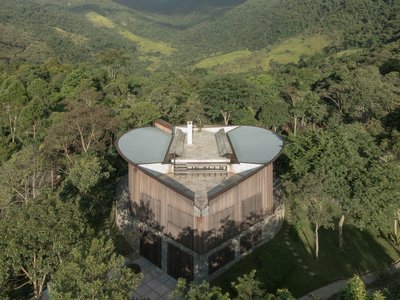
House in Bocaina by Ana Altberg + Cesar Jordão: A Circular Retreat Embracing the Atlantic Forest
Circular forest home in Brazil by Ana Altberg and Cesar Jordão, blending sustainable materials, passive design, and immersive landscape integration.
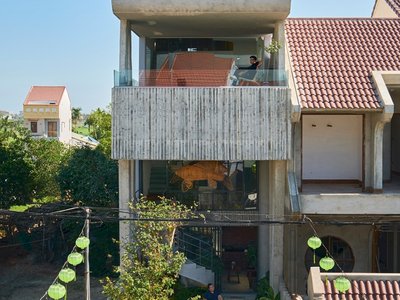
Cherry Homestay: A Harmonious Blend of Modern Design and Traditional Hoi An Architecture
Cherry Homestay blends modern architecture with traditional Hoi An elements, featuring spiral stairs, rooftop mezzanine, sustainable materials, and open, airy spaces.
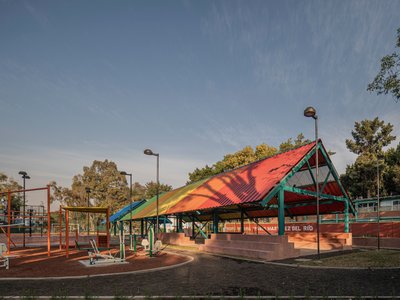
Revitalizing Culhuacán: Housing Unit Infonavit CTM Square by AMASA Estudio
AMASA Estudio revitalized CTM Culhuacán Square, transforming neglected housing unit spaces into vibrant, accessible, community-focused public areas with sustainable design elements.
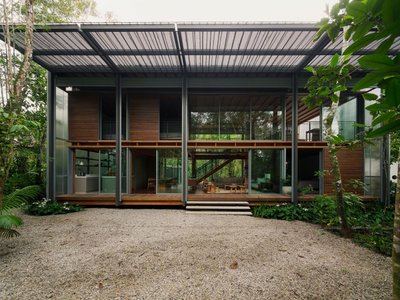
FR House by Andrade Morettin Arquitetos Associados: A Coastal Retreat Embedded in Brazil’s Native Landscape
Coastal vacation house blending into native vegetation, using translucent polycarbonate, timber structure, passive shading, and elevated design for climate-responsive living.

Explore Transportation Competitions
Discover active competitions in this discipline




The International Standard for Design Portfolios


The Global Benchmark for Architecture Dissertation Awards


The Global Benchmark for Graduation Excellence


Challenge to reimagine the Iron Throne
Comments (0)
Please login or sign up to add comments
No comments yet. Be the first to comment!