
Karlsauge Pavilion: Sustainable Forest Installation by Christoph Hesse Architects in Kassel
Karlsauge Pavilion blends sustainable design, repurposed beech wood, and forest immersion to foster reflection, dialogue, and ecological awareness.


In the heart of Kassel, Germany, within the historic Karlsaue State Park, a unique architectural intervention redefines the relationship between humans, nature, and sustainable design. The Karlsauge Pavilion, designed by Christoph Hesse Architects in 2022, serves as both a contemplative refuge and an experimental installation created for documenta fifteen, one of the world’s most prestigious art exhibitions. This ephemeral yet impactful pavilion demonstrates how architecture can merge environmental consciousness, social interaction, and artistic expression into a single immersive experience.
Concept and Vision
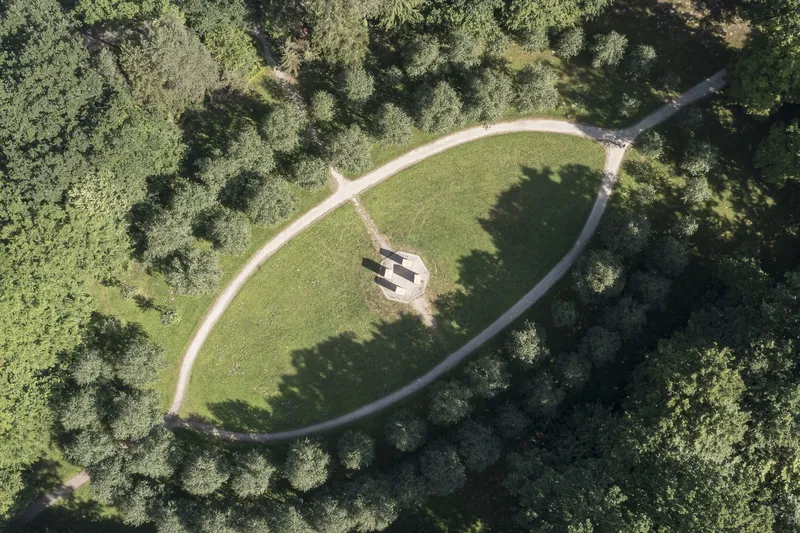
The inspiration behind the Karlsauge Pavilion stems from the desire to create an introverted yet interactive space: a place for reflection, dialogue, and ecological awareness. The name "Karlsauge," meaning "Karl’s Eye," is derived from the site itself: an elliptical clearing in the forest of Karlsaue Park that resembles the shape of a human eye when viewed from above. Here, visitors are encouraged to engage with both the built environment and the surrounding natural landscape, fostering a profound connection between people and their environment.
Christoph Hesse, lead architect of the project, envisioned the pavilion as a meeting point for contemplation and exchange, where individuals could sit, converse, and reflect on pressing environmental issues. The pavilion’s intimate 20 m² footprint ensures a personal and immersive experience, allowing small groups to gather without overwhelming the surrounding forest ecosystem. By combining architecture with art, Hesse sought to create a social and ecological platform where dialogue about climate protection could flourish in a serene natural setting.
Materials and Sustainability
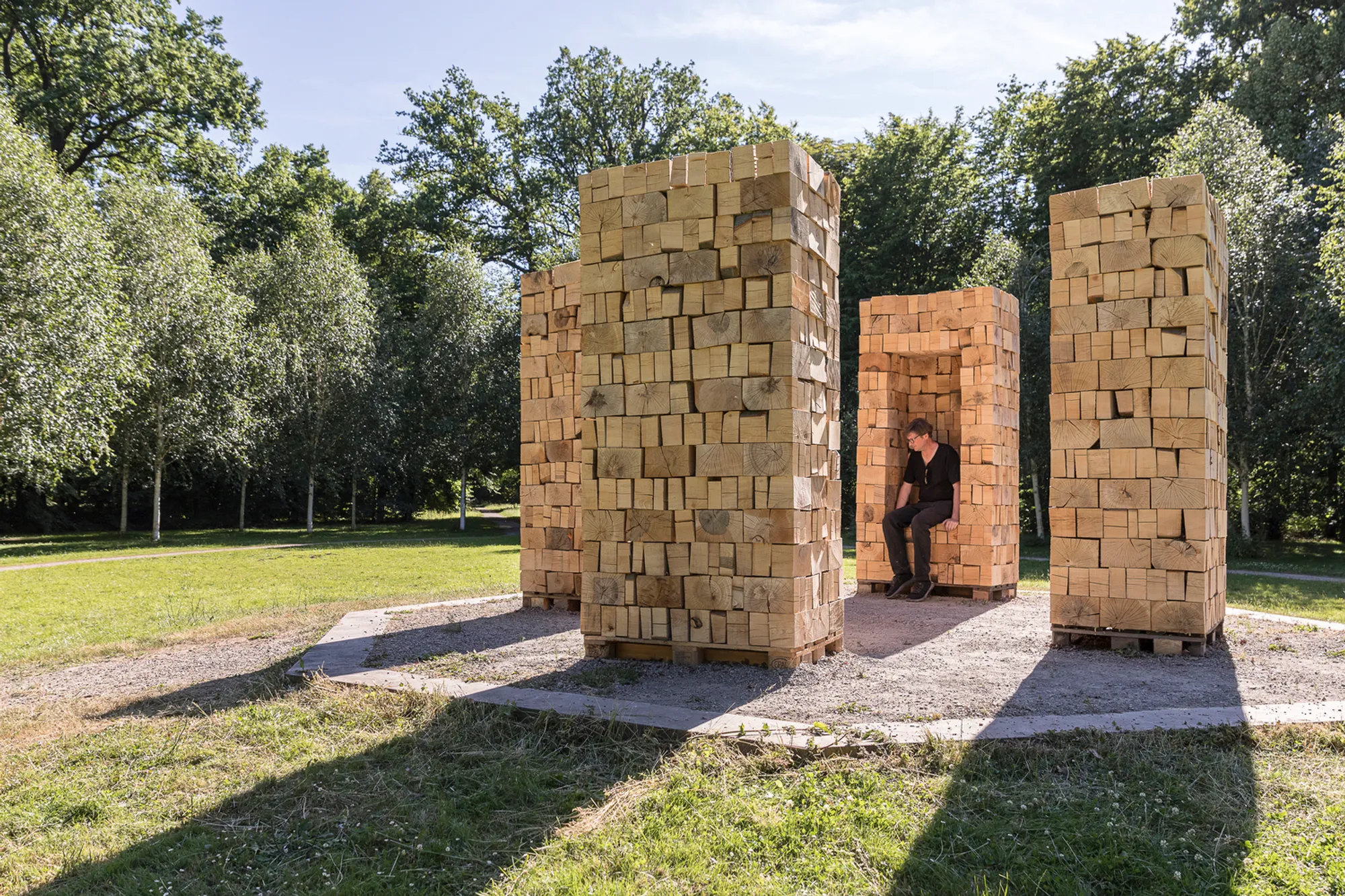
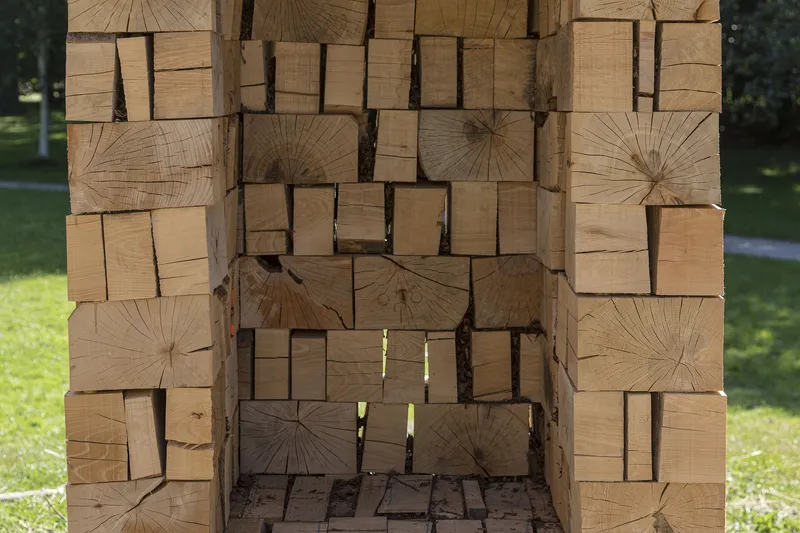
A key feature of the pavilion is its use of repurposed beech wood, originally in the form of railway sleepers typically destined for heating. Rather than burning these wood blocks, a common fate for old timber, the architects transformed them into structural steles that serve both aesthetic and functional purposes. This approach exemplifies circular design principles, emphasizing the reuse of materials to reduce waste and carbon emissions. By storing CO2 in these wooden blocks, the pavilion itself becomes a carbon-sequestering structure, highlighting how temporary installations can contribute to long-term environmental benefits.
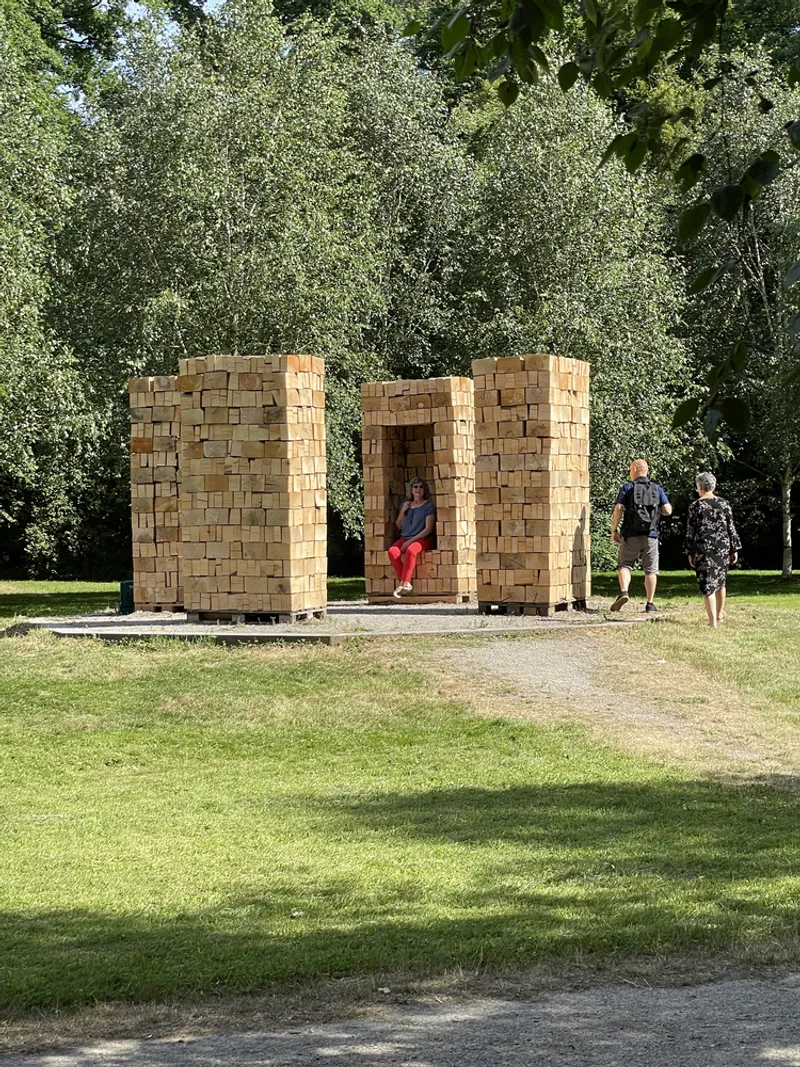
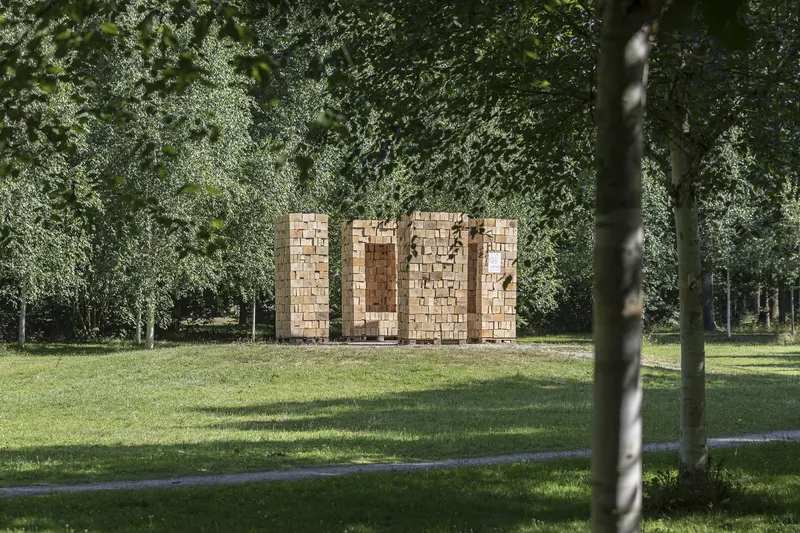
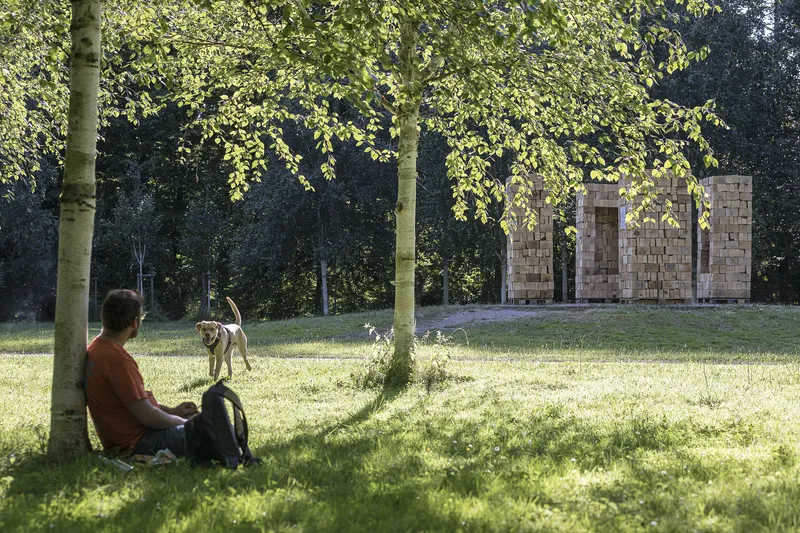
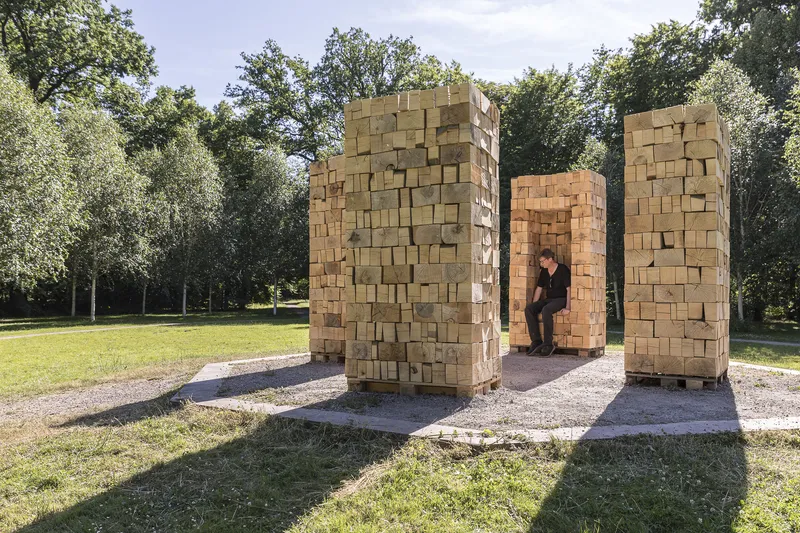
The four steles are carefully arranged at the center of the clearing, forming a towering eye-like formation that frames views of the surrounding forest. Each block is stacked with precision, creating gaps that allow light to filter through and visitors to see beyond the structure. These gaps not only create visual connections to nature but also enable air circulation and natural ventilation within the pavilion. This thoughtful material strategy demonstrates how sustainable architecture can blend functionality, beauty, and ecological responsibility.

Spatial Experience and Design
The Karlsauge Pavilion encourages visitors to engage directly with its spatial composition. Seating areas are strategically placed opposite one another, inviting conversation, dialogue, and reflection. The arrangement allows visitors to sit, observe, and interact, fostering a sense of community and shared purpose. Through the gaps in the steles, visitors can look outward into the forest, connecting with the landscape and observing seasonal changes, the movement of light, and the rhythms of nature.
Verticality and perspective are central to the design. As visitors look up through the steles, the sky becomes a visual extension of the pavilion, creating a dialogue between the built form and the natural environment. This interplay of interior and exterior, human scale and forest scale, reinforces the pavilion’s contemplative nature and provides an immersive experience that is both grounding and uplifting.
Ecological Integration
The architects extended their commitment to sustainability beyond human use by designing the pavilion as a habitat for insects and small wildlife. Leaves, moss, and organic matter are placed strategically within the gaps of the steles, creating microhabitats that encourage biodiversity. This dual-purpose approach emphasizes that architecture can serve both social and ecological functions, reinforcing the pavilion’s role as an instrument of environmental stewardship.
By integrating natural materials and fostering biodiversity, the pavilion embodies principles of biophilic design, connecting humans with nature not only visually but also through sensory experiences. Visitors can hear the rustling of leaves, feel the texture of beech wood, and observe insects inhabiting the structure, resulting in a multi-sensory engagement that deepens their connection to the natural world.
Architectural Form and Aesthetic
At first glance, the Karlsauge Pavilion appears minimalistic yet purposeful. Its geometric clarity and restrained material palette reflect a refined architectural sensibility. The four steles, stacked to varying heights, create a rhythm within the clearing, punctuating the natural landscape without overpowering it. The elliptical arrangement enhances the sense of enclosure and focus, making the pavilion a meditative eye in the forest.
The architects’ choice of beech wood imbues the structure with warmth and texture, harmonizing with the surrounding trees and foliage. The natural color variations of the wood, combined with its tactile qualities, allow the pavilion to blend seamlessly into its forest setting. Over time, the wood will weather and age, further integrating the pavilion into the landscape and underscoring the temporal and sustainable nature of the installation.
Cultural and Social Context
Karlsaue Park, where the pavilion is located, is a historic urban park that has long served as a cultural and recreational space for the citizens of Kassel. By placing the pavilion within this context, the architects not only contribute to the park’s cultural heritage but also encourage public engagement with environmental discourse. Visitors to documenta fifteen, as well as park-goers, are invited to experience a unique form of participatory architecture that blends art, sustainability, and social interaction.
The pavilion’s temporary nature aligns with the ethos of documenta fifteen, which champions experimental, site-specific art interventions that challenge traditional notions of space and engagement. By creating a structure that is both reflective and interactive, the architects facilitate meaningful dialogue on topics such as climate change, resource reuse, and ecological responsibility, making the pavilion a catalyst for awareness and action.
Lighting and Atmosphere
Natural light plays a crucial role in shaping the atmosphere of the Karlsauge Pavilion. The gaps between the steles allow sunlight to penetrate the space at varying angles throughout the day, creating dynamic patterns of light and shadow. This ever-changing interplay enhances the pavilion’s contemplative qualities, making each visit a unique experience. In addition, the transparency provided by the steles’ spacing allows visitors to maintain a visual connection with the surrounding forest, reinforcing the notion of coexistence between built form and nature.
During overcast or rainy days, the pavilion takes on a different character. The muted light softens the textures of the wood, and the sound of raindrops interacting with the leaves and moss adds an auditory dimension to the visitor experience. This attention to sensory variation demonstrates the architects’ commitment to creating spaces that engage humans on multiple levels, beyond just the visual.
Legacy and Impact
Though small in scale, the Karlsauge Pavilion exemplifies how temporary architectural installations can have a lasting impact. By repurposing materials, creating ecological habitats, and encouraging social interaction, the pavilion demonstrates that architecture can be a vehicle for sustainability, education, and cultural engagement. It serves as a model for future projects that seek to combine minimalism, environmental responsibility, and participatory design.
The project also highlights the potential of art and architecture to inspire dialogue and reflection on urgent global issues. Visitors leave with more than a visual memory; they carry an awareness of climate responsibility, sustainable material use, and ecological connectivity, which are increasingly relevant in today’s environmental landscape.
The Karlsauge Pavilion by Christoph Hesse Architects is more than a temporary installation; it is a thoughtful intersection of architecture, art, and ecology. Through the creative reuse of beech wood, careful spatial planning, and integration with the natural environment, the pavilion fosters dialogue, reflection, and ecological stewardship. Its presence within Karlsaue State Park underscores the potential of small-scale interventions to leave a lasting social and environmental impact, making it a landmark example of sustainable, participatory, and contemplative design.
All photographs are works of
Laurian Ghinitoiu



Popular Articles
Popular articles from the community


Conexión: Biophilic Design Reimagines High-Rise Living in Hong Kong
Conexión reimagines high-rise living in Hong Kong through biophilic design, green facades, shared spaces, daylight, water and nature within.

Riyadh For All: Intergenerational Urban Design for Active Aging in Rabat
Riyadh For All reimagines urban design in Rabat with intergenerational co-living, adaptive courtyards, and Moroccan cultural exchange today.

Co-life: Sustainable Architecture for Age-Friendly Community Living
Co-life reimagines sustainable architecture for seniors through courtyards, rammed earth, shared gardens, and spaces designed for belonging.

Co-Life: Senior Housing Design That Reconnects Older Adults With the City
Co-Life reimagines senior housing design through healing gardens, shared streets, workshops, and a sustainable community across generations.
Similar Reads
You might also enjoy these articles

FAMM Arquitectura Organizes Ten Villas Around Courtyards and Jungle in Nosara, Costa Rica
El Molino pairs two elongated volumes with deep overhangs and timber louvers to build a compact coastal community five minutes from the beach.
Oscar Niemeyer's Ibirapuera Park Pavilions Define São Paulo's Cultural Identity in Concrete and Curve
A constellation of modernist volumes set within São Paulo's most important urban park, conceived for the city's 400th anniversary in 1954.
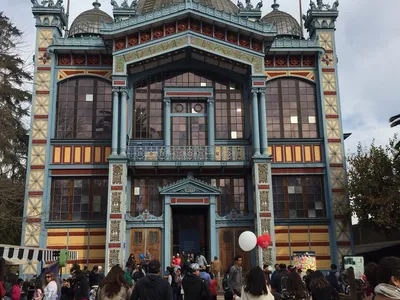
How Henri Picq's 1889 Paris Pavilion Traveled 11,000 Kilometers to Become Santiago's Artequín Museum
A prefabricated iron and glass pavilion built for the Paris Universal Exposition found a second life as a children's art museum in Chile.
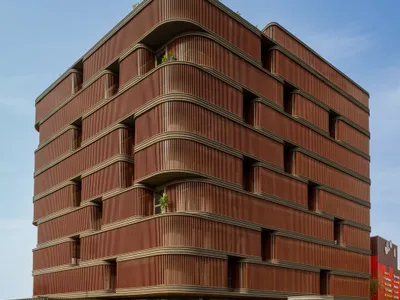
Sanjay Puri Architects Wraps a Jaipur Office Tower in Capsule-Shaped Green Buffers
A nine-level climate-responsive workplace near Jaipur Airport uses stacked planter terraces and aluminium screens to fight 40°C heat.


Explore Architecture Competitions
Discover active competitions in this discipline



Challenge to reimagine the Iron Throne


Photograph architecture without architects


Illustrate the lost glory of Angkor Wat - Render Challenge


Design challenge to reuse E-waste
Comments (0)
Please login or sign up to add comments
No comments yet. Be the first to comment!