
Kasia Ungasan: A Landmark in Tropical Brutalist Architecture by Kasia Design
This article explores a striking example of Tropical Brutalist architecture in Bali that merges concrete minimalism with tropical climate sensitivity.


A Sculptural Statement in South Kuta’s Landscape
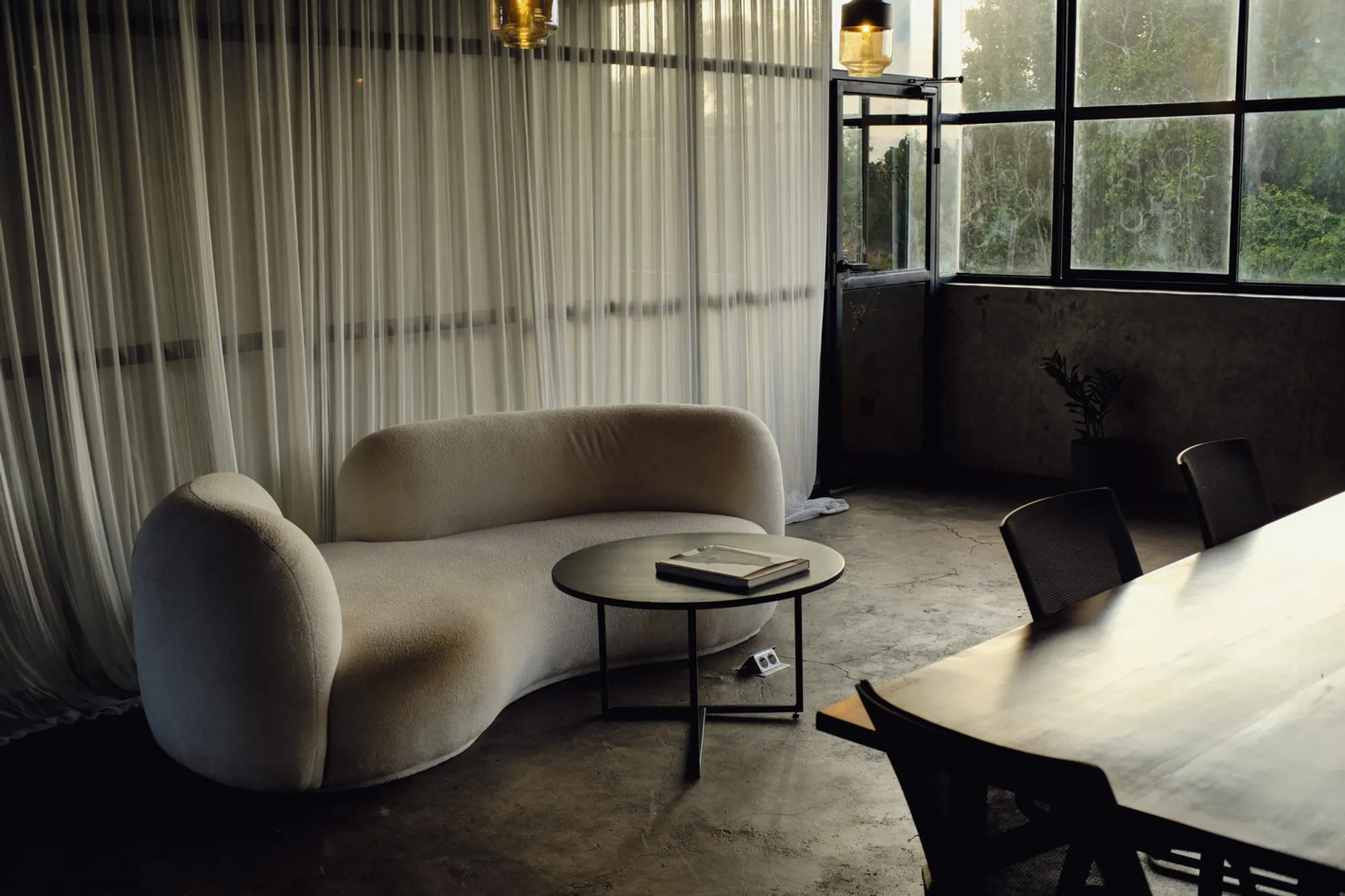
Located on Bali’s Bukit Peninsula in South Kuta, Kasia Ungasan by Kasia Design is a compelling architectural manifestation of Tropical Brutalist architecture. Completed in 2023, the 540 m² development brings together a boutique hotel, café, co-working space, and creative studio into one cohesive, monolithic structure. Through a restrained yet expressive material palette and volumetric precision, the building captures the spirit of its context while introducing a bold, contemporary architectural language that challenges conventional tropical design.
Defining a Tropical Brutalist Language
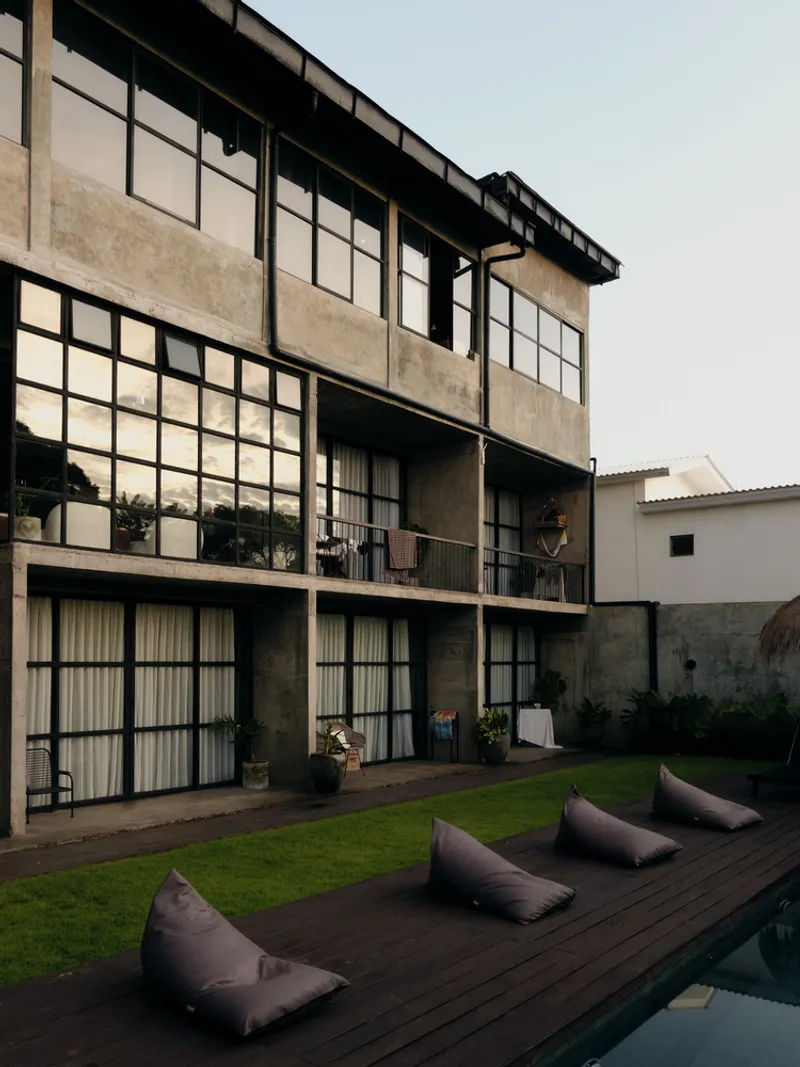
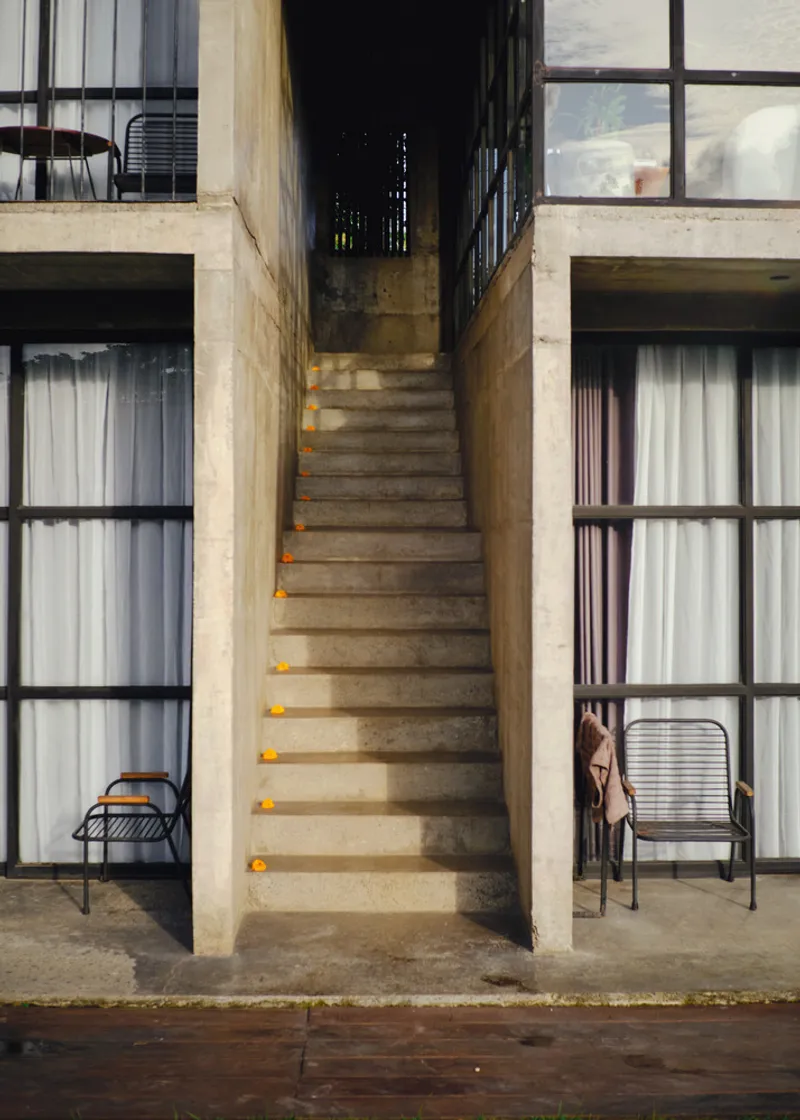
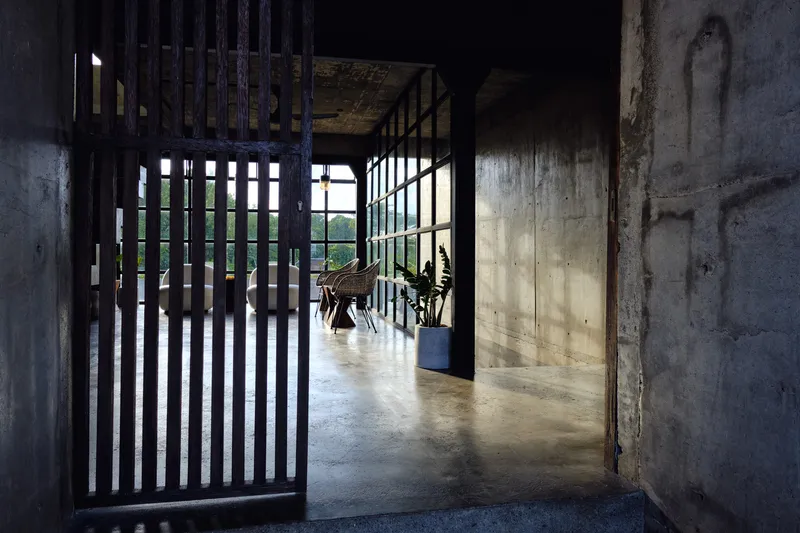
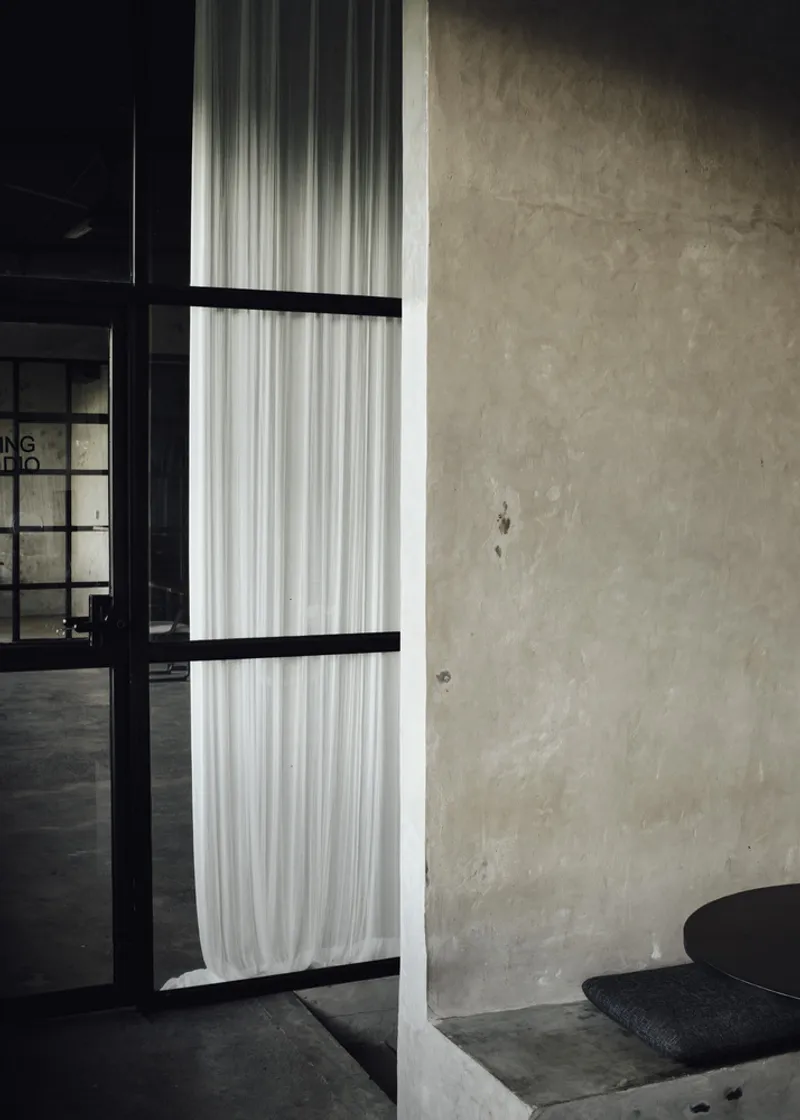
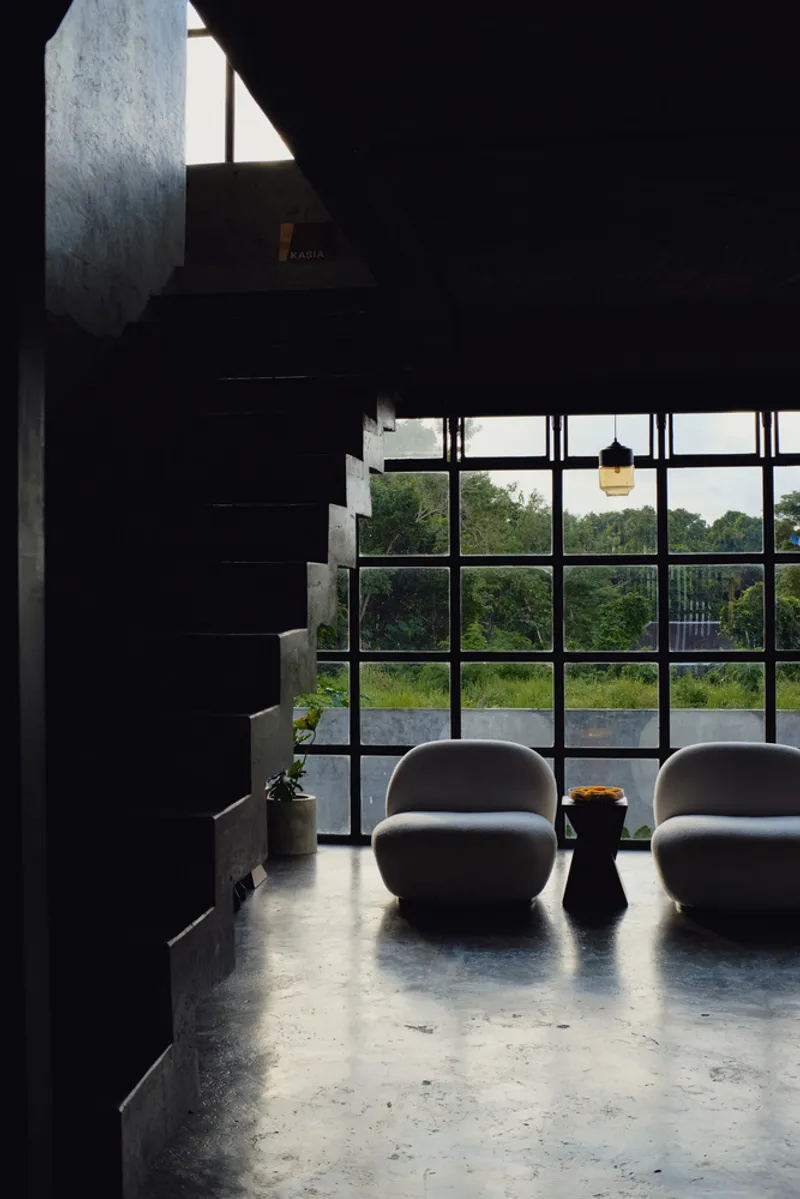
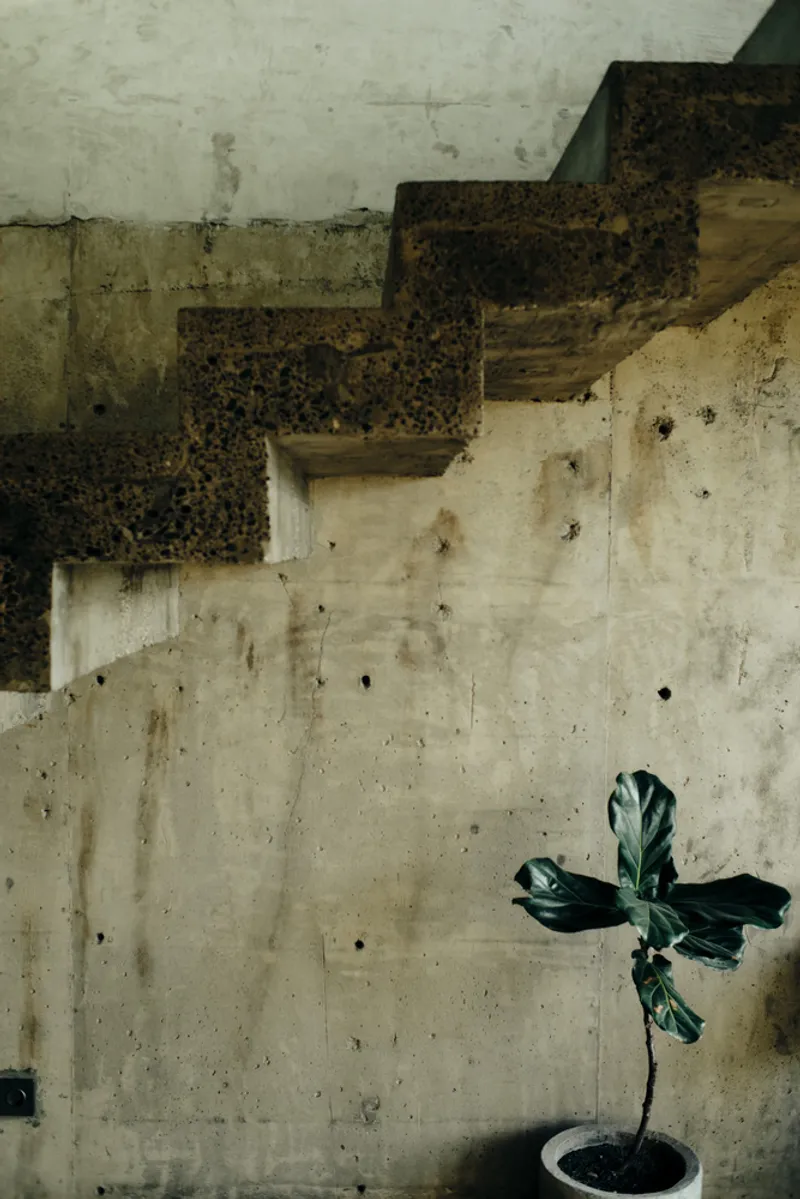
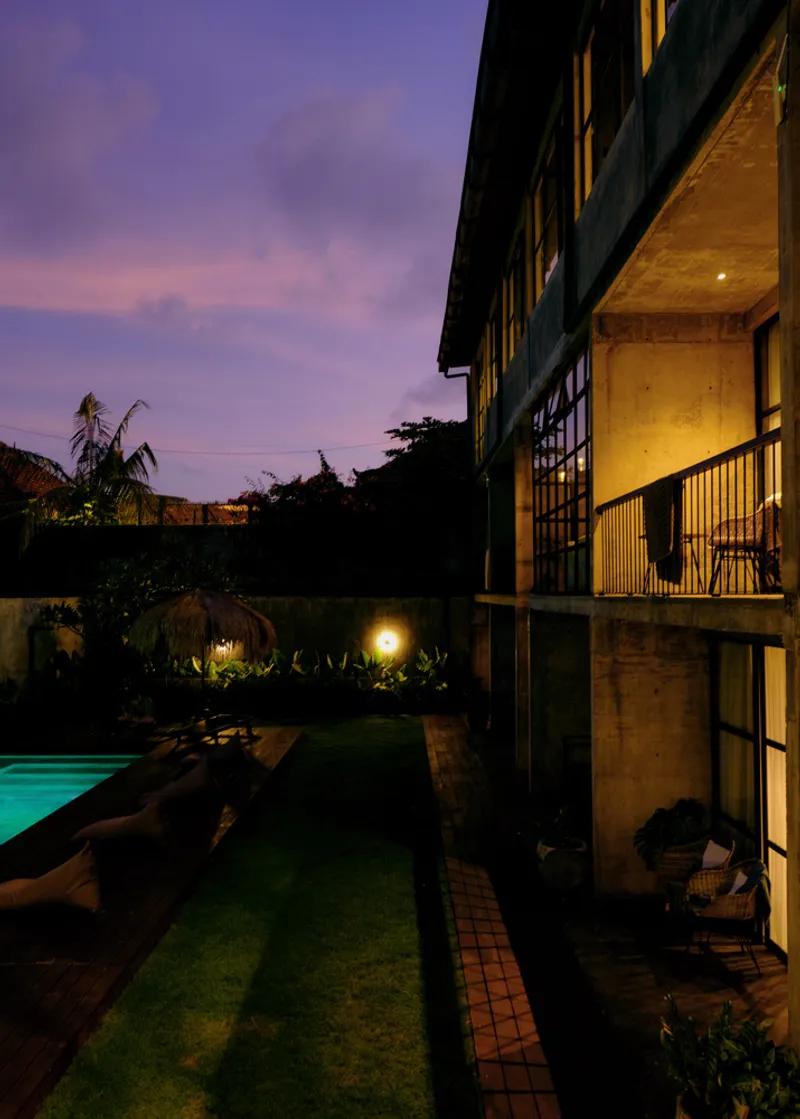
Kasia Ungasan's architecture stands out for its deliberate simplicity and muscular presence. Exposed concrete dominates the building’s form, celebrated for both its raw aesthetic and structural clarity. However, the concrete is not left to act alone. It is offset with the warmth of locally sourced timber, subtle metal detailing, and expanses of glazing that frame the lush Balinese surroundings. This textural and tonal balance creates a visual rhythm that enriches the otherwise minimalist palette.
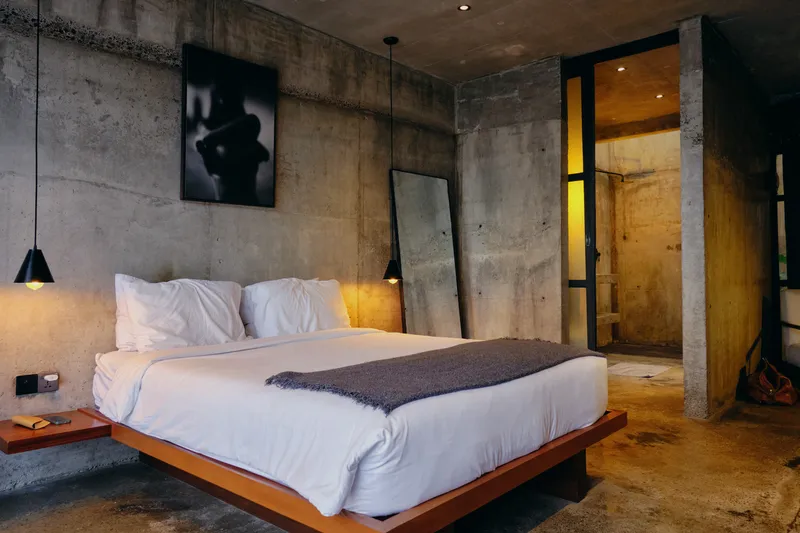
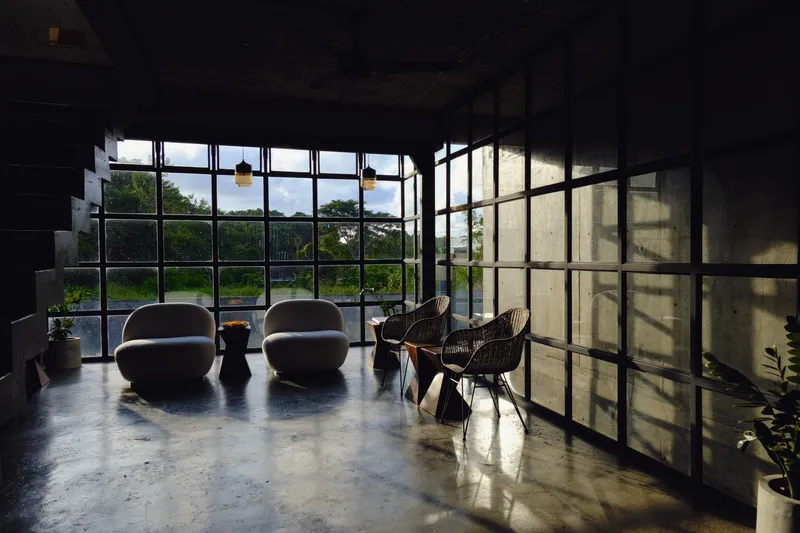
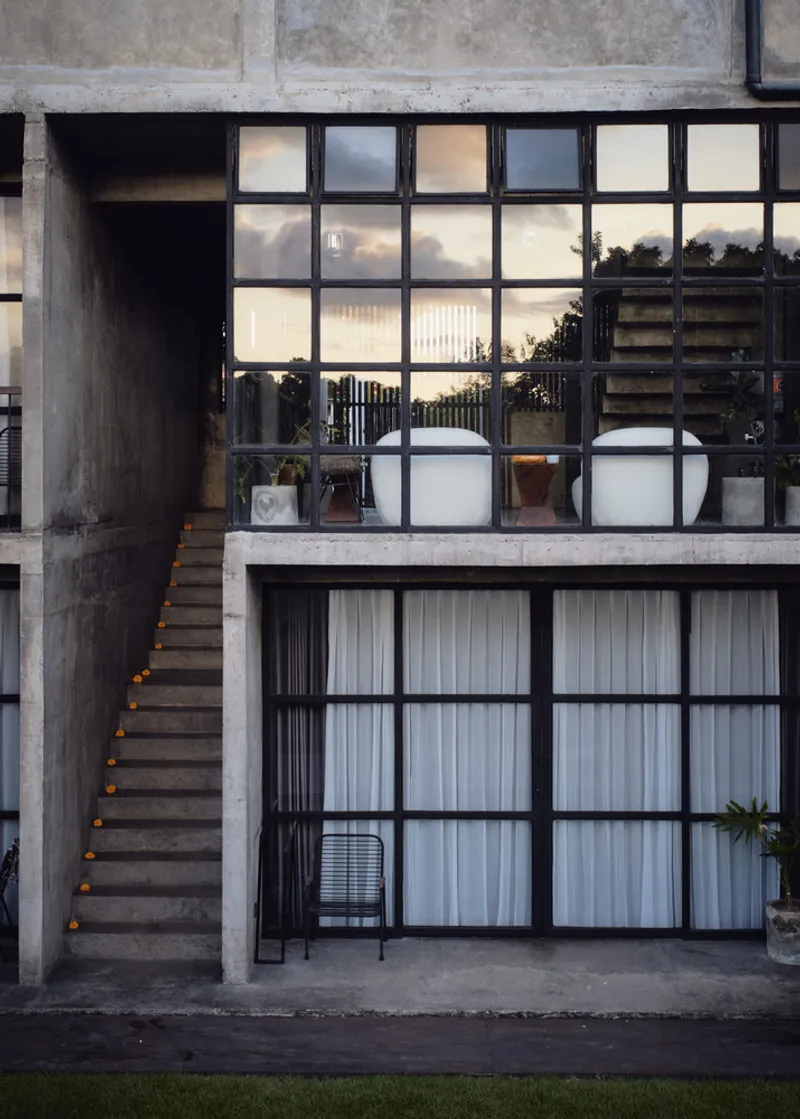
This balance of rough and refined is fundamental to Tropical Brutalist architecture, which adapts the weight and form of Brutalism to the climate and material culture of the tropics. In this context, concrete becomes not just a material, but a cooling element and a sculptural device that responds to sun, rain, and earth.
Anchoring Architecture to the Land
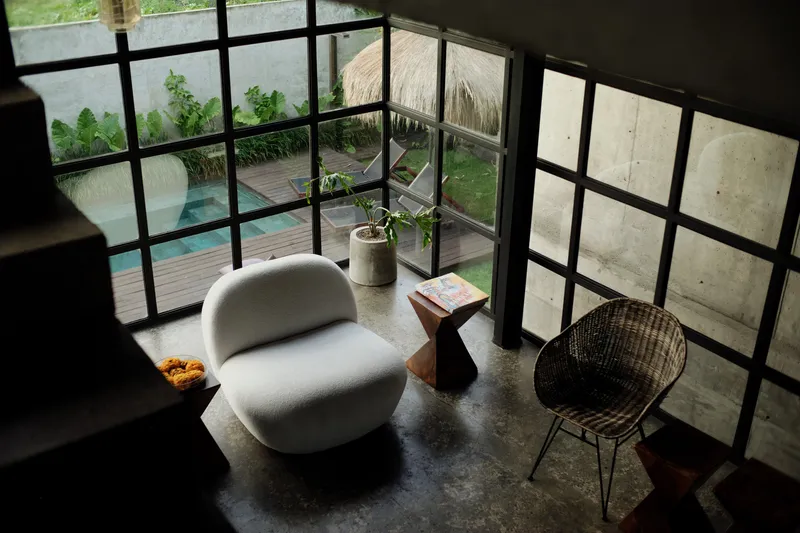
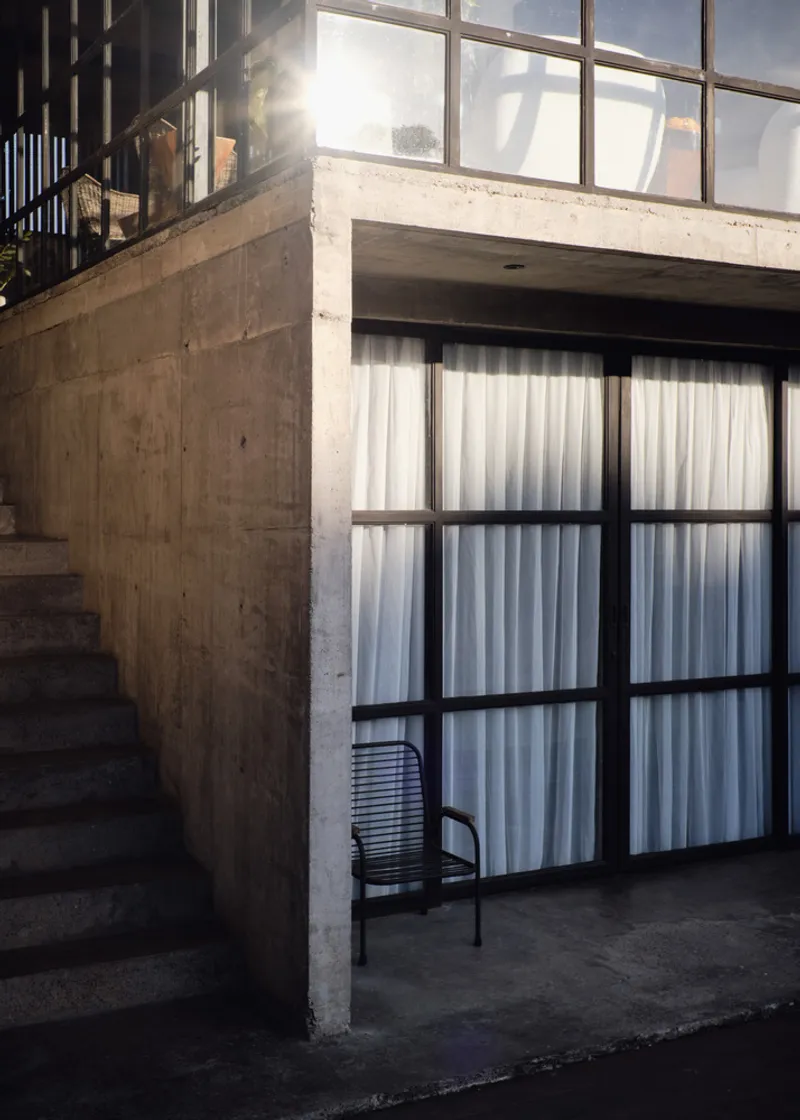
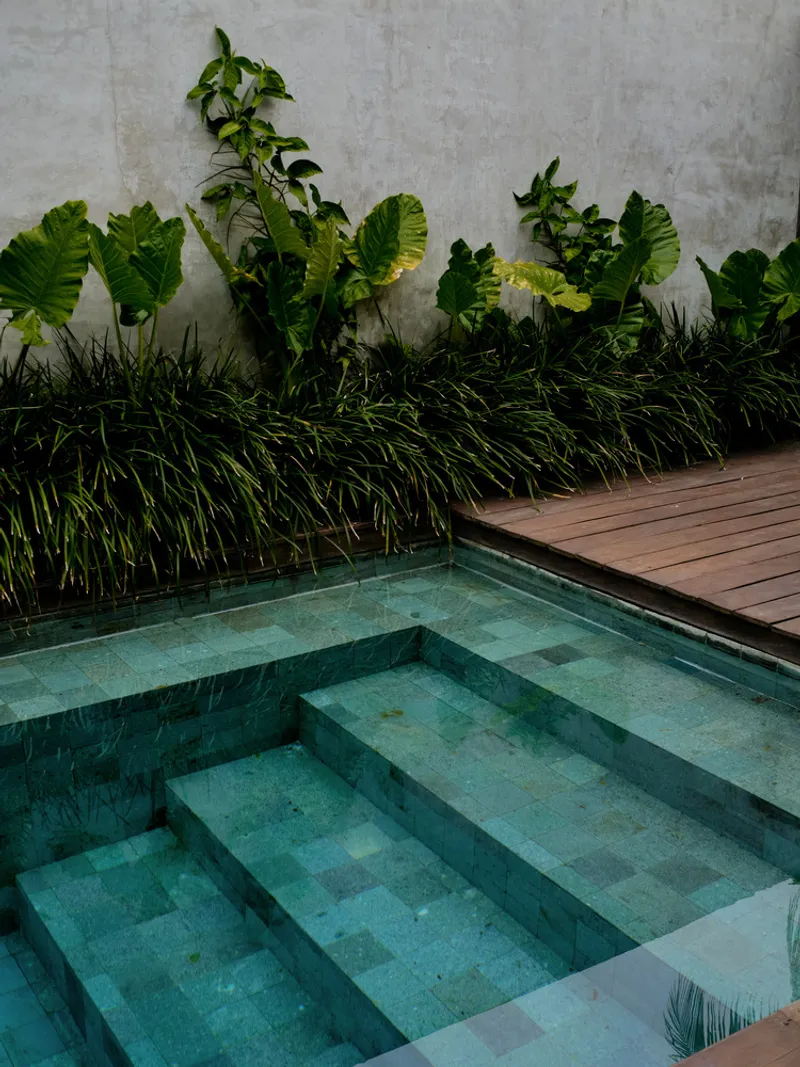
The building's three-story structure is intelligently embedded into the sloping topography. The ground floor, partially submerged, grounds the monolith in the landscape and conceals the mass of the volume from street view. This level houses the pool—an intimate, recessed space that benefits from thermal mass and natural shade, offering a sensory experience of coolness and retreat.
The gesture is both environmental and experiential. It shows how Tropical Brutalist architecture can be sensitive and integrative, adapting form to terrain while preserving views and ecological rhythms. The design strategy merges structure and site into one fluid expression.
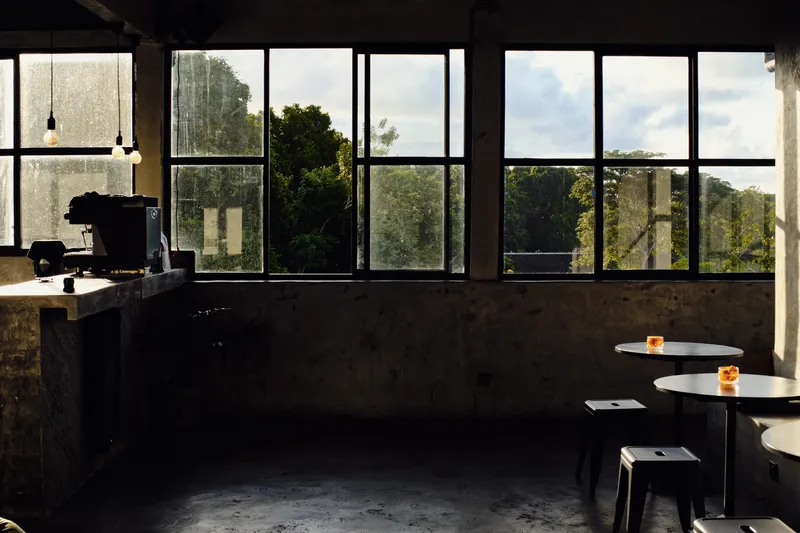
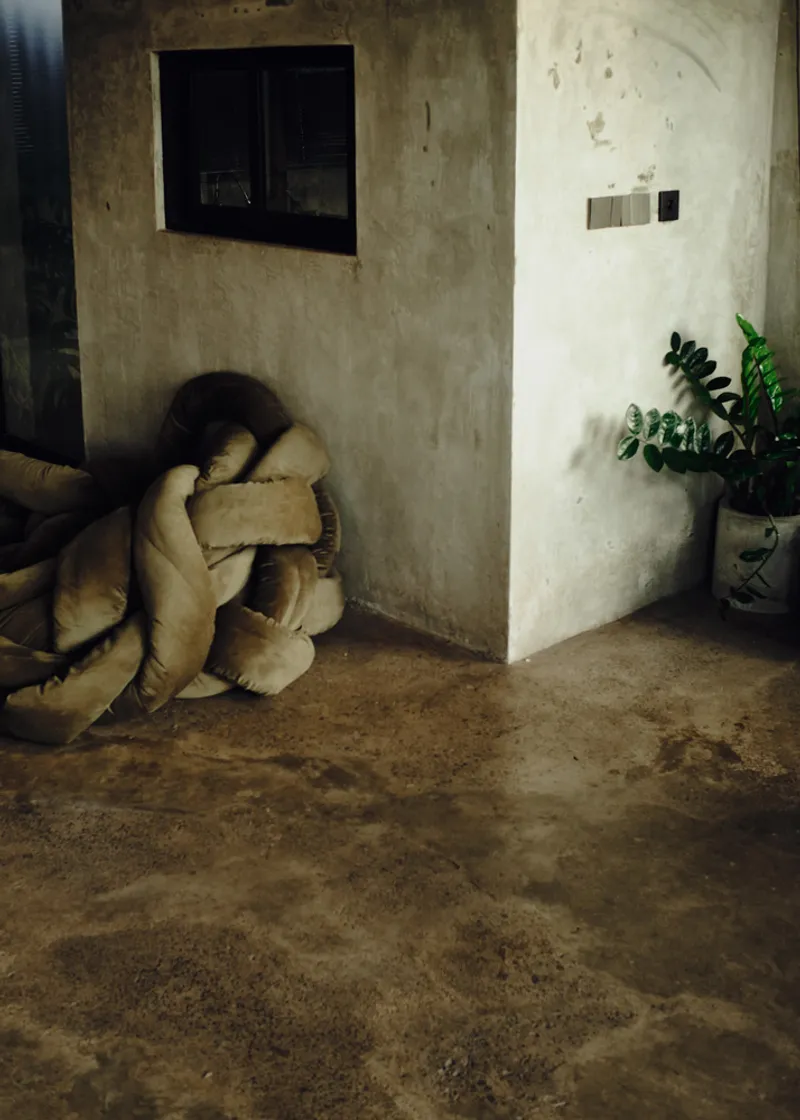
Minimalism in the Boutique Hotel Interiors
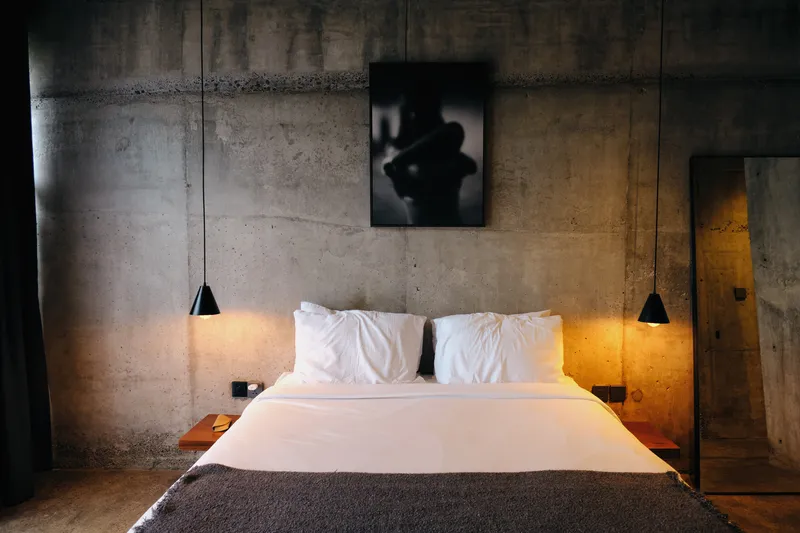
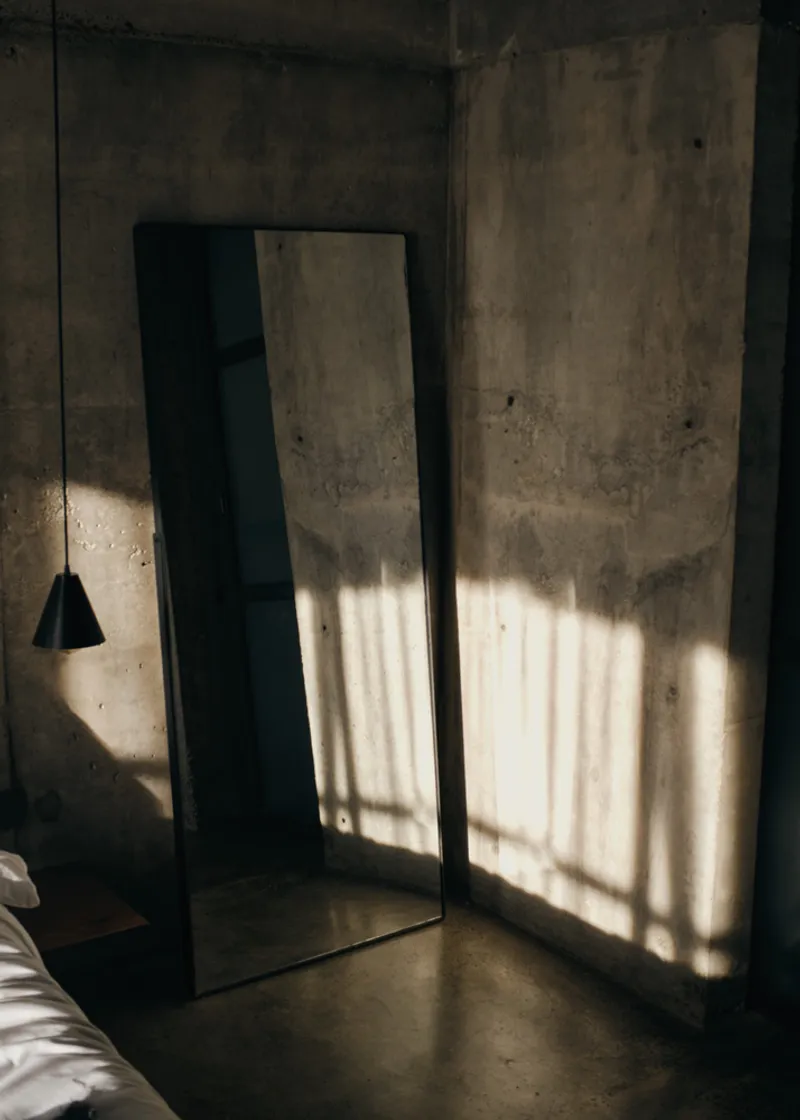
The hotel rooms occupy the two lower levels and reflect the project’s commitment to minimalism. Each room emphasizes spatial clarity and natural materiality. Clean lines and sparse layouts are complemented by concrete surfaces, wood finishes, and curated furnishings that underscore the raw elegance of the material palette. Full-height glazing draws in filtered daylight and offers measured views of the surrounding greenery.
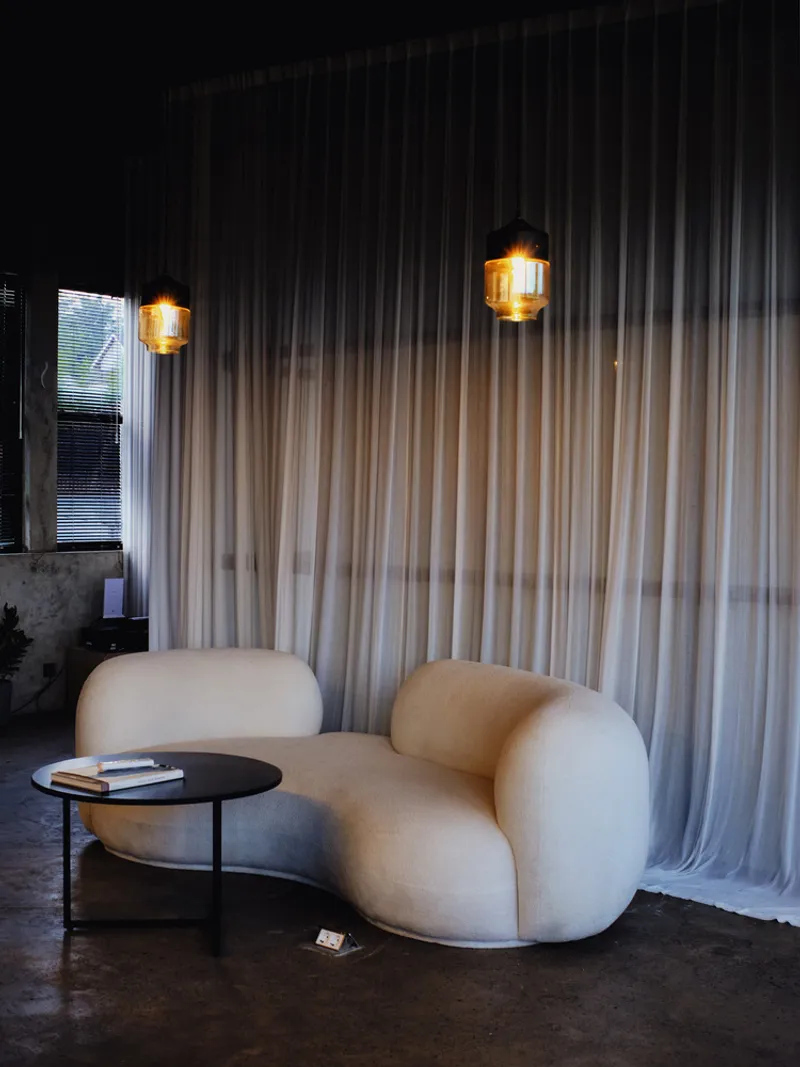
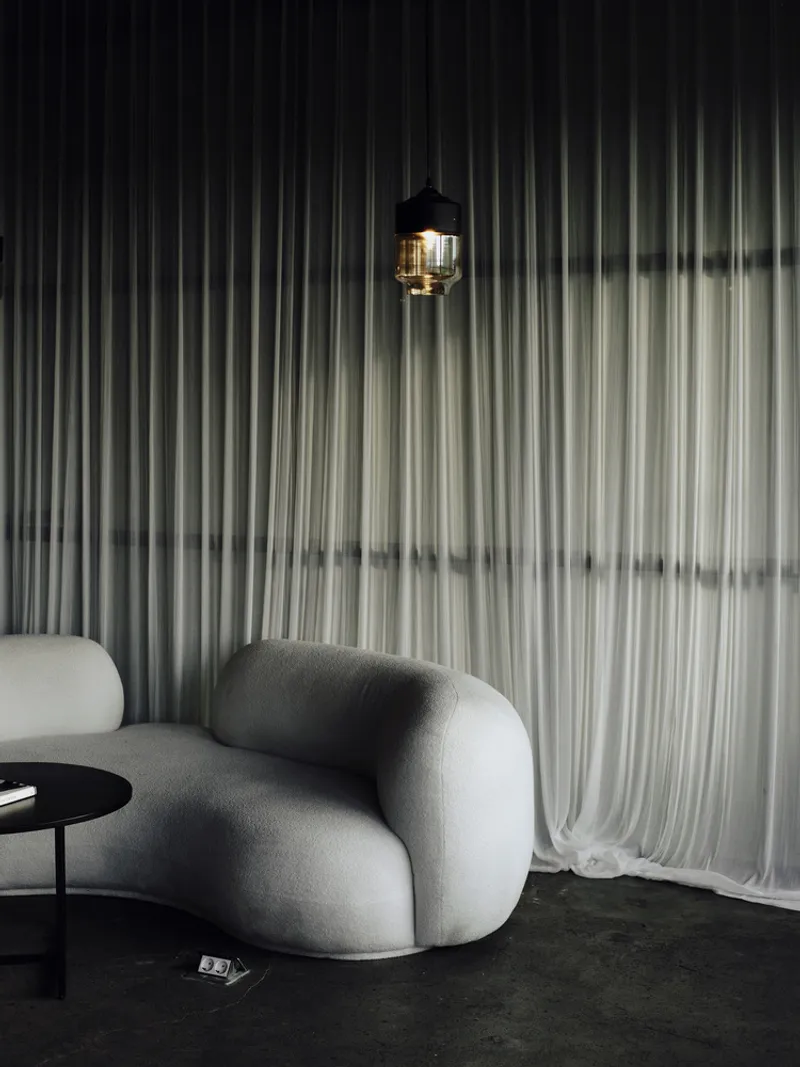
The result is a tranquil, almost monastic atmosphere—luxury distilled to essentials. The interplay of solid and void, enclosure and openness, gives each room a contemplative quality that is grounded in the ethos of tropical modernism.
A Rooftop for Community and Creativity
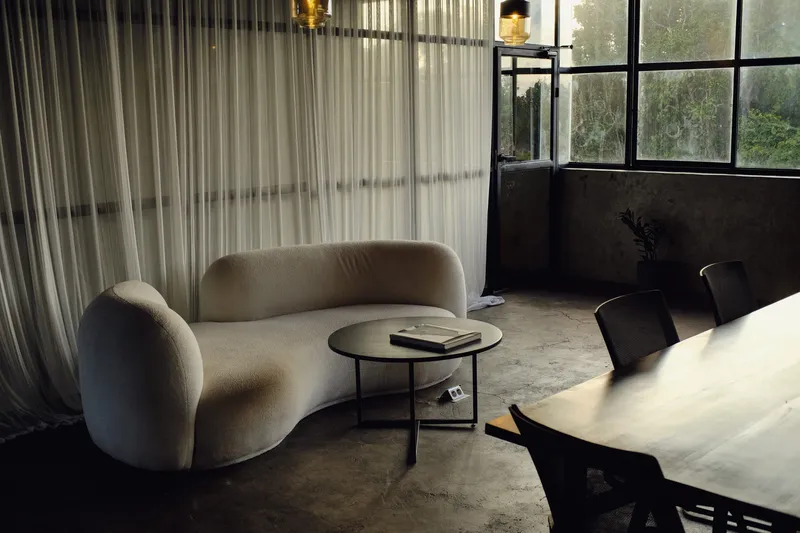
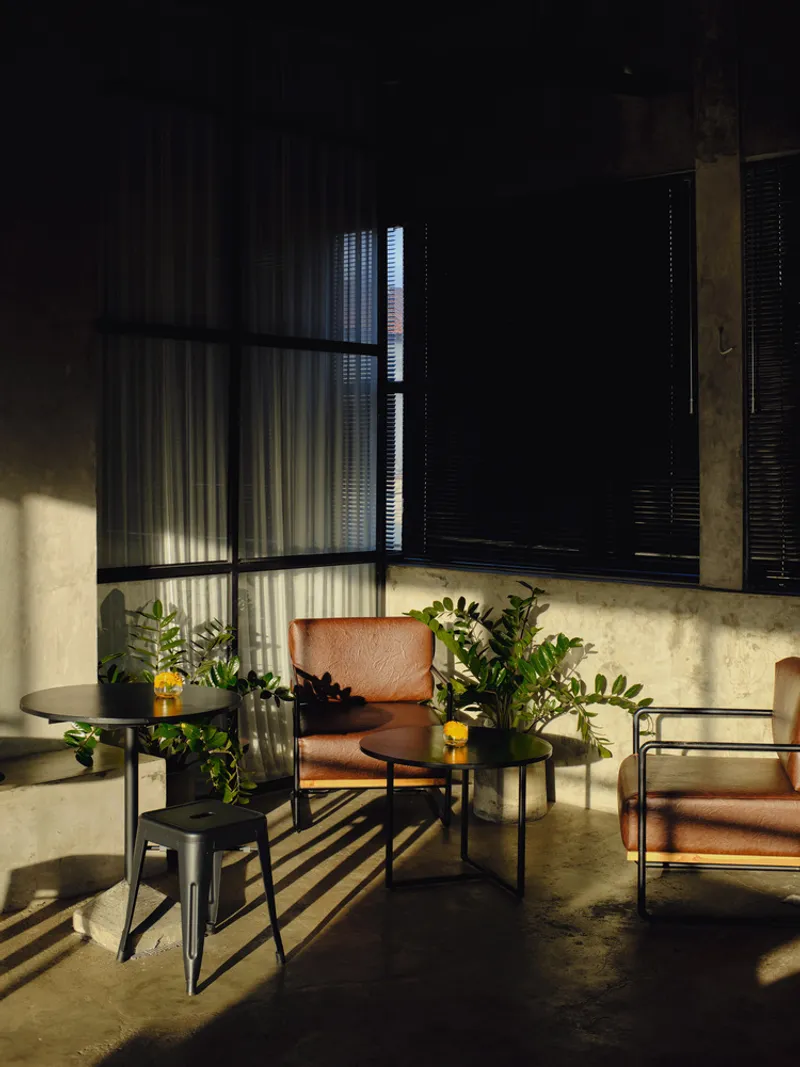
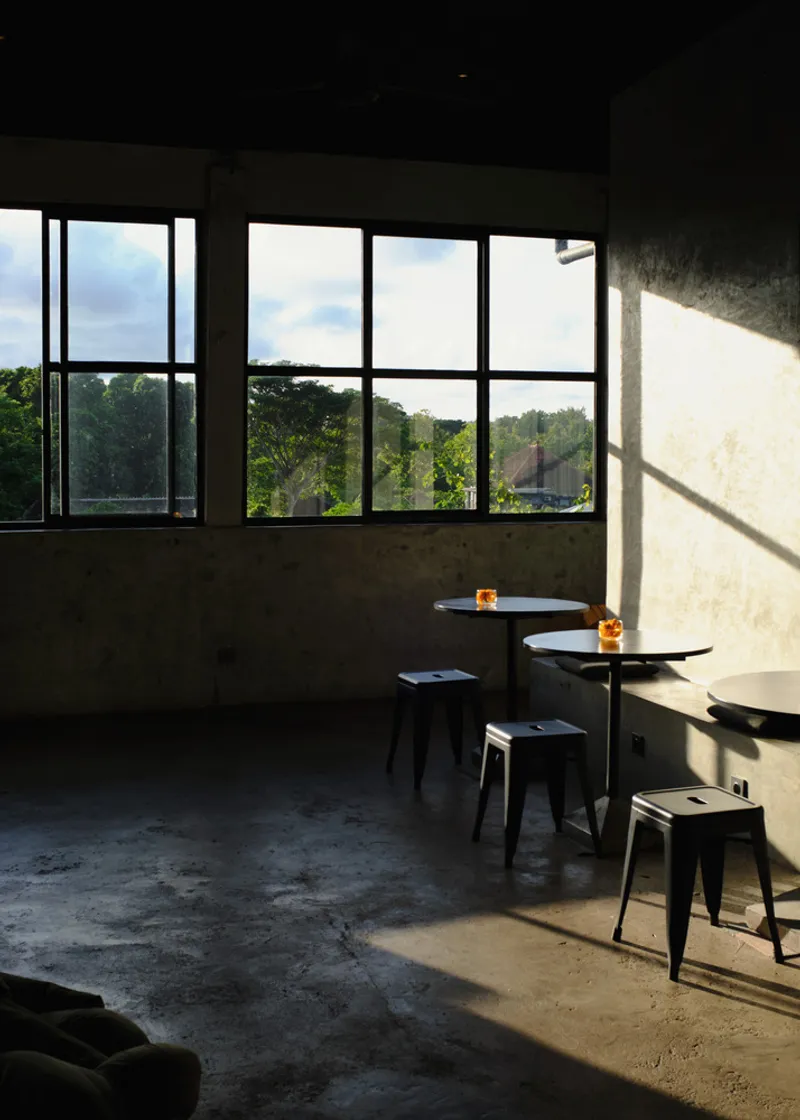
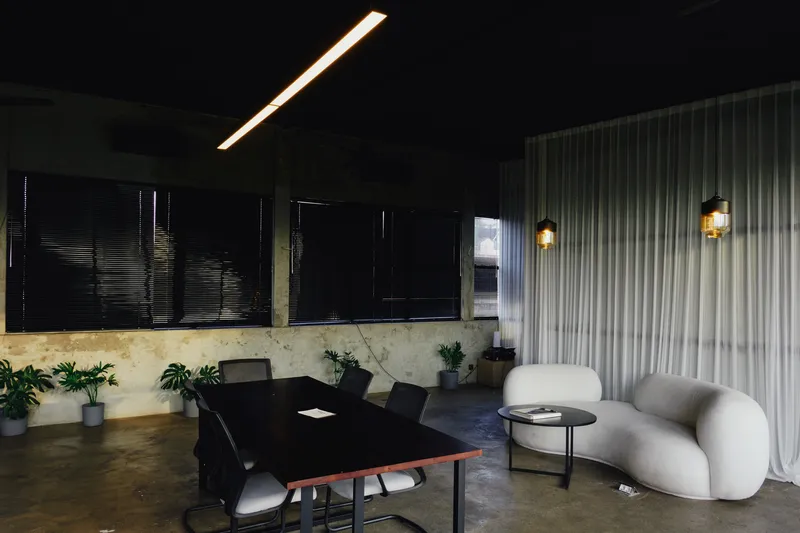
The rooftop level is the building’s social and creative heart. Housing the café, co-working space, and a creative studio, this elevated volume is designed as a continuous flow of space that encourages interaction and informal exchange. Open to sweeping views of the jungle canopy, the layout encourages users to move fluidly through different zones, from solitary work to communal gathering.
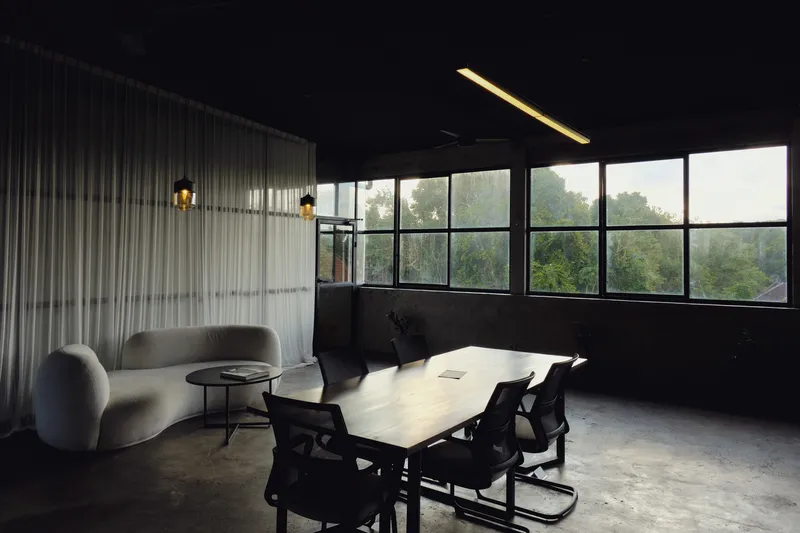
Here, the power of Tropical Brutalist architecture meets the needs of the contemporary lifestyle. Flexibility, openness, and community define the space, while the concrete structure and large overhangs offer comfort from sun and rain—reaffirming that brutalism, when adapted thoughtfully, can be both resilient and humane.
Light, Shadow, and Passive Design
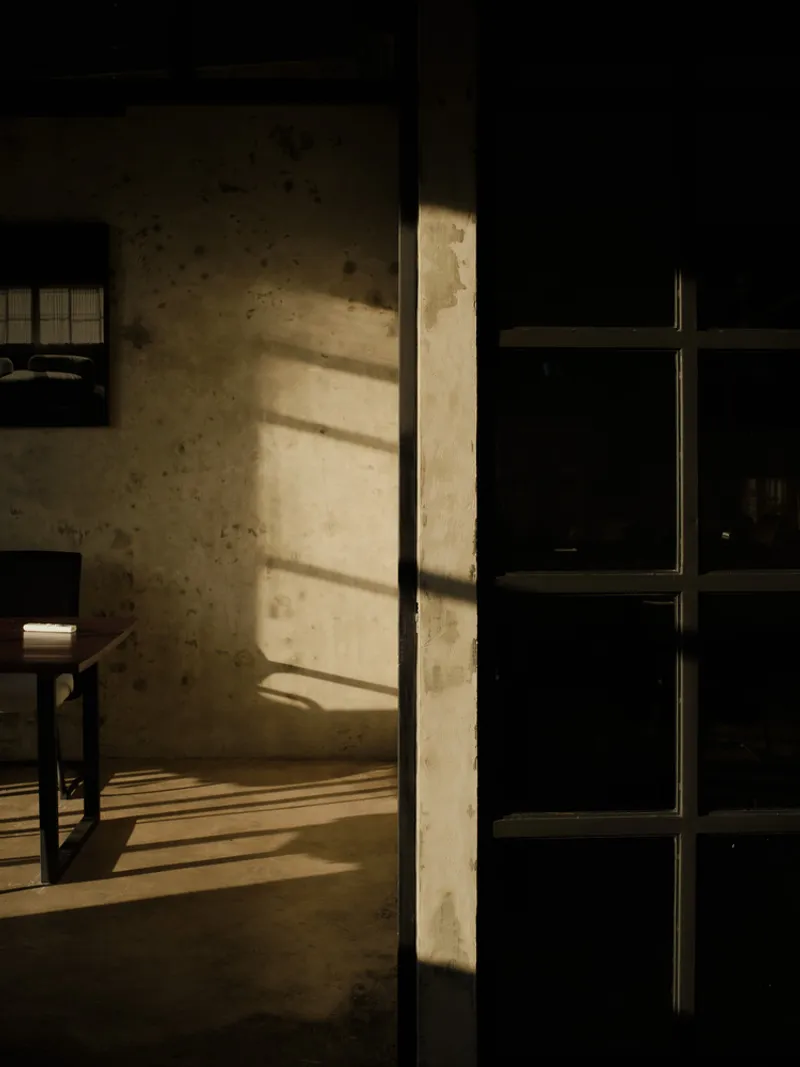
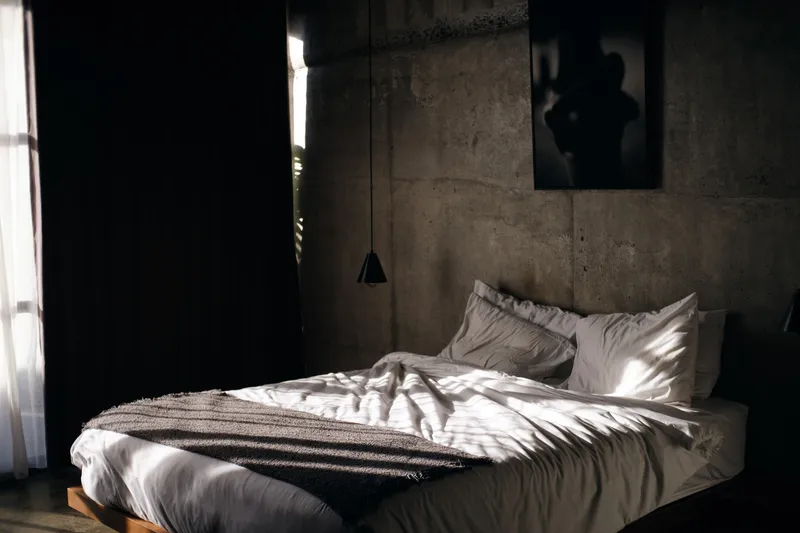
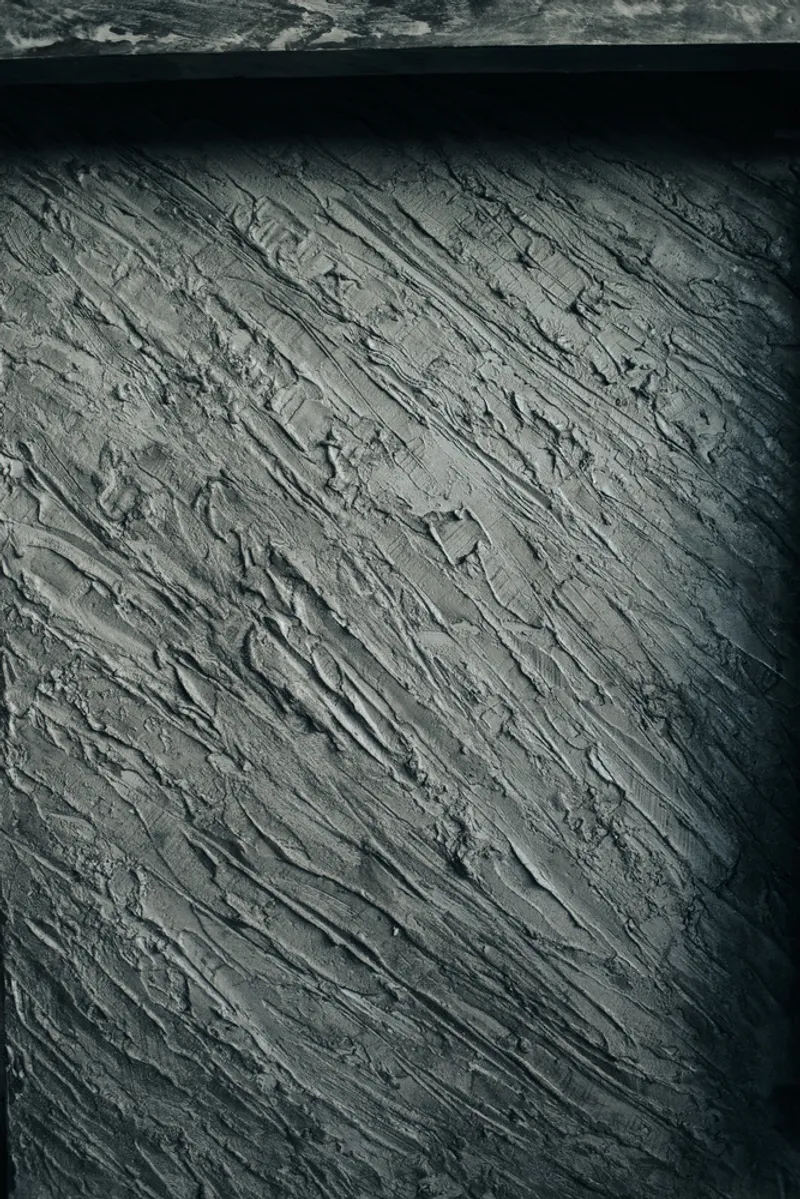
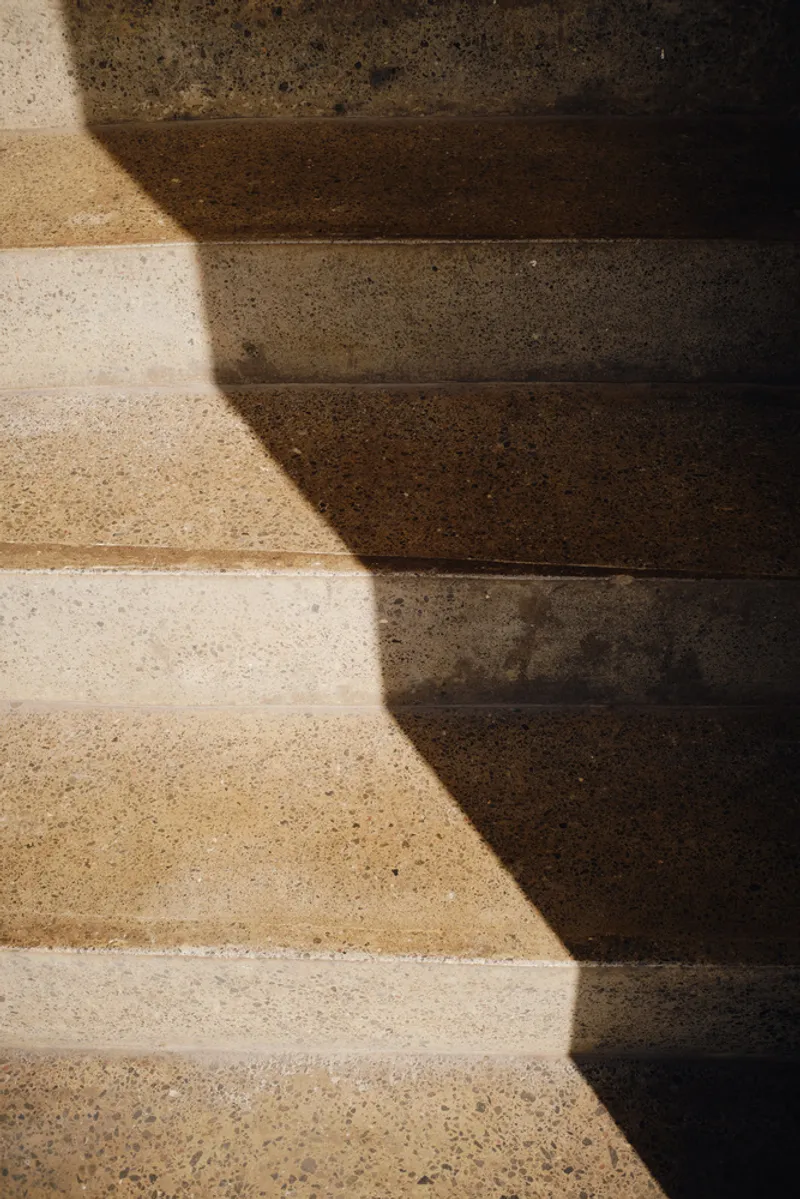
The design carefully orchestrates natural light and ventilation. Deep overhangs, operable glazing, and shaded courtyards ensure that solar heat gain is minimized while maintaining a constant dialogue between interior and exterior. The textural surfaces of the concrete—rough, porous, and matte—catch light differently throughout the day, producing a dynamic gradient of shadow and reflection.
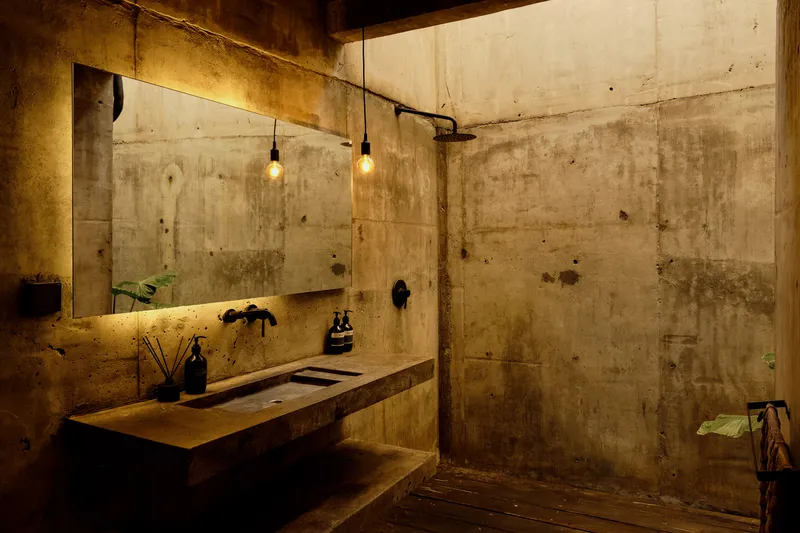
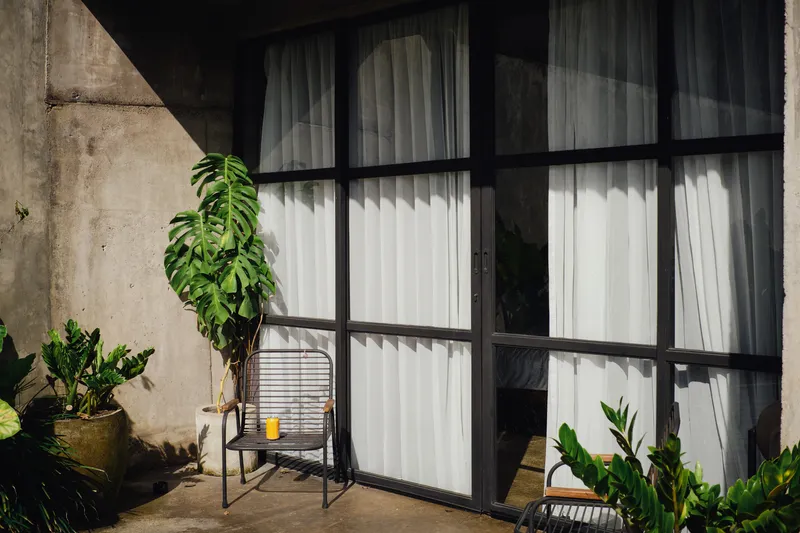
Passive cooling strategies and spatial porosity prove that Tropical Brutalist architecture can be environmentally responsive. Rather than relying on mechanical systems, the building itself becomes the climate moderator, embodying both beauty and performance.
A New Chapter in Bali’s Architectural Narrative
Kasia Ungasan is more than a hospitality development—it is a manifesto for how contemporary architecture in the tropics can evolve. It shows that Brutalism, when contextualized with care, can become warm, grounded, and site-sensitive. Kasia Design’s vision repositions Bali’s architectural future through a lens that is both globally aware and locally rooted.
This project exemplifies the enduring potential of Tropical Brutalist architecture to shape identity, nurture sustainability, and support modern, hybrid lifestyles. Its sculptural restraint, spatial clarity, and integration with landscape mark it as a significant addition to the island’s architectural landscape.
All Photographs are works of David del Fabro




Popular Articles
Popular articles from the community


Co-Life: Senior Housing Design That Reconnects Older Adults With the City
Co-Life reimagines senior housing design through healing gardens, shared streets, workshops, and a sustainable community across generations.

The Musturak Paradise: Senior Living Architecture for a Connected Future in Temara, Morocco
The Musturak Paradise reimagines senior living architecture in Temara via private homes, social spaces, culture, community, and shared care.

The Ocean Hive: Sustainable Architecture for a Self-Sufficient Civilization at Sea
The Ocean Hive imagines sustainable architecture at sea, where modular habitats, algae, wave power and ocean waste sustain a growing colony.

Lunar Spiral: Space Architecture Shaped by the Mathematics of the Universe
Lunar Spiral reimagines space architecture through Fibonacci geometry, lunar regolith, levitating habitats, and self-sustaining Moon living.

Similar Reads
You might also enjoy these articles

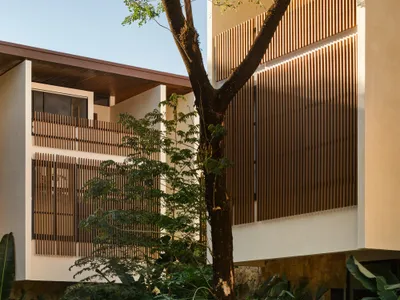
FAMM Arquitectura Organizes Ten Villas Around Courtyards and Jungle in Nosara, Costa Rica
El Molino pairs two elongated volumes with deep overhangs and timber louvers to build a compact coastal community five minutes from the beach.
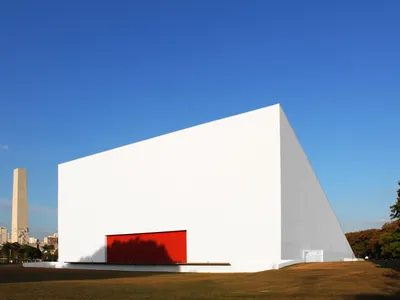
Oscar Niemeyer's Ibirapuera Park Pavilions Define São Paulo's Cultural Identity in Concrete and Curve
A constellation of modernist volumes set within São Paulo's most important urban park, conceived for the city's 400th anniversary in 1954.
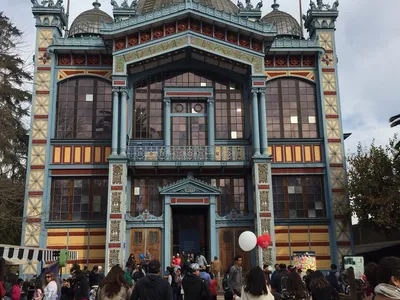
How Henri Picq's 1889 Paris Pavilion Traveled 11,000 Kilometers to Become Santiago's Artequín Museum
A prefabricated iron and glass pavilion built for the Paris Universal Exposition found a second life as a children's art museum in Chile.
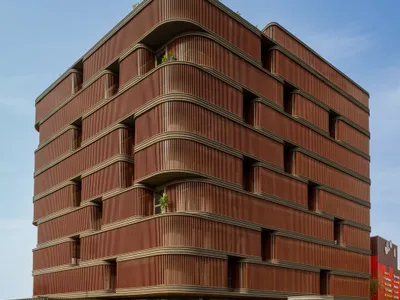
Sanjay Puri Architects Wraps a Jaipur Office Tower in Capsule-Shaped Green Buffers
A nine-level climate-responsive workplace near Jaipur Airport uses stacked planter terraces and aluminium screens to fight 40°C heat.

Explore Brutalist Architecture Competitions
Discover active competitions in this discipline



Challenge to reimagine the Iron Throne


Photograph architecture without architects


Illustrate the lost glory of Angkor Wat - Render Challenge


Design challenge to reuse E-waste
Comments (0)
Please login or sign up to add comments
No comments yet. Be the first to comment!