
L'ARO Graduate School: An Innovative Adaptive Reuse Project in Paris
The L'ARO Graduate School by SAME architectes is a cutting-edge example of adaptive reuse architecture, blending history with modern design.

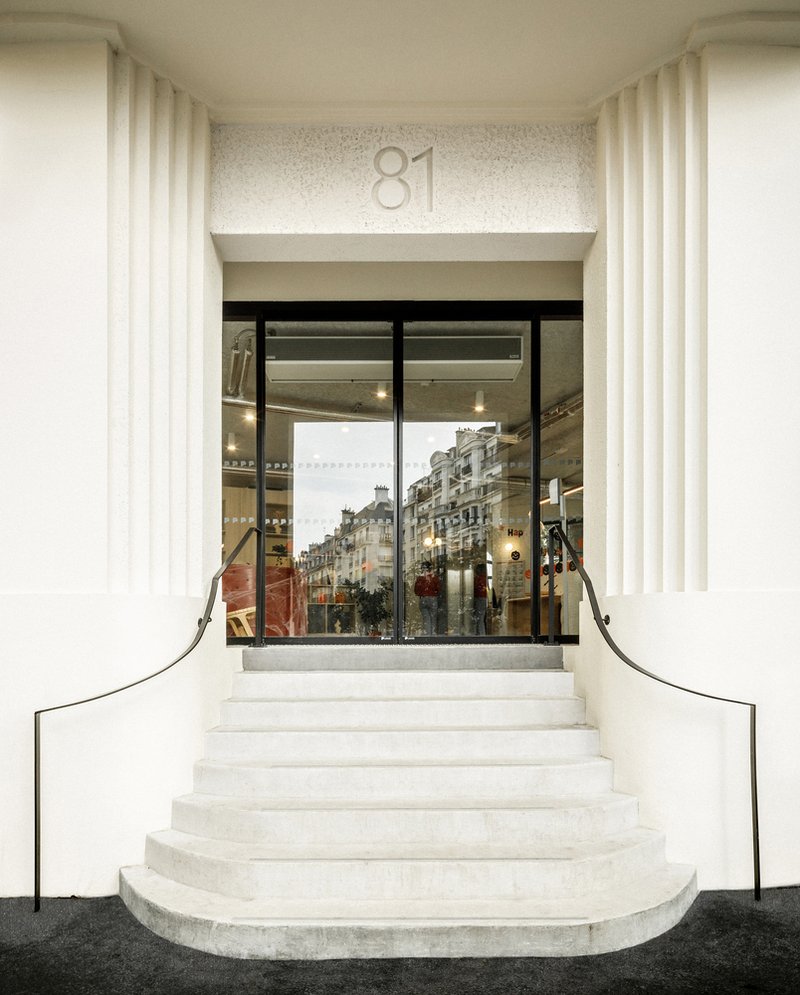
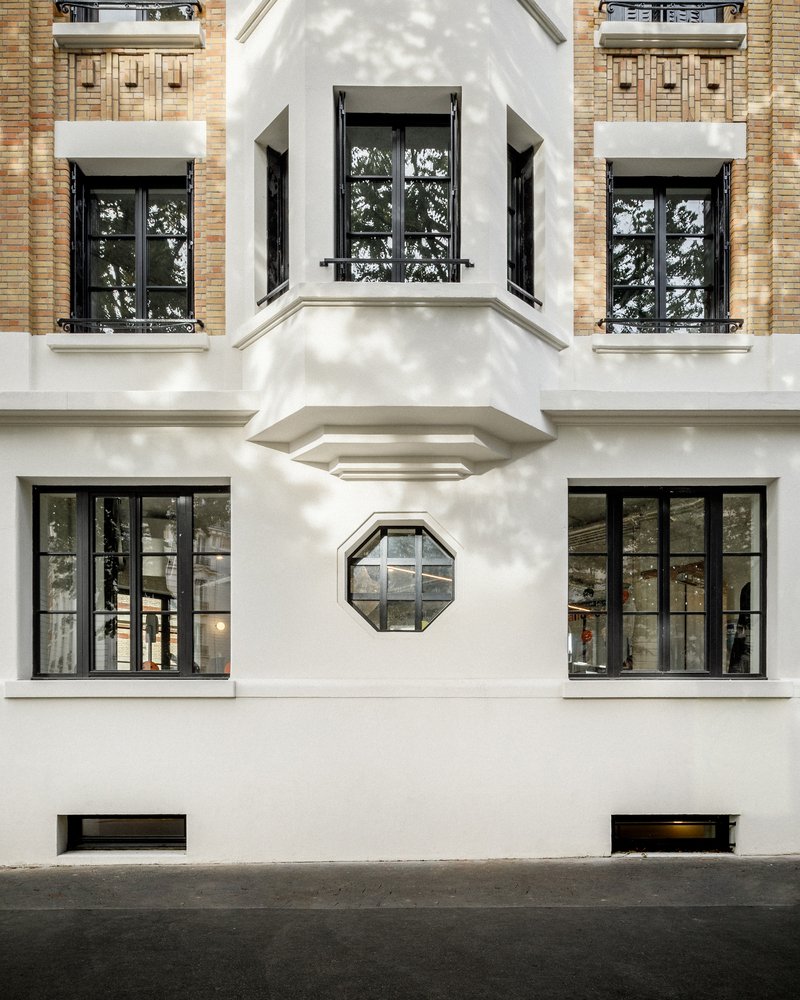
Located in the heart of Paris' 11th arrondissement, the L'ARO Graduate School stands as a prime example of adaptive reuse architecture. Originally constructed as the Bluets Clinic, this historic building has been expertly transformed into a dynamic educational space. Designed by SAME architectes, the renovation addresses both programmatic and technical challenges, incorporating flexibility, sustainability, and a deep respect for the building’s history. The result is a vibrant space that serves not only as a school but also as a potential coworking space, housing complex, and fitness center, all while maintaining a strong architectural identity.
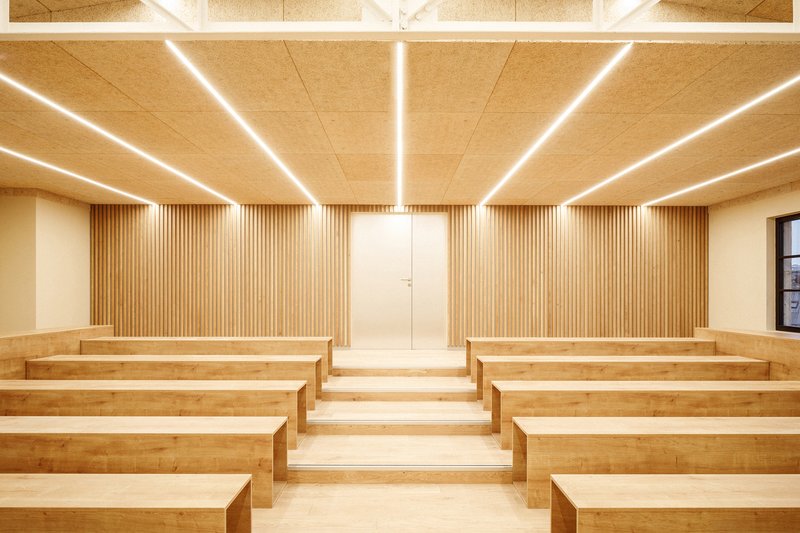
The Complex History of the Building
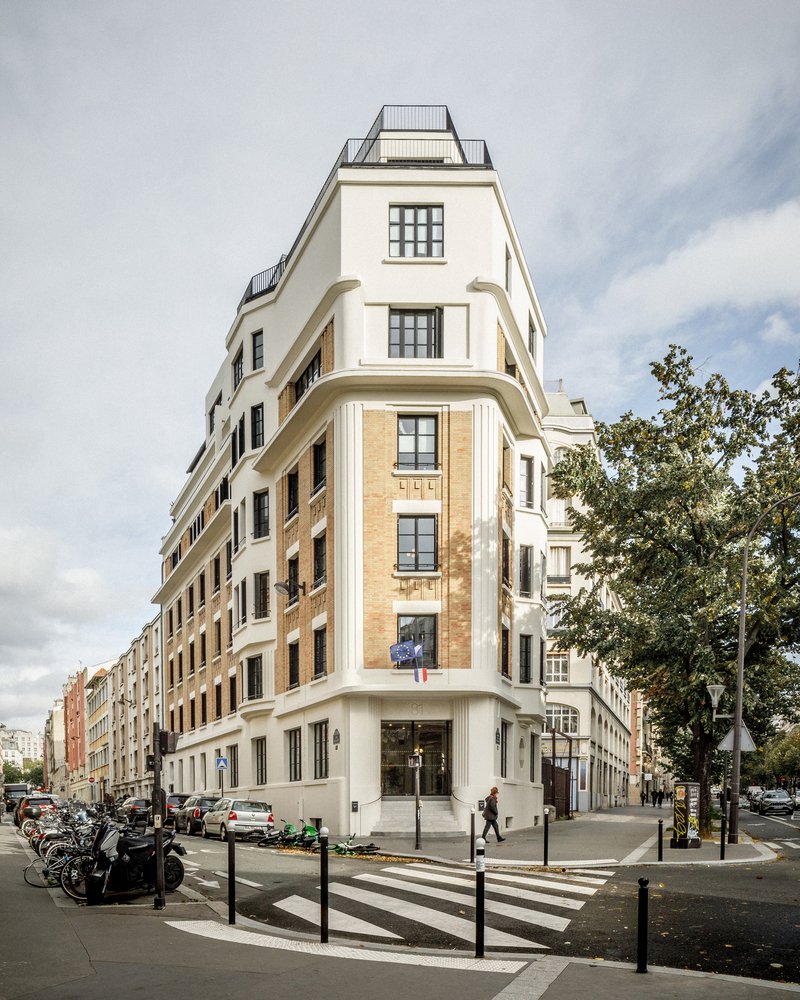
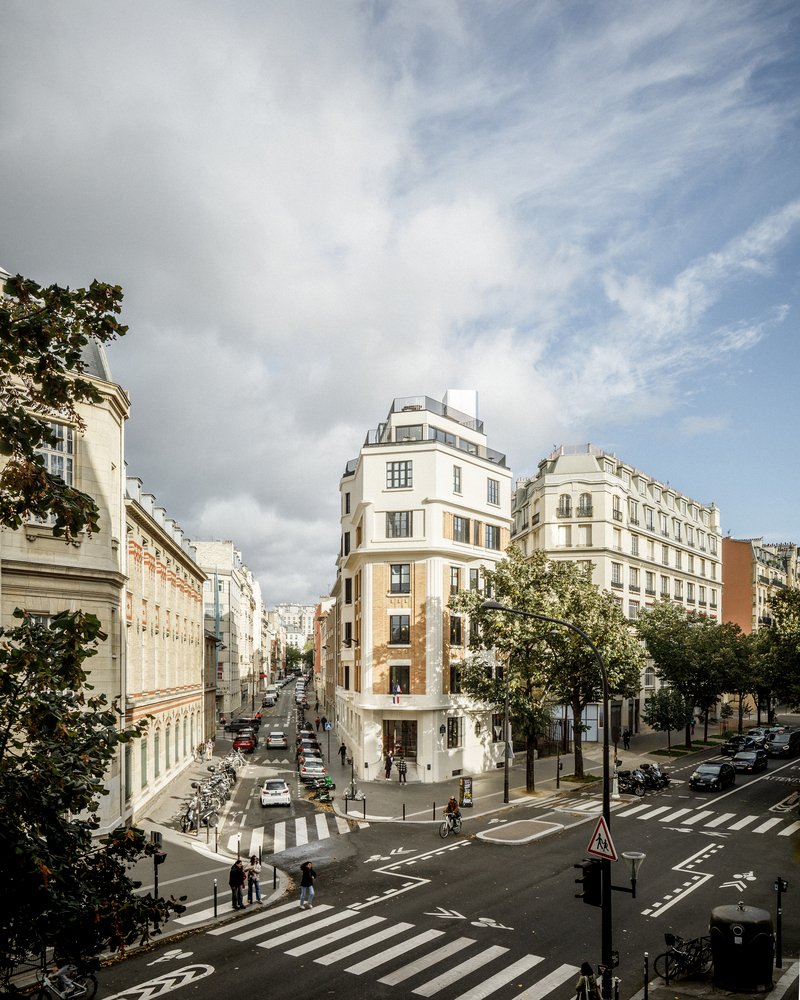
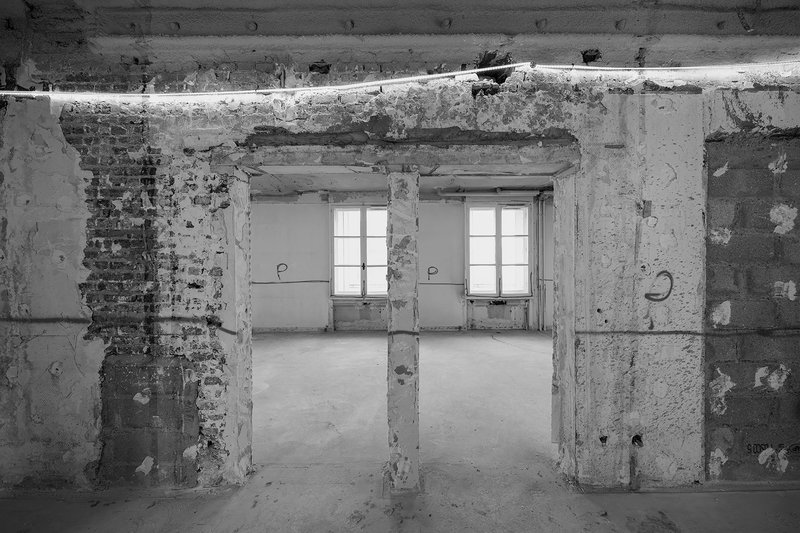
The building that houses L'ARO Graduate School has undergone multiple transformations throughout its existence. Its architectural evolution has added layers of complexity, reflecting the changing needs of the city. Initially built for the Bluets Clinic, its successive alterations made it a hybrid space that demanded creative and adaptive solutions. Located at the intersection of Avenue de la République, rue des Bluets, and Cité Bertrand, the building’s strategic positioning made it an attractive site for redevelopment.
Adaptive Reuse: Overcoming Spatial and Technical Challenges
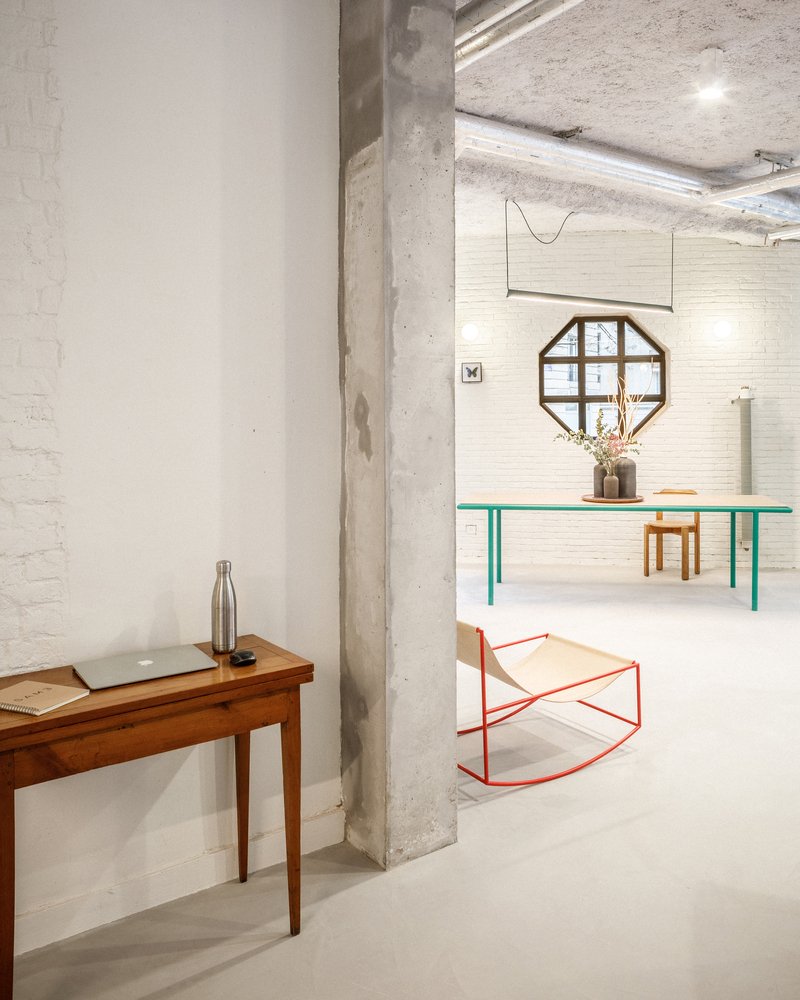
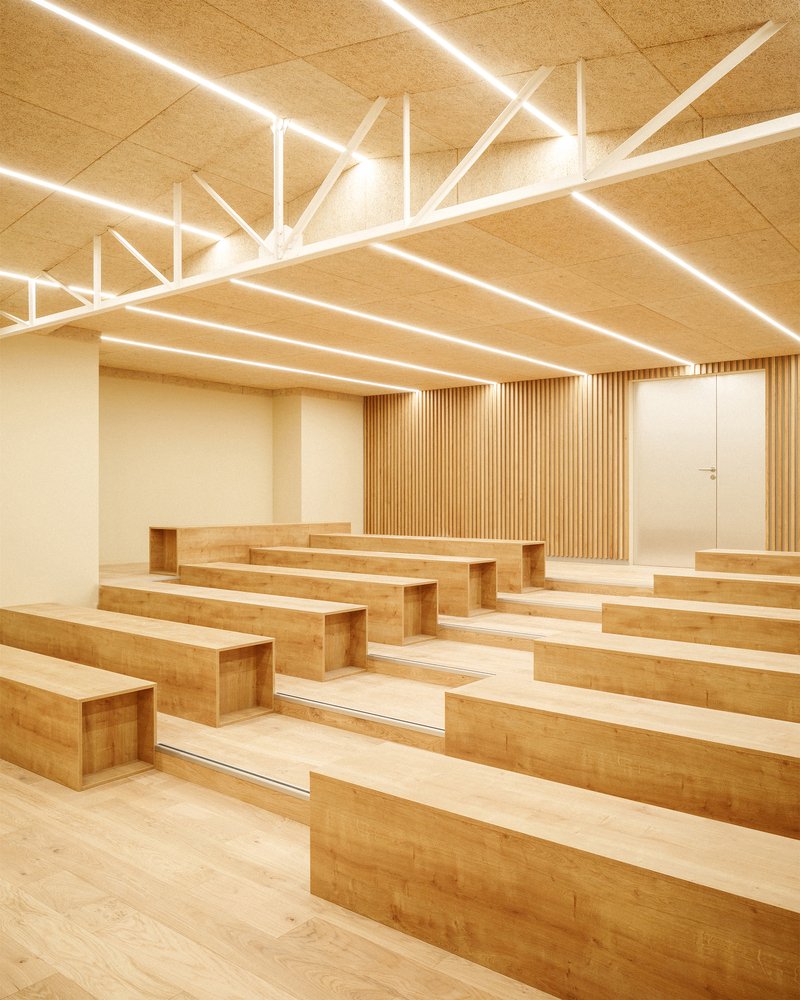
Transforming an existing building into something new requires a keen understanding of its original layout and structure. For L'ARO, this was a challenge that the architects at SAME embraced fully. The design aimed to “reenchant” the existing qualities of the building while creating flexible, functional spaces. The goal was to retain the historical essence of the building while adapting it to modern uses. The renovation includes spacious interiors designed to facilitate fluid movement between levels and a free-flowing plan that offers a variety of potential uses.
Key Features of the Renovation
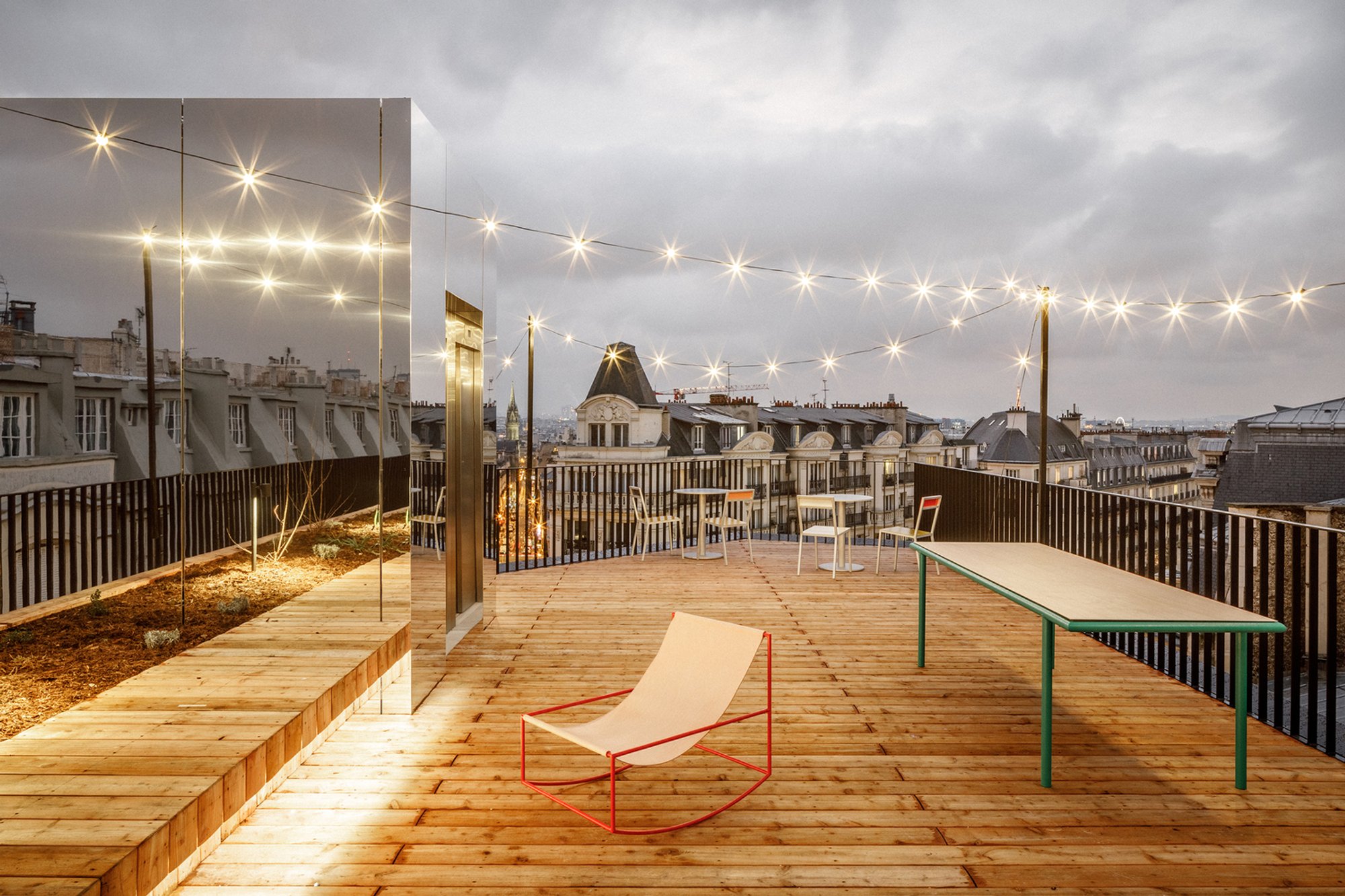
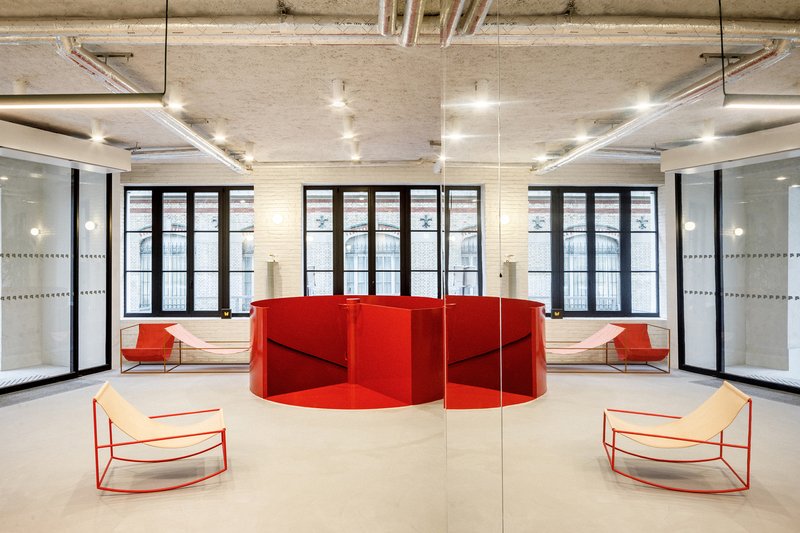
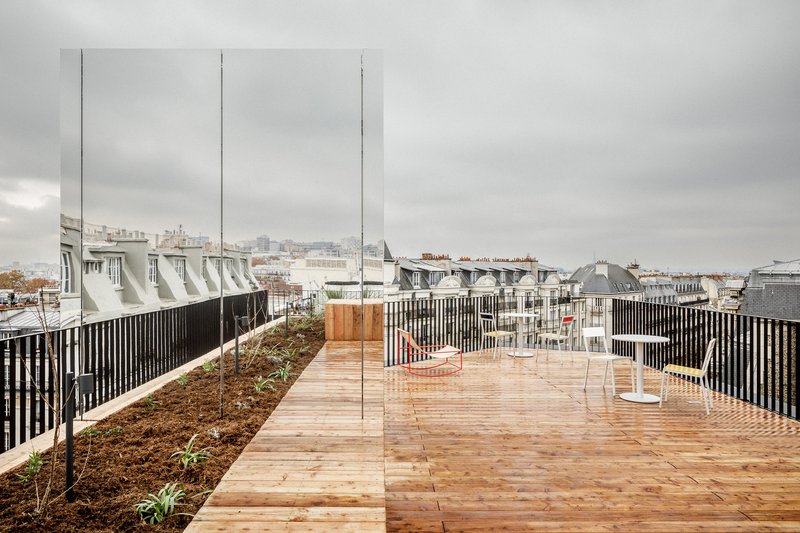
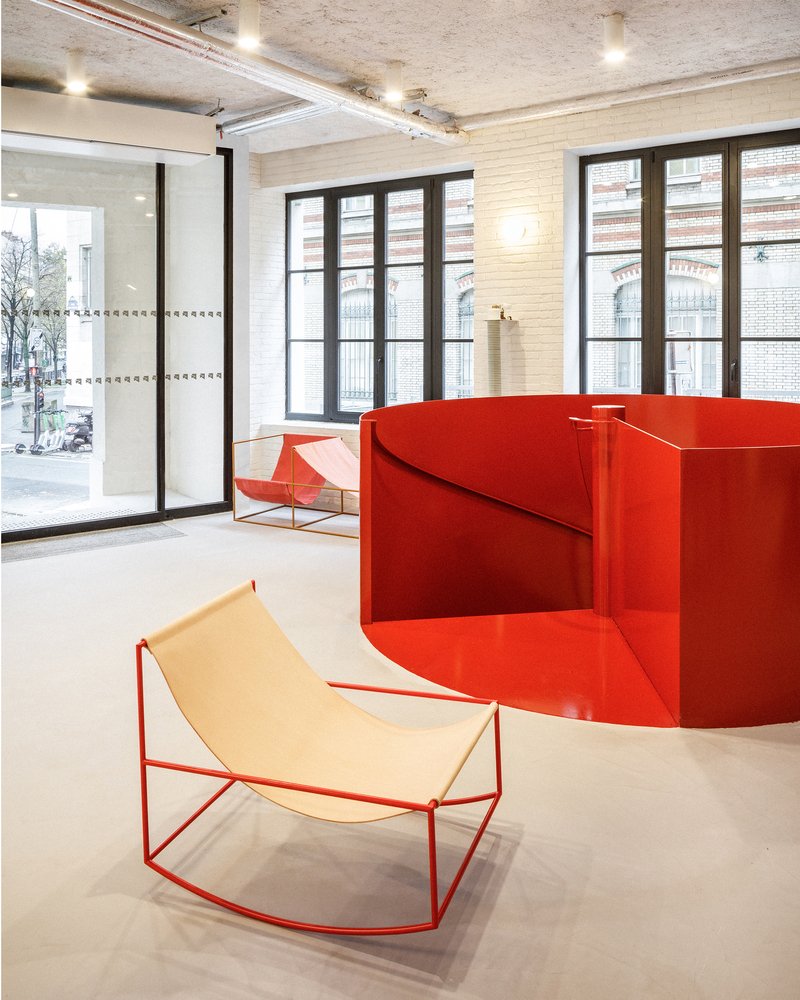
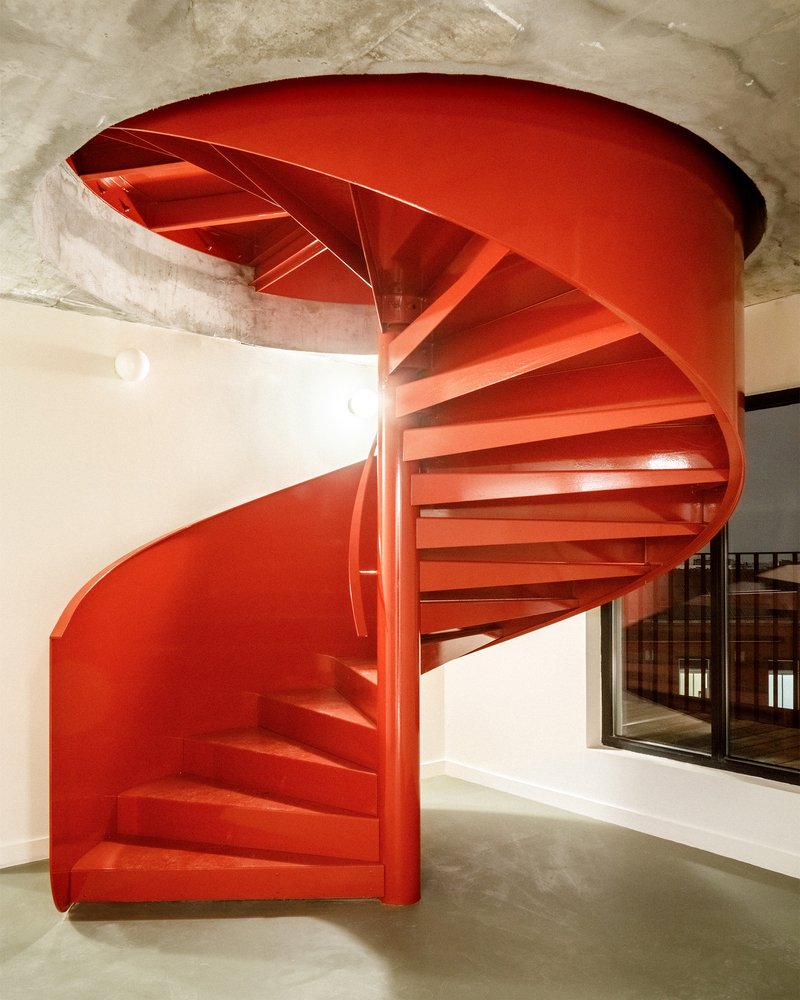
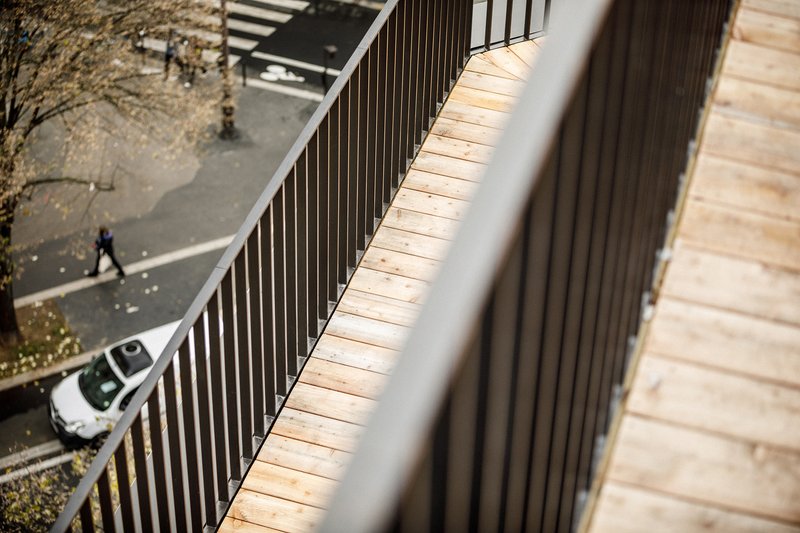
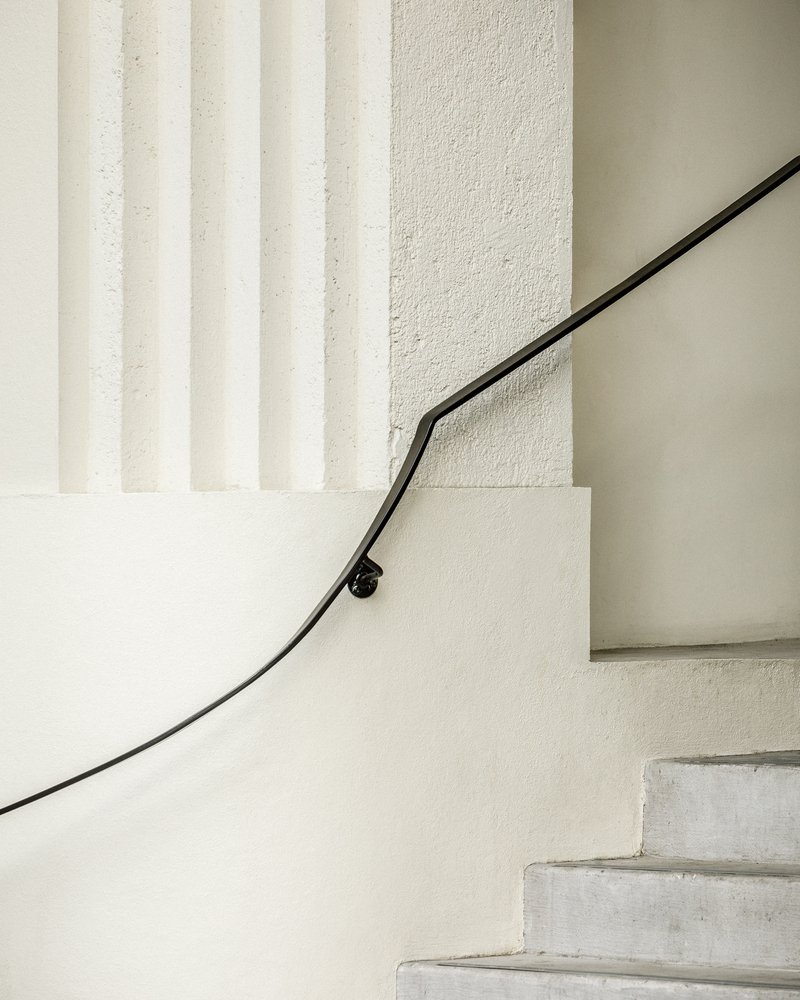
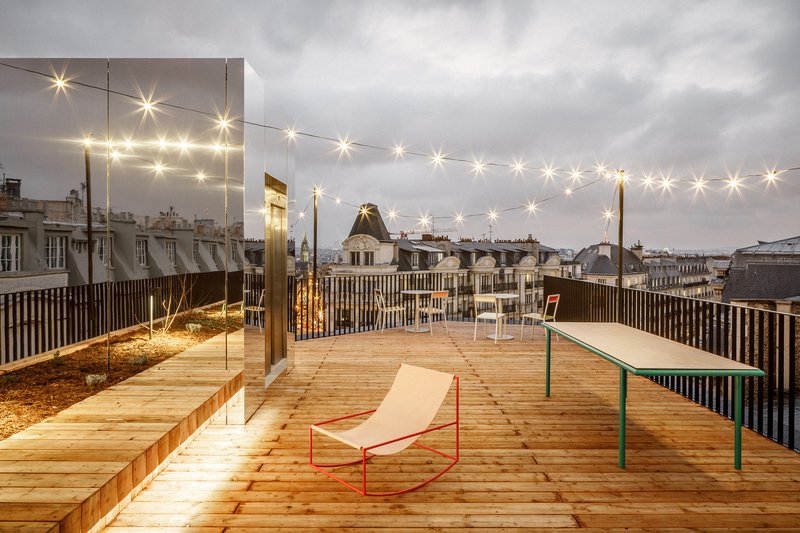
One of the standout features of the renovation is the addition of two helical staircases. These metal staircases are both functional and aesthetic, offering easy access between floors while adding a touch of lightness and color to the space. Painted in a bold red hue, the staircases become a focal point within the school, drawing visitors and students alike to explore different areas of the building. Additionally, the panoramic terrace provides breathtaking views of Paris’ most iconic monuments, adding an element of allure to the project.
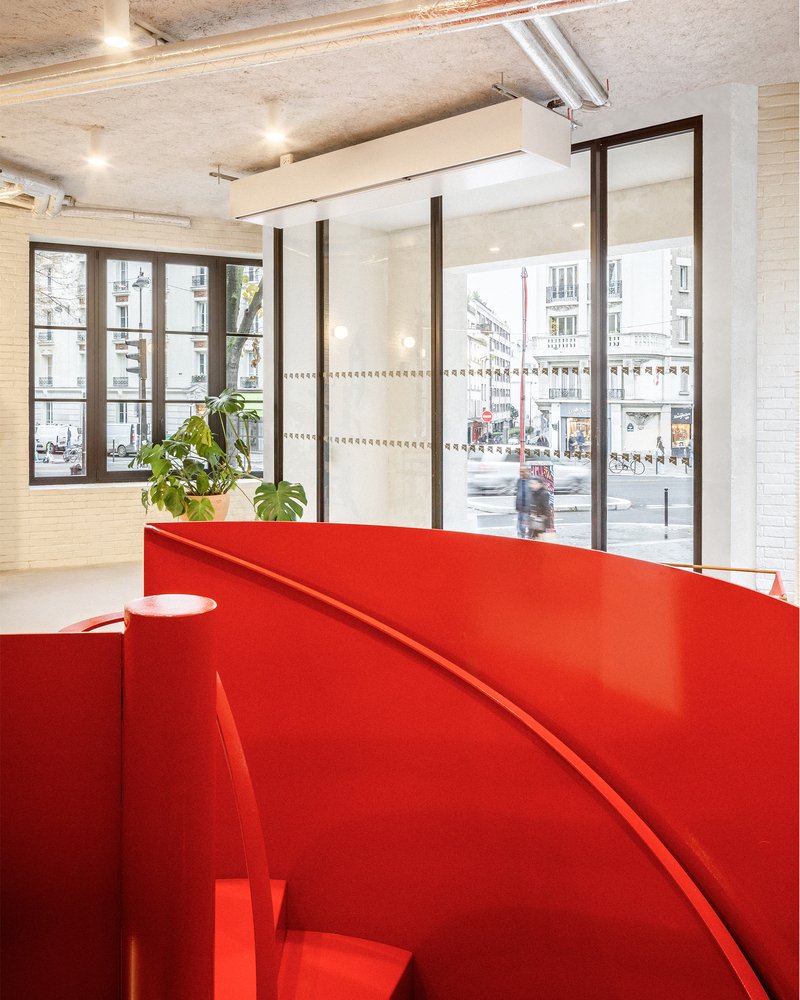
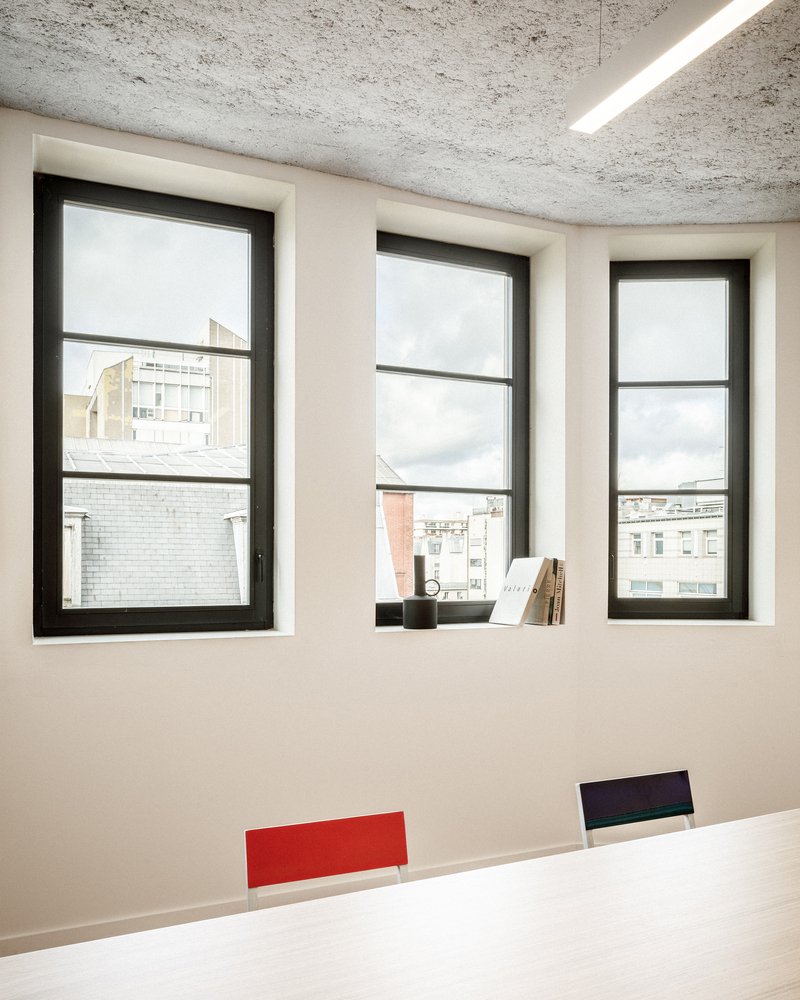
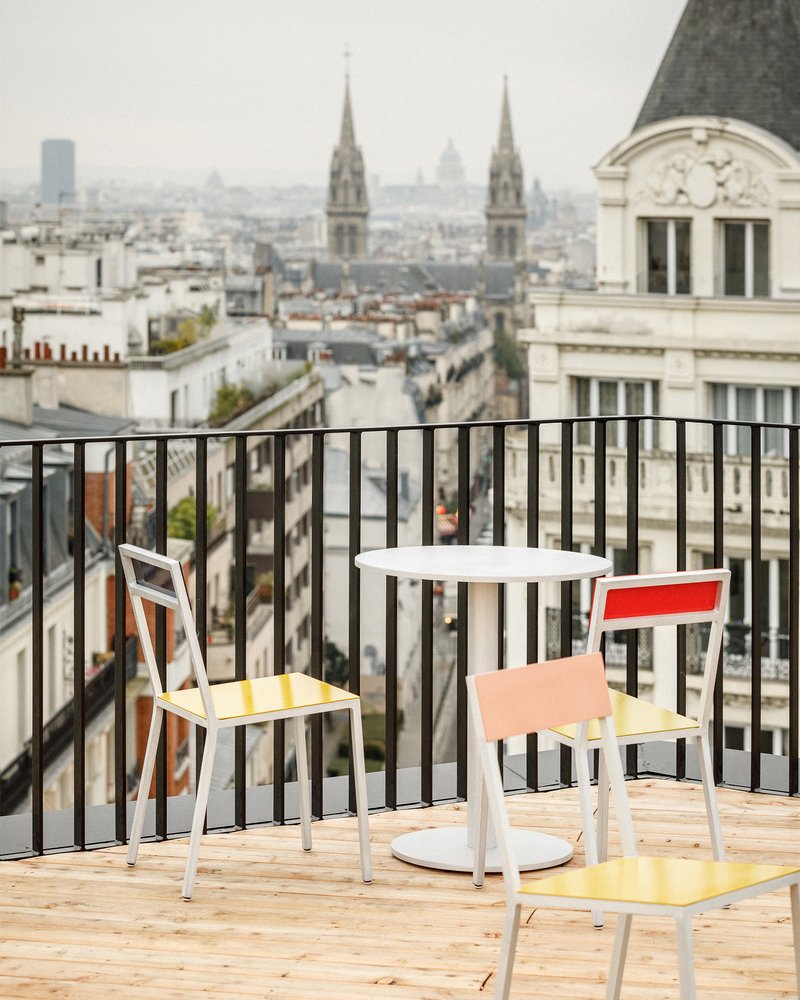
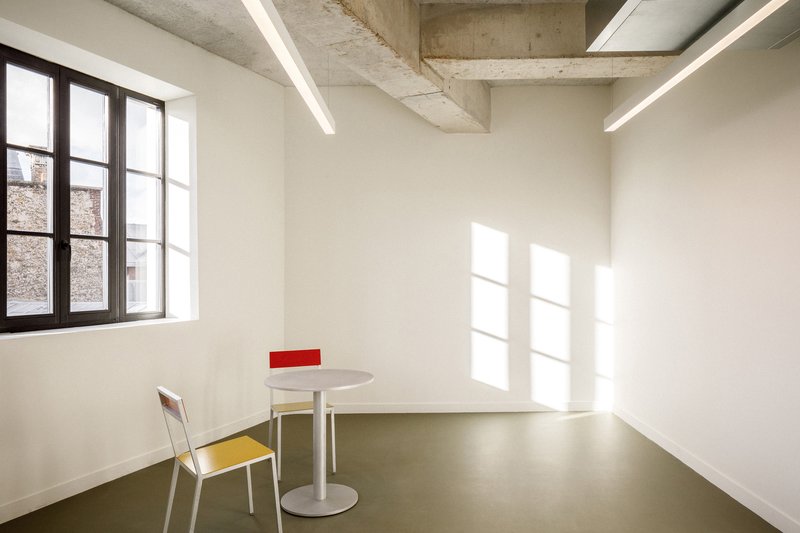
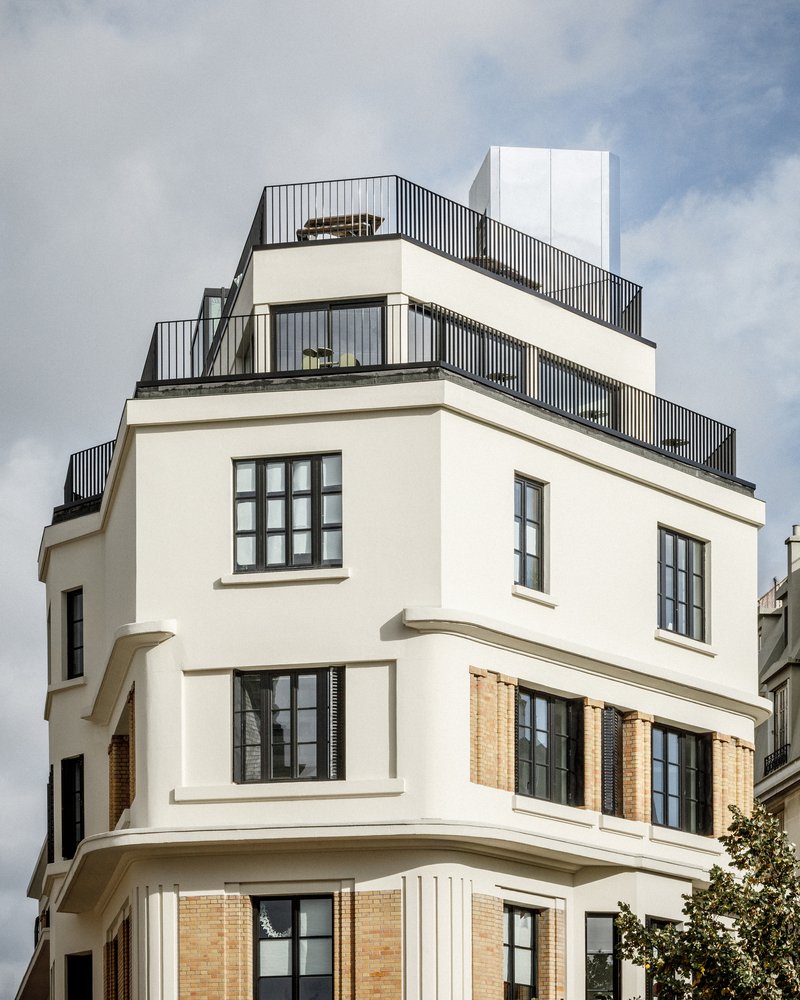
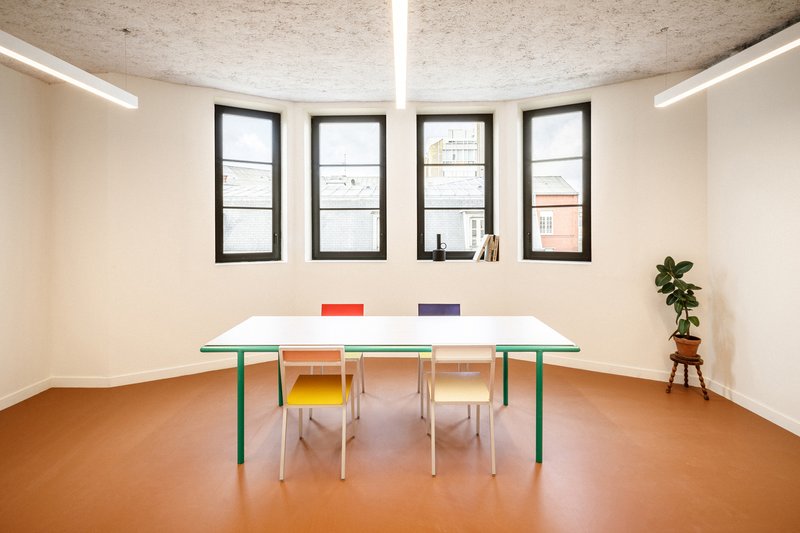
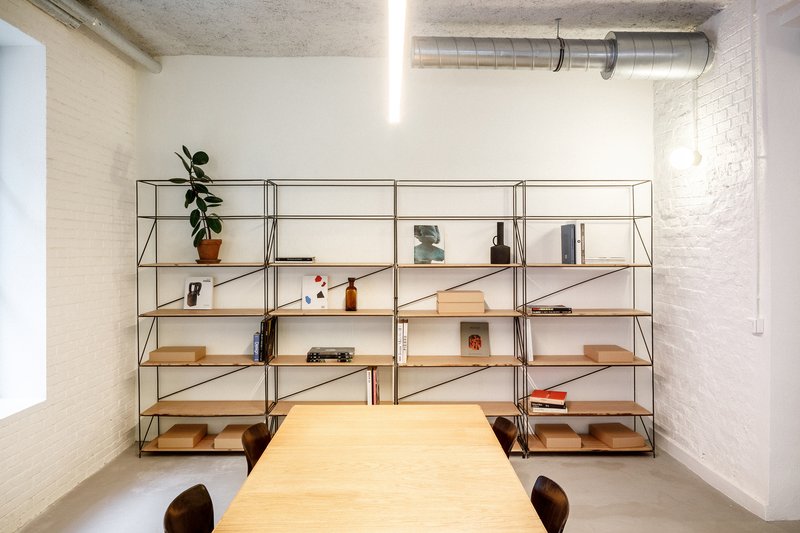
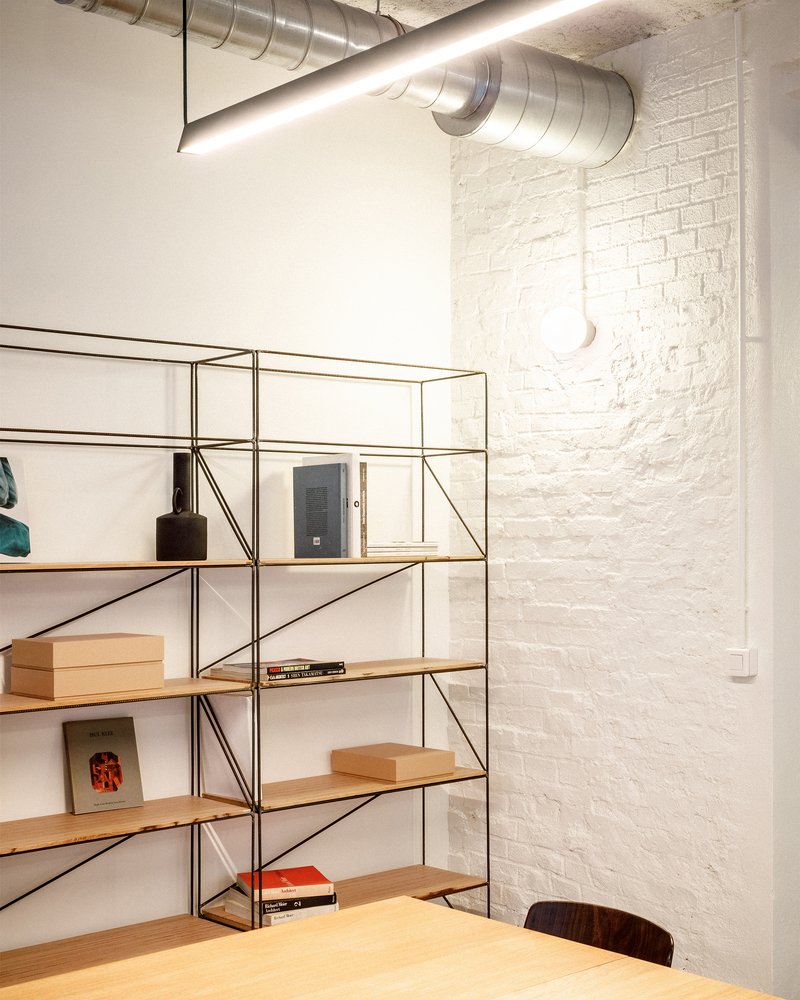
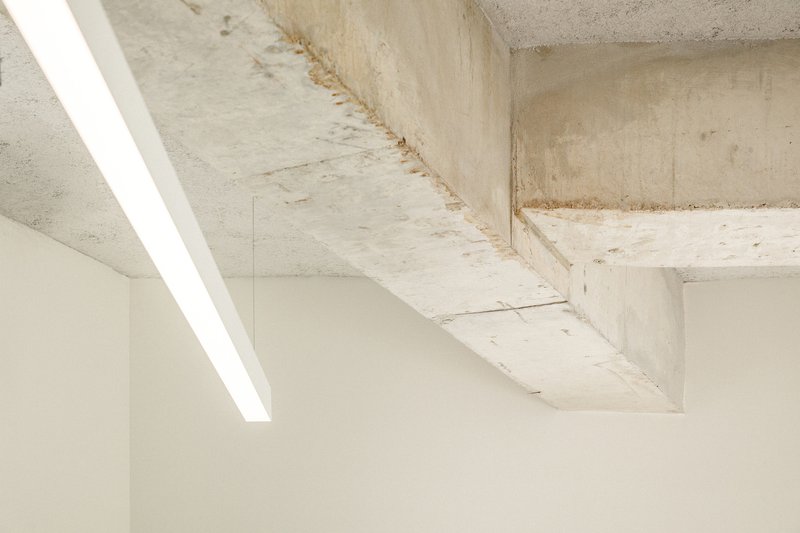
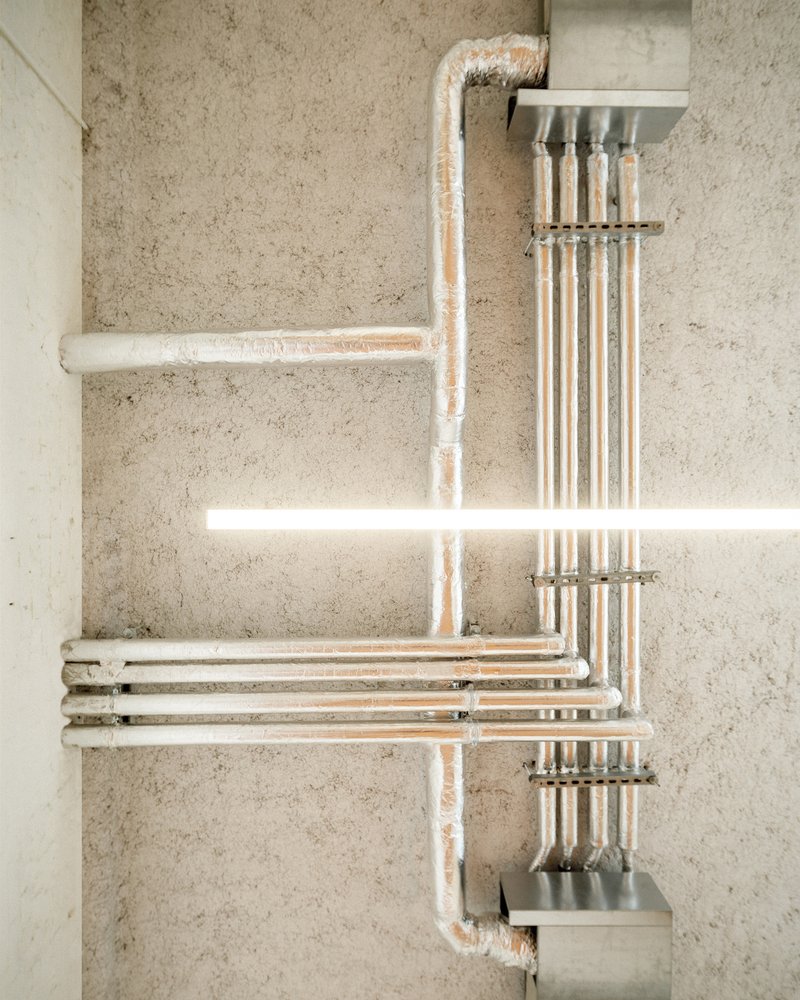
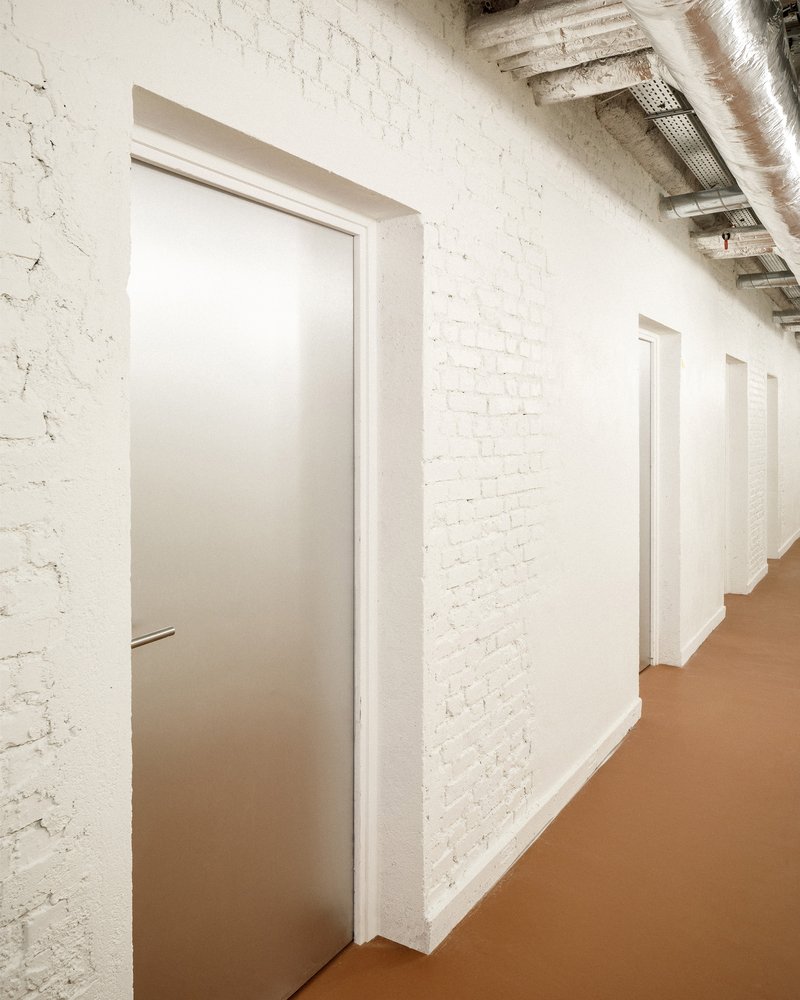
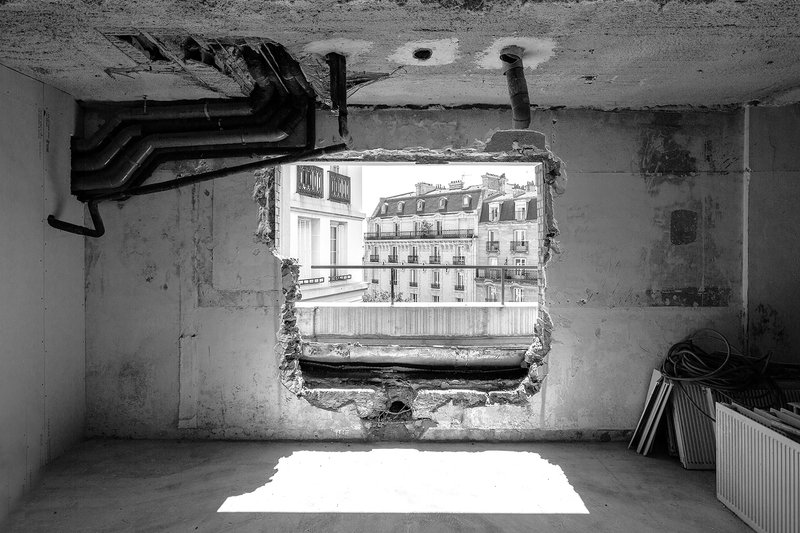
The interior design places a strong emphasis on materiality. The architects focused on creating a coherent material palette that both respects the building’s original structure and offers a timeless aesthetic. Some of the materials used in the renovation, such as bricks, were recycled on-site, while others from deconstruction were reused off-site. The result is a minimalist and clean design that allows the building's technical elements to remain visible and encourages future adaptability.
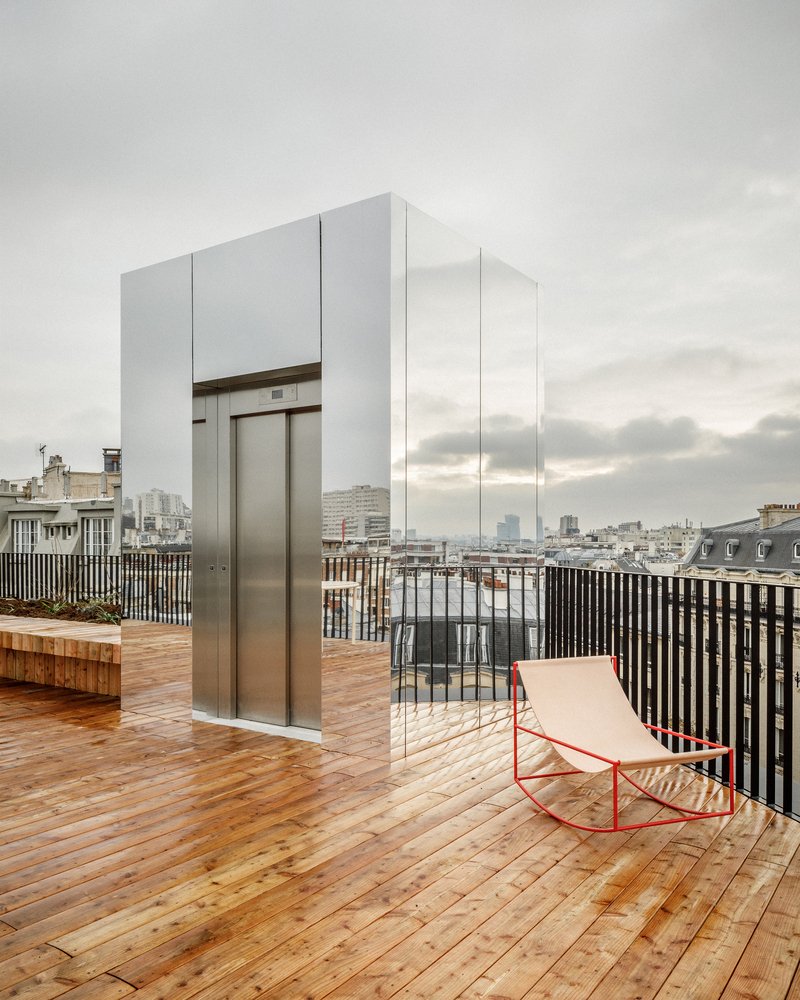
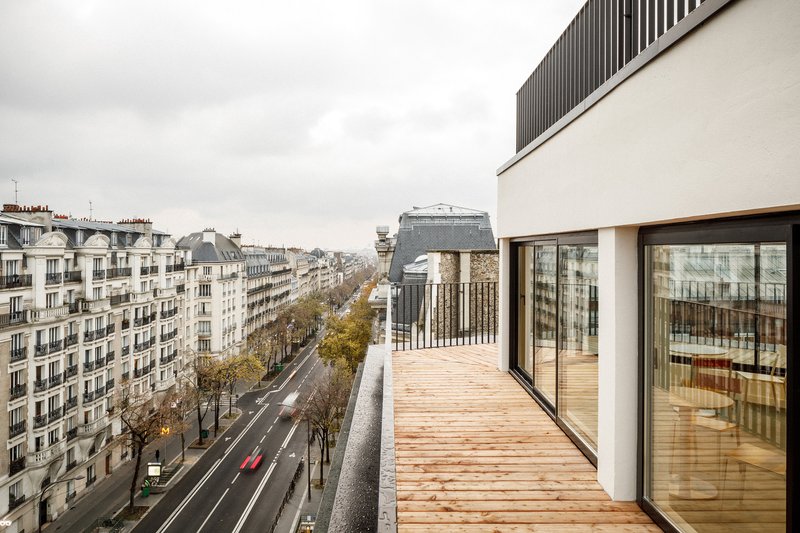
Sustainability and Future Adaptability
Sustainability is a core principle of the renovation, with numerous strategies integrated into the design to ensure that the building remains functional and relevant for years to come. The neutral tones used throughout the building’s interior facilitate adaptability, making it easier to reconfigure spaces for future use. The thoughtful material choices and the focus on durability ensure that the L'ARO Graduate School will stand the test of time while maintaining its architectural integrity.
A Timeless Example of Adaptive Reuse
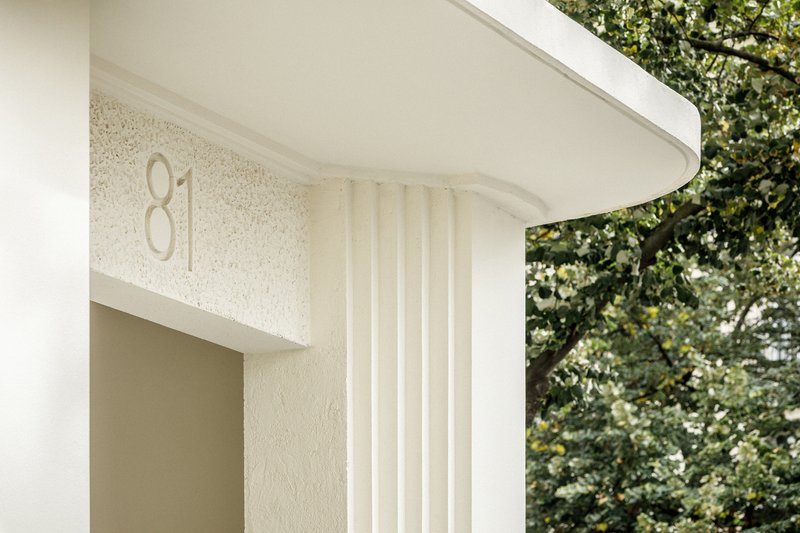
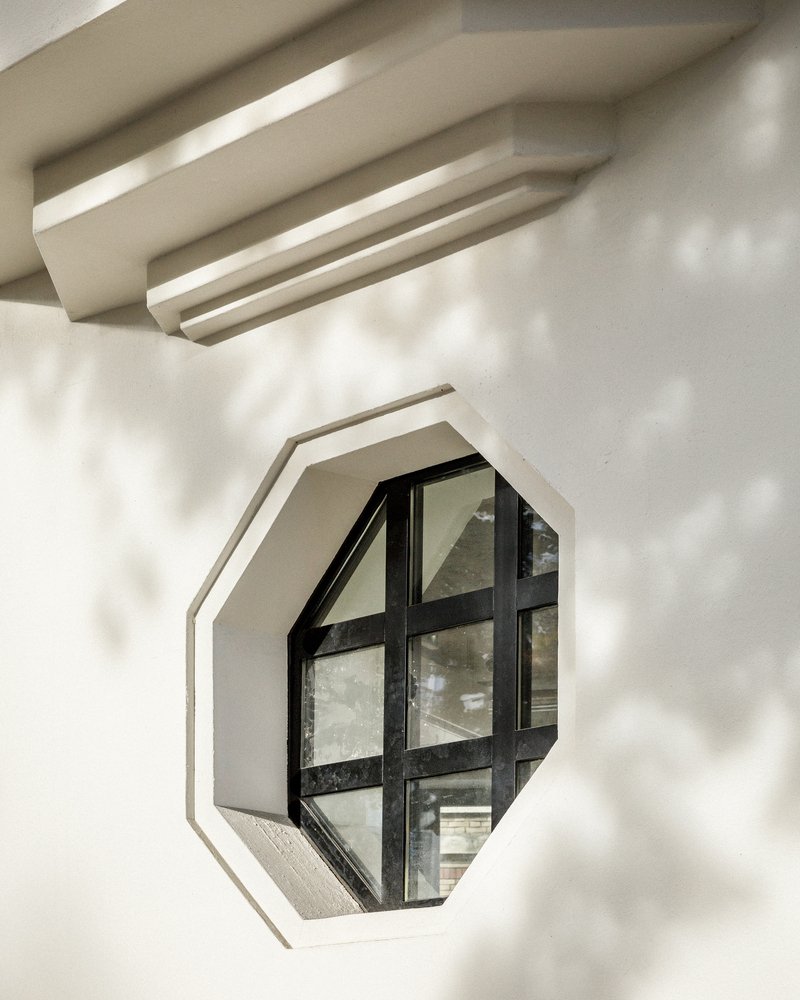
The renovation of the L'ARO Graduate School demonstrates how adaptive reuse can breathe new life into historical buildings while maintaining respect for their past. Through innovative design and careful material selection, SAME architectes has transformed a once dilapidated building into a modern, flexible space that meets the needs of the contemporary world. This project stands as a testament to the potential of adaptive reuse architecture, proving that old buildings can continue to serve the evolving needs of a city while maintaining their historical character.
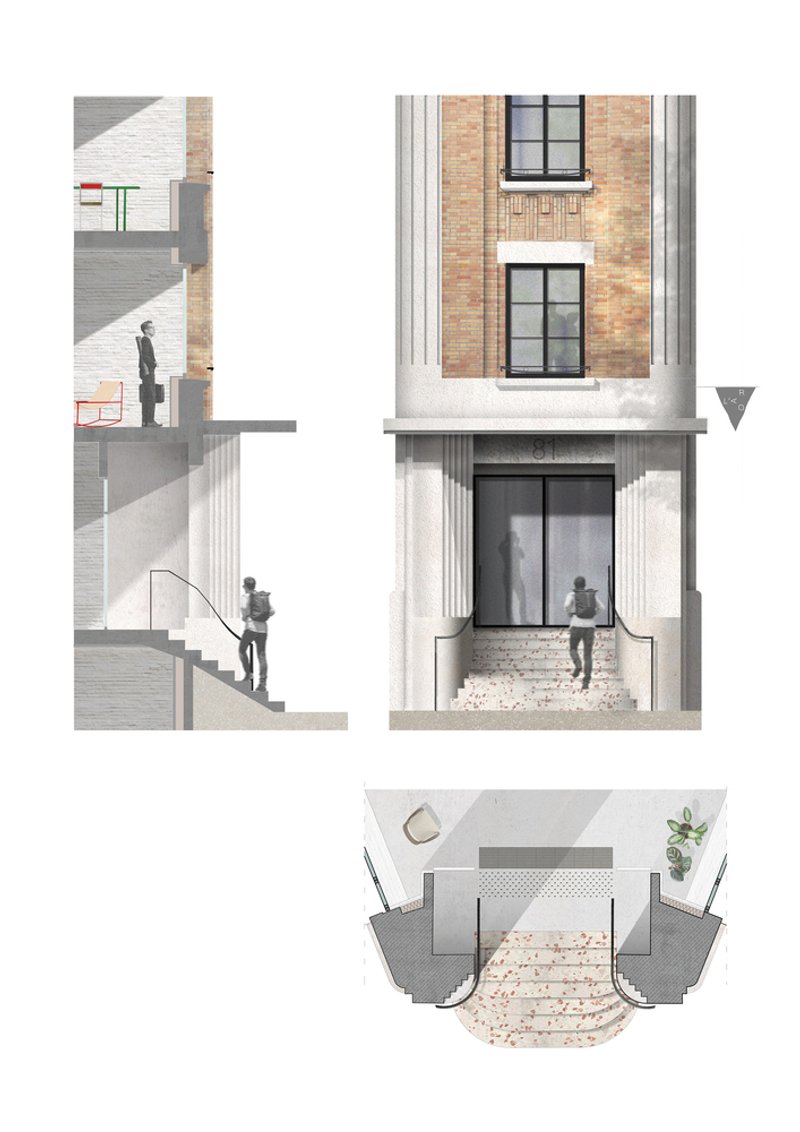
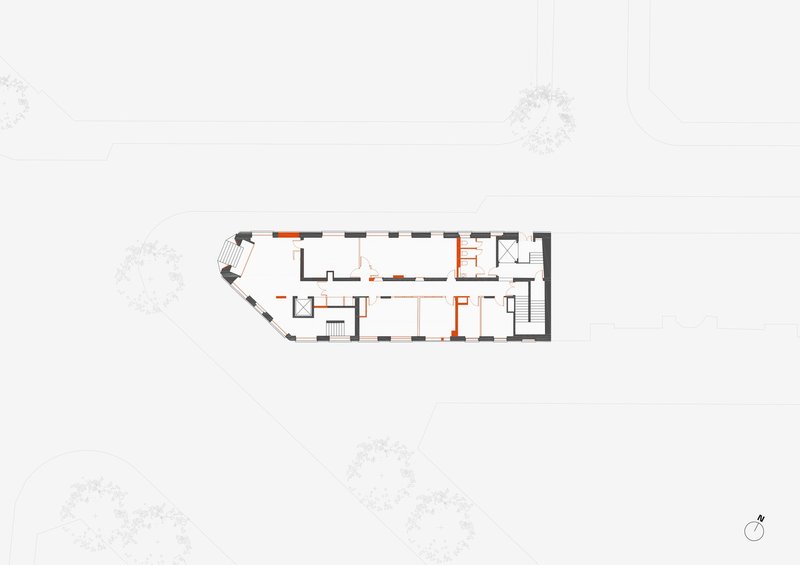
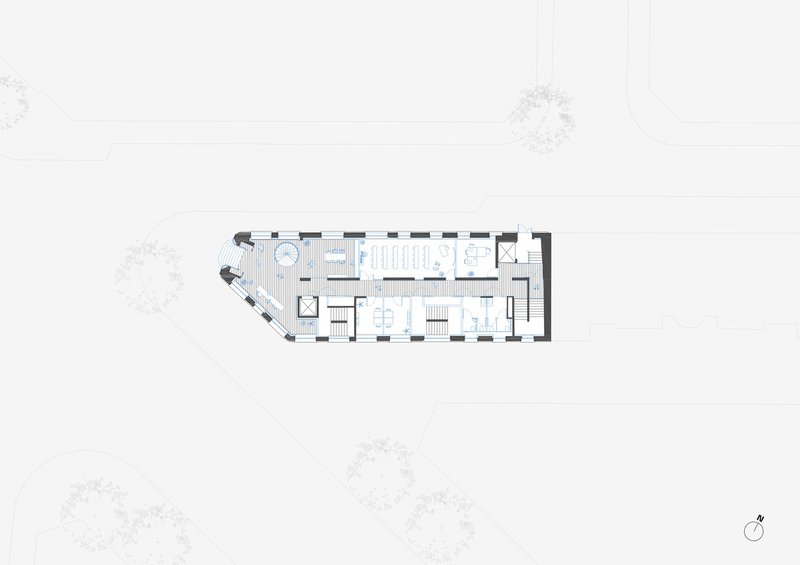
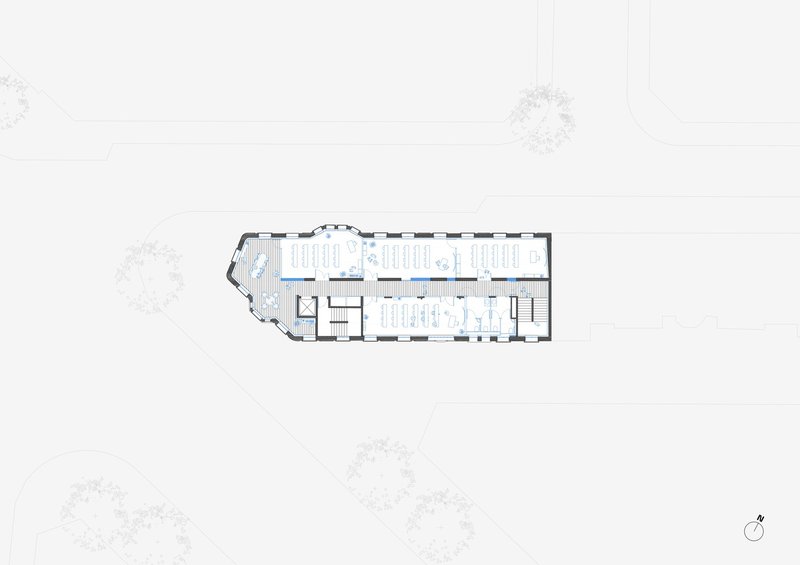
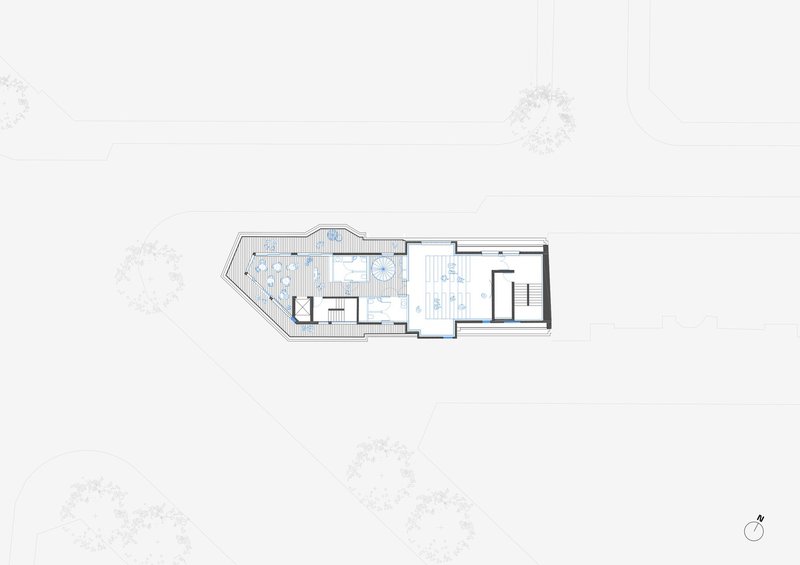
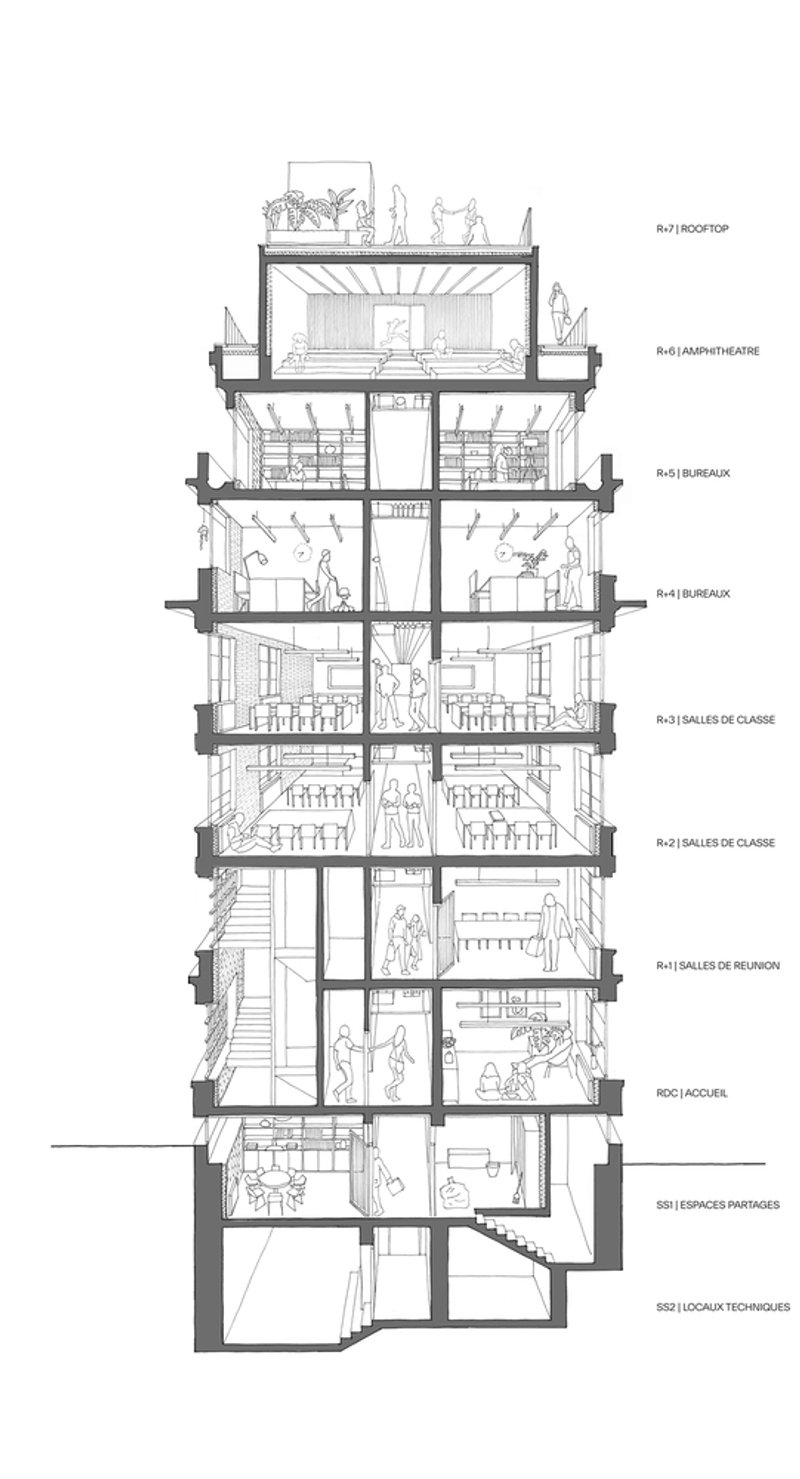
All Photographs are work of 11h45



Popular Articles
Popular articles from the community

Alton Cliff House: A Harmonious Retreat by f2a Architecture in Lake Country, Canada
Alton Cliff House blends corten steel, prefabrication, and sustainable design, creating a luxurious, energy-efficient retreat perched on Canadian cliffs.

Solar Steam: A Climate-Responsive Architecture That Redefines the Monument
A climate-responsive memorial architecture that transforms heat, decay, and time into a living system reflecting humanity’s ecological impact.
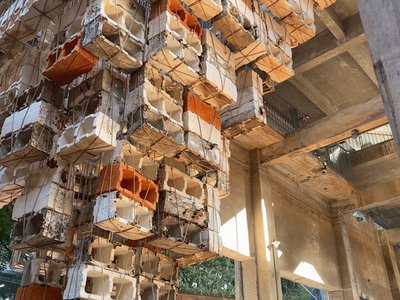
Inverted Architecture Installation by Studio Link-Arc: Exploring the Intersection of Architecture and Living Organisms
Inverted Architecture Installation by Studio Link-Arc blends mycelium, sustainability, inverted design, ecological cycles, and urban adaptive architecture in Shenzhen.
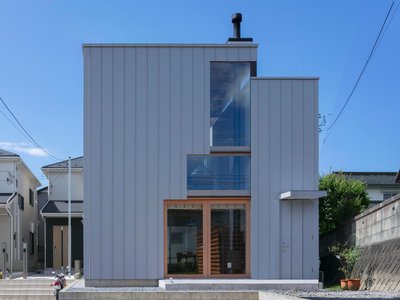
Split House: A Compact Urban Home Blending Privacy, Light, and Flexible Living in Japan
Compact Japanese home featuring DOMA space, flexible café potential, passive lighting, privacy zoning, and sustainable urban living design.


Similar Reads
You might also enjoy these articles


The Ken Roberts Memorial Delineation Competition (Krob)
As the most senior architectural drawing competition currently in operation anywhere in the world, it draws hundreds of entries each year, awarding the very best submissions in a series of medium-based categories.


Waterfront Redevelopment and Urban Revitalization in Mumbai: Forging a New Dawn for Darukhana
A transformative waterfront redevelopment project reimagining Darukhana’s shipbreaking heritage into an inclusive urban future.

OUT-OF-MAP: A Call for Postcards on Feminist Narratives of Public Space
Rhizoma Design and Research Lab invites artists, designers, architects, researchers, and students to reflect on how feminist perspectives can reshape public space. Selected works will be exhibited in Barcelona, October 2026. Submissions open until 15 April 2026.


Documentation Work on Buddhist Wooden Temple
Architectural syncretism and cultural hybridity: A comparative study of the Buddhist temples in Chattogram Hill tracks


Explore Architecture Competitions
Discover active competitions in this discipline




The International Standard for Design Portfolios


The Global Benchmark for Architecture Dissertation Awards


The Global Benchmark for Graduation Excellence


Challenge to reimagine the Iron Throne
Comments (0)
Please login or sign up to add comments
No comments yet. Be the first to comment!