
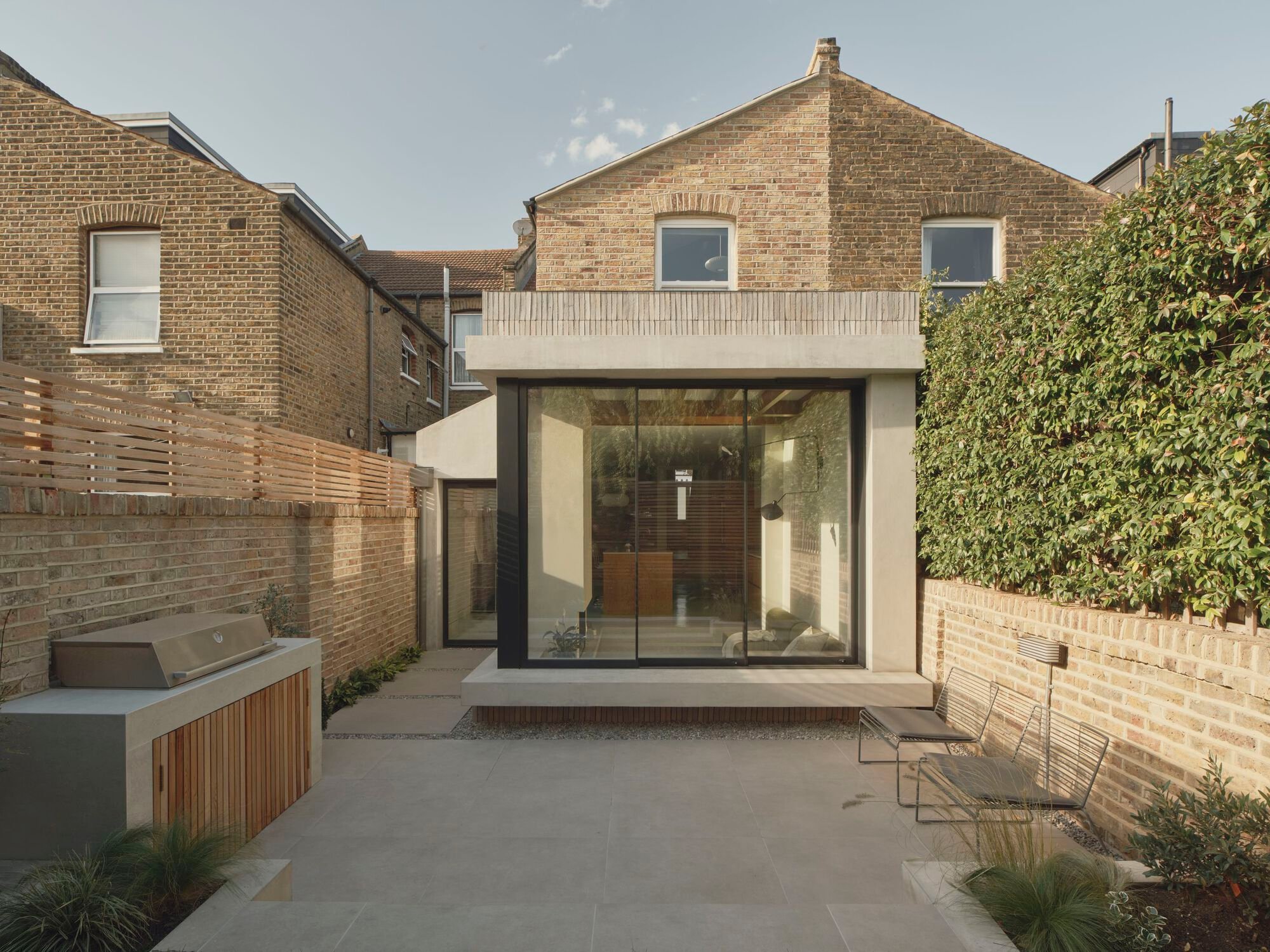
Loggia House: A Sunken Garden Extension Redefining Family Living and Indoor–Outdoor Connection
London house with sunken loggia connects interior and garden, combining concrete and timber to create flexible, light-filled family living spaces.

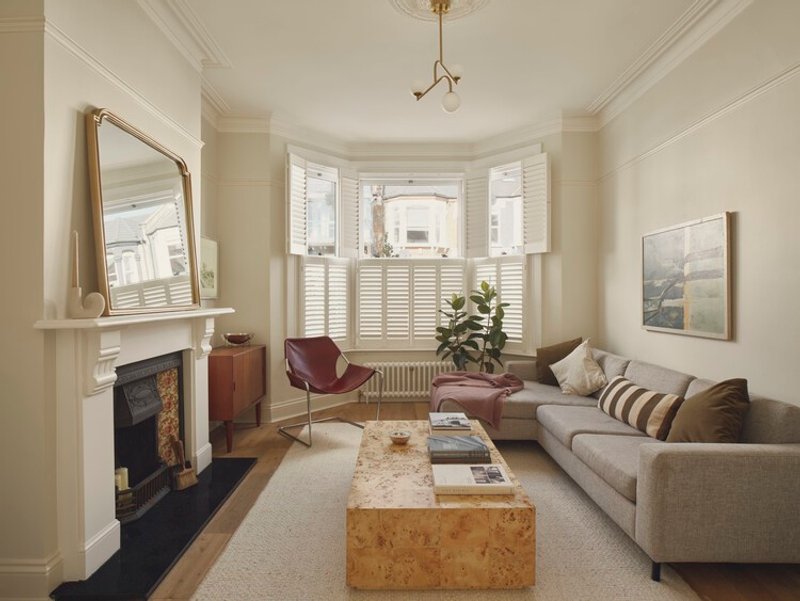
Located in Kensal Rise, London, Loggia House by House of EM is a carefully considered renovation and extension that transforms a previously fragmented structure into a cohesive and contemporary family home. Designed for a young family of four, the project reimagines a former children’s nursery, balancing the preservation of existing character with the introduction of new spatial clarity, light, and functionality.
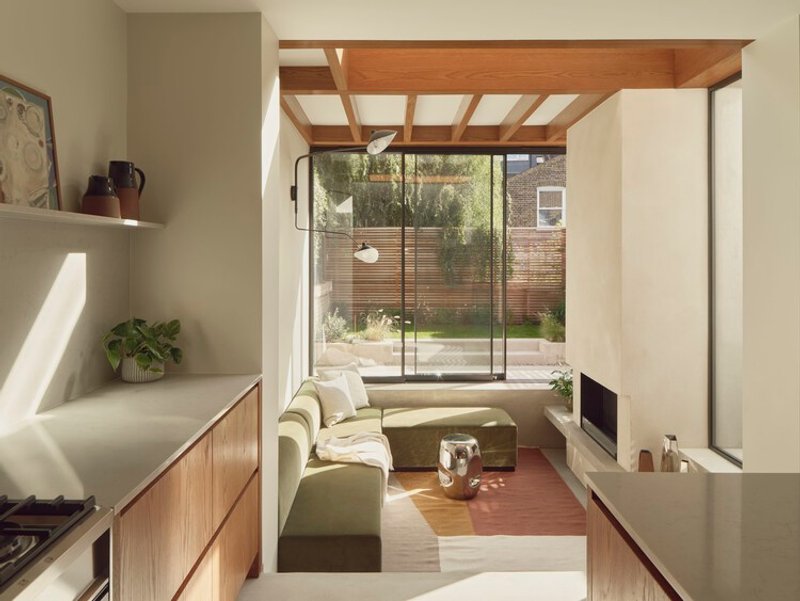
The design begins with a deep understanding of context—both physical and personal. While the front portion of the house retains its original identity, the rear undergoes a complete transformation. Previously occupied by a series of inefficient and poorly connected extensions, this area is restructured into an open, light-filled living environment that serves as the heart of the home.
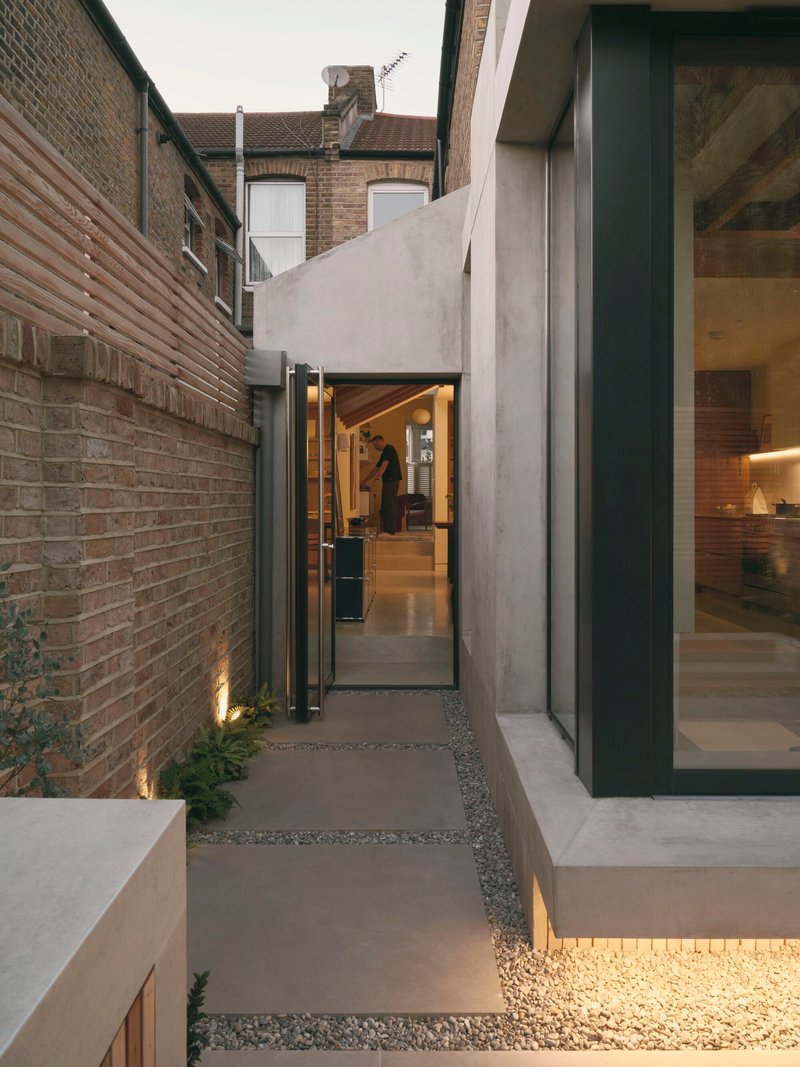
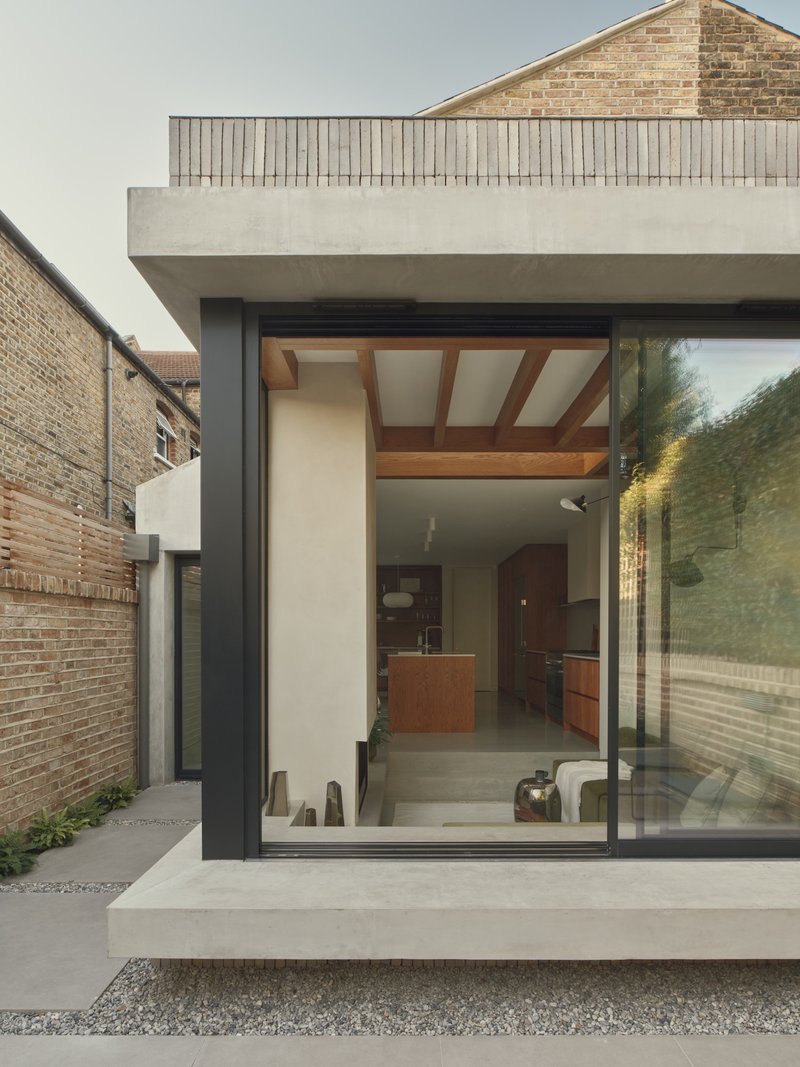
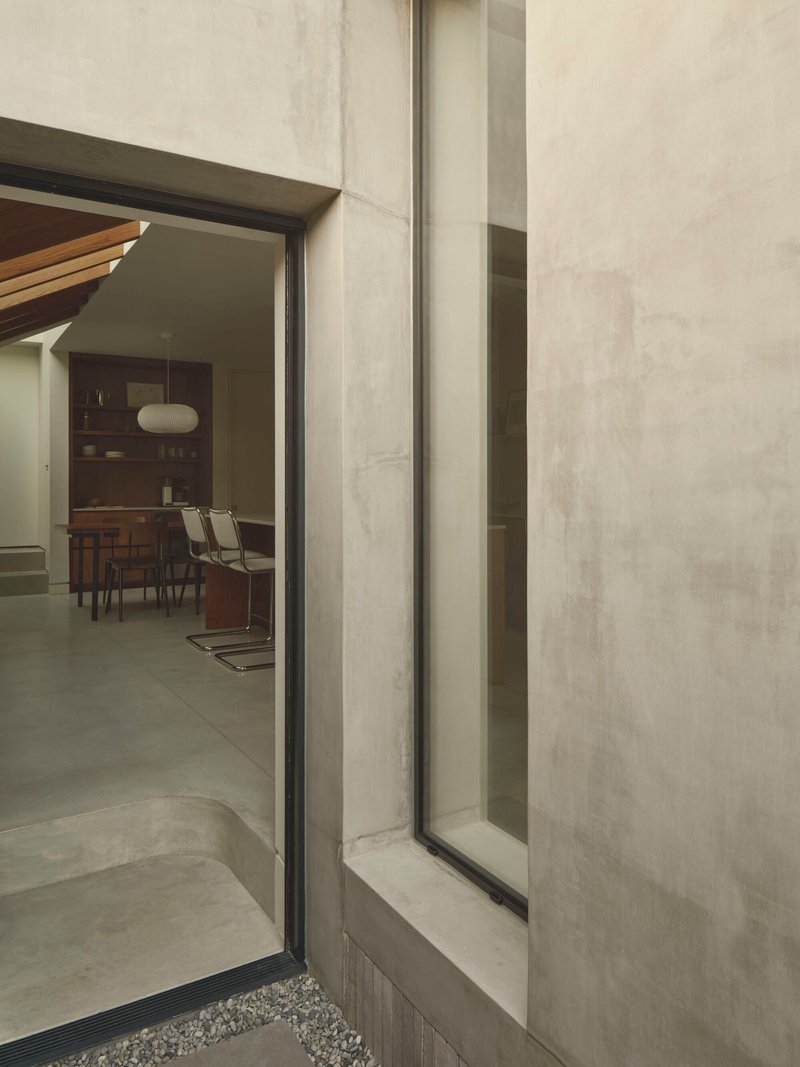
Central to the project is the introduction of a sunken loggia, a defining architectural gesture that reinterprets the relationship between interior space and garden. Positioned approximately 500 millimeters below the main floor level, the loggia creates a sheltered outdoor room—an intermediate zone that blurs the boundary between inside and outside. Enclosed by concrete surfaces and framed by fully opening glazing, this space fosters fluid interaction, allowing daily life to extend naturally into the garden.
The loggia is not merely a spatial feature but a social one. It encourages gathering, conversation, and shared activities, becoming a focal point for family life. Its design draws influence from Brazilian architectural sensibilities, reflecting the cultural background of the clients while introducing a tactile and expressive material palette. Built-in seating further reinforces its role as a place of pause and connection, inviting occupants to inhabit the threshold between home and landscape.
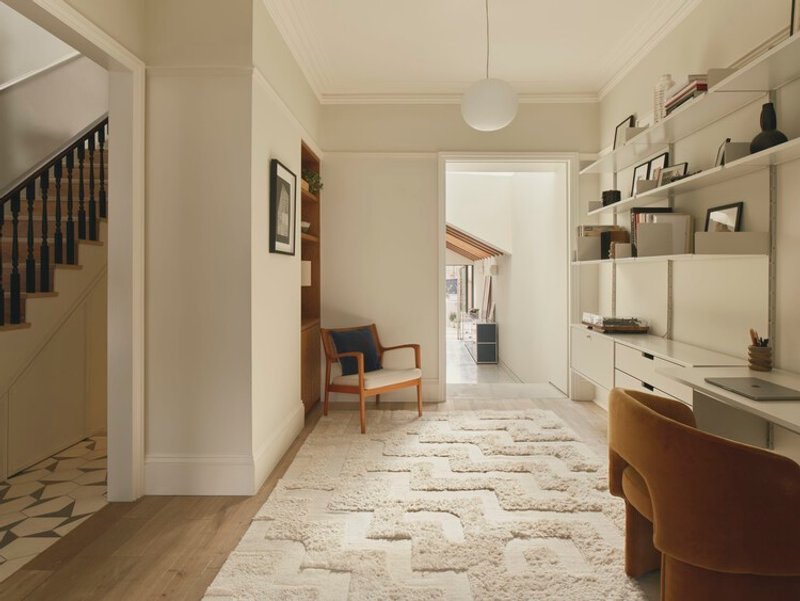
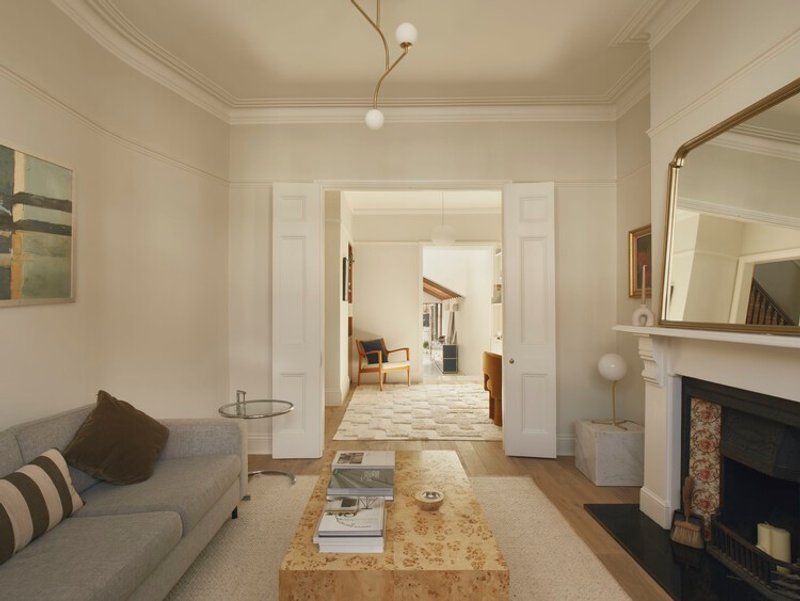
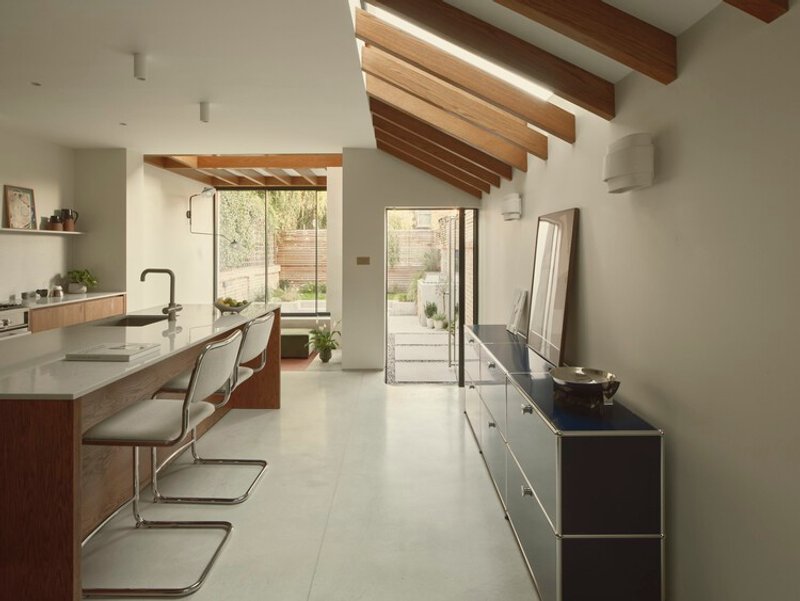
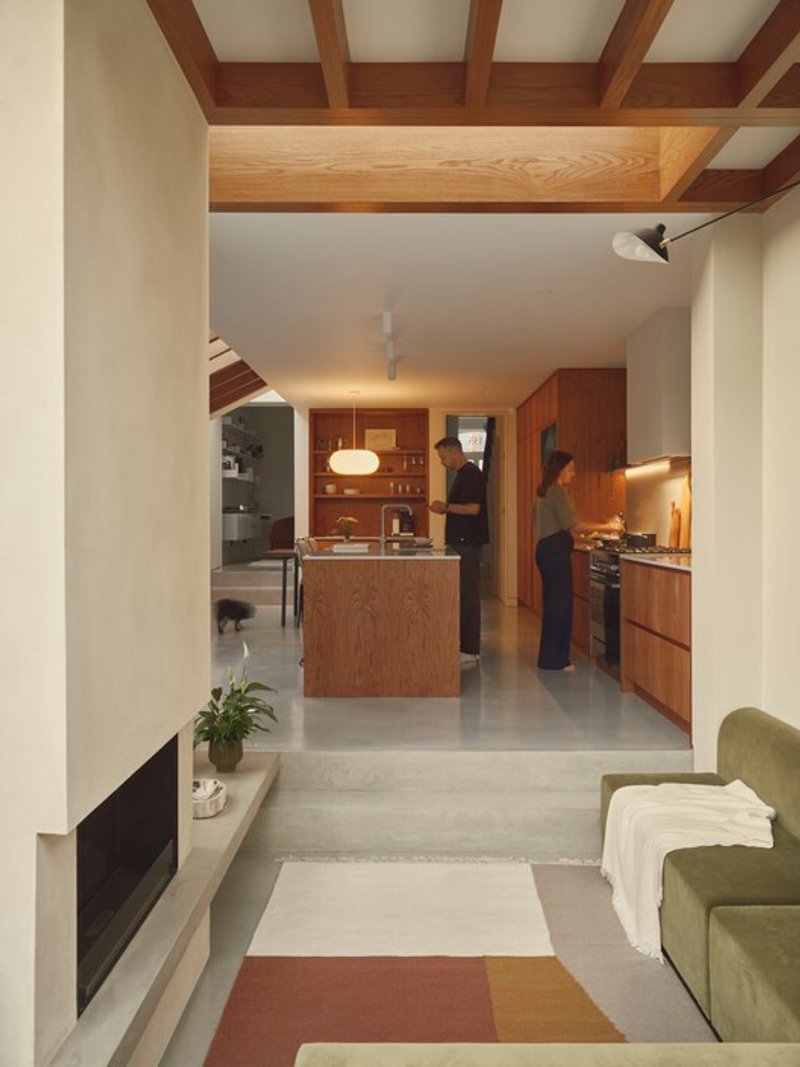
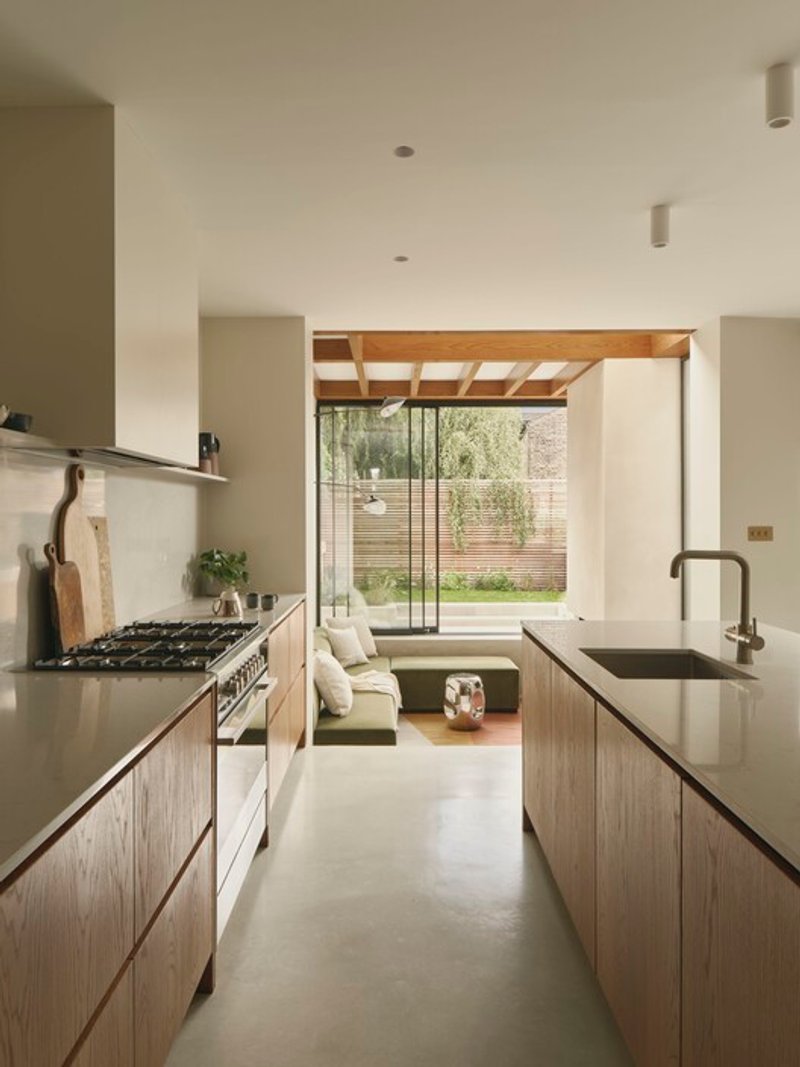
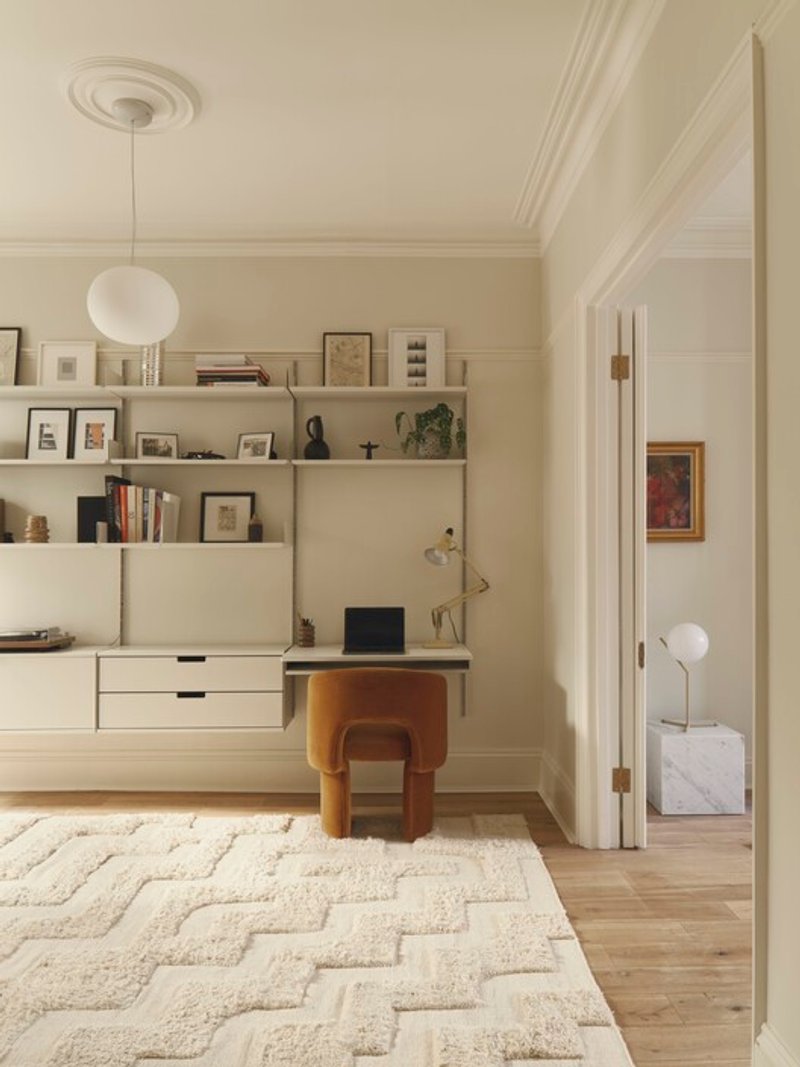
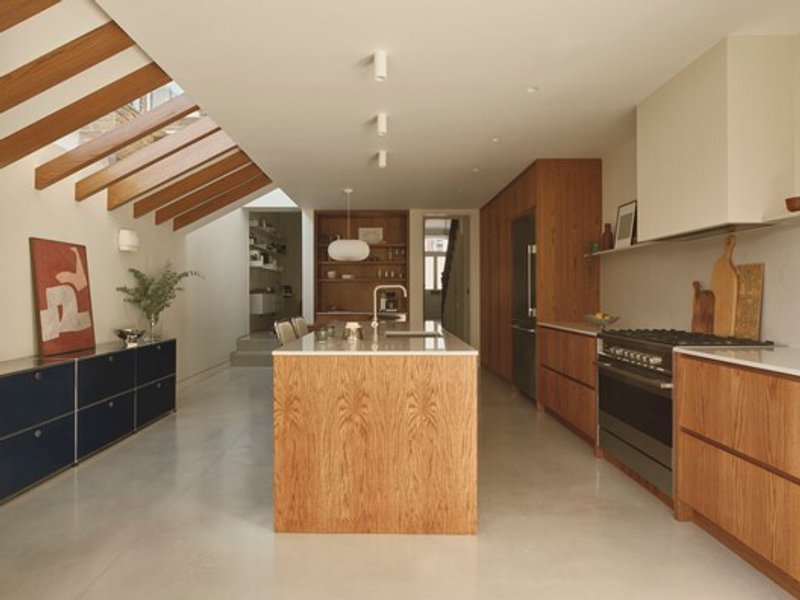
Internally, the house is reorganized to improve flow, light, and usability. Circulation transitions smoothly from the retained front rooms into the open-plan rear extension, where the kitchen and dining areas are directly connected to the loggia. This spatial continuity enhances both functionality and experience, creating a unified living environment that supports everyday routines.
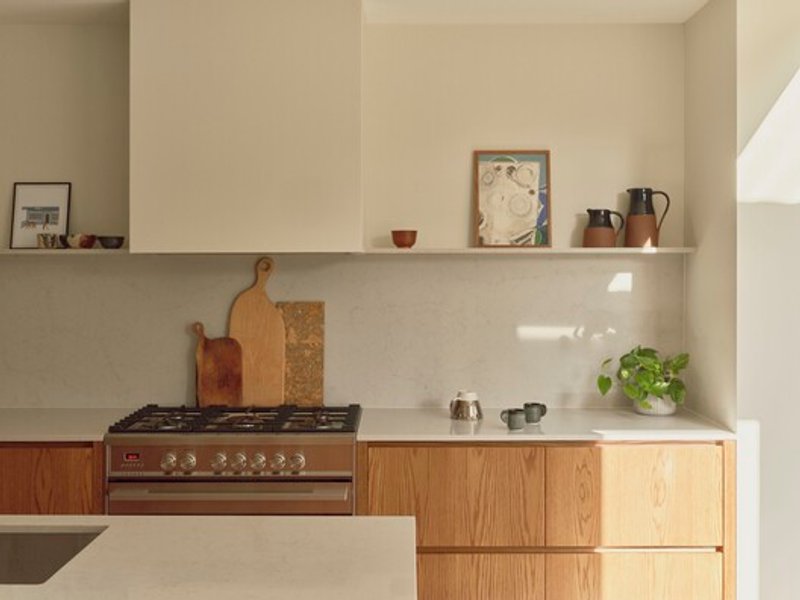
The kitchen is designed as a central hub, featuring a breakfast bar, integrated appliances, and bespoke joinery that maximizes storage while maintaining visual clarity. The use of stained oak veneer across cabinetry and ceiling joists establishes a consistent material language, adding warmth and texture to the space.
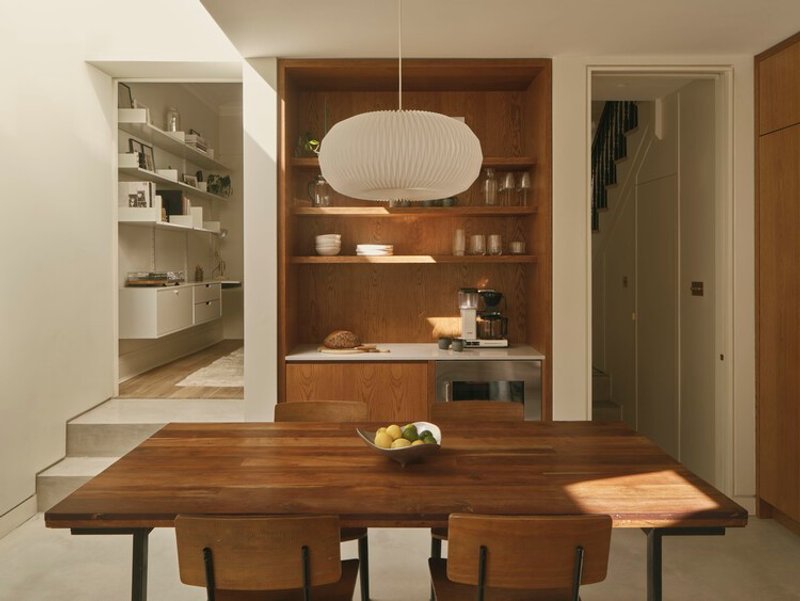
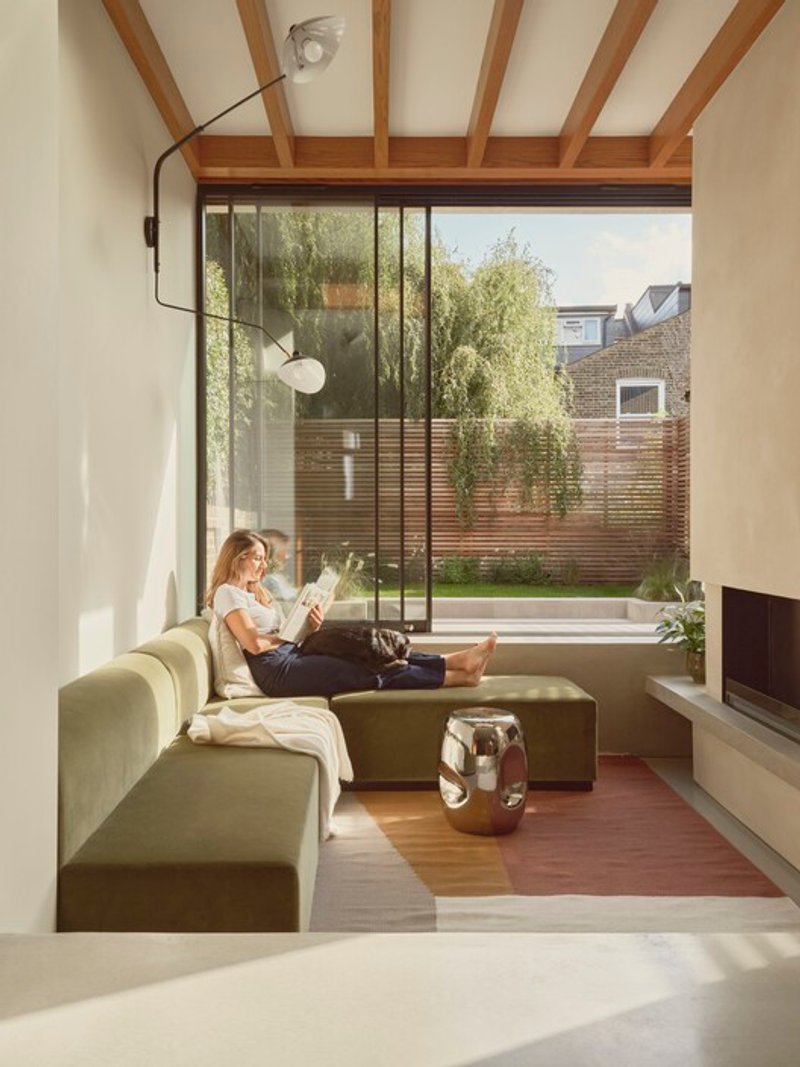
Light plays a crucial role in shaping the interior atmosphere. High ceilings, rooflights, and expansive glazing allow natural light to penetrate deep into the plan, enhancing the sense of openness and connection to the outdoors. The extension’s design ensures that light is not only abundant but also carefully modulated, creating a comfortable and inviting environment throughout the day.
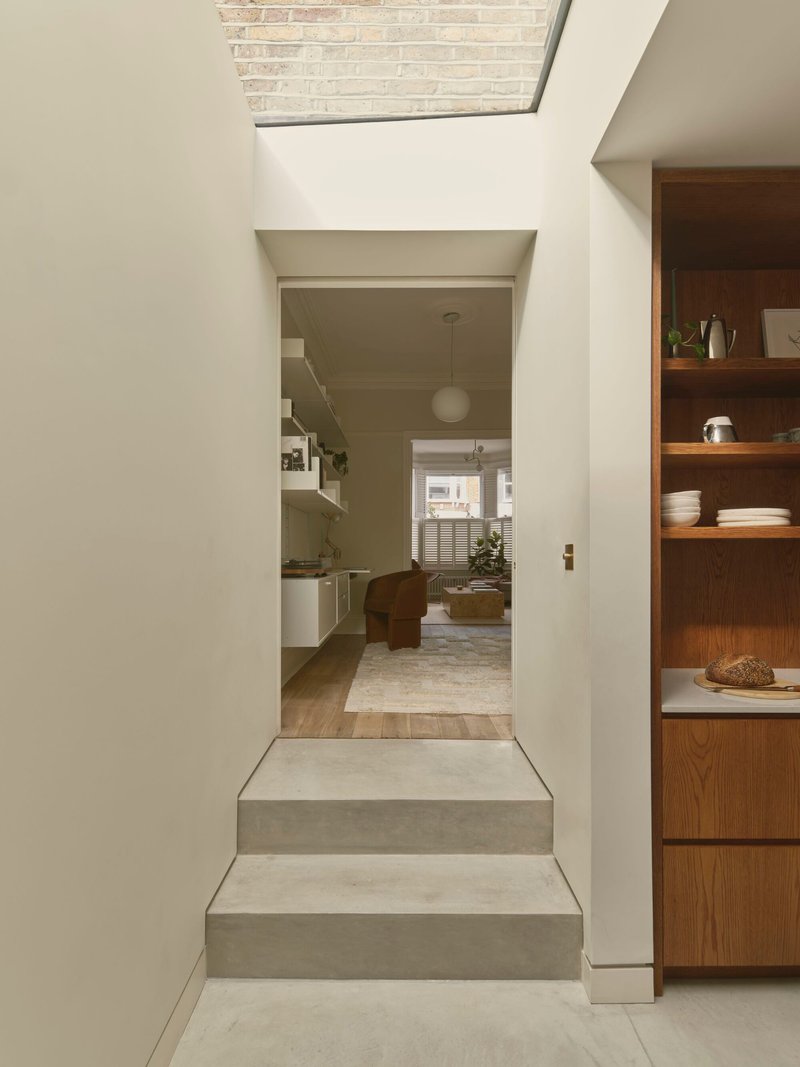
Materiality reflects a balance between robustness and warmth. Concrete forms the structural and visual backbone of the extension, expressed through pre-cast panels with controlled texture and tone. This is complemented by the use of timber—particularly stained oak—which softens the overall composition and introduces a tactile quality. Together, these materials create a dialogue between solidity and comfort, echoing influences of Brazilian modernism.
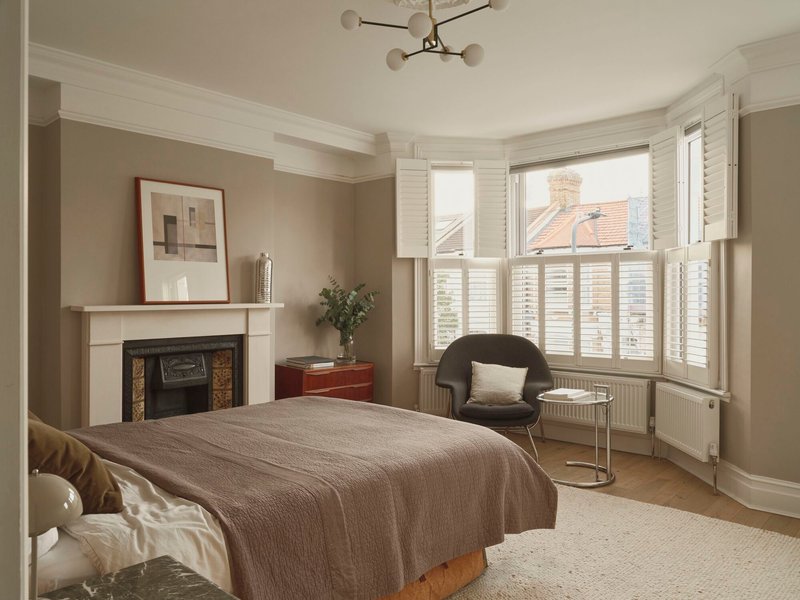
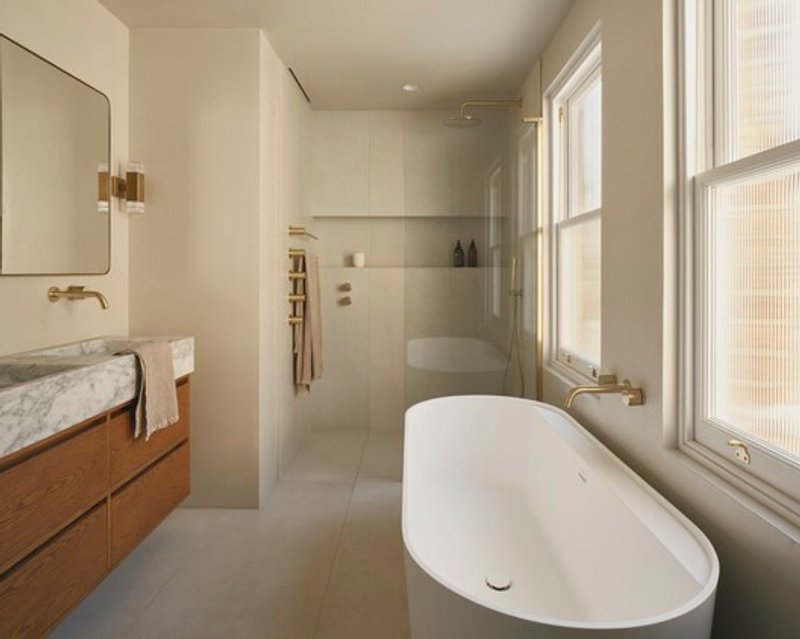
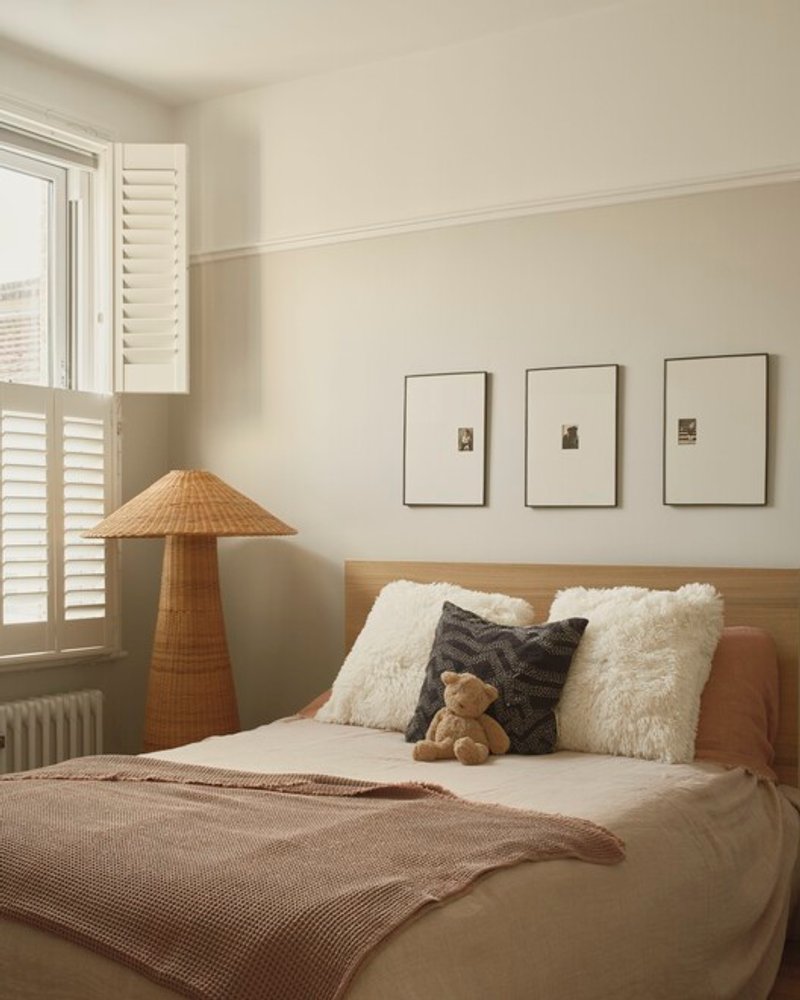
The upper floor is reconfigured to better suit the family’s needs. A former bedroom and bathroom are combined to create a larger, more functional family bathroom, while ceiling adjustments improve spatial proportions in the rear bedroom. The layout now includes three bedrooms, supported by thoughtful planning that enhances both privacy and usability.
Sustainability and future adaptability are also integral to the design. The house incorporates high levels of insulation, double glazing, and a green roof to improve energy efficiency and biodiversity. Structural provisions are included for a future dormer extension, allowing the home to evolve as the family’s needs change over time.
Ultimately, Loggia House is a project defined by connection—between people, spaces, and environment. Through its carefully crafted extension and material sensitivity, it transforms a conventional London dwelling into a dynamic and personal home. The introduction of the sunken loggia redefines how the family inhabits both interior and exterior spaces, creating a living environment that is open, adaptable, and deeply rooted in everyday experience.
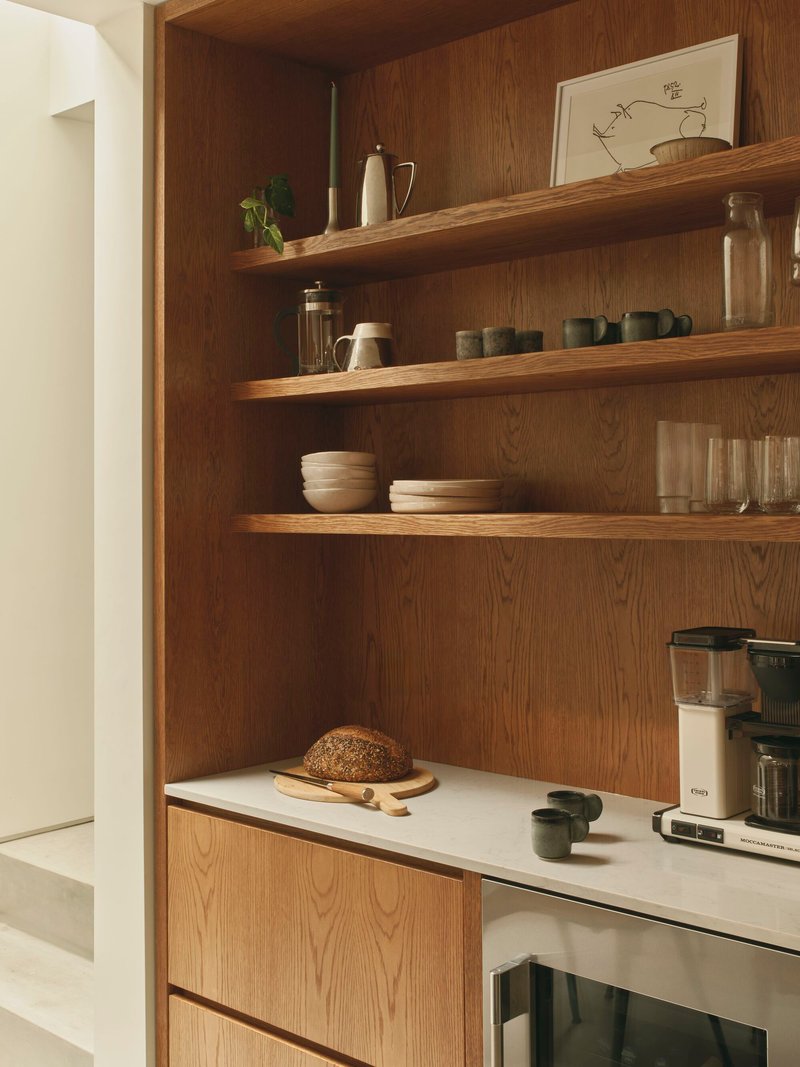
All the Photographs are works of Henry Woide




Popular Articles
Popular articles from the community

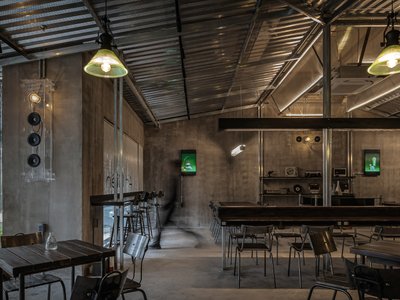
An Miên Lumière Cafe by xưởng xép, Ho Chi Minh City, Vietnam
An industrial-inspired café where layered steel and warm light create a dynamic, immersive environment shaped by reflection, depth, and perception.
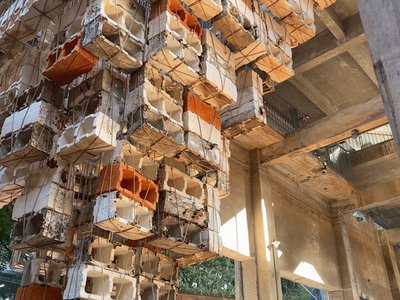
Inverted Architecture Installation by Studio Link-Arc: Exploring the Intersection of Architecture and Living Organisms
Inverted Architecture Installation by Studio Link-Arc blends mycelium, sustainability, inverted design, ecological cycles, and urban adaptive architecture in Shenzhen.
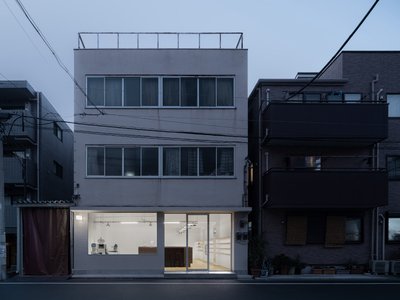
Atelier Macri Concept Store Interior Design by CASE-REAL
Atelier Macri store features a "ko" counter, walnut wood details, cork displays, blending retail, gallery, and seamless customer experiences.

Solar Steam: A Climate-Responsive Architecture That Redefines the Monument
A climate-responsive memorial architecture that transforms heat, decay, and time into a living system reflecting humanity’s ecological impact.

Similar Reads
You might also enjoy these articles

Top 15 Architecture Competitions to Enter in 2026
From student-friendly idea competitions to prestigious international awards, here are the best architecture competitions open for entries in 2026. Updated regularly.

DIY & Engineering in Computational Design : Enter the BeeGraphy Design Awards
Showcase Your Creativity with Computational Design and Open Source Projects
Innovative Design Solutions: Award-Winning Projects from Recent Architecture Competitions
Exploring award-winning architectural projects shaping the future of design, sustainability, and community.



Explore Architecture Competitions
Discover active competitions in this discipline




The International Standard for Design Portfolios


The Global Benchmark for Architecture Dissertation Awards


The Global Benchmark for Graduation Excellence


Challenge to reimagine the Iron Throne
Comments (0)
Please login or sign up to add comments
No comments yet. Be the first to comment!