
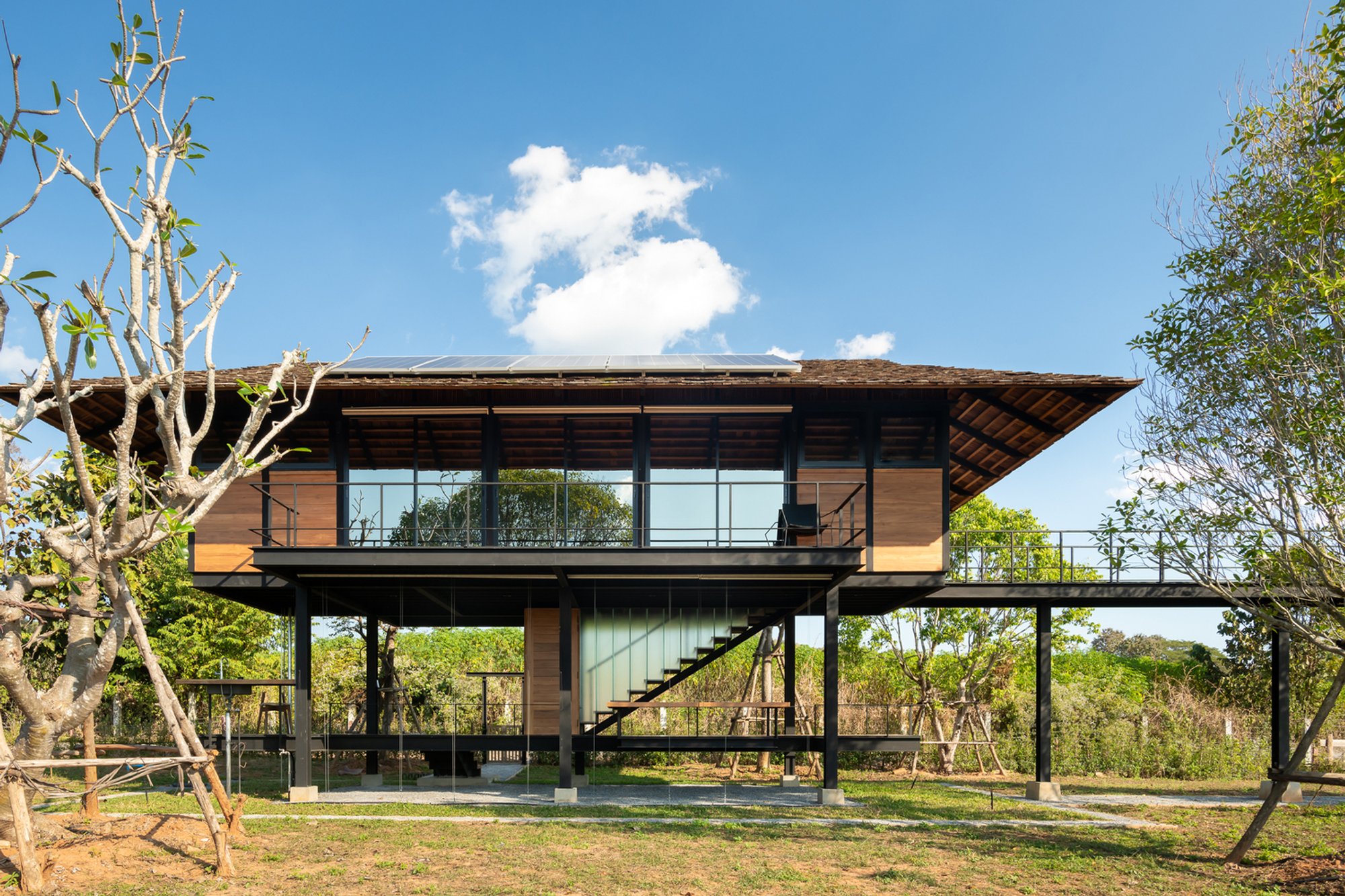
Medita & Workation Home by Arsomsilp Community and Environmental Architect: A Harmonious Blend of Nature and Mindfulness
Medita & Workation Home blends meditation and remote work, integrating nature for mindfulness, sustainability, and a balanced lifestyle.

Medita & Workation Home
Medita & Workation Home, designed by Arsomsilp Community and Environmental Architect, is an innovative architectural project situated within the serene Sangthian Siribun Dhamma Retreat in Phayao, Thailand. This unique home integrates the principles of Dhamma meditation with the modern lifestyle, particularly addressing the evolving needs brought about by the COVID-19 pandemic. It serves as both a tranquil meditation retreat and a functional work-from-home space, catering to the wellness and mental health of its occupants.
Concept and Design Philosophy
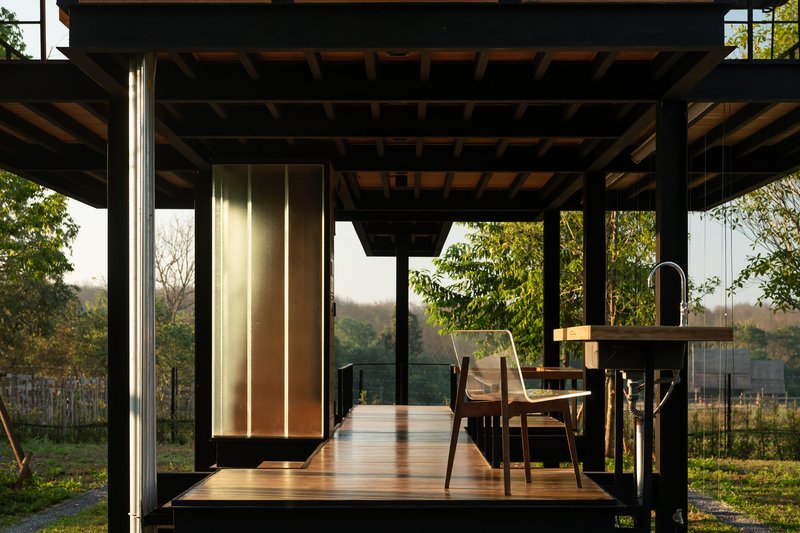
The Medita & Workation Home is designed to harmonize the dual aspects of meditation and professional work, offering a space that fosters mindfulness and mental development amidst the natural beauty of Thailand’s forests. By blending the practices of meditation and nature, the design promotes physical and mental well-being. This project is a response to the "new normal" of remote work and meditation, providing a space that allows for productivity while fostering tranquility and connection to nature.
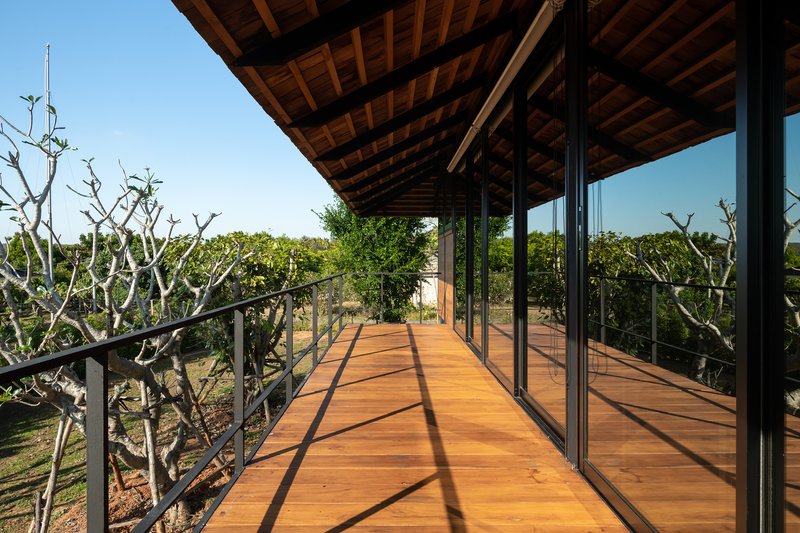
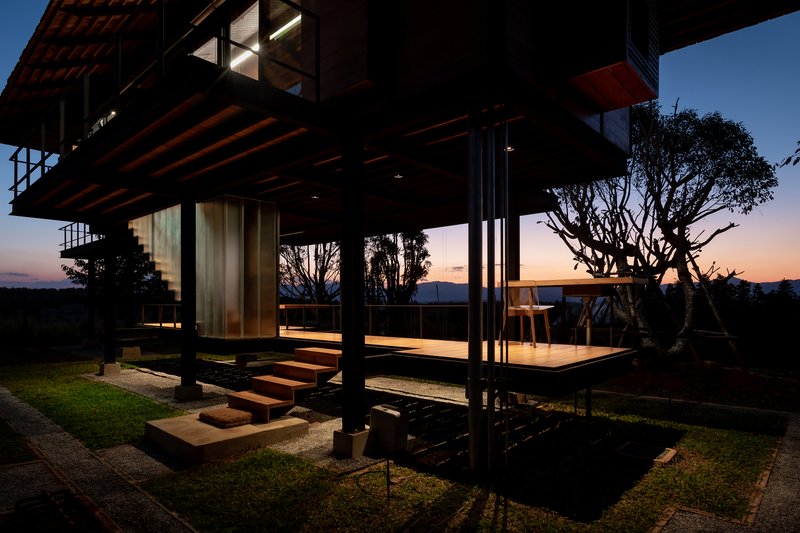
The architecture is built to encourage mindfulness through a sensory connection with the environment. Surrounded by lush forests and positioned between two mountains, the home offers panoramic views of both the sunrise and sunset, serving as a constant reminder of life’s cyclical nature and the teachings of transience, suffering, and non-self.
Integration with Nature
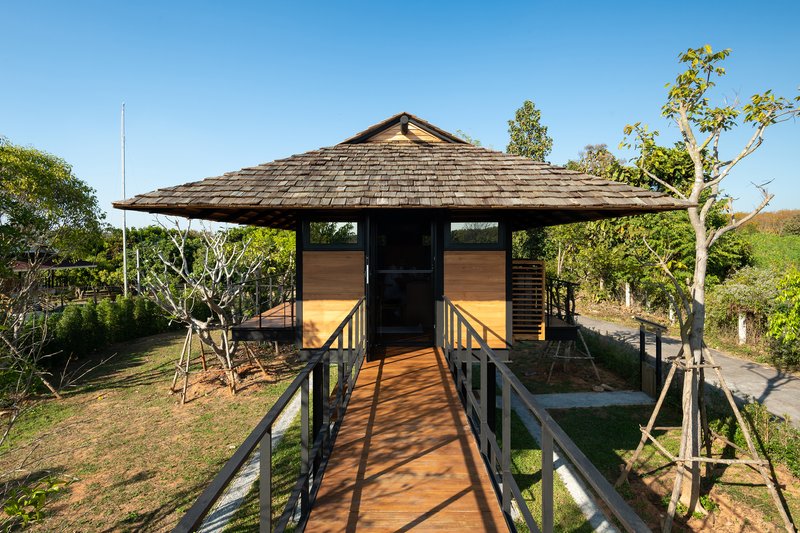
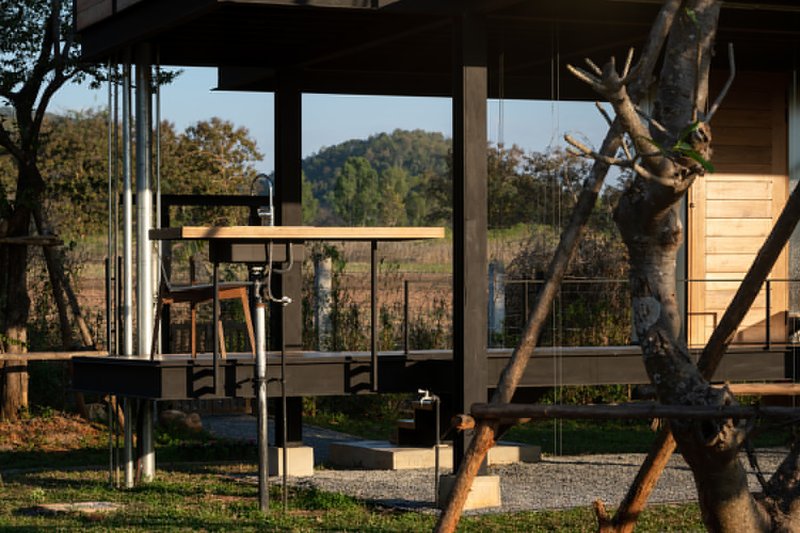
One of the key elements of this design is its close relationship with the surrounding natural environment. The site is carefully chosen for its peaceful, secluded setting, which minimizes external distractions and enhances the meditation experience. The Medita & Workation Home is designed to allow its inhabitants to remain focused and centered, using their senses to engage with the natural world. With access to the mountains, sky, trees, and weather elements, the home encourages its occupants to reconnect with nature, which is integral to healing both the body and mind.
Materiality and Construction
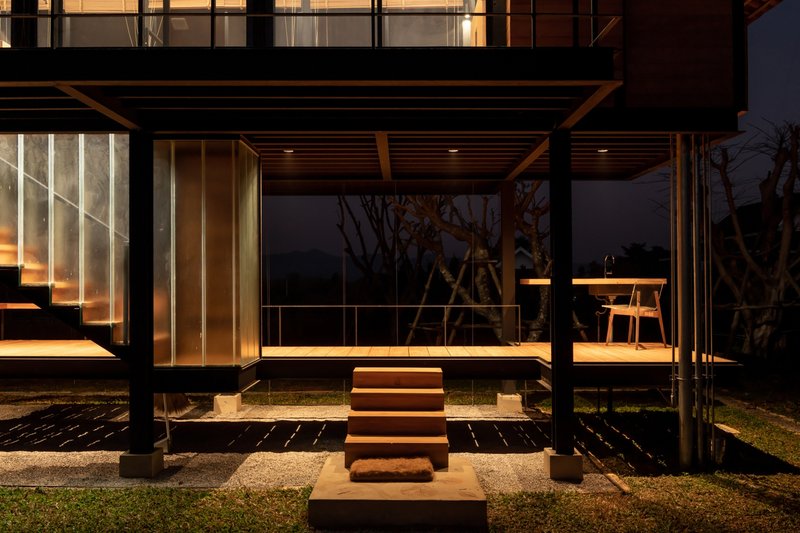
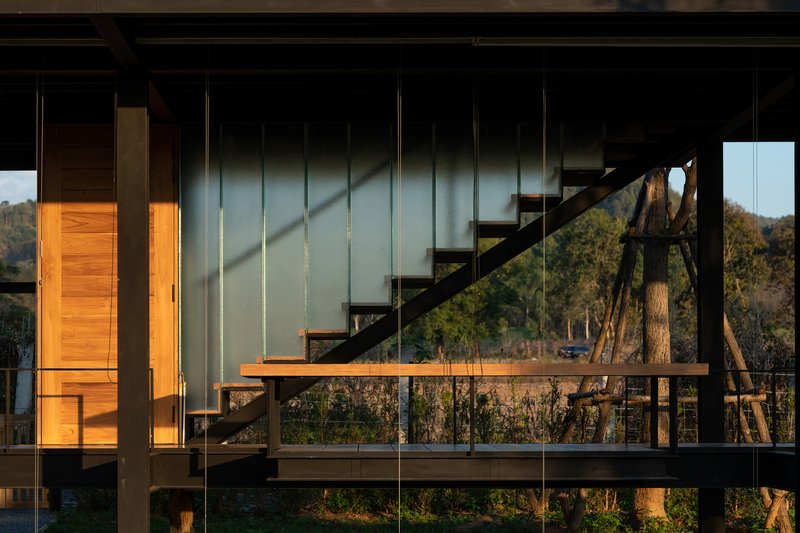
The construction process was driven by efficiency due to the remote forest location. The materials used were selected for their sustainability and the ease of rapid assembly. A key innovation was the use of wide flange metal, which was pre-cut and transported to the site, minimizing the need for heavy machinery and reducing the ecological footprint of the project. This material choice allowed for a swift and effective construction process, which was completed in just three months to meet the owner’s goal of having the retreat ready for a New Year meditation session.
Working in collaboration with local northern construction workers, the team navigated the challenges of using unfamiliar materials, with the workers learning the necessary techniques throughout the construction process.
Design for Meditation and Work-Life Balance
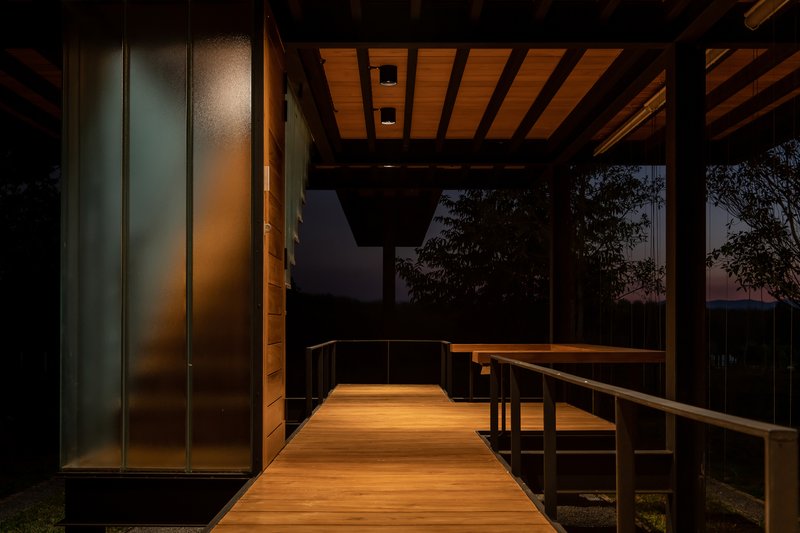
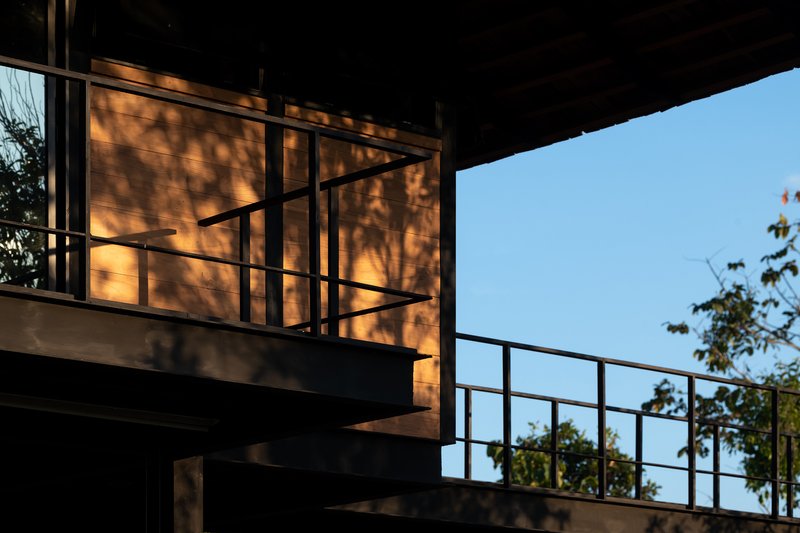
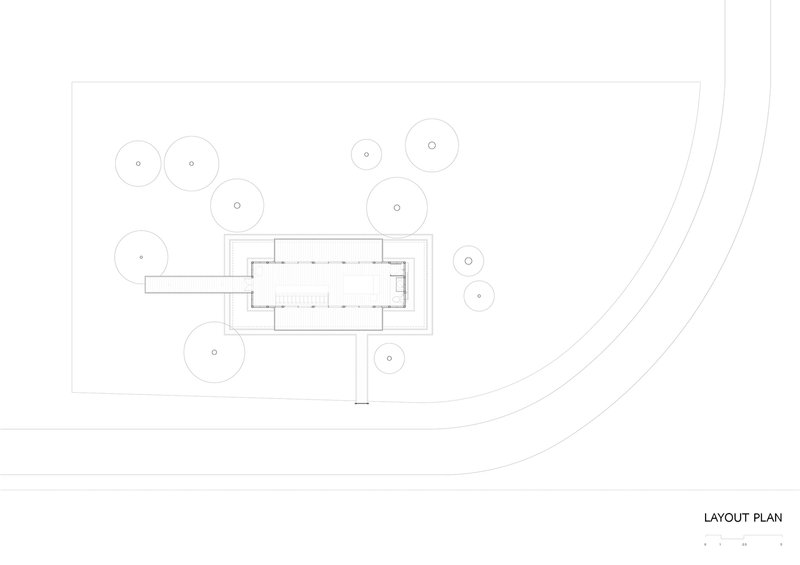
The design emphasizes walking meditation, an essential component of the meditation routine, with space allocated for a minimum of 10 kilometers of daily walking within the site. The layout includes five dedicated areas for walking meditation, ensuring that the practice can continue uninterrupted regardless of the weather. These areas are spread across the home’s outdoor pathways, balconies, and indoor spaces, making it adaptable to varying conditions—whether under the open sky or sheltered from the rain.
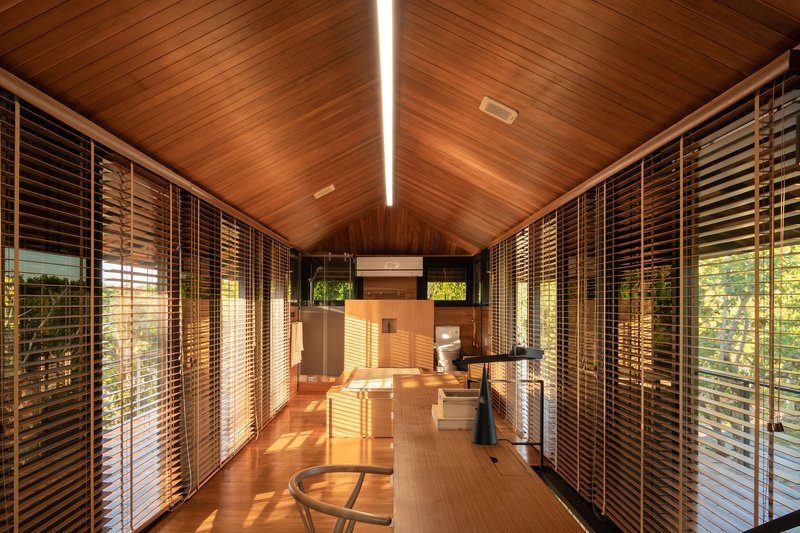
The functional layout of the home allows for a seamless balance between daily responsibilities and meditation. The interior spaces are designed for a single occupant, providing enough room for a comfortable working environment as well as areas conducive to meditation. The simple and uncluttered design reflects the Dhamma teachings of Samata—the principle of "enough," ensuring that the home is spacious yet efficient, with just the right amount of functionality for its intended purpose.
A Sanctuary for Work and Meditation
Medita & Workation Home is an architectural testament to the balance between modern work demands and the ancient practice of meditation. By creating a space that fosters both productivity and mindfulness, the design encourages a healthy work-life balance, one that integrates nature, sustainability, and personal well-being.
This project exemplifies how architecture can respond to current global needs while staying deeply rooted in traditional cultural values. The seamless integration of nature, mindful design, and modern functionality makes this home a beacon of sustainable living and mental wellness.
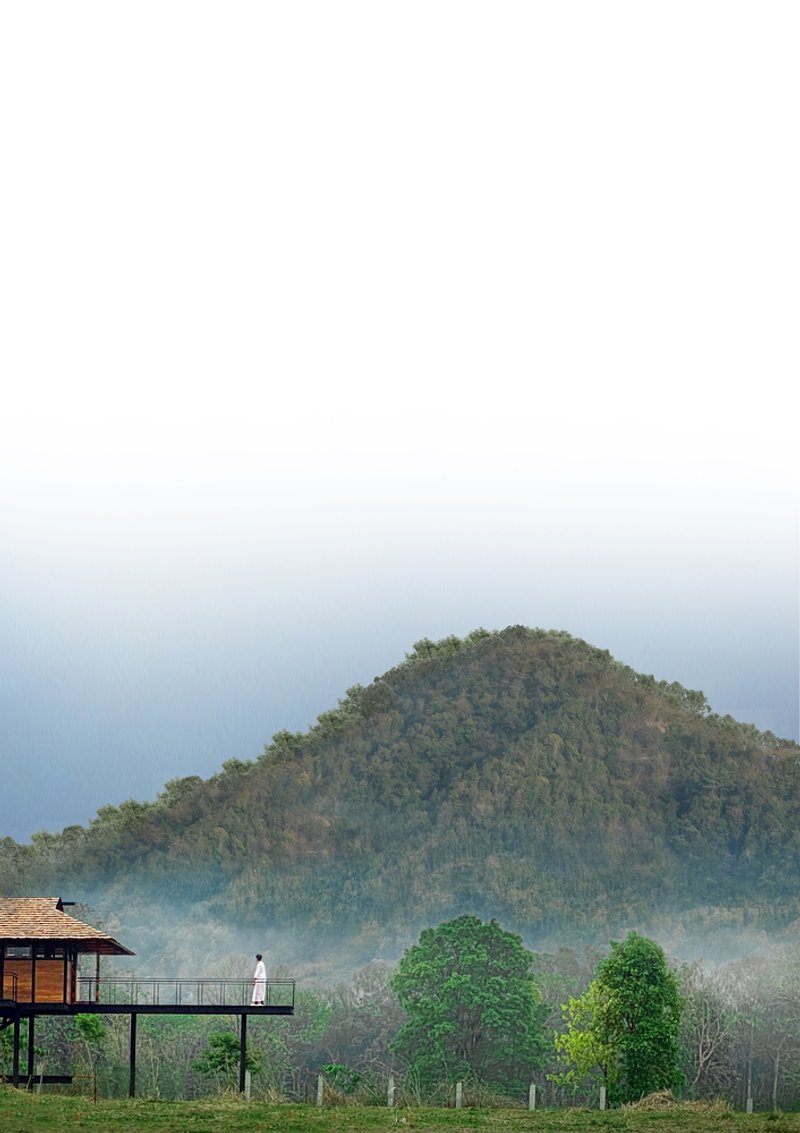
All Photographs are works of Srirath Somsawat




Popular Articles
Popular articles from the community


Inverted Architecture Installation by Studio Link-Arc: Exploring the Intersection of Architecture and Living Organisms
Inverted Architecture Installation by Studio Link-Arc blends mycelium, sustainability, inverted design, ecological cycles, and urban adaptive architecture in Shenzhen.
Fifth NRE Jazz Club – De Bever Architecten: Eindhoven’s Revitalized Cultural Hub
Historic gas factory transformed into Fifth NRE Jazz Club blending modern sustainability, jazz culture, dining, and heritage architecture seamlessly.

Free Architecture Competitions You Can Enter Right Now
No entry fees, real prizes. Here are the best free architecture competitions open for submissions in 2026.


Similar Reads
You might also enjoy these articles


The Ken Roberts Memorial Delineation Competition (Krob)
As the most senior architectural drawing competition currently in operation anywhere in the world, it draws hundreds of entries each year, awarding the very best submissions in a series of medium-based categories.
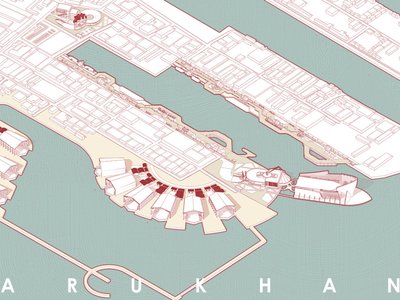
Waterfront Redevelopment and Urban Revitalization in Mumbai: Forging a New Dawn for Darukhana
A transformative waterfront redevelopment project reimagining Darukhana’s shipbreaking heritage into an inclusive urban future.
OUT-OF-MAP: A Call for Postcards on Feminist Narratives of Public Space
Rhizoma Design and Research Lab invites artists, designers, architects, researchers, and students to reflect on how feminist perspectives can reshape public space. Selected works will be exhibited in Barcelona, October 2026. Submissions open until 15 April 2026.

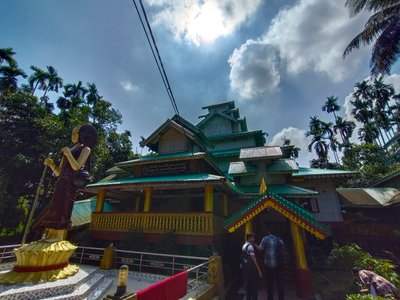
Documentation Work on Buddhist Wooden Temple
Architectural syncretism and cultural hybridity: A comparative study of the Buddhist temples in Chattogram Hill tracks

Explore Architecture Competitions
Discover active competitions in this discipline




The International Standard for Design Portfolios


The Global Benchmark for Architecture Dissertation Awards


The Global Benchmark for Graduation Excellence


Challenge to reimagine the Iron Throne
Comments (0)
Please login or sign up to add comments
No comments yet. Be the first to comment!