

Millan Art Gallery by Undiú + Clara Werneck
Elegant gallery expansion in São Paulo featuring skylit exhibition space, suspended mezzanine, and prefabricated steel elements by Undiú and Clara Werneck.


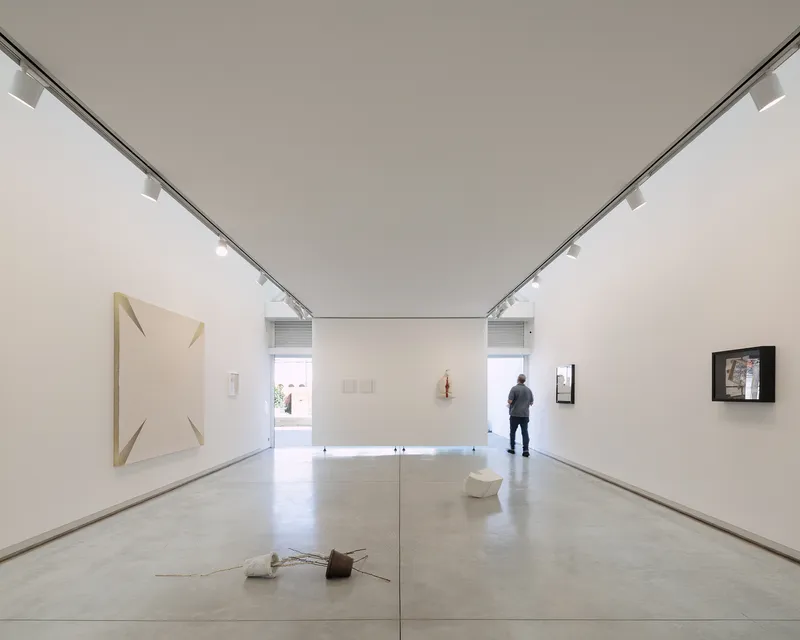
Located in the vibrant city of São Paulo, Brazil, the newly expanded Millan Art Gallery by architects Undiú and Clara Werneck exemplifies the delicate balance between functionality, lightness, and architectural clarity. Completed in 2023, the 190 m² addition integrates an exhibition hall and office space into a narrow urban plot, physically and visually linking the new wing to the gallery's existing building.
Site Integration and Circulation Strategy
The design responds to the limitations of the compact site by maximizing vertical space and optimizing circulation. A shared esplanade and interior passage unify the new structure with the pre-existing gallery, encouraging seamless flow between the two buildings. This spatial continuity establishes a cohesive institutional identity while allowing for expanded curatorial opportunities.
Spatial Composition and Light Strategy
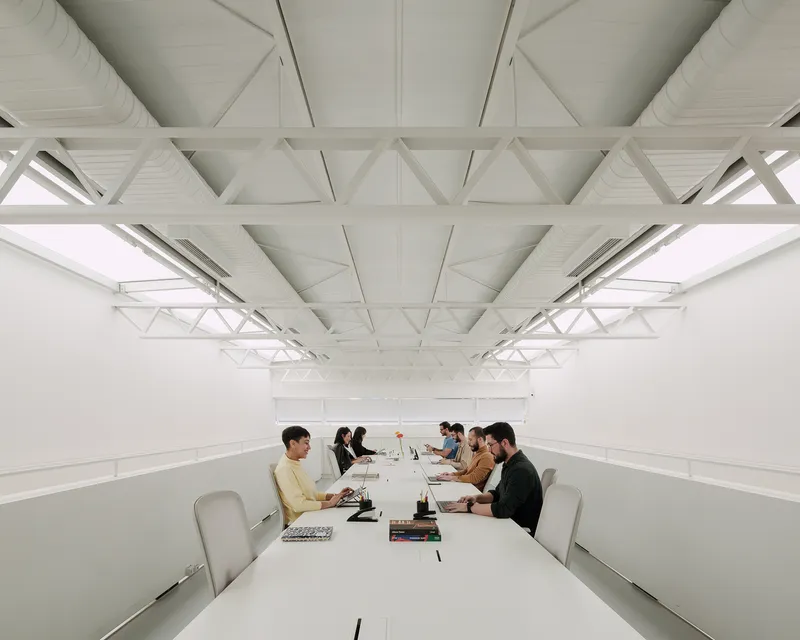
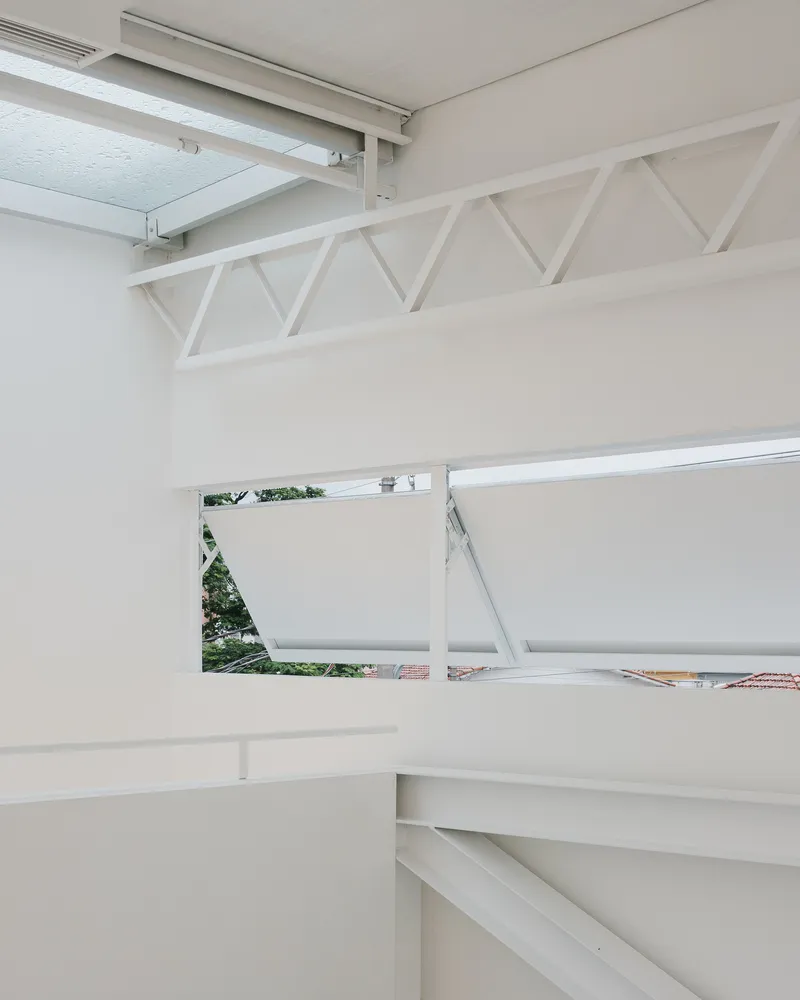
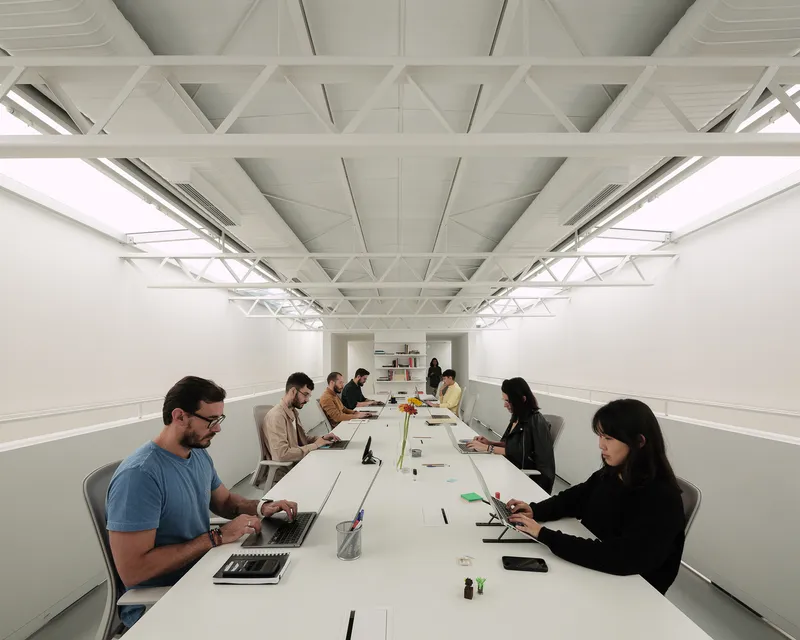
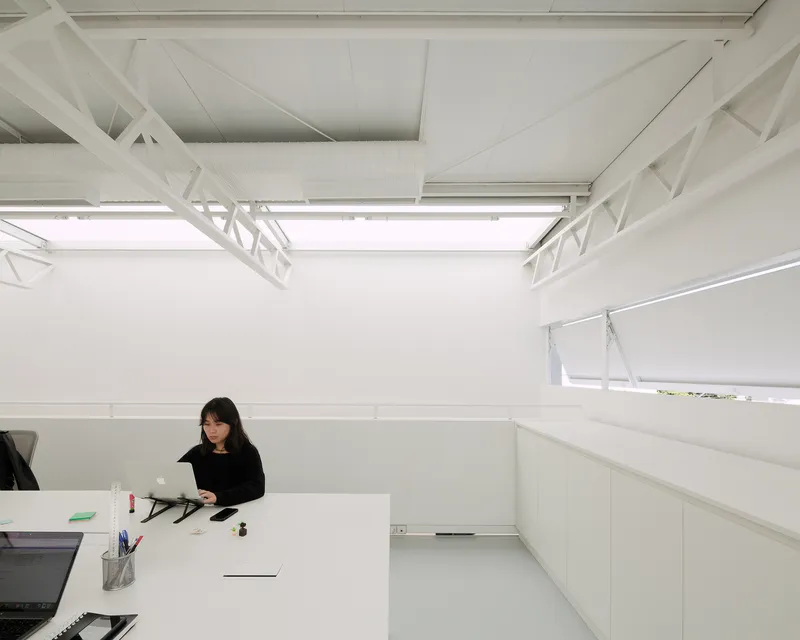
The exhibition hall is situated on the ground level, where the spatial clarity is enhanced by a central double-height volume. Hovering above is a mezzanine that houses office functions. Ingeniously, the mezzanine is designed as a suspended steel platform that avoids contact with the sidewalls, thus preserving the volumetric purity of the space and allowing daylight to penetrate deep into the gallery.
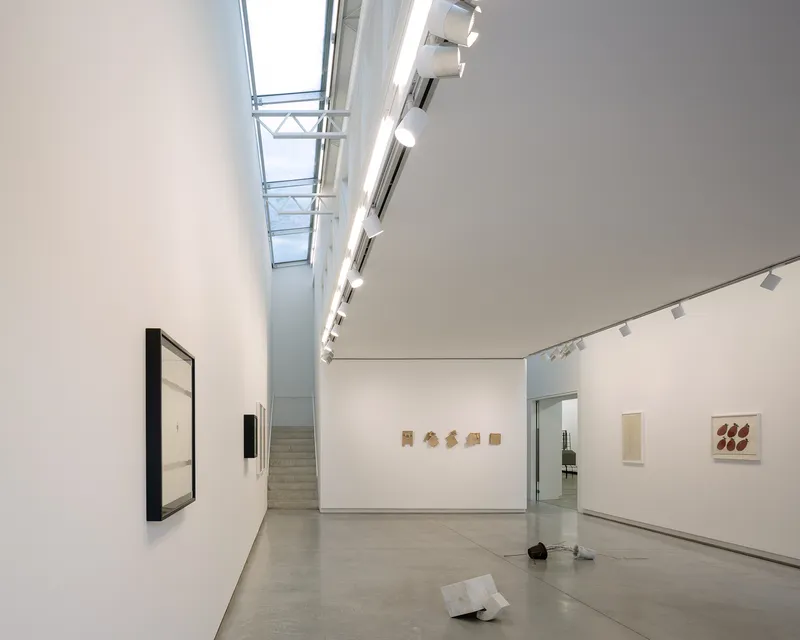
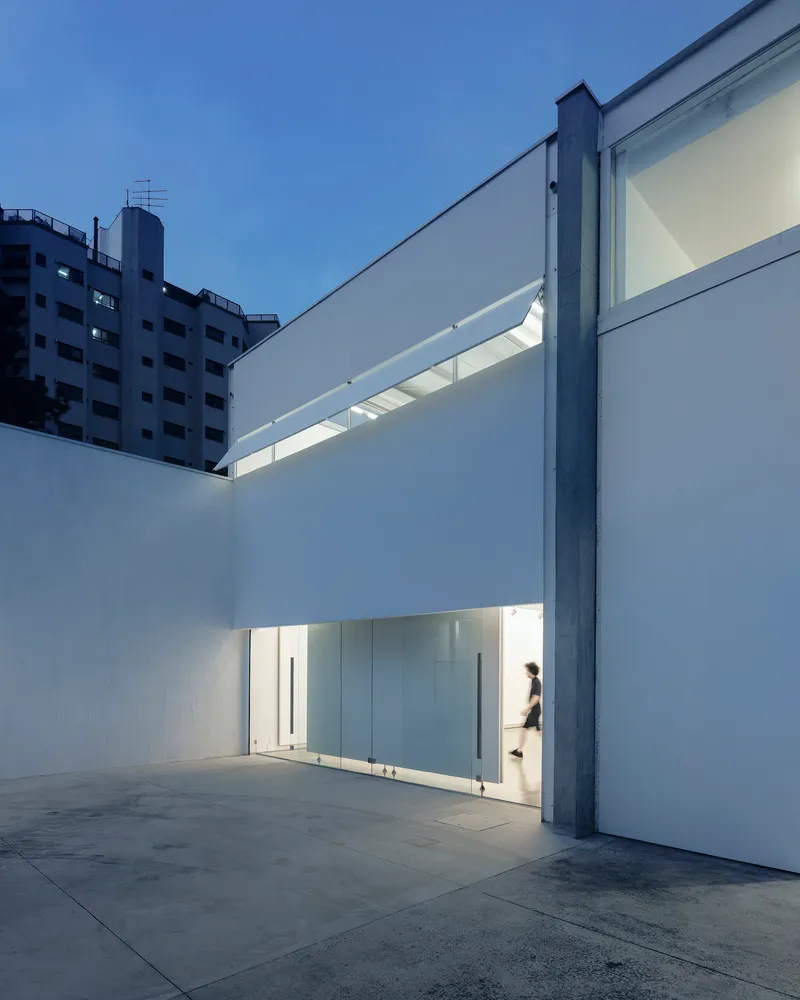
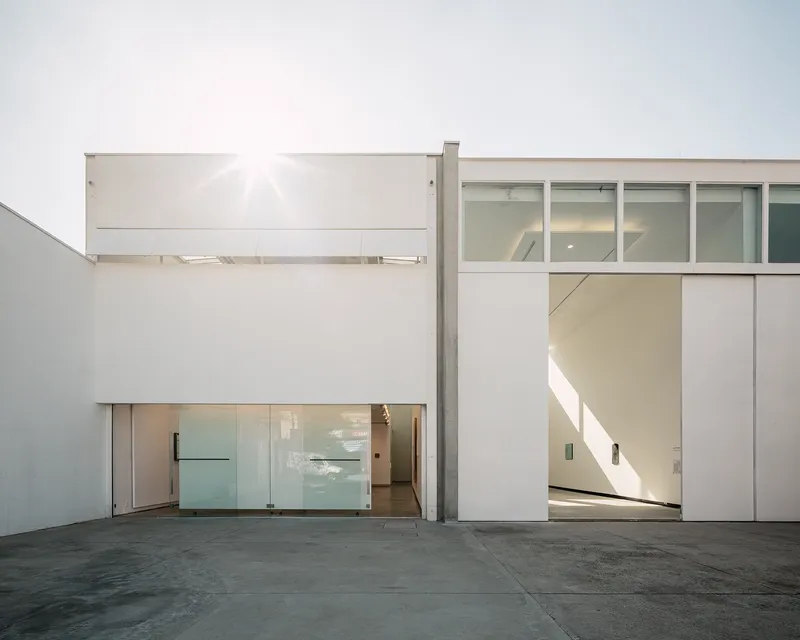
Two longitudinal skylights integrated into the roof structure introduce diffused natural light, creating an optimal ambiance for art display while reducing reliance on artificial lighting. The façade-side exhibition wall, engineered as a detachable panel, offers flexibility for open-air exhibitions and encourages dialogue between the gallery's interior and the vibrant street life outside.
Material System and Prefabrication
Material selection and construction methods were guided by efficiency and responsiveness to the urban context. The perimeter walls and the building's core were constructed in traditional masonry and concrete, offering structural stability and acoustic performance. In contrast, the façade, roof, and mezzanine adopt a lightweight steel system. These components were largely preassembled off-site, accelerating the construction timeline and minimizing disruption in the dense urban neighborhood.
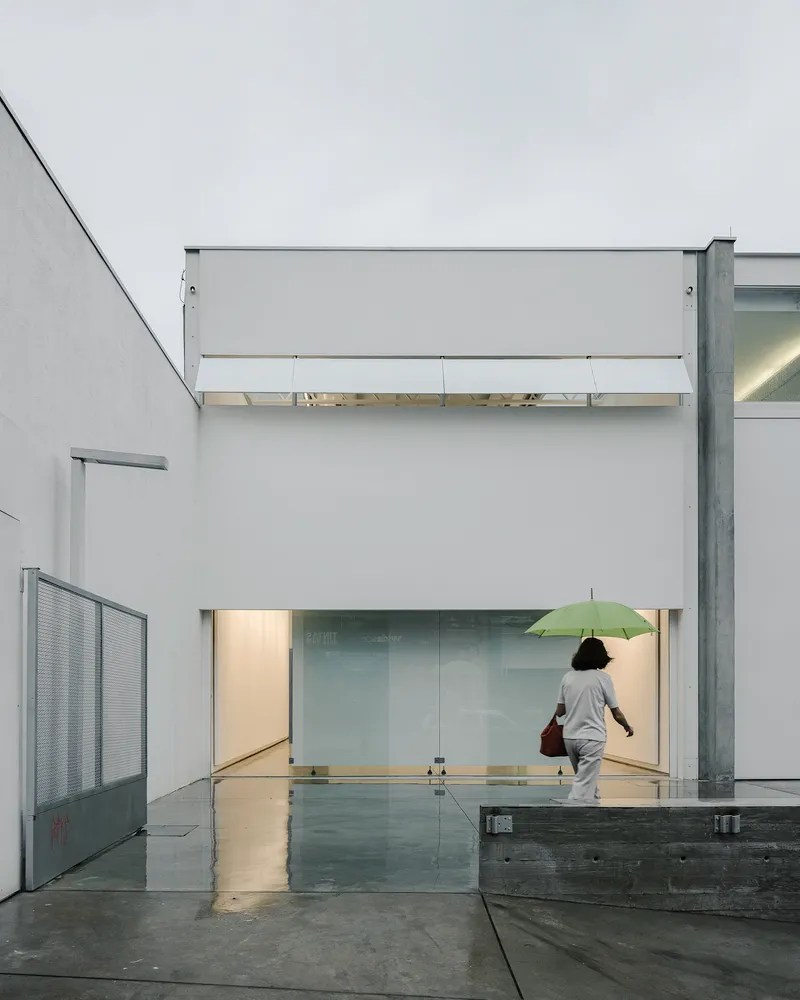
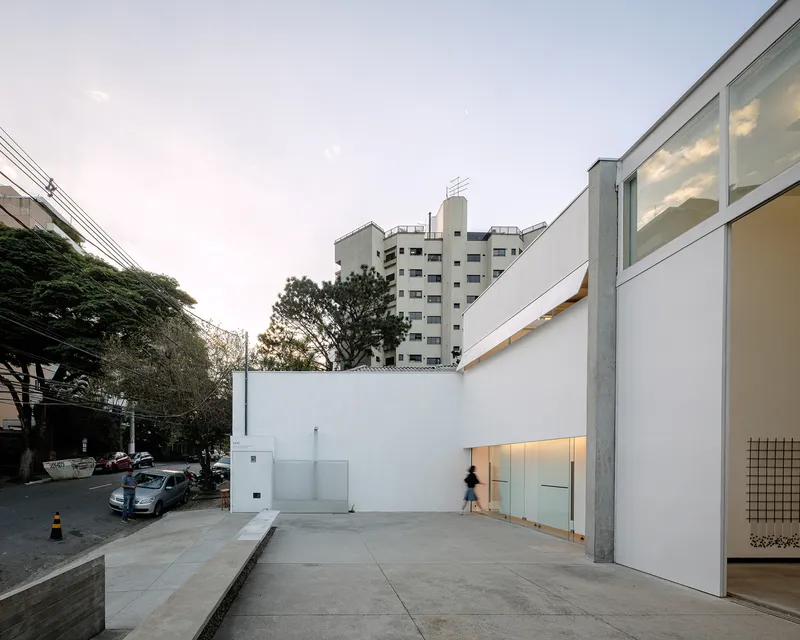
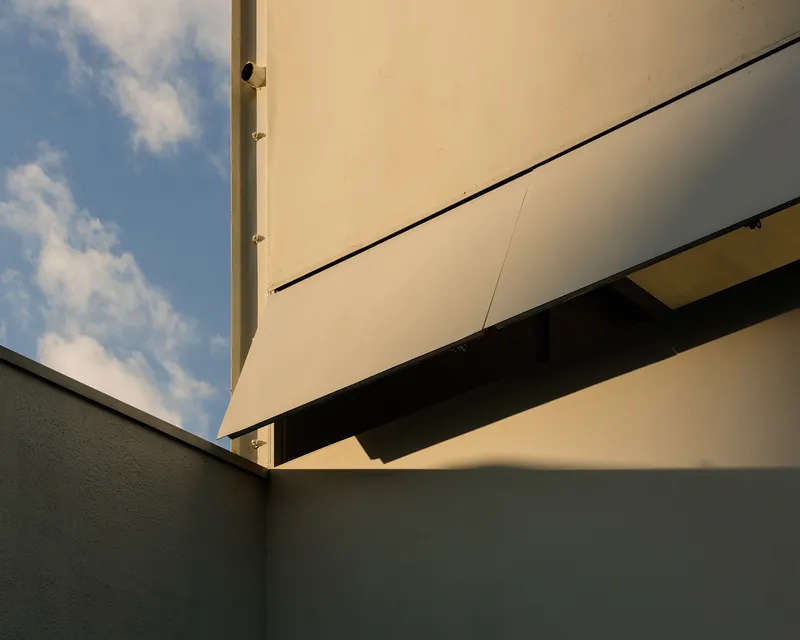
The juxtaposition of heavy and light materials reflects a thoughtful architectural strategy that responds to both programmatic and contextual demands. It enables the building to maintain a minimal footprint while offering functional flexibility and architectural expressiveness.
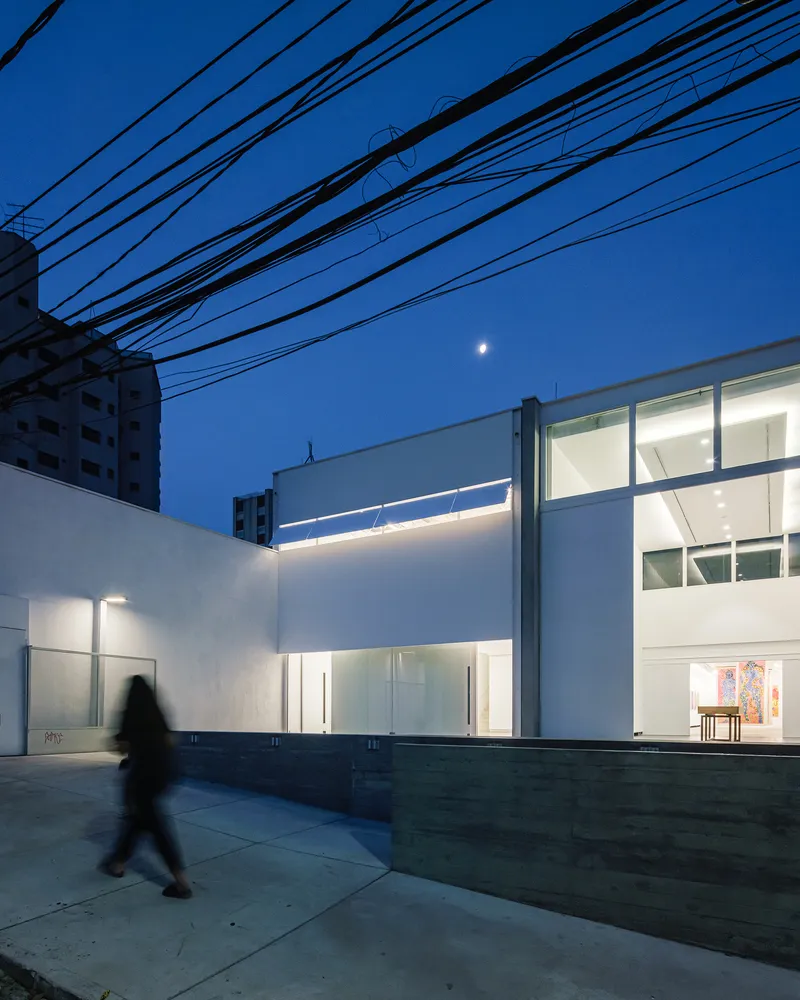
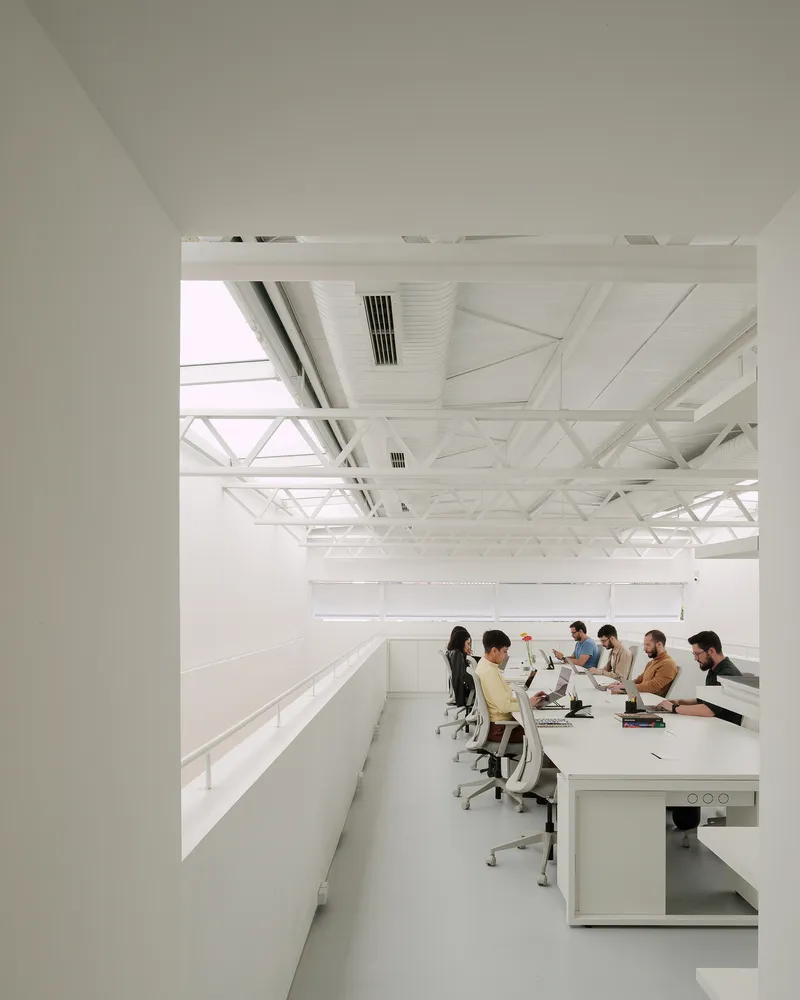
All the photographs are works of Pedro Kok


Popular Articles
Popular articles from the community


Opera on the Sea: Driftwood Logic Shapes a Timber Opera House on Estonia's Coast
Trevor Orgill's opera house translates the entangled drift of floating timber into a civic building where wood, water, and music converge.


FCC Arquitectura Expands a Portuguese Granite House with a Board-Marked Concrete Wing
In Portugal, JV House pairs a cleaned-up whitewashed and granite dwelling with a timber-shuttered concrete extension, courtyards and a garden pool.

Singing Woman: An Opera House That Performs Before the Curtain Rises
Ovidiu Cristian Pavel's conceptual opera house translates Estonia's choral identity into a sculpted waterfront landmark facing the Baltic Sea.

graciastudio Turns a Viewless Tijuana Lot Inward Around a Courtyard of Concrete, Timber and Trees
In Tijuana, Jorge Gracia's GA2 House stacks a timber-clad private floor over exposed concrete and replaces a missing view with a planted interior patio.

Similar Reads
You might also enjoy these articles


Hodi-Mandai Geram
Project Function: Preservation and revitalization of the Intangible heritage and socio-spatial identity of the Hodi by Housing, Cultural Memory Center, Sacred Grove, landscape, local tourism economy


Olio Towers: A Mid-Rise for Performers That Fuses Housing, Rehearsal, and Stage
Located blocks from Houston's Theater District, this modular tower stacks living units around a central performance atrium.

Oasis: Modular Green Housing Carved into Dhaka's Urban Fabric
A shortlisted Plugin Housing entry reclaims unauthorized settlements in Dhaka with stepped concrete volumes, green roofs, and ventilation-driven design.

Black Hole: A Floating Megastructure for the Post-Physical Era
Emiliano Mazzarotto envisions a spherical, self-scaling arena where e-sports, digital hotels, and holographic stadiums replace traditional public space.

Explore Contemporary Gallery Competitions
Discover active competitions in this discipline

Challenge to reimagine the Iron Throne

Photograph architecture without architects

Illustrate the lost glory of Angkor Wat - Render Challenge

Bring back Drive In's
Comments (0)
Please login or sign up to add comments
No comments yet. Be the first to comment!