
Millan Art Gallery by Undiú + Clara Werneck
Elegant gallery expansion in São Paulo featuring skylit exhibition space, suspended mezzanine, and prefabricated steel elements by Undiú and Clara Werneck.

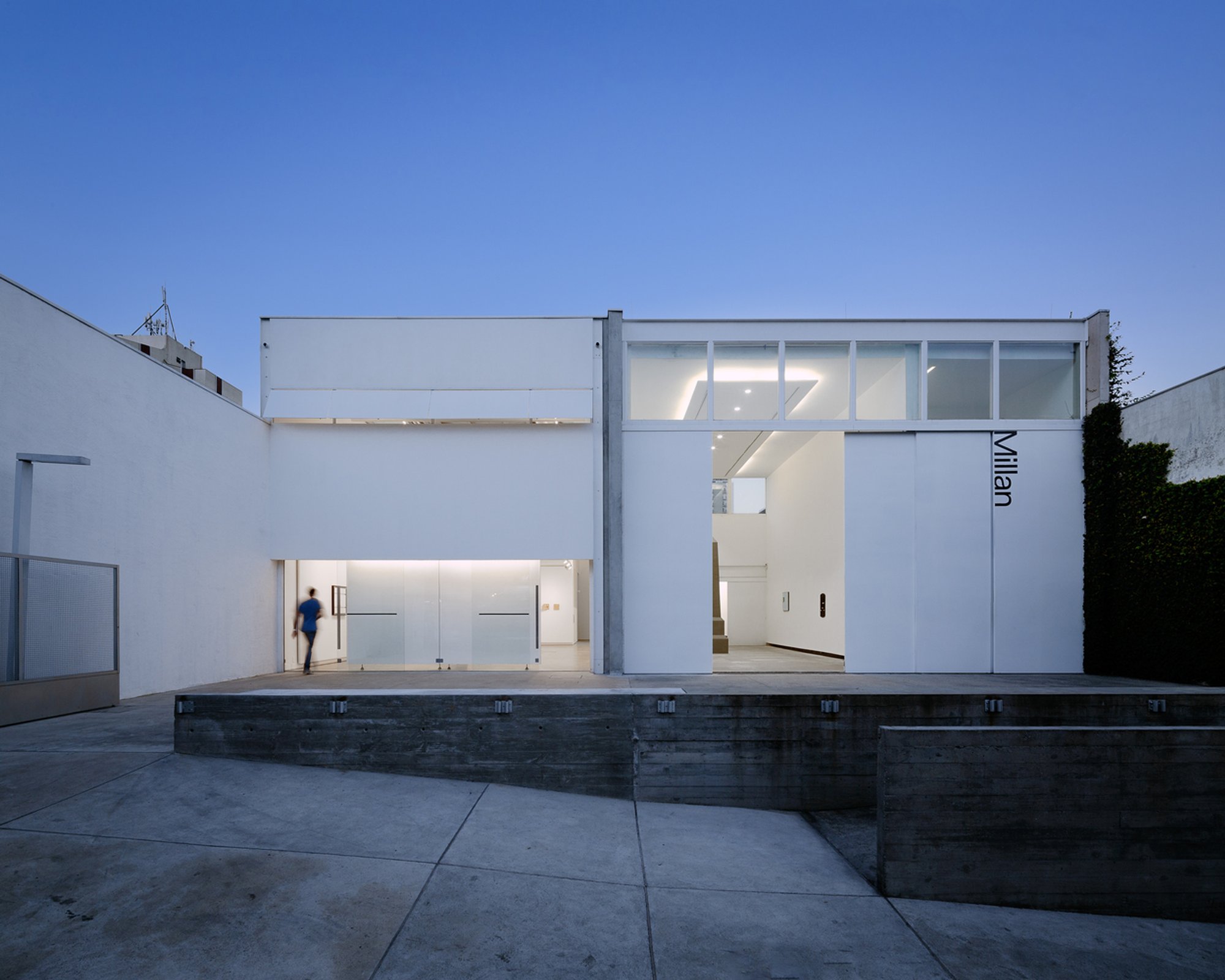
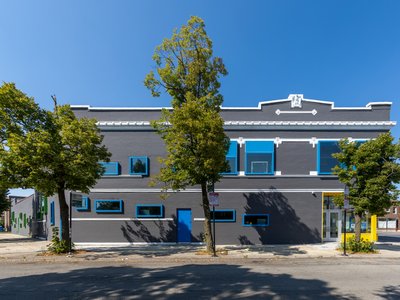
Located in the vibrant city of São Paulo, Brazil, the newly expanded Millan Art Gallery by architects Undiú and Clara Werneck exemplifies the delicate balance between functionality, lightness, and architectural clarity. Completed in 2023, the 190 m² addition integrates an exhibition hall and office space into a narrow urban plot, physically and visually linking the new wing to the gallery's existing building.
Site Integration and Circulation Strategy
The design responds to the limitations of the compact site by maximizing vertical space and optimizing circulation. A shared esplanade and interior passage unify the new structure with the pre-existing gallery, encouraging seamless flow between the two buildings. This spatial continuity establishes a cohesive institutional identity while allowing for expanded curatorial opportunities.
Spatial Composition and Light Strategy
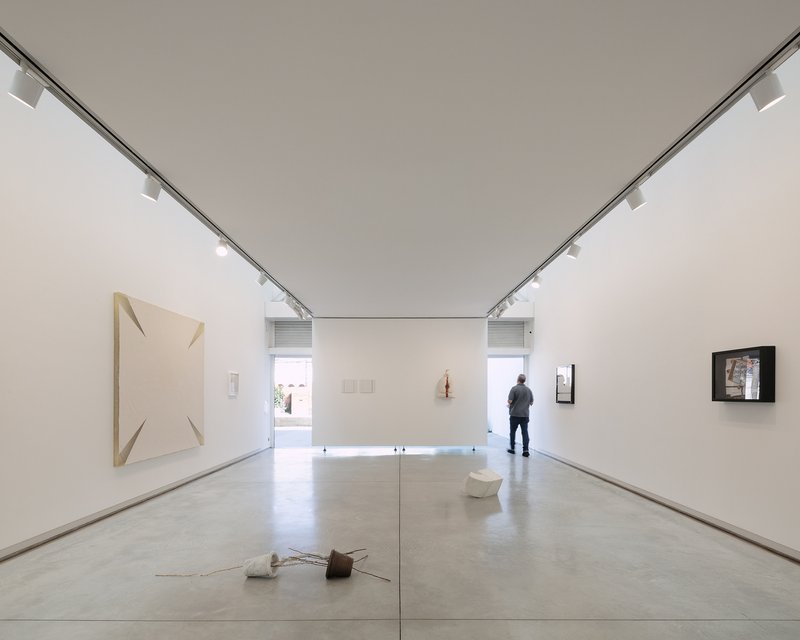
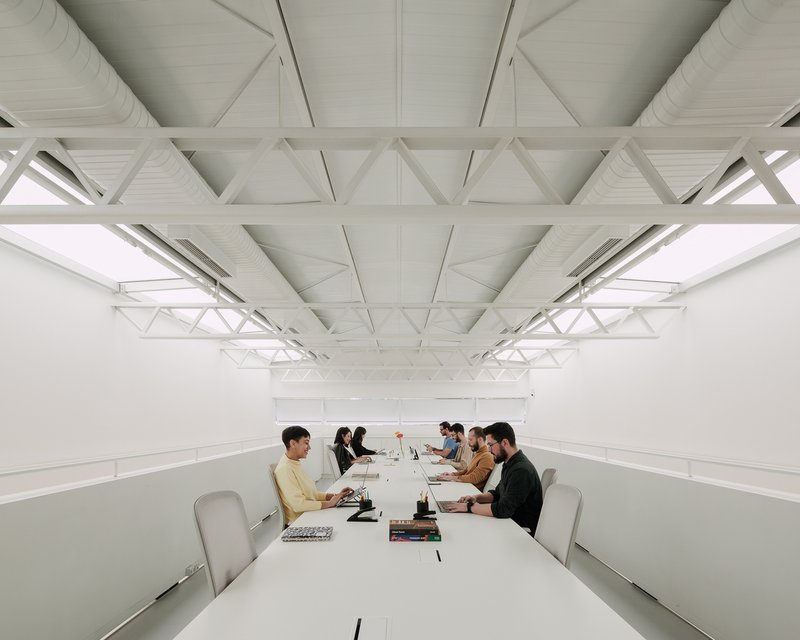
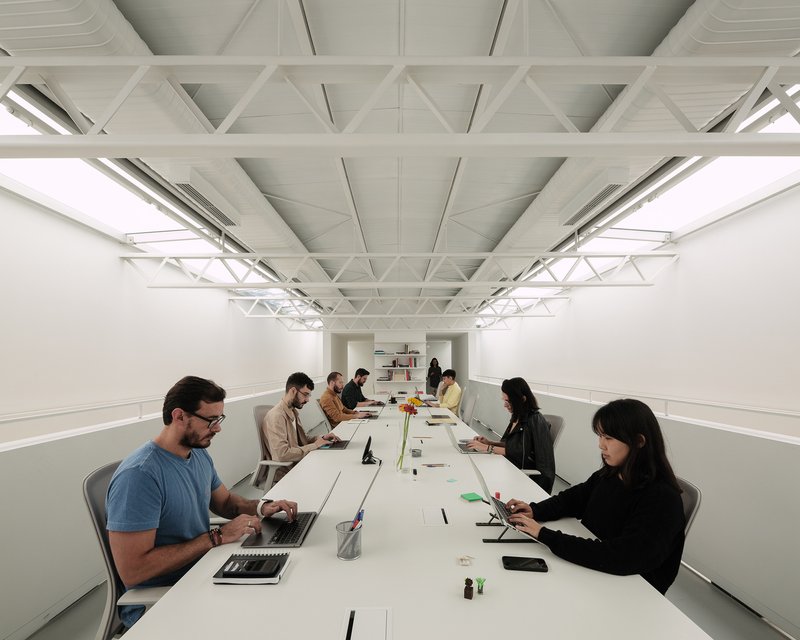
The exhibition hall is situated on the ground level, where the spatial clarity is enhanced by a central double-height volume. Hovering above is a mezzanine that houses office functions. Ingeniously, the mezzanine is designed as a suspended steel platform that avoids contact with the sidewalls, thus preserving the volumetric purity of the space and allowing daylight to penetrate deep into the gallery.
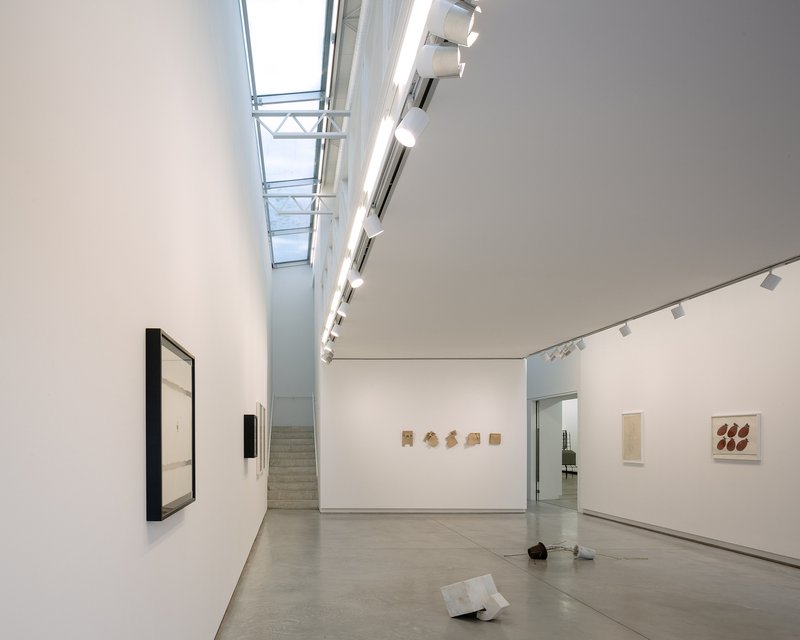
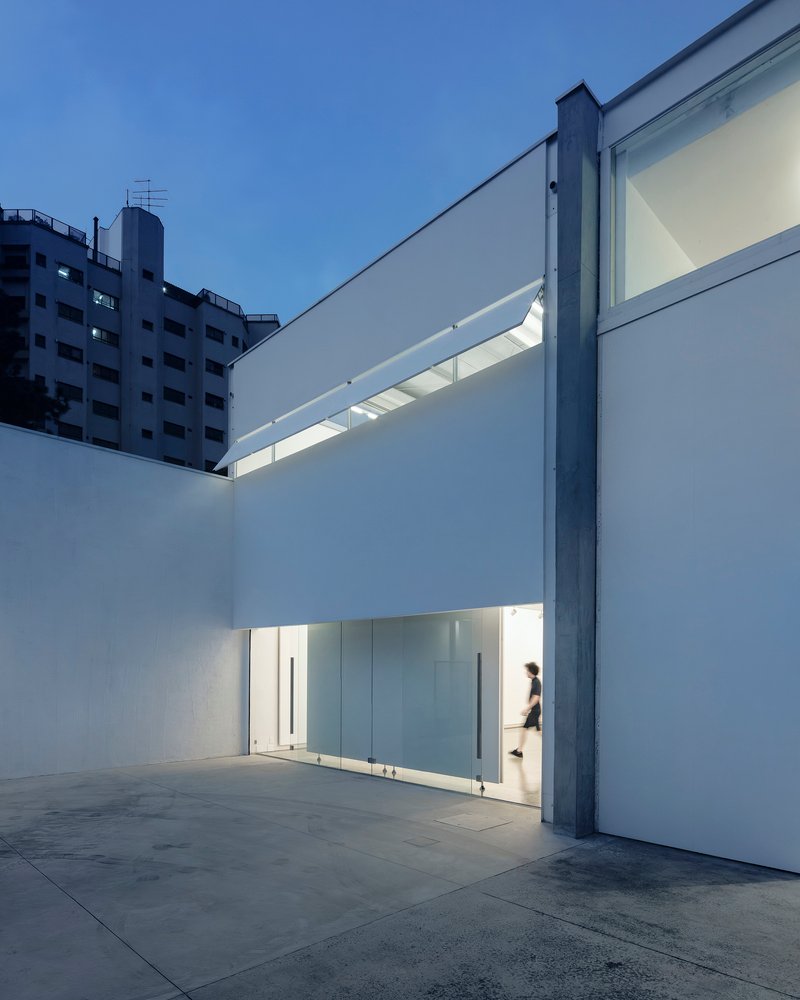
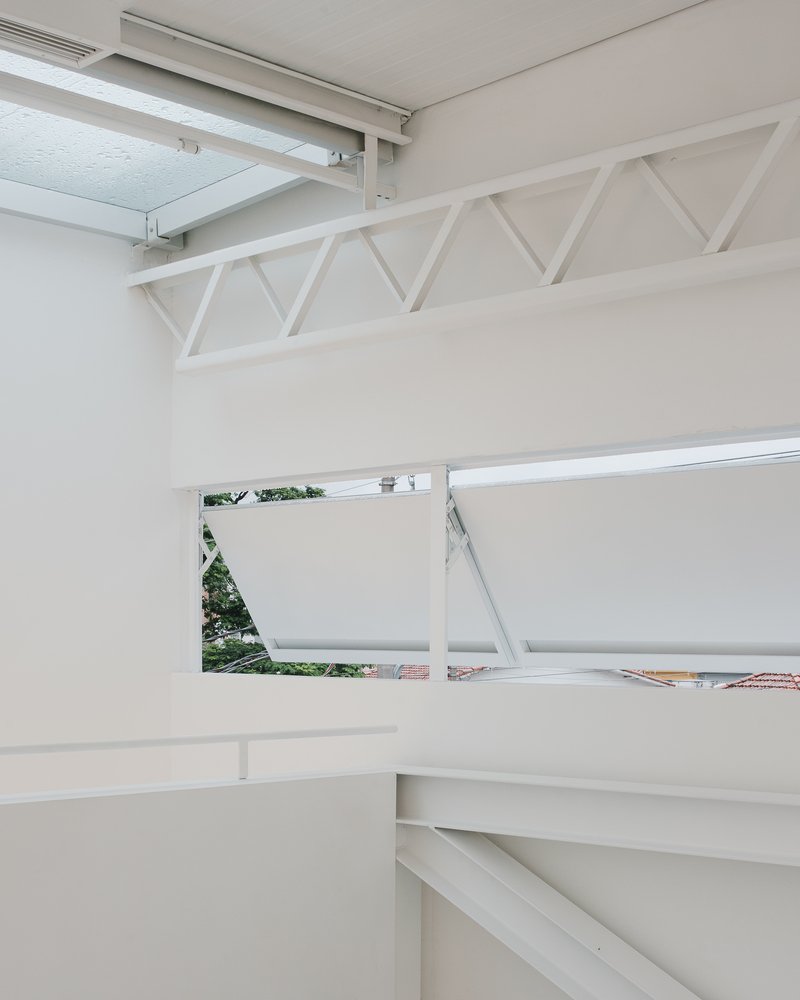
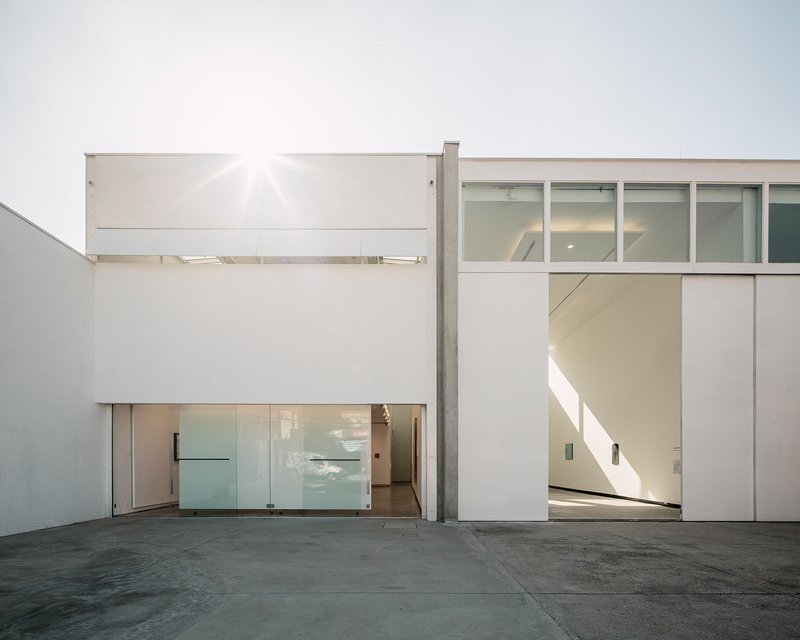
Two longitudinal skylights integrated into the roof structure introduce diffused natural light, creating an optimal ambiance for art display while reducing reliance on artificial lighting. The façade-side exhibition wall, engineered as a detachable panel, offers flexibility for open-air exhibitions and encourages dialogue between the gallery's interior and the vibrant street life outside.
Material System and Prefabrication
Material selection and construction methods were guided by efficiency and responsiveness to the urban context. The perimeter walls and the building's core were constructed in traditional masonry and concrete, offering structural stability and acoustic performance. In contrast, the façade, roof, and mezzanine adopt a lightweight steel system. These components were largely preassembled off-site, accelerating the construction timeline and minimizing disruption in the dense urban neighborhood.
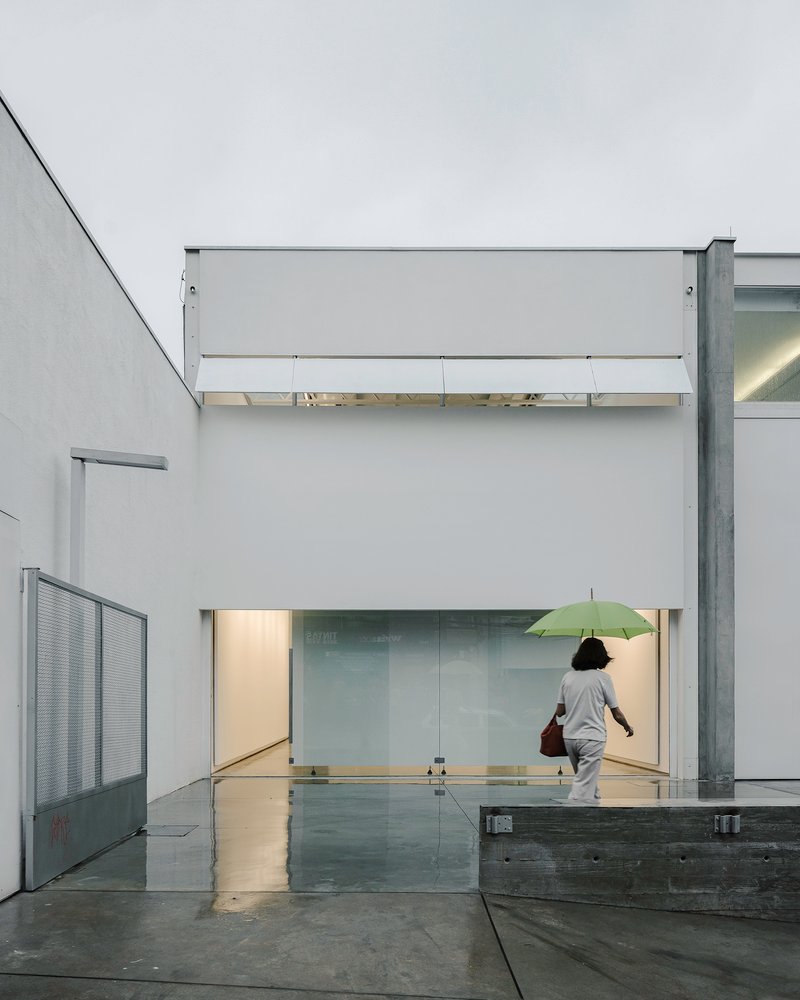
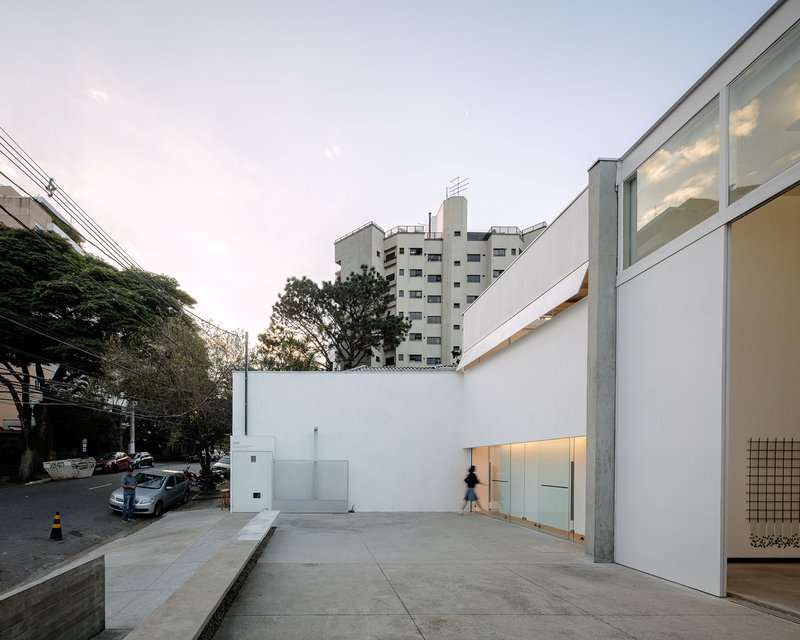
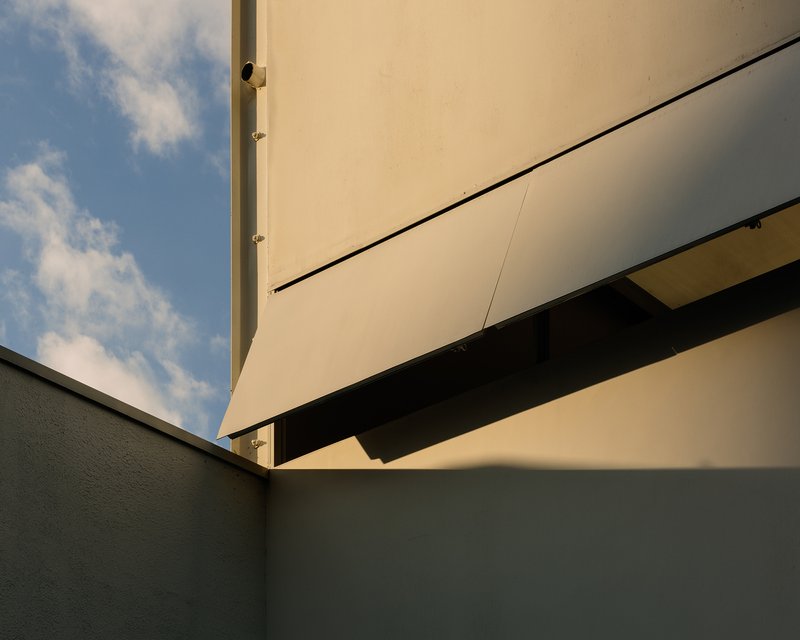
The juxtaposition of heavy and light materials reflects a thoughtful architectural strategy that responds to both programmatic and contextual demands. It enables the building to maintain a minimal footprint while offering functional flexibility and architectural expressiveness.
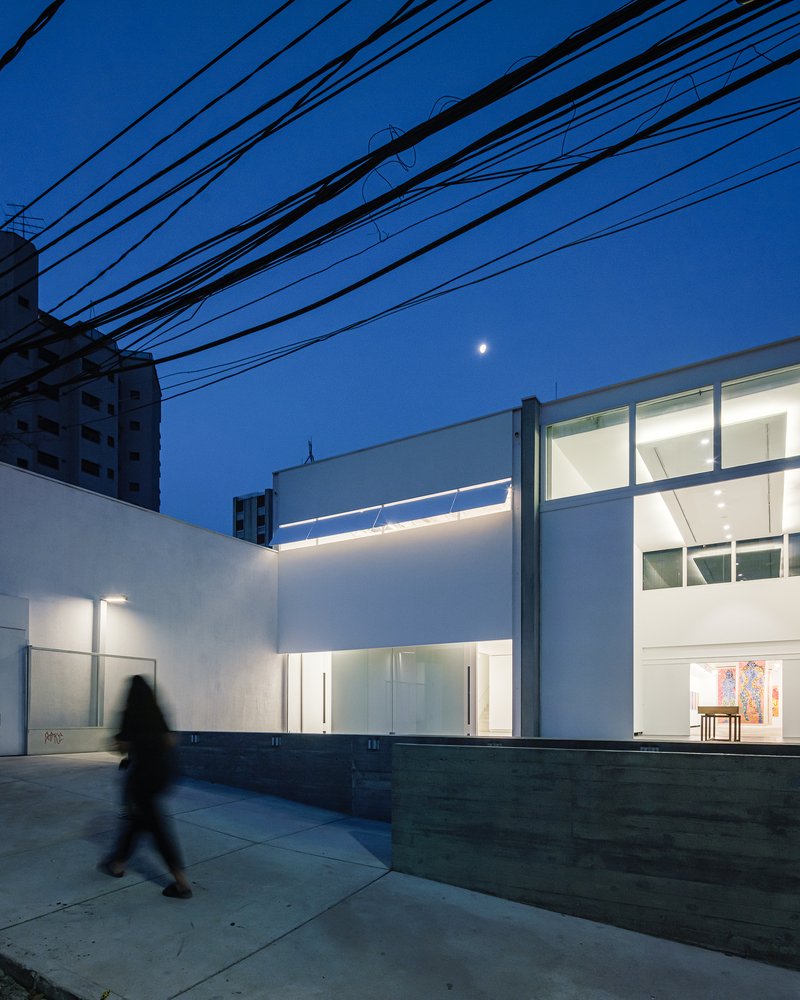
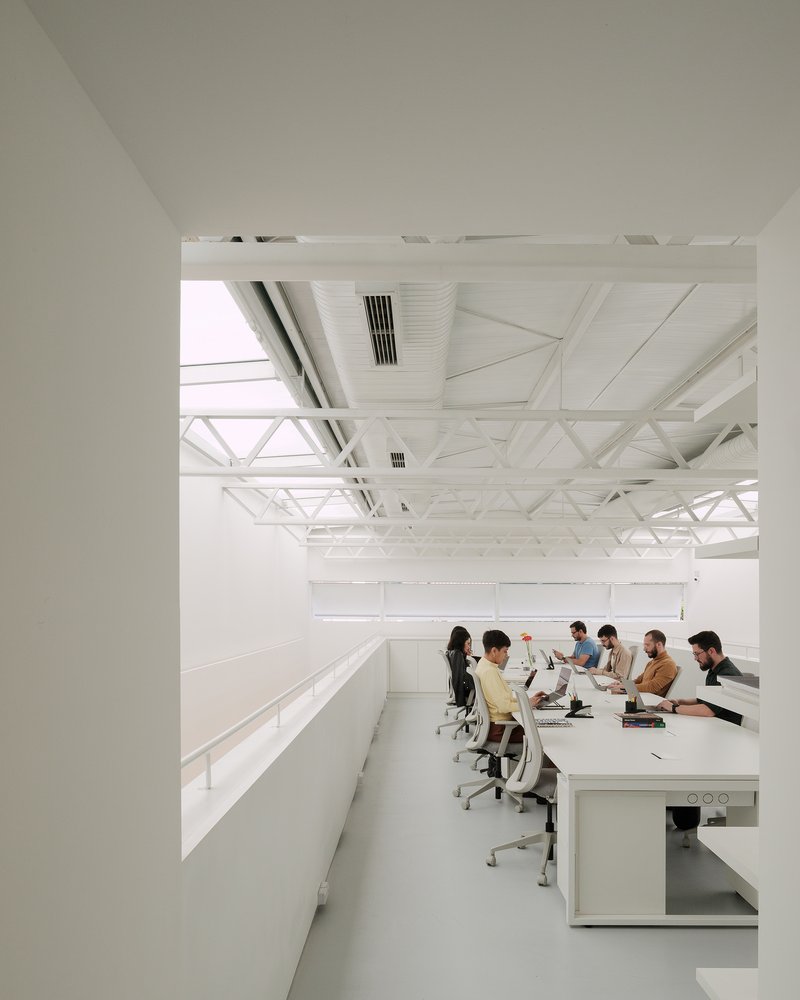
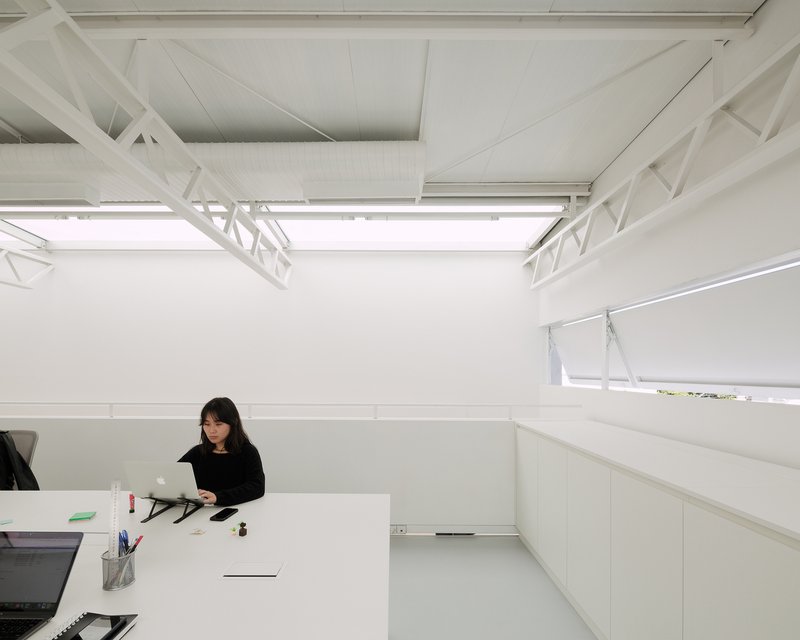
All the photographs are works of Pedro Kok




Popular Articles
Popular articles from the community

Alton Cliff House: A Harmonious Retreat by f2a Architecture in Lake Country, Canada
Alton Cliff House blends corten steel, prefabrication, and sustainable design, creating a luxurious, energy-efficient retreat perched on Canadian cliffs.

Free Architecture Competitions You Can Enter Right Now
No entry fees, real prizes. Here are the best free architecture competitions open for submissions in 2026.
Gads Hill Early Learning Center by JGMA: Adaptive Reuse Shaping Community-Focused Educational Architecture
Adaptive reuse transforms fragmented structure into vibrant early learning center with playful façade, natural light, and community-focused sustainable design.

Solar Steam: A Climate-Responsive Architecture That Redefines the Monument
A climate-responsive memorial architecture that transforms heat, decay, and time into a living system reflecting humanity’s ecological impact.


Similar Reads
You might also enjoy these articles


The Ken Roberts Memorial Delineation Competition (Krob)
As the most senior architectural drawing competition currently in operation anywhere in the world, it draws hundreds of entries each year, awarding the very best submissions in a series of medium-based categories.

Waterfront Redevelopment and Urban Revitalization in Mumbai: Forging a New Dawn for Darukhana
A transformative waterfront redevelopment project reimagining Darukhana’s shipbreaking heritage into an inclusive urban future.

OUT-OF-MAP: A Call for Postcards on Feminist Narratives of Public Space
Rhizoma Design and Research Lab invites artists, designers, architects, researchers, and students to reflect on how feminist perspectives can reshape public space. Selected works will be exhibited in Barcelona, October 2026. Submissions open until 15 April 2026.


Documentation Work on Buddhist Wooden Temple
Architectural syncretism and cultural hybridity: A comparative study of the Buddhist temples in Chattogram Hill tracks


Explore Architecture Competitions
Discover active competitions in this discipline




The International Standard for Design Portfolios


The Global Benchmark for Architecture Dissertation Awards


The Global Benchmark for Graduation Excellence


Challenge to design an urban locus of culture and heritage
Comments (0)
Please login or sign up to add comments
No comments yet. Be the first to comment!