
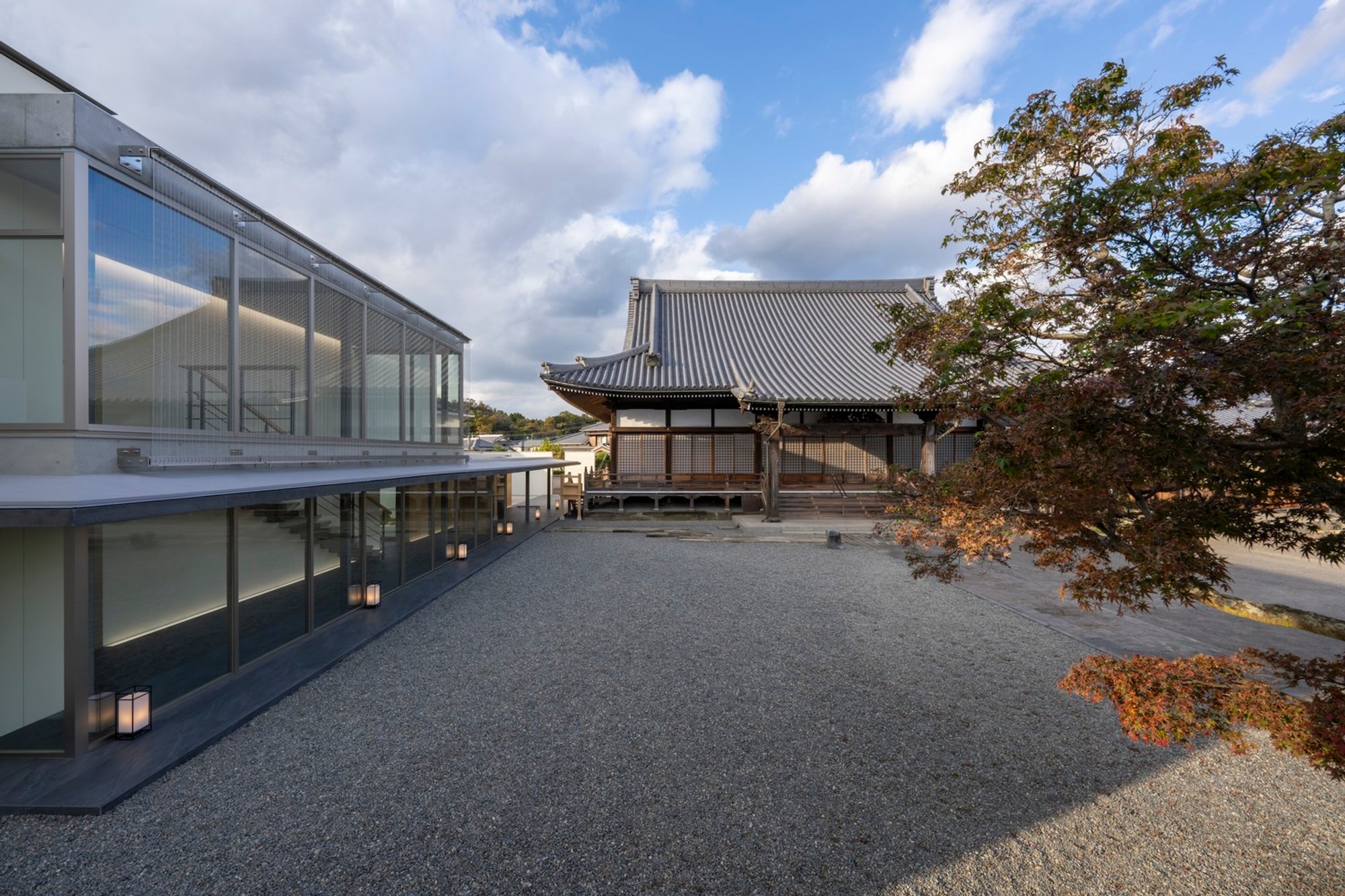
Modern Ossuary Design in Japan: Exploring Prabha Ossuary Hall by teamSTAR
Explore the Prabha Ossuary Hall in Japan, a modern architectural solution blending traditional values with contemporary design and functionality.

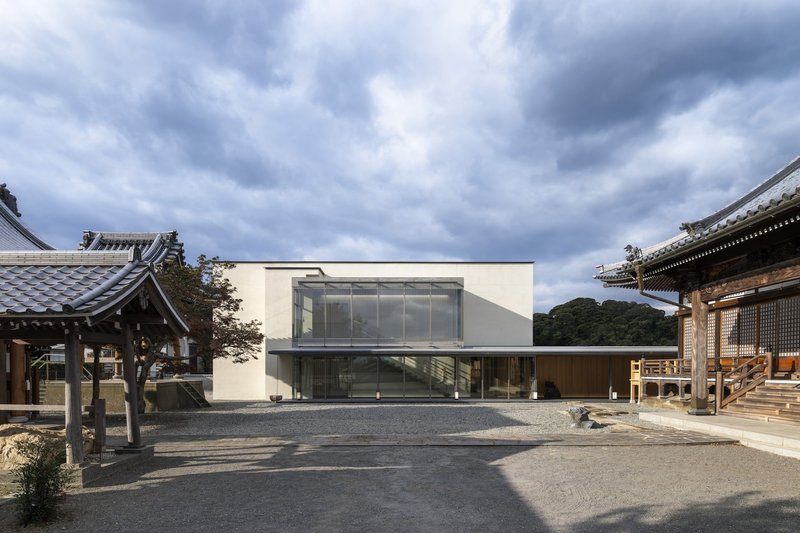
In Japan, where space is at a premium and cultural shifts influence traditional practices, modern ossuary design is emerging as a critical solution for post-life care. The Prabha Ossuary Hall, designed by teamSTAR, is a pioneering example of how contemporary architecture meets traditional needs in an innovative and respectful way.
The Rise of Modern Ossuary Design
Understanding Ossuaries
An ossuary is a site designed to store the ashes of the deceased. This concept is gaining popularity in Japan due to decreasing cemetery space and the complexities of maintaining traditional graves.
Why Modern Design is Important
Modern design in ossuaries offers a practical solution to space and maintenance issues while providing a dignified and serene place for families to remember their loved ones. It blends functionality with aesthetic appeal, catering to today's societal needs without sacrificing cultural reverence.
Spotlight on Prabha Ossuary Hall
Design Philosophy and Innovation
Comforting Spaces
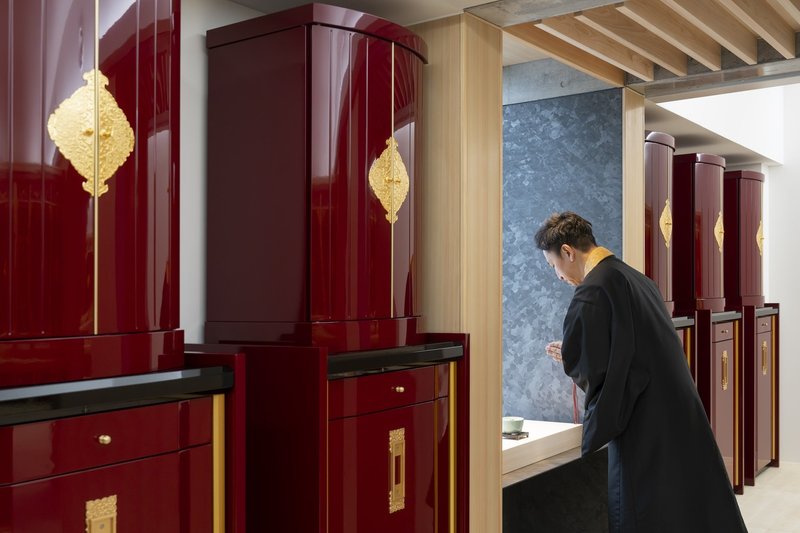
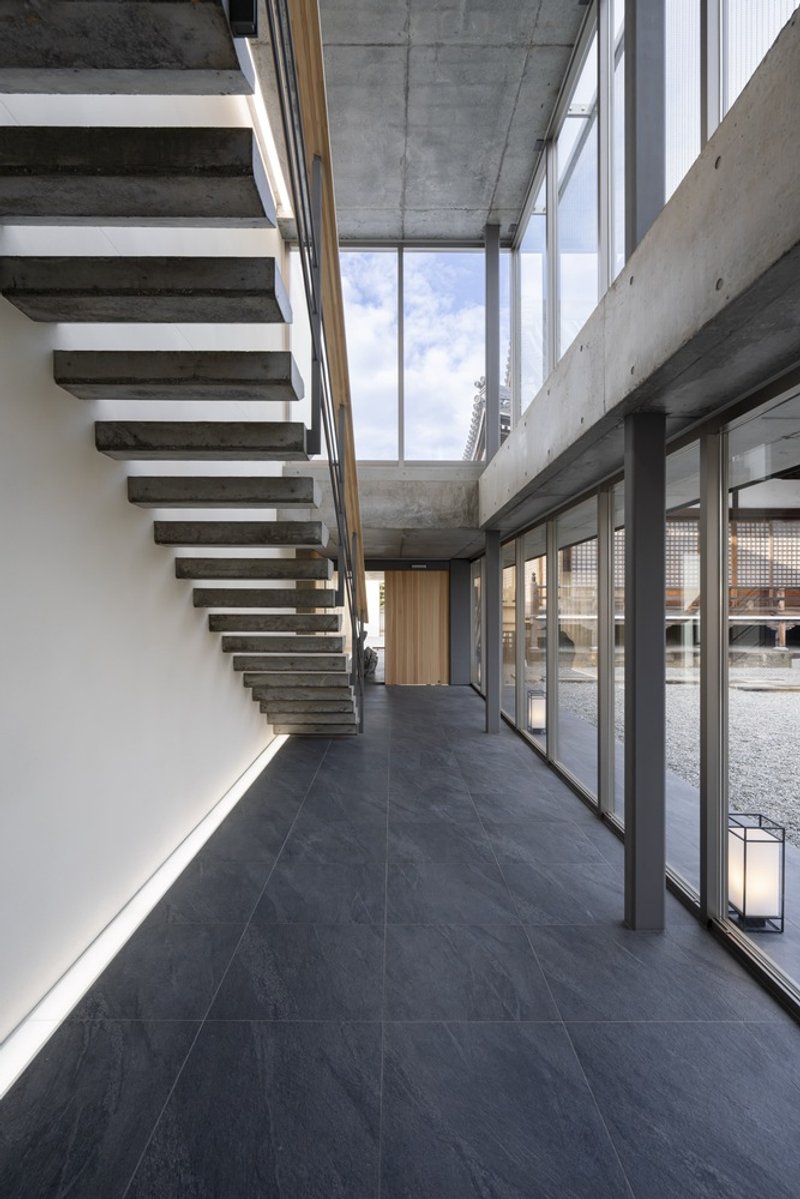
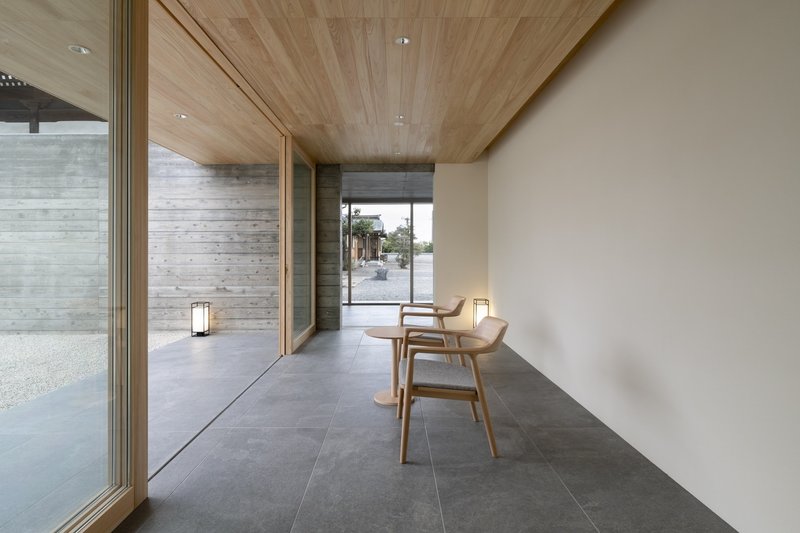
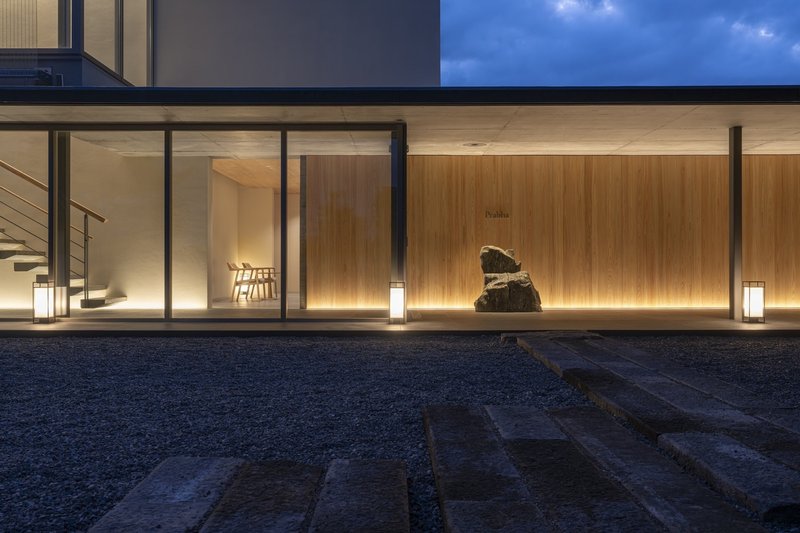
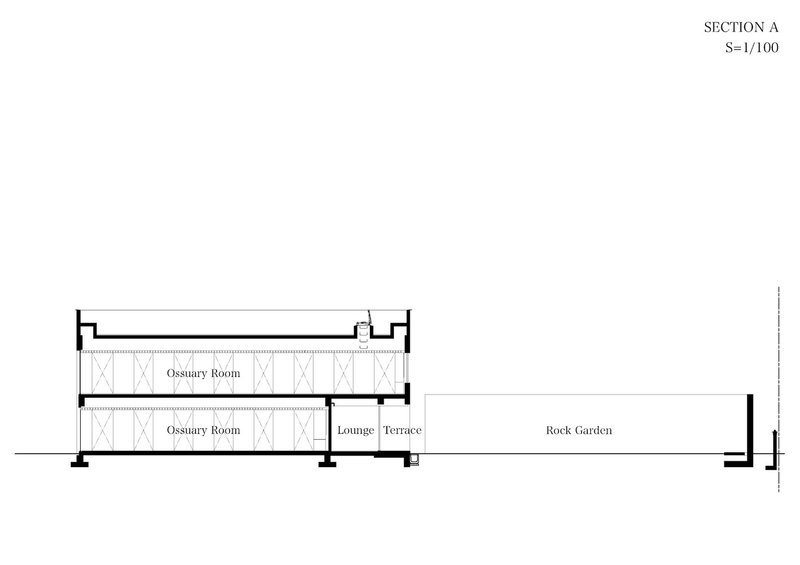
teamSTAR set out to create a space that diverges from the dark, impersonal traditional ossuary halls. Prabha Ossuary Hall is conceptualized as "guest rooms for the departed," featuring bright, welcoming spaces that resemble a luxury inn rather than a typical memorial space.
The Garden of Silence
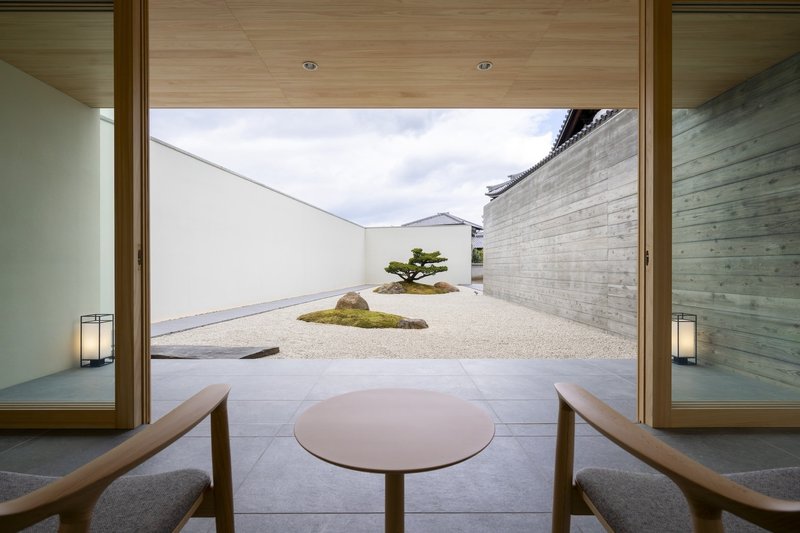
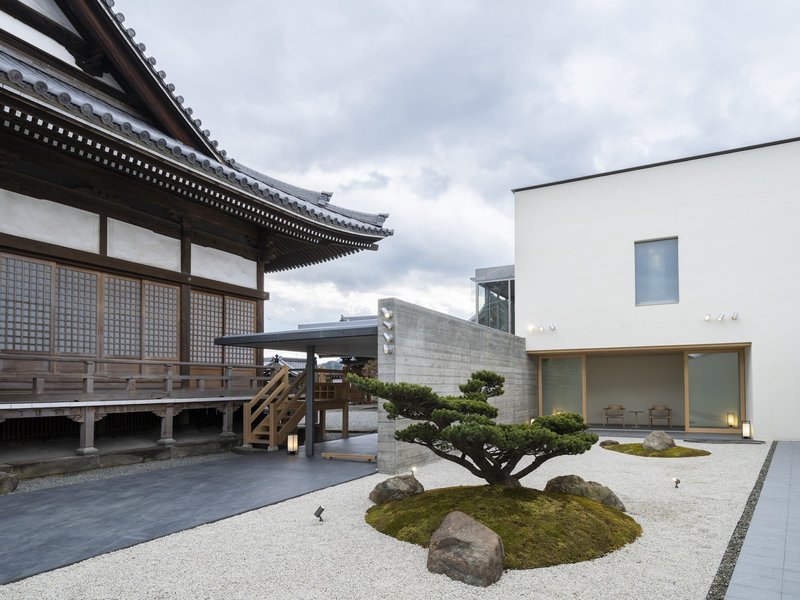
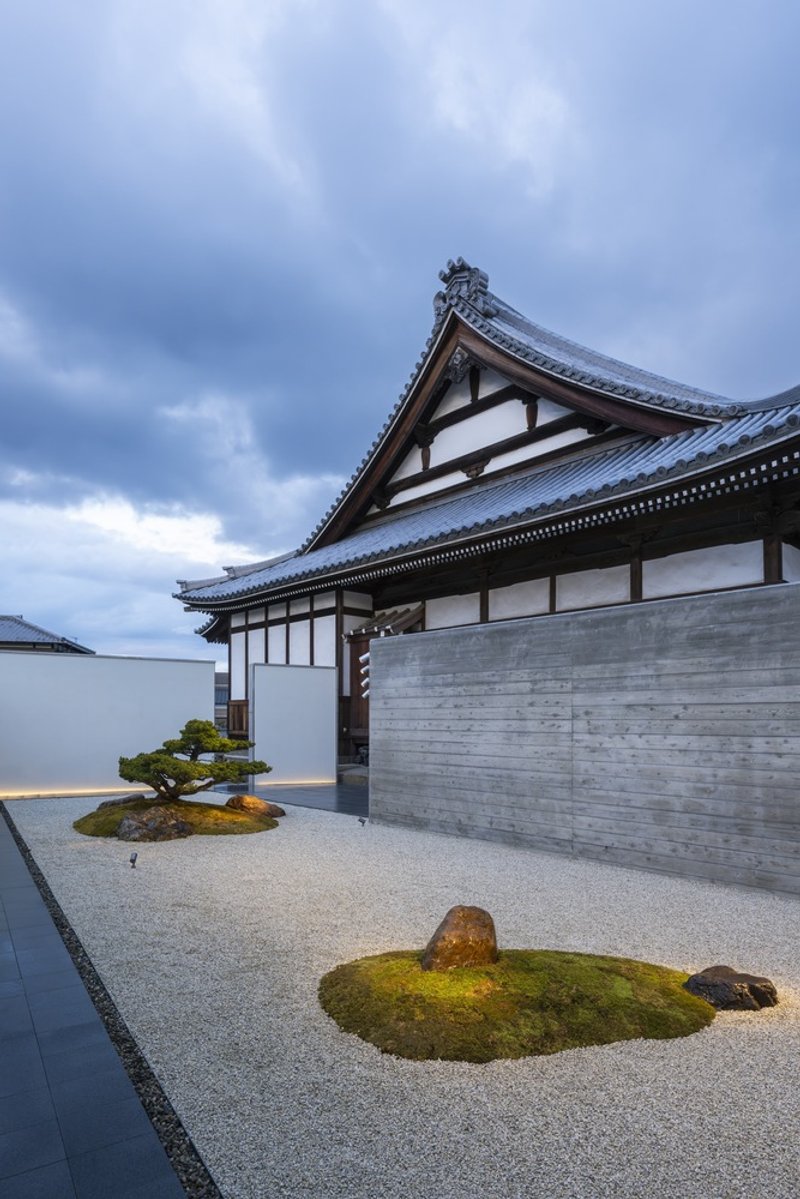
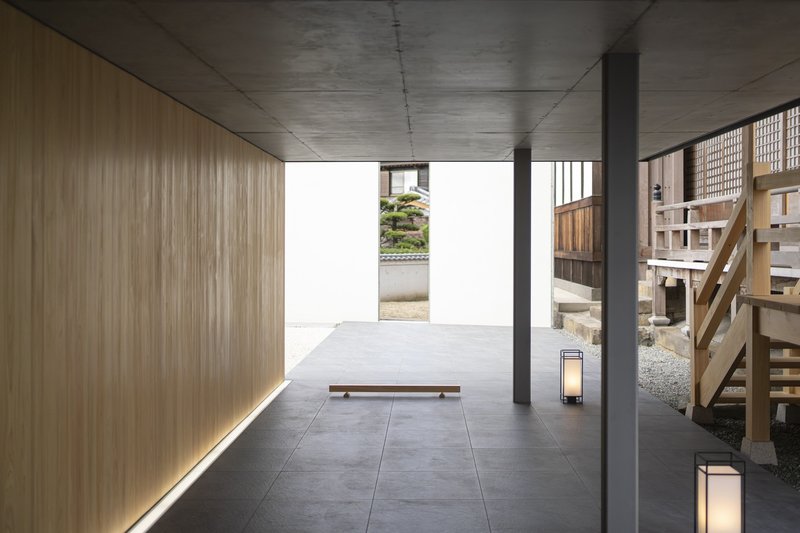
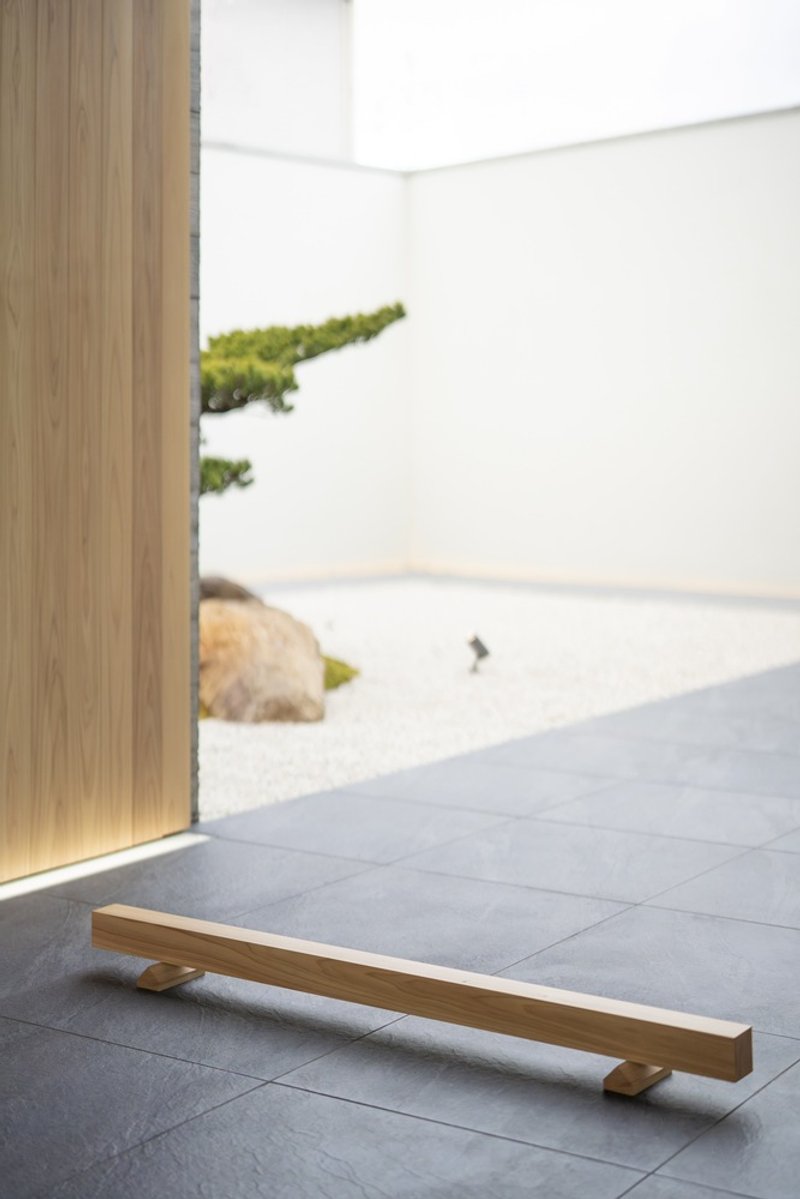
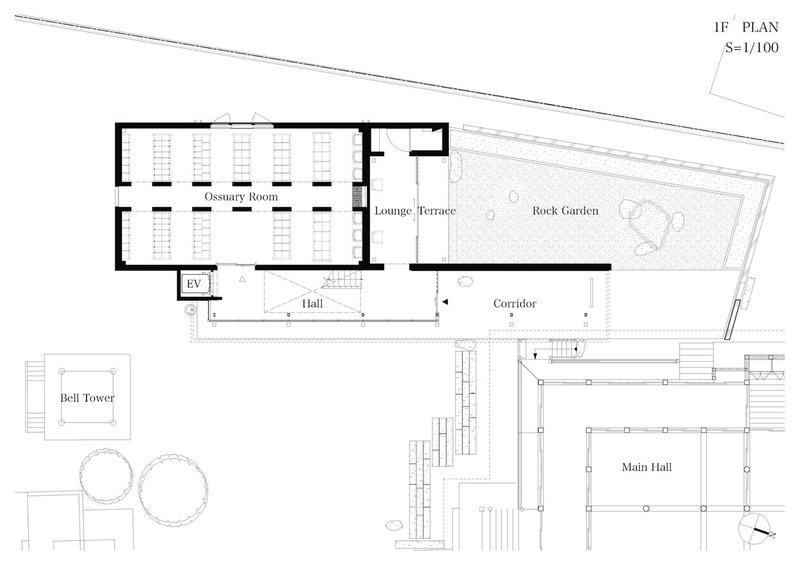
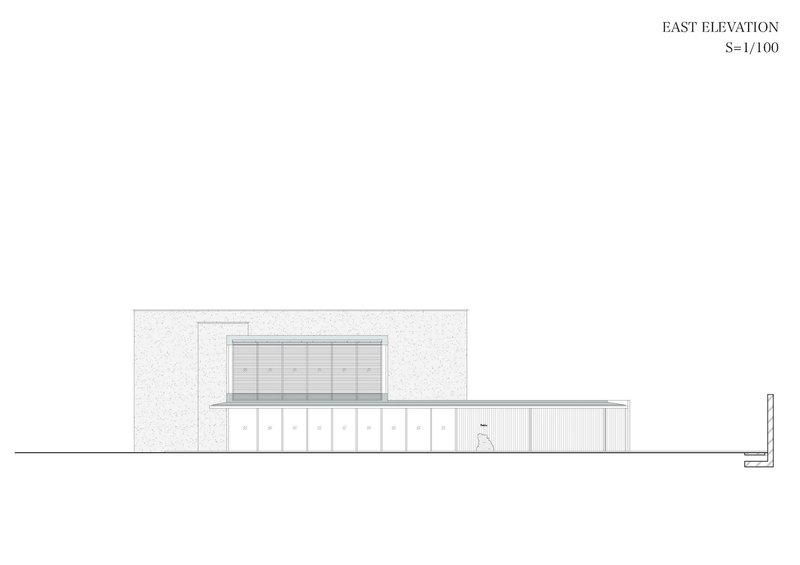
A central feature of the hall is the Garden of Silence, which is a dry landscape garden that embodies tranquility and reflection. The garden, featuring native rocks and a Japanese white pine, serves as a peaceful retreat for visitors, allowing them to connect with nature while reminiscing about their loved ones.
Architectural Details
Integration with the Environment
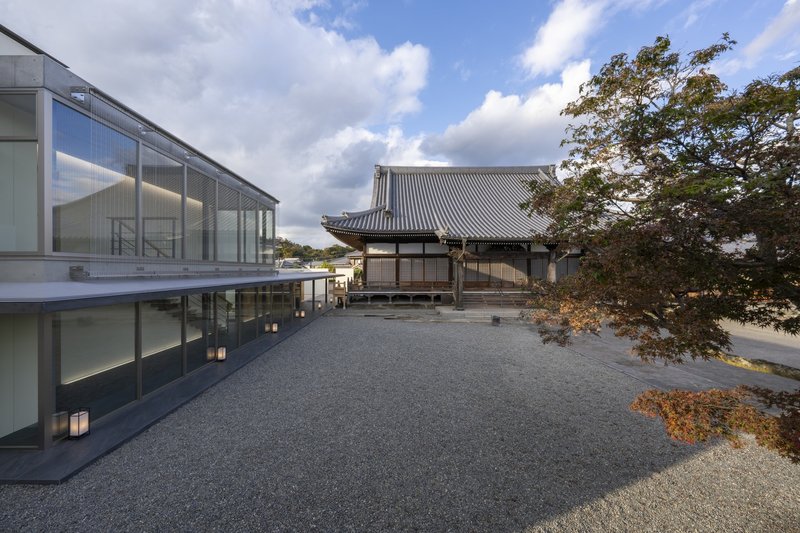
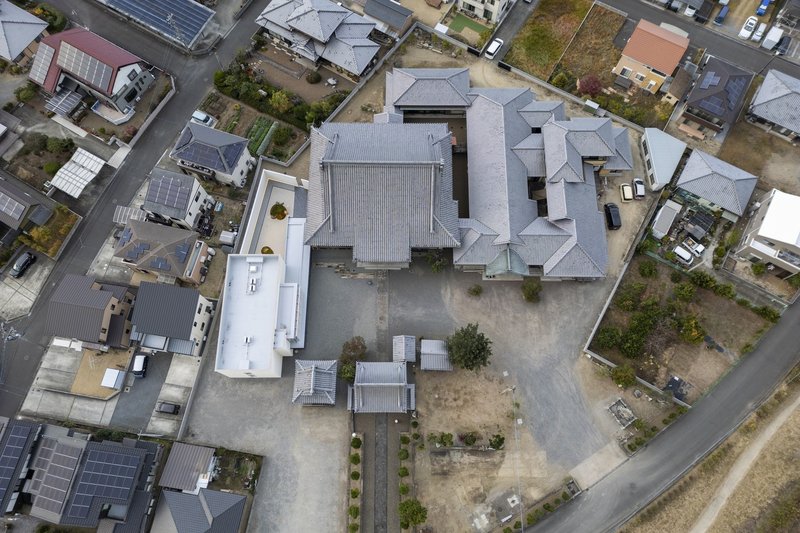
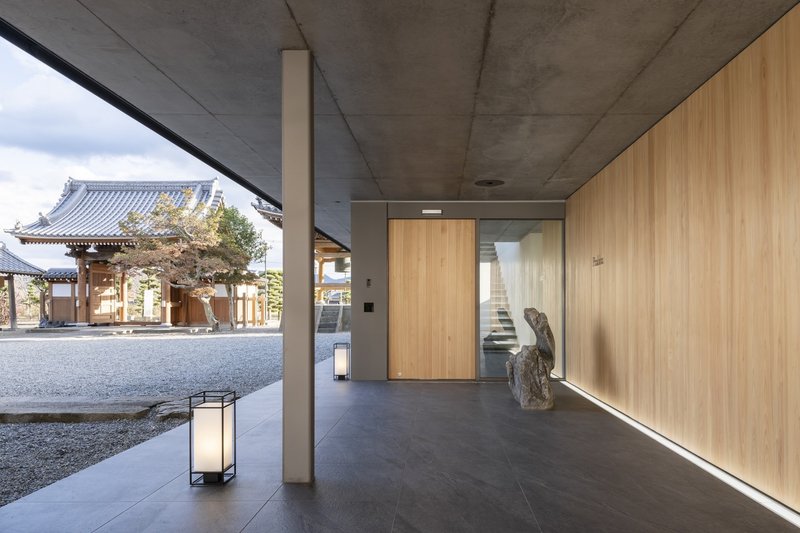
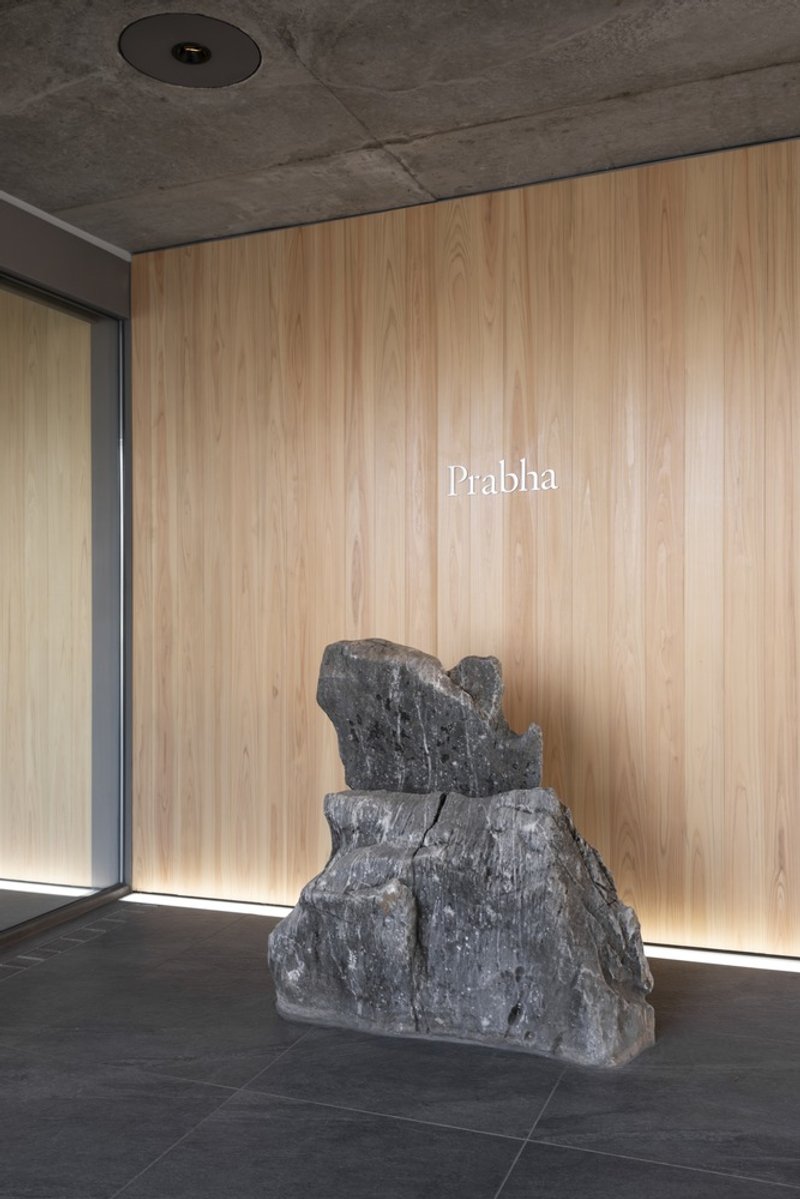
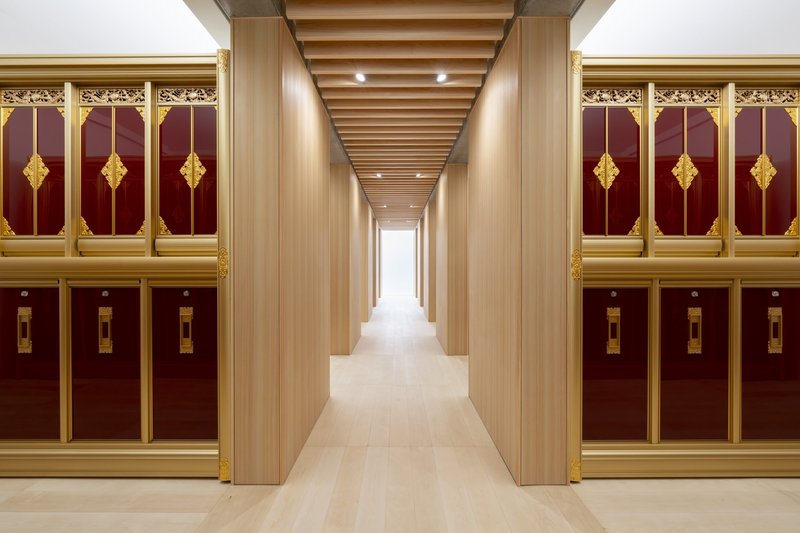
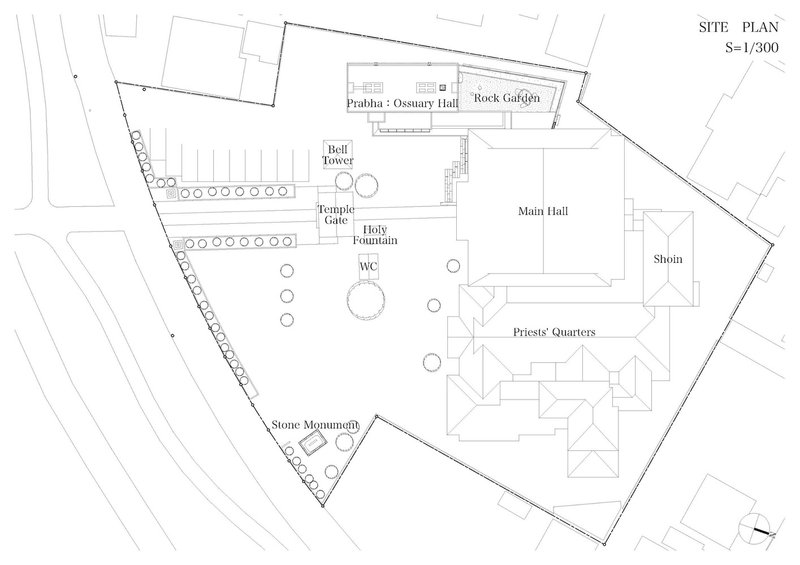
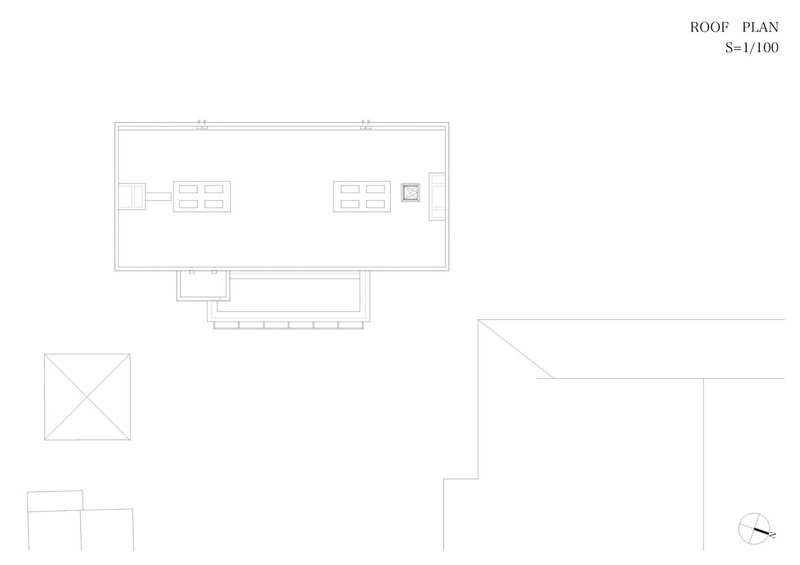
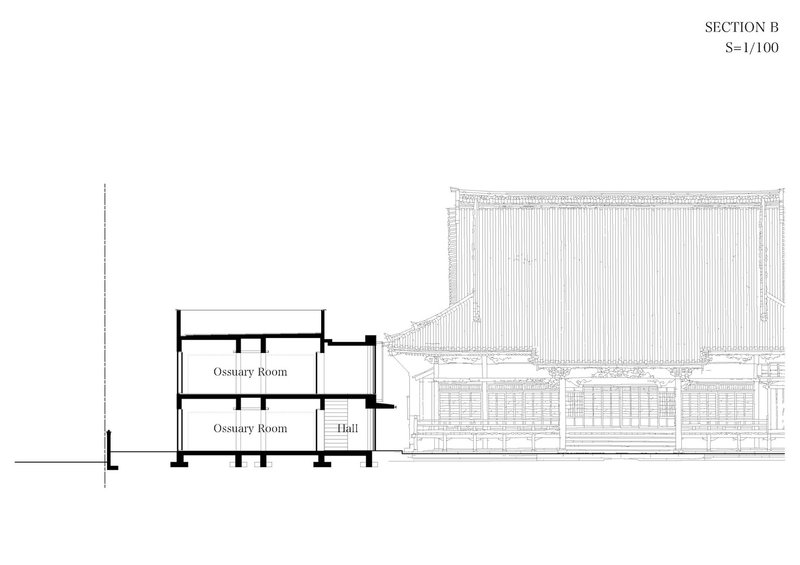
The hall’s design emphasizes harmony with its surroundings at the Myorenji Temple in Oita. Traditional elements like the crimson Buddhist altar and extensive use of wood in the interiors pay homage to Japanese architectural heritage, while modern amenities ensure accessibility and comfort.
Enhancements and Accessibility
Barrier-Free Design
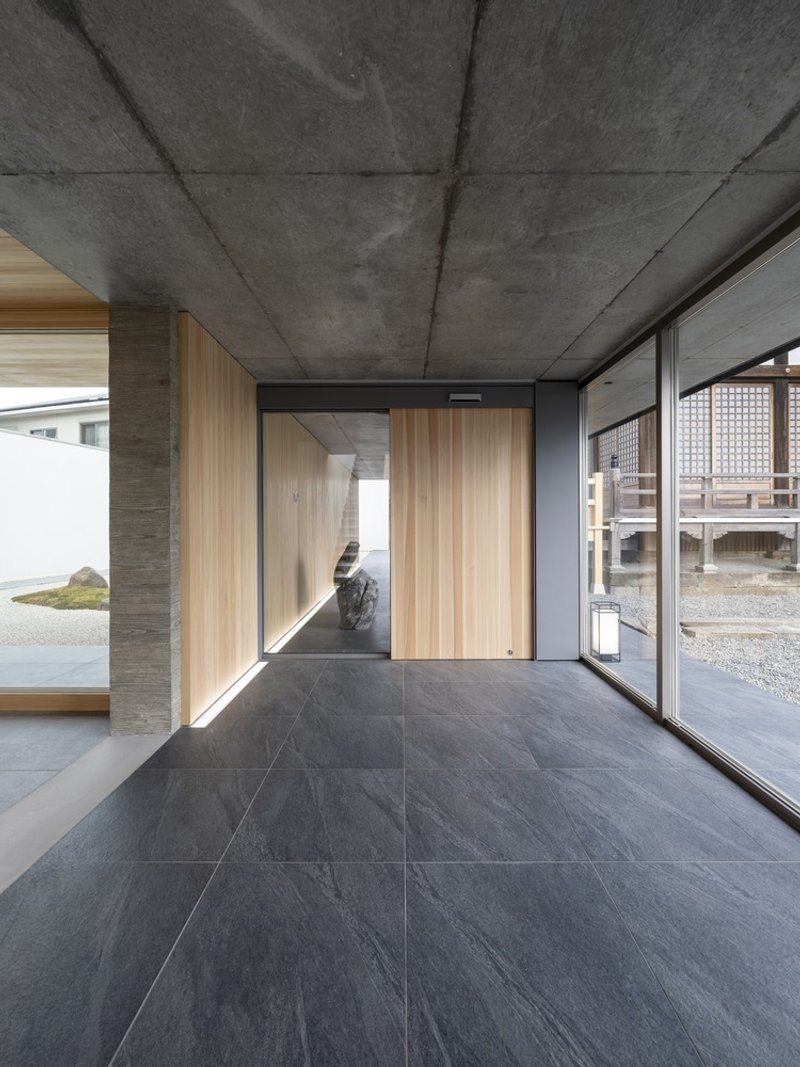
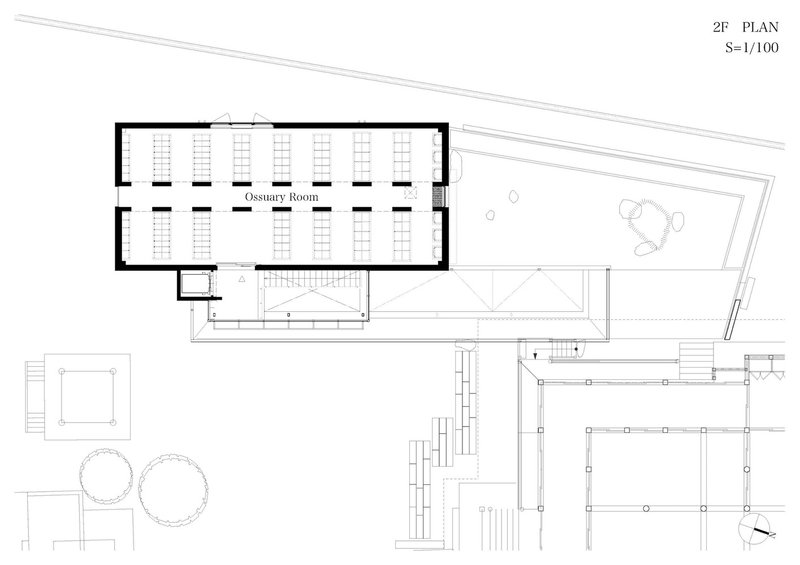
Prabha Ossuary Hall is fully equipped with automatic doors, an elevator, and an air-conditioning system, ensuring it is accessible to all visitors. Such features exemplify the hall's commitment to inclusivity and modernity.
Compliance and Improvements
As part of the project, teamSTAR also upgraded the temple’s existing structures to meet current building codes, demonstrating a commitment to safety and sustainability alongside aesthetic improvements.
The Impact of Modern Ossuaries
Cultural and Social Relevance
The design of Prabha Ossuary Hall addresses the evolving needs of Japanese society. By providing a modern take on a traditional practice, it helps maintain cultural continuity in a rapidly changing world.
Architectural Legacy
teamSTAR’s approach to the Prabha Ossuary Hall sets a new standard for ossuary design, potentially influencing future projects in Japan and beyond. It showcases how architecture can play a crucial role in societal adaptations.
The Prabha Ossuary Hall by teamSTAR is more than just a building; it is a testament to the evolving landscape of modern architecture in Japan. It respects traditional values while providing innovative solutions to contemporary challenges, marking a significant development in the field of modern ossuary design in Japan.
All photographs are work of Tetsuya Ito




Popular Articles
Popular articles from the community

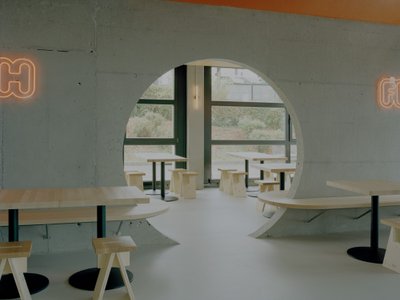
Noue Studio Organizes a Swiss Restaurant Around a Single Concrete Wall
In Granges-Paccot, Switzerland, a 216-square-meter renovation turns raw materials and a central spine into a legible dining experience.

R/URBAN DESIGN OFFICE Carves a Communal Living Room from a Tokyo Corporate Dormitory
In Shinagawa's Oi district, a 35-year-old reinforced concrete tower becomes a 49-unit rental residence with shared spaces that redefine cohabitation.
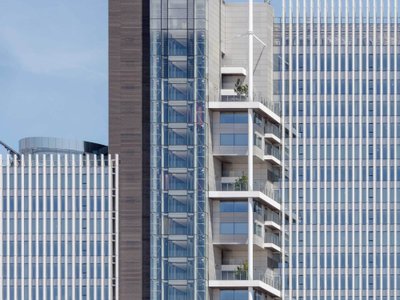
Cro&Co Architecture Builds a 150-Meter Tower on Top of a Seven-Lane Highway in La Défense
Trinity Tower reimagines the office high-rise as a bioclimatic organism threaded with terraces, trees, and public ground in Paris's business district.
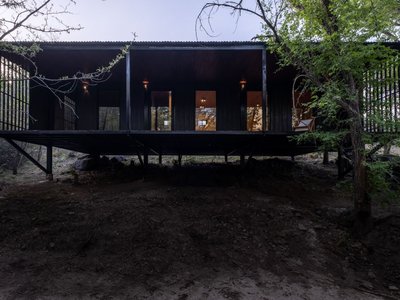
Pablo Senmartin Suspends a Steel-and-Timber Refuge Above a River Forest in Córdoba
An 80-square-meter dwelling on pilotis camouflages itself among the trees of Mayu Sumaj, designed to be dismantled without waste.


Similar Reads
You might also enjoy these articles

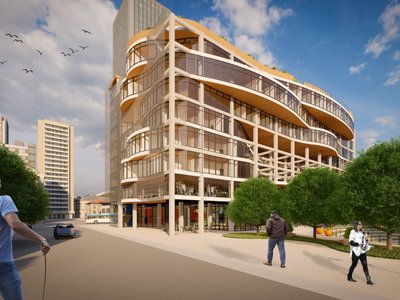
Olio Towers: A Mid-Rise for Performers That Fuses Housing, Rehearsal, and Stage
Located blocks from Houston's Theater District, this modular tower stacks living units around a central performance atrium.

Oasis: Modular Green Housing Carved into Dhaka's Urban Fabric
A shortlisted Plugin Housing entry reclaims unauthorized settlements in Dhaka with stepped concrete volumes, green roofs, and ventilation-driven design.

Black Hole: A Floating Megastructure for the Post-Physical Era
Emiliano Mazzarotto envisions a spherical, self-scaling arena where e-sports, digital hotels, and holographic stadiums replace traditional public space.
Compact & Sustainable Living in Piraeus: A Four-Level Family Home Built Around Light and Air
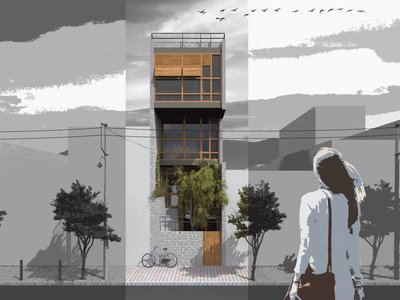
A narrow townhouse in one of Greece's densest port cities uses a central atrium and passive strategies to house three generations under one roof.


Explore Architecture Competitions
Discover active competitions in this discipline




The International Standard for Design Portfolios


The Global Benchmark for Architecture Dissertation Awards


The Global Benchmark for Graduation Excellence


Challenge to reimagine the Iron Throne
Comments (0)
Please login or sign up to add comments
No comments yet. Be the first to comment!