
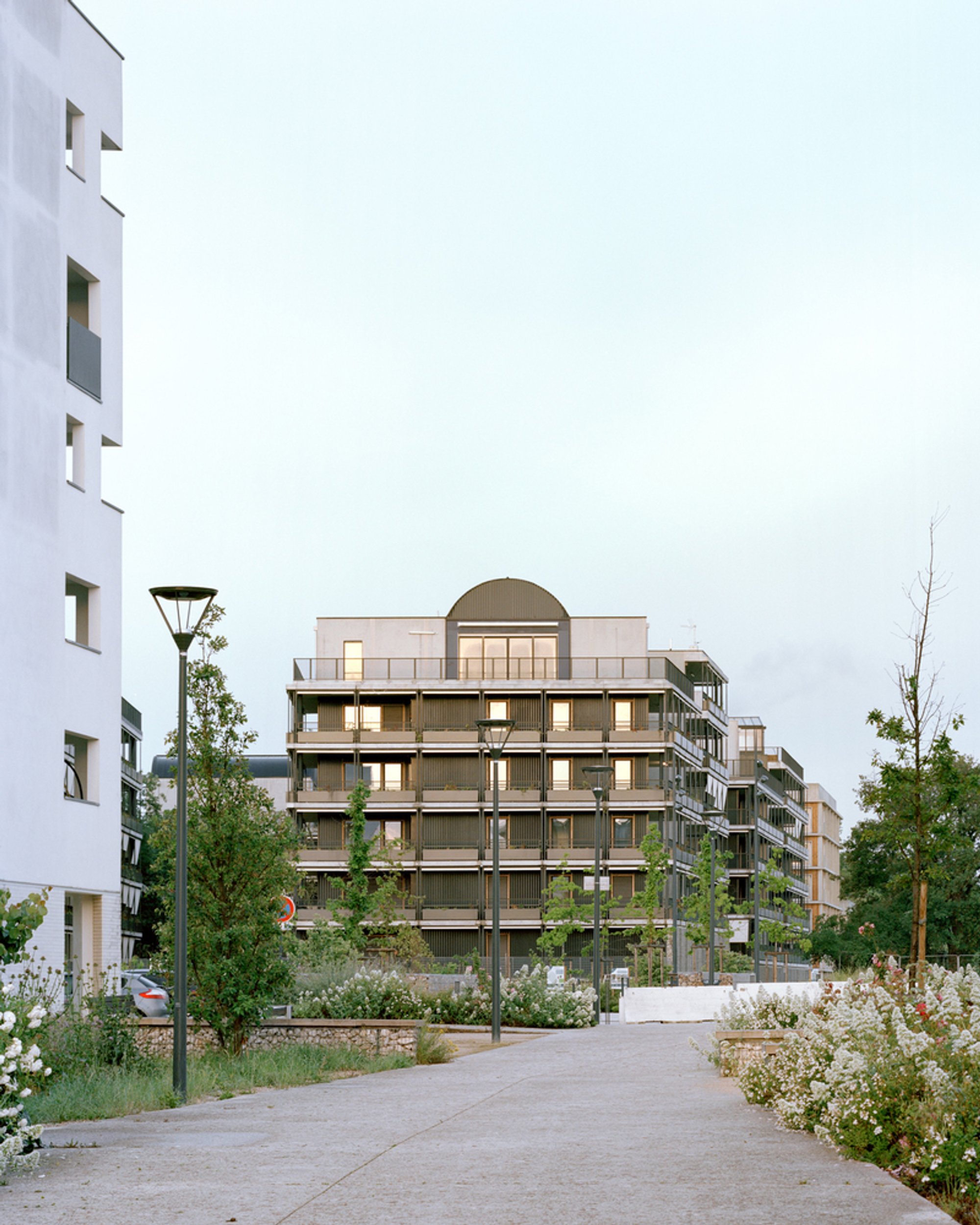
Natura Housing Units: A Pioneering Model for Large-Scale Biosourced Housing in Toulouse
Straw-insulated, timber-framed housing in Toulouse showcasing low-carbon construction, prefabrication precision, and continuous balconies enhancing sustainable collective living.

Natura Housing Units is a landmark residential architecture project in Toulouse, redefining sustainable collective housing through biosourced construction, humility-driven design, and material intelligence. Designed by Betillon & Freyermuth Architects, the project delivers 104 housing units across 6,557 square meters, setting a new benchmark for low-carbon housing in Toulouse, France.
The origins of Natura Housing Units lie in a profound learning curve. Following early setbacks in housing competitions, the architects confronted the realities of regulations, construction economics, and development constraints. This experience reshaped their approach, replacing preconceptions with humility and collaboration. That mindset became foundational when, in 2019, they were invited by a developer to compete for an ambitious housing project centered on biosourced and geosourced construction—an approach still experimental at the time.
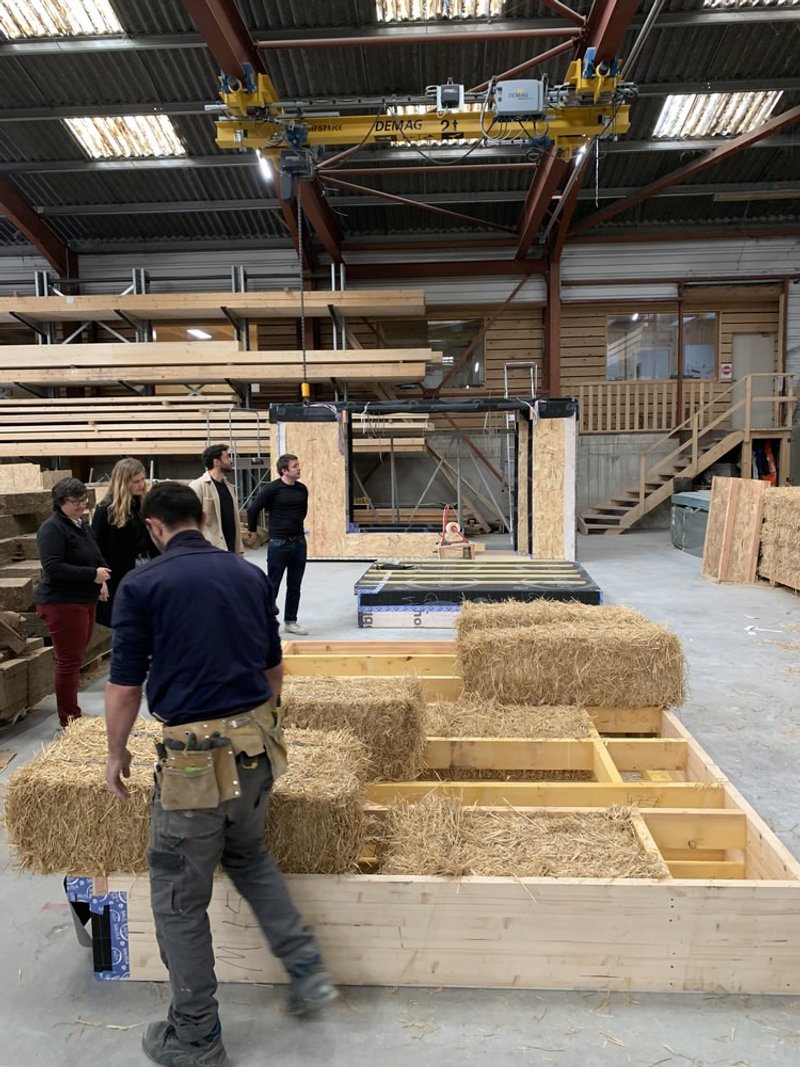
The winning proposal committed fully to ecological responsibility. Natura Housing Units is among the first large-scale housing developments in France to rely extensively on straw insulation. A total of 5,700 straw bales were used, each meeting strict standards of density, moisture, and quality. Crucially, all straw was sourced locally, minimizing transportation and significantly reducing the project’s carbon footprint. This decision positioned agricultural byproducts not as alternatives, but as primary architectural materials.
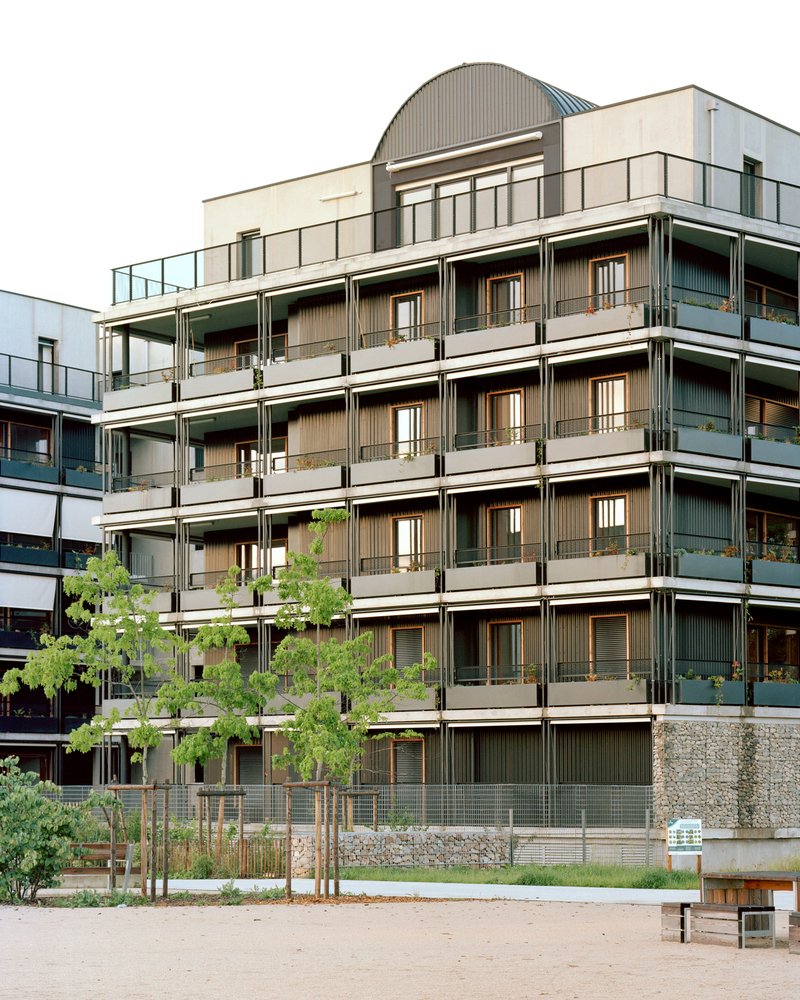
Straw insulation directly informed the construction system. The project adopted prefabricated wooden frame walls, integrating insulation, structure, and enclosure into precise off-site components. Every layer of these wall assemblies—from timber to insulation and finishes—was sourced and manufactured within a 200-kilometer radius of the site. This regional production strategy reinforced circular construction principles while supporting local industries and craftsmanship.
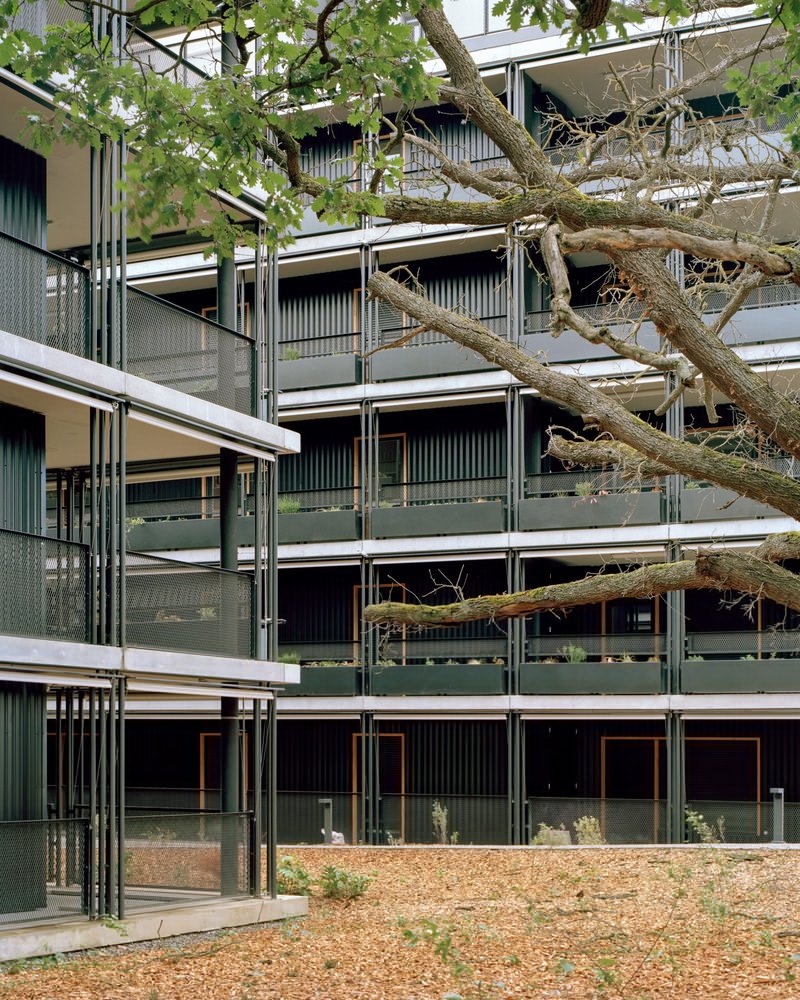
Innovation extended beyond material selection to construction methodology. The prefabricated wooden frame walls were used as formwork elements, enabling exceptional precision and considerable time savings on site. This required close coordination between structural contractors and carpenters, fostering a collaborative workflow rarely achieved at this scale. The resulting construction process mirrored the architect–developer partnership: iterative, experimental, and ultimately successful.
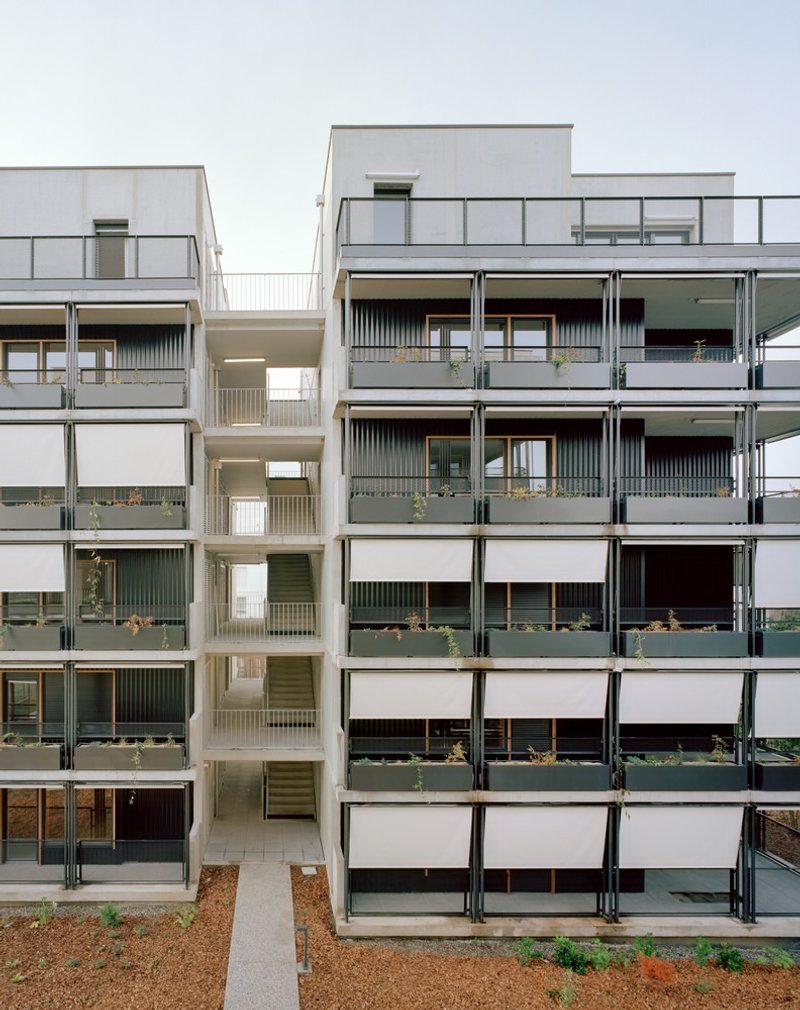
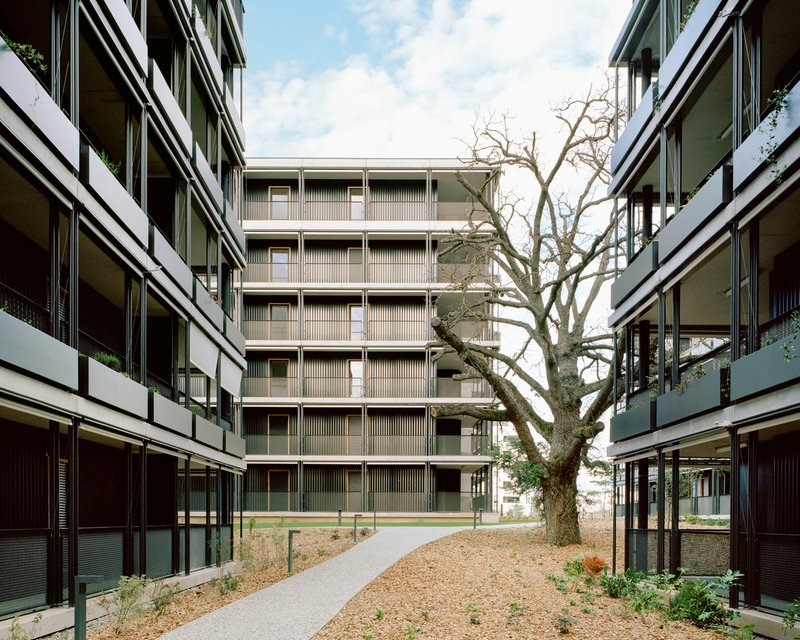
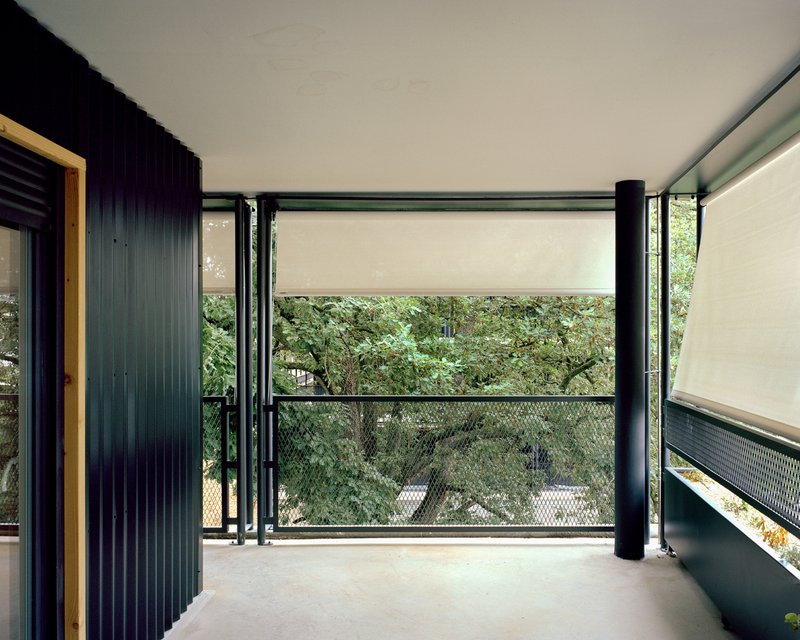
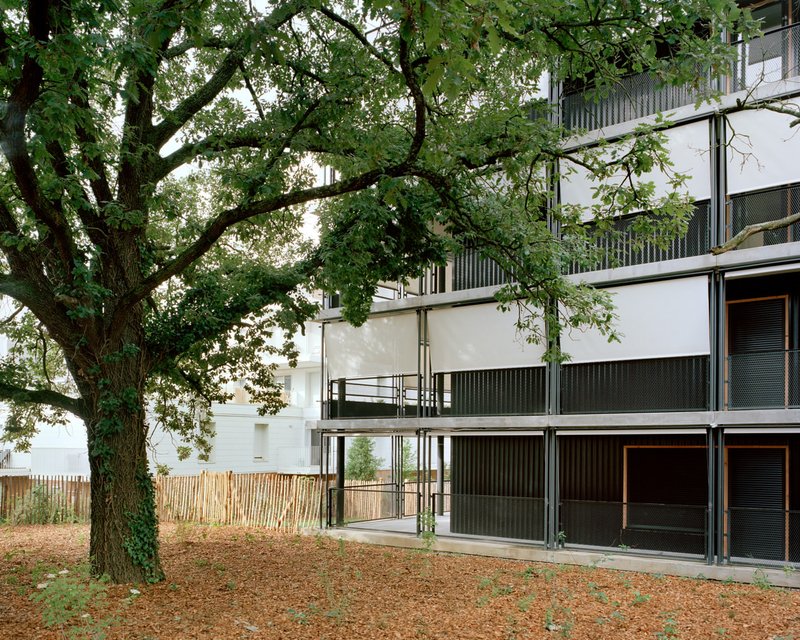
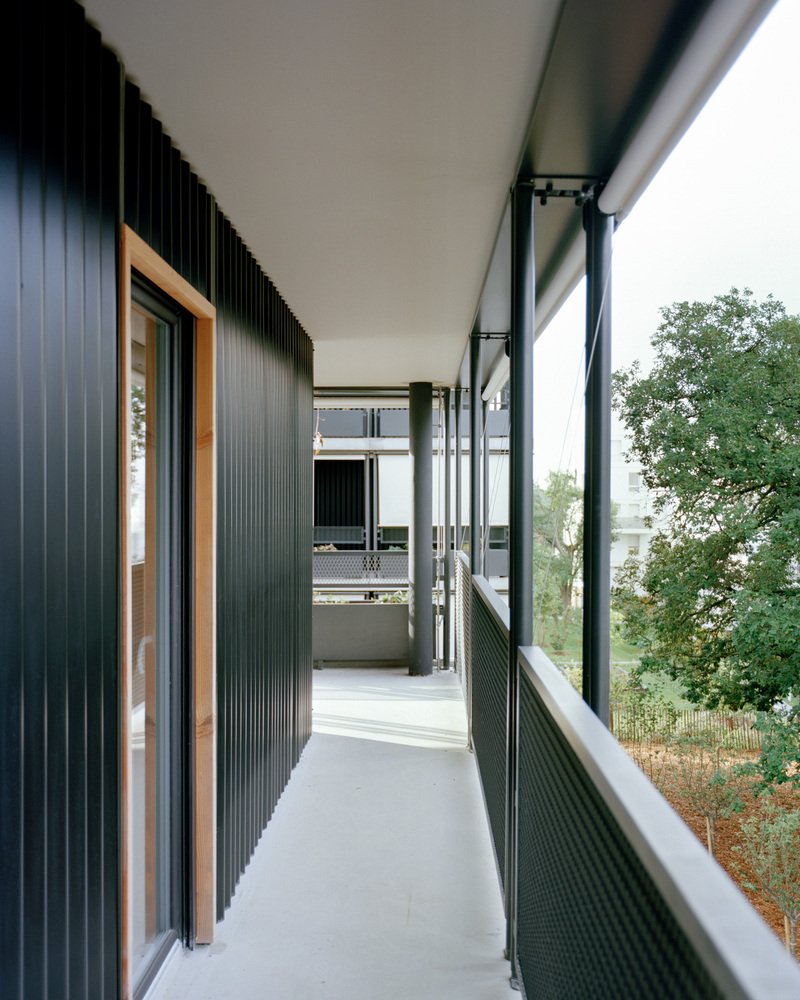
Architecturally, Natura Housing Units balances rational construction with generous spatial gestures. One of the project’s most striking features is its continuous balcony system, stretching a total length of 2.5 kilometers—longer than the distance between Place de la Concorde and the Arc de Triomphe in Paris. These balconies enhance outdoor living, improve thermal comfort, and animate the façade, while reinforcing the social dimension of collective housing.
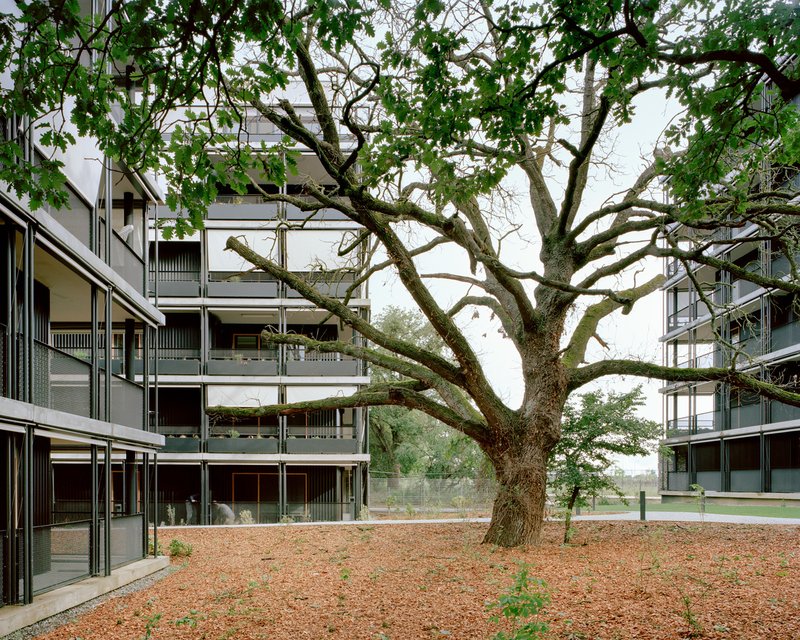
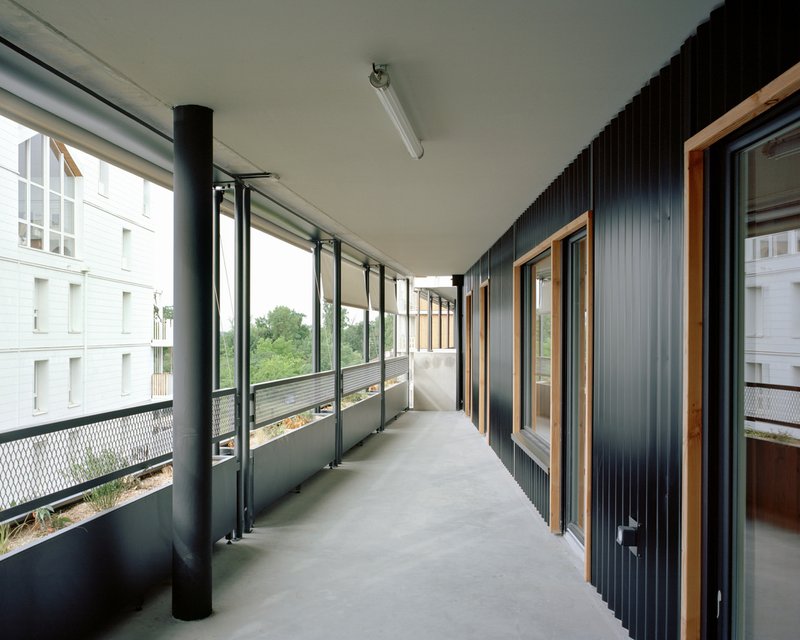
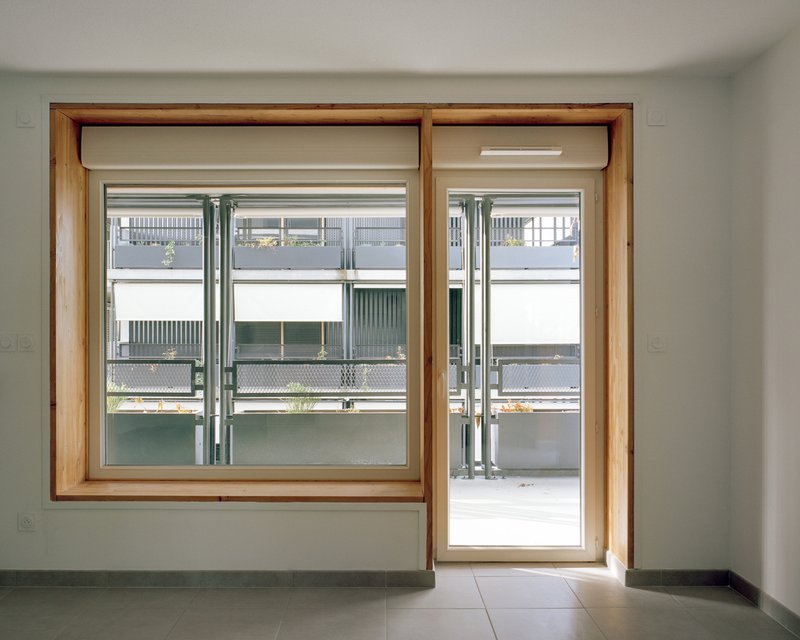
The façades express clarity and restraint, allowing material logic to define the architecture. Openings are rhythmically composed, ensuring abundant daylight, natural ventilation, and strong connections between interior living spaces and the surrounding urban context. The project avoids superficial aesthetics, instead letting construction honesty and environmental performance shape its identity.
Natura Housing Units stands as a decisive statement on the future of residential architecture in France. It demonstrates that large-scale housing can be environmentally responsible, economically viable, and architecturally ambitious. By embracing biosourced materials, prefabrication, and collaborative construction, the project transforms sustainability from a concept into a built reality—one that redefines how contemporary housing can respond to climate, context, and community.
All photographs are works of
Maxime Delvaux




Popular Articles
Popular articles from the community

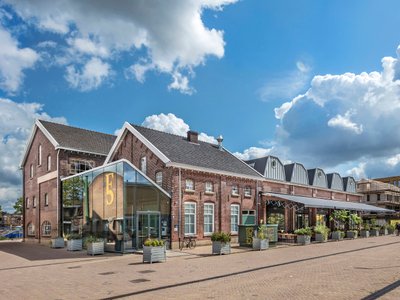
Fifth NRE Jazz Club – De Bever Architecten: Eindhoven’s Revitalized Cultural Hub
Historic gas factory transformed into Fifth NRE Jazz Club blending modern sustainability, jazz culture, dining, and heritage architecture seamlessly.


The Ken Roberts Memorial Delineation Competition (Krob)
As the most senior architectural drawing competition currently in operation anywhere in the world, it draws hundreds of entries each year, awarding the very best submissions in a series of medium-based categories.

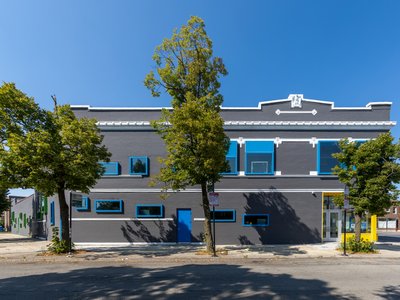
Gads Hill Early Learning Center by JGMA: Adaptive Reuse Shaping Community-Focused Educational Architecture
Adaptive reuse transforms fragmented structure into vibrant early learning center with playful façade, natural light, and community-focused sustainable design.
Similar Reads
You might also enjoy these articles

Free Architecture Competitions You Can Enter Right Now
No entry fees, real prizes. Here are the best free architecture competitions open for submissions in 2026.
Top 15 Architecture Competitions to Enter in 2026
From student-friendly idea competitions to prestigious international awards, here are the best architecture competitions open for entries in 2026. Updated regularly.

DIY & Engineering in Computational Design : Enter the BeeGraphy Design Awards
Showcase Your Creativity with Computational Design and Open Source Projects
Innovative Design Solutions: Award-Winning Projects from Recent Architecture Competitions
Exploring award-winning architectural projects shaping the future of design, sustainability, and community.
Explore Architecture Competitions
Discover active competitions in this discipline




The International Standard for Design Portfolios


The Global Benchmark for Architecture Dissertation Awards


The Global Benchmark for Graduation Excellence

Challenge to design mud housing for contemporary communities
Comments (0)
Please login or sign up to add comments
No comments yet. Be the first to comment!