
New Headquarters Vert Campo Bom: A Sustainable Office Design by Íntegra Studio Arquitetura
The article explores the sustainable design and renovation of Vert's new headquarters, blending eco-friendly practices with innovative architecture


A Vision for Sustainable Office Spaces
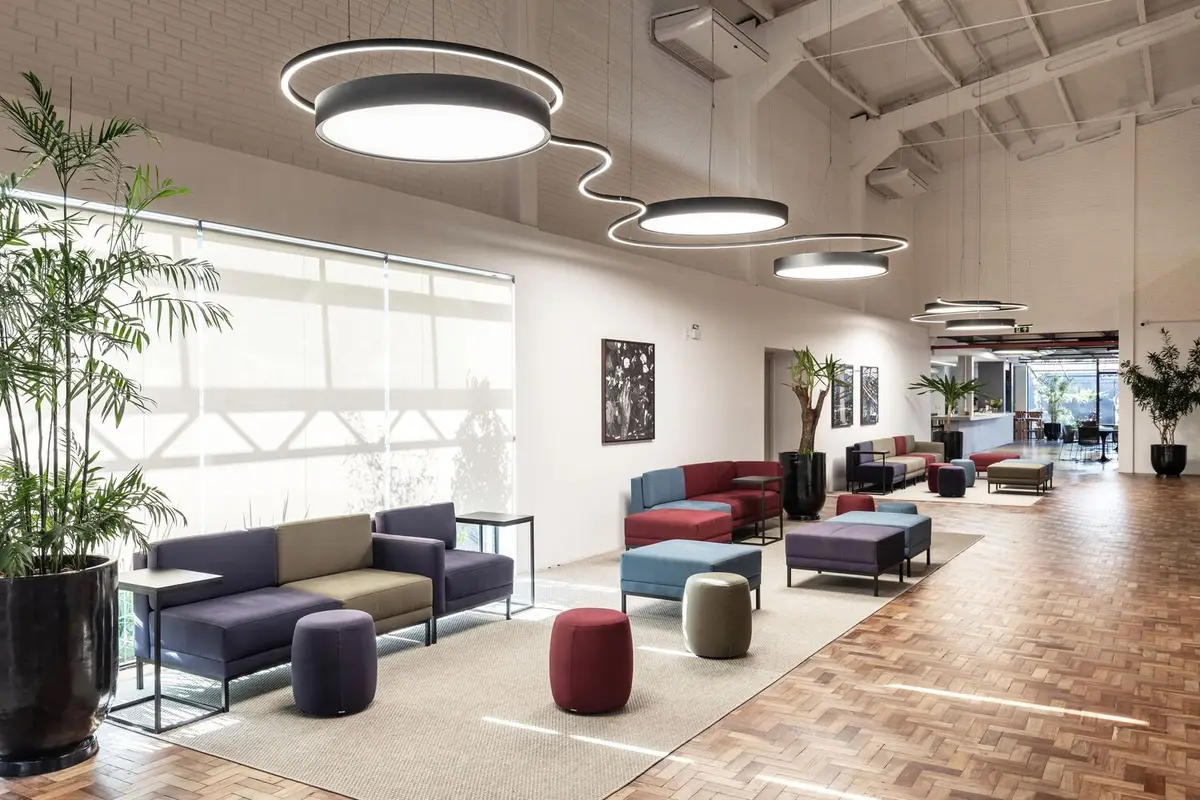
The New Headquarters Vert Campo Bom, designed by Íntegra Studio Arquitetura, is an exemplary model of sustainable office design that merges functionality with ecological responsibility. Situated in the city of Campo Bom, Rio Grande do Sul, Brazil, the project showcases how architectural renovation can meet both the environmental and operational needs of a modern office. This article will explore how the project’s sustainable practices, innovative design solutions, and thoughtful interior spaces align with the growing trend of sustainable architecture.

A Brief History of Vert and the Need for a New Headquarters
In 2004, French entrepreneurs Sébastien Kopp and François-Ghislain ventured to Brazil to create VEJA, a sneaker brand with a strong environmental ethos. However, due to trademark restrictions, the brand was renamed VERT, meaning "green" in French. The company focuses on producing sneakers with a transparent manufacturing process, emphasizing sustainability, ethical labor, and eco-friendly materials.
As Vert grew, the need for a headquarters that mirrored the brand’s green values became crucial. The New Headquarters Vert Campo Bom was envisioned as a space where employees and visitors could engage with the brand’s values through a design that reflected sustainability at every stage.


Sustainable Design Choices: A Mezzanine Transformation
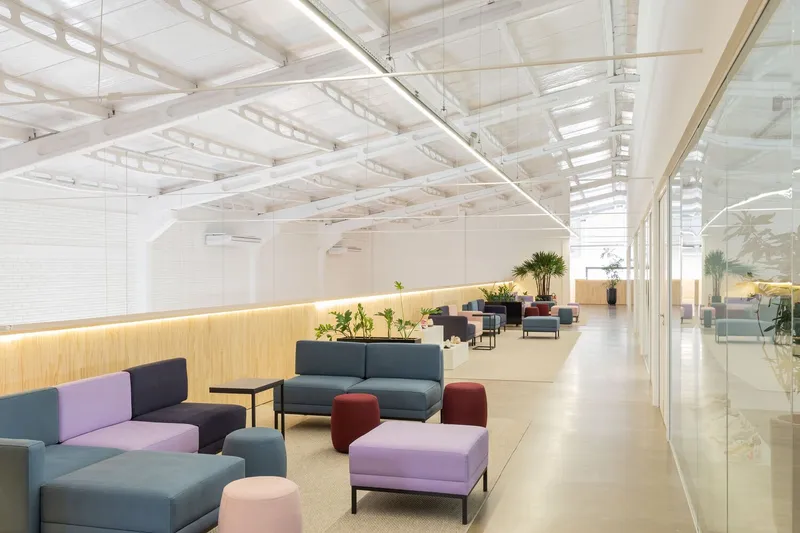
The original industrial pavilion that housed the headquarters was a challenging space. With a high ceiling and few windows, it felt dark and uninviting. The design team, led by architects Josy Nascimento and Mariana Fonyat, responded to these challenges by introducing a mezzanine structure. This innovative design reduced the building’s height, allowing for greater natural light and creating spaces that felt more welcoming and connected to the outdoors.
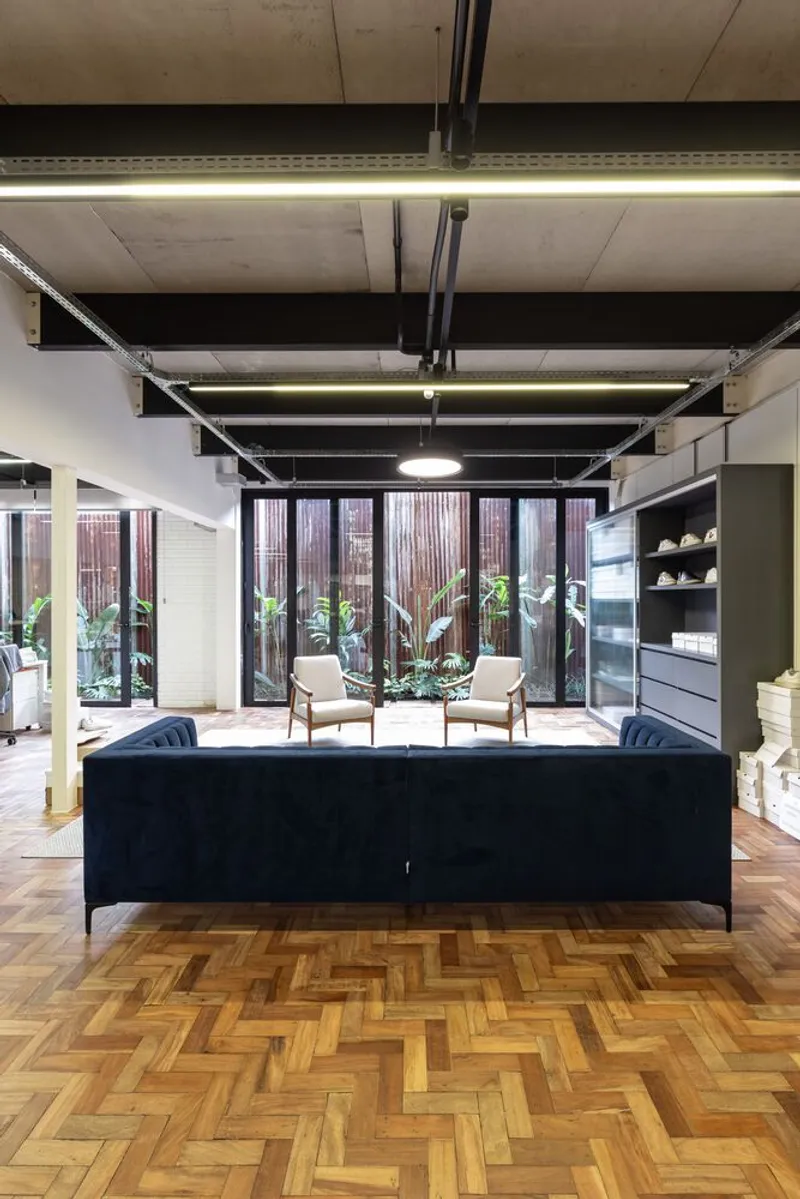
The mezzanine also provided an opportunity to incorporate sustainable elements, including windows to the east, which maximized natural ventilation and provided a clear view of the tropical garden planted in the courtyard. These changes not only improved the work environment but also aligned with the company’s eco-friendly ethos.

Preservation of the Pavilion and Eco-friendly Renovation
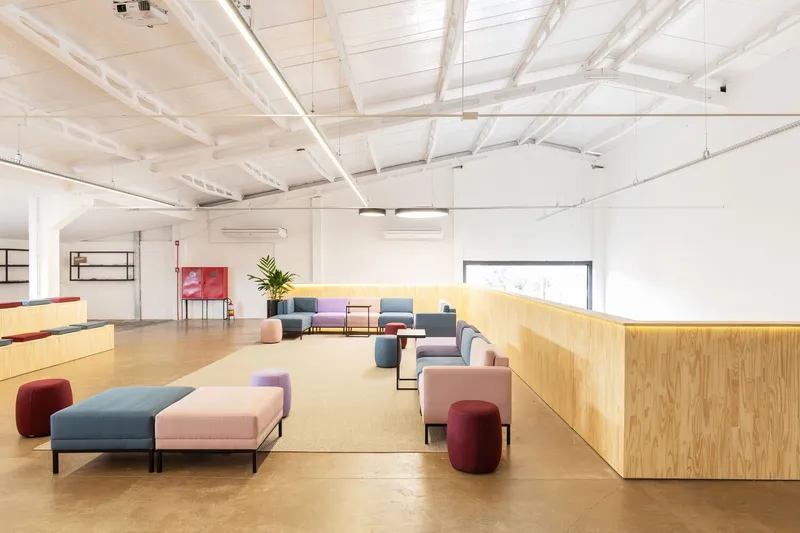
A key feature of the New Headquarters Vert Campo Bom is the preservation of the original industrial pavilion. The project aimed to minimize waste and avoid unnecessary demolition, reflecting Vert's commitment to sustainability. Several sustainable design practices were employed, including:
- Restoring old wooden floors that added a rustic charm while reducing the need for new materials.
- Repurposing discarded materials like the old metal roof sheets, which were used as cladding for adjacent buildings, minimizing construction waste.
- Replacing the damaged roof with thermally insulated tiles, improving the building’s energy efficiency.


Interior Design: A Dynamic and Fluid Workspace
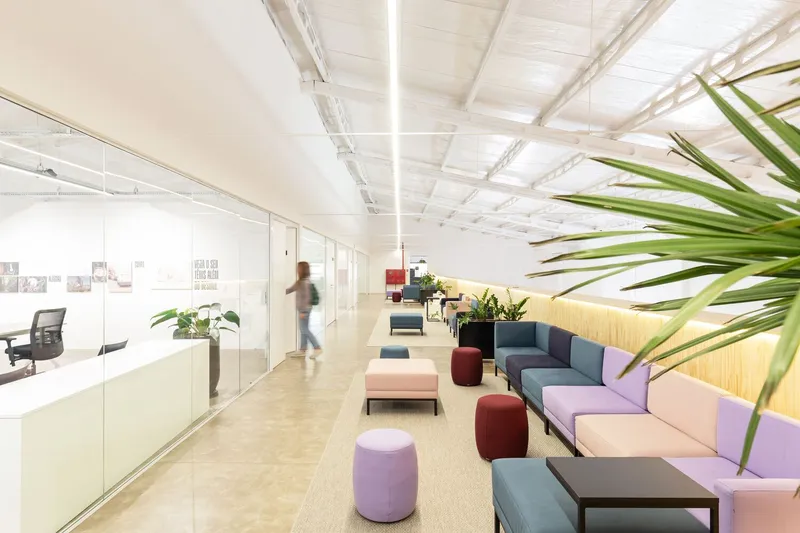
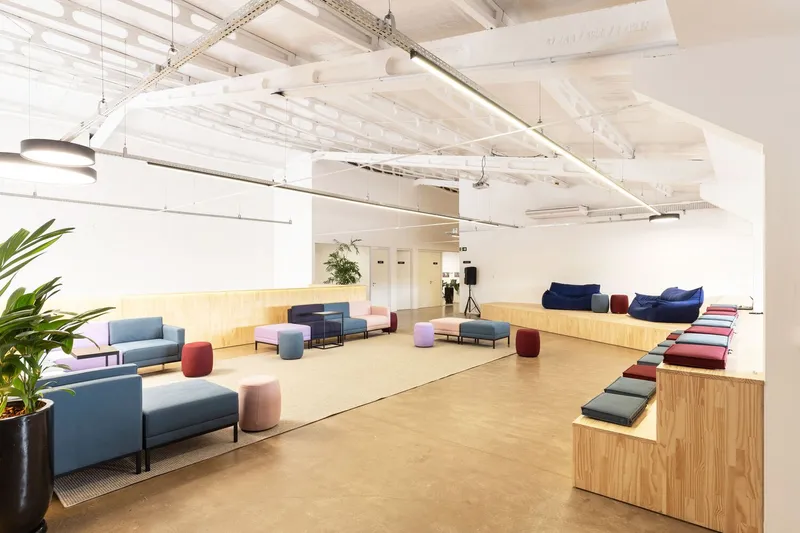
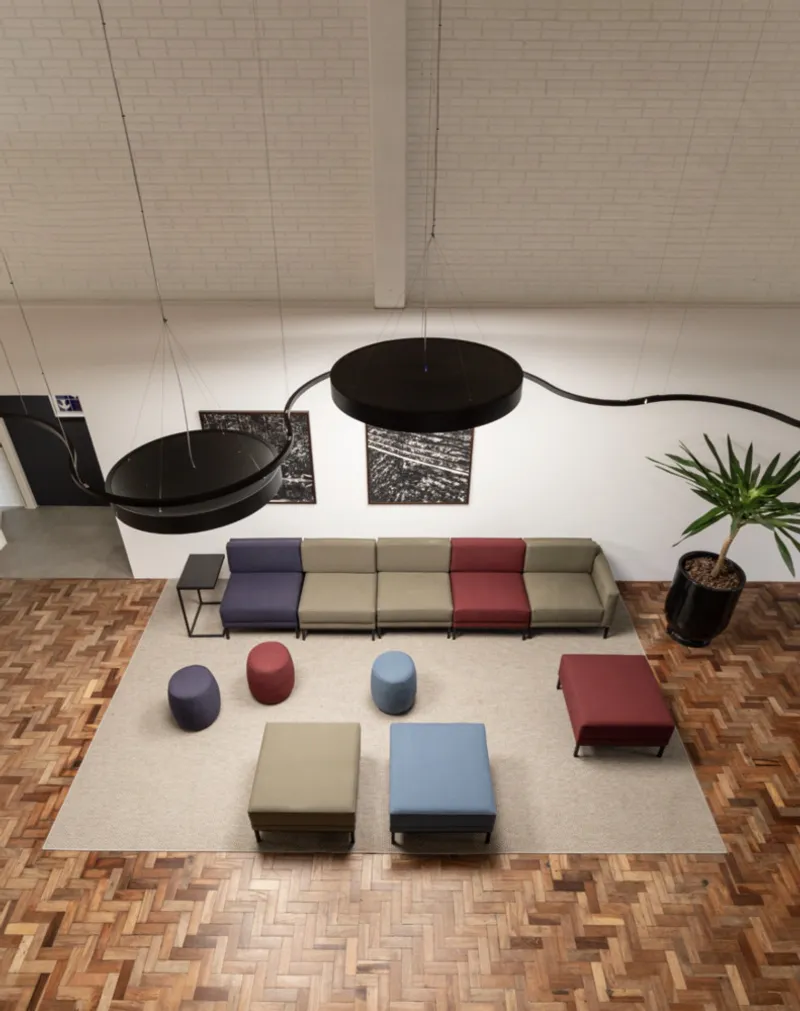
The interior design of the headquarters plays a pivotal role in creating a comfortable and productive environment. The office spaces are arranged around a central living area filled with plants, colorful modular furniture, and flexible spaces that encourage interaction and collaboration. The modular sofas, upholstered with cotton canvas used in the production of sneakers, are not only eco-friendly but also adaptable to the changing needs of the office.
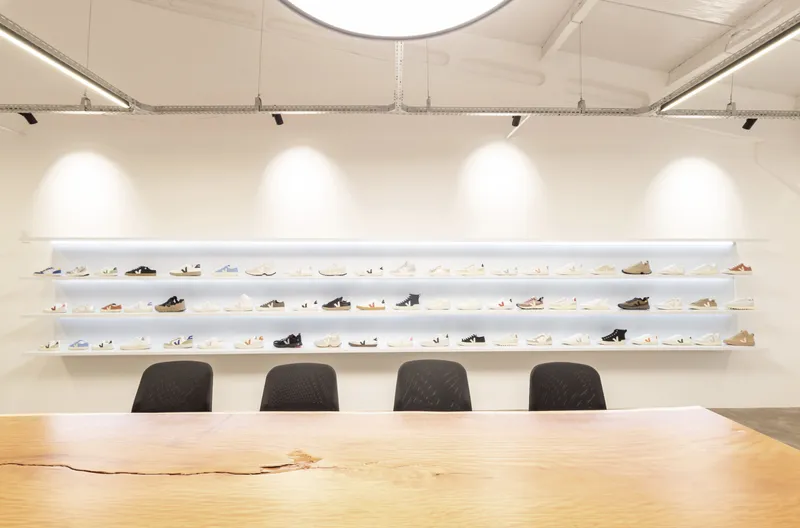
In addition, the large meeting rooms are equipped with tennis displays that serve a dual purpose: they symbolize Vert’s core values while also contributing to the aesthetic and functional aspects of the space. The incorporation of such elements creates a dynamic, engaging atmosphere for both employees and visitors.

Artistic Touch: A Symbol of Sustainability
In line with the company’s commitment to social and environmental causes, the headquarters also features an art installation by artist Derlon. The artist created a mural on a blind wall, depicting symbolic references such as Chico Mendes, a renowned environmentalist, and the cotton harvest—both integral to the company’s sustainable production process. The mural took ten months to complete and serves as a powerful reminder of the values that define Vert.


Sustainable Office Design and Future Implications
The New Headquarters Vert Campo Bom represents a forward-thinking approach to sustainable office design. It combines modern design practices with eco-friendly solutions, creating an environment that is not only functional but also promotes the core values of the Vert brand. The project serves as a model for future sustainable office spaces, demonstrating how architectural design can play a significant role in reducing environmental impact while enhancing the quality of life for employees.
The New Headquarters Vert Campo Bom is a prime example of sustainable office design that merges innovative architecture with environmental responsibility. The project not only transforms an old industrial building into a vibrant and dynamic office space but also demonstrates how architectural renovations can contribute to sustainability efforts. By incorporating sustainable materials, optimizing energy efficiency, and fostering an engaging work environment, this project sets a new standard for sustainable office spaces that other companies can follow.
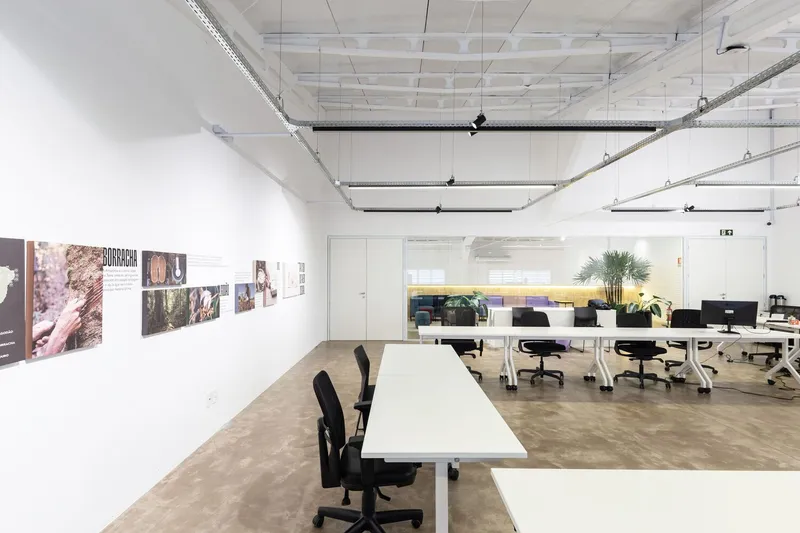

All the photographs are work of Marcelo Donadussi


Popular Articles
Popular articles from the community


Jaramillo Van Sluys Arquitectura and Urbanismo Turn a Demolished Registry Lot in Quito into an Orchard Plaza
In Quito's Centro Histórico, a 2,800 m² plaza exposes the San Agustín convent wall and redraws its lost Augustinian orchard in volcanic stone.

U.GA Architects Wraps an Oval Rooftop Pool in Curved Board-Formed Concrete on Busan's Jeollidan-gil
In Busan's Jeonpo-dong, a 454 m² mixed-use block stacks a neighborhood facility, guest rooms and an oval rooftop pool inside spiraling concrete walls.

Juan García Correa, John González and Claudia Rueda Sink a Circular Amphitheater into a Manizales Engineering Building
On the La Nubia campus in Manizales, Colombia, the S1 Building folds labs and offices into a hillside of ramped lawns that double as a campus route.

longwave studio Reorganizes a 112 m² Tainan Apartment Around the Daily Routines of a Family and Two Cats
In Tainan, Taiwan, birch plywood, rust-red furniture and a freestanding plaster wall link arrival, storage, work and family life in one apartment.

Similar Reads
You might also enjoy these articles


Hodi-Mandai Geram
Project Function: Preservation and revitalization of the Intangible heritage and socio-spatial identity of the Hodi by Housing, Cultural Memory Center, Sacred Grove, landscape, local tourism economy


Olio Towers: A Mid-Rise for Performers That Fuses Housing, Rehearsal, and Stage
Located blocks from Houston's Theater District, this modular tower stacks living units around a central performance atrium.

Oasis: Modular Green Housing Carved into Dhaka's Urban Fabric
A shortlisted Plugin Housing entry reclaims unauthorized settlements in Dhaka with stepped concrete volumes, green roofs, and ventilation-driven design.

Black Hole: A Floating Megastructure for the Post-Physical Era
Emiliano Mazzarotto envisions a spherical, self-scaling arena where e-sports, digital hotels, and holographic stadiums replace traditional public space.

Explore Office Building Competitions
Discover active competitions in this discipline

Challenge to reimagine the Iron Throne

Photograph architecture without architects

Illustrate the lost glory of Angkor Wat - Render Challenge

Design challenge to reuse E-waste
Comments (0)
Please login or sign up to add comments
No comments yet. Be the first to comment!