
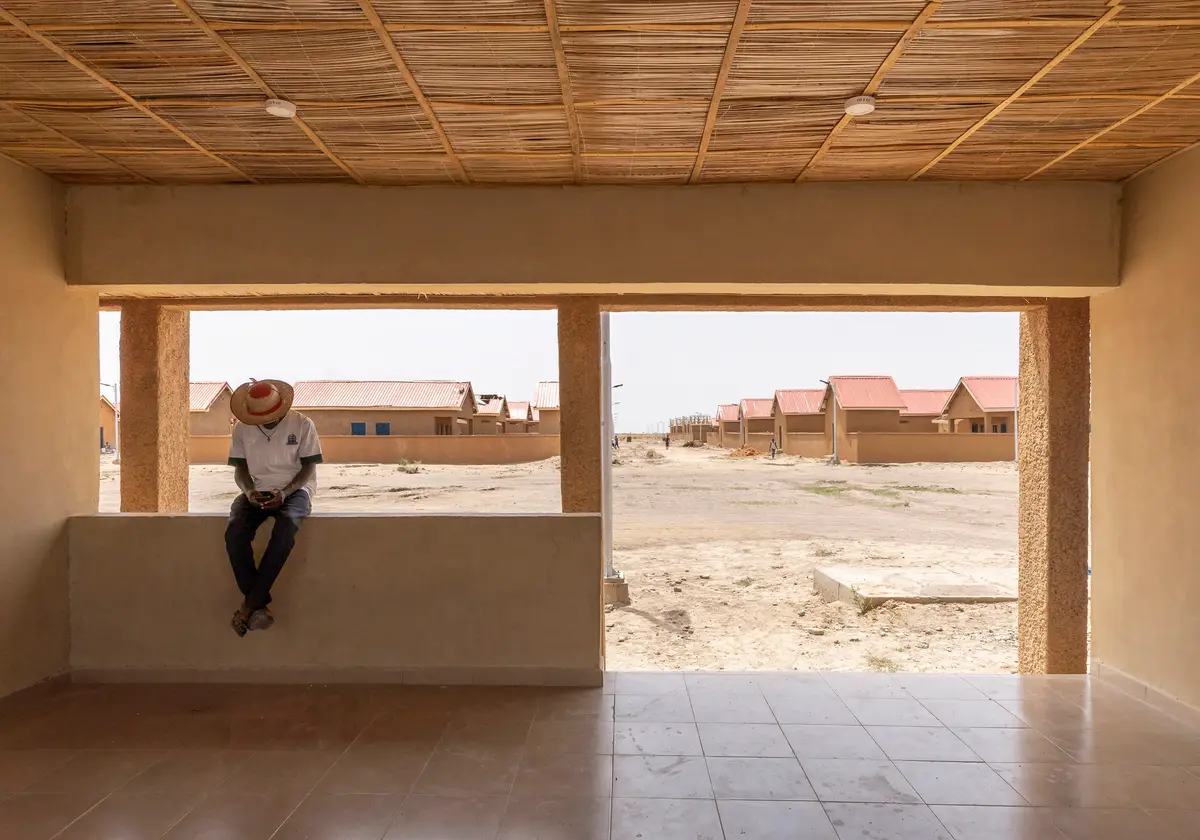
Ngarannam Resettlement Town by Oshinowo Studio: Restoring Dignity and Identity Through Architecture
Ngarannam Resettlement Town by Oshinowo Studio rebuilds community resilience through culturally rooted, sustainable architecture blending tradition, dignity, and modern living.


In the Borno State of Nigeria, Ngarannam Resettlement Town by Oshinowo Studio represents far more than a built environment—it embodies resilience, cultural continuity, and human dignity. Developed with the United Nations Development Programme (UNDP) and the Government of Nigeria, this landmark initiative rebuilds a community once devastated by Boko Haram insurgency and transforms displacement into opportunity.
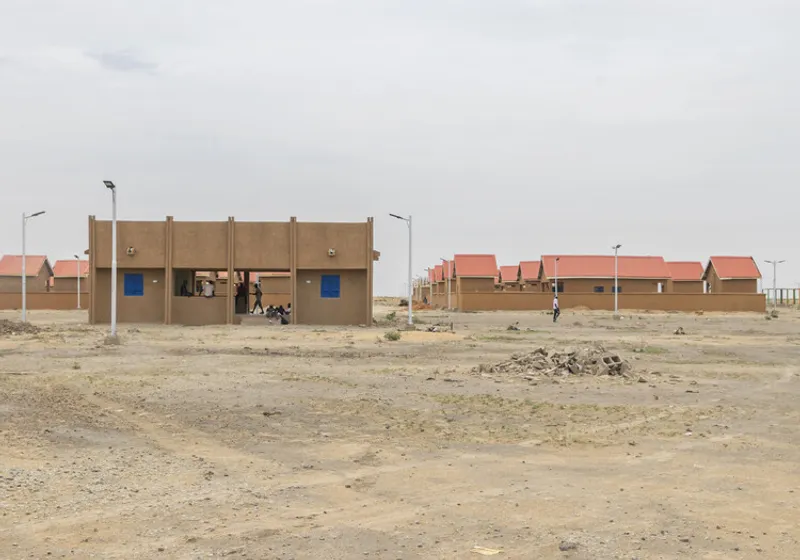
Rebuilding Lives After Conflict
The small town of Ngarannam, home to over 3,000 residents before its destruction in 2015, became a central focus of the Nigeria Window of the Lake Chad Basin Regional Stabilization Facility. The mission was not only to reconstruct housing, but to restore identity, livelihood, and long-term stability through sustainable design and cultural sensitivity.
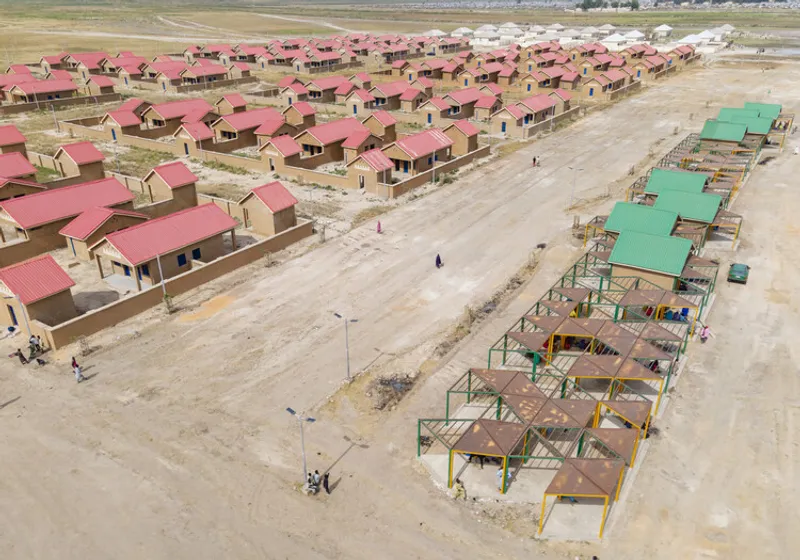
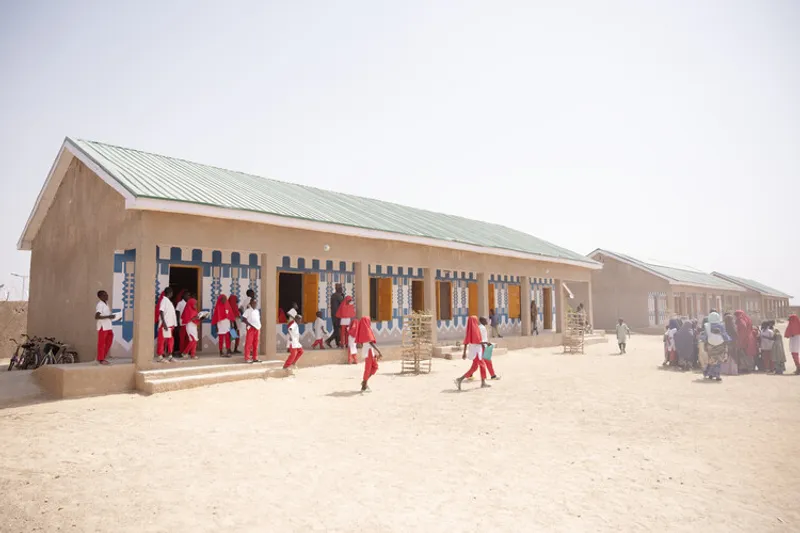
Under the leadership of architect Tosin Oshinowo, Oshinowo Studio developed a comprehensive resettlement plan grounded in local tradition and climate-responsive design. The project spans 35,264 square meters, encompassing housing clusters, a school, mosque, marketplace, and renewable energy infrastructure, all designed to foster autonomy and unity within the community.
Architecture Rooted in Culture
Central to the concept was a design deeply related to Kanuri and Islamic culture, distinctly different from generic resettlement models often imposed in similar contexts. As Oshinowo Studio explains, architecture must articulate “human-centered design,” reflecting the rhythms, materials, and scale that resonate with those who live there.
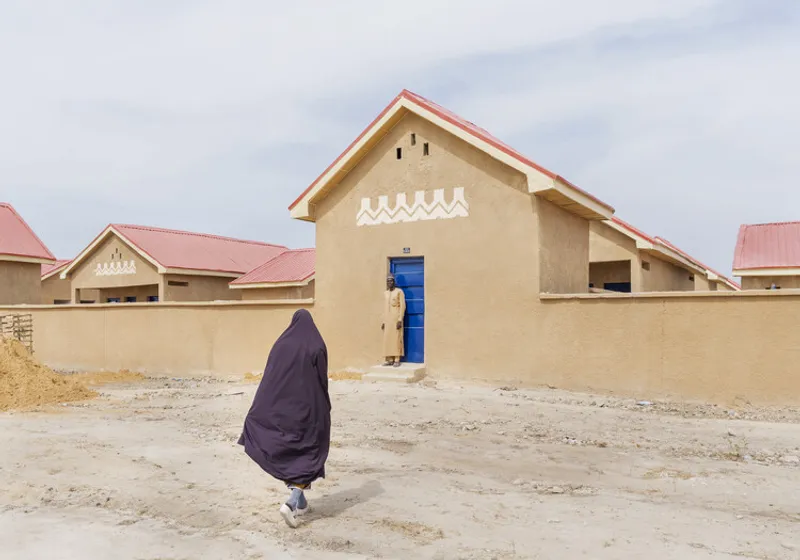
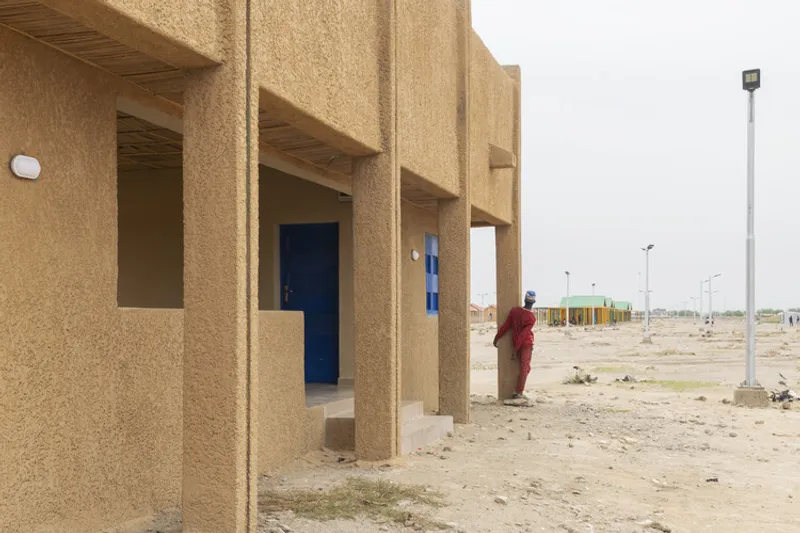
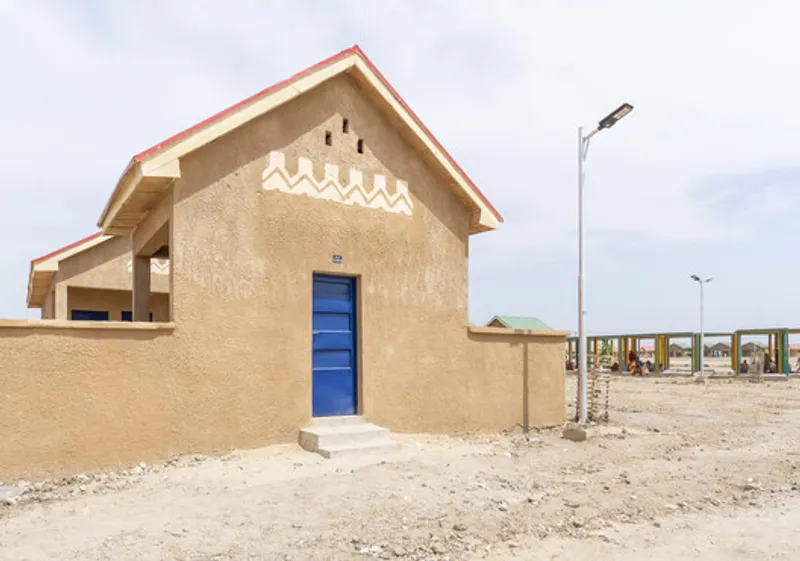
Every element of Ngarannam—from building form to color palette—was shaped by the traditions of northern Nigerian vernacular architecture. Homes are organized into clusters resembling traditional compounds, fostering extended family living while providing privacy and security. Streets are shaded and pedestrian-friendly, recreating the village’s pre-insurgency spatial DNA within a more resilient framework.
Local Materials, Lasting Comfort
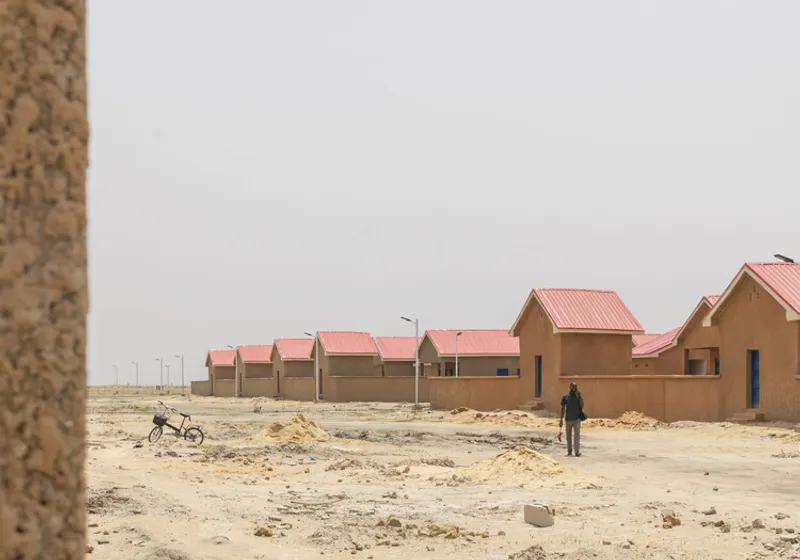
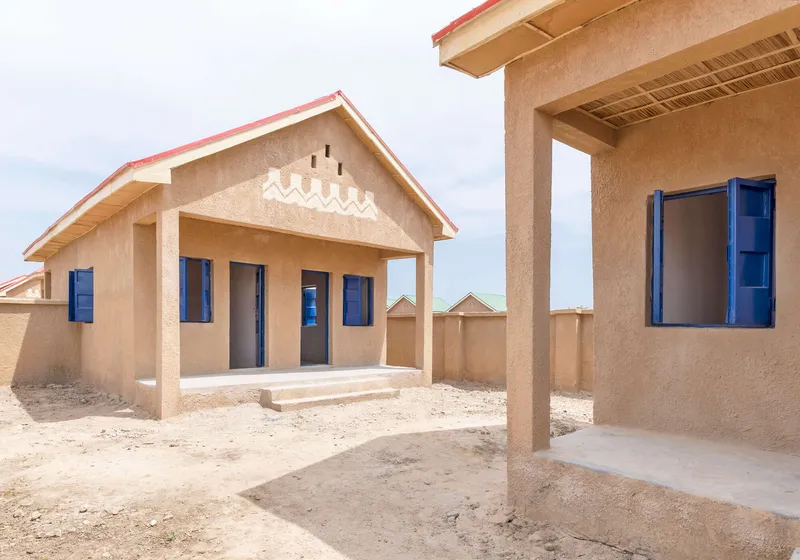
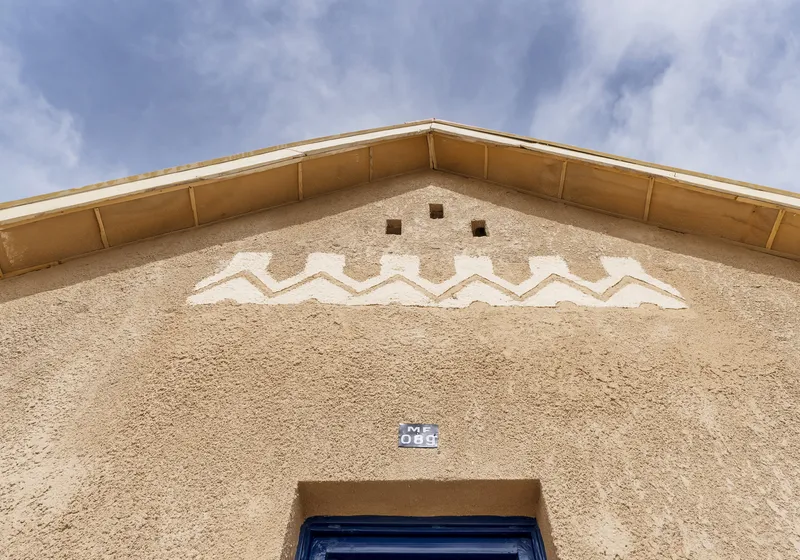
Material selection reflects environmental and cultural intelligence. Each home utilizes stabilized earth blocks, locally sourced concrete, and heat-deflecting metal roofing to ensure durability and comfort in hot northern climates. The roofs’ revised angles and ventilation detailing improve thermal performance while adding visual rhythm across the settlement.
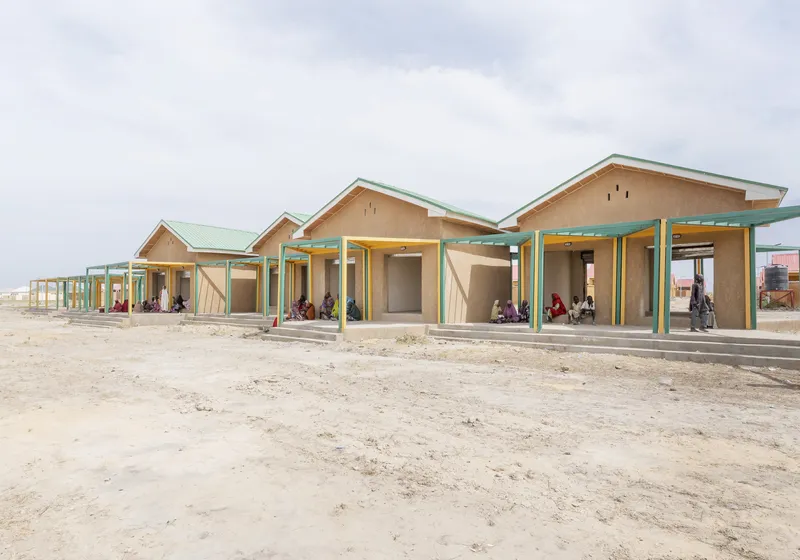
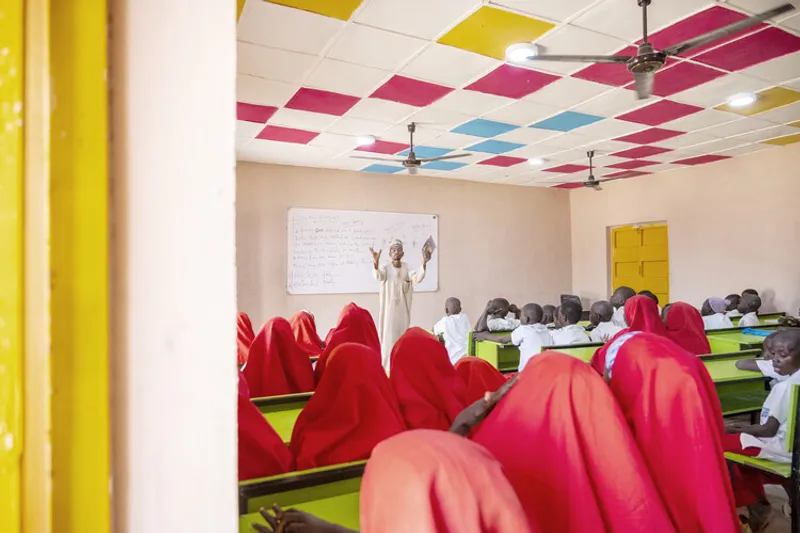
The color scheme, chosen through community consultation, brings brightness and identity to the townscape. Varied hues distinguish clusters and reinforce belonging, creating a psychologically uplifting environment that transforms reconstruction into renewal.
Education and Community Facilities
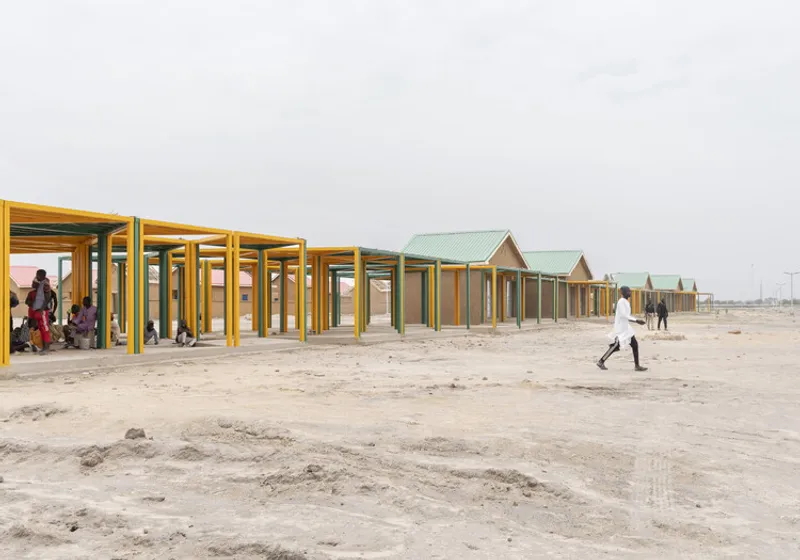
At the heart of the town, Oshinowo Studio designed a primary school complex emphasizing openness, shading, and airflow. Recognizing the region’s limited tree canopy, the architects incorporated extended roof overhangs, courtyards, and ventilated classrooms to ensure thermal comfort.
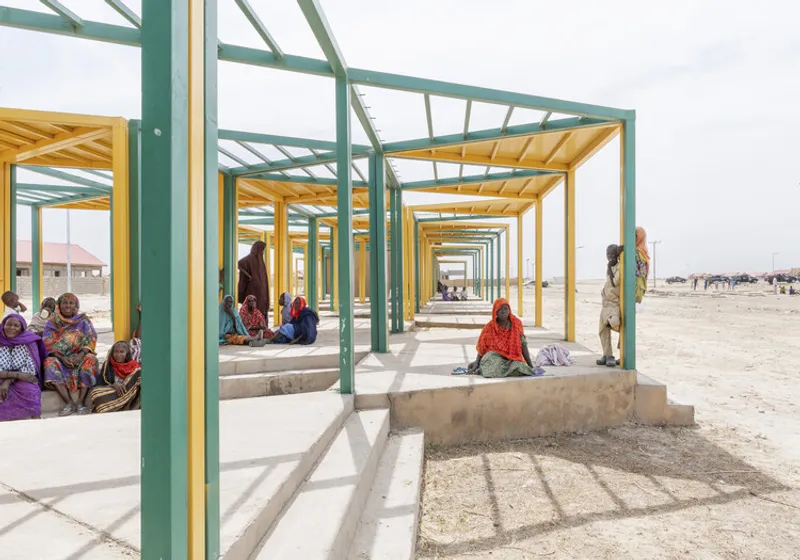
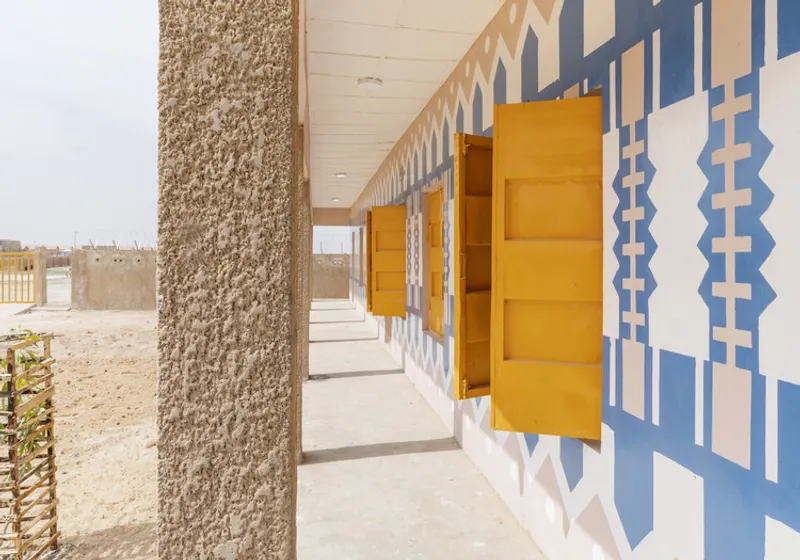
Surrounding the education zone, adaptable shading pavilions serve multiple roles—providing areas for social gatherings, markets, and learning outside the classroom. Their modular timber construction allows future expansion by local artisans, embodying incremental growth and community ownership.
Empowerment Through Design
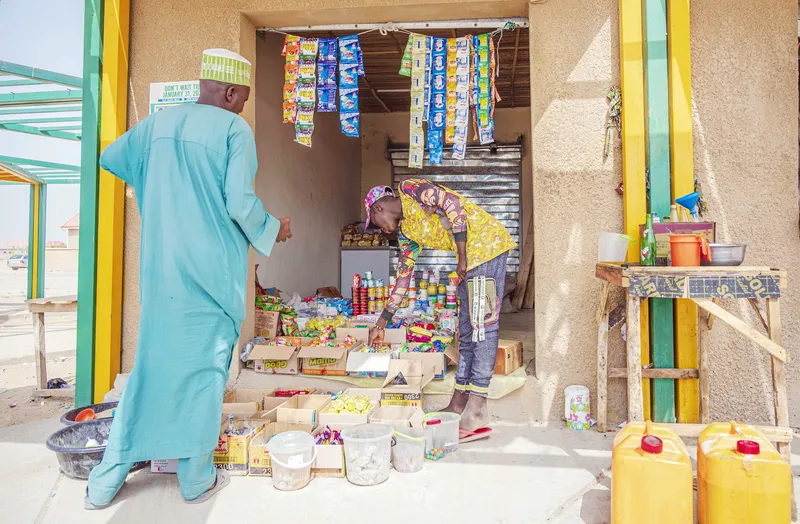
The market and mosque sit alongside civic and commercial structures, forming a central core that balances public and private life. Each space reinforces economic resilience, giving residents the means to rebuild livelihoods and social networks.
For rural women and returning families, these communal nodes support micro-businesses and informal trade, reintroducing the social patterns disrupted by displacement. The emphasis on human dignity and collective identity restores pride and emotional connection—a stark contrast to temporary shelters or one-size-fits-all rebuilding schemes.
Sustainable Urban Model
Beyond physical reconstruction, Ngarannam Resettlement Town is a prototype for contextual post-conflict urbanism. Designed with the UNDP Engineering Department, the plan integrates infrastructure for water supply, electricity, and sanitation, aiming for long-term self-sufficiency.
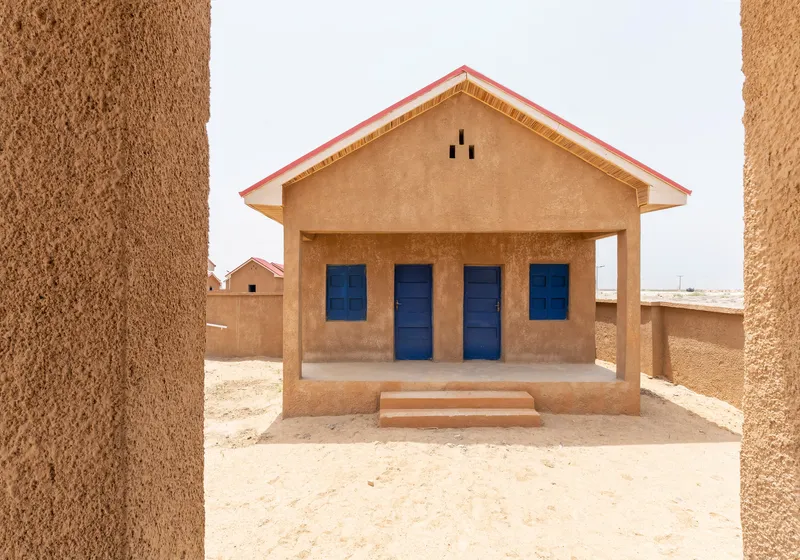
Every design component—from roof geometry to orientation—responds to environmental forces. The town leverages passive cooling, climate-responsive orientation, and low-maintenance materials to ensure resilience against future shocks. These solutions are scalable, offering a replicable model for community rebuilding across the Lake Chad Basin region.
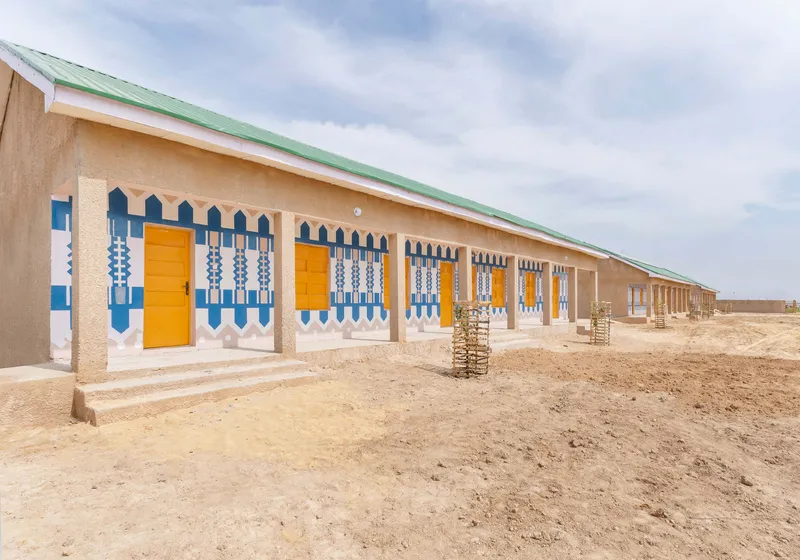
Architecture of Healing
Oshinowo Studio demonstrates that rebuilding after conflict is not merely about physical shelter—it is an act of cultural, psychological, and economic healing. Ngarannam restores the human dimension of architecture, proving that design can empower communities when rooted in empathy and understanding.
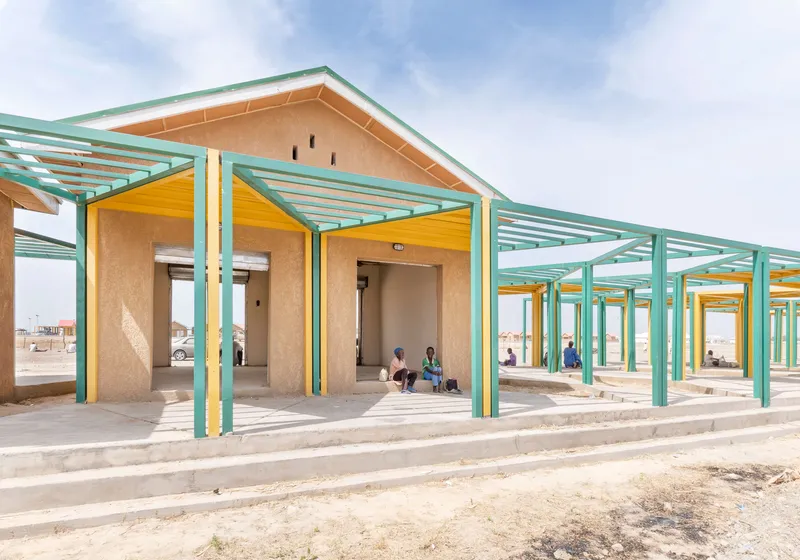
The town’s understated elegance—its earthy textures, rhythmic forms, and communal spaces—reveals architecture’s ability to rebuild both place and spirit. In a landscape once fractured by violence, Ngarannam Resettlement Town redefines what it means to belong, to rebuild, and to hope.
All the photographs are works of Tolu Sanusi


Popular Articles
Popular articles from the community


Conexión: Biophilic Design Reimagines High-Rise Living in Hong Kong
Conexión reimagines high-rise living in Hong Kong through biophilic design, green facades, shared spaces, daylight, water and nature within.

Co-life: Sustainable Architecture for Age-Friendly Community Living
Co-life reimagines sustainable architecture for seniors through courtyards, rammed earth, shared gardens, and spaces designed for belonging.

ALGAL REALM: A Bio-Integrated Lunar Habitat Design for Life Beyond Earth
ALGAL REALM reimagines lunar habitat design with algae-powered life support, 3D-printed regolith, and vertical living for a lunar future.

Co-Life: Senior Housing Design That Reconnects Older Adults With the City
Co-Life reimagines senior housing design through healing gardens, shared streets, workshops, and a sustainable community across generations.

Similar Reads
You might also enjoy these articles


Hodi-Mandai Geram
Project Function: Preservation and revitalization of the Intangible heritage and socio-spatial identity of the Hodi by Housing, Cultural Memory Center, Sacred Grove, landscape, local tourism economy


Olio Towers: A Mid-Rise for Performers That Fuses Housing, Rehearsal, and Stage
Located blocks from Houston's Theater District, this modular tower stacks living units around a central performance atrium.

Oasis: Modular Green Housing Carved into Dhaka's Urban Fabric
A shortlisted Plugin Housing entry reclaims unauthorized settlements in Dhaka with stepped concrete volumes, green roofs, and ventilation-driven design.

Black Hole: A Floating Megastructure for the Post-Physical Era
Emiliano Mazzarotto envisions a spherical, self-scaling arena where e-sports, digital hotels, and holographic stadiums replace traditional public space.

Explore Housing Competitions
Discover active competitions in this discipline

Challenge to reimagine the Iron Throne

Photograph architecture without architects

Illustrate the lost glory of Angkor Wat - Render Challenge

Design challenge to reuse E-waste
Comments (0)
Please login or sign up to add comments
No comments yet. Be the first to comment!