

Openfield House Modern Rural Architecture: A Harmonious Dialogue with the Landscape
Openfield House in New Zealand reinterprets modern rural architecture through geometric purity, material authenticity, and seamless integration with the natural landscape.


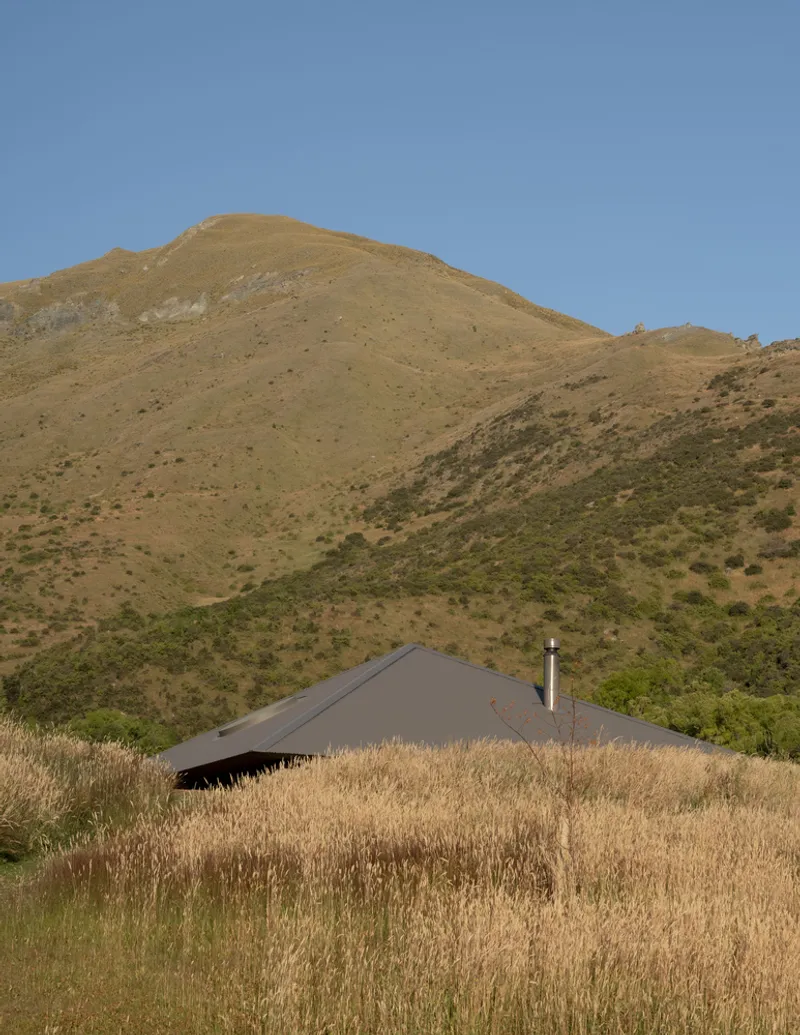
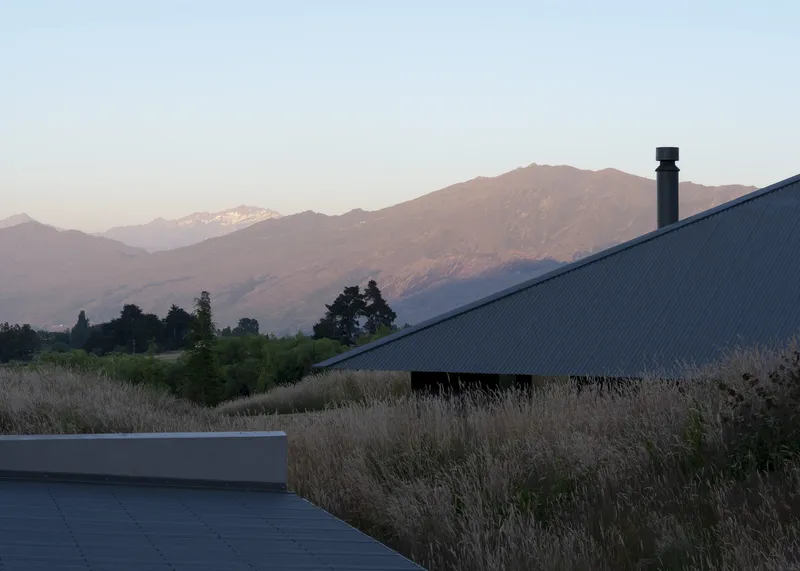
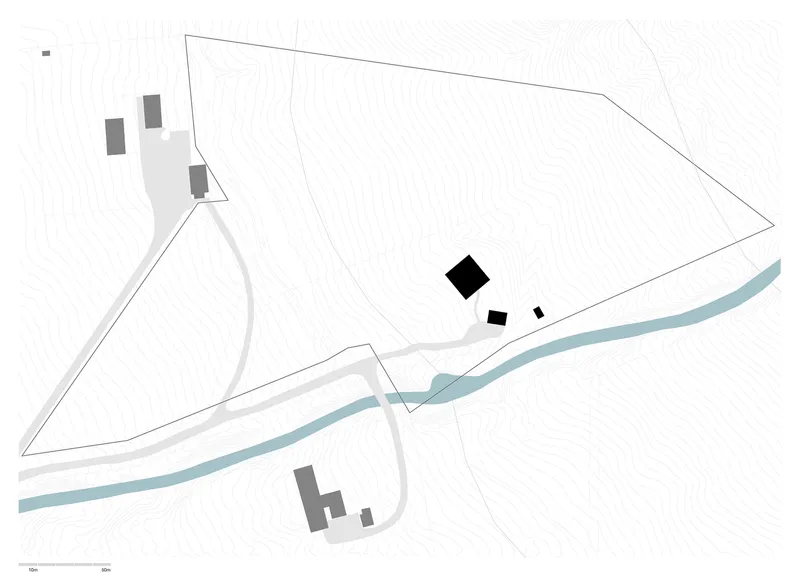
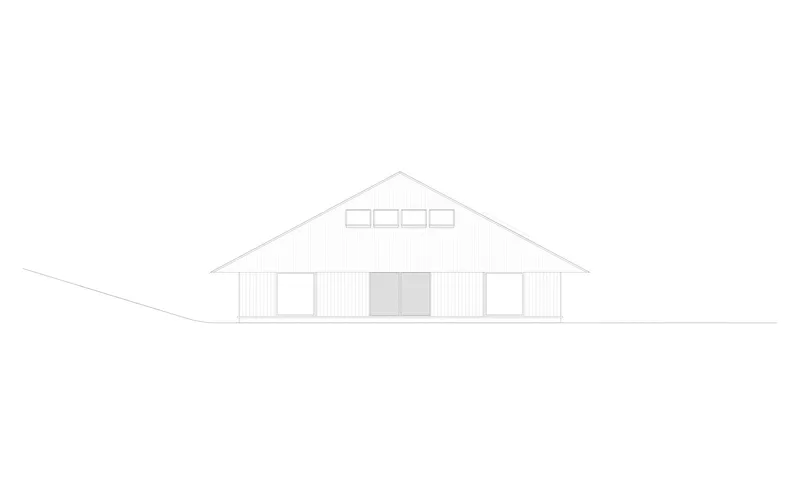
Openfield House, designed by Keshaw McArthur, stands as a refined architectural expression of modern rural living. Situated within the breathtaking expanse of New Zealand’s Crown Range, this 290-square-meter residence is a study in geometric purity and spatial restraint. Designed in collaboration with UK-based Matheson Whiteley, the house merges contemporary minimalism with historical references, creating a seamless integration between built form and the surrounding terrain.



A Modern Interpretation of Rural Architecture
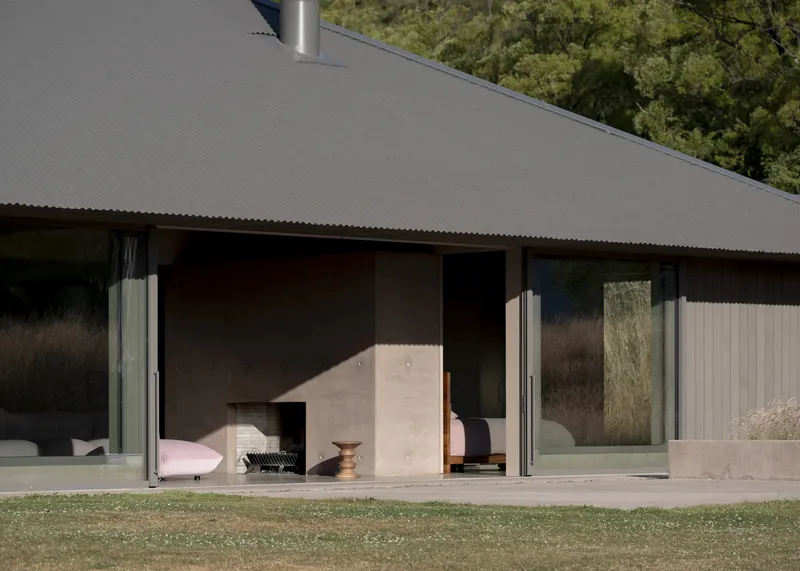
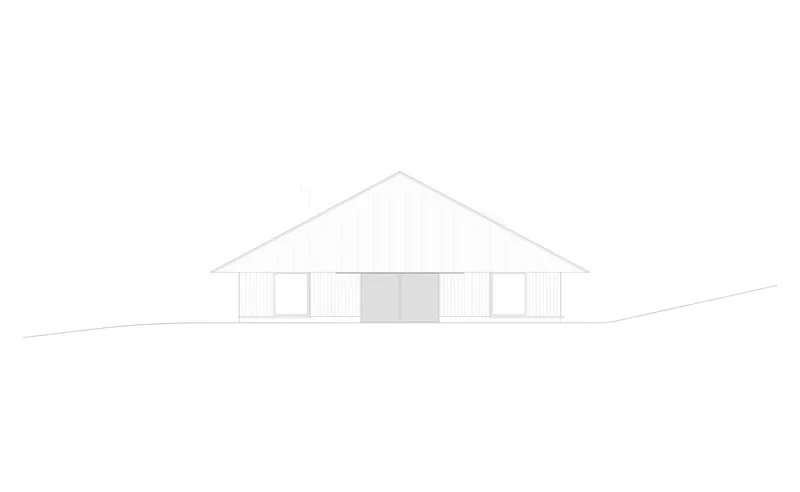
The design of Openfield House draws inspiration from the traditional miner’s huts and agricultural sheds that define the region’s vernacular architecture. The structure’s square plan and corrugated metal roof establish a visual continuity with the historic fabric, while a rationalized grid system governs the opening and closing of interior spaces based on the occupants' needs.
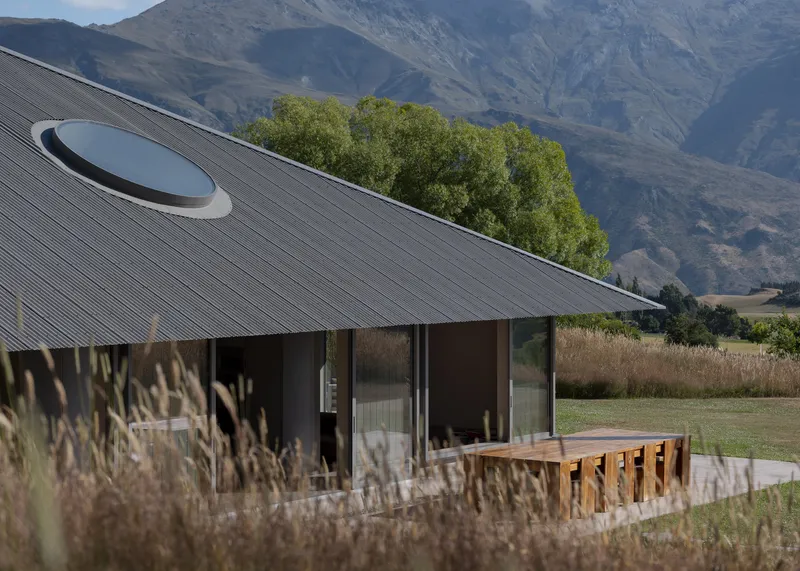
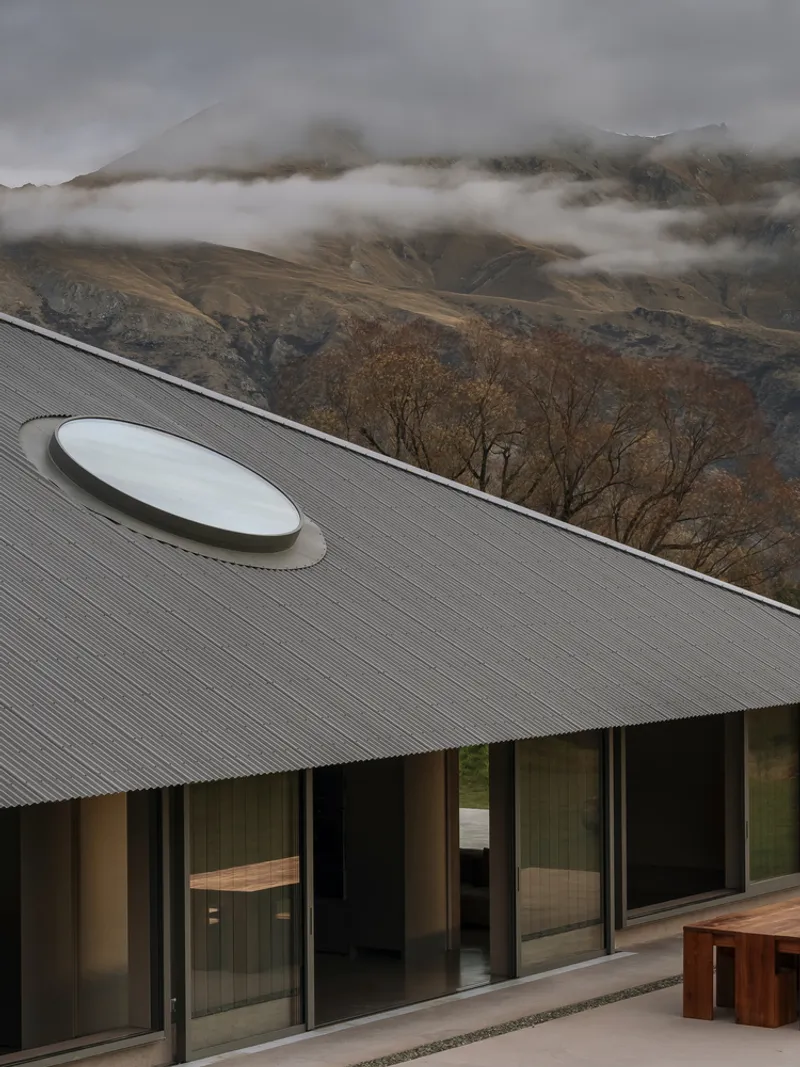


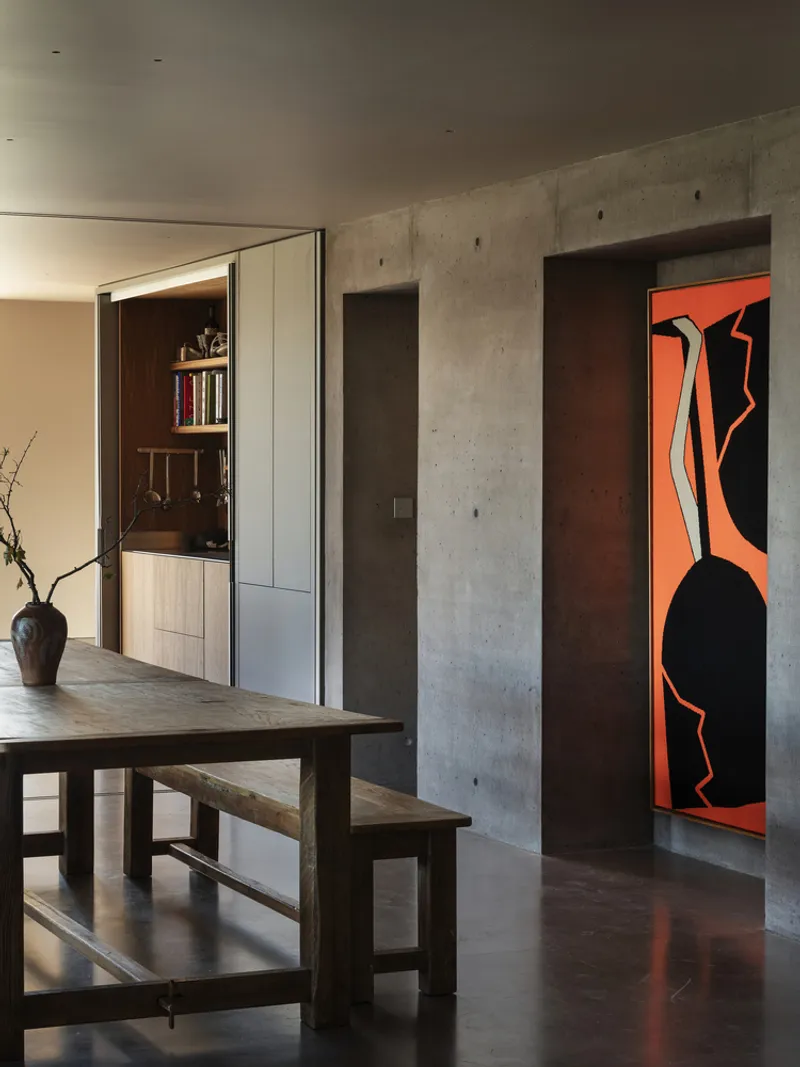
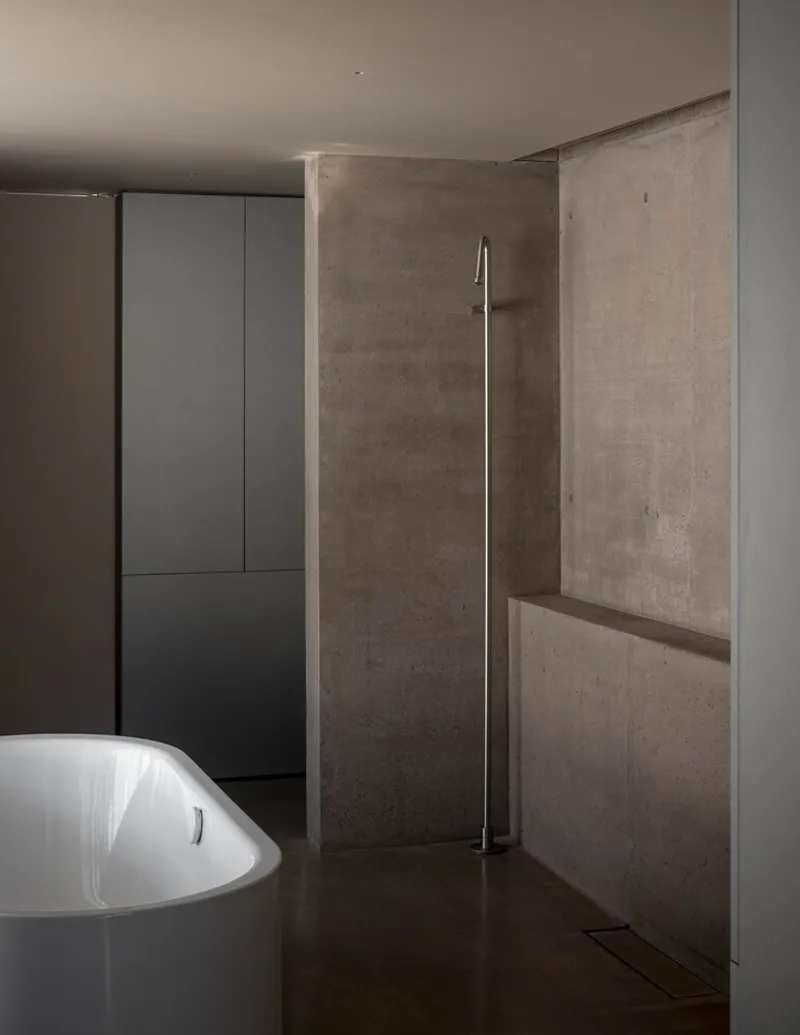
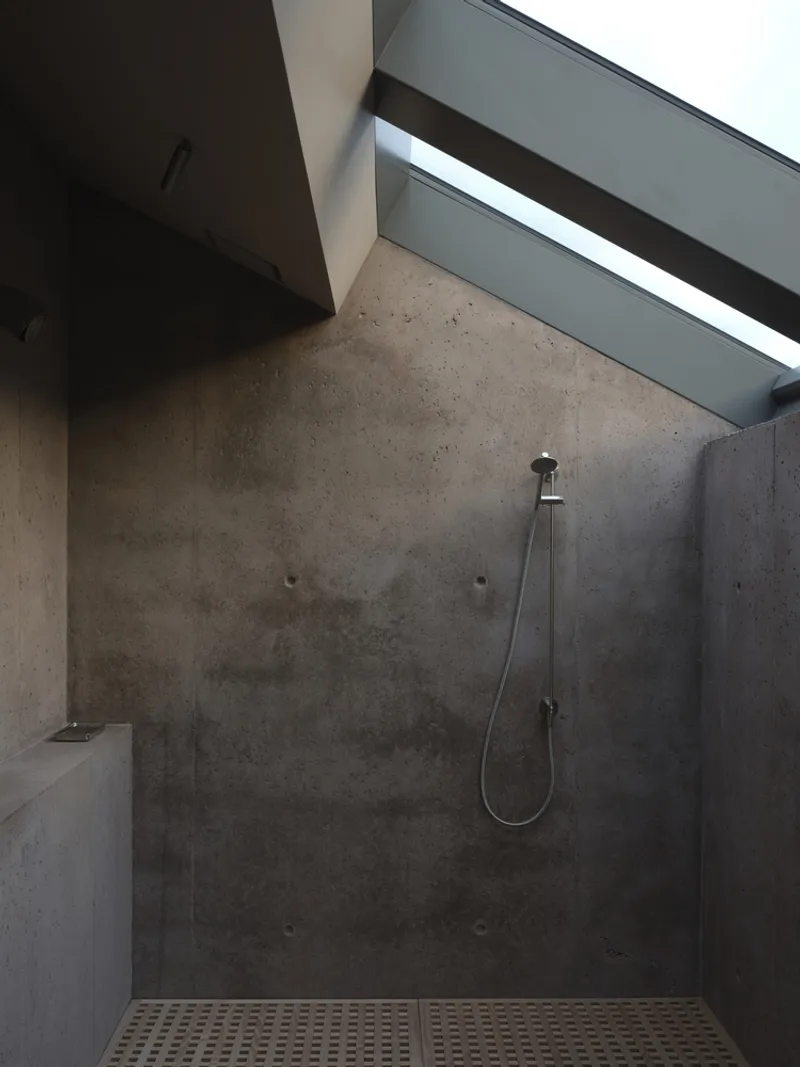
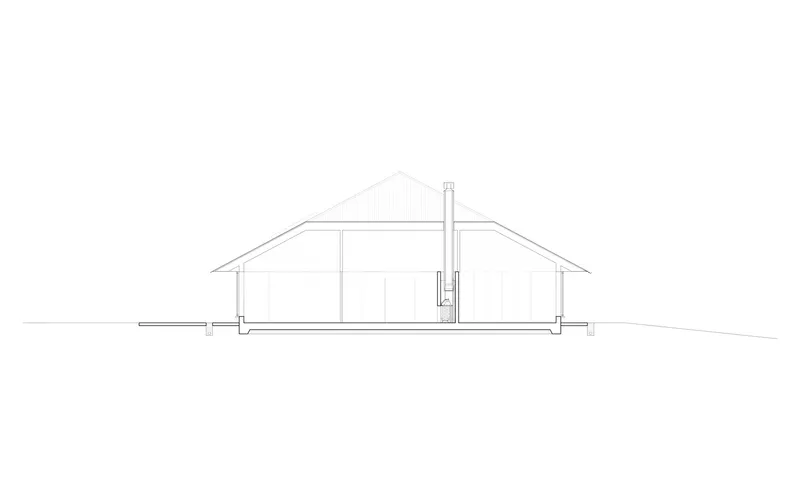
At the core of the home’s architectural philosophy is a continuous field of space, punctuated by solid concrete volumes that anchor the structure to the earth. These massive elements, reminiscent of natural rock formations, emerge from the terrain, providing both functional and symbolic grounding. A large open fireplace, positioned at the heart of the house, reinforces this connection, acting as a central gathering space that extends the warmth of the home into the surrounding landscape.


Material Restraint and Structural Integrity
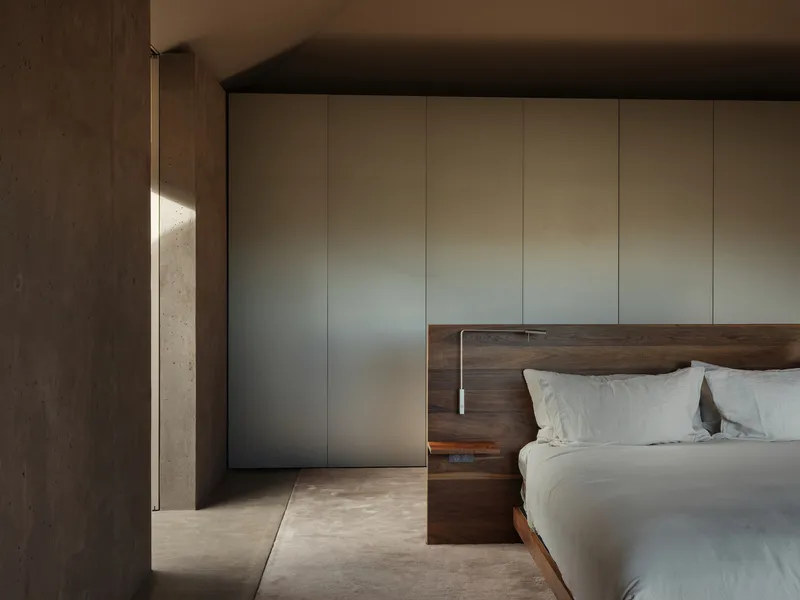
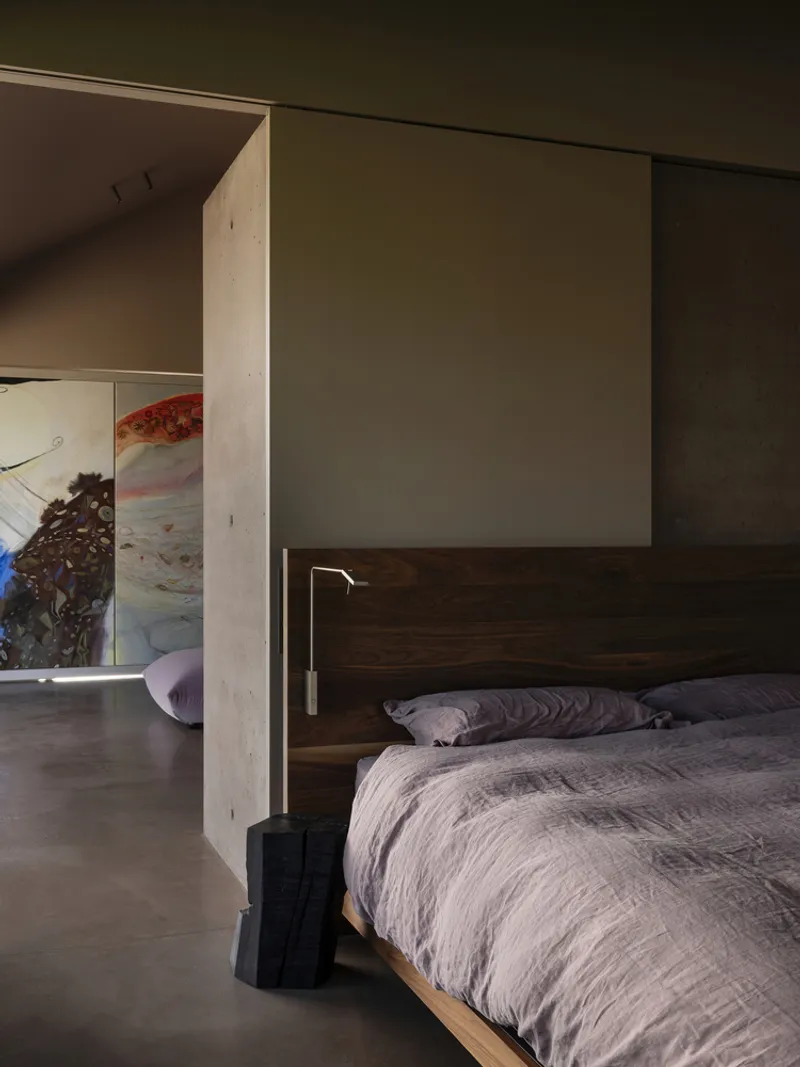
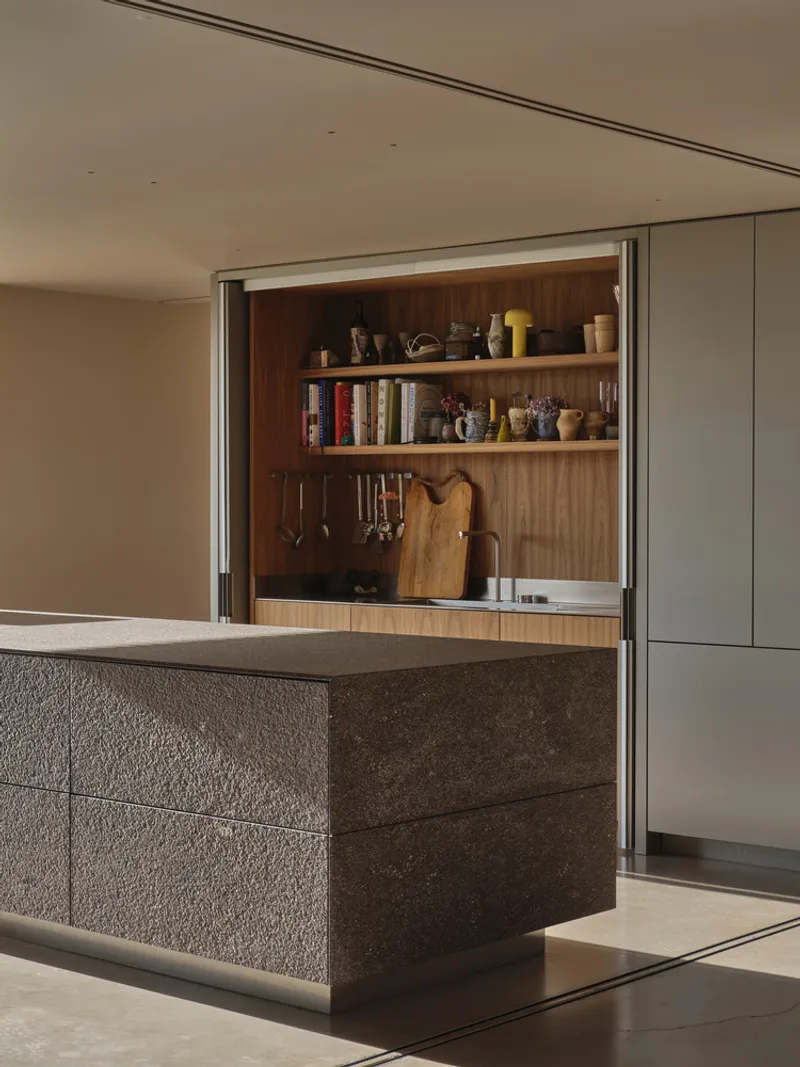
Materiality plays a fundamental role in the identity of Openfield House. The use of raw, unembellished materials echoes the elemental forces of the land. The combination of concrete, cedar, and metal creates a balance between permanence and transience, reinforcing the idea that the home is both a shelter and an extension of its natural setting.


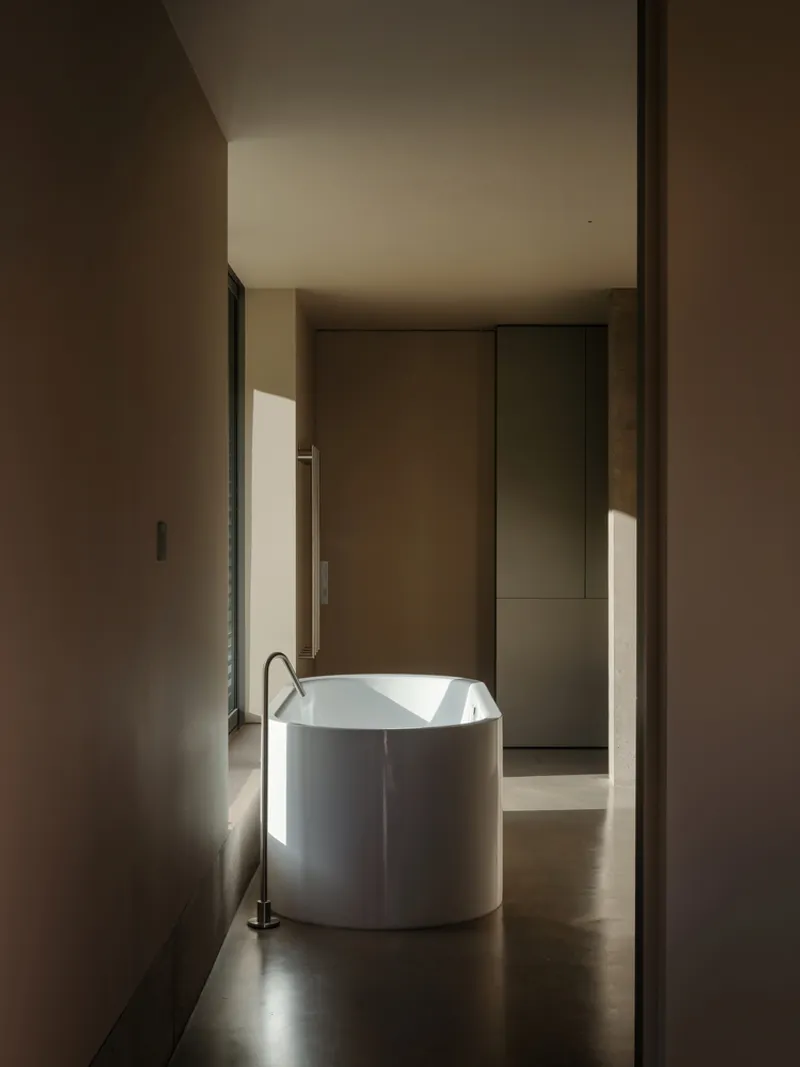


A key architectural concept is the hierarchy of elements within the structure. The heavy, grounded masses contrast with the lightweight timber enclosures, an intentional design decision that imagines the possibility of these lighter elements eventually giving way, leaving behind a poetic ruin of stone objects. This approach, rooted in an appreciation of impermanence, imbues the house with a timeless quality, as though it has always belonged to the landscape.

Seamless Indoor-Outdoor Connection
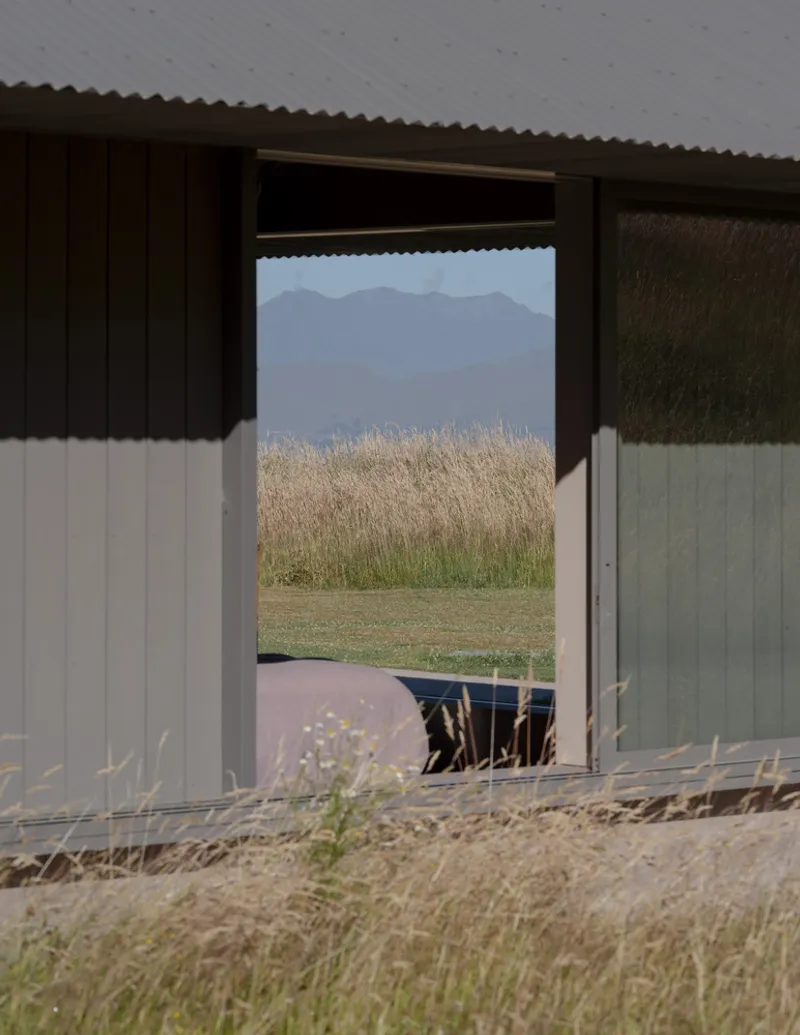
The perimeter of Openfield House follows the principles of the traditional Japanese "en" space—a transitional zone that mediates between the interior and exterior. Concealed pocket sliding doors integrate seamlessly within the solid concrete walls, allowing for an uninterrupted spatial flow. This extended threshold not only enhances the experience of openness but also mirrors the vast openness of the surrounding mountain range.


A low concrete upstand defines the perimeter threshold, providing subtle articulation while supporting an exterior track system for large sliding glass doors and timber screens. These elements hover just above the ground, creating a dynamic interplay between permanence and movement. When opened, the structure dissolves into the landscape, erasing the boundary between architecture and nature.



A Retreat Rooted in Nature
Designed as a sanctuary for a family with an active lifestyle, Openfield House is more than just a dwelling; it is a curated experience of living within the land. The house fosters a direct relationship with the raw energy of its environment, offering a space of respite that is at once contemporary and deeply connected to place.


Through its commitment to material authenticity, spatial purity, and contextual sensitivity, Openfield House redefines modern rural architecture. Keshaw McArthur’s design is a testament to the enduring relationship between built form and natural landscape, where architecture becomes an extension of the land itself.



All Photographs are works of Biddi Rowley, Samuel Hartnett


Popular Articles
Popular articles from the community


ETEH Reworks the Shared Spaces of São Domingos School in Brazil Around Timber, Color and Hanging Plants
At São Domingos School in Brazil, 436 m² of hall, refectory and library are recast with timber joinery, a yellow and blue code and trailing greenery.

LT2A and OPEN Architectes Thread a Brick and Glass High School Through a Wooded Belgian Campus
In Braine-l'Alleud, a 3,000 m² wing for Collège Cardinal Mercier pairs pale brick with a glazed colonnade, deferring to a small chapel and a dense wood.


Singing Woman: An Opera House That Performs Before the Curtain Rises
Ovidiu Cristian Pavel's conceptual opera house translates Estonia's choral identity into a sculpted waterfront landmark facing the Baltic Sea.

The Amber Palace Opera: A Geological Fiction Surfaces on Tallinn's Baltic Waterfront
Pierre Brillard reimagines a Baltic legend as a public landscape, opera house, and waterfront promenade rooted in Tallinn's coastal identity.

Similar Reads
You might also enjoy these articles


Hodi-Mandai Geram
Project Function: Preservation and revitalization of the Intangible heritage and socio-spatial identity of the Hodi by Housing, Cultural Memory Center, Sacred Grove, landscape, local tourism economy


Olio Towers: A Mid-Rise for Performers That Fuses Housing, Rehearsal, and Stage
Located blocks from Houston's Theater District, this modular tower stacks living units around a central performance atrium.

Oasis: Modular Green Housing Carved into Dhaka's Urban Fabric
A shortlisted Plugin Housing entry reclaims unauthorized settlements in Dhaka with stepped concrete volumes, green roofs, and ventilation-driven design.

Black Hole: A Floating Megastructure for the Post-Physical Era
Emiliano Mazzarotto envisions a spherical, self-scaling arena where e-sports, digital hotels, and holographic stadiums replace traditional public space.

Explore Architecture Competitions
Discover active competitions in this discipline

Challenge to reimagine the Iron Throne

Photograph architecture without architects

Illustrate the lost glory of Angkor Wat - Render Challenge

Design challenge to reuse E-waste
Comments (0)
Please login or sign up to add comments
No comments yet. Be the first to comment!