

Otaku Cafe: A Wabi-Sabi Cafe Design Blending Brutalist Aesthetics with Organic Warmth
Otaku Cafe embodies wabi-sabi cafe design, blending brutalist forms, organic textures, and curated vintage elements to create a serene, evolving space.


Otaku Cafe, designed by shell+core, reimagines contemporary coffee shop interiors through the philosophy of wabi-sabi cafe design. Located in the waterfront district of Al Qana, Abu Dhabi, the 187 m² space is a seamless fusion of raw materials, imperfect beauty, and modernist restraint. Inspired by Japanese aesthetics and the surrounding seascape, the design creates a poetic balance between brutalist elements and organic warmth, offering visitors a tranquil retreat within an evolving, textured space.
A Design Rooted in Wabi-Sabi Aesthetics
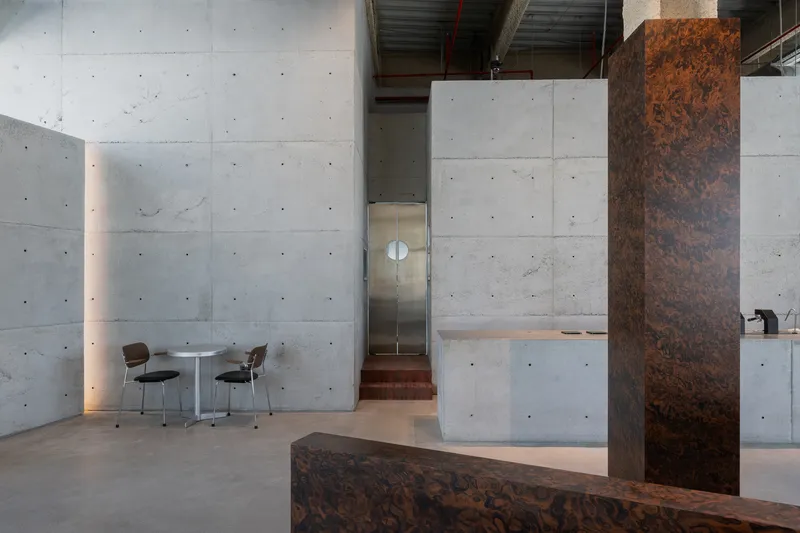
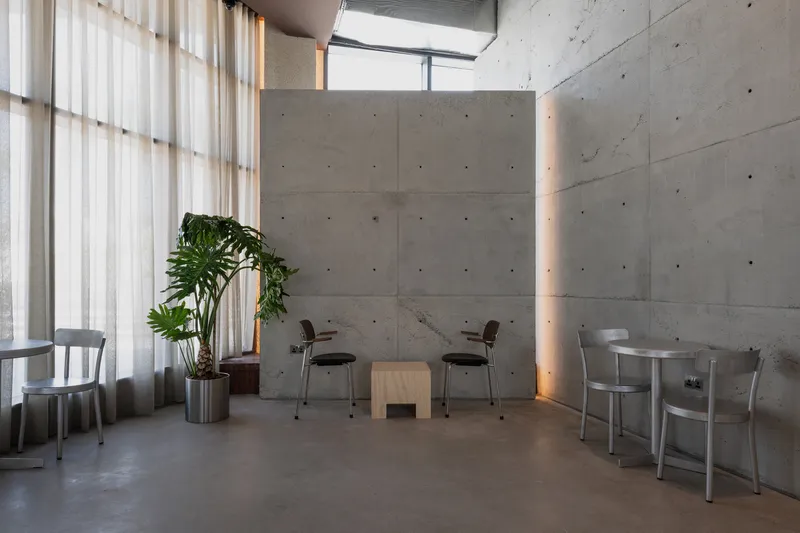
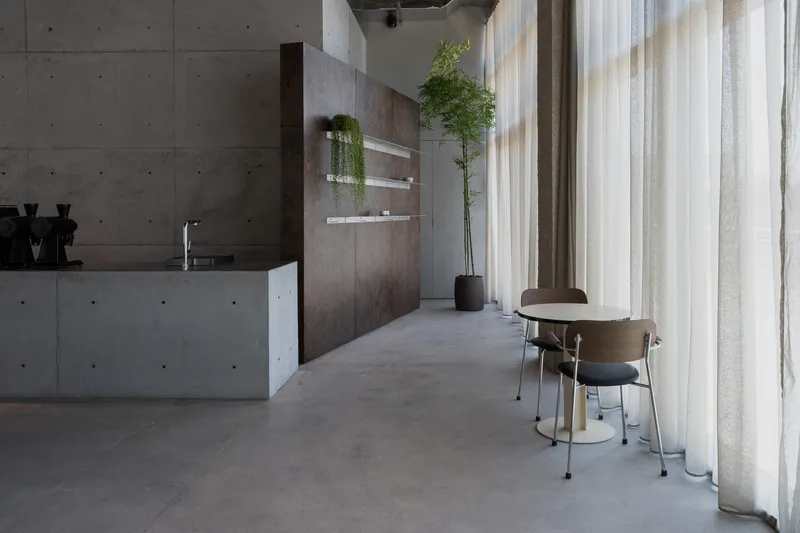
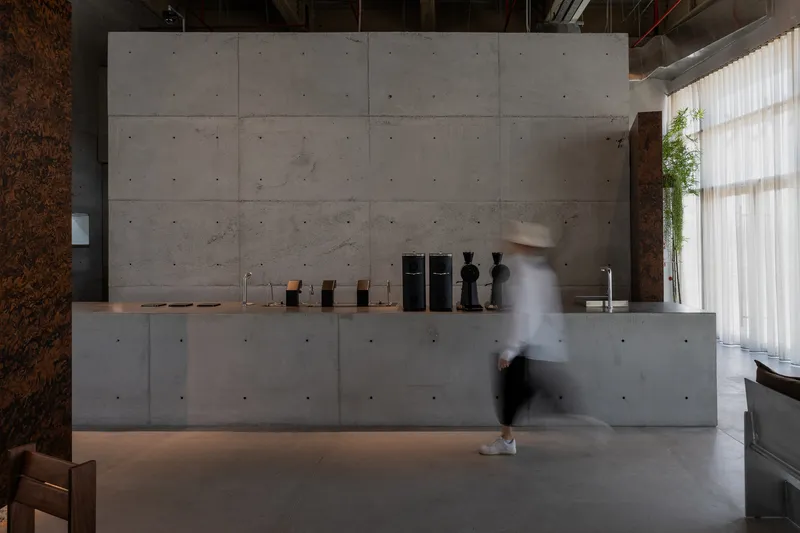
At its core, the design of Otaku Cafe embraces the principles of wabi-sabi—the Japanese philosophy of finding beauty in imperfection. The architects at shell+core translated this ethos into a space where raw materials, natural textures, and aged elements are celebrated rather than concealed. Concrete, stone, and untreated wood form the material palette, creating a tactile experience that evolves with time.
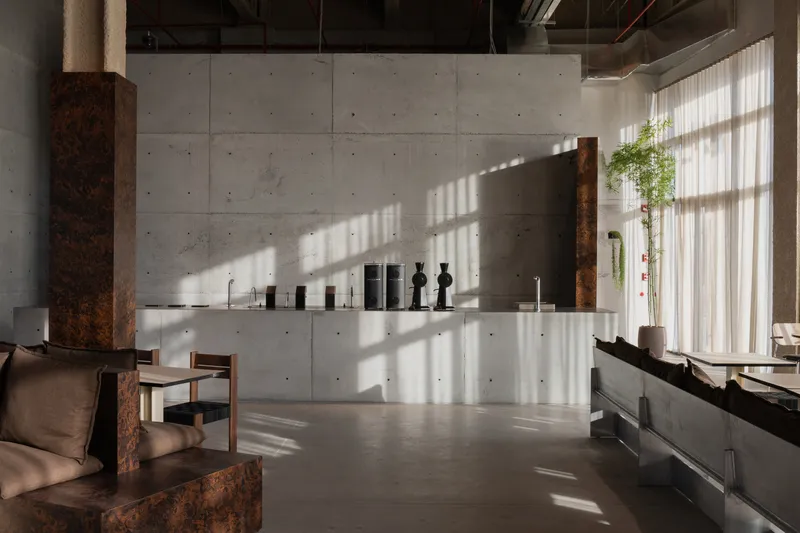
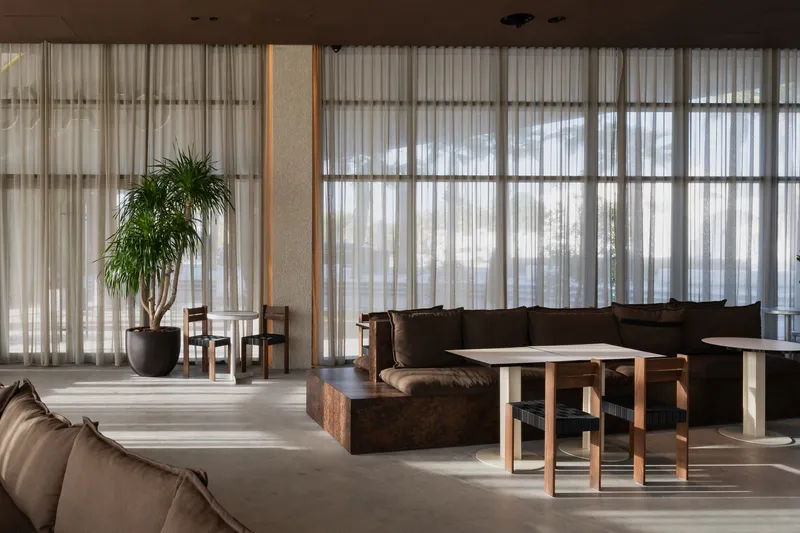
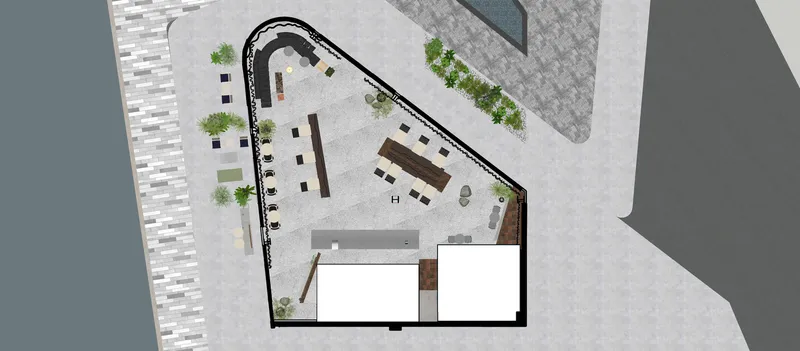
The concept extends beyond materiality to the spatial composition itself. The cafe's irregular shape and waterfront setting informed a design approach that rejects rigid conventions, instead favoring fluidity and natural transitions. The result is an architectural language that echoes the movement of water, light, and organic growth.
Brutalism Meets Organic Forms
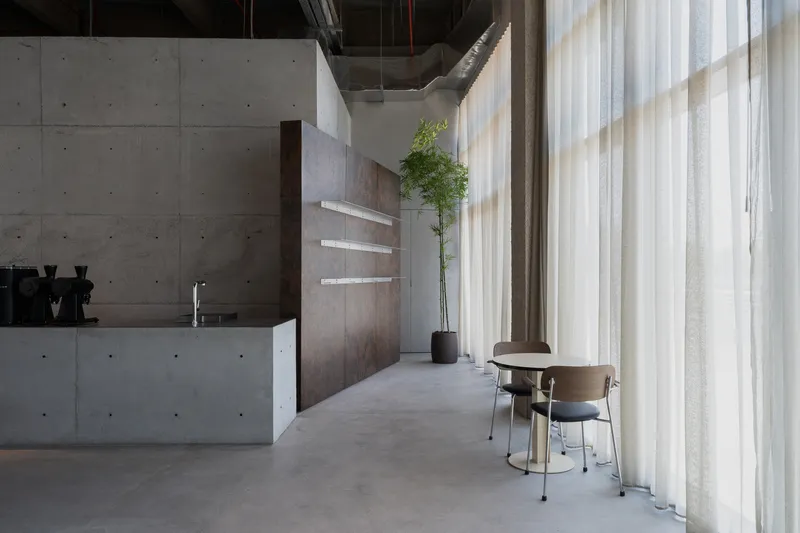
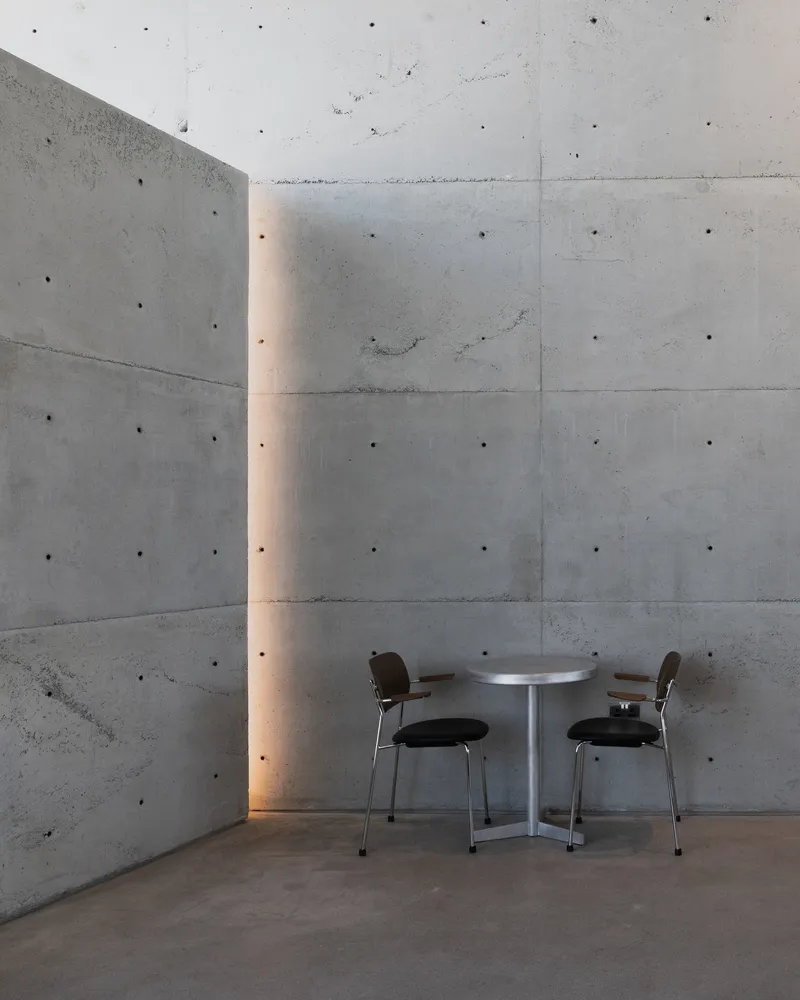
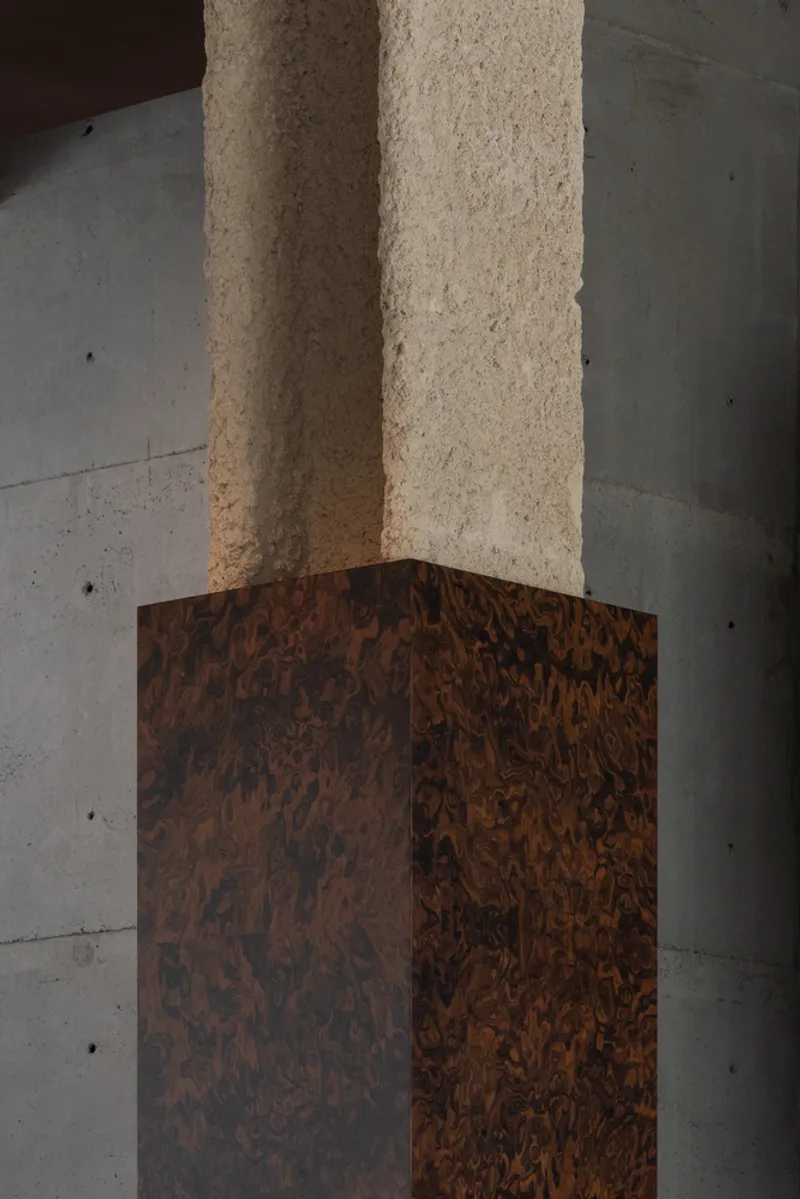
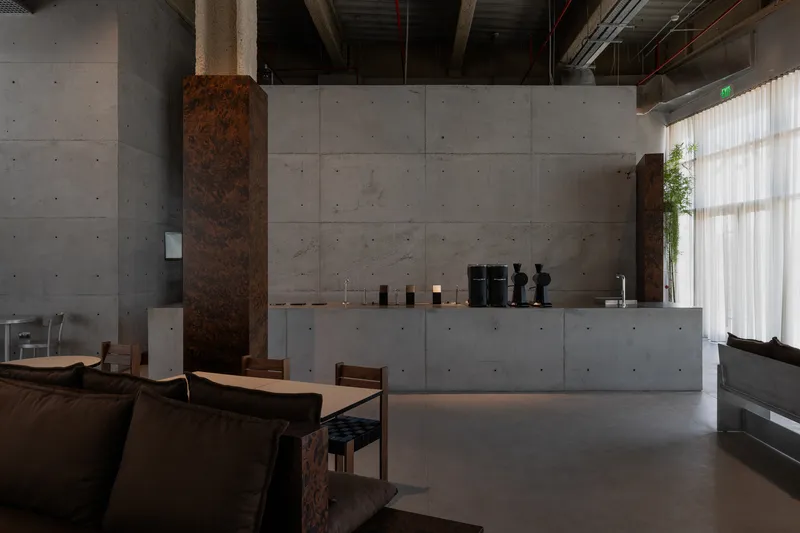
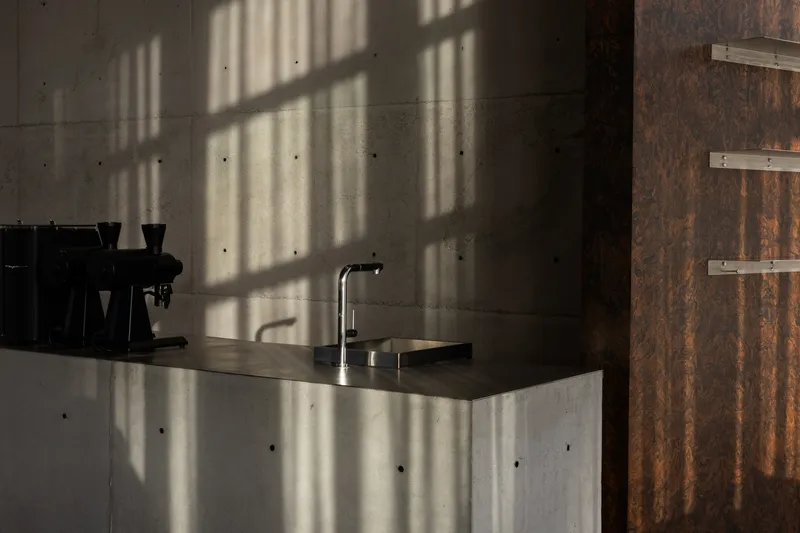
One of the defining aspects of Otaku Cafe’s design is the interplay between brutalist architecture and organic elements. Drawing inspiration from the minimalist concrete forms of Tadao Ando, the space juxtaposes heavy, monolithic structures with soft, natural textures. The existing beam and column structures were intentionally left exposed, preserving the rugged authenticity of the space.
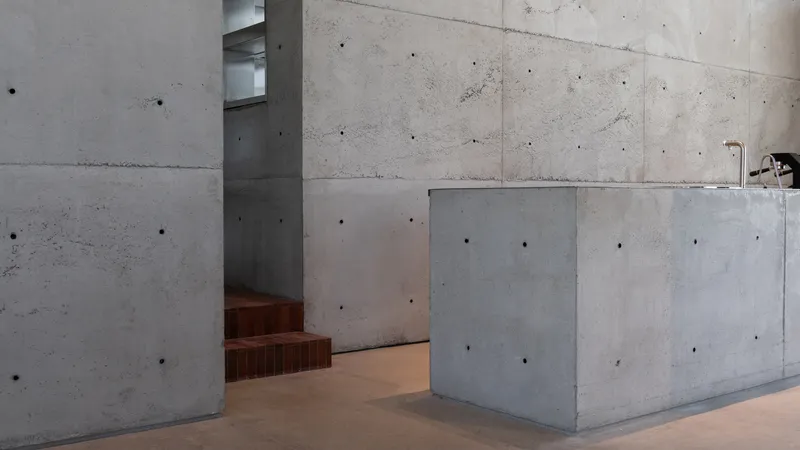
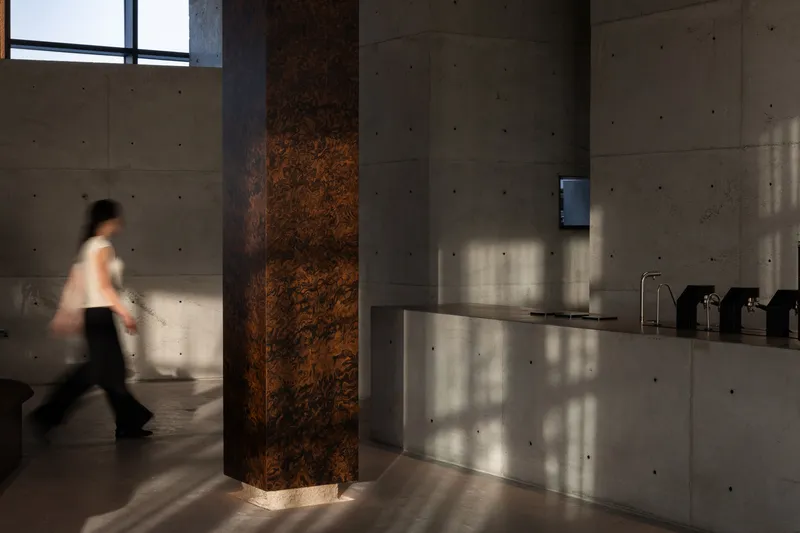
A central column, treated as a sculptural feature, embodies this contrast. Partially clad in warm, richly patterned Californian burl wood, it creates a dialogue between industrial roughness and refined craftsmanship. This juxtaposition is further accentuated through indirect lighting that highlights the column’s textures while casting subtle shadows on the aggregate concrete flooring.
A Play of Light, Shadow, and Reflection
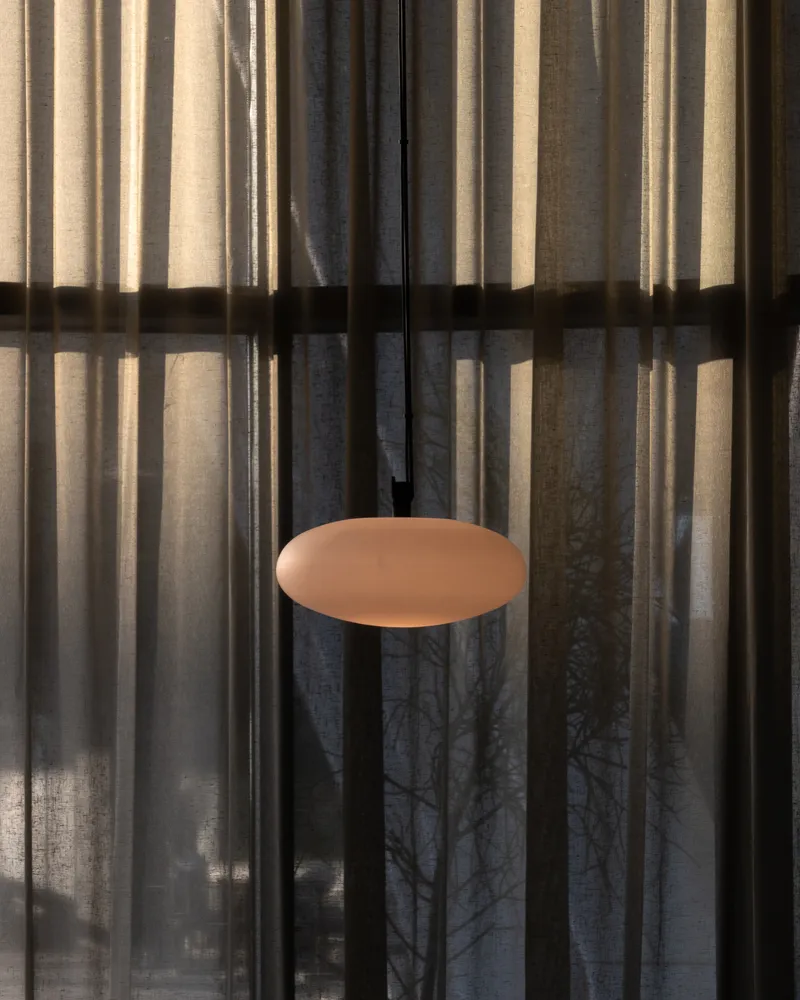
Lighting is an essential element in wabi-sabi cafe design, and Otaku Cafe exemplifies this through a carefully curated interplay of light and shadow. Reflective surfaces amplify natural daylight, while soft, intentional lighting enhances the depth and character of the raw materials. The result is a space that transforms throughout the day, offering ever-changing visual compositions that respond to shifts in light.
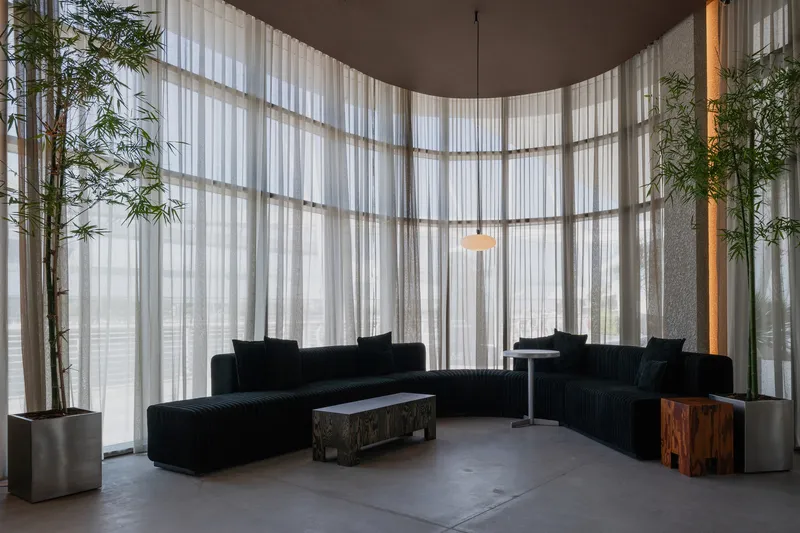
Fluid forms are subtly integrated into the design, reinforcing the connection to the waterfront setting. Curved partitions and organic furniture layouts create a rhythmic movement that contrasts with the solidity of the structural elements. This duality—between the rigid and the flowing—defines the spatial experience of the cafe, inviting guests into an environment that is both dynamic and serene.
Curated Elements and Vintage Accents
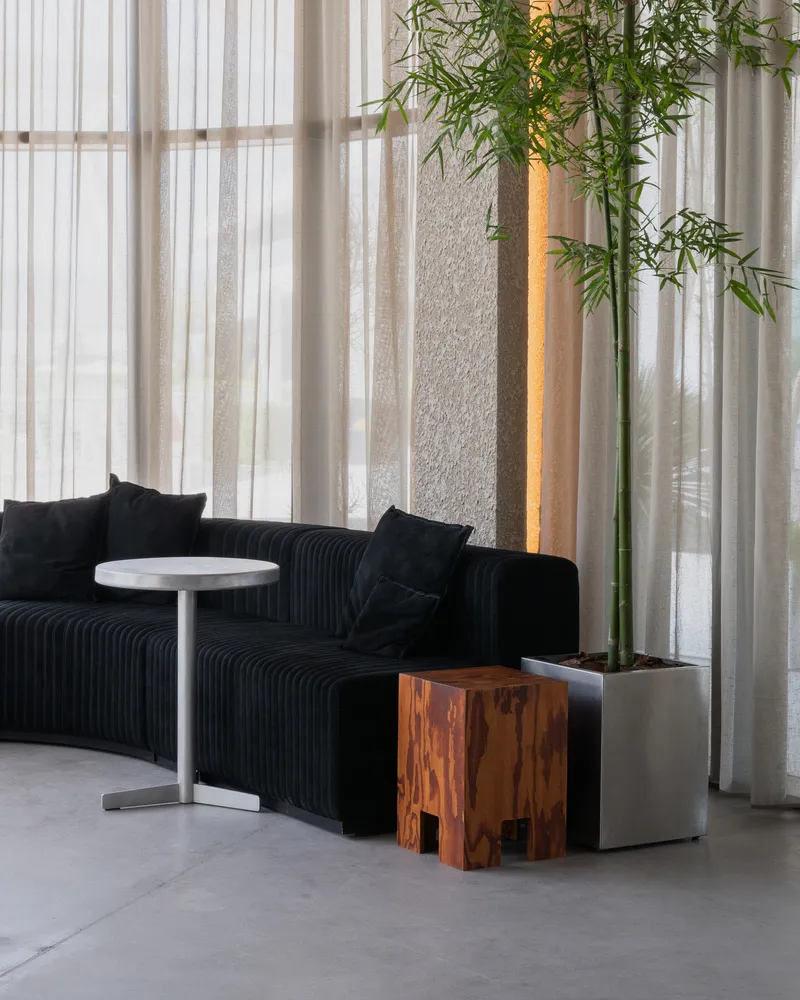
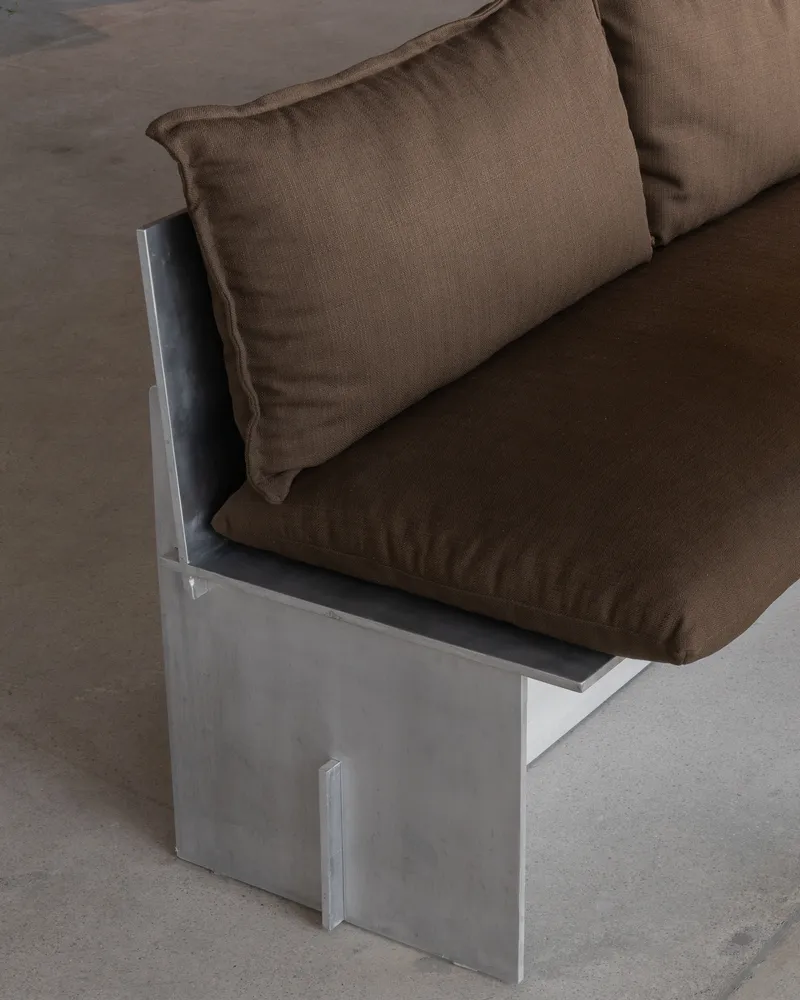
Beyond its architectural elements, Otaku Cafe is enriched by curated details that reflect the client’s appreciation for collectible design. Vintage and restored furniture pieces add a layer of nostalgia and individuality, reinforcing the space’s handcrafted aesthetic. Carefully selected decorative elements, ranging from artisanal ceramics to bespoke seating, contribute to the overall sense of intentional imperfection.
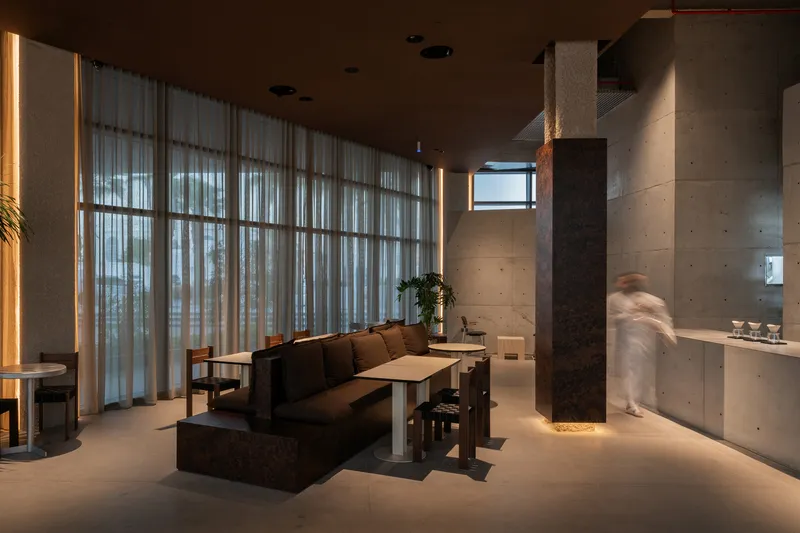
Large indoor plants serve both functional and aesthetic roles, subtly delineating seating zones while enhancing the natural ambiance. This strategic zoning ensures privacy without creating visual barriers, maintaining the open and inviting nature of the cafe. The interplay between carefully placed greenery and raw materials further enhances the organic feel of the space.
Redefining Cafe Interiors with Wabi-Sabi Philosophy
Otaku Cafe stands as an exemplar of wabi-sabi cafe design, where architecture and nature harmonize to create an immersive sensory experience. By embracing the raw beauty of materials, the evolving patina of time, and the intentional contrast of brutalist structures with organic warmth, shell+core has crafted a space that transcends conventional cafe interiors.
More than just a coffee shop, Otaku Cafe is a testament to how contemporary design can integrate Japanese philosophy, modern minimalism, and contextual storytelling. It is a space that celebrates imperfection, fosters tranquility, and transforms the act of coffee drinking into an experience of aesthetic appreciation and mindful engagement.
All Photographs are works of Bianca Studio



Popular Articles
Popular articles from the community


Co-Life: Senior Housing Design That Reconnects Older Adults With the City
Co-Life reimagines senior housing design through healing gardens, shared streets, workshops, and a sustainable community across generations.
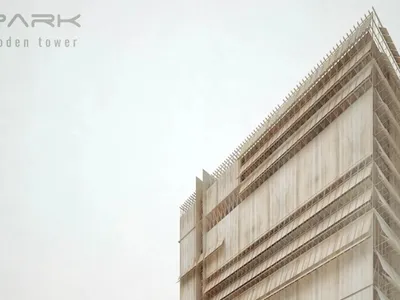
EW PARK: Sustainable Architecture Reimagines the Future of Urban Parking
EW PARK reimagines city parking as a modular wooden tower combining automation, solar energy, electric mobility, and adaptable urban design.

The Musturak Paradise: Senior Living Architecture for a Connected Future in Temara, Morocco
The Musturak Paradise reimagines senior living architecture in Temara via private homes, social spaces, culture, community, and shared care.

The Earth Pod: 3D Printed Homes for Resilient Refugee Communities
The Earth Pod reimagines refugee housing through 3D printed homes made from clay, combining resilience, self-sufficiency, and rapid shelter.

Similar Reads
You might also enjoy these articles


Hodi-Mandai Geram
Project Function: Preservation and revitalization of the Intangible heritage and socio-spatial identity of the Hodi by Housing, Cultural Memory Center, Sacred Grove, landscape, local tourism economy


Olio Towers: A Mid-Rise for Performers That Fuses Housing, Rehearsal, and Stage
Located blocks from Houston's Theater District, this modular tower stacks living units around a central performance atrium.

Oasis: Modular Green Housing Carved into Dhaka's Urban Fabric
A shortlisted Plugin Housing entry reclaims unauthorized settlements in Dhaka with stepped concrete volumes, green roofs, and ventilation-driven design.

Black Hole: A Floating Megastructure for the Post-Physical Era
Emiliano Mazzarotto envisions a spherical, self-scaling arena where e-sports, digital hotels, and holographic stadiums replace traditional public space.
Explore Cafe and Restaurant Design Competitions
Discover active competitions in this discipline



Challenge to reimagine the Iron Throne


Photograph architecture without architects


Illustrate the lost glory of Angkor Wat - Render Challenge


Design challenge to reuse E-waste
Comments (0)
Please login or sign up to add comments
No comments yet. Be the first to comment!