
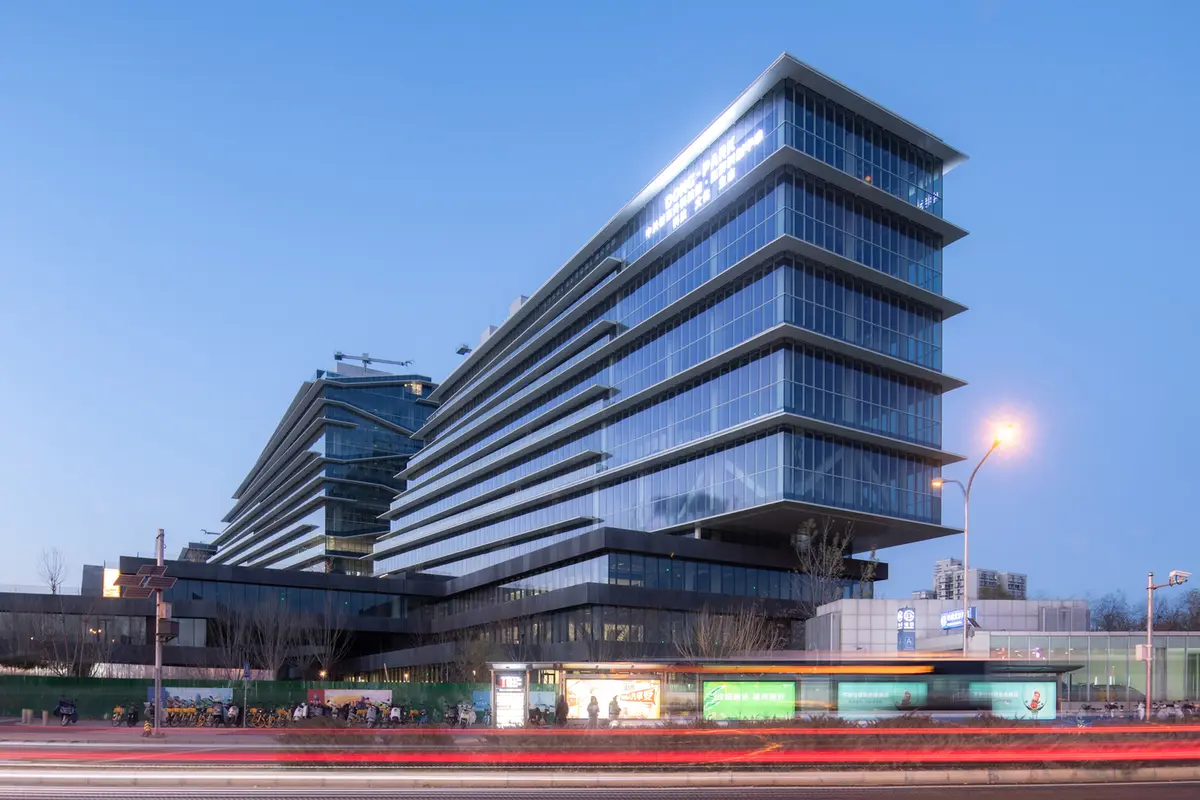
Park-Tech Zhongguancun Dongsheng Science Park Phase III: Beijing’s Landmark Sustainable Office Complex
Park-Tech in Beijing redefines urban development, blending sustainable design, advanced technology, and ecological integration into a pioneering office and park complex.


Emerging from the last major urban development site in Beijing’s Haidian District, Park-Tech is more than an office complex—it is a landmark in Beijing’s architectural history. Designed by Society Particular (SOPA), this visionary project represents the final phase of the city’s urban expansion and stands as a bold statement in sustainable urban design. Construction began in 2020, and the project reached completion in 2024, marking a milestone in blending technological innovation, ecological sensitivity, and human-centered design.
Unlike typical office developments, Park-Tech reimagines how modern urban centers can integrate workspaces, greenery, and community functions, creating a model for future cities worldwide.
Site Context and Design Philosophy
Spanning 11.2 hectares of pristine land, Park-Tech sits at a pivotal ecological and urban crossroads. The eastern edge of the site borders the Jingzhang Green Belt, while the Xiaoyue River defines its western boundary. Within a 10-kilometer radius, the site is framed by the Olympic Forest Park and the historic Three Mountains Five Gardens, offering a rare ecological context that merges heritage, nature, and urban life.
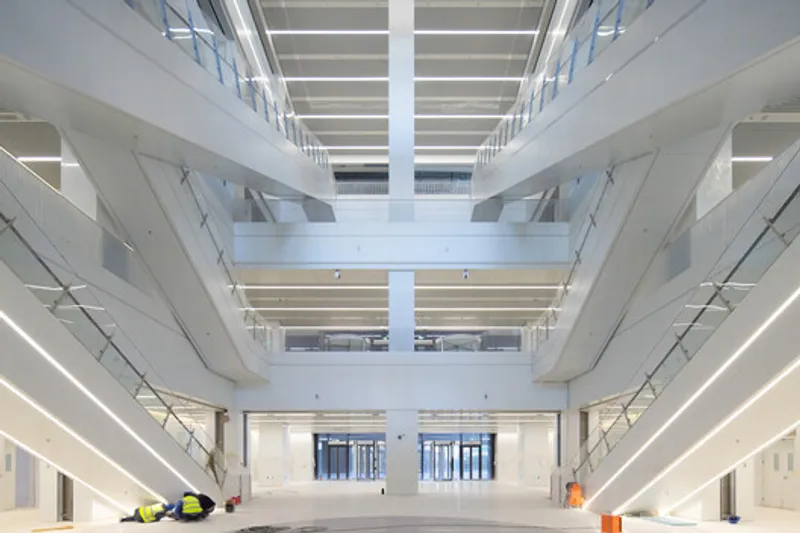
SOPA approached the site with a philosophy that views land not as a blank canvas to fill but as a valuable ecological asset to enhance. The resulting design forms a dynamic park complex, blending office functions with public green spaces, ecological corridors, and open areas that encourage social interaction and sustainable living.
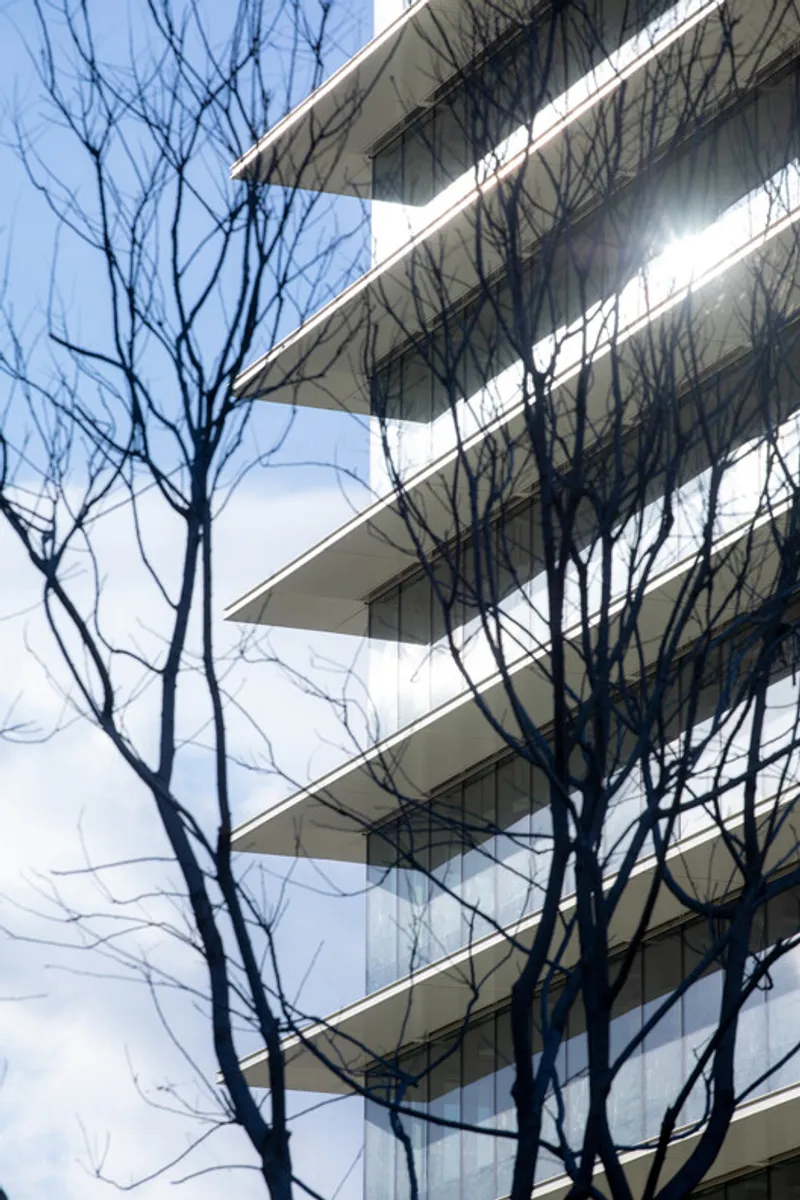
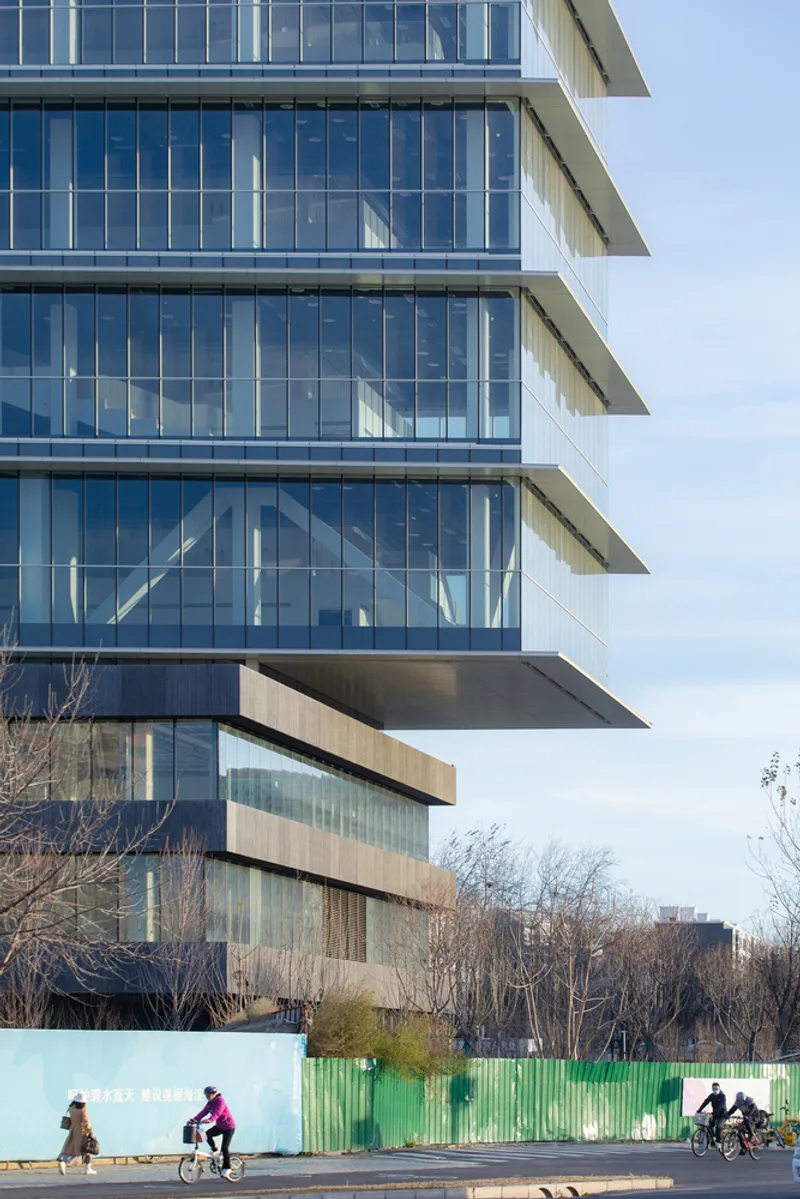
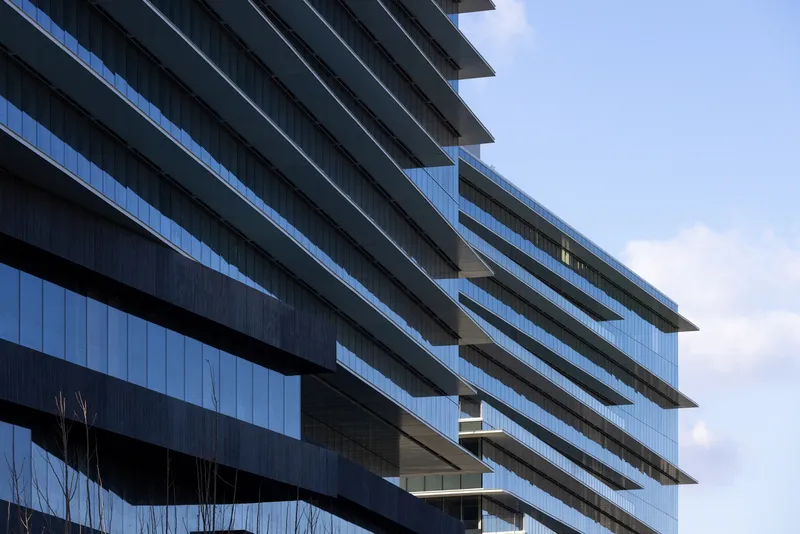
The architectural language emphasizes transparency, light, and adaptability, using modern materials like glass and steel while maintaining harmony with the natural surroundings. The project exemplifies how untouched urban land can become an incubator for next-generation urban planning.
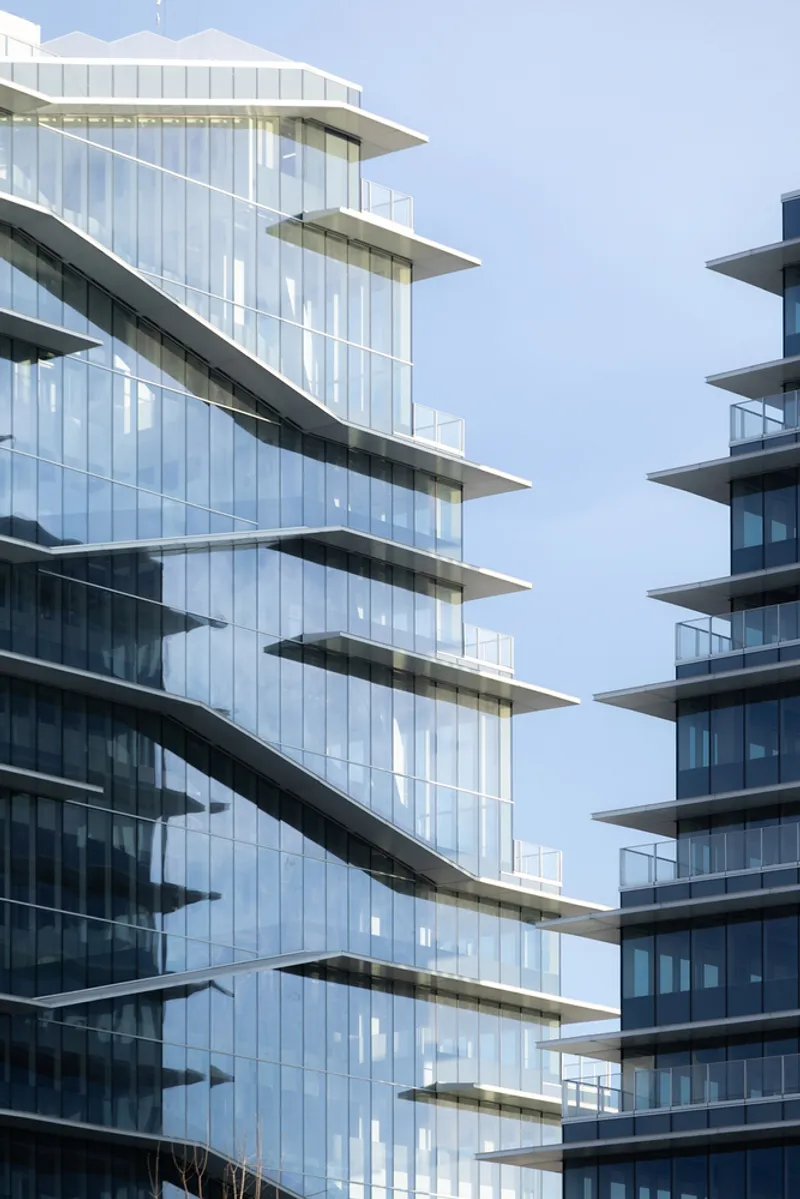
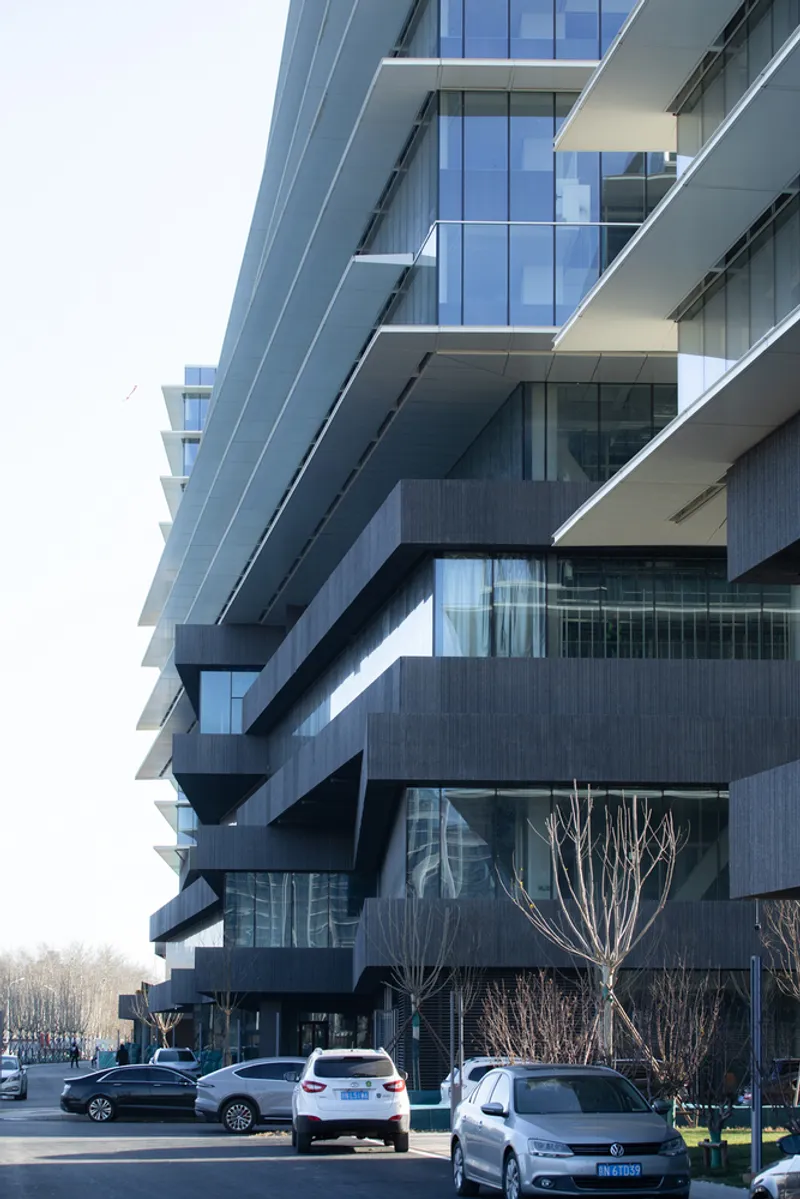
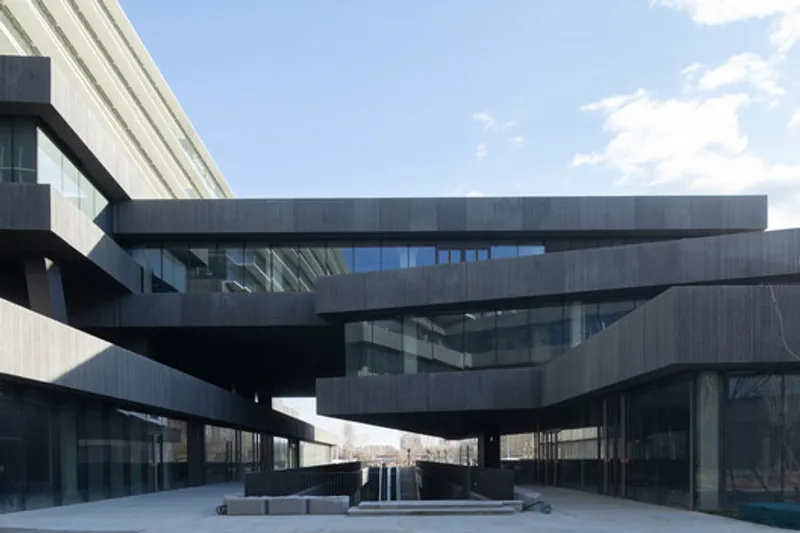
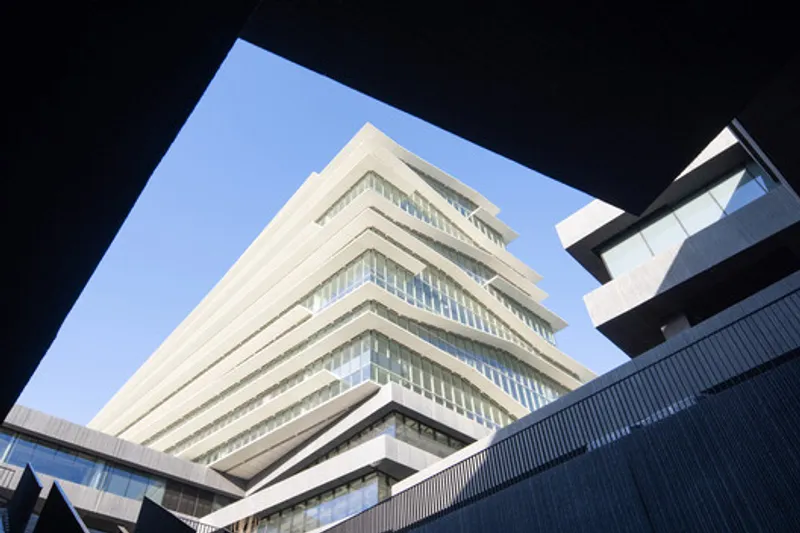
Architectural Highlights
- Sustainable Design: Park-Tech integrates green roofs, rainwater harvesting, and energy-efficient systems to reduce environmental impact while enhancing occupant wellbeing.
- Technological Innovation: Advanced MEP systems and smart building technologies optimize energy use and workspace efficiency.
- Ecological Integration: Landscaped public plazas, water features, and pedestrian pathways connect the built environment with surrounding natural features.
- Flexible Workspaces: Office layouts are designed for adaptability, accommodating evolving business needs while fostering collaboration.
The design balances functionality and aesthetics, offering a living, breathing urban ecosystem where nature, technology, and human activity coexist.
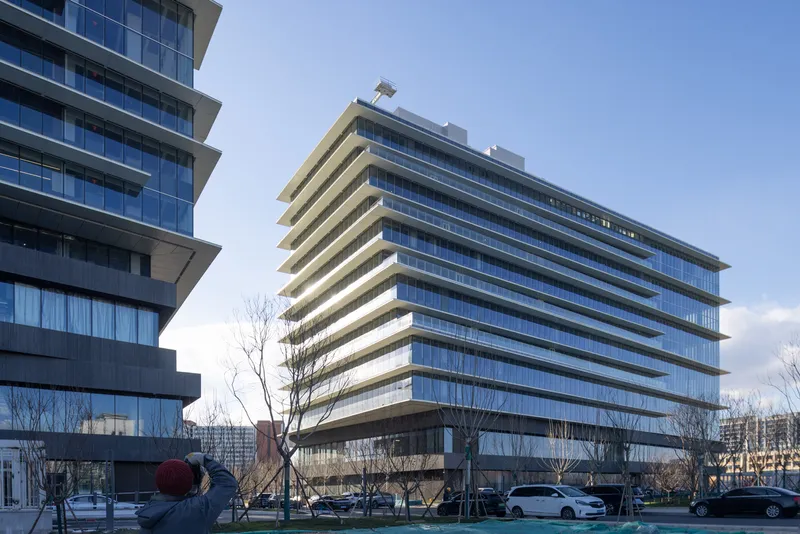
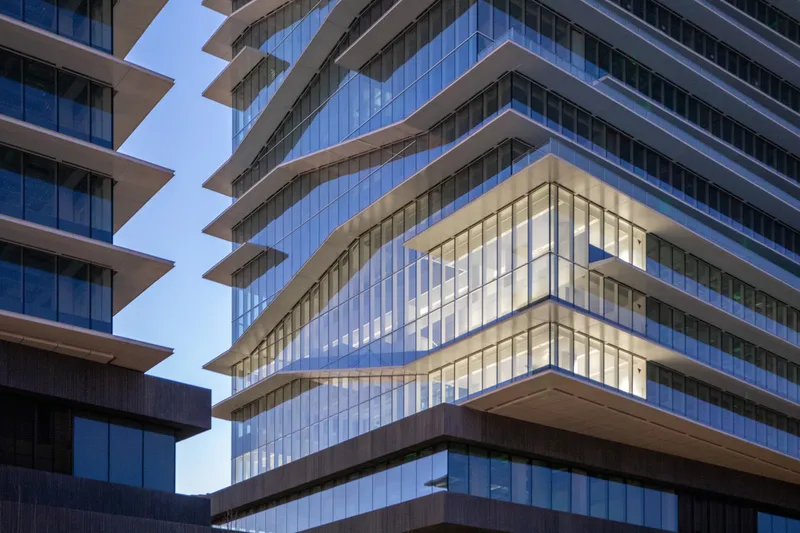
Future Legacy
As Beijing’s final large-scale urban development, Park-Tech carries a unique responsibility—it is both a culmination of the city’s growth and a beacon for future urban planning. By treating land as an opportunity rather than a commodity, SOPA has set a precedent for globally responsible urban design.
Park-Tech demonstrates how technology, ecology, and architecture can intersect to create sustainable, human-centered urban environments, inspiring future developments worldwide. It stands as a tangible example of how cities can grow intelligently, harmoniously, and responsibly.

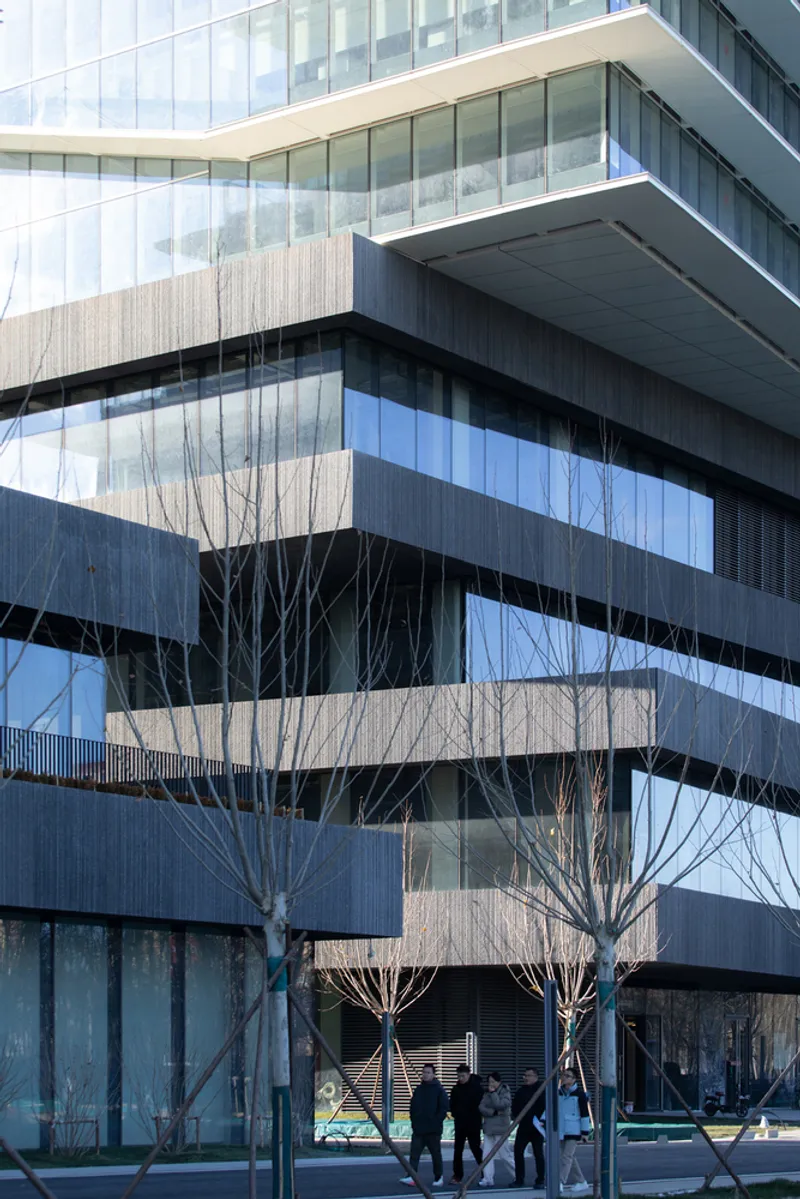
All photographs are works of Arch-Exist


Popular Articles
Popular articles from the community


Cube Design Draws an Ecological Corridor Between Two Shenzhen Hills with the Nankai Building
Beside Shenzhen's container docks, the Nankai Building pairs stacked balconies with a climbing green screen to connect two hillsides across its height.

GROUP A Strips a 1969 Rotterdam Harbor Headquarters to Its Frame and Wraps It in Timber Louvers
In Rotterdam's M4H harbor district, Ferro Offices reuses a 1969 frame, adds one timber storey and reaches BREEAM-NL Outstanding.

Architekt Andreas Gruber Scatters 23 Dark Timber Chalets Across a South Tyrolean Forest Edge
In Molini di Tures, Amonti Chalets breaks a resort into a hamlet of gabled timber houses, with parking, storage and services pushed into the slope.

U.GA Architects Wraps an Oval Rooftop Pool in Curved Board-Formed Concrete on Busan's Jeollidan-gil
In Busan's Jeonpo-dong, a 454 m² mixed-use block stacks a neighborhood facility, guest rooms and an oval rooftop pool inside spiraling concrete walls.

Similar Reads
You might also enjoy these articles


Hodi-Mandai Geram
Project Function: Preservation and revitalization of the Intangible heritage and socio-spatial identity of the Hodi by Housing, Cultural Memory Center, Sacred Grove, landscape, local tourism economy


Olio Towers: A Mid-Rise for Performers That Fuses Housing, Rehearsal, and Stage
Located blocks from Houston's Theater District, this modular tower stacks living units around a central performance atrium.

Oasis: Modular Green Housing Carved into Dhaka's Urban Fabric
A shortlisted Plugin Housing entry reclaims unauthorized settlements in Dhaka with stepped concrete volumes, green roofs, and ventilation-driven design.

Black Hole: A Floating Megastructure for the Post-Physical Era
Emiliano Mazzarotto envisions a spherical, self-scaling arena where e-sports, digital hotels, and holographic stadiums replace traditional public space.

Explore Office Building Competitions
Discover active competitions in this discipline

Challenge to reimagine the Iron Throne

Photograph architecture without architects

Illustrate the lost glory of Angkor Wat - Render Challenge

Design challenge to reuse E-waste
Comments (0)
Please login or sign up to add comments
No comments yet. Be the first to comment!