

Passive Design Strategies in Tropical Architecture: Maison Piaggio by David Rockwood
Exploring Maison Piaggio's innovative passive design strategies for sustainable living in a tropical climate by architect David Rockwood.


Maison Piaggio, designed by David Rockwood, is a remarkable example of innovative architecture that harmonizes modern design with passive sustainability strategies. Located near the southern edge of Da Nang, Vietnam, this two-story single-family rowhouse epitomizes how thoughtful design can mitigate the challenges posed by a hot and humid tropical climate. This article explores the passive design strategies employed in Maison Piaggio, its architectural influences, and its sustainable features.
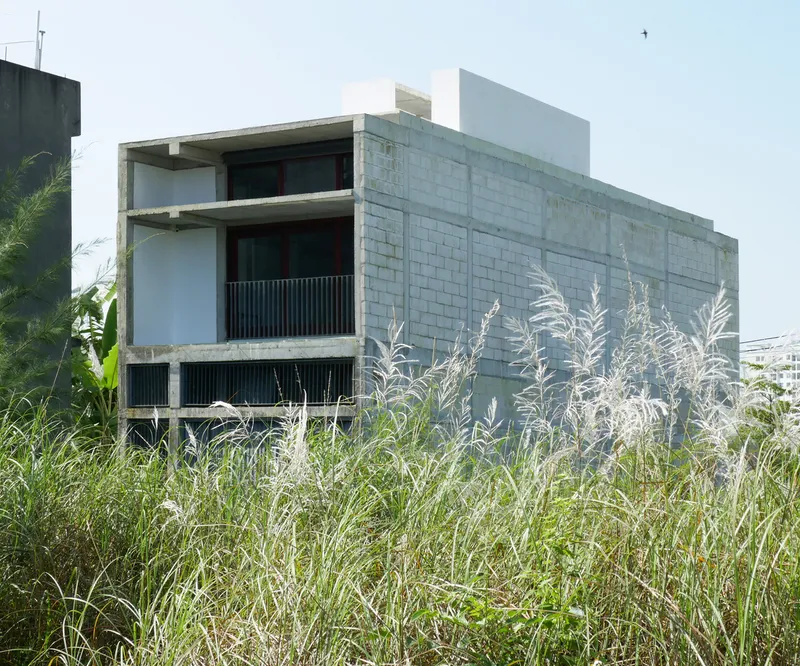

Site and Context
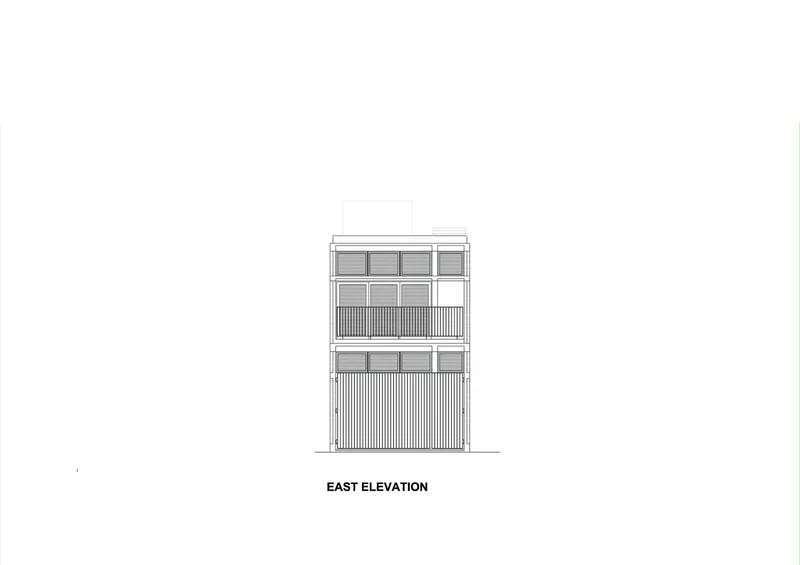
Maison Piaggio is situated on a typical 5m x 20m lot in Da Nang. The house's compact design maximizes the use of available space, featuring an entry courtyard, living room, kitchen, two bedrooms, two bathrooms, and a studio. Given Da Nang’s tropical climate, the design prioritizes maintaining interior thermal comfort while minimizing energy use.
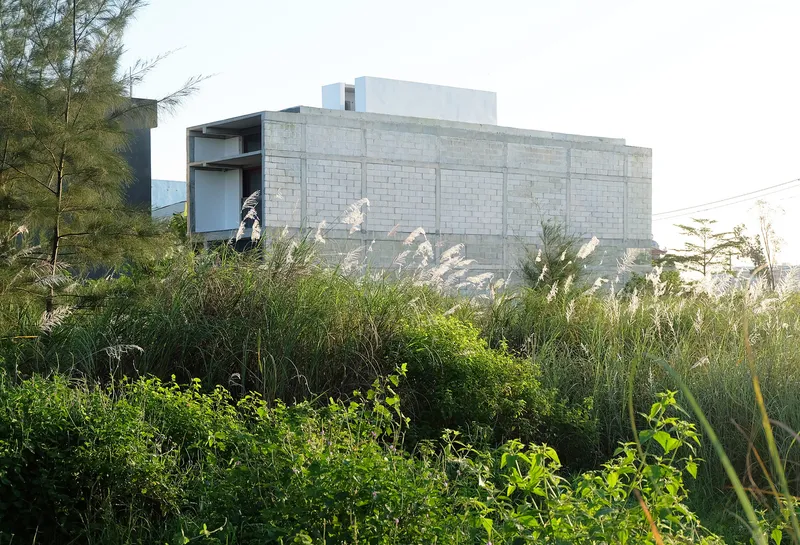
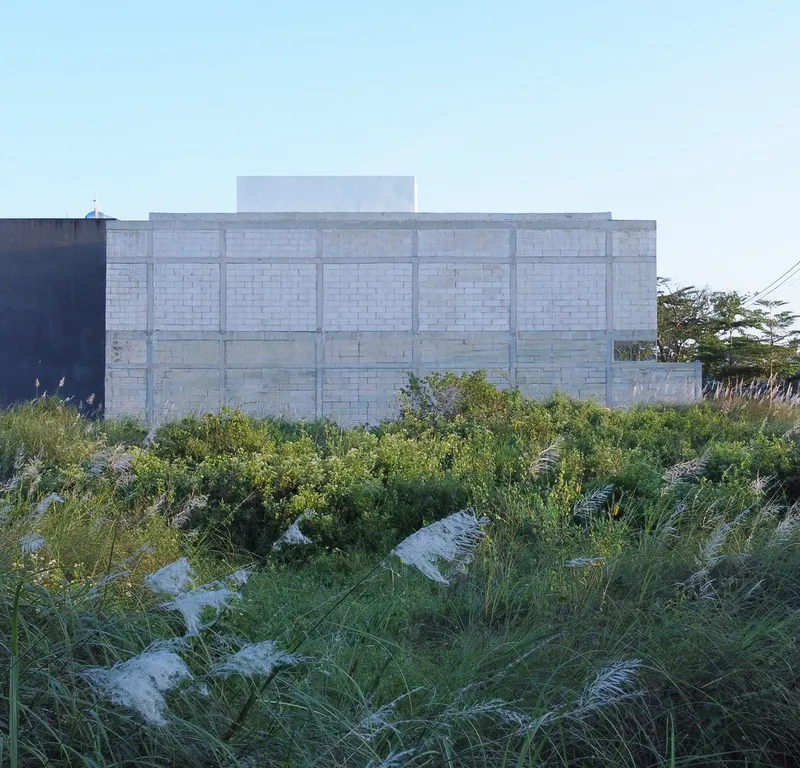
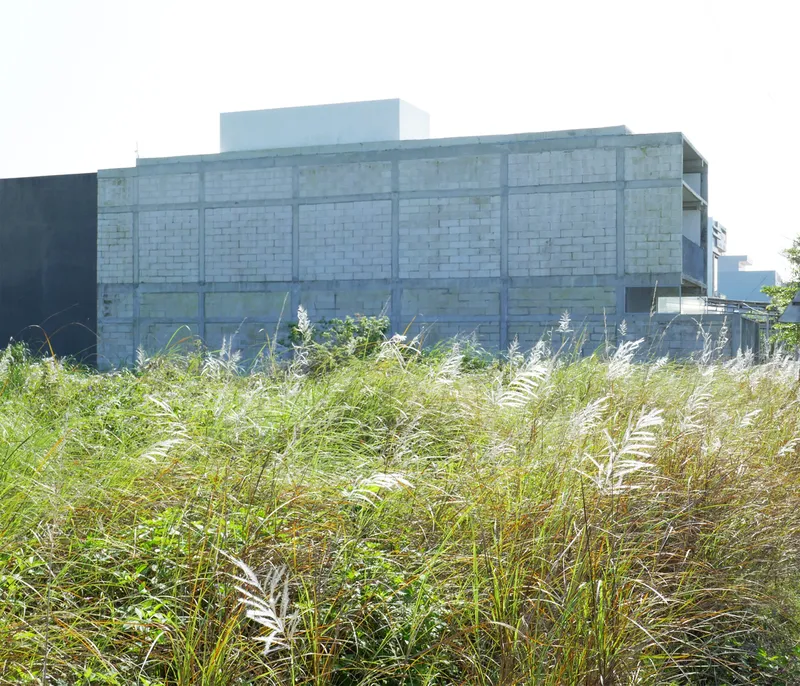
Passive Design Strategies
Horizontal and Vertical Shading Devices
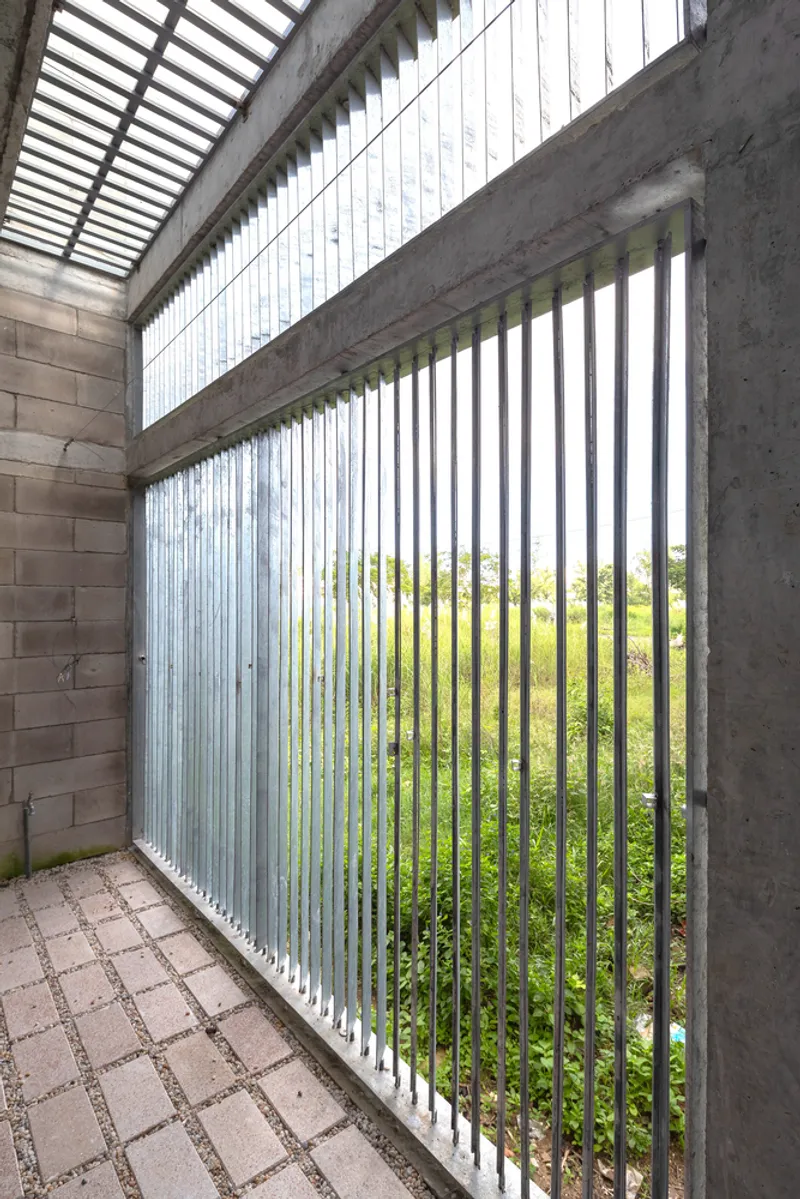
To protect the interiors from direct sunlight, Maison Piaggio employs both horizontal and vertical shading devices. These elements are crucial in reducing heat gain and glare, enhancing the comfort of the living spaces.

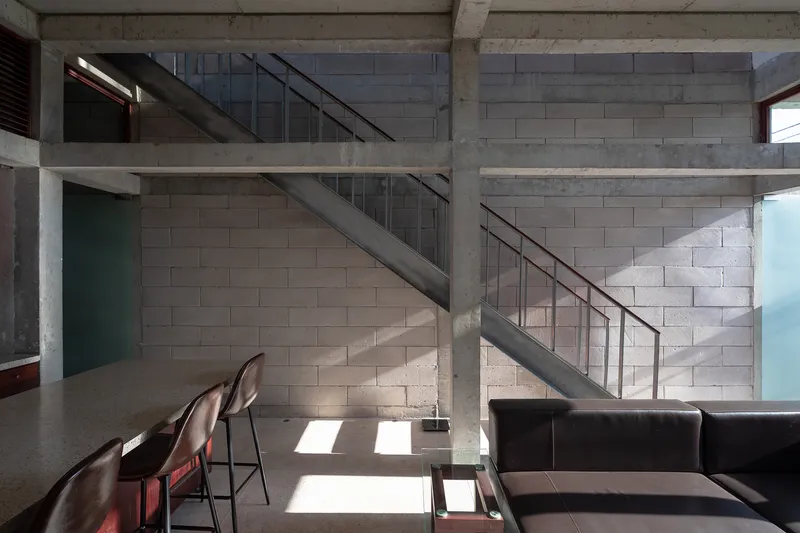
Cooling Cross-Ventilation
The design facilitates natural ventilation by allowing cooling breezes to flow horizontally around and over the central core of the house. This cross-ventilation strategy is vital in maintaining a comfortable indoor environment without relying heavily on air conditioning.
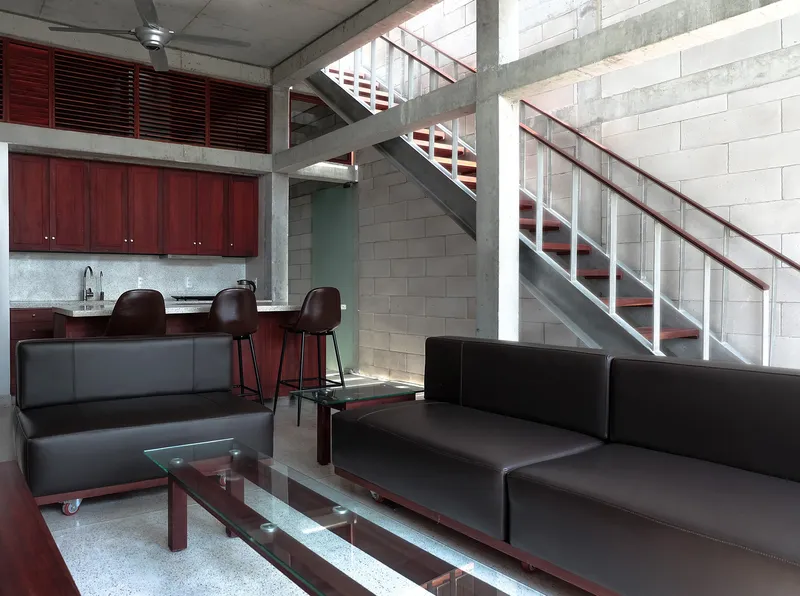

Skylights and Daylighting
The house features a skylight in the circulation zone, bringing natural light into the center of the plan. This not only reduces the need for artificial lighting during the day but also creates a visually appealing and vibrant living space.

Architectural Influences
The plan of Maison Piaggio is a hybrid of several architectural typologies:
- Megaron Volume: Reflecting an archaic simplicity.
- Domino Frame: Inspired by early modernist principles.
- Farnsworth Core: Incorporating late modernist elements.
This blend results from a pursuit of simplicity and essentialism in the design.


Material Selection and Construction
Concrete and Insulation
The house features exposed poured-in-place concrete for columns, beams, and ceilings, providing a raw aesthetic that showcases the construction process. The exterior cavity walls are infilled with insulated autoclaved aerated concrete blocks, which help mitigate heat transfer.
Roof Insulation
To minimize thermal migration through the roof, rigid insulation is used along with thermally isolated clay roof tiles coated with reflective paint. This combination effectively reduces heat gain and enhances the house's energy efficiency.

Tropical Hardwood
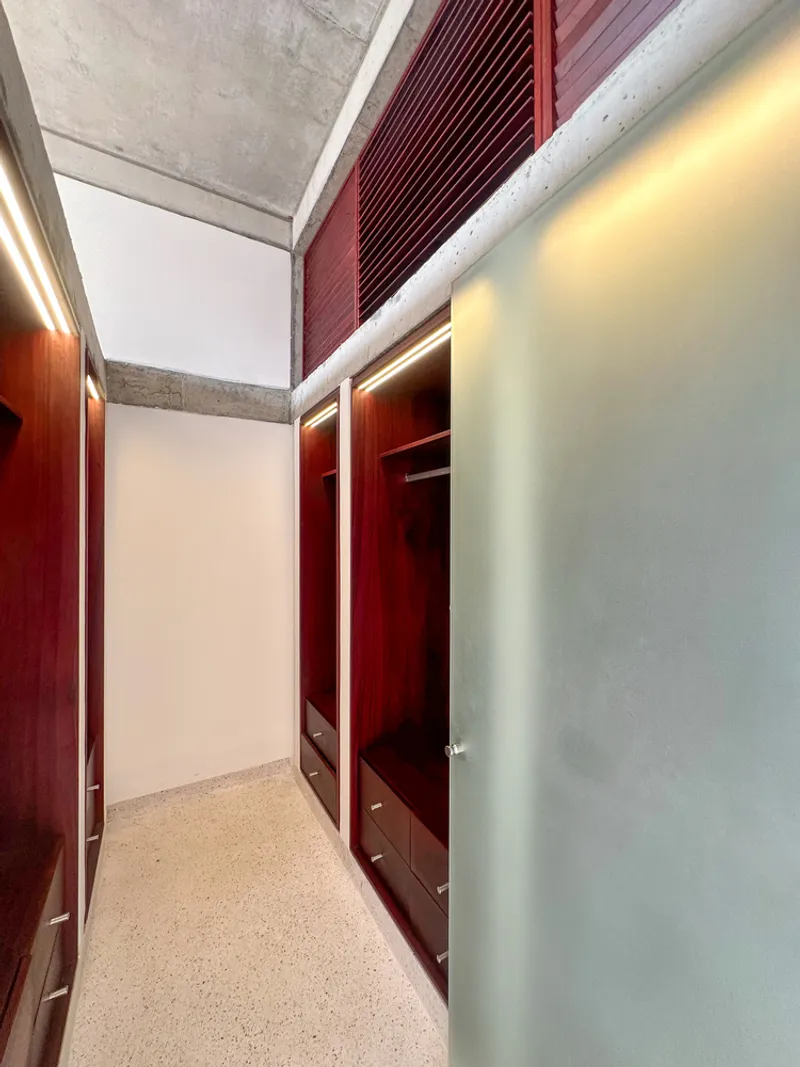
Sliding and louvered doors, furniture, and adjustable louver screens are made from tropical hardwood. This material choice not only offers durability and performance but also adds a warm, natural aesthetic to the interiors.

Sustainable Living
Maison Piaggio aligns with Le Corbusier’s notion of the "standard element" or object trouvé, conceptualizing the house as a practical yet meaningful tool for daily life. The design promotes a simple, sustainable lifestyle, integrating materials and techniques that are both cost-effective and environmentally friendly.
Maison Piaggio by David Rockwood exemplifies how passive design strategies can be effectively applied in tropical architecture. Through careful planning and material selection, the house maintains thermal comfort and energy efficiency, offering a sustainable solution for modern living in a challenging climate. This project highlights the potential for innovative design to enhance both functionality and aesthetic appeal in residential architecture.


All photographs are work of Nguyen Quoc Dat, David Rockwood, Vo Le Tuan, Trieu Chien




Popular Articles
Popular articles from the community


The Ocean Hive: Sustainable Architecture for a Self-Sufficient Civilization at Sea
The Ocean Hive imagines sustainable architecture at sea, where modular habitats, algae, wave power and ocean waste sustain a growing colony.

Co-Life: Senior Housing Design That Reconnects Older Adults With the City
Co-Life reimagines senior housing design through healing gardens, shared streets, workshops, and a sustainable community across generations.

Hill & Cross Opera: Sculptural Opera House Architecture Shaped by Tallinn’s Landscape and Identity
Hill & Cross Opera reimagines opera house architecture in Tallinn through its sculptural hill, civic plaza, glass wave and a luminous cross.

Co-life: Sustainable Architecture for Age-Friendly Community Living
Co-life reimagines sustainable architecture for seniors through courtyards, rammed earth, shared gardens, and spaces designed for belonging.

Similar Reads
You might also enjoy these articles


Hodi-Mandai Geram
Project Function: Preservation and revitalization of the Intangible heritage and socio-spatial identity of the Hodi by Housing, Cultural Memory Center, Sacred Grove, landscape, local tourism economy


Olio Towers: A Mid-Rise for Performers That Fuses Housing, Rehearsal, and Stage
Located blocks from Houston's Theater District, this modular tower stacks living units around a central performance atrium.

Oasis: Modular Green Housing Carved into Dhaka's Urban Fabric
A shortlisted Plugin Housing entry reclaims unauthorized settlements in Dhaka with stepped concrete volumes, green roofs, and ventilation-driven design.

Black Hole: A Floating Megastructure for the Post-Physical Era
Emiliano Mazzarotto envisions a spherical, self-scaling arena where e-sports, digital hotels, and holographic stadiums replace traditional public space.


Explore Passive Architecture Competitions
Discover active competitions in this discipline



Challenge to reimagine the Iron Throne


Photograph architecture without architects


Illustrate the lost glory of Angkor Wat - Render Challenge


Design challenge to reuse E-waste
Comments (0)
Please login or sign up to add comments
No comments yet. Be the first to comment!