

Public Community Center Architecture: The Turgutreis Community Center
The article explores the design and impact of the Turgutreis Community Center, highlighting its architectural innovation and community-focused spaces.


Public Community Center Architecture
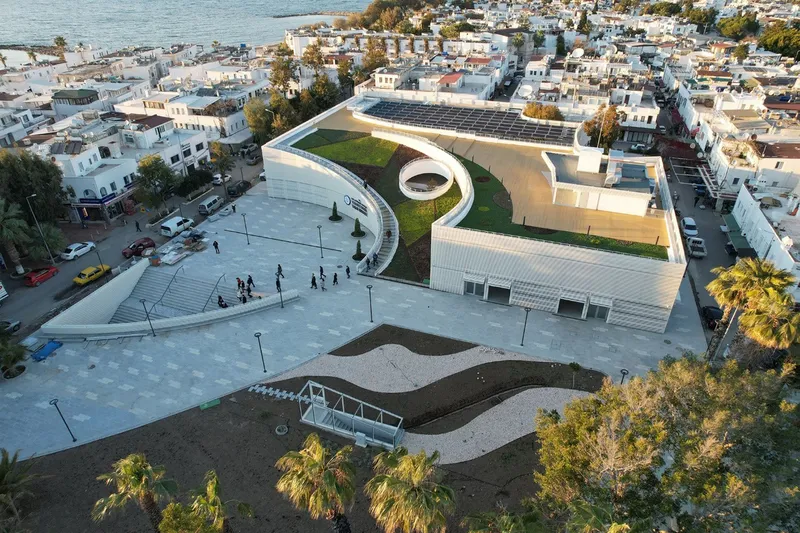
Public community centers are essential in modern urban planning, providing a space for both locals and visitors to gather, participate in activities, and experience local culture. The Turgutreis Community Center in Turkey stands as an exemplary model of public community center architecture. Designed by UN Architectural Services, this project not only addresses the town's growing demand for parking but also enhances the cultural landscape, creating a versatile, multi-functional space for various community activities.
The Design Philosophy Behind the Turgutreis Community Center
A Blend of Function and Aesthetics in Community Architecture
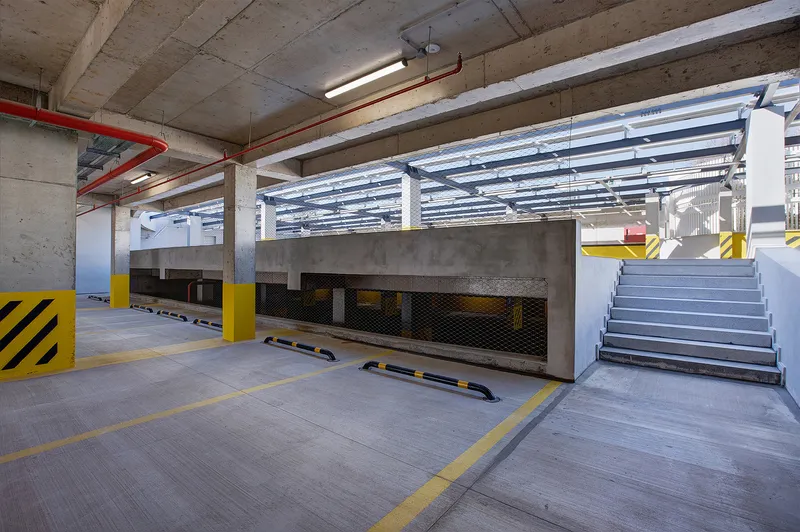
The Turgutreis Community Center serves as a prime example of how architecture can adapt to both the evolving needs of a town and its historical context. Originally planned as a multi-story car park, the design was reassessed in collaboration with local authorities to incorporate additional public amenities. This shift in focus resulted in a more innovative architectural solution that integrates community spaces such as market halls, craftsman ateliers, and food courts, along with the essential parking facility.

Revitalizing the Coastal Town’s Identity
One of the central goals of the project was to help restore Turgutreis’ coastal town identity, which had been altered by tourism and migration. The public community center architecture was designed to reflect the town's history while accommodating modern needs. The building’s layout incorporates local craftsmanship and food culture, giving both locals and tourists the opportunity to experience the area’s rich traditions.

Key Features of the Turgutreis Community Center
Integration with the Environment
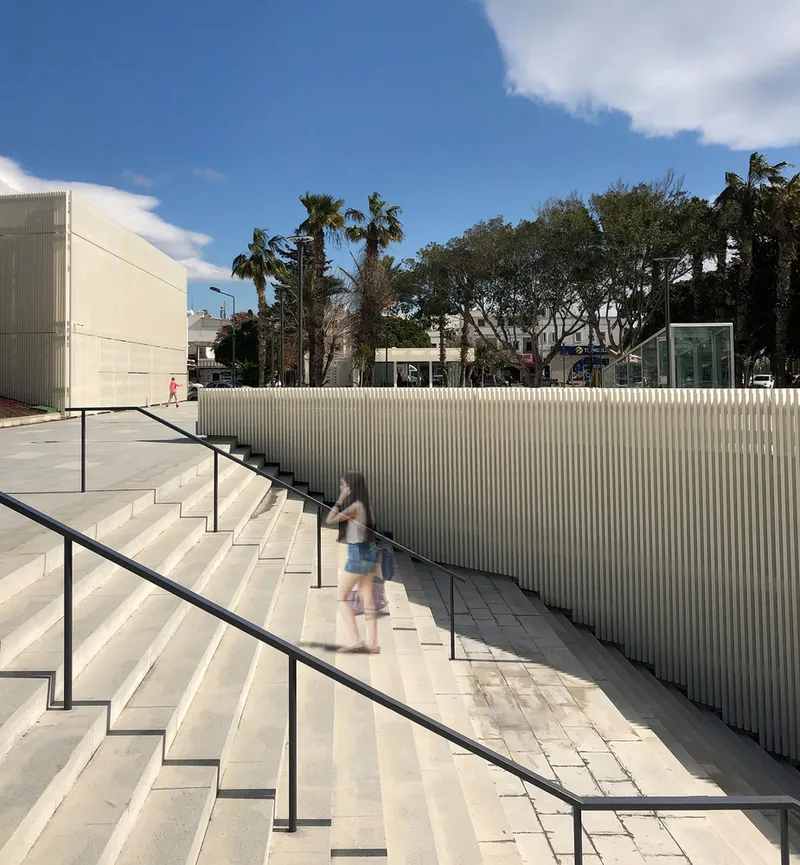
The design of the Turgutreis Community Center emphasizes harmony with its surroundings. The building complements the neighboring park landscape, making the center a seamless extension of the natural environment. This integration of architecture with nature is a key aspect of public community center architecture, ensuring that the space is both functional and aesthetically pleasing.

Multi-Purpose Spaces for Local and Tourist Engagement
The Turgutreis Community Center is not just a parking structure; it is a vibrant gathering place for both residents and visitors. With over 8,000 m² of enclosed space and an additional 15,000 m² of open-use area, the center accommodates various activities, from local markets and exhibitions to workshops and cultural events. This emphasis on multi-functional spaces is a hallmark of modern public community center architecture, designed to foster community engagement and cultural exchange.

Sustainable Design and Materials
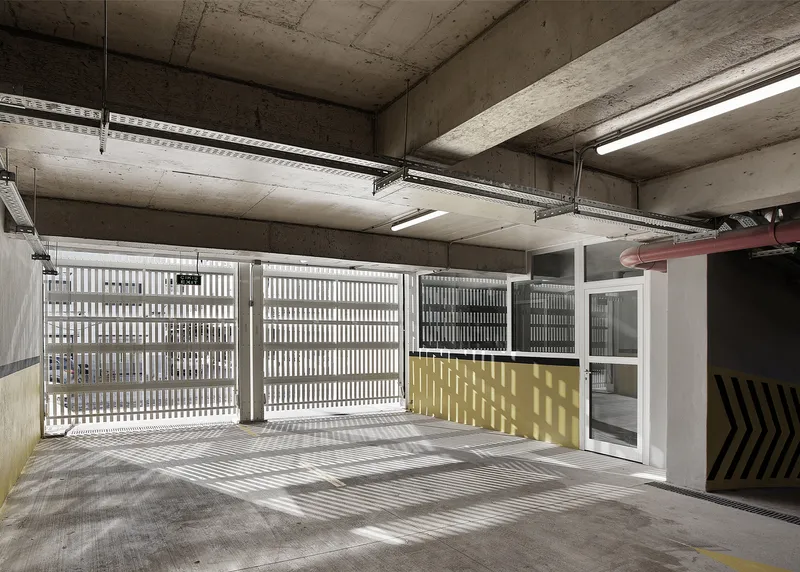
Sustainability plays a crucial role in the design of the Turgutreis Community Center. The building incorporates modern, environmentally conscious materials, such as Aspen Yapi ve Zemin AS and Onduline Green Terrace systems, to reduce its ecological footprint. The careful selection of materials ensures the longevity and durability of the building, making it a sustainable addition to the community for years to come.

The Role of Public Community Center Architecture in Urban Planning
Addressing Changing Urban Needs
As towns and cities evolve, the need for flexible, multi-use spaces becomes more important. Public community centers, like the Turgutreis Community Center, play a critical role in accommodating these changing needs. The design of such centers must balance functionality with aesthetic appeal, offering spaces that serve various purposes without overwhelming the surrounding environment.


Enhancing Social and Cultural Connectivity
A well-designed public community center fosters social cohesion by providing a space where people from all walks of life can come together. The Turgutreis project emphasizes this aspect, creating areas for local artisans, food vendors, and cultural events. In this way, public community center architecture contributes to enhancing social and cultural connectivity within the community.

The Future of Public Community Center Architecture
The Turgutreis Community Center exemplifies the power of public community center architecture to reshape the social and cultural fabric of a town. Through thoughtful design that balances function, aesthetics, and sustainability, the center creates a vibrant space that serves the needs of both locals and visitors. As cities continue to grow and change, the role of well-designed public spaces like this one will become even more essential in fostering community engagement and preserving cultural heritage.

All Photographs are work of Gürkan Akay




Popular Articles
Popular articles from the community

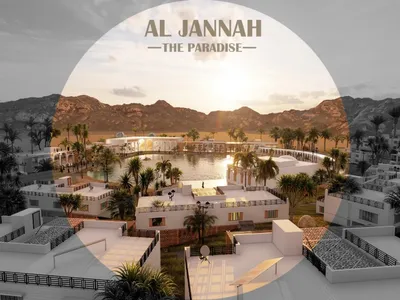
AL-JANNAH: Sustainable Architecture and Permaculture for Afghan Widows
AL-JANNAH uses sustainable architecture and permaculture to create resilient oasis of housing, learning, work and renewal for Afghan widows.

Co-life: Sustainable Architecture for Age-Friendly Community Living
Co-life reimagines sustainable architecture for seniors through courtyards, rammed earth, shared gardens, and spaces designed for belonging.

Conexión: Biophilic Design Reimagines High-Rise Living in Hong Kong
Conexión reimagines high-rise living in Hong Kong through biophilic design, green facades, shared spaces, daylight, water and nature within.

Riyadh For All: Intergenerational Urban Design for Active Aging in Rabat
Riyadh For All reimagines urban design in Rabat with intergenerational co-living, adaptive courtyards, and Moroccan cultural exchange today.


Similar Reads
You might also enjoy these articles


Hodi-Mandai Geram
Project Function: Preservation and revitalization of the Intangible heritage and socio-spatial identity of the Hodi by Housing, Cultural Memory Center, Sacred Grove, landscape, local tourism economy


Olio Towers: A Mid-Rise for Performers That Fuses Housing, Rehearsal, and Stage
Located blocks from Houston's Theater District, this modular tower stacks living units around a central performance atrium.

Oasis: Modular Green Housing Carved into Dhaka's Urban Fabric
A shortlisted Plugin Housing entry reclaims unauthorized settlements in Dhaka with stepped concrete volumes, green roofs, and ventilation-driven design.

Black Hole: A Floating Megastructure for the Post-Physical Era
Emiliano Mazzarotto envisions a spherical, self-scaling arena where e-sports, digital hotels, and holographic stadiums replace traditional public space.


Explore Community Center Competitions
Discover active competitions in this discipline



Challenge to reimagine the Iron Throne


Photograph architecture without architects


Illustrate the lost glory of Angkor Wat - Render Challenge


Design challenge to reuse E-waste
Comments (0)
Please login or sign up to add comments
No comments yet. Be the first to comment!