
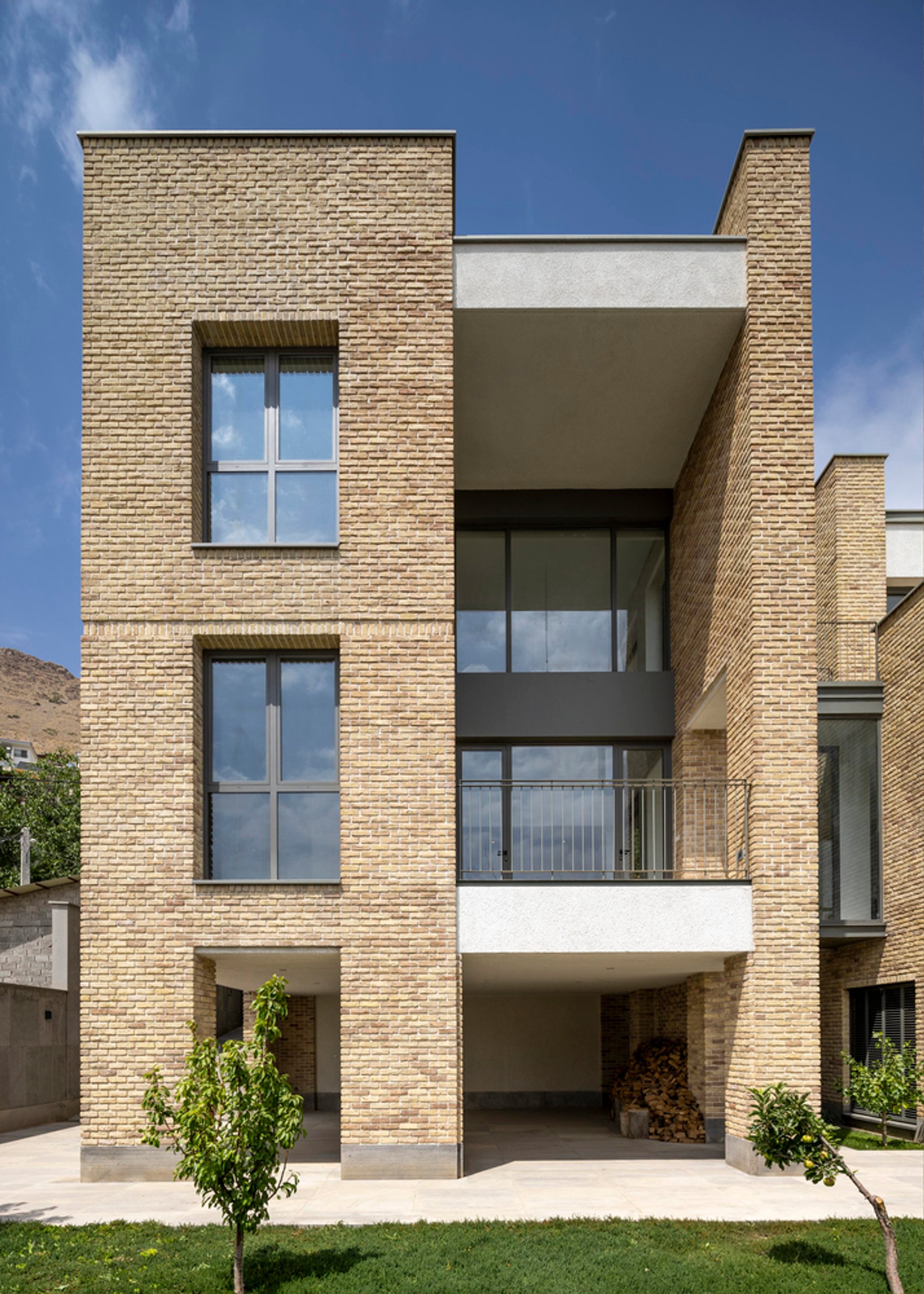
Rafieian’s House: Redefining the Boundary Between Interior and Exterior Spaces
Rafieian’s House redefines the boundary between interior and exterior spaces, blending sensory experiences, memory, and timeless design.

Rafieian’s House, designed by Pargar Architecture and Design Studio, is a remarkable architectural achievement in Tehran, Iran. This project explores the fluid relationship between interior and exterior spaces, creating a dialogue that questions the traditional boundaries of architecture. By seamlessly integrating sensory experiences and transitional spaces, Rafieian’s House transcends the concept of a residence to become a vessel for memories and presence.
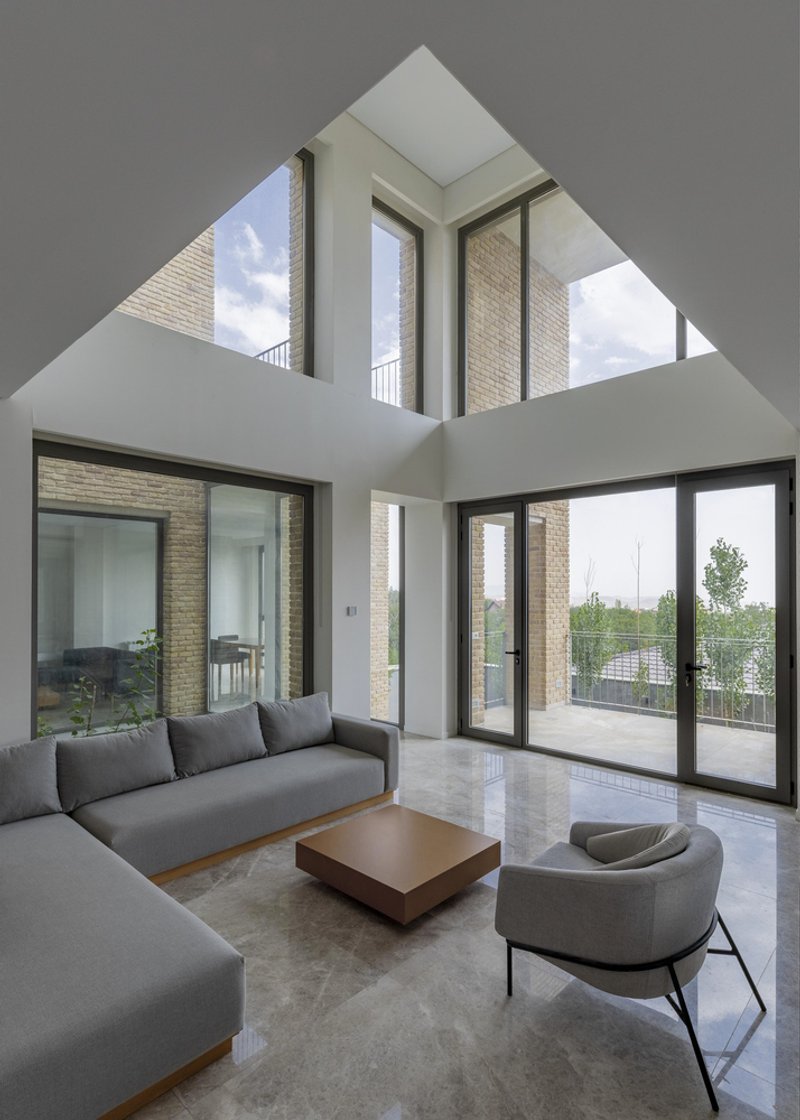
A Philosophical Approach to Architecture
The design philosophy of Rafieian’s House centers around the timeless question of where the boundary lies between outside and inside. This theme has fascinated architects for centuries, and here, it is reinterpreted as a dynamic cycle of “being,” “passing,” and “arriving.” These stages represent the architectural interplay of fixed spaces and transitional paths, where memories are both formed and preserved. Each doorway and glass bridge embodies the temporality of presence, capturing fleeting moments like sunlight filtering through windows or the sound of rainfall on the structure.
Dynamic Interaction Between Spaces
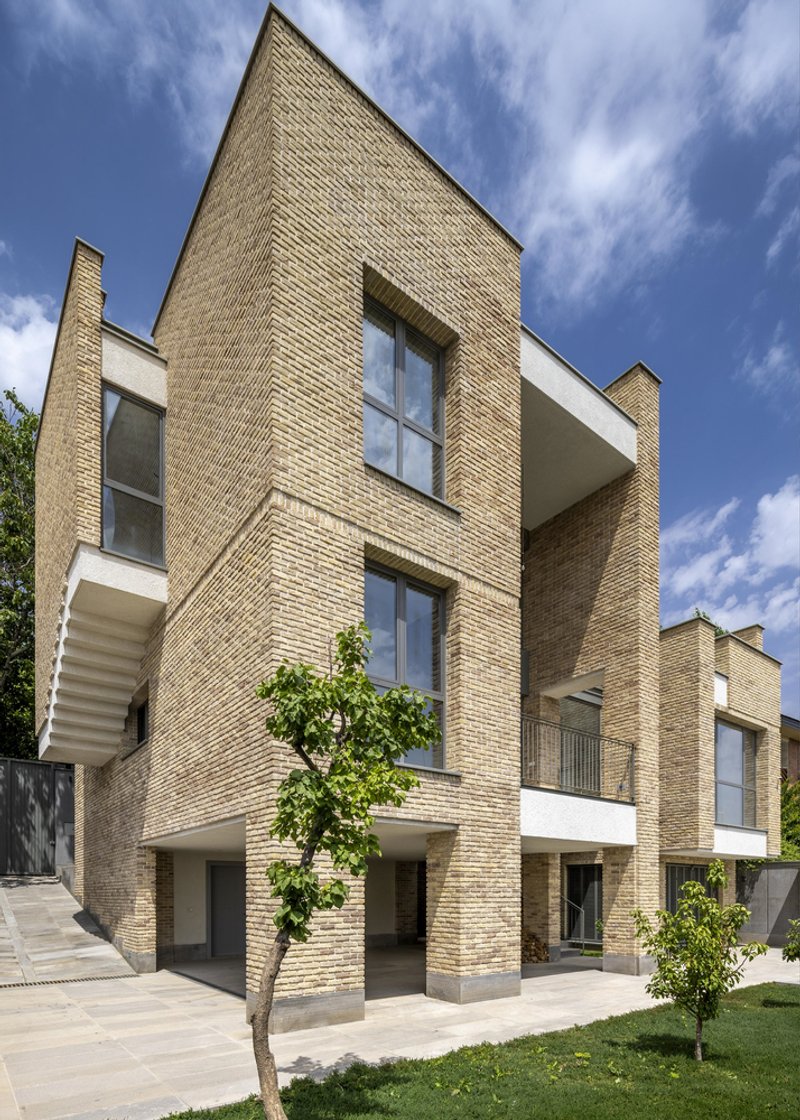
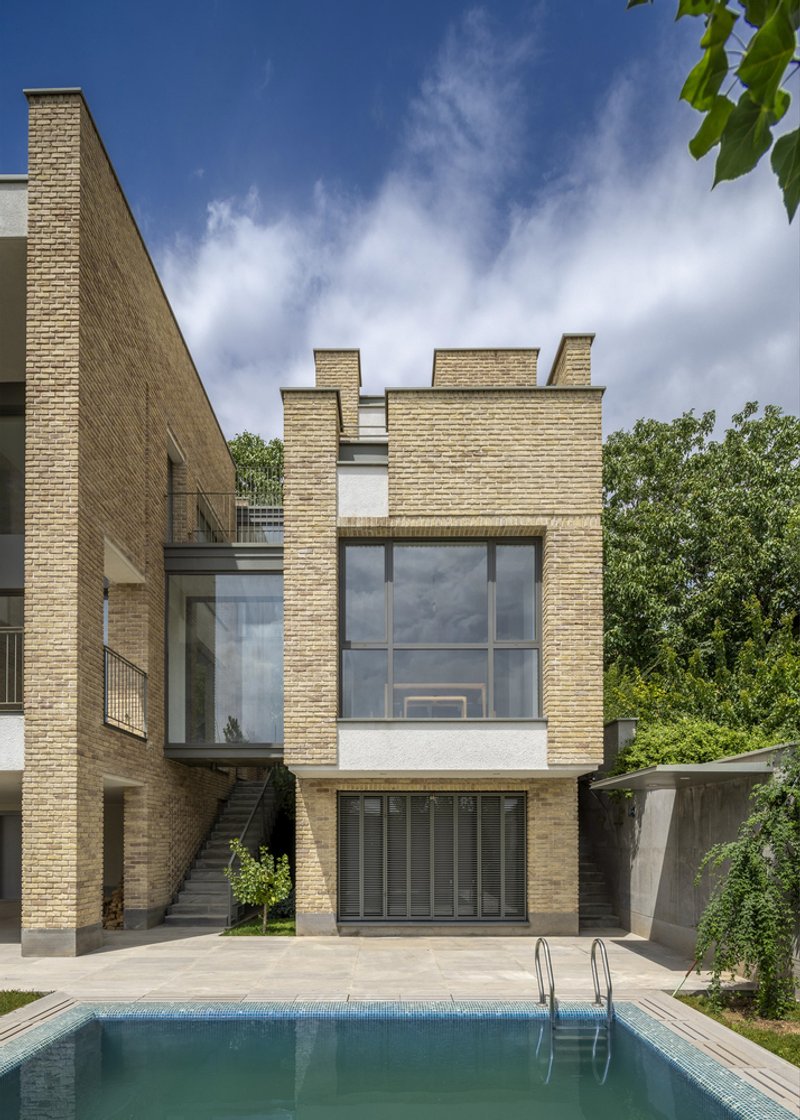
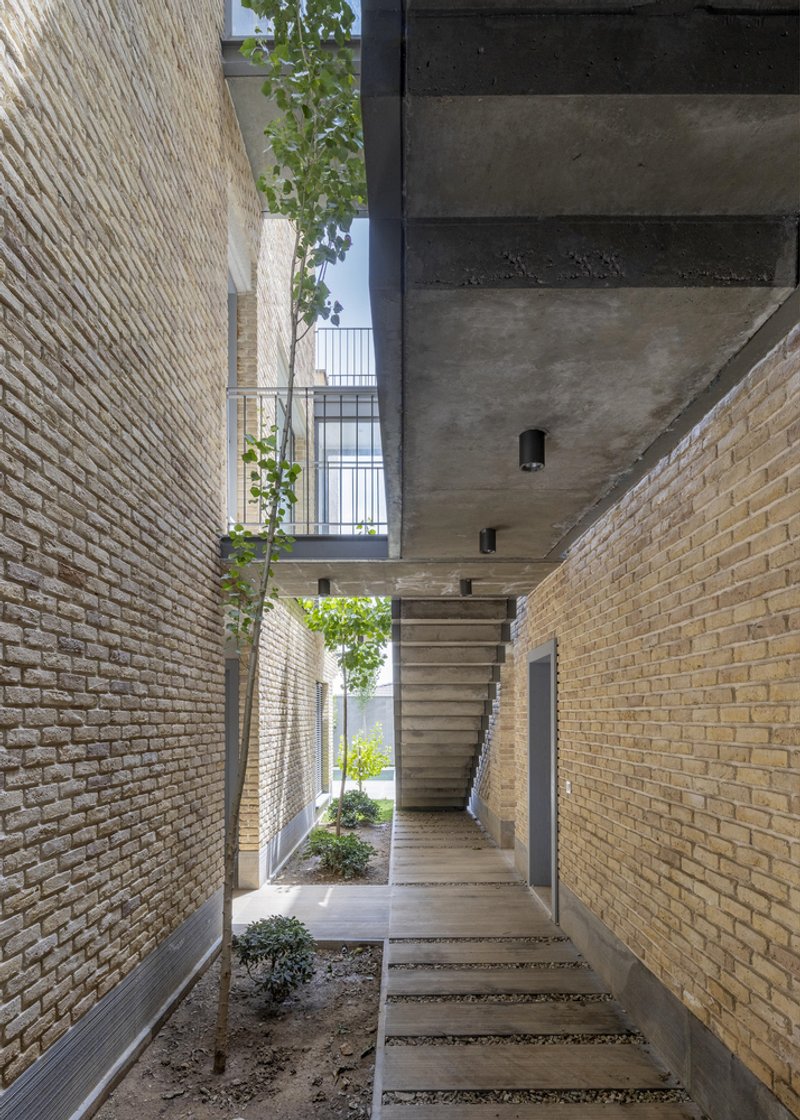
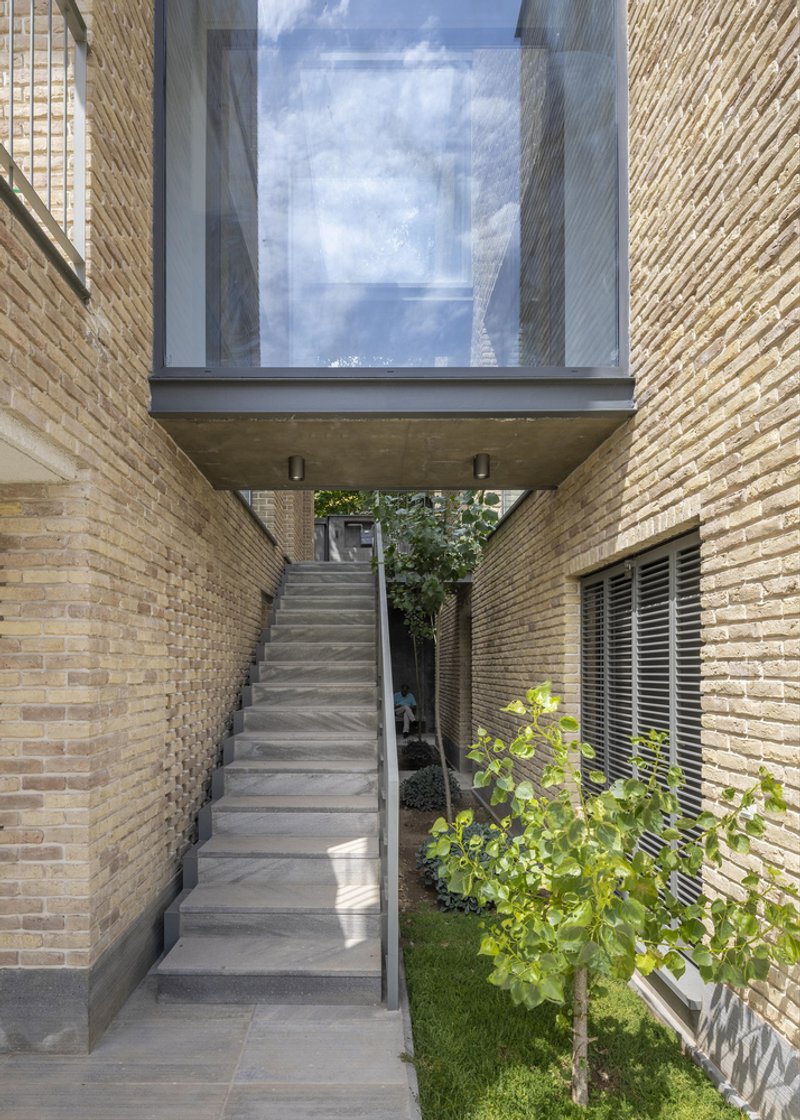
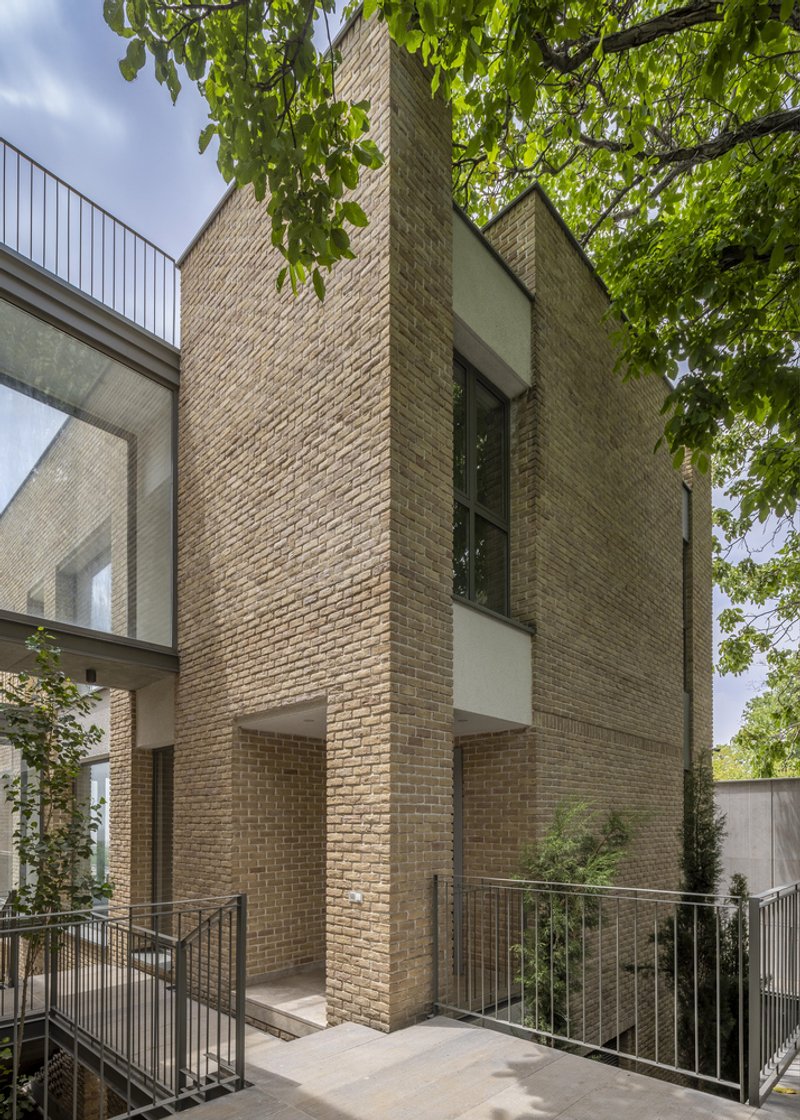
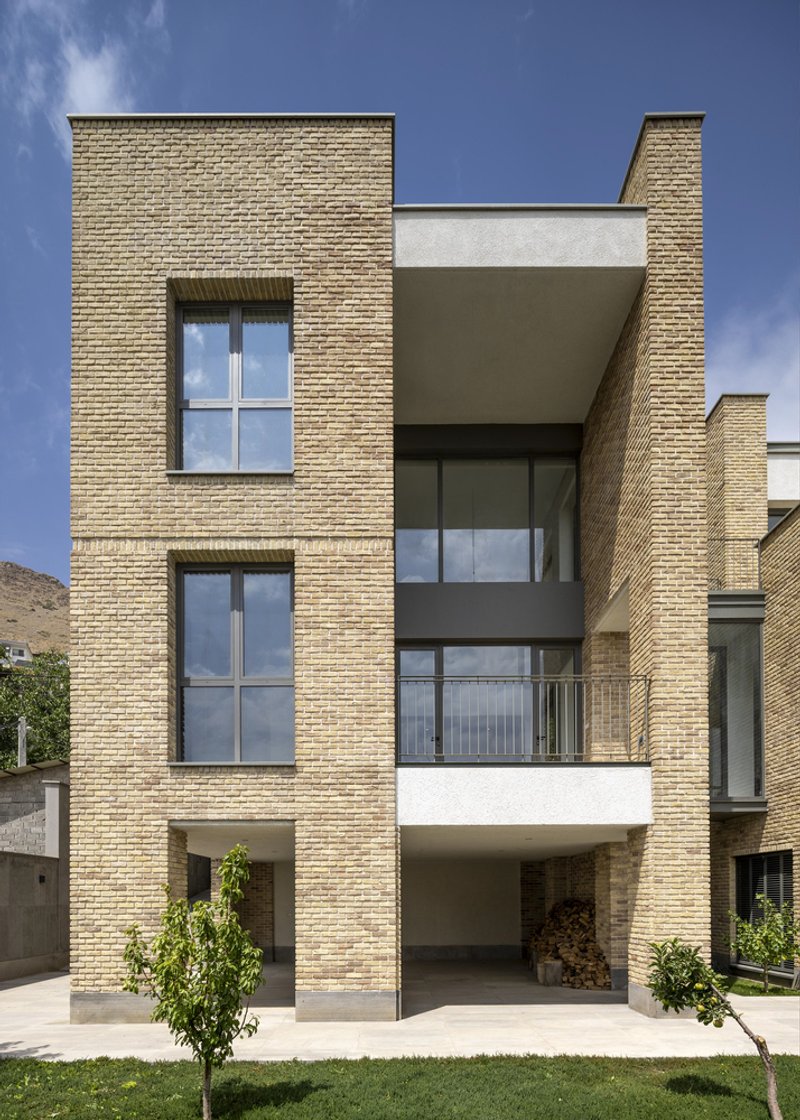
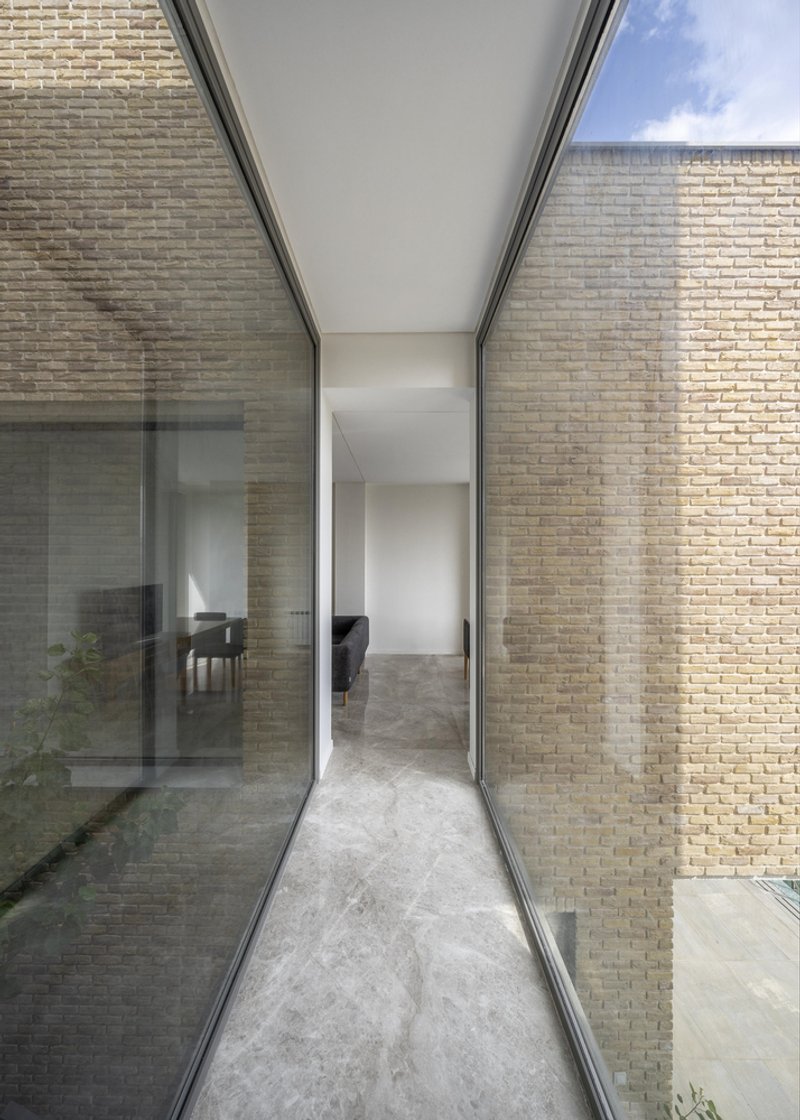
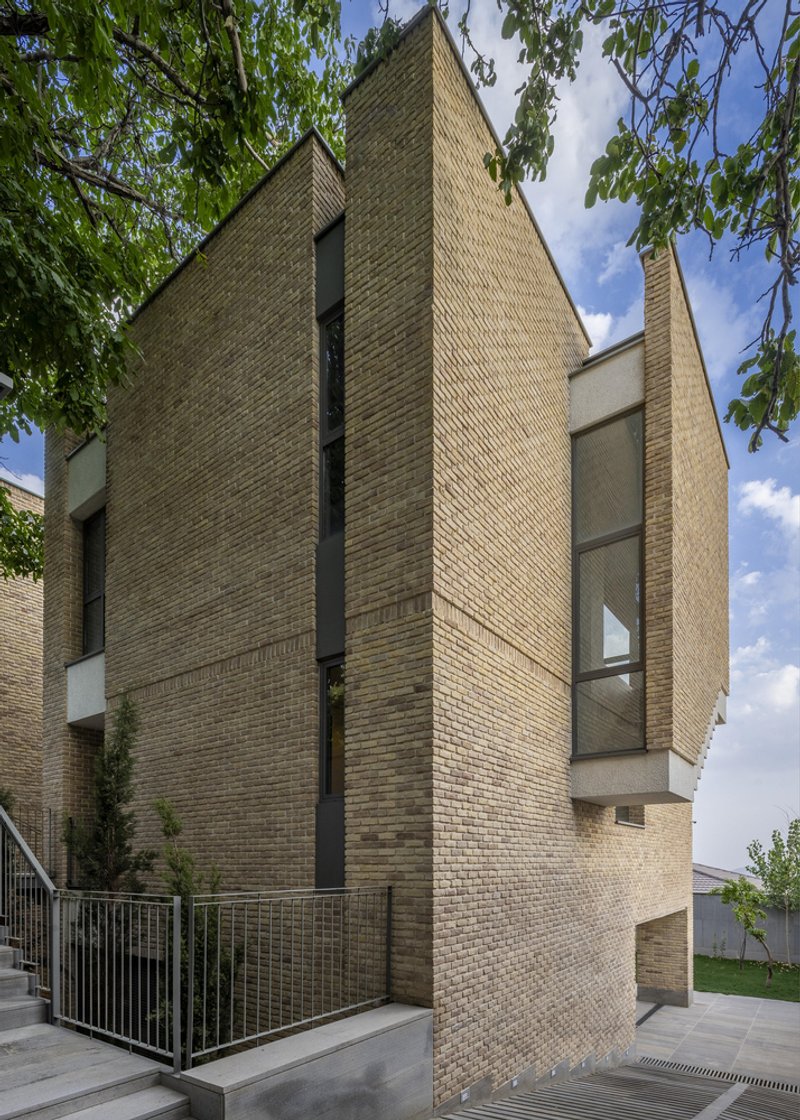
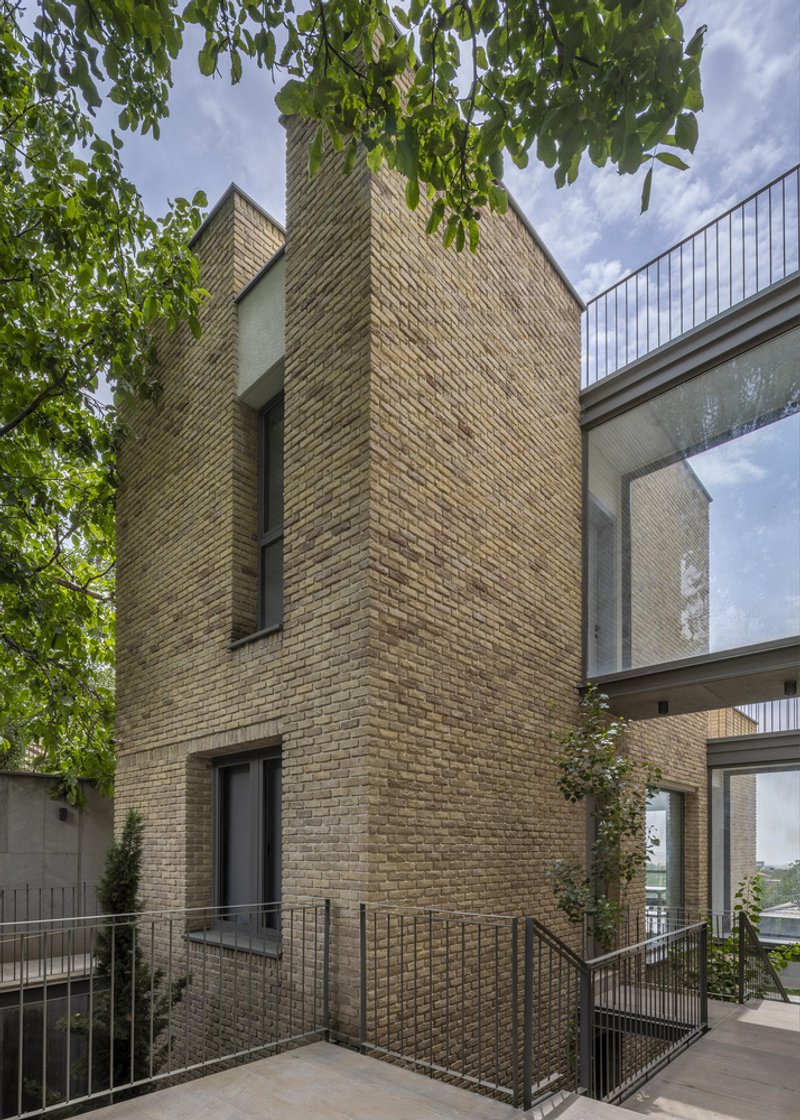
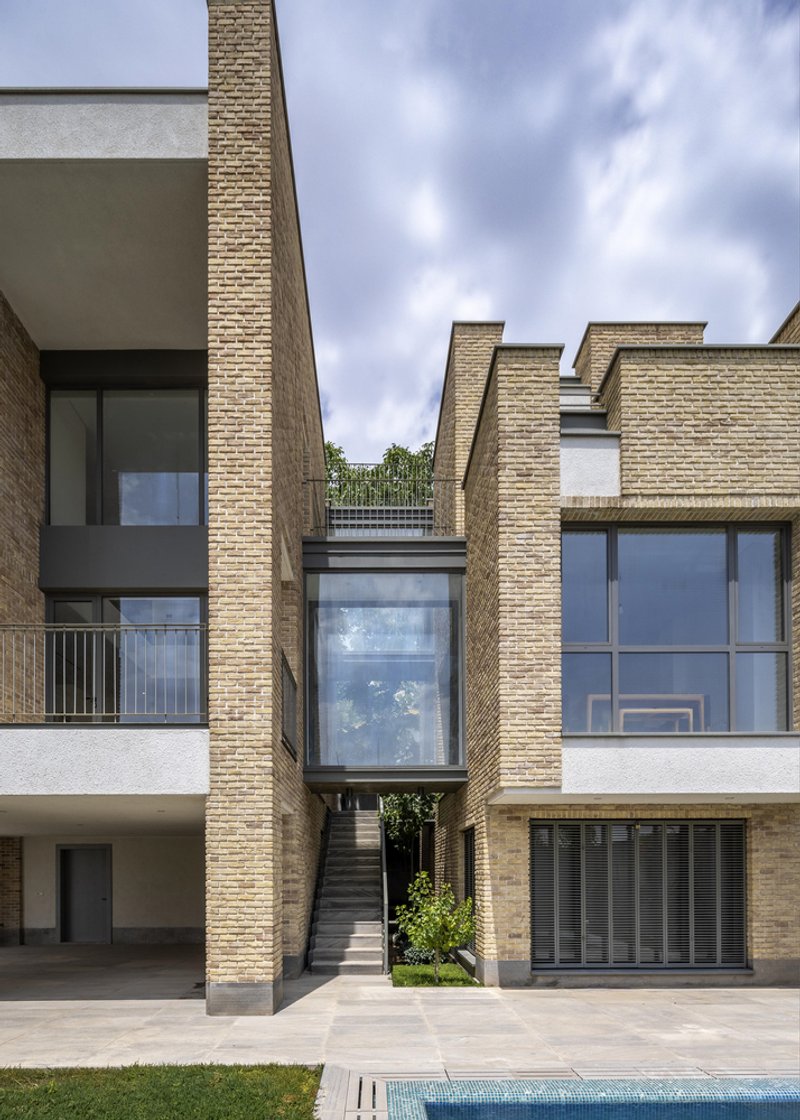
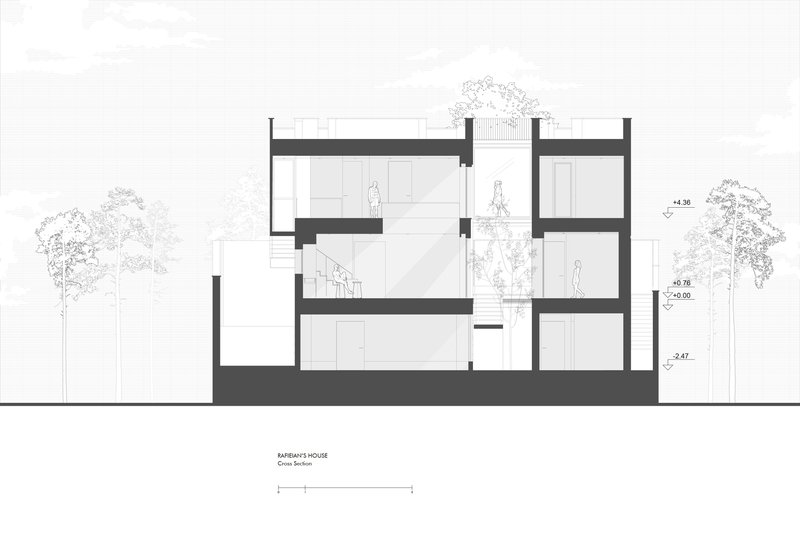
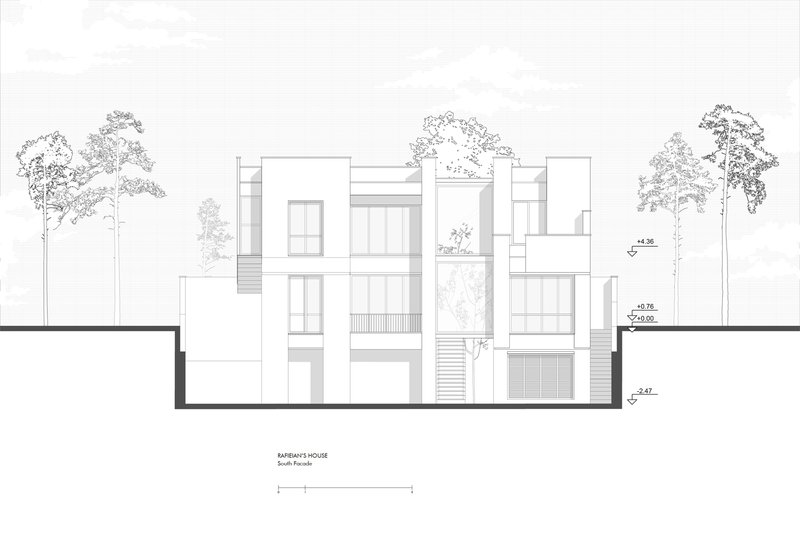
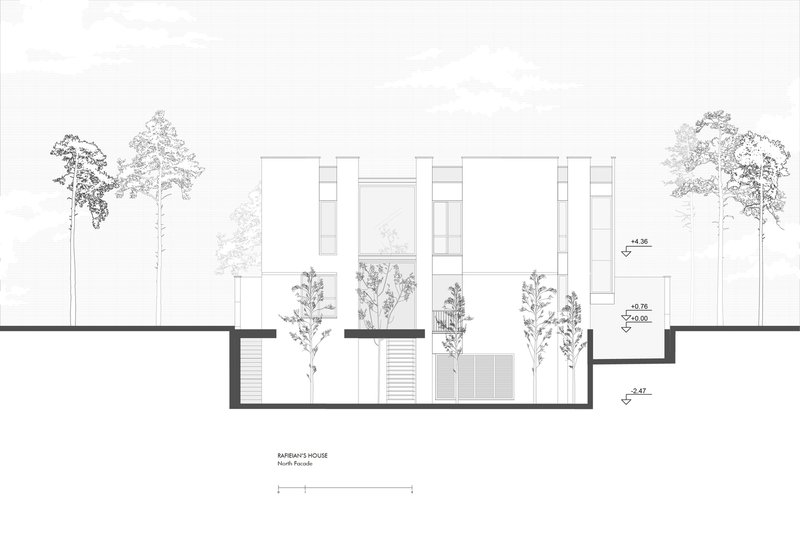
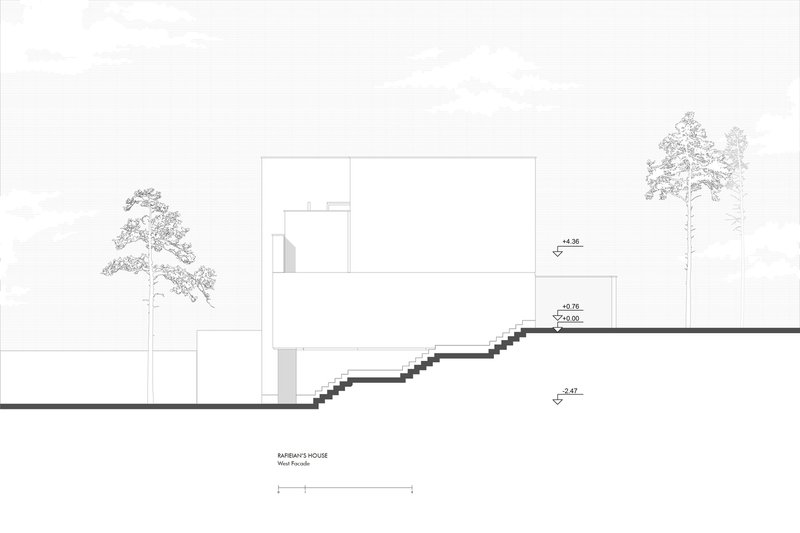
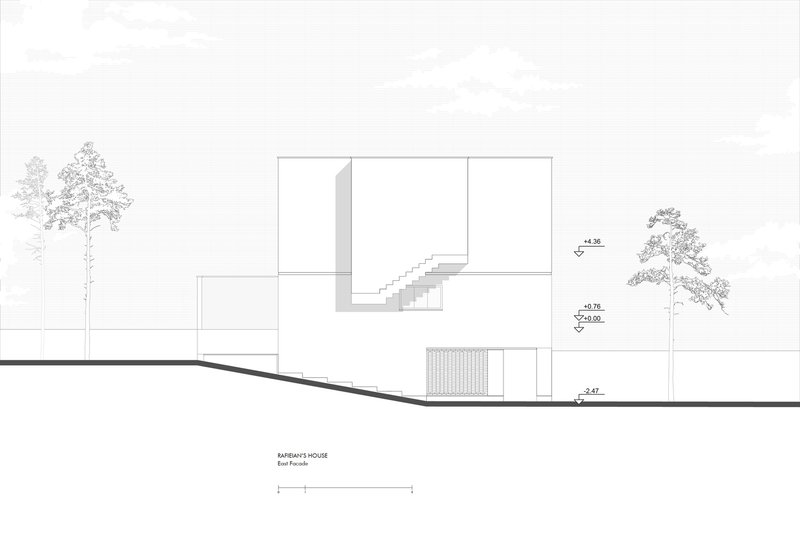
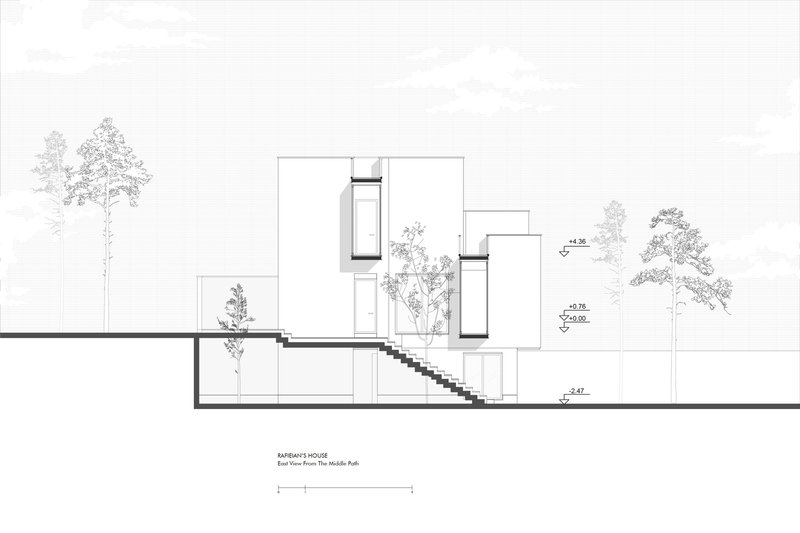
Rafieian’s House is composed of two distinct buildings of varying heights, connected by glass bridges that serve as transitional elements. These bridges symbolize the act of "passing" while allowing the interplay of light, shadows, and reflections to enhance the spatial experience. Glass windows throughout the structure reflect the residents’ images, creating a visual connection between "being" and "arriving" that echoes the project’s overarching philosophy.
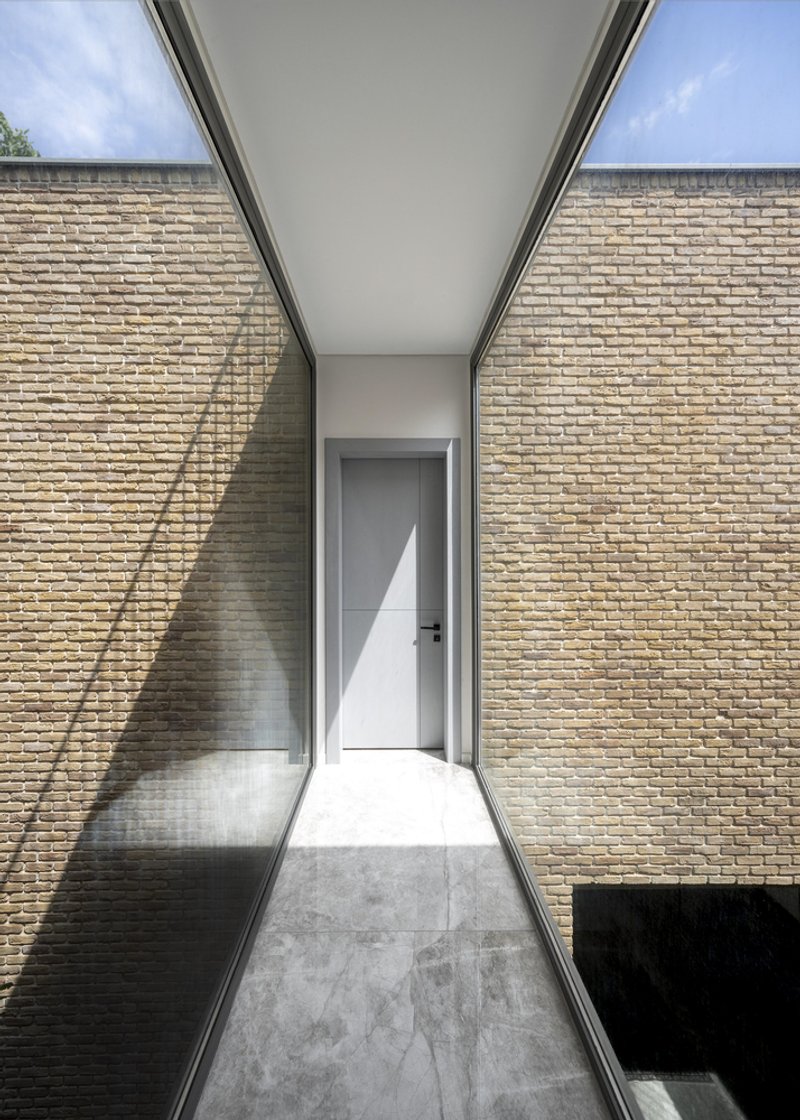
The design emphasizes the importance of movement and sensory perception. As residents navigate the house, they encounter unique moments—sunlight pouring through a glass bridge, shadows dancing across the walls, or the gentle sound of snowfall—all contributing to a rich tapestry of presence.
Spatial Composition and Functional Layout
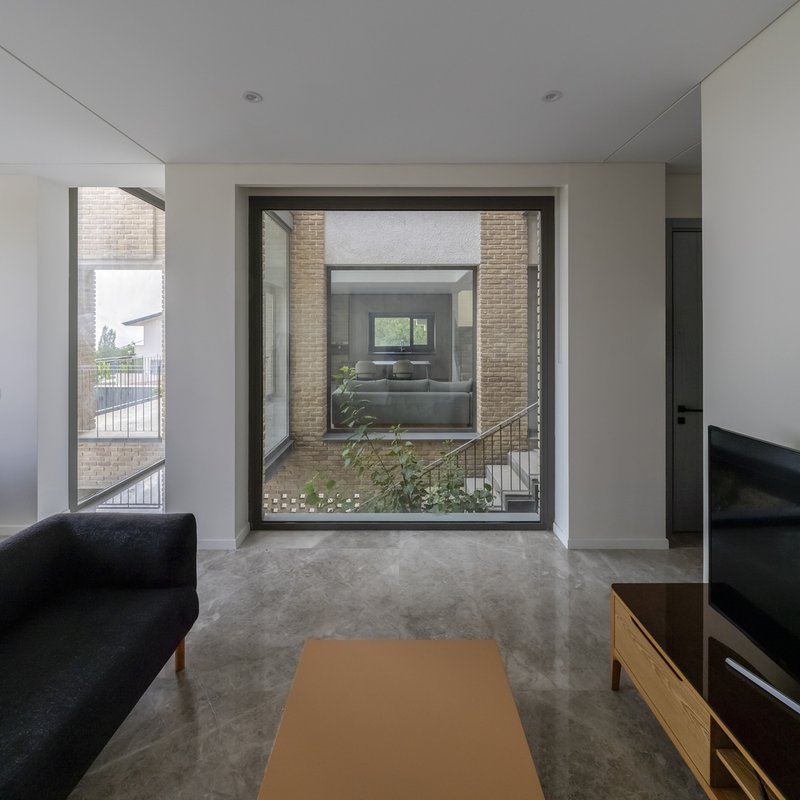
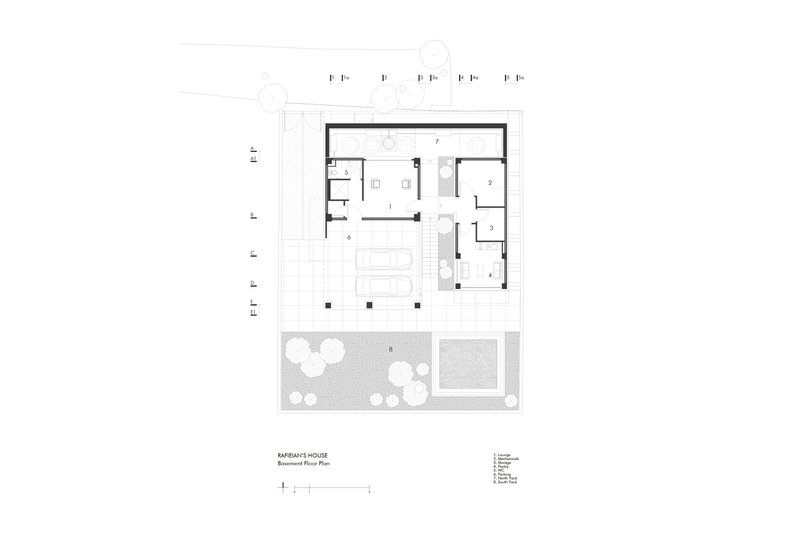
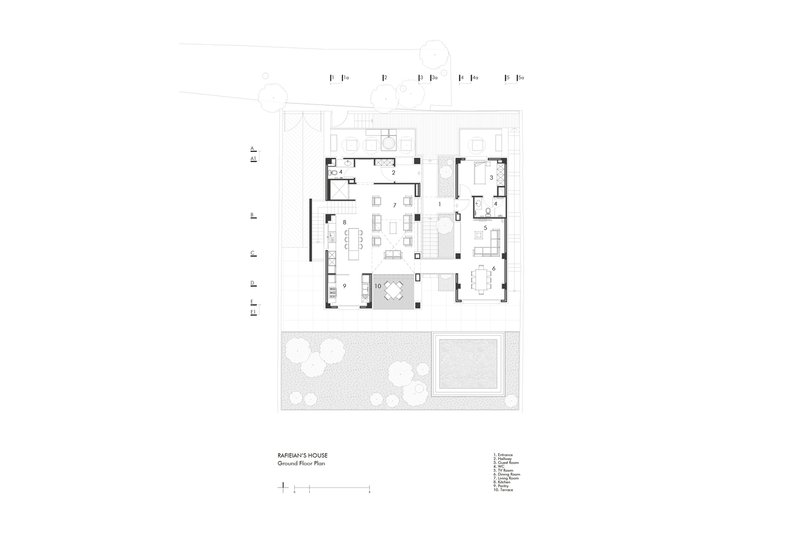
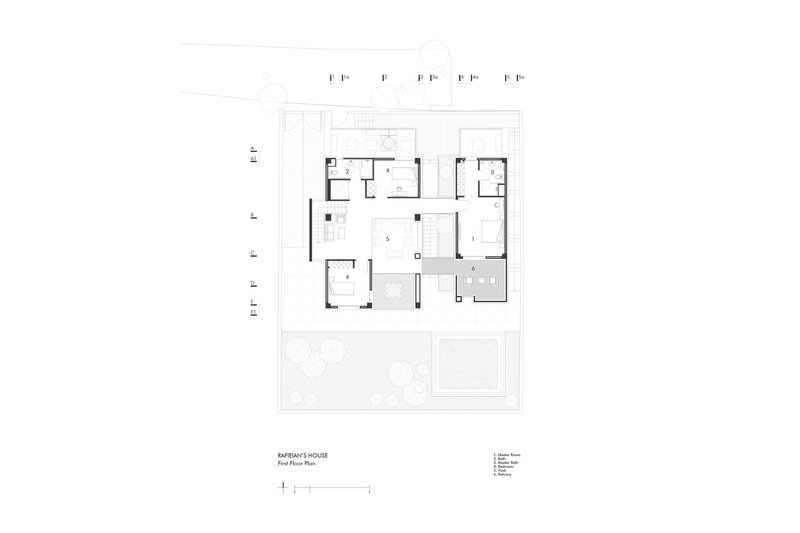
The spatial organization of Rafieian’s House is both thoughtful and functional. The larger structure houses key communal spaces on the ground floor, including the living room, kitchen, and staircase, while the smaller building features the dining room, TV area, and guest room. The first floor of the main structure contains bedrooms and a cozy living area, while the smaller structure is reserved for the master bedroom.
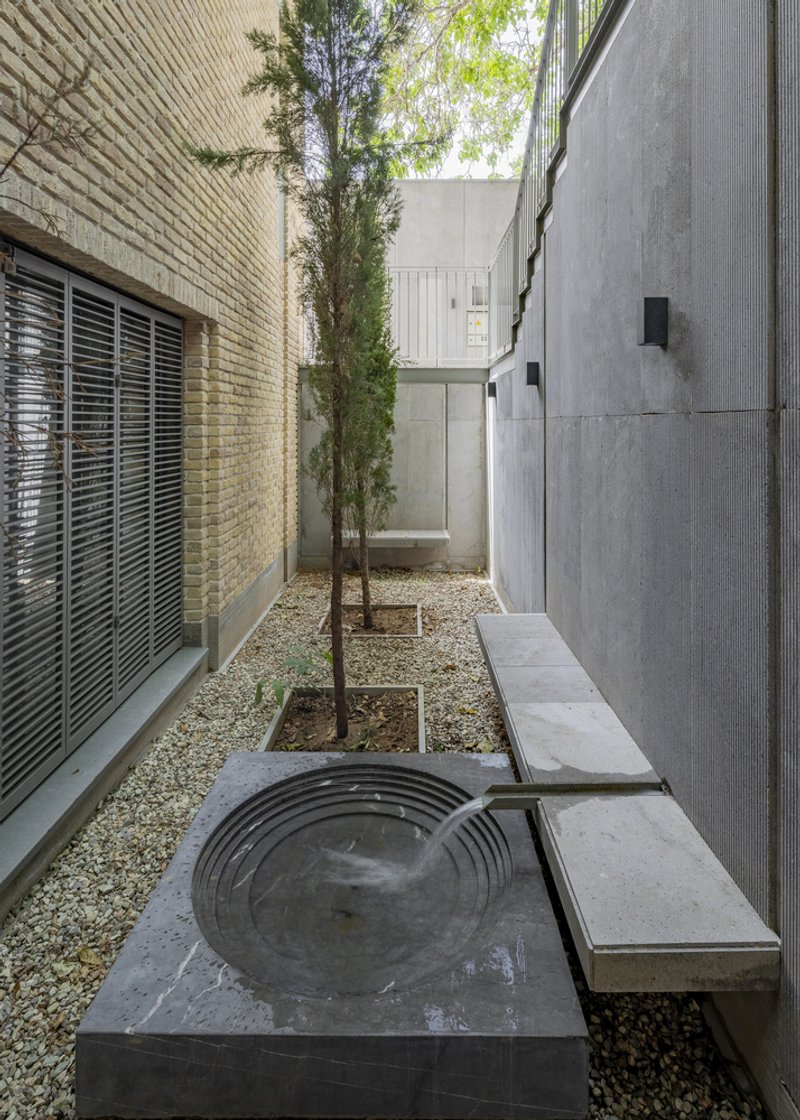
On the lower floor, a lounge opens into a northern garden pit, offering a serene connection to nature. This floor also includes practical spaces for storage, parking, and utilities, ensuring the house balances functionality with its philosophical design approach.
Materials and Sensory Experience
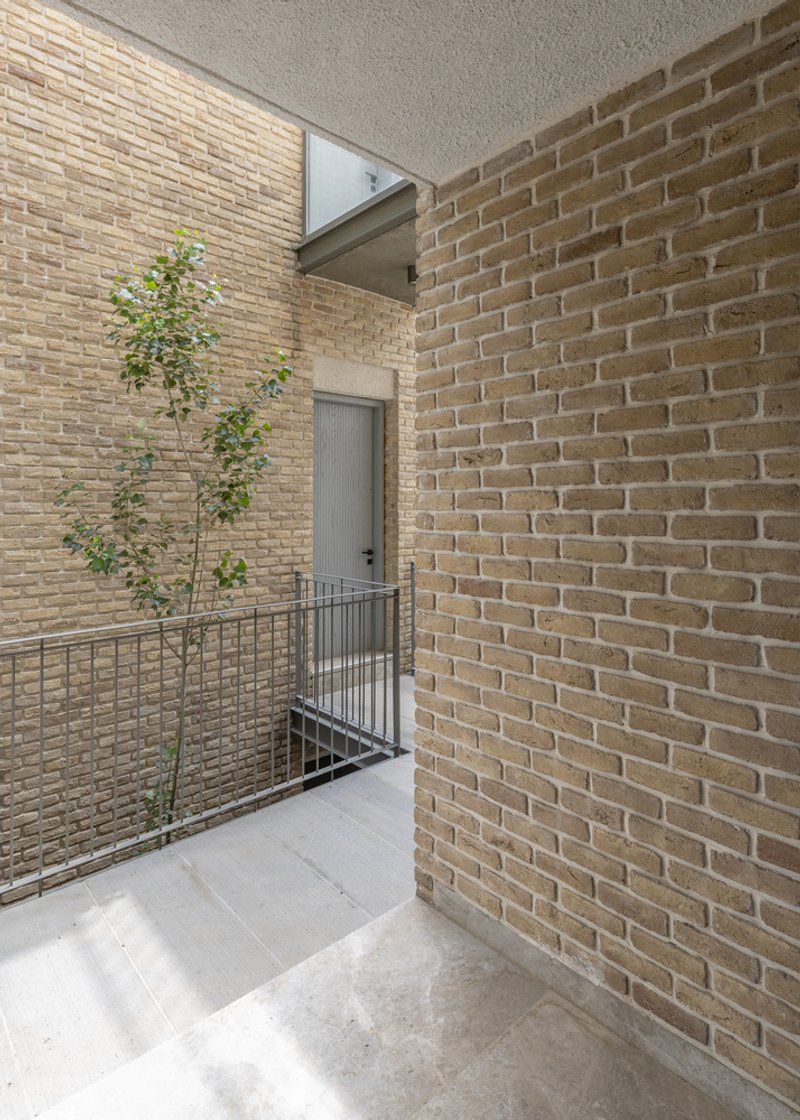
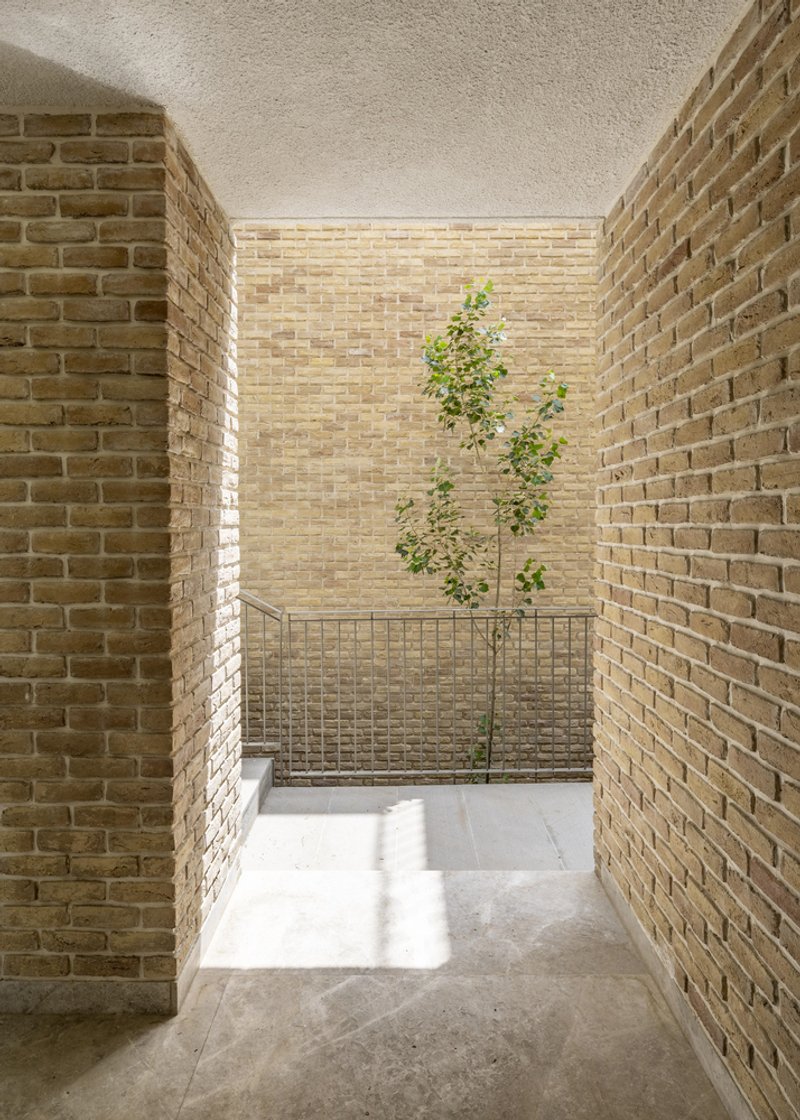
Brick and glass are central materials in Rafieian’s House, chosen for their ability to evoke a sense of timelessness while fostering a connection with the environment. The brick façade reflects traditional architectural elements, grounding the house in its cultural context, while glass elements create a modern aesthetic that emphasizes transparency and light.
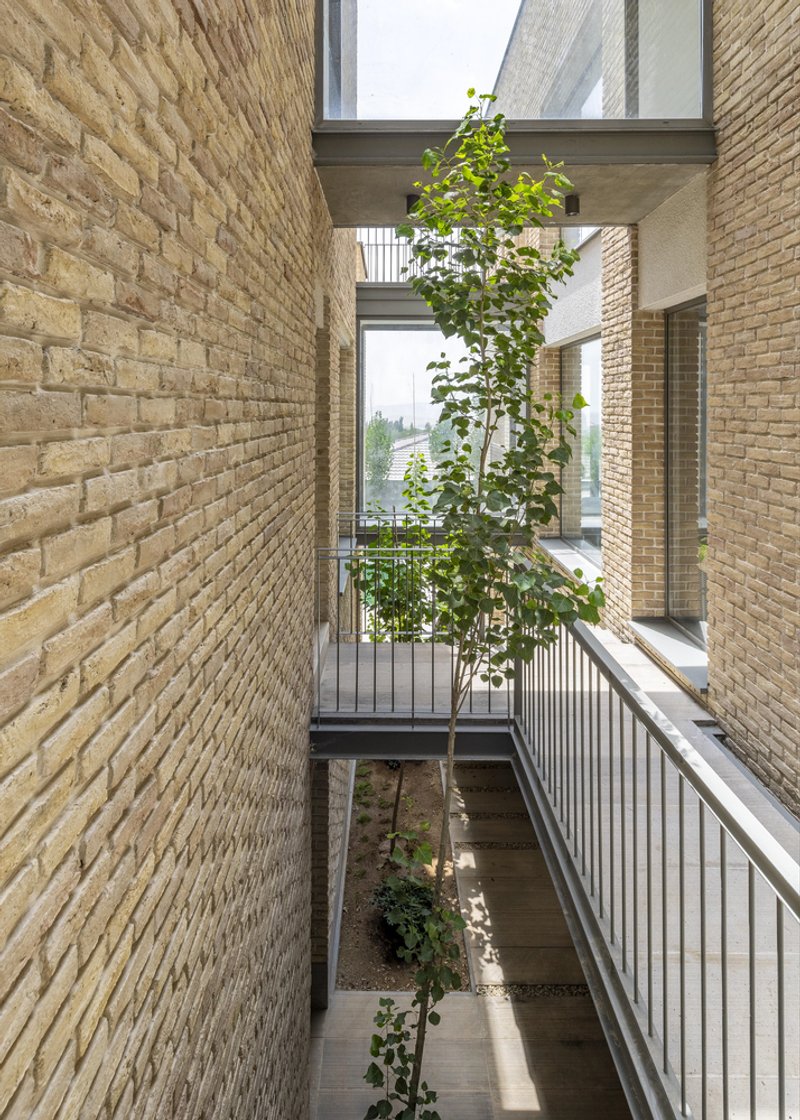
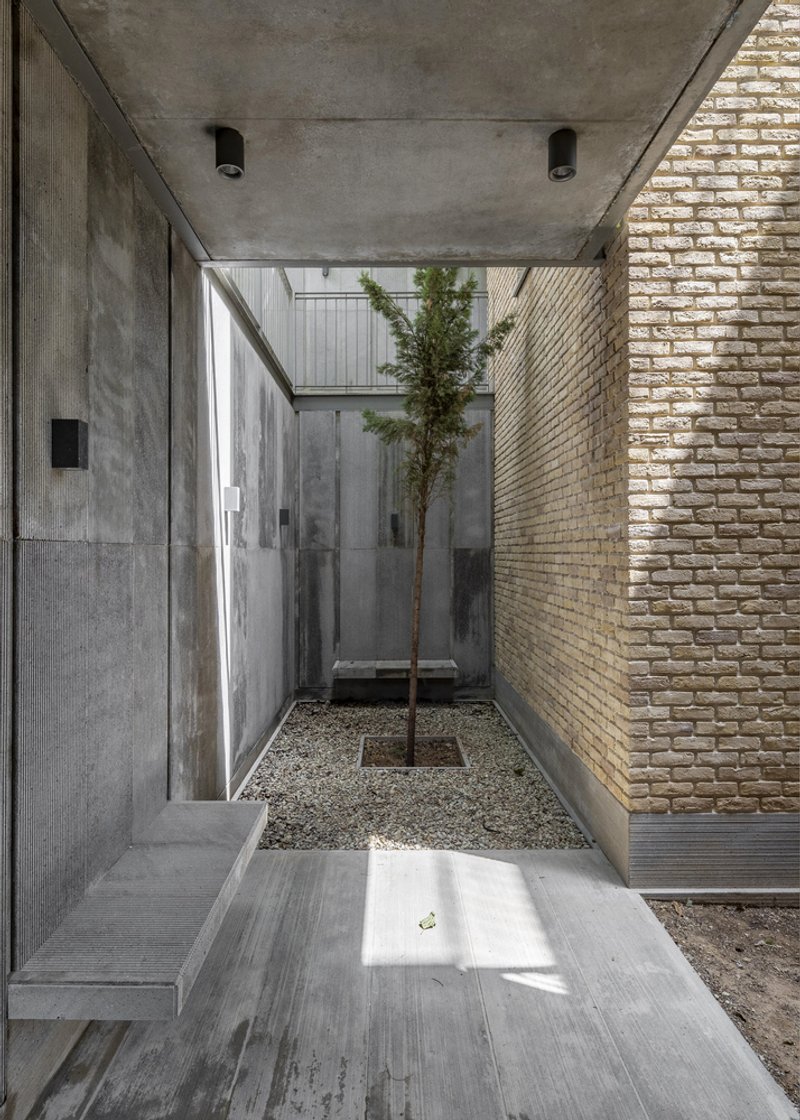
The architects have also incorporated tactile and sensory elements into the design. Each material, from the texture of the brick to the smoothness of glass, engages the senses, enhancing the experience of moving through the house. These elements transform Rafieian’s House into more than just a physical structure—it becomes a sensory journey.
Capturing Memories Through Design
The essence of Rafieian’s House lies in its ability to capture and preserve memories. Each architectural element, from the reflections on glass surfaces to the thresholds of doorways, records the moments and presence of its occupants. The house is a living archive of its residents’ experiences, embodying the layers of memory that transform a structure into a home.
By creating spaces that encourage reflection and interaction, the architects have succeeded in designing a house that is both timeless and deeply personal. Rafieian’s House is a testament to the power of architecture to transcend physical boundaries, fostering an intimate connection between people, spaces, and the passage of time.
A Timeless Dialogue Between Inside and Outside
Rafieian’s House is a masterful exploration of the boundary between interior and exterior spaces. By combining philosophical concepts with thoughtful spatial design, Pargar Architecture and Design Studio have created a residence that is both functional and emotionally resonant. This house is a celebration of presence, memory, and the ever-changing dialogue between architecture and its environment.
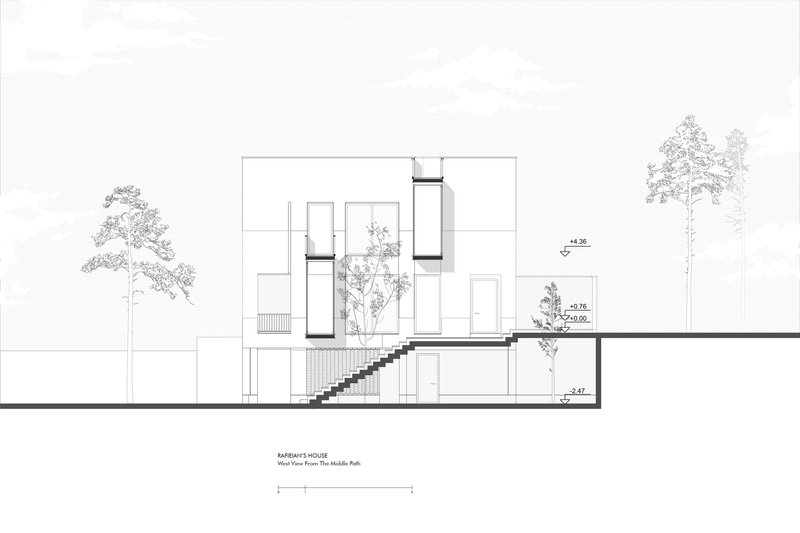
All Photographs are works of Parham Taghioff




Popular Articles
Popular articles from the community


Solar Steam: A Climate-Responsive Architecture That Redefines the Monument
A climate-responsive memorial architecture that transforms heat, decay, and time into a living system reflecting humanity’s ecological impact.
Atelier Macri Concept Store Interior Design by CASE-REAL
Atelier Macri store features a "ko" counter, walnut wood details, cork displays, blending retail, gallery, and seamless customer experiences.
Gads Hill Early Learning Center by JGMA: Adaptive Reuse Shaping Community-Focused Educational Architecture
Adaptive reuse transforms fragmented structure into vibrant early learning center with playful façade, natural light, and community-focused sustainable design.
Inverted Architecture Installation by Studio Link-Arc: Exploring the Intersection of Architecture and Living Organisms
Inverted Architecture Installation by Studio Link-Arc blends mycelium, sustainability, inverted design, ecological cycles, and urban adaptive architecture in Shenzhen.


Similar Reads
You might also enjoy these articles


The Ken Roberts Memorial Delineation Competition (Krob)
As the most senior architectural drawing competition currently in operation anywhere in the world, it draws hundreds of entries each year, awarding the very best submissions in a series of medium-based categories.


Waterfront Redevelopment and Urban Revitalization in Mumbai: Forging a New Dawn for Darukhana
A transformative waterfront redevelopment project reimagining Darukhana’s shipbreaking heritage into an inclusive urban future.

OUT-OF-MAP: A Call for Postcards on Feminist Narratives of Public Space
Rhizoma Design and Research Lab invites artists, designers, architects, researchers, and students to reflect on how feminist perspectives can reshape public space. Selected works will be exhibited in Barcelona, October 2026. Submissions open until 15 April 2026.


Documentation Work on Buddhist Wooden Temple
Architectural syncretism and cultural hybridity: A comparative study of the Buddhist temples in Chattogram Hill tracks
Explore Architecture Competitions
Discover active competitions in this discipline




The International Standard for Design Portfolios


The Global Benchmark for Architecture Dissertation Awards


The Global Benchmark for Graduation Excellence


Challenge to reimagine the Iron Throne
Comments (0)
Please login or sign up to add comments
No comments yet. Be the first to comment!