
Reinventing Riverside Recreation: The Vistula Riverside Project by Karol Zurawski
Exploring Karol Zurawski's eco-friendly, flood-resistant Vistula Riverside project in Warsaw, showcasing sustainable public space design.


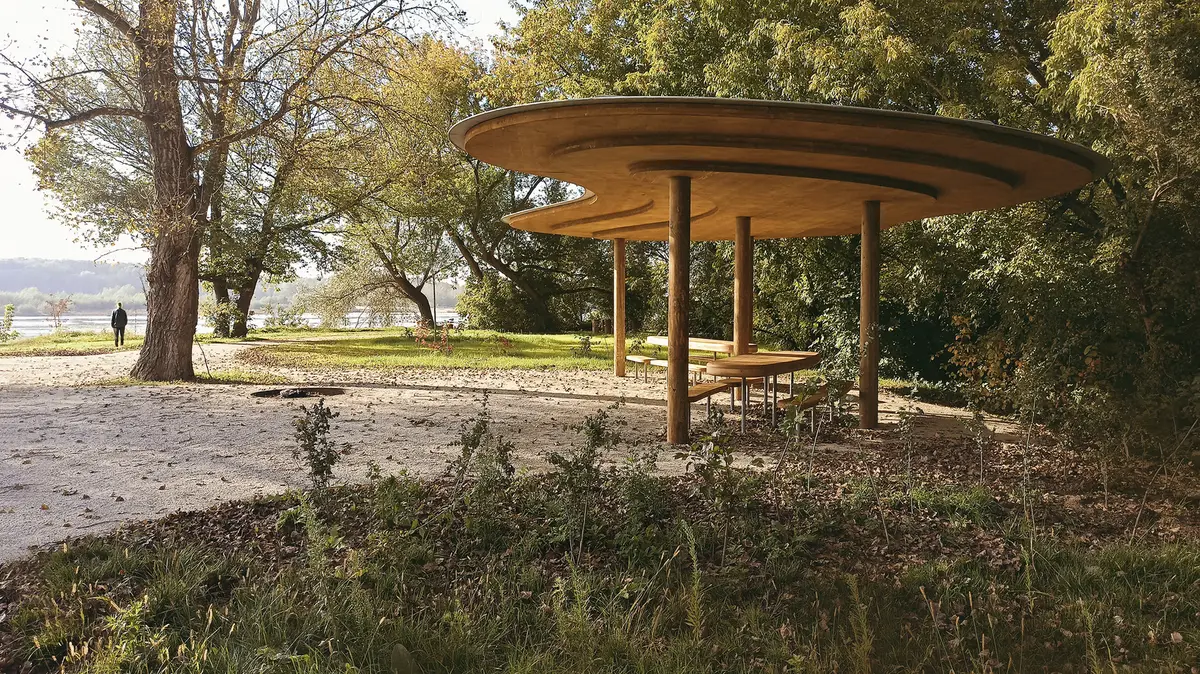
In the heart of Warsaw, Poland, a transformative project at the Vistula Riverside, designed by the visionary architect Karol Zurawski, sets a new benchmark for eco-friendly public spaces. Completed in 2020 and sprawling across 25,000 m², this recreational area harmoniously blends with the Vistula River's natural landscape, offering a resilient and sustainable approach to public architecture.
Eco-Friendly Design Philosophy
The Challenge of the Floodplain
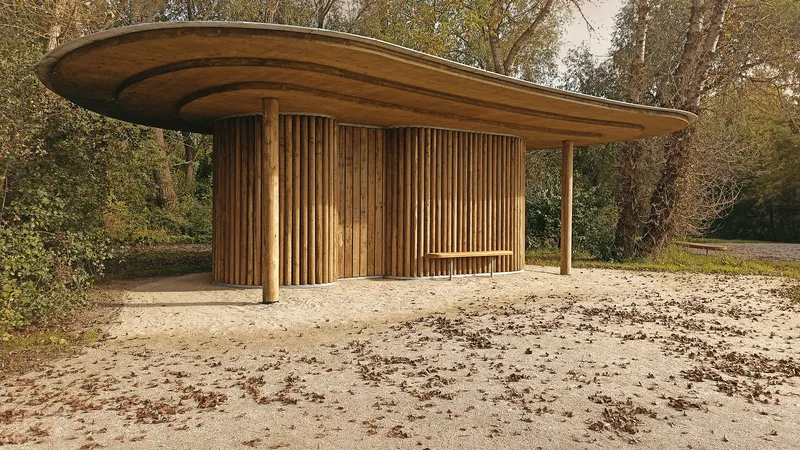
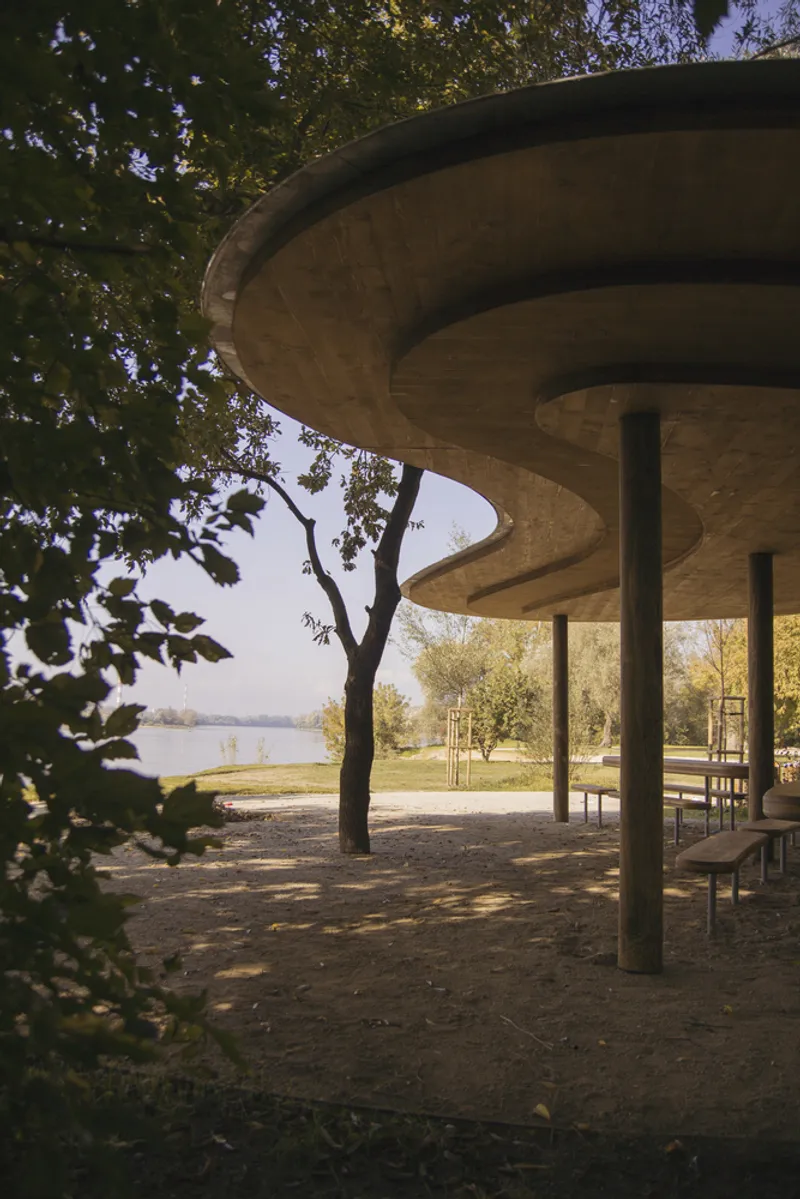
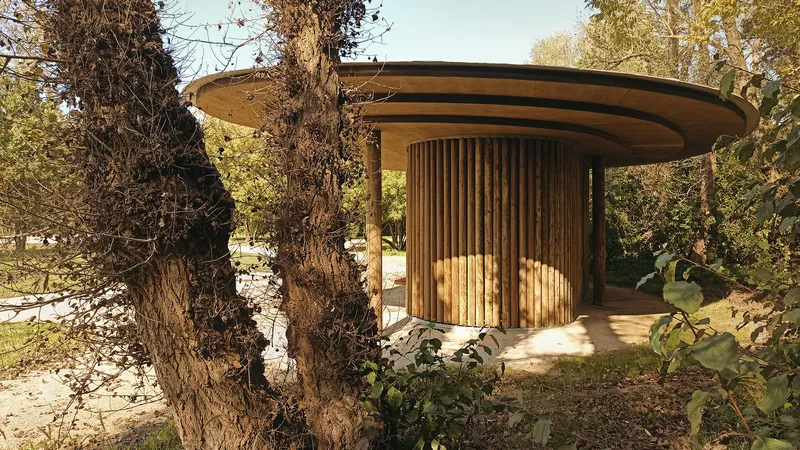
Situated on a floodplain, the Vistula Riverside project presented unique challenges that demanded innovative solutions. Zurawski's design philosophy was deeply rooted in ecological sensitivity, aiming to minimize the environmental footprint while maximizing resilience against the river's dynamic forces. The outcome is a series of streamlined canopies, designed to withstand flooding by offering minimal resistance to water flow.
Sustainable Materials and Construction
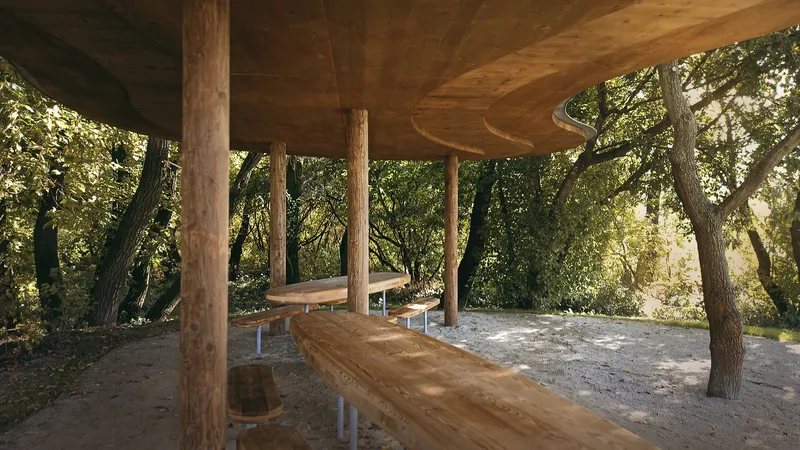
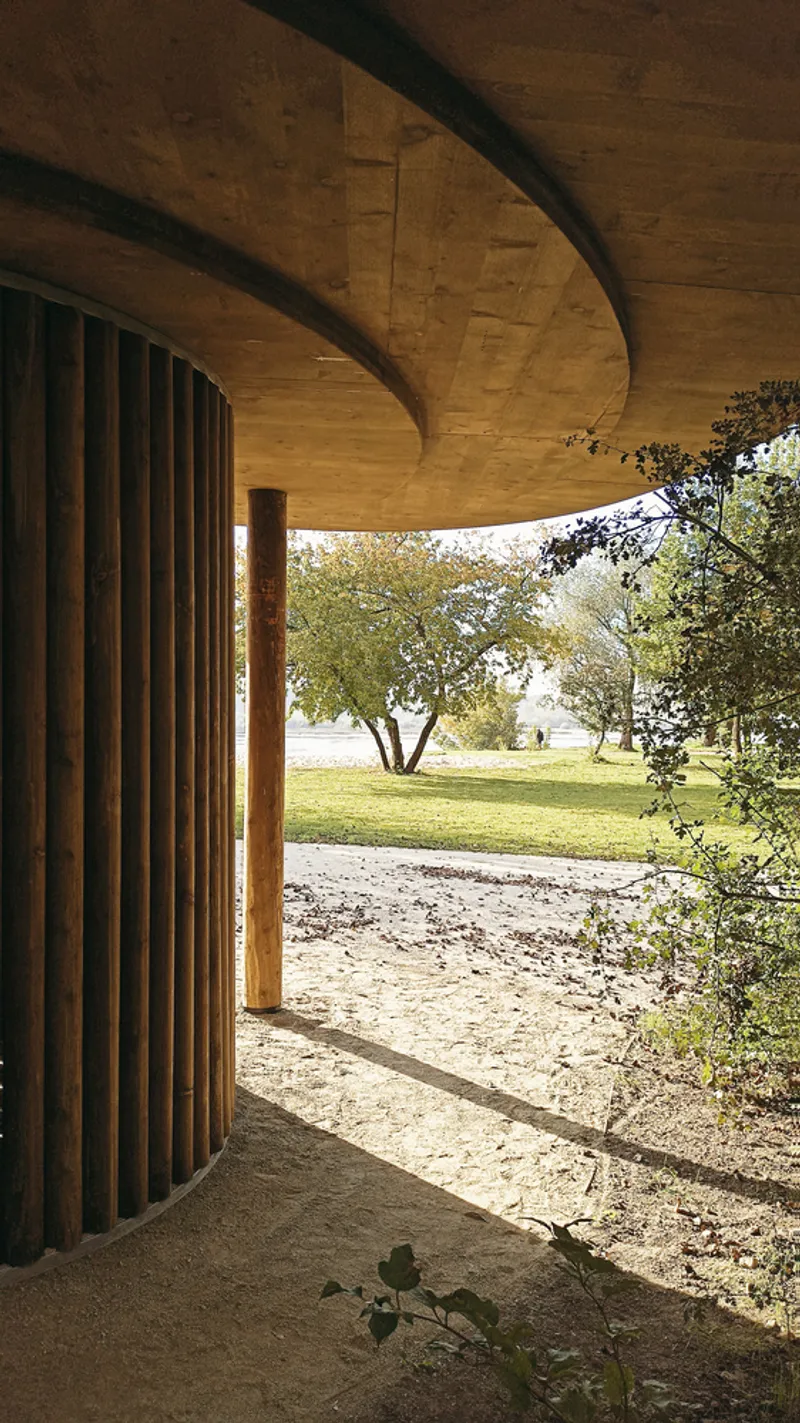
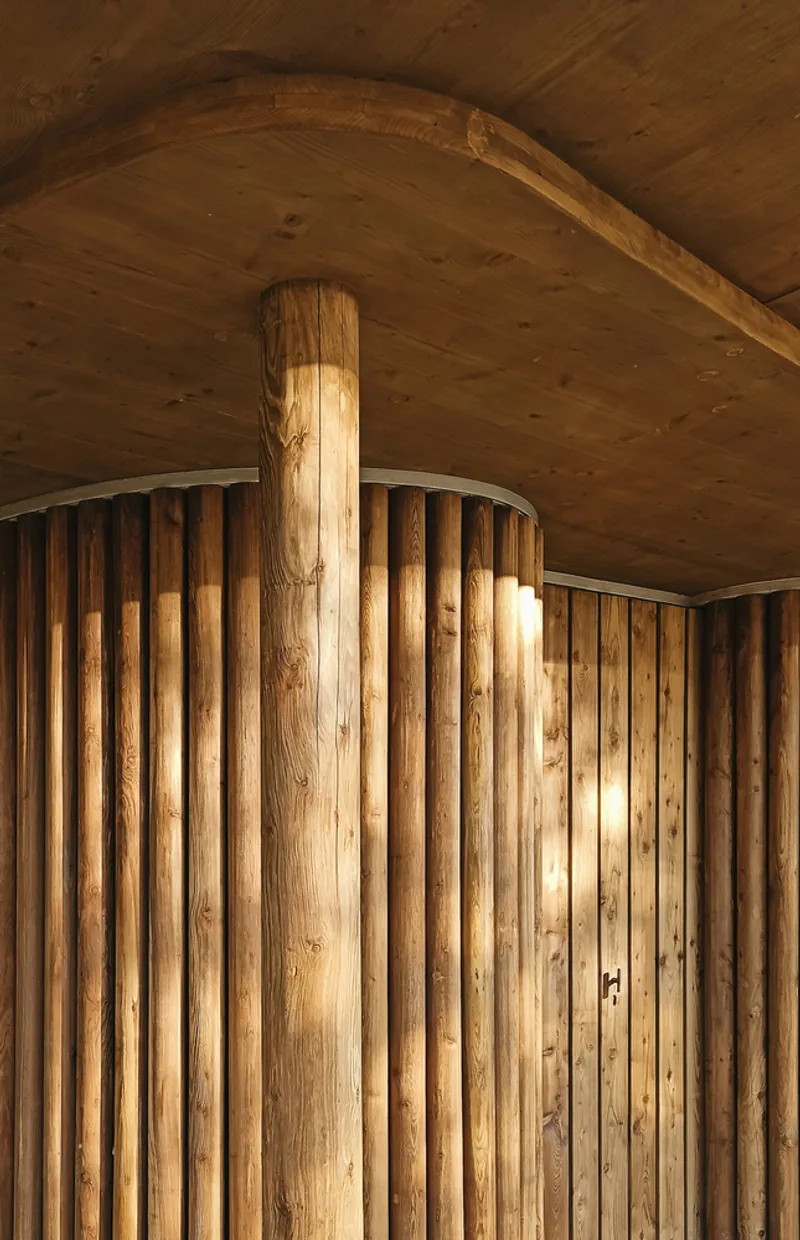
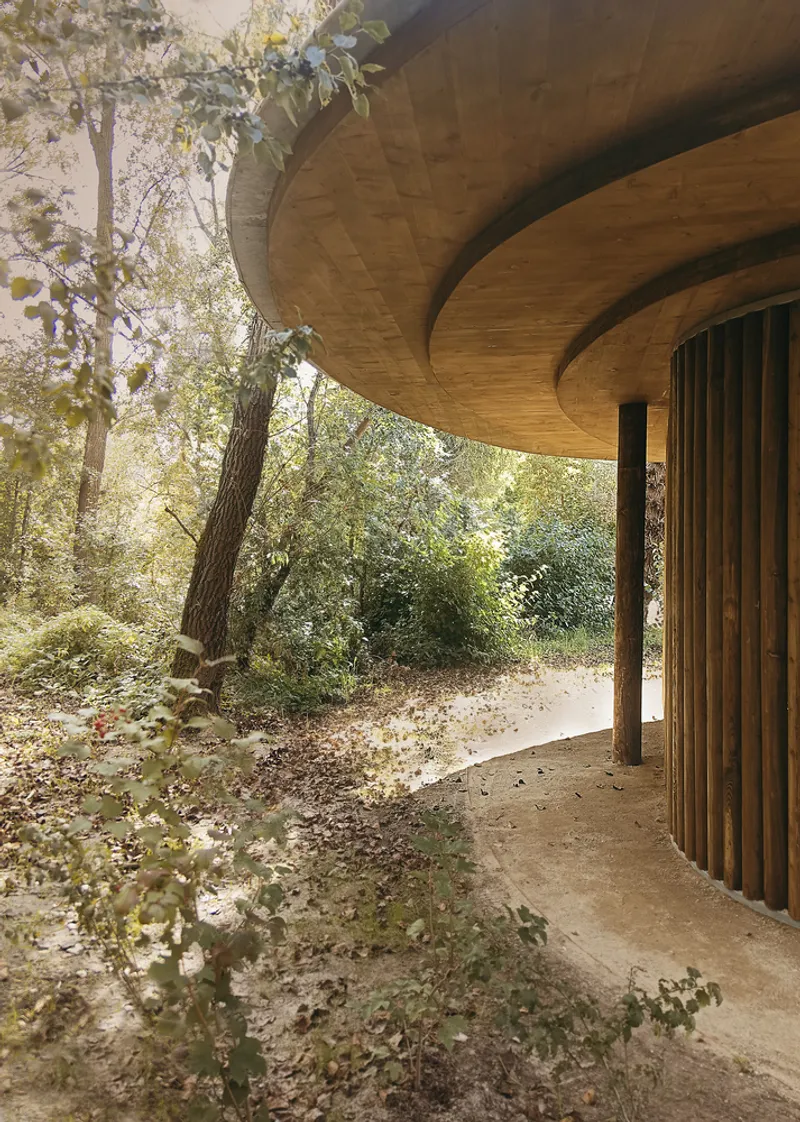
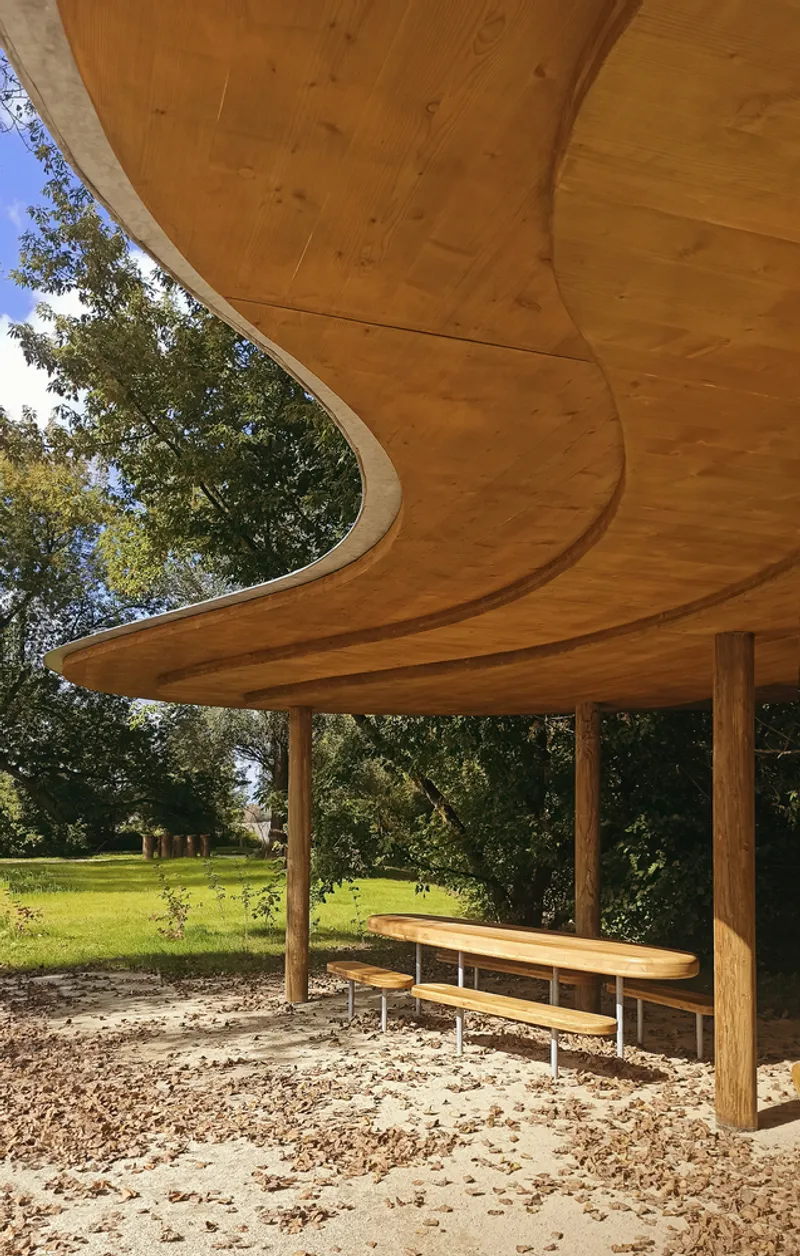
Cross Concrete-Laminated Timber: A Modern AlternativeA standout feature of the project is its use of Cross Concrete-Laminated Timber (CCLT) as a modern, eco-friendly alternative to traditional concrete. This choice not only reduces the carbon footprint but also enhances the aesthetic appeal of the canopies. Extending far beyond their wooden uprights, the canopies provide shelter from rain, showcasing a thoughtful integration of function and form.The cantilevered design of the canopies is a marvel of engineering, distributing forces centrally to reduce material usage without compromising stability.
Cantilevered Canopies: Engineering Meets Ecology
This approach reflects a deep commitment to ecological principles, balancing aesthetic elegance with environmental stewardship.
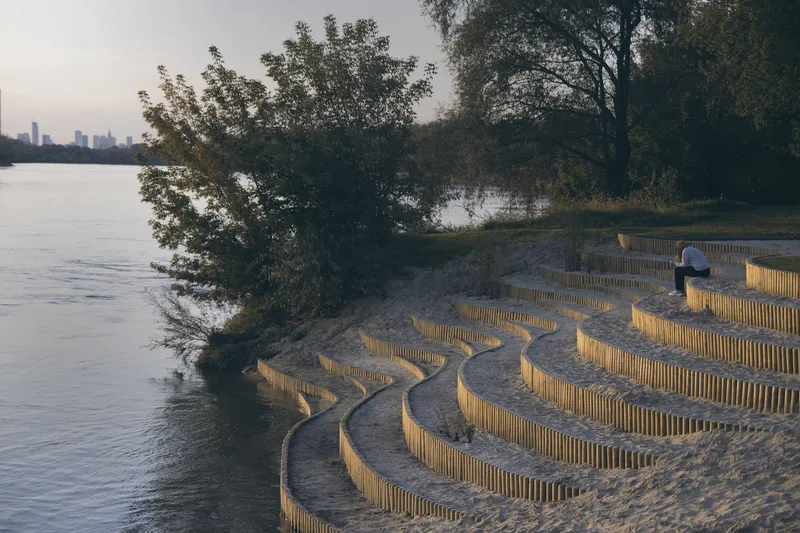
Foundation Innovation: The Wooden Pile Approach
Eschewing concrete for the foundation, the project instead utilizes wooden piles driven deep into the ground. This method, reminiscent of traditional pier and breakwater construction, ensures durability and stability while respecting the ecological integrity of the riverside environment.
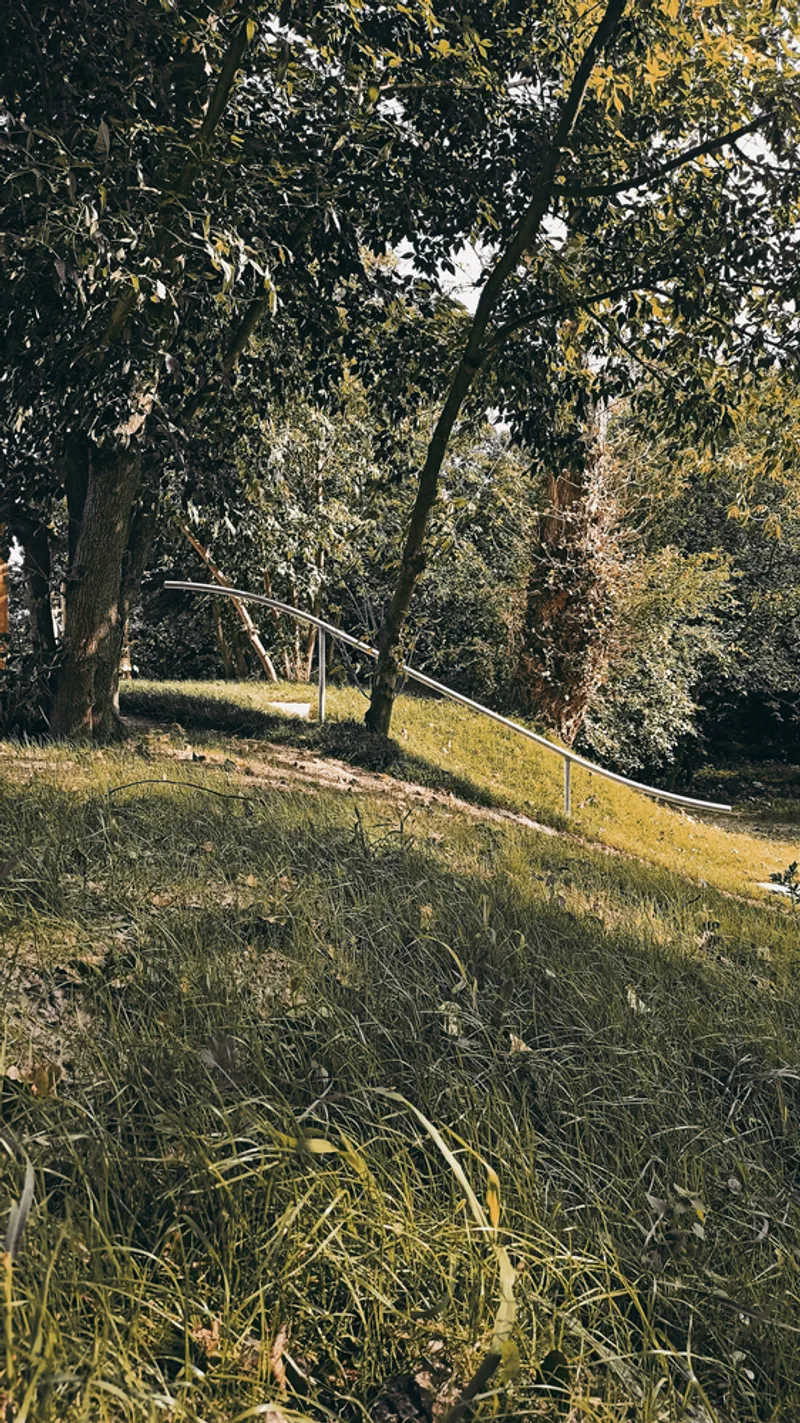
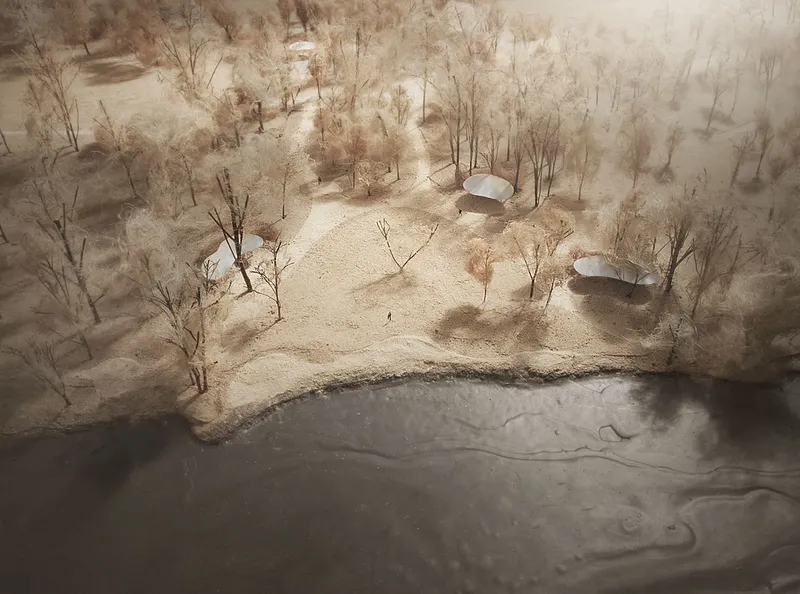
Karol Zurawski's Vistula Riverside project is a testament to the possibilities of eco-friendly public spaces. By embracing innovative materials and construction techniques, this recreational area not only serves the community but also sets a precedent for sustainable development along vulnerable floodplains. As cities worldwide grapple with the challenges of climate change and urbanization, the Vistula Riverside project stands as a beacon of ecological resilience and architectural innovation.
This exploration into the Vistula Riverside project by Karol Zurawski, focusing on "Eco-Friendly Public Spaces," underscores the imperative for sustainable design in the face of environmental challenges. Through its innovative use of materials, resilient construction techniques, and harmonious integration with the natural landscape, this project exemplifies the future of public architecture—a future where eco-consciousness and community needs converge in beautiful, functional spaces.
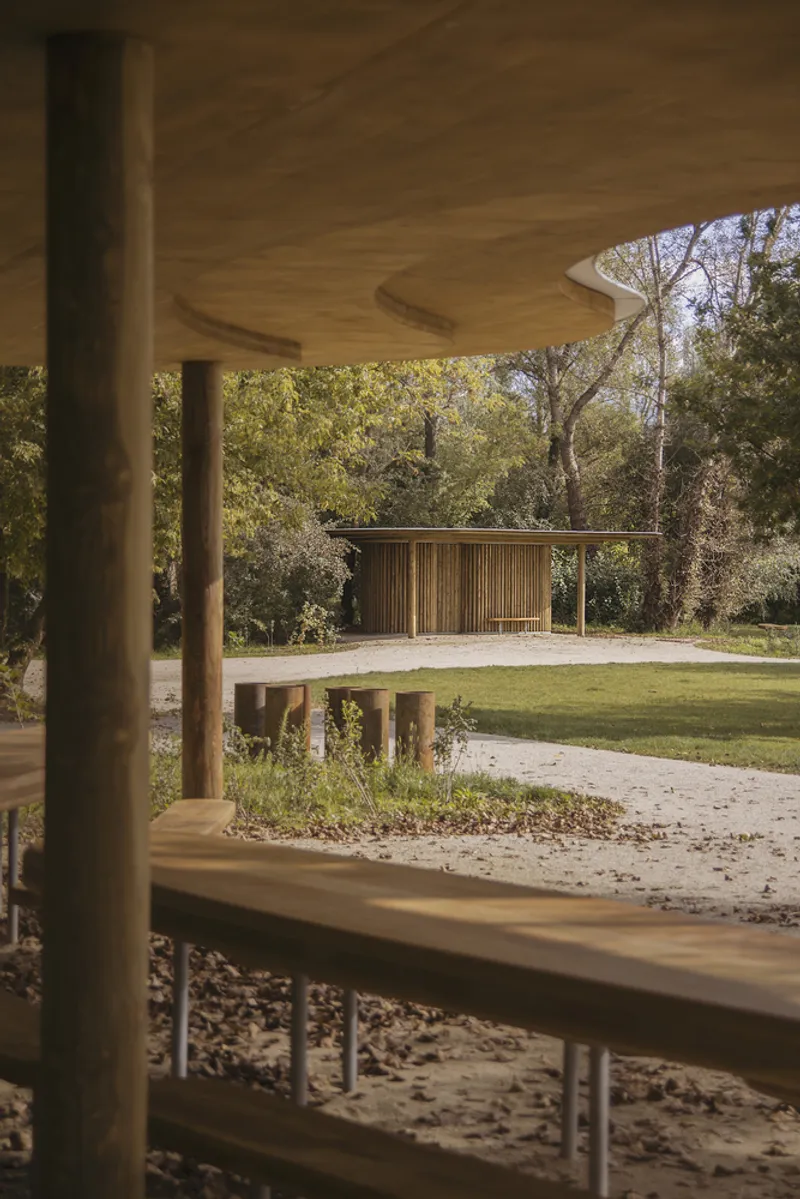
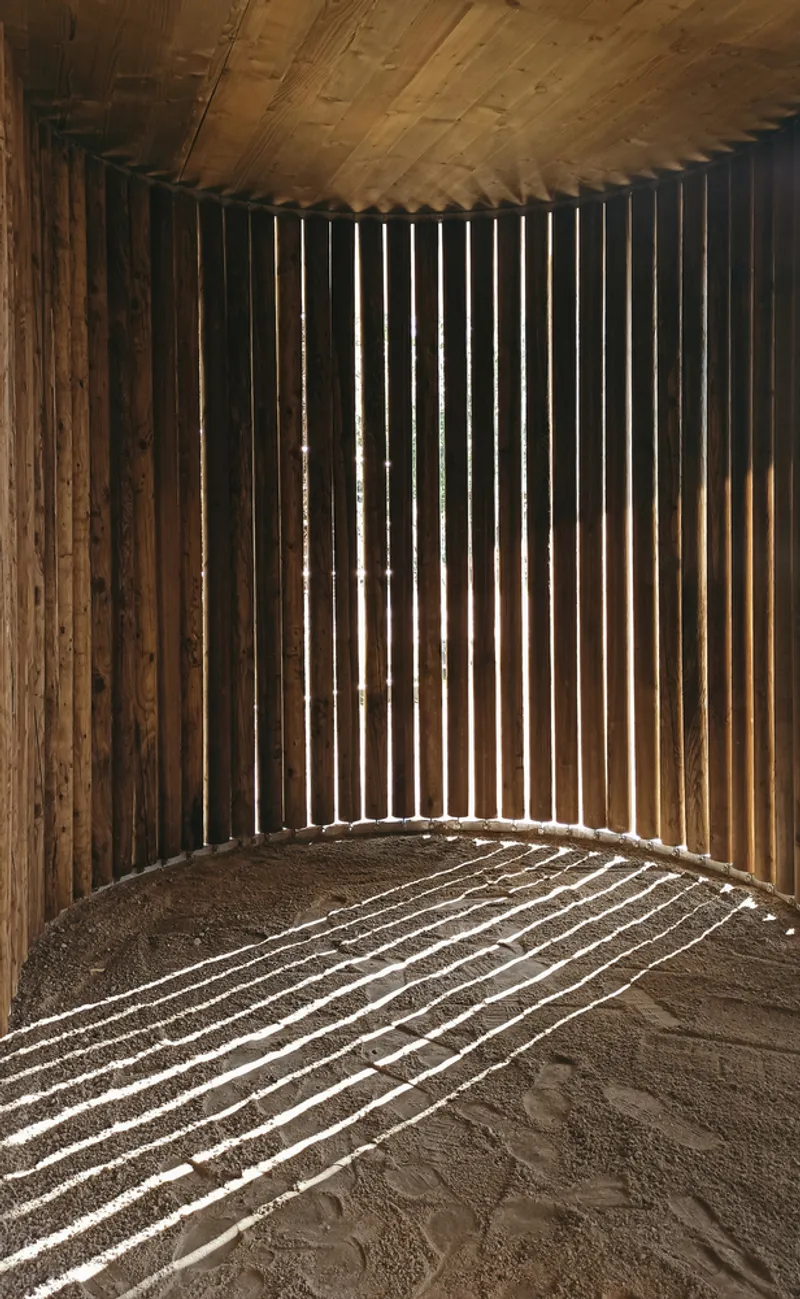
All photographs are work of Karol Żurawski


Popular Articles
Popular articles from the community


Faces of the Soviet Avant-Garde: Turning Moscow's Street Names into an Open-Air Museum
A network of sculptural installations across a Moscow residential district transforms forgotten architect names into spatial encounters with cultural memor

Opera on the Sea: Driftwood Logic Shapes a Timber Opera House on Estonia's Coast
Trevor Orgill's opera house translates the entangled drift of floating timber into a civic building where wood, water, and music converge.

Tsunami Convergenics: Turning Catastrophic Ocean Forces into Underwater Housing Infrastructure
A speculative underwater settlement off the coast of Onagawa, Japan, treats tsunamis and typhoons as energy sources rather than threats.

Singing Woman: Contemporary Architecture Inspired by Estonia’s Voice and the Sea
Singing Woman turns Estonia’s song culture into flowing opera house architecture, blending public life, landscape, sea, and national memory.

Similar Reads
You might also enjoy these articles

Maya Harvest: A Cacao Resort Village Rooted in Mayan Tradition and Local Craft
Situated within a Tabasco cacao plantation, this shortlisted resort proposal merges vernacular materials with hands-on cultural immersion.
Harmonia: A River-Shaped Community That Grows Over Decades in Boa Vista
Curved pathways and modular grid structures along the Branco River create a phased settlement designed to evolve from 2030 to 2050.

The Architecture of Bathing: A Mughal Hammam Reimagined Across the Yamuna
Charlotte May's honorable mention entry for The Black Taj reinterprets Agra's bathing rituals through red sandstone, water, and framed views of the Taj Mah
Om-1: A Wall-Hung System That Moves Your Workspace Off the Desk
Modular plywood boards, magnetic pegs, and utility elements migrate clutter from the horizontal surface to the vertical plane.

Explore Public Building Competitions
Discover active competitions in this discipline

Challenge to design locus for the upliftment of human rights

Challenge to reimagine the Iron Throne

Photograph architecture without architects

Illustrate the lost glory of Angkor Wat - Render Challenge
Comments (0)
Please login or sign up to add comments
No comments yet. Be the first to comment!