

Residential Architecture in Istanbul: The Zenel Building
Explore the innovative Zenel Residential Building in Istanbul, blending modern design with sustainable practices in urban architecture.


Istanbul, a city where the old meets the new, is home to some of the world’s most innovative architectural designs. Among the modern residential buildings that stand out is the Zenel Residential Building, designed by Aytac Architects. Located in the upscale neighborhood of Erenköy, on the Asian side of Istanbul, this building redefines what it means to blend functionality with aesthetic beauty in residential architecture in Istanbul. With its unique design and strategic location, the Zenel Building offers a glimpse into the future of urban living in this bustling metropolis.
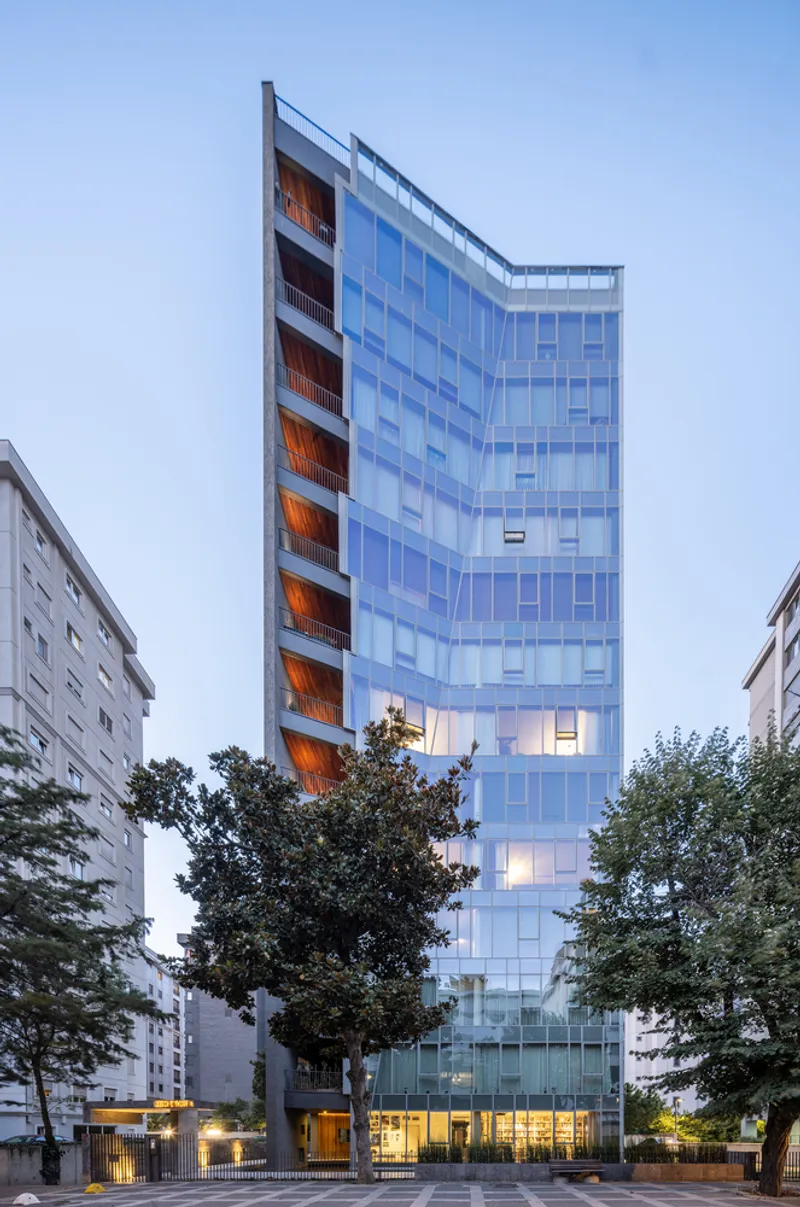
Location and Context of Zenel Residential Building
Istanbul's architectural landscape is shaped by its rich history, with old buildings and new structures coexisting side by side. The Zenel Residential Building stands as a testament to contemporary residential architecture in Istanbul, strategically situated near Bağdat Avenue, one of the city's most vibrant streets. Bağdat Avenue stretches from east to west, running parallel to the Sea of Marmara coastline, and serves as a major commercial and cultural hub. The building's location ensures that it benefits from easy access to the city's amenities, while also offering panoramic views of the Prince Islands to the south.
Design Concept: A Fusion of Tradition and Modernity
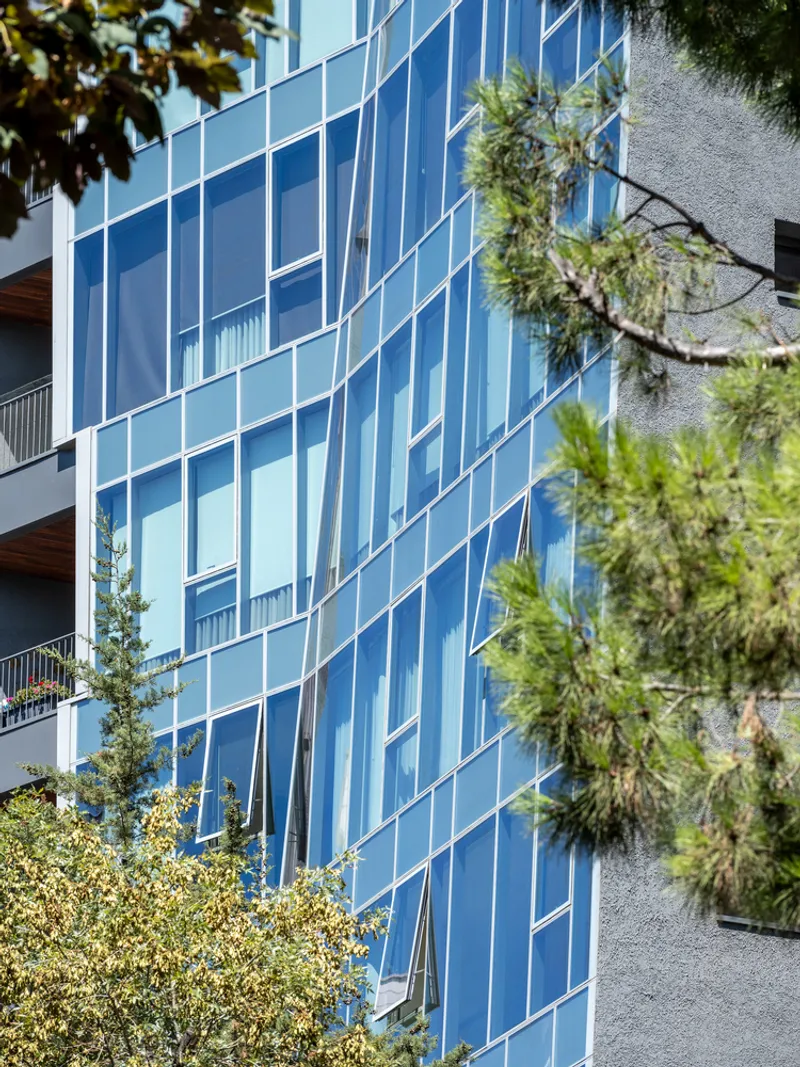
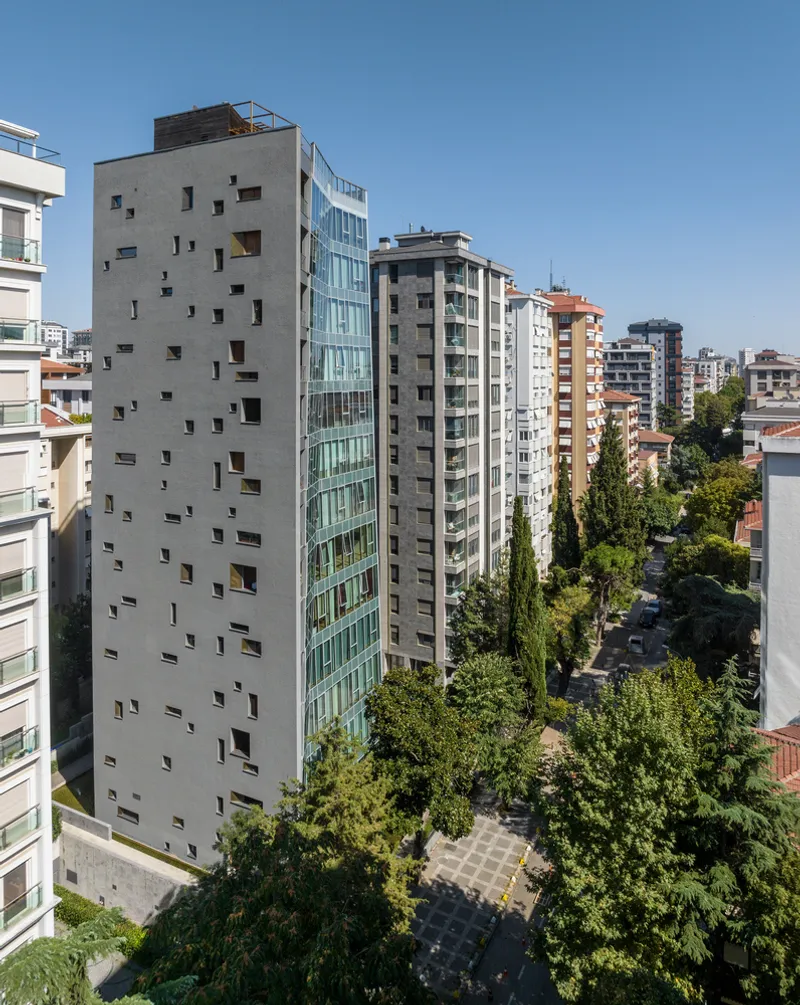
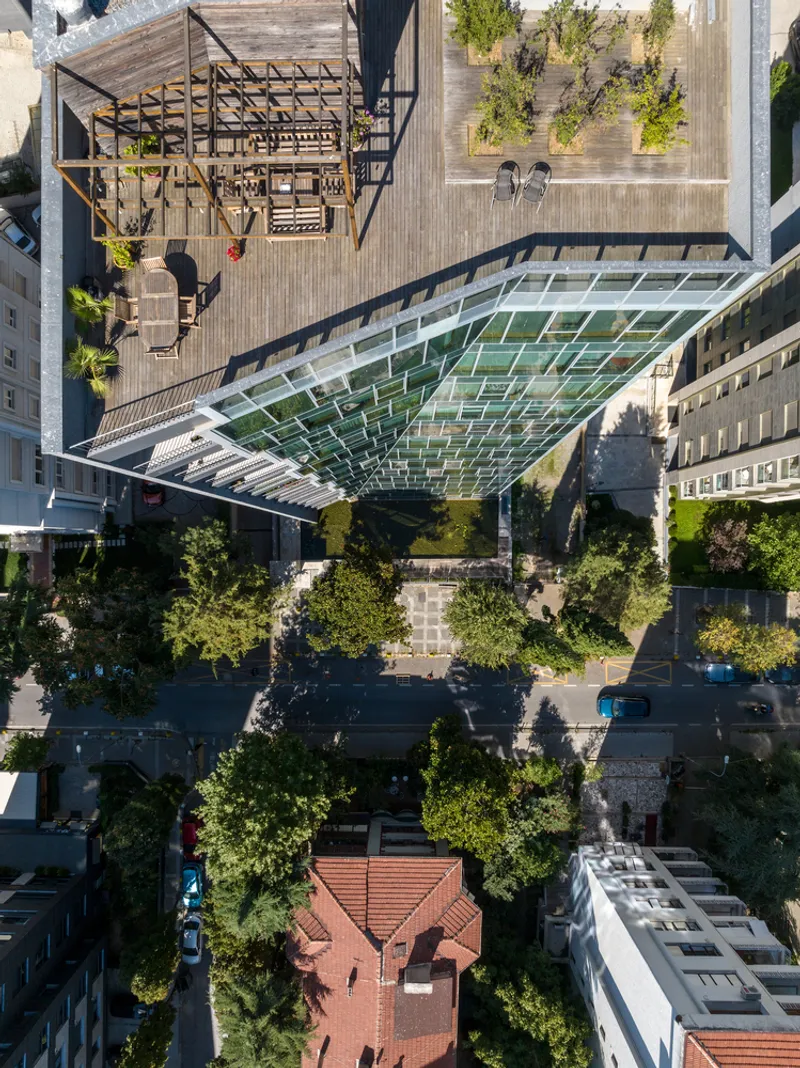
The Zenel Residential Building showcases a design that is both modern and reflective of Istanbul's architectural past. The building’s form is dictated by two main forces: the city’s grid pattern, represented by the Bağdat Avenue, and the stunning views of the Prince Islands. The structure itself is twisted between these two axes, creating a visually dynamic form that feels as though it’s crystallizing from the surrounding environment, almost as though molten rock has solidified into shape.
This design approach challenges traditional residential architecture in Istanbul, where buildings typically follow a more rigid, orthogonal layout. The Zenel Building’s organic, flowing form stands out in the urban landscape, with the base, middle, and top of the building subtly merging into one another.
Architectural Features: A Duality of Time and Space
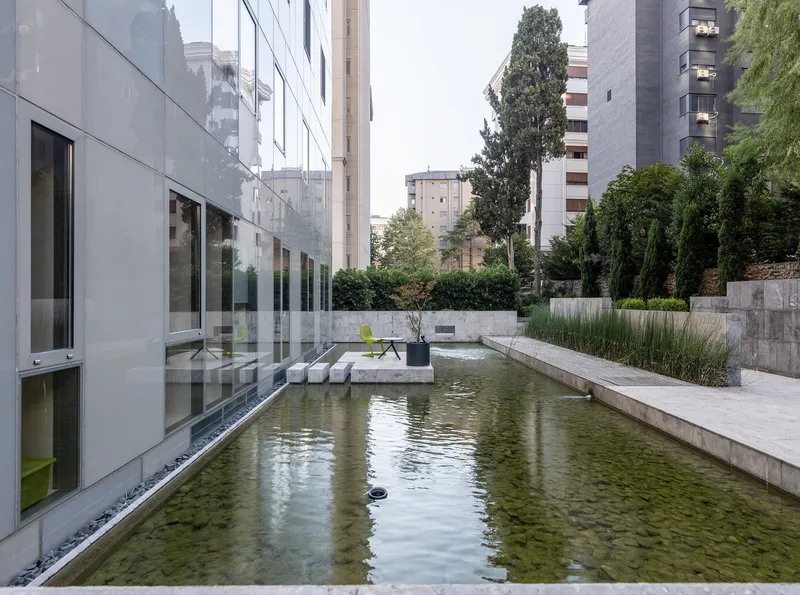
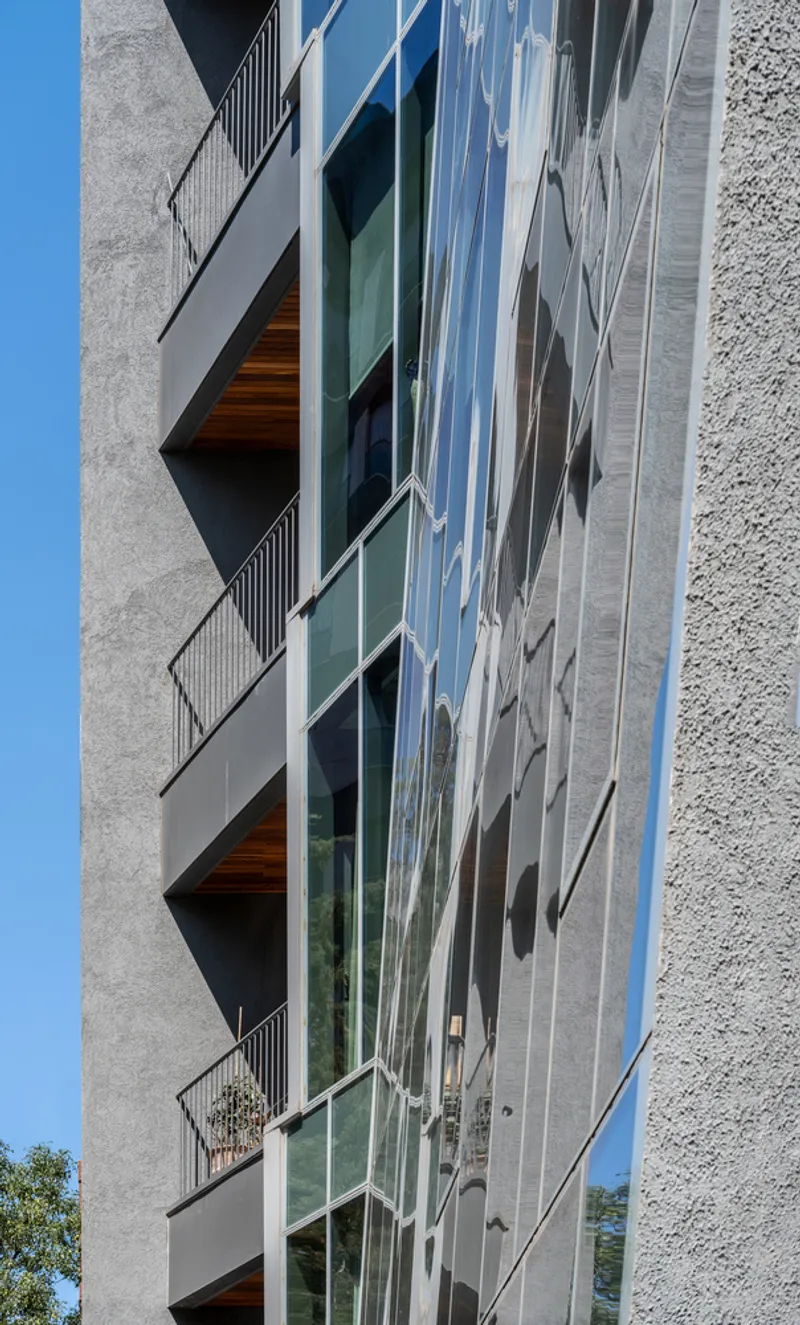
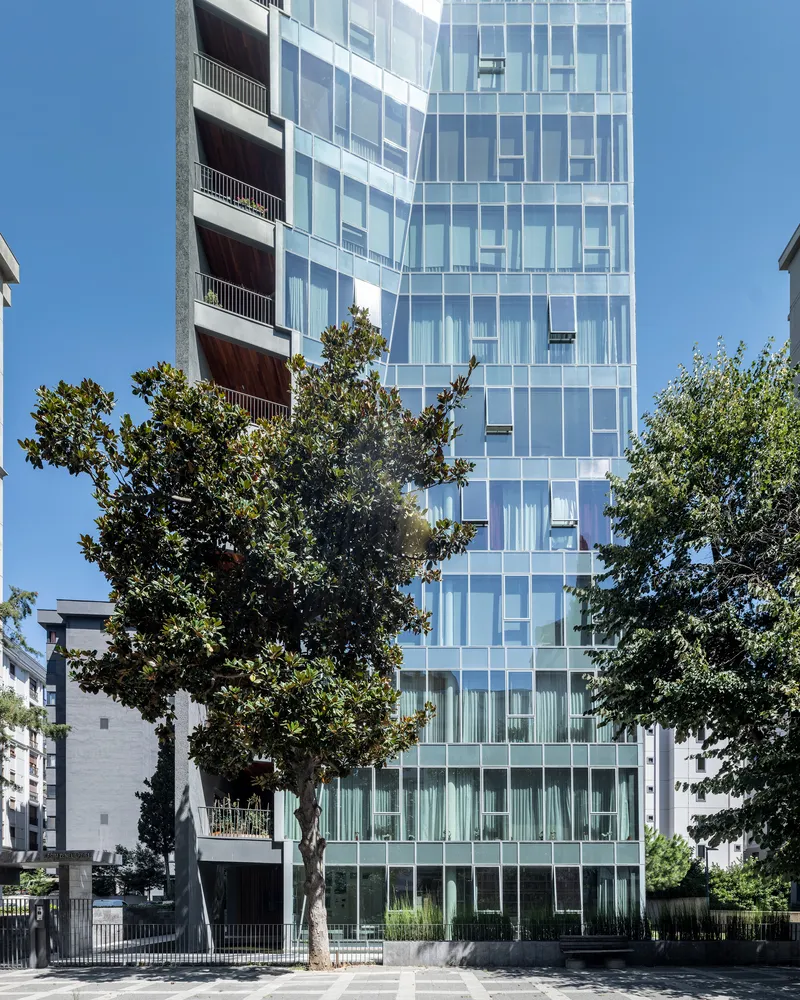
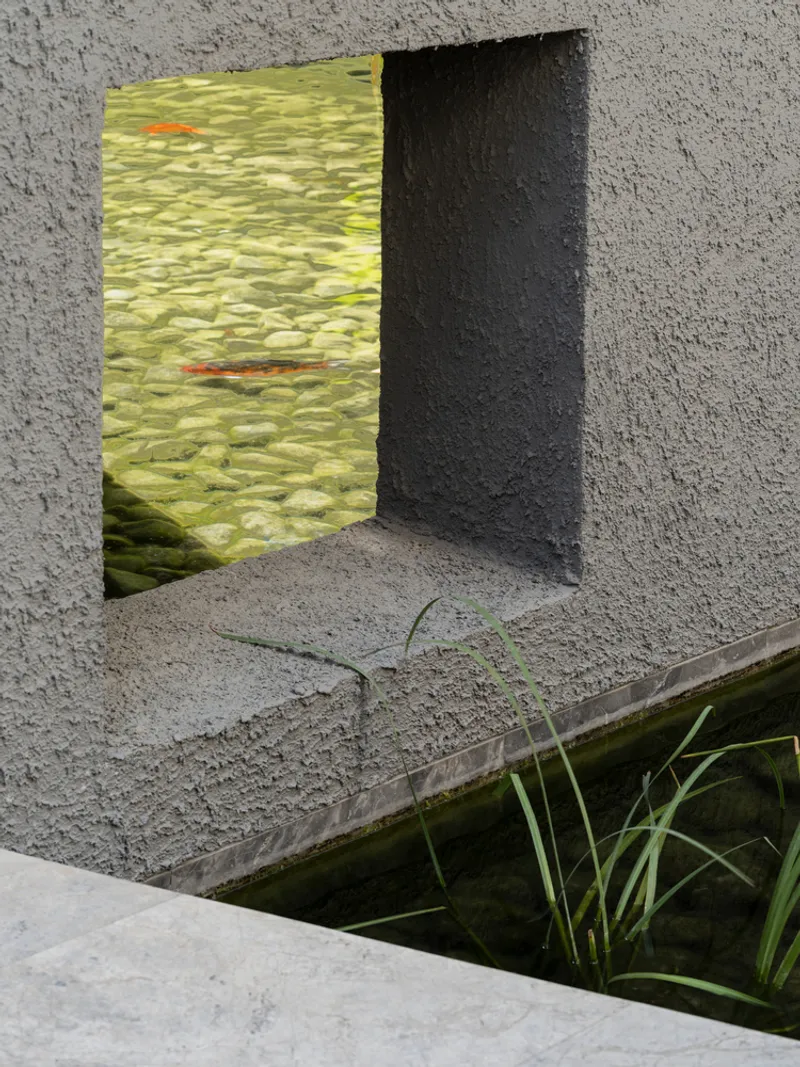
In the Zenel Building, the classic elements of architecture—such as the base, shaft, and top—are reimagined. The building does not adhere to the traditional tripartite organization. Instead, it plays with the concept of a seamless transition between these components, amplified by the reflection of the sky and the use of a reflective pool at the base. This creates an "in-between" state where the architectural elements blend together rather than remaining distinct.
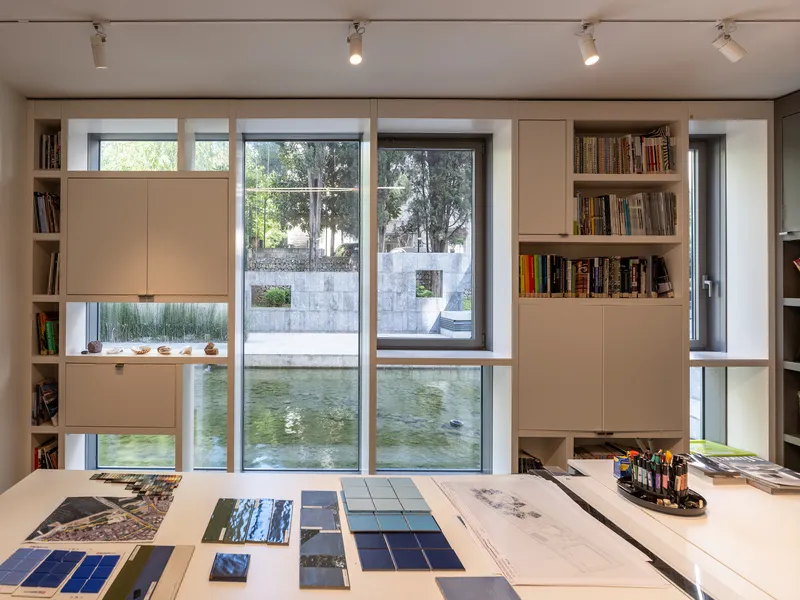
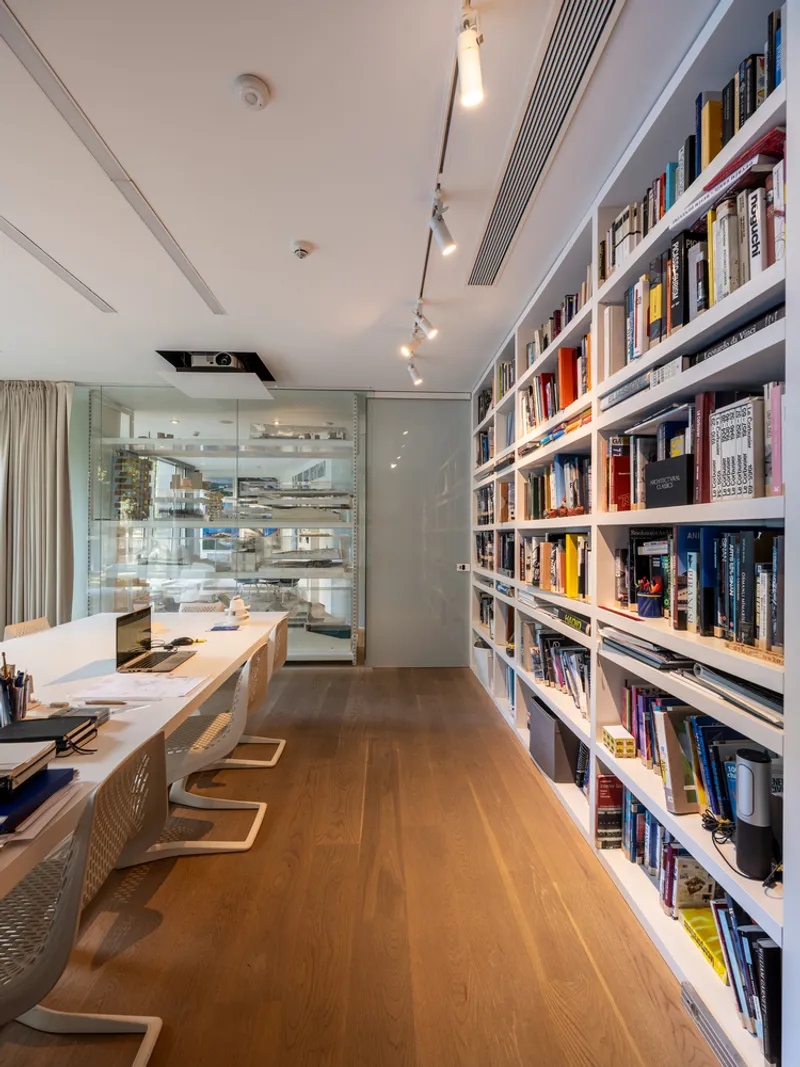
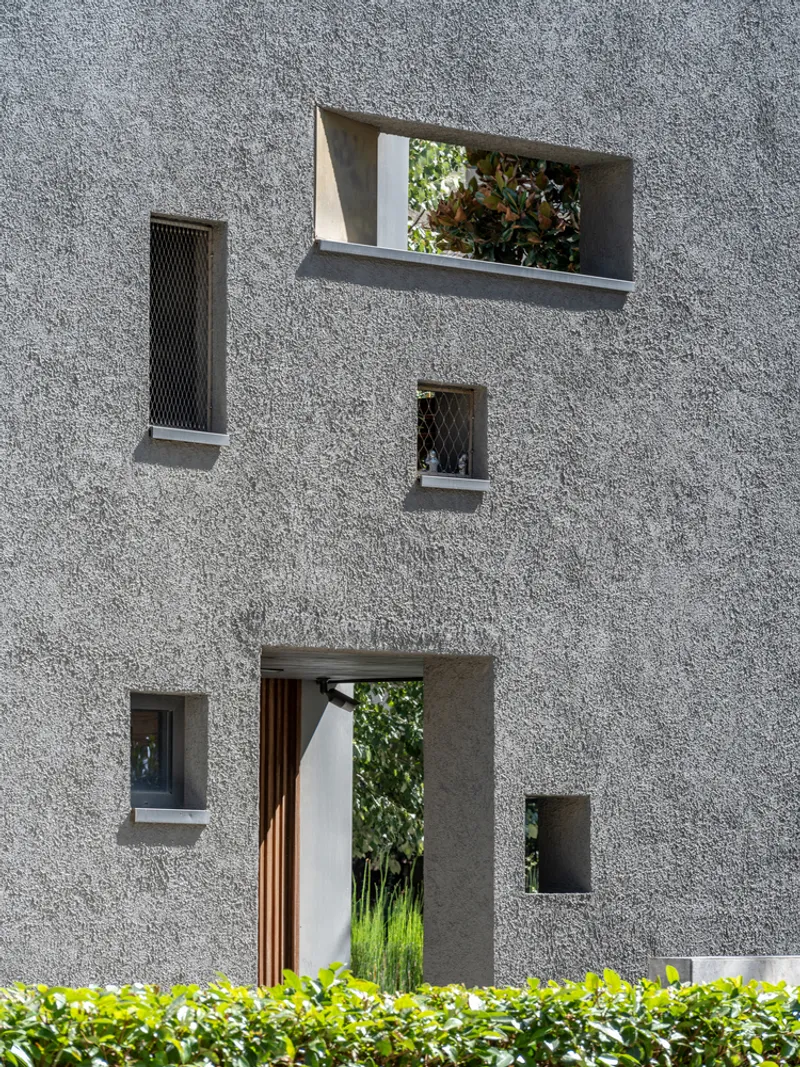
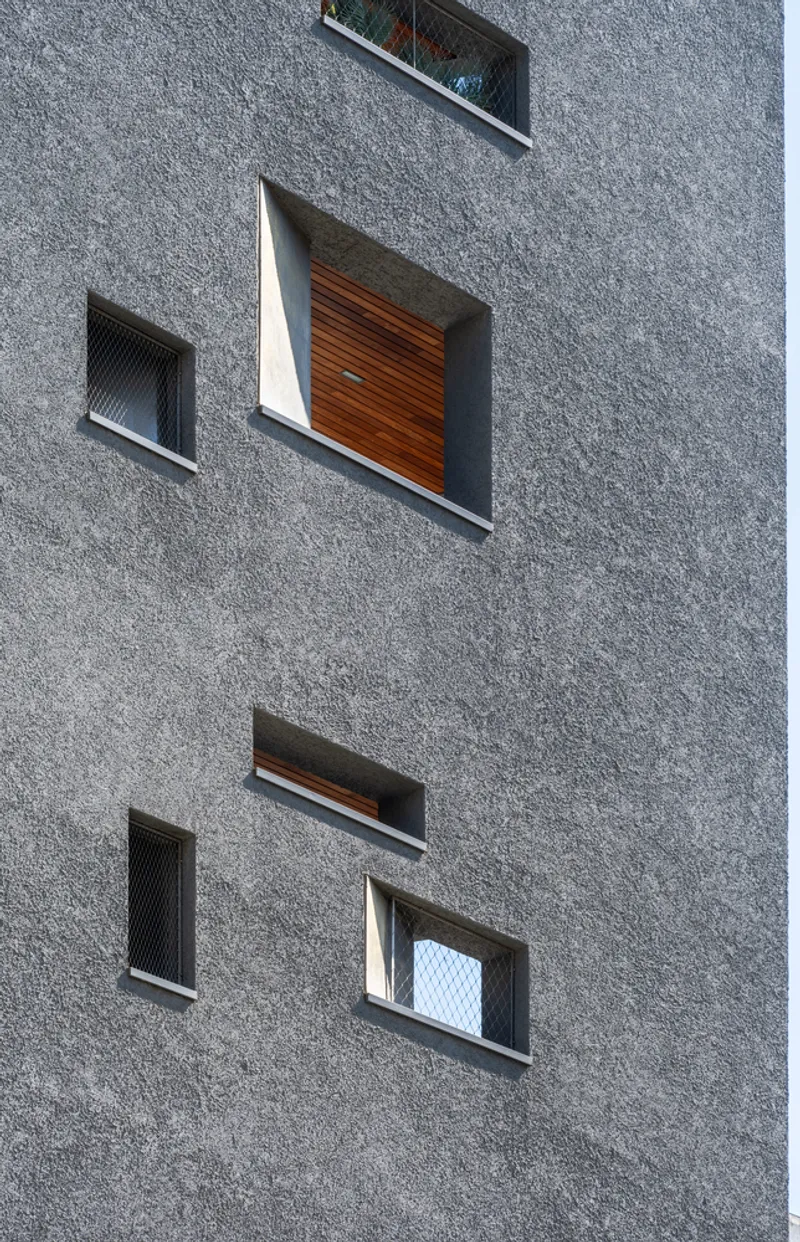
The building's exterior is rugged and weathered, reminiscent of a natural stone formation, while the interior is sleek and polished, creating a stark contrast that symbolizes the juxtaposition of the ancient and the modern. This blending of elements speaks to the evolving nature of residential architecture in Istanbul, where innovation and tradition can coexist in harmony.
Sustainable Design and Building Materials
A key feature of the Zenel Residential Building is its thoughtful selection of materials, which contribute not only to the building's aesthetic appeal but also to its sustainability. The choice of materials, such as the use of polished stones and reflective glass, helps the building interact with its environment while minimizing its impact on the surrounding area. The building's orientation also maximizes natural light and reduces the need for artificial lighting, contributing to energy efficiency.
Manufacturers such as Sto, Daikin, and Metamar Mármores e Granitos played a significant role in providing high-quality materials that support both the structural integrity and design aesthetics of the building. This emphasis on sustainable, high-performance materials aligns with the global trends in residential architecture in Istanbul, where eco-friendly and energy-efficient designs are increasingly in demand.
The Zenel Building as a Model for Future Residential Architecture in Istanbul
The Zenel Residential Building sets a new standard for residential architecture in Istanbul by blending contemporary design with sustainable practices. Its striking form, sensitive integration into the urban grid, and use of high-quality materials demonstrate how modern architecture can enhance the city's skyline while respecting its historical context.
As Istanbul continues to grow, buildings like the Zenel Residential Building will pave the way for future developments that prioritize both functionality and design excellence. This building serves as an example of how residential architecture in Istanbul can evolve to meet the needs of a modern, cosmopolitan city while reflecting its rich cultural heritage.
The Zenel Residential Building by Aytac Architects is a prime example of cutting-edge residential architecture in Istanbul. With its innovative design and strategic location, it offers a glimpse into the future of urban living in Istanbul. By embracing both modern architectural trends and sustainable practices, it is setting a precedent for the next generation of residential buildings in one of the world’s most exciting cities.
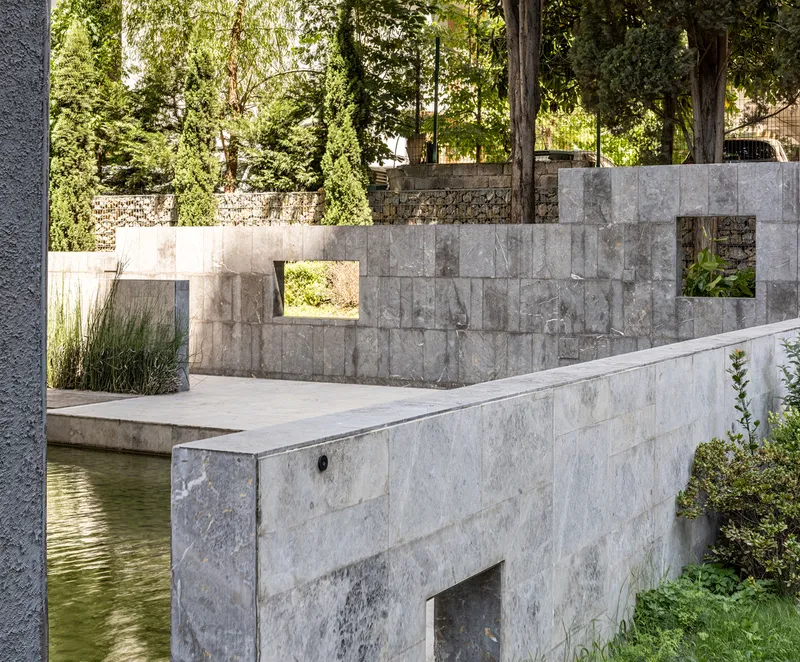
All Photographs are work of Cemal Emden


Popular Articles
Popular articles from the community


Jaramillo Van Sluys Arquitectura and Urbanismo Turn a Demolished Registry Lot in Quito into an Orchard Plaza
In Quito's Centro Histórico, a 2,800 m² plaza exposes the San Agustín convent wall and redraws its lost Augustinian orchard in volcanic stone.

GROUP A Strips a 1969 Rotterdam Harbor Headquarters to Its Frame and Wraps It in Timber Louvers
In Rotterdam's M4H harbor district, Ferro Offices reuses a 1969 frame, adds one timber storey and reaches BREEAM-NL Outstanding.

Juan García Correa, John González and Claudia Rueda Sink a Circular Amphitheater into a Manizales Engineering Building
On the La Nubia campus in Manizales, Colombia, the S1 Building folds labs and offices into a hillside of ramped lawns that double as a campus route.

Cube Design Draws an Ecological Corridor Between Two Shenzhen Hills with the Nankai Building
Beside Shenzhen's container docks, the Nankai Building pairs stacked balconies with a climbing green screen to connect two hillsides across its height.

Similar Reads
You might also enjoy these articles


Hodi-Mandai Geram
Project Function: Preservation and revitalization of the Intangible heritage and socio-spatial identity of the Hodi by Housing, Cultural Memory Center, Sacred Grove, landscape, local tourism economy


Olio Towers: A Mid-Rise for Performers That Fuses Housing, Rehearsal, and Stage
Located blocks from Houston's Theater District, this modular tower stacks living units around a central performance atrium.

Oasis: Modular Green Housing Carved into Dhaka's Urban Fabric
A shortlisted Plugin Housing entry reclaims unauthorized settlements in Dhaka with stepped concrete volumes, green roofs, and ventilation-driven design.

Black Hole: A Floating Megastructure for the Post-Physical Era
Emiliano Mazzarotto envisions a spherical, self-scaling arena where e-sports, digital hotels, and holographic stadiums replace traditional public space.

Explore İshak Şimşek Arhitecture Competitions
Discover active competitions in this discipline

Challenge to reimagine the Iron Throne

Photograph architecture without architects

Illustrate the lost glory of Angkor Wat - Render Challenge

Design challenge to reuse E-waste
Comments (0)
Please login or sign up to add comments
No comments yet. Be the first to comment!