
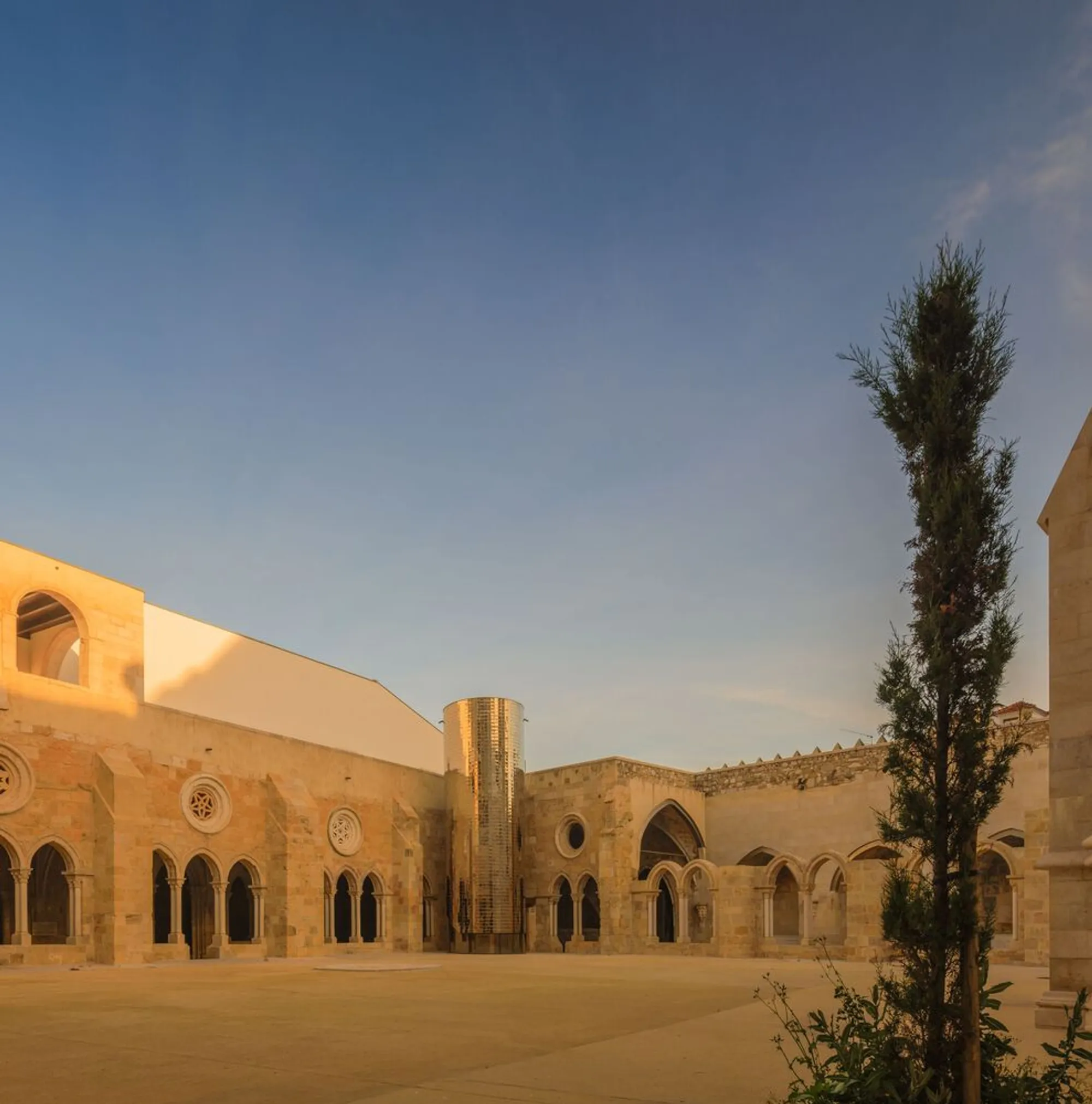
Restoration and Enhancement of the Patriarchal Cathedral of Lisbon
Restoration unites archaeology and architecture, revitalizing Lisbon Cathedral’s cloisters and crypt through light, reflection, and contemporary sacred design.


Reviving Centuries of Heritage
The Patriarchal Cathedral of Lisbon (Sé de Lisboa) stands as one of Portugal’s most significant architectural and historical monuments. Built by order of D. Afonso Henriques, the first King of Portugal, following the Christian conquest of Lisbon, the cathedral has continuously evolved over the centuries — surviving wars, earthquakes, and countless architectural transformations.
Through its layered history, the cathedral has embodied a tapestry of Romanesque, Gothic, Mannerist, Baroque, Neo-Romanesque, Neo-Gothic, and Neo-Manueline styles — each reflecting the shifting cultural and political tides of Portugal.
A Monument Reborn in the Heart of Lisbon
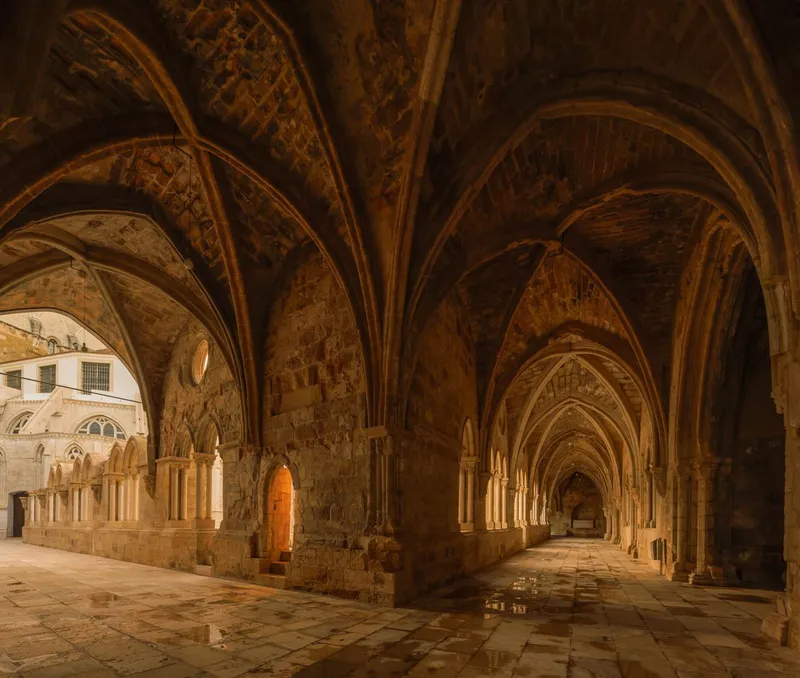
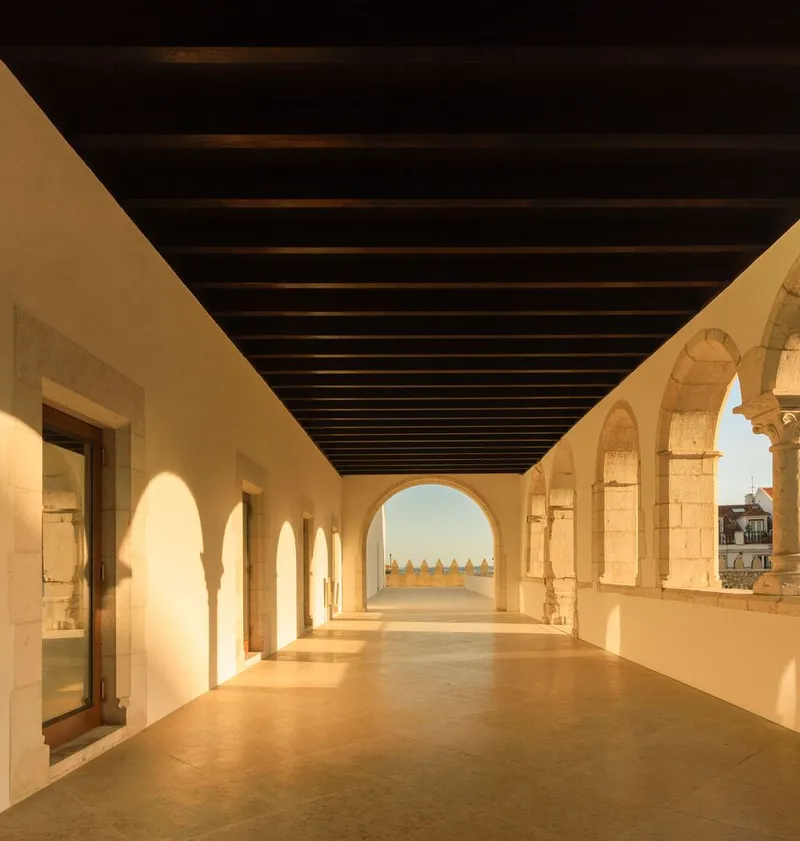
The Restoration and Enhancement of the Patriarchal Cathedral of Lisbon (Sé Patriarcal de Lisboa) by Adalberto Dias Arquitecto Lda represents a profound architectural and cultural renewal of one of Portugal’s most significant religious monuments. This comprehensive project not only restores the Upper and Lower Cloisters but also integrates a new Archaeological Center, reconnecting the cathedral’s layered history with the modern visitor experience.
Located on the southern slope of Lisbon’s historic Castle Hill, the Sé Cathedral is a living testament to the evolution of Portuguese architecture and faith. Its foundations date back to the reign of King Afonso Henriques, following the Christian reconquest of the city. Over centuries, the cathedral has absorbed influences from Romanesque, Gothic, Mannerist, Baroque, Neo-Romanesque, Neo-Gothic, and Neo-Manueline styles — each layer marking an era of transformation and resilience.
Layers of History and Reconstruction
Like many sacred monuments that span generations, the construction and reconstruction of the Sé Cathedral reflect both historical continuity and adaptation. Throughout its long life, the building suffered repeated damage from Lisbon’s devastating earthquakes in 1321, 1531, and 1755, leading to multiple phases of restoration and expansion.
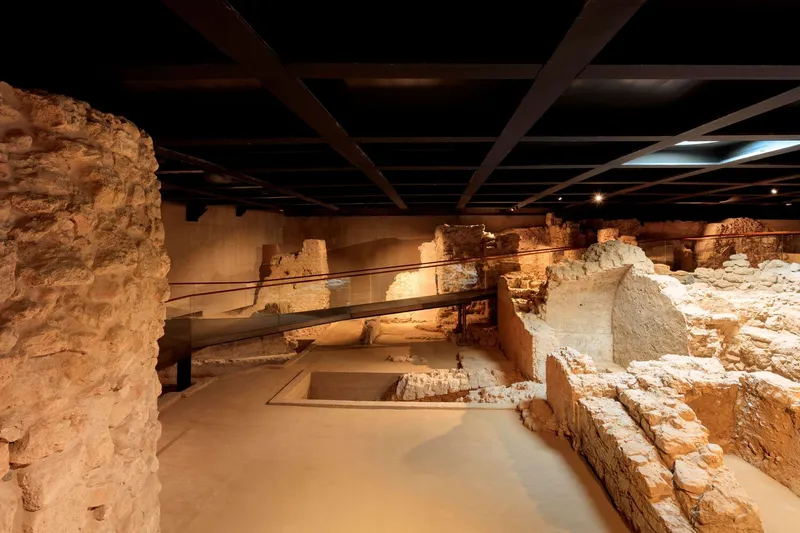
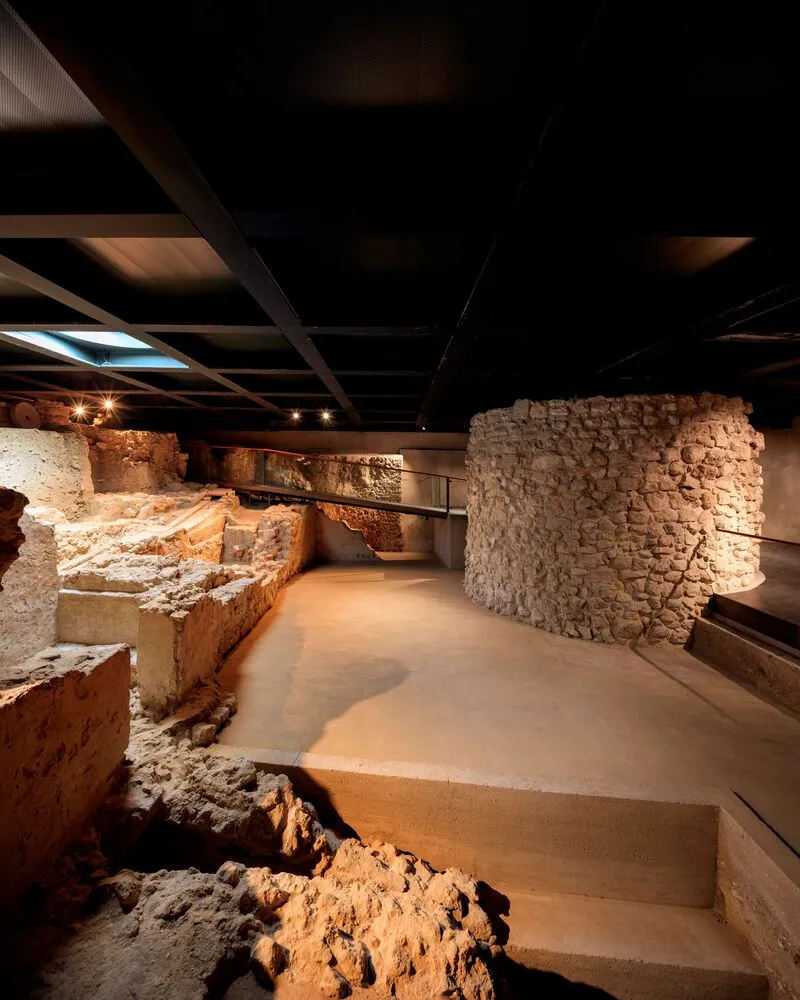
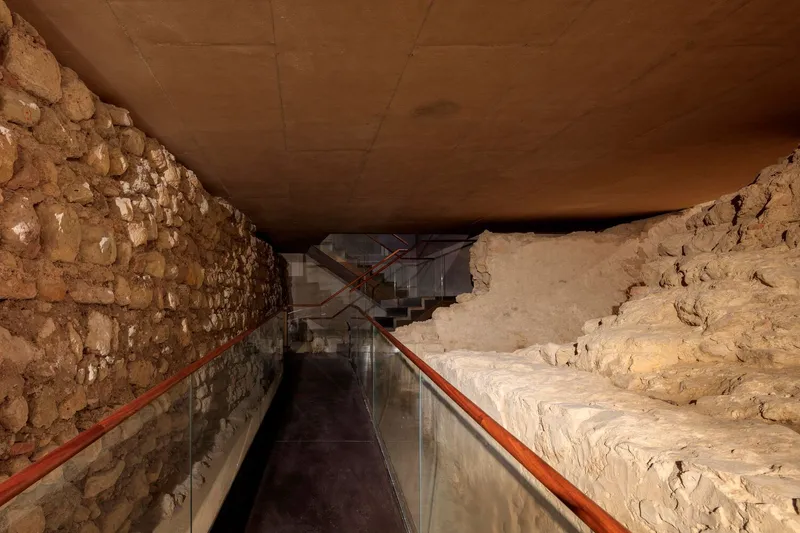
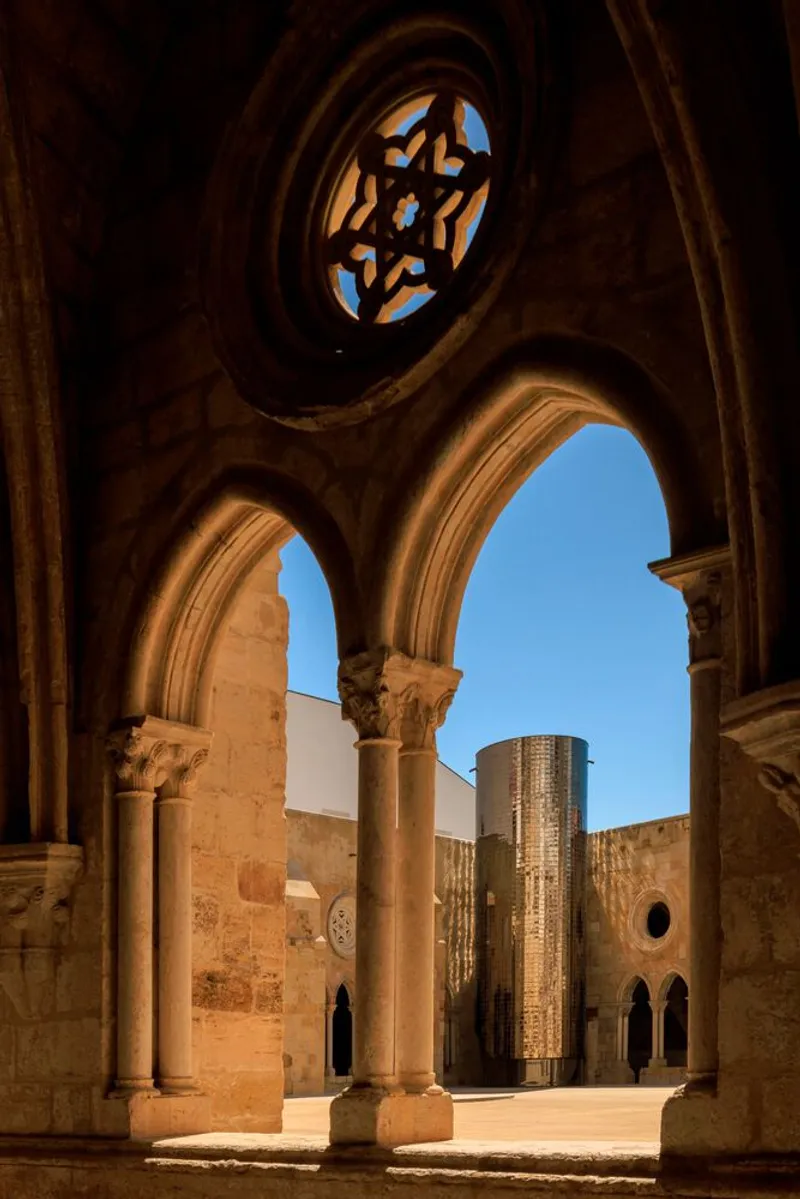
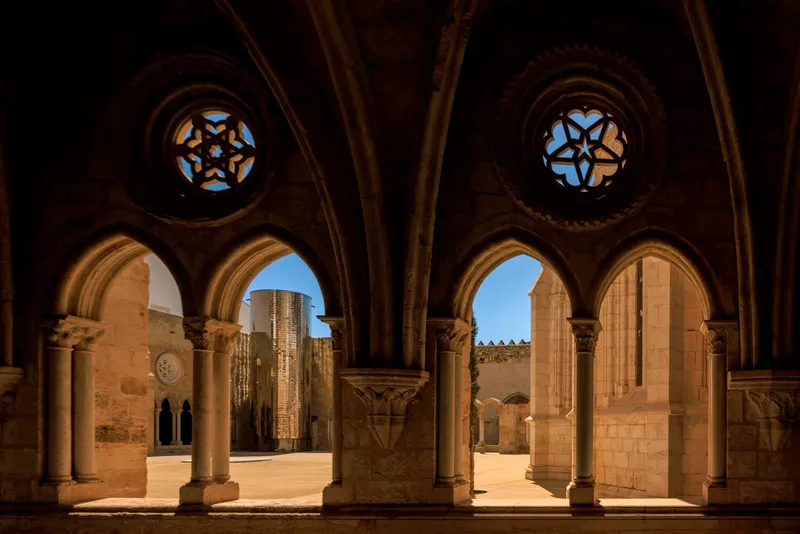
In 1990, the subsidence of the cloister garden revealed deeper mysteries below ground. Archaeological excavations unearthed traces of Iron Age, Roman, Muslim, and medieval structures — offering an unparalleled narrative of Lisbon’s urban and cultural evolution. However, the temporary excavation shelter distorted the spatial harmony and spiritual rhythm of the cloister, calling for a new architectural intervention to reconcile past and present.
Architectural Intervention and Design Philosophy
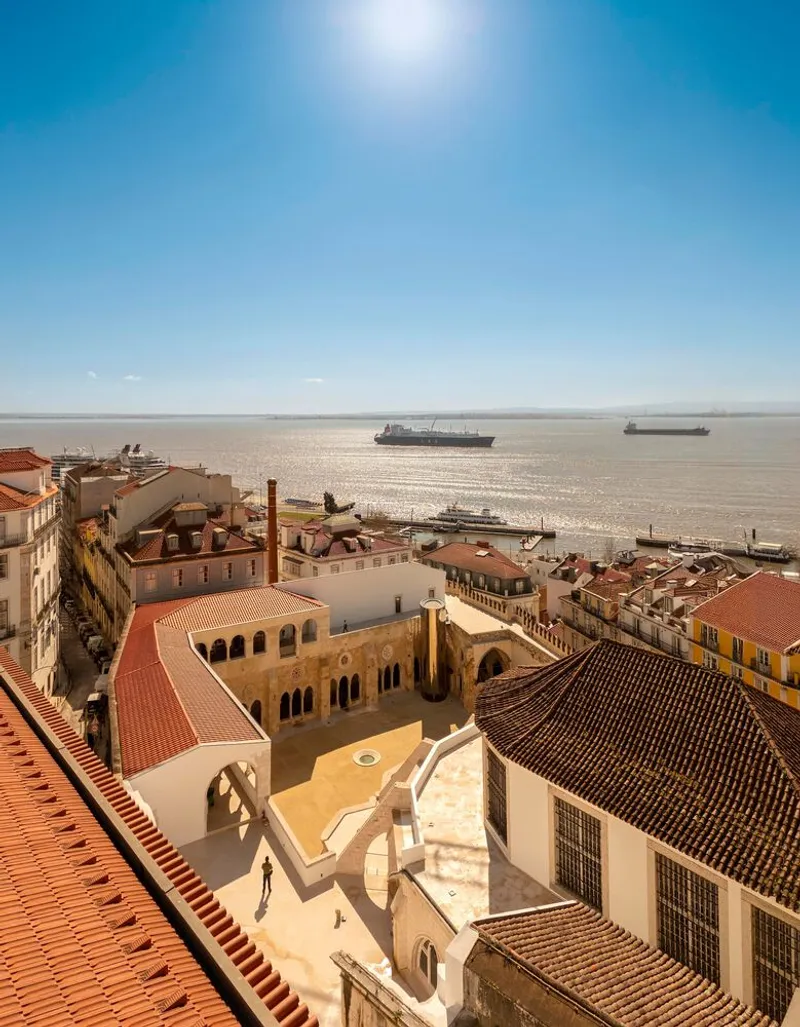
Adalberto Dias Arquitecto’s proposal masterfully reinterprets the relationship between the cloister, garden, and archaeological site, transforming the ensemble into a unified heritage landscape. The design introduces a musealized crypt that protects and displays the ruins while maintaining the contemplative serenity of the sacred space above.
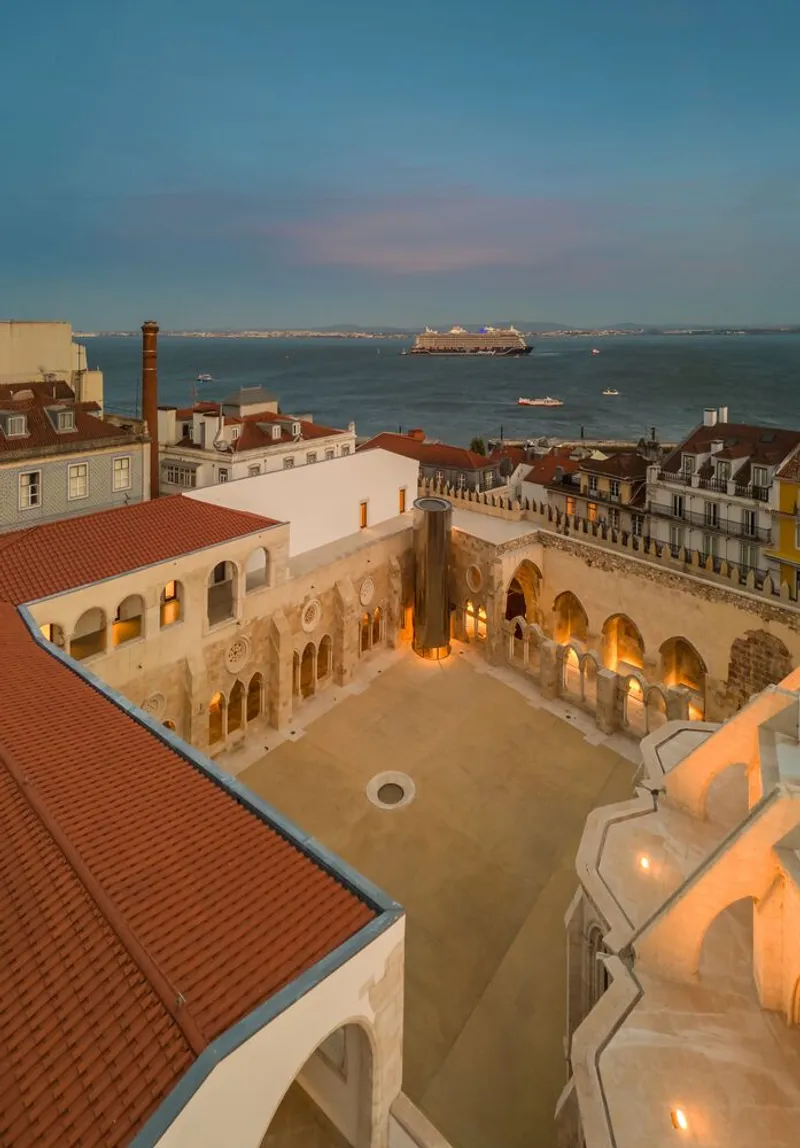
A protective terrace was constructed at the level of the original garden, featuring a central lantern and water basin. This element serves both practical and symbolic purposes — bringing natural light to the subterranean ruins and embodying the duality of life and death, light and shadow, memory and renewal.
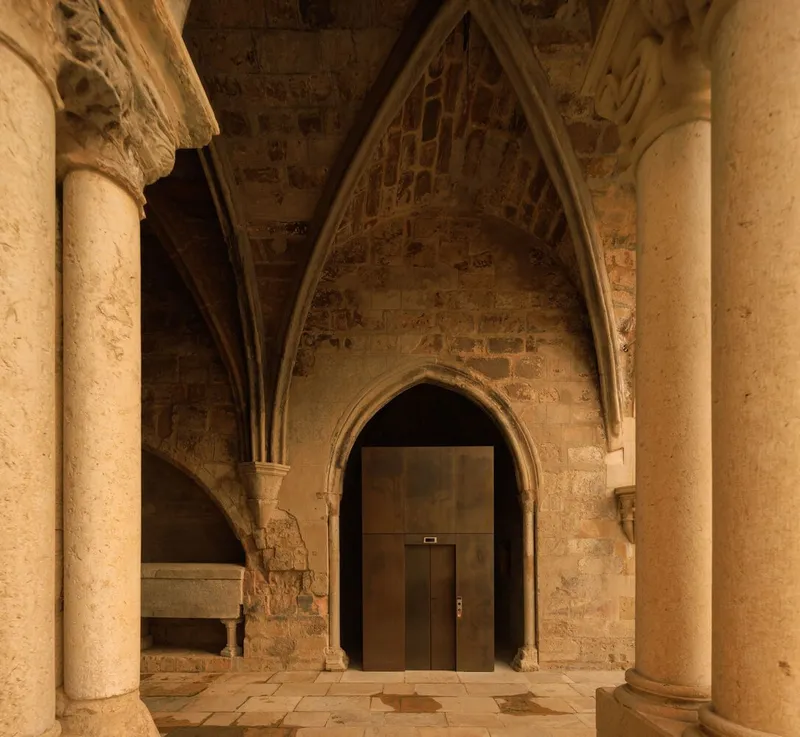
Beneath the southern wing of the Cloister, where fire and earthquake damage had left an architectural void, a new museological space now anchors the project. The insertion of a sculptural staircase and elevator elegantly connects the multiple levels, acting as a contemporary gesture within the historic fabric — visible, deliberate, and respectful of the site’s temporal depth.
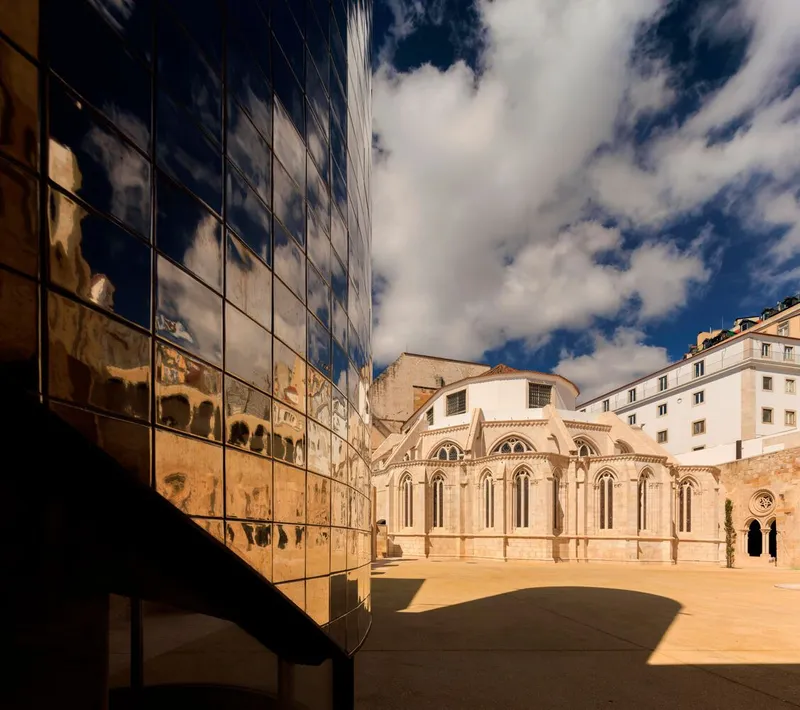
The Elliptical Temple: A Contemporary Sacred Space
At the southeast corner of the cloister, the architects designed a small elliptical temple, compact and serene, resting lightly on a glass base. Its surfaces are clad in mirrored artisanal tiles, crafted to reflect and expand the surrounding architecture and garden. This choice of material evokes a dialogue between light, reflection, and spirituality — a modern expression of sacred architecture that complements the solemn tranquility of the cathedral grounds.
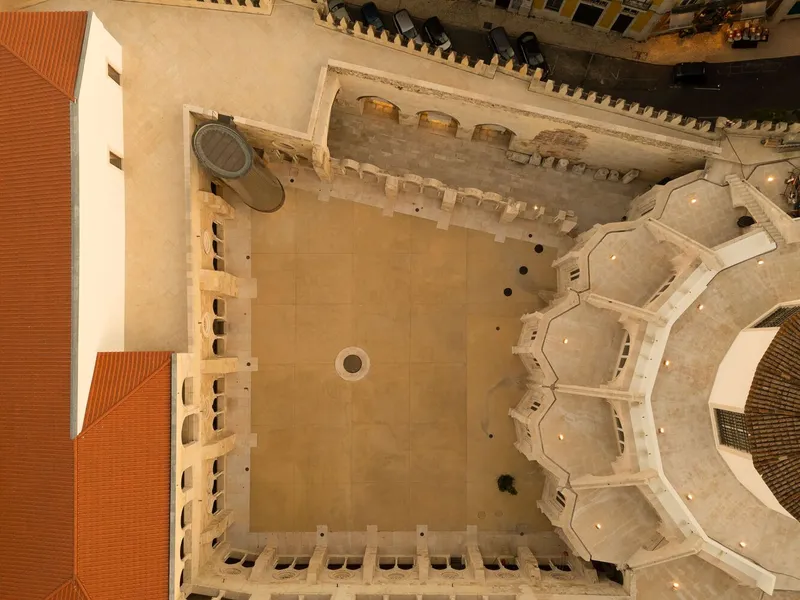
This luminous addition, both minimal and profound, encapsulates the project’s essence: a fusion of archaeology, architecture, and faith, where each layer of intervention honors the past while illuminating the future.
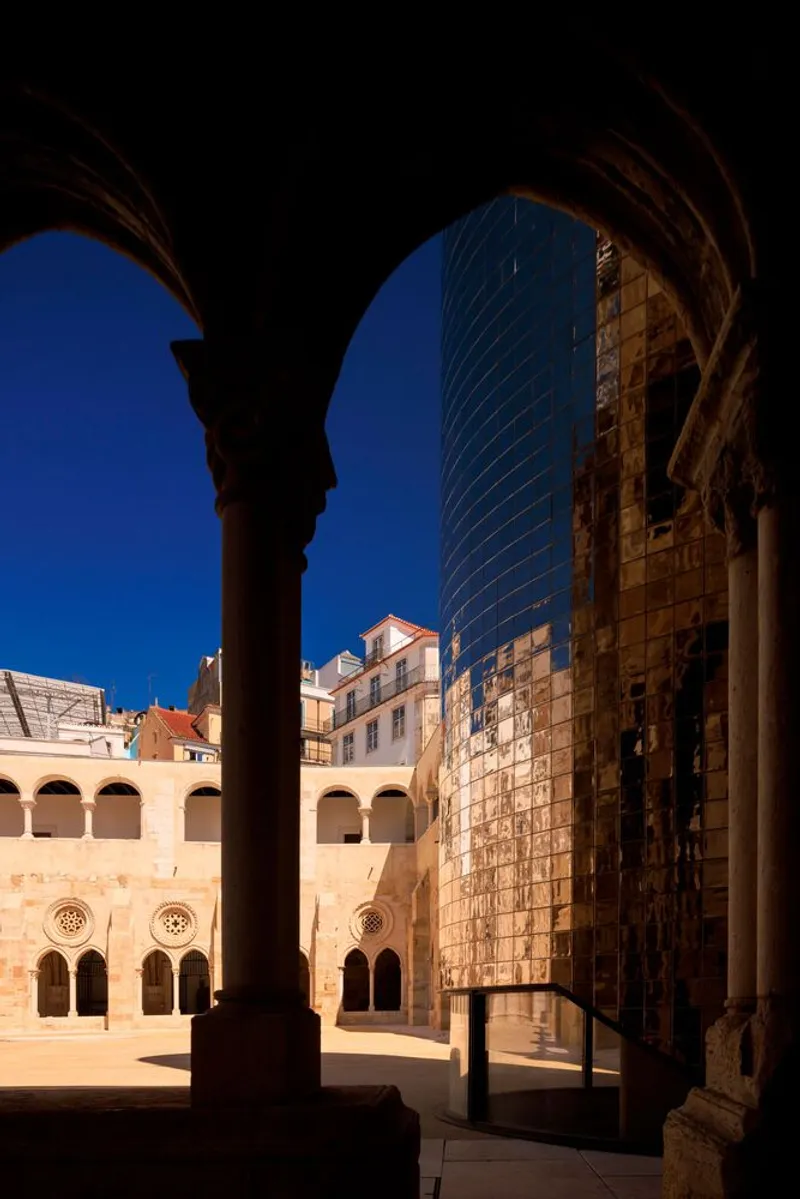
A Dialogue Between Time, Light, and Faith
The Restoration and Enhancement of the Patriarchal Cathedral of Lisbon stands as a landmark in Portuguese heritage conservation, balancing historical accuracy with contemporary sensibility. Through careful spatial choreography and material refinement, Adalberto Dias Arquitecto Lda has redefined how ancient sacred architecture can be experienced today — not as a static relic, but as a living, evolving dialogue between time and belief.
All photographs are works of Fernando Guerra | FG+SG




Popular Articles
Popular articles from the community


The Ocean Hive: Sustainable Architecture for a Self-Sufficient Civilization at Sea
The Ocean Hive imagines sustainable architecture at sea, where modular habitats, algae, wave power and ocean waste sustain a growing colony.

The Earth Pod: 3D Printed Homes for Resilient Refugee Communities
The Earth Pod reimagines refugee housing through 3D printed homes made from clay, combining resilience, self-sufficiency, and rapid shelter.

Riyadh For All: Intergenerational Urban Design for Active Aging in Rabat
Riyadh For All reimagines urban design in Rabat with intergenerational co-living, adaptive courtyards, and Moroccan cultural exchange today.

Lunar Spiral: Space Architecture Shaped by the Mathematics of the Universe
Lunar Spiral reimagines space architecture through Fibonacci geometry, lunar regolith, levitating habitats, and self-sustaining Moon living.


Similar Reads
You might also enjoy these articles


Hodi-Mandai Geram
Project Function: Preservation and revitalization of the Intangible heritage and socio-spatial identity of the Hodi by Housing, Cultural Memory Center, Sacred Grove, landscape, local tourism economy


Olio Towers: A Mid-Rise for Performers That Fuses Housing, Rehearsal, and Stage
Located blocks from Houston's Theater District, this modular tower stacks living units around a central performance atrium.

Oasis: Modular Green Housing Carved into Dhaka's Urban Fabric
A shortlisted Plugin Housing entry reclaims unauthorized settlements in Dhaka with stepped concrete volumes, green roofs, and ventilation-driven design.

Black Hole: A Floating Megastructure for the Post-Physical Era
Emiliano Mazzarotto envisions a spherical, self-scaling arena where e-sports, digital hotels, and holographic stadiums replace traditional public space.


Explore Architect For Liturgy Competitions
Discover active competitions in this discipline



Challenge to reimagine the Iron Throne


Photograph architecture without architects


Illustrate the lost glory of Angkor Wat - Render Challenge


Design challenge to reuse E-waste
Comments (0)
Please login or sign up to add comments
No comments yet. Be the first to comment!