
Rissai Valley: A Luxurious Tibetan-Qiang Cultural Retreat by WATG + CSWADI
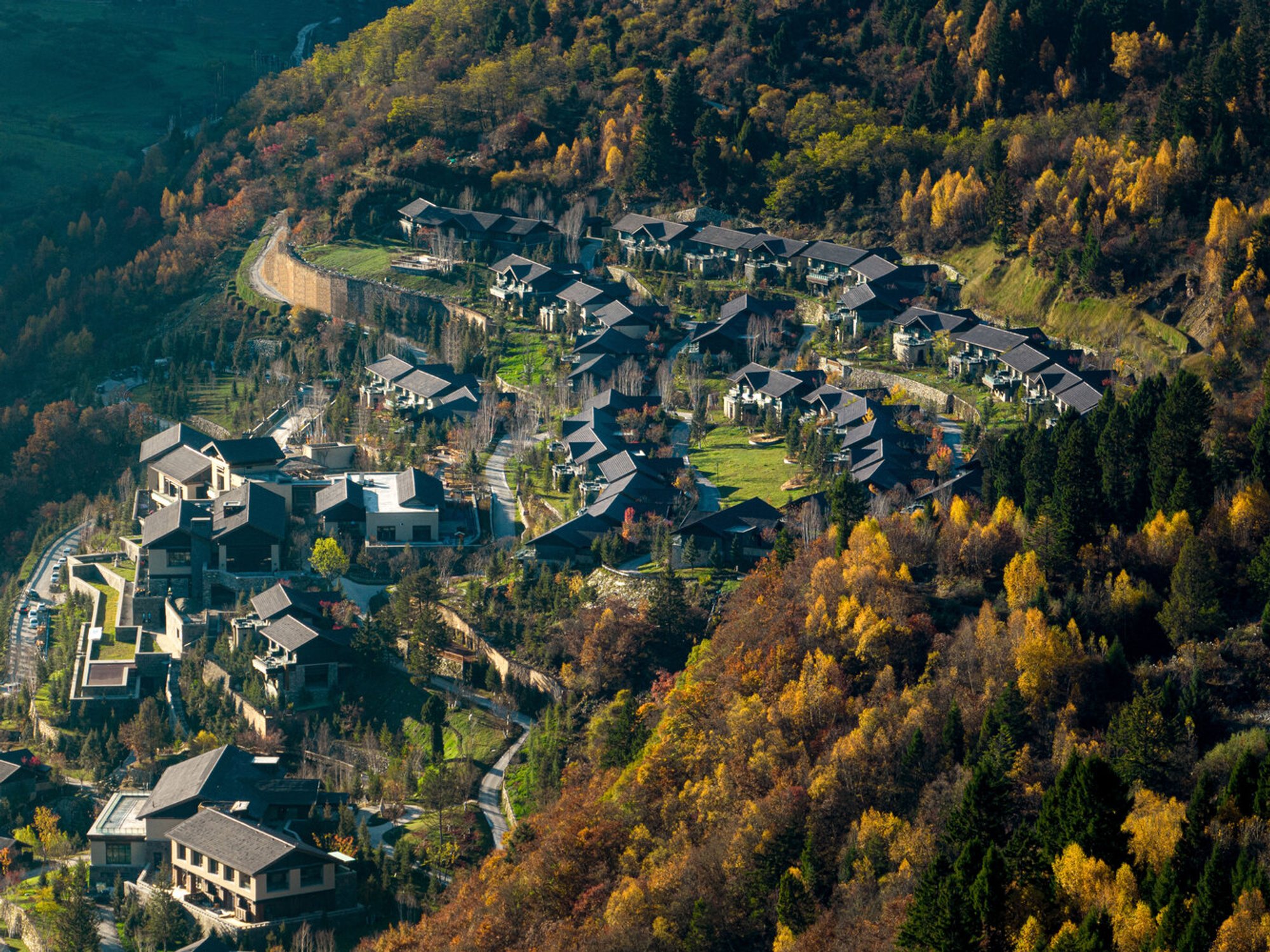
Rissai Valley, a Ritz-Carlton Reserve in Jiuzhaigou, blends Tibetan-Qiang culture, luxury villas, stilted architecture, eco-design, and immersive mountain landscapes.

A New Chapter in Luxury Hospitality Amidst Ancient Landscapes
Nestled within the serene Zhongcha Valley in Jiuzhaigou, Rissai Valley represents a harmonious union between contemporary hospitality and Tibetan-Qiang cultural heritage. Designed by WATG in collaboration with CSWADI, this resort marks Marriott International’s first Ritz-Carlton Reserve in China, and only the sixth of its kind globally.
The word “Rissai” translates to “stockade village” in Tibetan, evoking the sense of a secluded valley community shaped by centuries of tradition. The architectural narrative builds upon this symbolism, creating a luxury sanctuary deeply rooted in the cultural and natural context of Sichuan’s highlands.
Rissai Valley, a Ritz-Carlton Reserve, marks Marriott International’s first “Reserve” resort in China and the sixth globally. Nestled in the breathtaking Zhongcha Valley, its name “Rissai” reflects the Tibetan term for “stockade village,” celebrating a rich millennia-old cultural heritage.
Immersive Arrival Experience
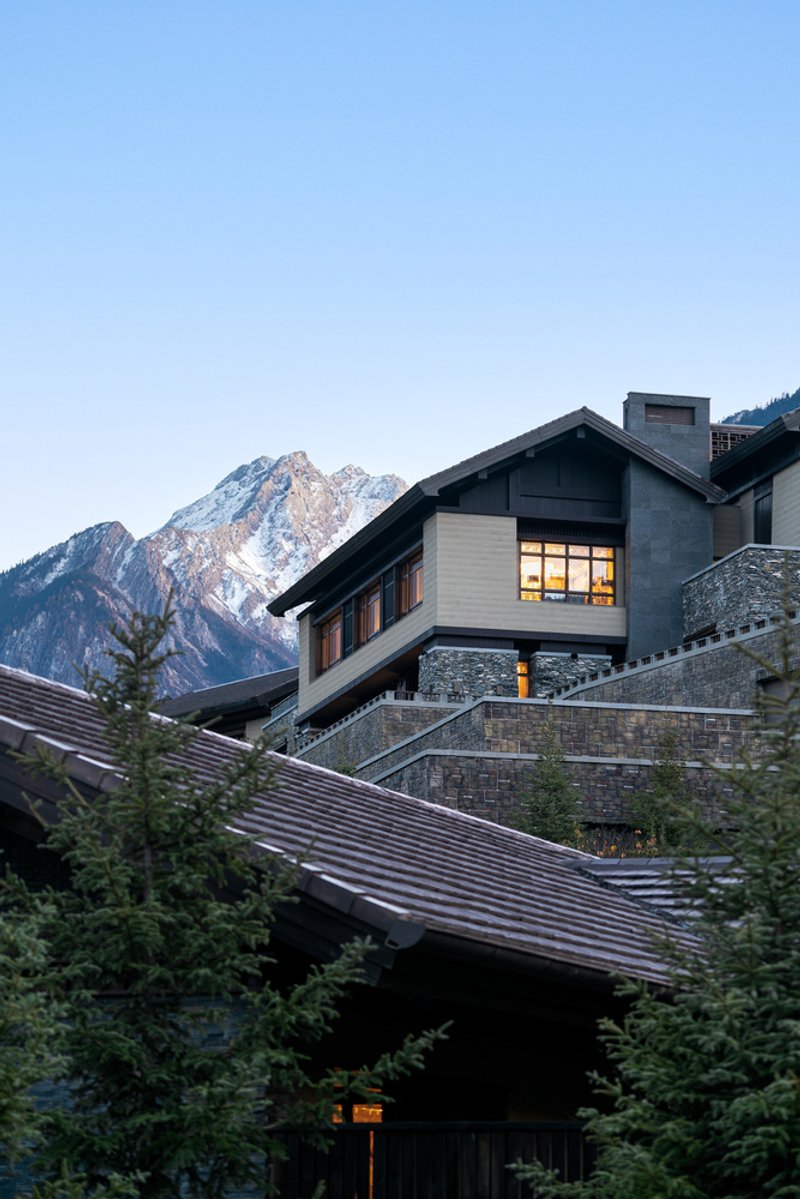
Guests approach Rissai Valley via a scenic winding mountain road, passing a traditional village gate that introduces them to the resort’s authentic atmosphere. From there, a sightseeing vehicle with a personal butler transports visitors to their private villas, setting the stage for a journey steeped in luxury, culture, and seclusion.
Design Concept & Site Layout
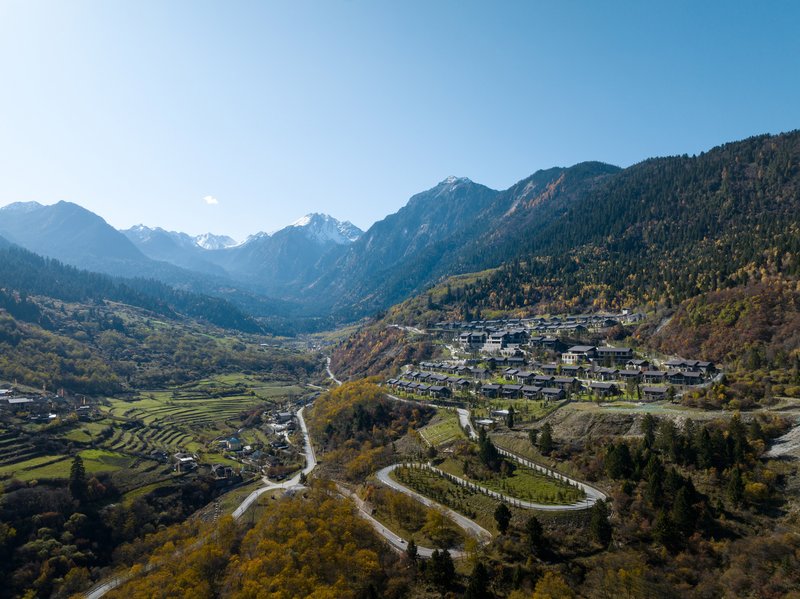
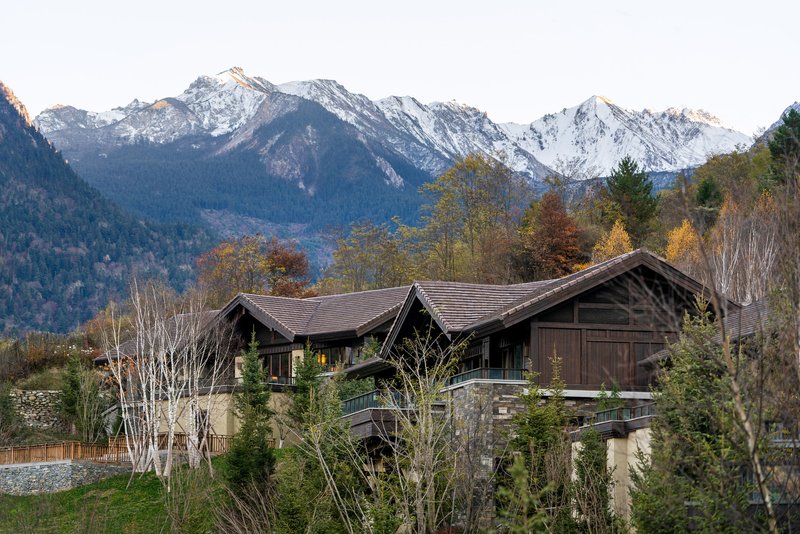
Rooted in Tibetan-Qiang cultural traditions and Sichuan architectural styles, Rissai Valley is thoughtfully sited on a west-high, east-low hillside at 2,400 meters elevation, featuring an 89-meter vertical difference. Its 87 luxury villas, extensive public areas, and a full-service SPA occupy a 166,088 m² site, with careful attention to topography and natural contours.
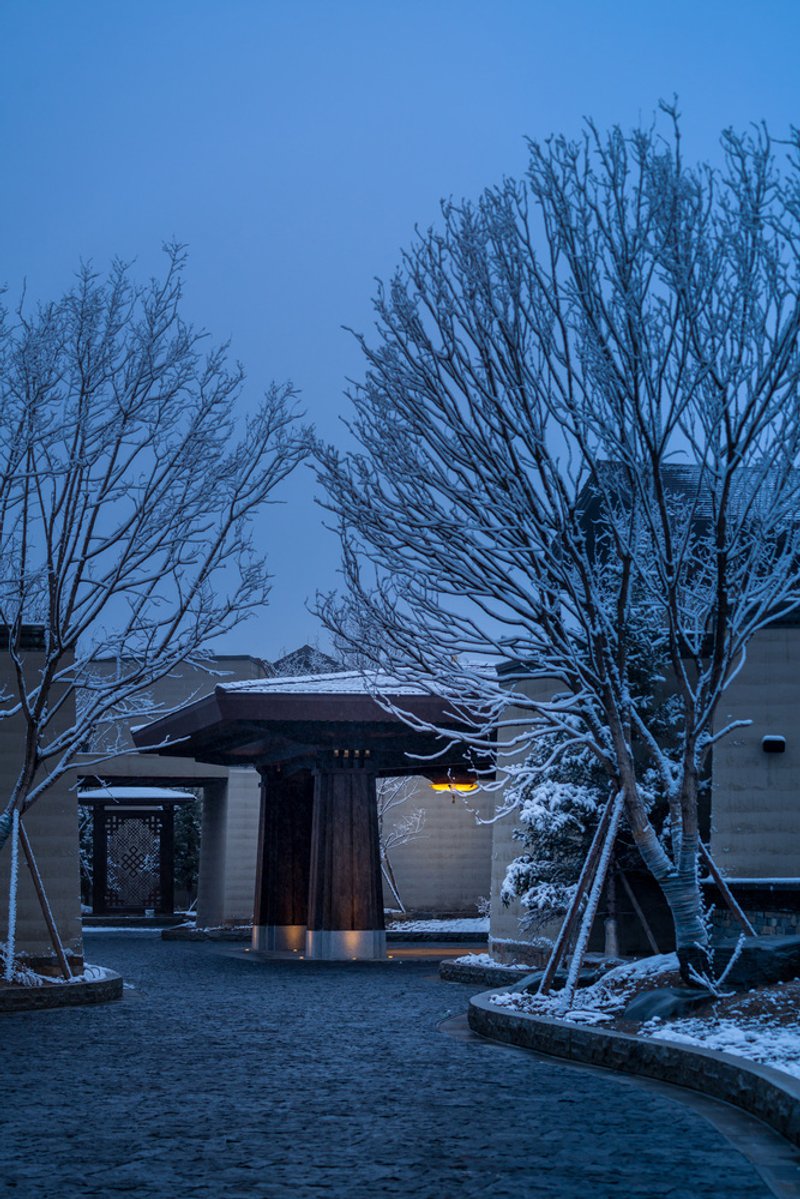
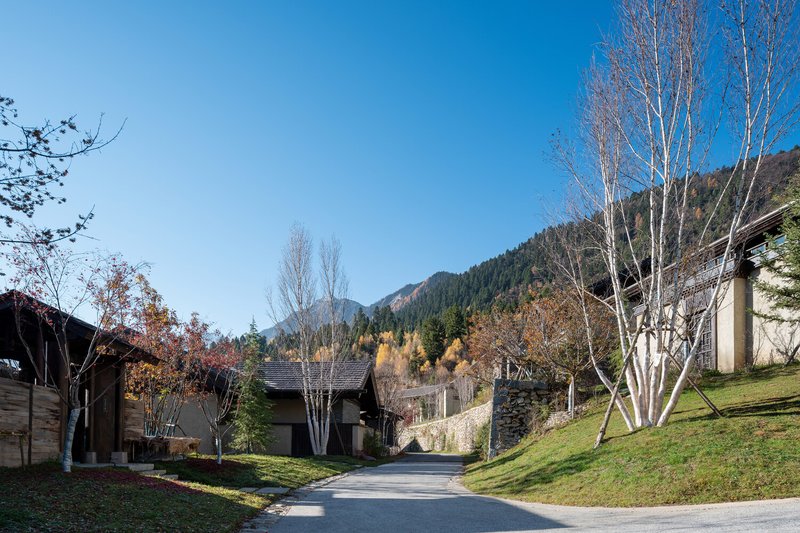
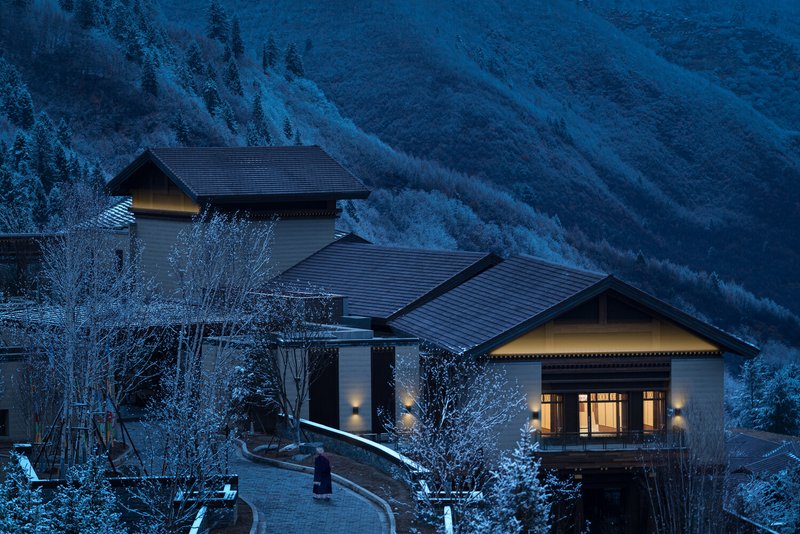
The resort’s layout emulates scattered Tibetan villages, with central public zones forming the core. Villas are strategically placed along contour lines, blending seamlessly into the landscape and creating an exclusive sense of luxury seclusion.
Architectural Features
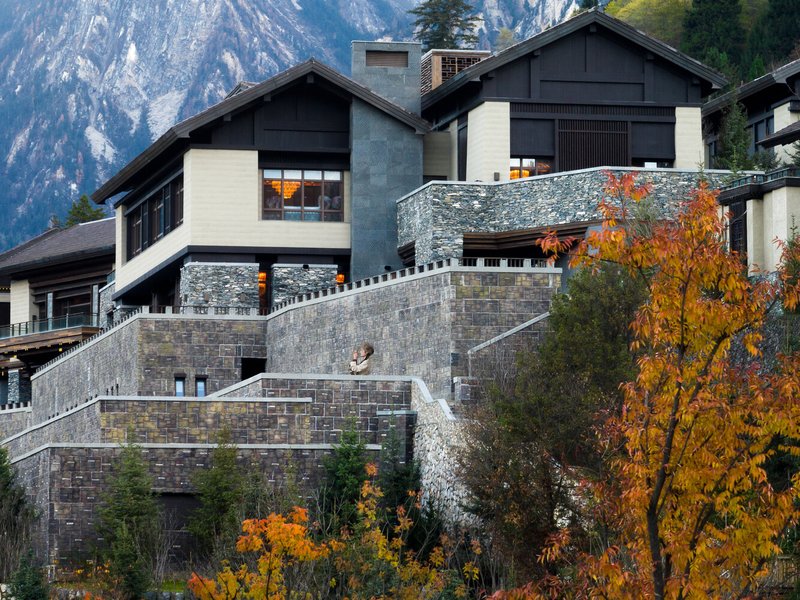
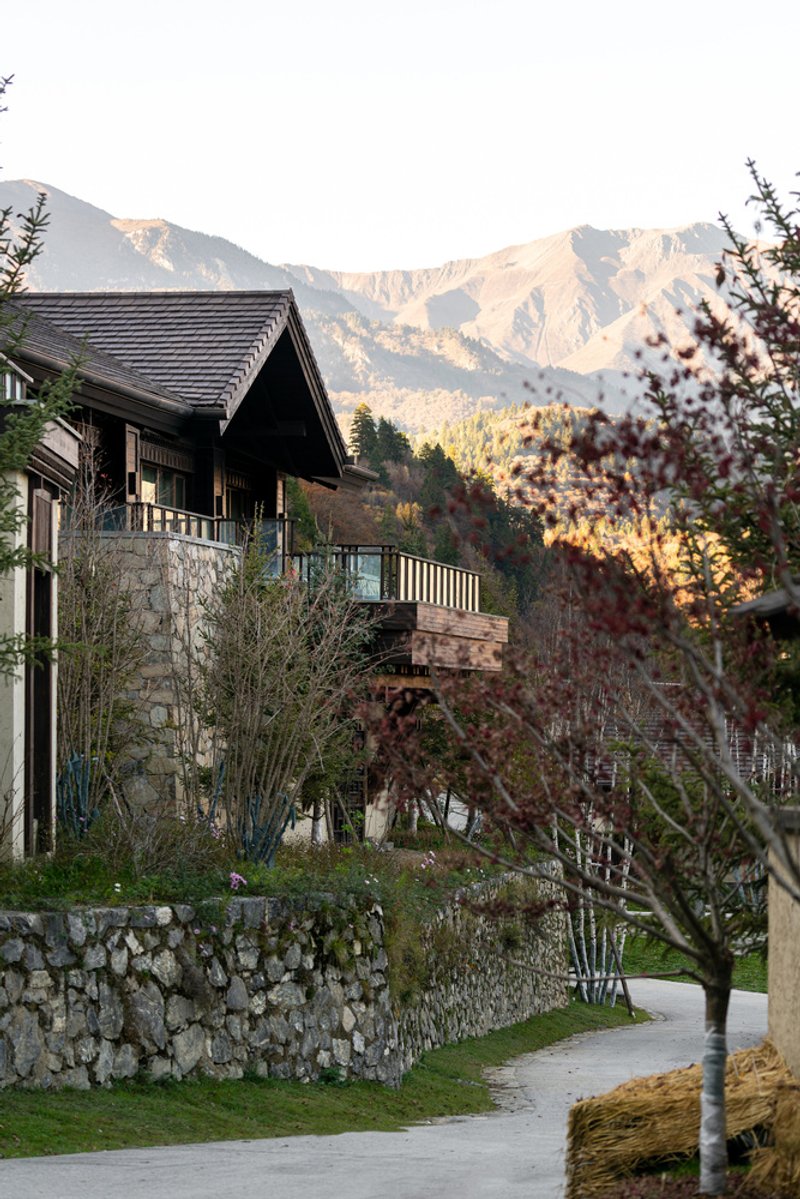
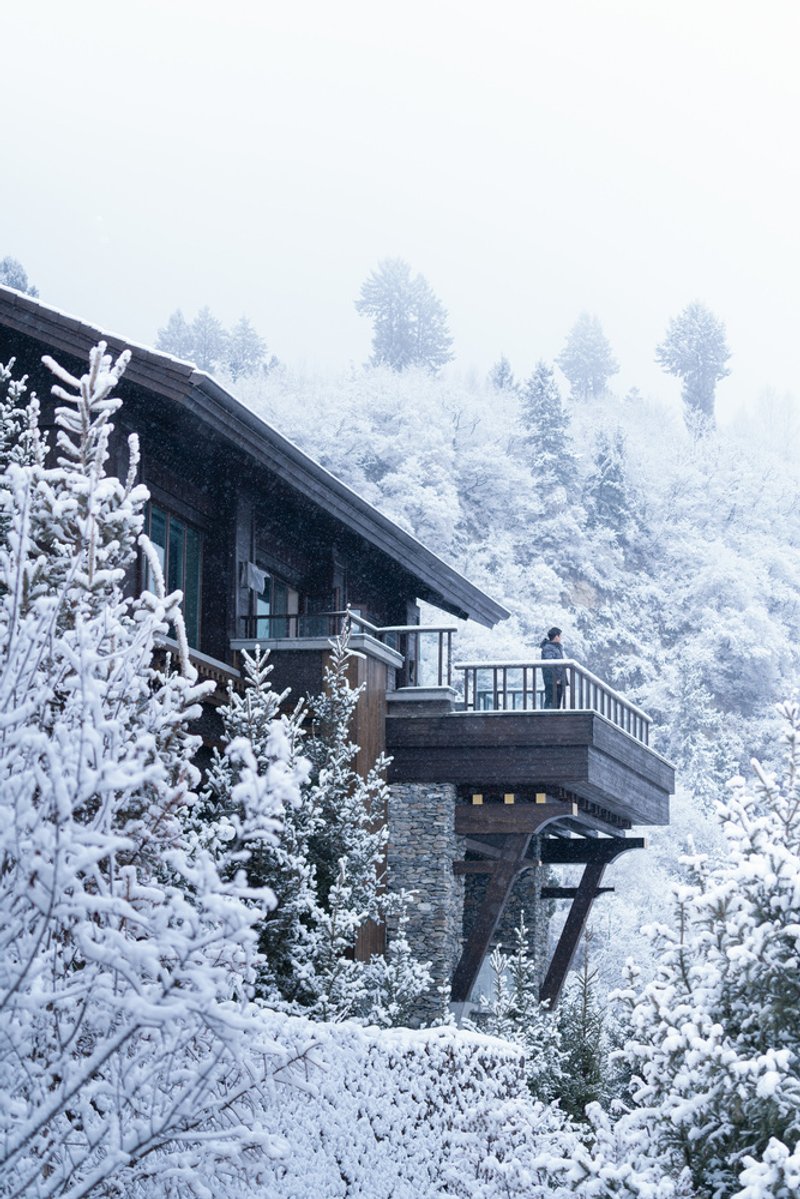
The buildings are inspired by traditional Tibetan stilted houses. Guest villas feature one above-ground living floor with panoramic views and one stilted service floor, while public areas rise two above-ground levels with three stilted floors. Entrances are carefully integrated into the terrain to separate guest and service circulation.
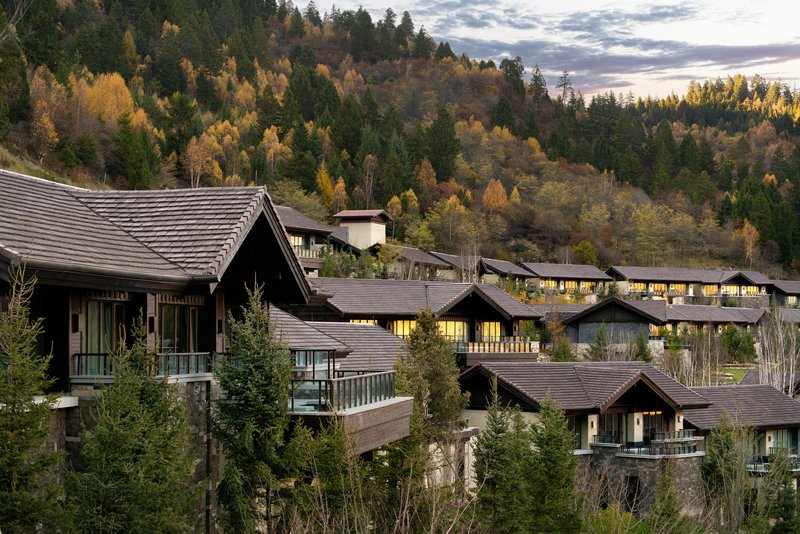
Each villa includes an east-facing terrace and 7 meters of spacing between rows, ensuring uninterrupted views of snow-capped mountains and ancient villages. Courtyards, ranging from welcoming front courtyards to private villa small courtyards, transition from communal to intimate spaces.
Cultural & Interior Design
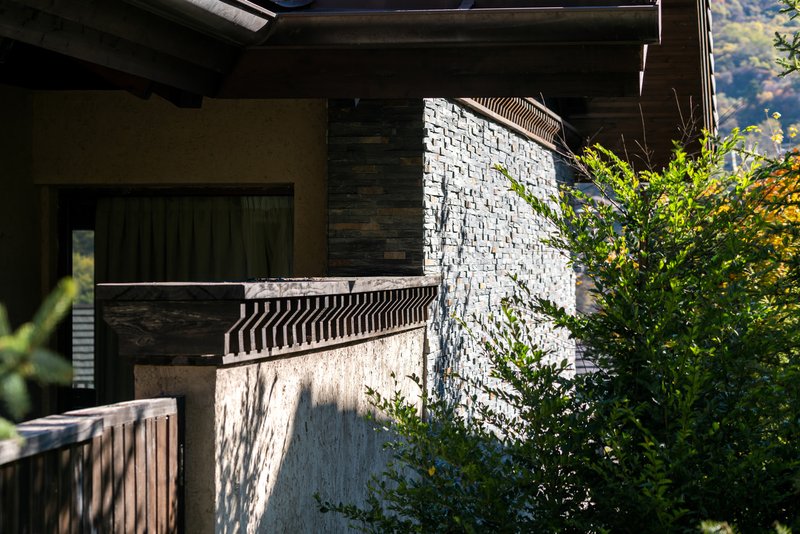
The resort’s facades draw inspiration from Tibetan-Qiang watchtowers and plank houses, featuring three-section structures, gable-hip roofs, and rammed-earth style walls. Traditional elements, such as the “Bianma Wall”, are reinterpreted with a modern aesthetic.
Interiors highlight wooden structures, Tibetan fire pits, and auspicious patterns, while displaying local artifacts to evoke a warm sense of homecoming. These spaces create an immersive experience that celebrates authentic Tibetan-Qiang culture.
Sustainability & High-Altitude Adaptations
Rissai Valley prioritizes eco-friendly design with wind and sun protection adapted to the hillside terrain, optimized window-to-wall ratios, and local sustainable materials like rock slab tiles and anti-corrosive wood. Advanced technologies, including frame-shear structures and dual power supplies, ensure resilience against high-altitude challenges.
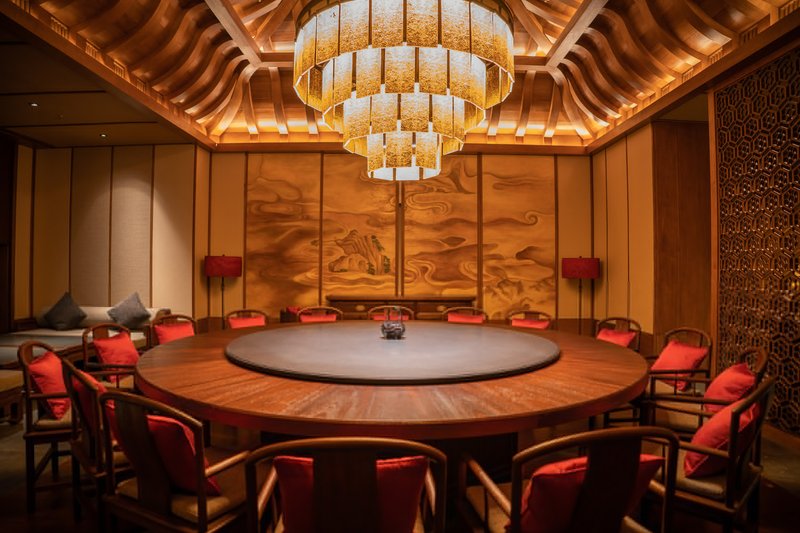
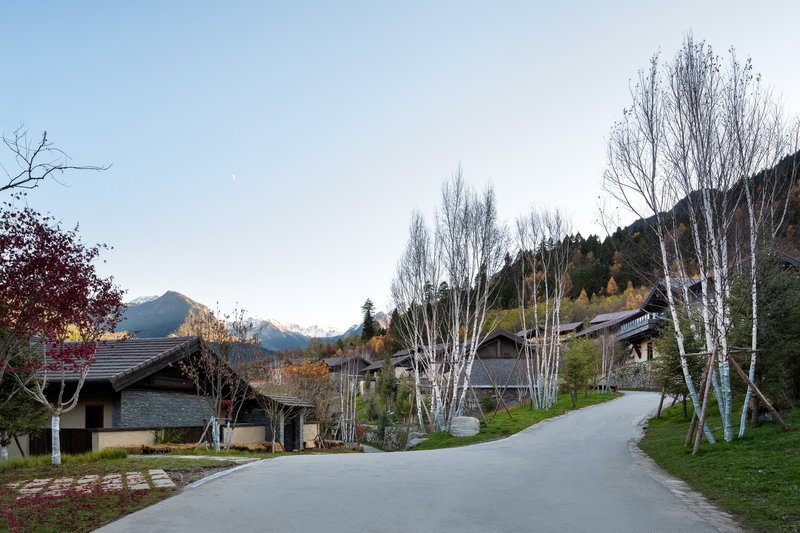
All photographs are works of 404NF STUDIO



Popular Articles
Popular articles from the community



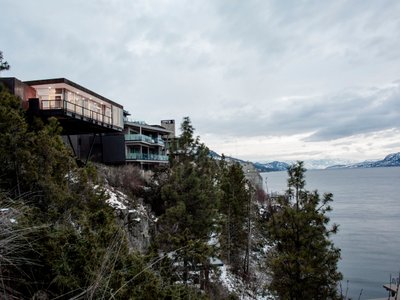
Alton Cliff House: A Harmonious Retreat by f2a Architecture in Lake Country, Canada
Alton Cliff House blends corten steel, prefabrication, and sustainable design, creating a luxurious, energy-efficient retreat perched on Canadian cliffs.

Filtering Space: A Gradual Spatial Experience
From urban intensity to spatial calm.
Magic Box Office Barcelona Innovative Sustainable Workplace Design
Innovative sustainable office design featuring triangular form, ceramic façade, flexible interiors, natural light optimization, and creative workspace for modern work culture.


Similar Reads
You might also enjoy these articles
Filtering Space: A Gradual Spatial Experience
From urban intensity to spatial calm.


The Ken Roberts Memorial Delineation Competition (Krob)
As the most senior architectural drawing competition currently in operation anywhere in the world, it draws hundreds of entries each year, awarding the very best submissions in a series of medium-based categories.


Waterfront Redevelopment and Urban Revitalization in Mumbai: Forging a New Dawn for Darukhana
A transformative waterfront redevelopment project reimagining Darukhana’s shipbreaking heritage into an inclusive urban future.

OUT-OF-MAP: A Call for Postcards on Feminist Narratives of Public Space
Rhizoma Design and Research Lab invites artists, designers, architects, researchers, and students to reflect on how feminist perspectives can reshape public space. Selected works will be exhibited in Barcelona, October 2026. Submissions open until 15 April 2026.

Explore Architecture Competitions
Discover active competitions in this discipline




The International Standard for Design Portfolios


The Global Benchmark for Architecture Dissertation Awards


The Global Benchmark for Graduation Excellence


Challenge to design an urban locus of culture and heritage
Comments (0)
Please login or sign up to add comments
No comments yet. Be the first to comment!